REVIEW · EPIRUS
Arachthos white water river Rafting: Plaka’s Bridge- Tzari
Book on Viator →Operated by Alpine Zone · Bookable on Viator
Plaka Bridge is one of those rare rafting starts that already makes your day feel special. You kick off from a dramatic 20-meter-high, single-arch stone bridge, then ride the Arachthos River through Class II and III rapids in the Tzoumerka–Epirus area. I like that it’s set up for real beginners (you get training and stay with the group), and I also like the practical touches like neoprene gear plus photos handled for you.
One thing to keep in mind: summer water levels can be low on parts of the route, and the canyon ride can feel less bouncy if the river is running thin. Also, you’re not getting a swimsuit or towel, so plan to arrive ready to rinse off and change.
In This Review
- Key Things That Make This Arachthos Rafting Run Worth It
- Plaka Bridge to Tzari: The Arachthos River’s Best Starting Line
- Class II–III Rapids: What to Expect (and How to Think About Difficulty)
- Safety Gear That Actually Fits a Whitewater Day
- Photos via Internet and the Phone-Wet Reality Check
- The 5-Hour Day: Timing, Training, and the Real Rest Stops
- Alpine Zone Base After Rafting: Sweets, Showers, and a Soft Landing
- How Much Does It Cost, and Is It Good Value?
- Best Guide Moments: Why Instruction Makes the Difference
- Who Should Book This Arachthos Rafting Trip (and Who Might Pause)
- Should You Book Plaka Bridge to Tzari Rafting with Alpine Zone?
- FAQ
- How long is the rafting experience from Plaka Bridge to Tzari?
- Do I need prior rafting experience?
- What rapid difficulty is this rafting trip?
- What safety gear and equipment are included?
- Do they provide a swimsuit and towel?
- Are photos included, and do I need to keep my phone dry?
- Where is the meeting point, and do you return there?
- What happens if weather is bad or the trip can’t run?
Key Things That Make This Arachthos Rafting Run Worth It
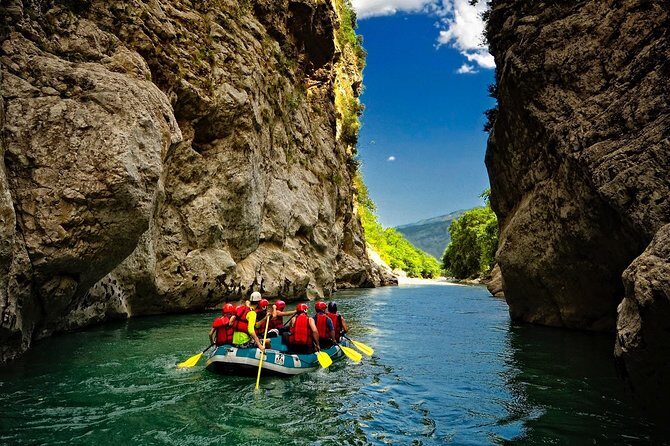
- Plaka Arched Bridge is the visual wow-factor before you even hit the rapids
- Class II/III fun without prior experience, thanks to close guide coaching
- Full safety kit included: neoprene suit and shoes, life jackets, helmets (plus extra layers when needed)
- Phone worry is reduced because photos are provided online, but it’s smart to confirm how your phone is handled on your day
- Tzari is a proper finish point, followed by a return to the Alpine Zone base for showers and changing
- Small groups (max 20) help keep instruction direct and the vibe controlled
Plaka Bridge to Tzari: The Arachthos River’s Best Starting Line
This rafting outing begins at Plaka Arched Bridge in the Tzoumerka area of Epirus (meet-up point is just off the bridge). The bridge itself is massive for the region: about 20 meters high and roughly 40 meters wide, a single-arch stone structure that’s described as the largest of its kind in the Balkans. You don’t just arrive—you start with a sense of place.
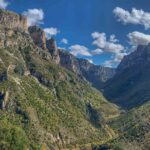
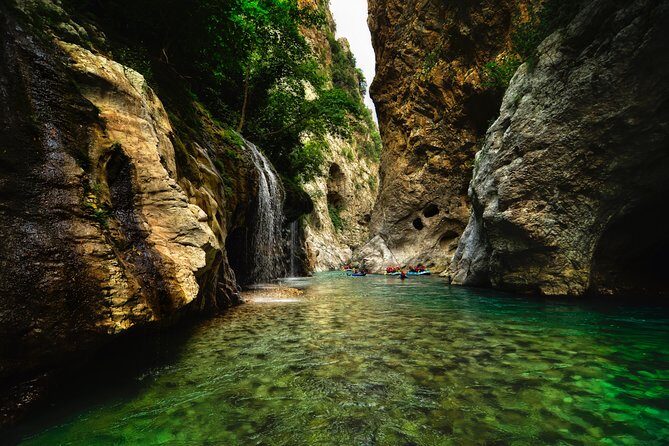
What I like is how the route design works with the setting. After you gear up, you launch downstream and the scenery becomes part of the pacing. The river runs through the Arachthos Gorge, where canyon walls can rise as high as 700 meters. In practical terms, that means even a calm stretch feels dramatic, and you get that classic “mountain river” feeling rather than a generic riverbank ride.
That gorge scale also matters for photos and enjoyment. When the canyon walls tower above you, the reflections and light shift quickly as you paddle, especially around bends. If you’re a first-timer, this kind of backdrop helps the whole thing feel like an adventure, not just a workout.
You can also read our reviews of more tours and experiences in Epirus.
Class II–III Rapids: What to Expect (and How to Think About Difficulty)
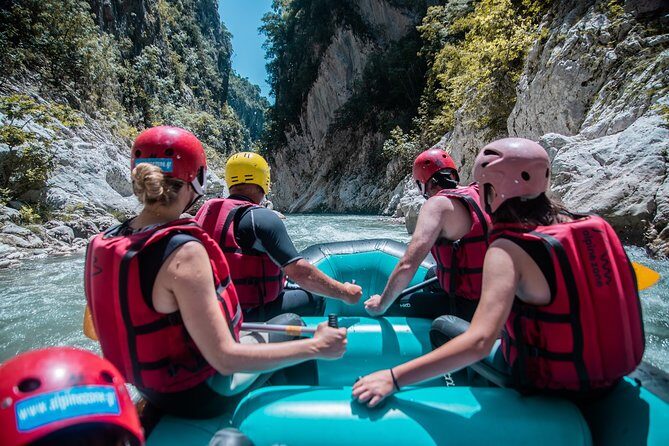
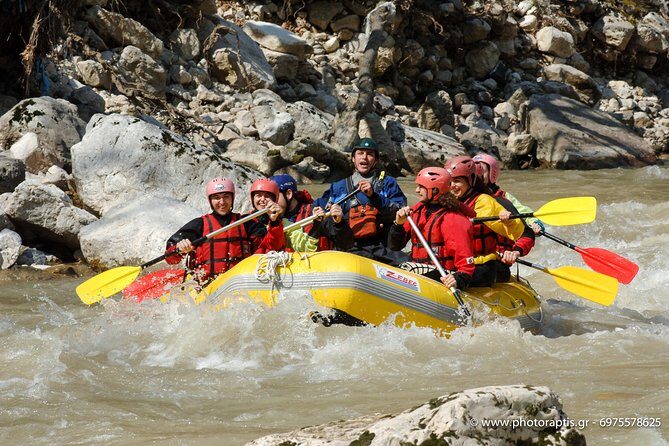
The run is built around Class II and III waters, with the challenge level described as Class III WW difficulty. If you’ve never rafted, here’s the helpful way to interpret that: Class III generally means you’ll feel real push from the current and you’ll likely get splashes and controlled chaos. It’s not “extreme whitewater,” but it’s enough that you’ll want to listen, hold position, and follow instructions.
Also notice the wording about water conditions. The Arachthos can look very different across seasons. In winter, the waterfall can be full and loud; in summer, parts of the riverbed can be shallow enough that some areas run with only a little water. Why that matters to you: the ride can be intense even with lower water, but the “shape” of the rapids can feel different day to day.
This is one reason the guide matters so much. With this kind of river, your best experience usually comes from paying attention during the setup and trusting the crew when they call for paddling or bracing. The tour is designed for people with no rafting experience—training is included and the guide stays with your group—so you’re not expected to figure out teamwork on your own.
If you prefer a calmer paddle, you’ll still get plenty of time on the river. If you want big thrills, Class III beats a gentle scenic float. Either way, you’ll be wet, and you’ll be moving.
Safety Gear That Actually Fits a Whitewater Day
This isn’t a casual “bring your own life vest” setup. You get full whitewater basics: neoprene suit and neoprene shoes, plus life jackets and helmets. Depending on the temperature, they also provide extra clothing such as dry jackets and gloves.
What that means for your comfort: neoprene and shoes aren’t just safety—they keep you warm and protect your feet from the river bottom and from rubbing in and out of the raft. If you show up in regular sneakers or sandals, you’ll be cold fast and you won’t have the grip you want.
One practical detail: they don’t supply a swimsuit or towel. That’s easy to miss. Plan to wear a swimsuit under your gear (or something you don’t mind getting soaked), and bring a towel so you can actually dry off after. If you forget, you can still change, but you’ll be uncomfortable longer than you need to be.
Safety is also handled through the format: no experience needed, a guide gives training, and you stay with the group. On a day with real current, that “stays with the group” part is what keeps your confidence high.
Photos via Internet and the Phone-Wet Reality Check
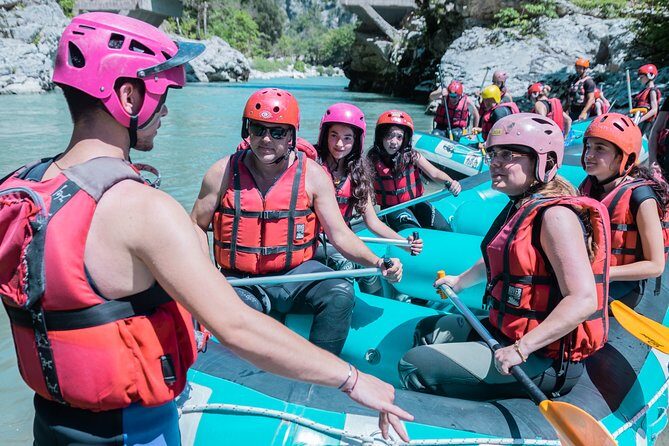
Here’s a big selling point: you don’t have to worry about getting your phone wet, because photos are included and delivered online. That’s a strong value add. Whitewater is messy; even with a waterproof phone case, it’s stressful.
I also appreciate that the guides are praised for photo handling and keeping people focused on the ride. Some guides have been described as taking photos so you don’t have to mess with your own device mid-rapid.
But here’s your one sensible caution: there has been at least one unhappy experience where a phone and photo promise didn’t go as expected. So if you care about getting your own shots, do two things:
- Ask how phones are handled that day (some operators discourage phones in the raft even if they’re waterproof).
- If you want backup, bring a small waterproof pouch or case you can use only if it’s allowed.
Even if you don’t bring a phone, assume you’ll want something to remember the day. Since photos are included online, you’ll at least get the “this is what it looked like when we ran it” part.
The 5-Hour Day: Timing, Training, and the Real Rest Stops
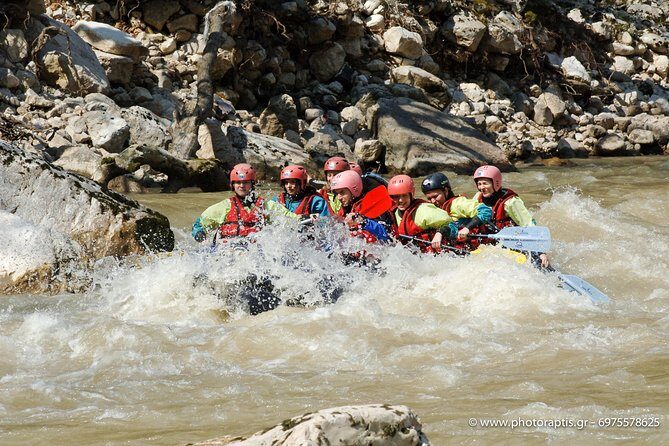
On paper, the outing is about 5 hours. In real life, that usually means a longer day with driving, gear-up, and changeover time, while the actual time in the water tends to be shorter. One guide-style description you’ll commonly hear from similar runs is about 2 to 2.5 hours on the water, which many people feel is a sweet spot.
Here’s what that rhythm looks like once you’re there:
- You meet near Plaka Arched Bridge, then get equipped with neoprene and whitewater safety gear.
- You receive basic training and instructions for paddling and staying safe on board.
- Then you launch downstream for the 9-kilometer descent.
The distance matters because it helps you gauge the energy level. A 9-kilometer run sounds long until you realize you’re doing it in bursts of effort and commands, not as a steady grind. It’s typically active enough to feel worth it, but not so long that first-timers feel trapped.
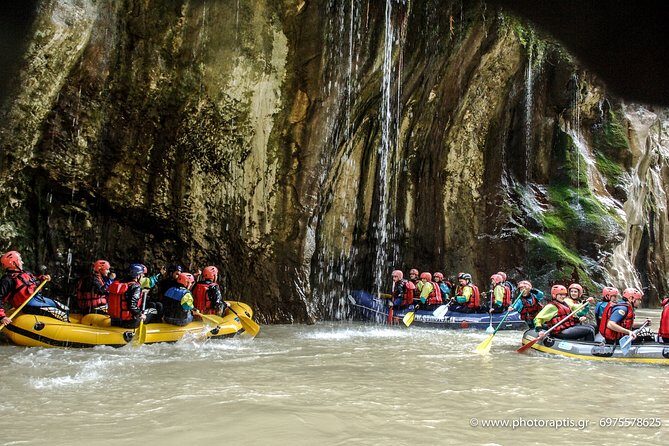
Also, you get a stop tied to the nature of the river. The route is known for waterfall and gorge scenery, and people have praised time on foot near the waterfall area, plus a refresh in cold water when conditions allow. Even if you don’t think you’ll like getting out of the raft, these short breaks are often what keep the day fun instead of exhausting.


Alpine Zone Base After Rafting: Sweets, Showers, and a Soft Landing
When you finish, you land in the Tzari area after the descent. Then you don’t just wander off wet and cold. They bring you back by bus to the Alpine Zone base, located only a few meters past Plaka Bridge.
This post-ride setup is genuinely useful: the team offers traditional syrupy sweets, plus refreshing water. There are also changing rooms and washing facilities. In other words, you’re not stuck improvising a rinse in a parking lot.
This is where a lot of operators either shine or fall flat. Here, it’s a strong point because the day is designed as an end-to-end outing, not just a drop-off-and-hope situation. If you’re traveling with someone who doesn’t love “roughing it,” the base facilities help you keep the mood upbeat.
How Much Does It Cost, and Is It Good Value?
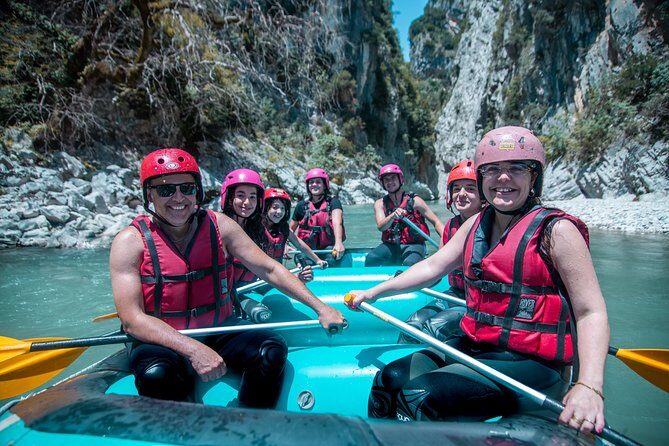
The price is $72.56 per person for an outing that’s about 5 hours total. At first glance, that can sound like a simple activity. But when you break down what’s included, it looks more like good value than a budget gimmick.
You’re getting:
- Full neoprene suit and shoes, plus life jacket and helmet
- Extra layers when temperature requires it
- Bottled water
- Local syrupy sweets as part of the refresh
- Photos via internet
- A trained guide who stays with the group and provides instruction
What you’re not getting is also clear: no swimsuit and no towel. That’s not a dealbreaker, but it’s a reminder that you’ll need to come prepared.
The small-group cap (maximum 20 travelers) also supports value. Smaller groups often mean less waiting, more attention, and smoother logistics when you’re getting geared up and lined into rafts.
One more detail: this run is booked fairly ahead of time (about 37 days on average). If you have fixed travel dates, don’t wait for the last minute, especially in high-season.
Best Guide Moments: Why Instruction Makes the Difference
You’ll hear a similar theme in strong whitewater experiences: the guide is part of the safety system, not just the entertainment. This one is designed that way. The guide provides training, explains what to do, and stays with the group so everyone isn’t guessing.
Names you may come across include Eleni, George, Vasilis, Thanos, and Kostas. People have specifically praised guides for professional coaching and quick help when someone tips or falls out. That kind of competence matters because a Class III stretch doesn’t forgive inattention, but it does reward calm teamwork.
There’s also a good sign in the way they handle changing weather. One account highlights that rainy conditions didn’t automatically cancel the trip; the team studied the river conditions and went ahead, resulting in a great experience. So the operation isn’t purely schedule-driven—it’s river-smart.
If you want to feel confident quickly, show up on time, listen during training, and ask one simple question at the start: what do you want me to do to stay safe and contribute best?
Who Should Book This Arachthos Rafting Trip (and Who Might Pause)
This rafting run is a strong fit if:
- You want real whitewater thrills without needing prior experience
- You like organized tours where gear, instruction, and logistics are handled
- You’re excited by gorge scenery and want a day that feels active but not overwhelming
It’s a softer fit if:
- You hate the idea of getting wet and want dry sightseeing only
- You’re very sensitive to discomfort and forget essentials like a swimsuit and towel
- You’re visiting in summer expecting the same intensity you’d get after winter rains (some areas can be shallow or even run dry)
The key takeaway: this is an adventure day designed for most participants, but it still demands basic comfort with water, teamwork, and following directions.
Should You Book Plaka Bridge to Tzari Rafting with Alpine Zone?
I’d book it if you want the full Arachthos experience: bridge wow-factor, gorge scale, and Class II–III rapids with a guide-led setup that doesn’t require experience. The inclusion of neoprene gear, bottled water, local sweets, and photos via internet makes it feel like you’re paying for a complete day, not just the thrill.
Book with extra confidence if:
- You’re okay with rafting being wet and active.
- You’ll bring a swimsuit and towel so the changeover is easy.
- You care about photos enough that you’ll rely on the included online set, while still being smart about phone handling.
One final thought: because the experience depends on conditions, plan for weather. Good weather matters here, and cancellations due to weather or minimum traveler numbers are handled with a reschedule or refund.
If your goal is a memorable whitewater day in Epirus that’s practical for first-timers and still genuinely exciting, this Plaka Bridge to Tzari run is a solid choice.
FAQ
How long is the rafting experience from Plaka Bridge to Tzari?
The total activity time is about 5 hours. The actual time spent on the river can be shorter than the full day, typically around a couple of hours.
Do I need prior rafting experience?
No. You don’t need experience because the guide provides training and stays with your group.
What rapid difficulty is this rafting trip?
The route includes entertaining Class II and III rapids, with Class III identified as the difficulty level for the waters you’ll paddle through.
What safety gear and equipment are included?
You’ll be provided with a neoprene suit and neoprene shoes, plus a life jacket and helmet. Depending on temperature, you may also receive extra clothing such as dry jackets and gloves.
Do they provide a swimsuit and towel?
No. They provide gear and help with changing and washing after, but you should bring your own swimsuit and towel.
Are photos included, and do I need to keep my phone dry?
Photos are included via internet, and the experience is designed so you don’t have to worry about your phone getting wet. If you’re particular about having your own photos, it’s smart to confirm how phones are handled on your day.
Where is the meeting point, and do you return there?
You start at Plaka Arched Bridge, and the activity ends back at the meeting point.
What happens if weather is bad or the trip can’t run?
The experience requires good weather. If it’s canceled due to poor weather, you’ll be offered another date or a full refund. If the minimum number of travelers isn’t met, you’ll also be offered a different date/experience or a full refund.