REVIEW · CRETE
Battle of Crete Full Day Private Tour in Chania
Book on Viator →Operated by Proper Cretan Guide · Bookable on Viator
One wrong week can change a whole war. That’s the feel of this private Battle of Crete day, with Operation Mercury stories told on the ground around Maleme, Chania, and Souda Bay. I especially like the historian-led focus on what happened, where, and why the turning points mattered. You’ll also get a clear route with stops built around real sites, not just photos and guesswork.
The main thing to think about is that you’ll be outside at several stops and you might want to budget a couple of small extras, like the war shelter admission and a separate museum fee.
In This Review
- Key things you’ll enjoy on this Battle of Crete tour
- Why the Battle of Crete still hits hard (and how this tour frames it)
- Your private historian day from Chania: timing, comfort, and pacing
- Maleme airfield: the core objective of Operation Mercury
- Hill 107 and the German War Cemetery: respecting the fallen
- Tavronitis Bridge: an intact landmark and a turning-point lesson
- Abandoned German bunkers with wide views: what you’re really looking at
- Platanias War Shelter tunnels: forced labour and rare finds
- Chania Sector viewpoints: ANZAC stakes overlooking Souda Bay
- Souda Bay War Cemetery: the emotional final chapter
- Price and value: is $189.73 per person worth it?
- Who this tour fits best (and who should reconsider)
- What to bring for a long, site-heavy WWII day
- Should you book the Battle of Crete Full Day Private Tour in Chania?
- FAQ
- How long is the Battle of Crete full day private tour?
- What time does the tour start?
- Do you pick up from hotels in Chania?
- Is this tour private or shared?
- What’s included in the price?
- Are any entrance fees or tickets required during the day?
- Are there stops where admission is free or included?
- Is there mobile ticketing?
Key things you’ll enjoy on this Battle of Crete tour
- Professional historian guide licensed by the Greek Ministry of Tourism & Culture
- Private, full-day route built around key WW2 sites in the Chania area
- Maleme to Souda Bay coverage of both German and ANZAC perspectives
- Rare archives and research books used to explain what you’re seeing
- War-shelter tunnels and abandoned bunkers for a hands-on sense of the fighting
- Free hotel pickup/drop-off from Chania central areas with WiFi and an air-conditioned vehicle
Why the Battle of Crete still hits hard (and how this tour frames it)
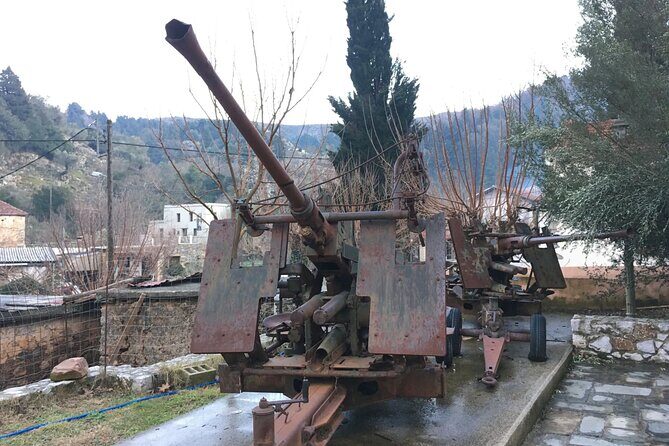
The Battle of Crete isn’t just a distant chapter of World War II. It was a brutal test of air power, coastal defense, and the limits of surprise—plus a fight that left the island scarred long after the shooting stopped. This tour is built around that exact idea: you’re not touring museums first. You’re walking the ground where decisions were made.
What I like most is how the story stays tied to geography. You’ll hear why Maleme mattered, how bridge crossings shaped early days, and what the views from key points can tell you about movement and control. That means the day doesn’t feel like a lecture that floats above the landscape—it stays anchored to place, so the history clicks faster.
One more plus: you get both sides of the conflict. You’ll see German war sites and ANZAC memorials, and the tour uses the terrain to explain why the losses were so heavy on both sides of the same campaign.
You can also read our reviews of more private tours in Crete
Your private historian day from Chania: timing, comfort, and pacing
This is a private tour, so you and your group set the tempo while the guide handles the driving and the story. The day runs about 6 to 8 hours, starting at 8:30 am, with pickup offered from Chania central areas and drop-off back where you started.
You’ll travel in an air-conditioned vehicle, with WiFi on board. That’s not a luxury detail—it matters on Crete when the morning turns warm and you’re spending several hours moving between sites. Since it’s private, the schedule can also flex to keep the pace comfortable for your group.
The tour is designed to cover multiple stops with short, focused time windows. Some are around 30 minutes, some closer to an hour, and you’ll have a few moments for quiet reflection at memorial areas. This is the kind of day where you should expect to concentrate for most of the hours, then exhale at the cemeteries and viewpoints.
Maleme airfield: the core objective of Operation Mercury
Maleme is where the battle’s logic becomes obvious. The tour starts with a visit to the airport area of Maleme, which was the main objective during the Battle of Crete. Instead of treating it like a generic starting point, the guide focuses on what the terrain would have meant for attackers and defenders.
You’ll also get an explanation of the battlefield’s geology and how that ties into positions—especially regarding German forces and the allied defensive setup. The value here is simple: when you understand the ground, you understand why certain moves worked or failed.
A smart detail is that you get time that’s not all talk. The stop includes an emphasis on the positions of the German team Comet, plus allied defensive areas, so you’re not just hearing names—you’re connecting them to the map you’re standing on.
Hill 107 and the German War Cemetery: respecting the fallen
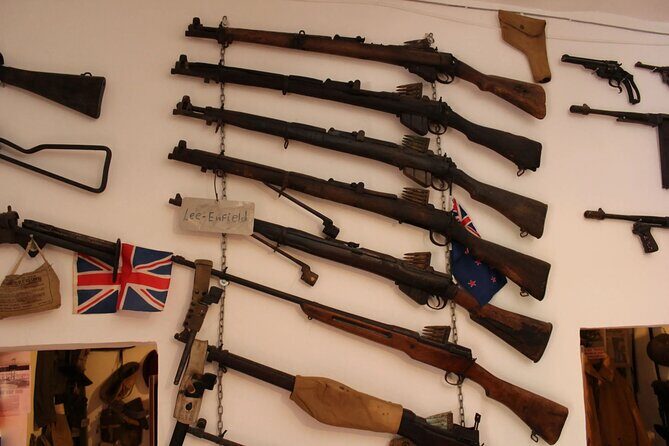
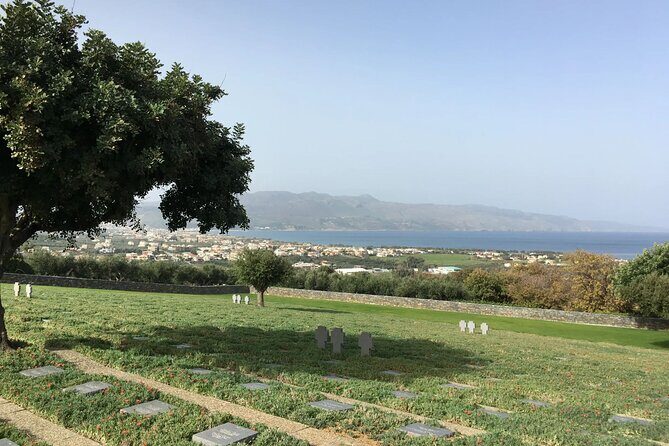
Later in the Maleme area, you’ll visit the German War Cemetery in Hill 107. This is one of the stops that changes the mood quickly, because it’s memorial first, then history. The tour includes time for you to visit the information room linked with the museum setting.
The guide frames this visit as a moment of respect for German soldiers and paratroopers who died during the battle. If you’re the type who likes to get the human side of history, this stop will likely become a highlight of your day.
You should also know that the tour includes time here and you’ll want a few minutes for quiet reading and photos, even if you don’t stay long. It’s the kind of place where rushing feels disrespectful, so I recommend planning to slow down with your group.
Tavronitis Bridge: an intact landmark and a turning-point lesson
The Tavronitis Bridge stop is short but meaningful. You’ll visit a historic and intact bridge over the river of Tavronitis and learn how the early days of the battle unfolded around crossings and movement.
The guide uses rare historical archives and research books to connect what you’re seeing now to what was happening then. This is where the tour’s “history on site” approach pays off. A bridge isn’t just a bridge—during war it can be a choke point, a lifeline, or a trap depending on timing.
One consideration: the bridge stop is about 30 minutes, so if you’re the type who loves lingering on architecture details, you may want to keep your expectations realistic. You’ll get the historical context, but you won’t have hours to wander.
A few more Crete tours and experiences worth a look

Abandoned German bunkers with wide views: what you’re really looking at
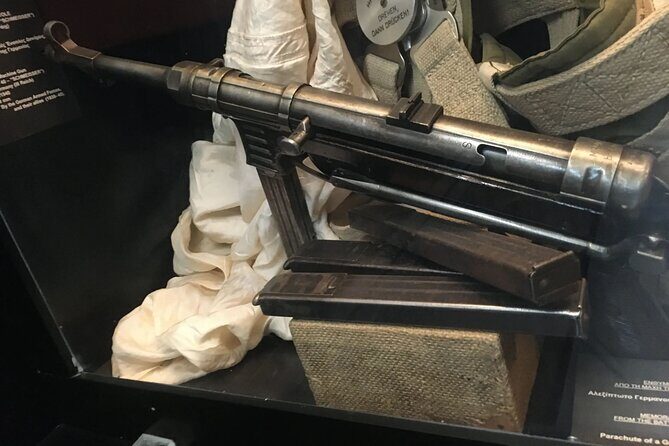
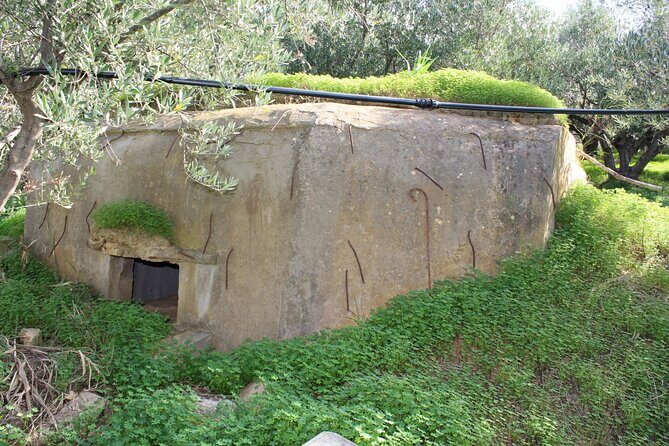
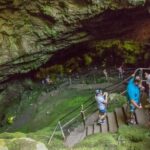
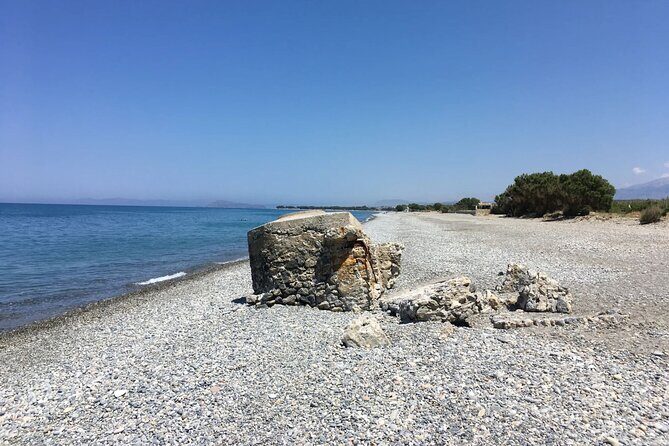
The day also includes a visit to an abandoned German bunker, located in an undisclosed spot with impressive views. That “undisclosed location” detail is common for battlefield-adjacent tours because it helps keep fragile sites protected and reduces crowding.
What I like about this part is that it isn’t presented as a spooky photo stop. The guide ties bunker design and positioning back to how troops tried to hold ground, watch approaches, and survive artillery and air attacks.
Because the stop runs about 30 minutes, treat it like a quick field lesson: arrive with your attention switched on, listen for the key points about what mattered in that position, and take photos if you want—but prioritize the explanation over sightseeing.
Platanias War Shelter tunnels: forced labour and rare finds
Next comes a stop at the War Shelter of Platanias, described as a one-of-a-kind set of WW2 tunnels. This is where the story shifts from front lines to what occupation did to local life.
You’ll learn about forced labour the Germans imposed on people after the occupation of the island. The tour also highlights rare historical finds from the war era, which helps explain why the tunnels are more than just old infrastructure.
Here’s a practical point: the admission for this stop is not included. So if you’re budgeting tightly, plan for an extra entry fee here. It’s still a worthwhile add-on if you want a deeper understanding of how the war’s impact spread beyond immediate fighting.
Chania Sector viewpoints: ANZAC stakes overlooking Souda Bay
The tour then heads into the Chania area for battlefield significance linked to Operation Mercury. You’ll spend time visiting a battlefield tied to the ANZAC losses during fierce fighting in the Chania sector, including the area referred to as Team Mars.
You’ll also get a coffee break / sightseeing stop at a strategic viewpoint overlooking the Souda Bay area. This is more than a snack pause. It’s a chance to see how the coastline and nearby terrain shape what could be attacked, defended, or reinforced.
The guide uses these vantage points to help you picture movement and command decisions. Even if you don’t memorize every unit name, you’ll start to understand the campaign as a chain of linked locations—each one influencing the next.
The stop is about one hour here, with time allocated for the coffee break and sightseeing. It’s a good buffer in a long day, especially if the earlier bunker stops felt intense.
Souda Bay War Cemetery: the emotional final chapter
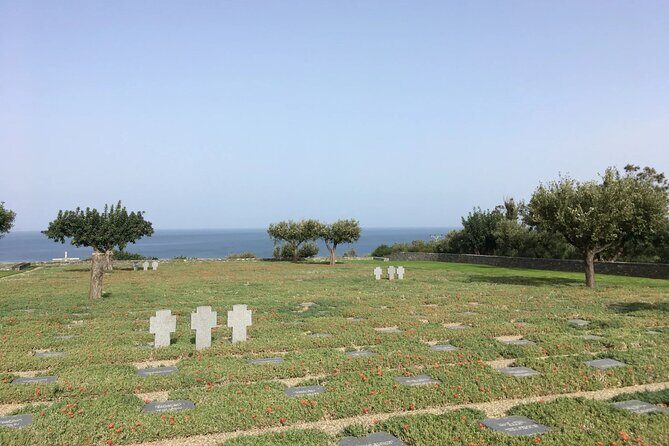
The last major stop is the Souda Bay War Cemetery, with a chance to pay respects to fallen allies from the Battle of Crete and the following occupation period. The tour focuses on ANZAC servicemen who lost their lives, and it connects the cemetery’s location with the strategic importance of Souda Bay.
This place tends to be the emotional payoff of the day. The earlier stops explain the mechanics of battle—objectives, positions, bridges, bunkers, and tunnels. The cemetery helps you land that knowledge in something personal and human.
You’ll have around 30 minutes here, and the cemetery admission is included. I suggest using most of that time rather than trying to cram everything into a quick photo session. Let it sink in. Then when you look back at what you saw earlier in Maleme and Chania, you’ll notice how the story now feels complete.
Price and value: is $189.73 per person worth it?
At $189.73 per person, this is not a cheap bus tour. But it also isn’t trying to be one. The value comes from the mix of things you’re getting at once: a licensed historian guide, private transportation, and a route that covers multiple key areas tied to the campaign.
If you were doing this alone, you’d face real friction: you’d need a car or taxis, and you’d also need to know what to look for at each site. The tour’s strength is that you don’t just visit places—you get the specific context that makes those places understandable.
Also consider the day’s format. Private tours that manage Maleme, Chania sector viewpoints, and Souda Bay in one go usually cost more once you include transport time and guide time. Here, WiFi, air-conditioning, and free hotel pickup/drop-off from Chania central areas remove several annoying hassle factors.
One more real-world clue: it’s commonly booked about 44 days in advance, which usually means people plan ahead for a reason—this is the kind of experience that fills up because it’s focused and well structured.
Who this tour fits best (and who should reconsider)
This tour is a great fit if you want WWII history you can see and touch. If you like battlefields, memorial sites, and the details behind why forces moved where they did, you’ll probably love how the route is built around the campaign’s objectives.
It also works well for visitors who aren’t history experts. The structure keeps explanations tied to locations, so you don’t need to arrive with a deep background. That said, if you dislike tours that spend long stretches focused on war and casualties, the cemeteries and occupation details may feel heavy.
Because it’s private and timed, it can suit couples, families, and friends—especially if you want one guide talking directly to your group instead of competing with crowds for attention.
If you’re on a cruise, this can also be arranged as a shore excursion covering Chania and Souda cruise port, which is useful if you only have a limited window on land.
What to bring for a long, site-heavy WWII day
Pack like you’re doing a field day with memorial stops. Wear comfortable shoes for walking at multiple sites, and consider light layers because your morning can feel different from mid-day on Crete.
Bring water. A coffee break is built in, but you’re still moving through several stops. If you want to read the cemetery or museum-related information rooms carefully, bring your patience—you’ll get more out of it when you slow down.
Also plan your phone/storage for photos and map-checking. Even with the guide’s explanations, you’ll likely want to refer back to how each site fits into the Operation Mercury story.
Should you book the Battle of Crete Full Day Private Tour in Chania?
I’d book this if you want WWII history that doesn’t stay trapped behind glass. The route connects Maleme, Tavronitis Bridge, bunkers, Platanias tunnels, Chania sector viewpoints, and Souda Bay into one understandable storyline—objective to occupation to memory.
It’s also a smart choice if you care about guide quality. This tour uses a professional historian licensed by the Greek Ministry of Tourism & Culture, and the approach is active: the guide uses archives and research books to explain what you’re seeing, not just to recite facts.
Skip it only if you want a lighter sightseeing day. This is a full-day focus on war sites and memorials, so it’s best for people who truly want to learn the Battle of Crete story at the places where it unfolded.
If you do book, I’d suggest choosing this over a scattershot self-guided plan. You’ll save time, avoid guesswork, and get the kind of context that makes these sites matter.
FAQ
How long is the Battle of Crete full day private tour?
It lasts about 6 to 8 hours.
What time does the tour start?
The start time is 8:30 am.
Do you pick up from hotels in Chania?
Yes. Free hotel pickup and drop-off is offered from all Chania central areas.
Is this tour private or shared?
It’s private, and only your group participates.
What’s included in the price?
Included items cover the professional historian tour guide/driver (licensed by the Greek Ministry of Tourism & Culture), air-conditioned vehicle, WiFi on board, all fees and taxes, and private transportation, plus the included cemetery admissions.
Are any entrance fees or tickets required during the day?
Yes. The war museum entrance fee is listed as €5.00 per booking, and the War Shelter of Platanias admission is not included.
Are there stops where admission is free or included?
Many stops are free, and Souda Bay War Cemetery includes admission.
Is there mobile ticketing?
Yes, the tour uses a mobile ticket.