REVIEW · KRITSA
Crete: Lasithi Plateau & Knossos Palace Day Trip
Book on GetYourGuide →Operated by SEALAND TRAVEL · Bookable on GetYourGuide
Crete’s best one-day introduction may be this trip from mountain villages to the Palace of Knossos, with the island’s old customs filling the gaps between ancient stones. You’ll see Krasi’s enormous plane tree, 14th-century frescoes at Kera Monastery, white-sailed windmills, and the olive oil trade in one long but varied day.
I like the mix of small local stops and major archaeology. A family-run pottery workshop and olive oil factory give you something more personal than a bus ride from one famous sight to another. I also like the excellent guiding reported from Jeanette, Phanos, and the Knossos guide Nevtarious Staras, with explanations offered in English, French, or German.
The catch is cost and pace. The $50.82 price covers transport, guiding, and olive oil tasting, but lunch and entry fees are extra. You will also spend much of the day on the road, with an early pickup and several stops packed into roughly 10 hours.
In This Review
- Key points to know before booking
- Why this Crete day trip works
- Krasi and the island’s enormous plane tree
- Panagia Kera and its 14th-century frescoes
- Lasithi Plateau, windmills, and mountain views
- Lunch at a traditional tavern in Seli
- Avdou and the olive oil tasting
- Knossos Palace and the Minotaur story
- Guides, languages, and the bus ride
- What the $50.82 price really covers
- Who should book this day out?
- Should you book the Lasithi and Knossos trip?
- FAQ
- How long does the Crete day trip last?
- Where can I be picked up?
- Is lunch included in the price?
- Are the Knossos Palace and Kera Monastery entrance fees included?
- What languages are available?
- Is the tour suitable for wheelchair users?
Key points to know before booking
- Krasi opens the day with Crete’s great plane tree, water springs, and a pleasant village square.
- Kera Monastery contains 14th-century frescoes, but its admission fee is not included.
- Lasithi Plateau combines mountain views, old windmills, pottery, and a tavern lunch in one busy section.
- The olive oil factory in Avdou offers a useful look at local production, plus a tasting of its products.
- Knossos receives a 1.5-hour guided visit, with the Minotaur myth woven into the archaeological setting.
- Pickup is available across eastern Crete and Heraklion, but exact times and meeting points arrive by email after booking.
Why this Crete day trip works
This is not a single-site excursion. It is a broad sampler of central and eastern Crete, combining villages, religious art, food, crafts, farming, and Minoan archaeology.
That variety is the main reason to choose it. If you have only a few days on Crete, you can see several sides of the island without arranging a rental car, studying mountain roads, or working out how to reach Knossos on your own.
The day lasts about 10 hours, including pickup and return. That sounds long because it is long, but the route keeps changing. One stop gives you free time under a huge tree. The next brings painted church interiors. Later, you are looking across the plateau, eating lunch, tasting olive oil, and finally walking through the ancient palace at Knossos.
I would choose this trip if you want context and variety more than a slow day at one site. If your ideal holiday means lingering over lunch, hiking for hours, or spending half a day at Knossos alone, the schedule may feel tight.
You can also read our reviews of more tours and experiences in Kritsa.
Krasi and the island’s enormous plane tree
The first proper stop is Krasi, a traditional village with a small square, water springs, and an ancient plane tree. The tree is described as the largest and oldest of its kind on Crete, and it gives the village a memorable focal point.
You have about an hour here for a walk and free time. That is enough to look around without turning the visit into a rushed photo stop. The springs beside the square add to the appeal, and the setting gives you an easy first look at village life away from Crete’s coastal resorts.
This is also a gentle start after hotel pickup. You are not immediately sent into an archaeological explanation or a long mountain walk. Take photographs, listen to the guide’s introduction, and enjoy the shade if the weather is warm.
Do not expect a major museum or a long list of formal sights. Krasi’s charm comes from its scale and setting. The stop works best as a taste of rural Crete, not as a destination that fills an entire day.
Panagia Kera and its 14th-century frescoes
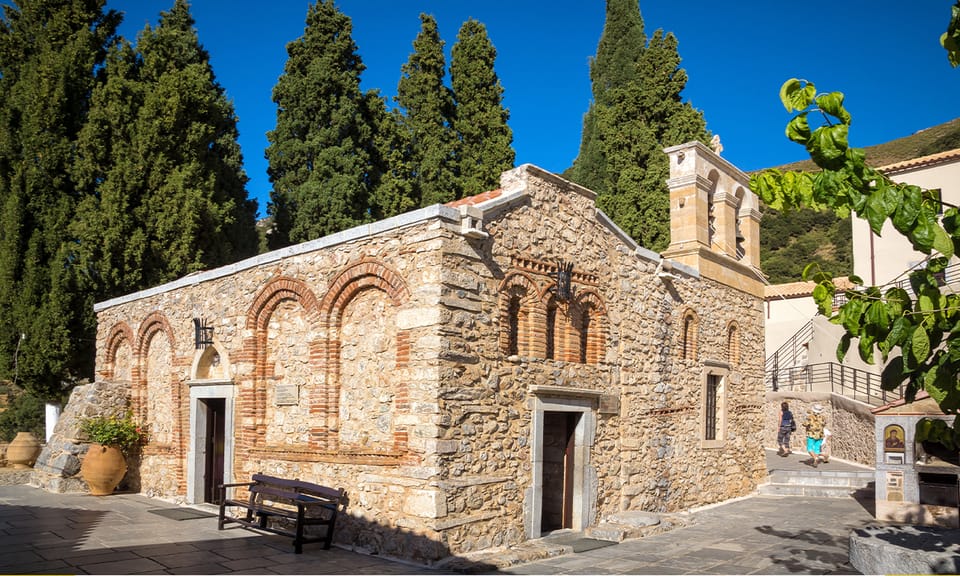
Next comes Panagia Kera, also called Kera Monastery. The visit lasts about 30 minutes and includes sightseeing and a scenic drive through the surrounding countryside.
The monastery’s main prize is its 14th-century frescoes. These paintings give the visit real substance. You are not simply stepping into an old religious building. You are seeing medieval artwork in the place where it was made and used.
The guide also explains the myth connected with the monastery. That combination of legend, faith, and art is useful because it gives you more than dates and architectural labels. You get a sense of how stories helped shape the places people visited and protected.
Admission is not included, so carry cash or a card. Dress comfortably and respectfully for a religious site. The information supplied for the tour does not set out a formal dress code, but modest clothing is a sensible choice.
The stop is short. If you are especially interested in Byzantine art, you may wish for more time. For a day that also includes Knossos, though, the half-hour visit gives you a worthwhile glimpse without taking over the schedule.
Lasithi Plateau, windmills, and mountain views
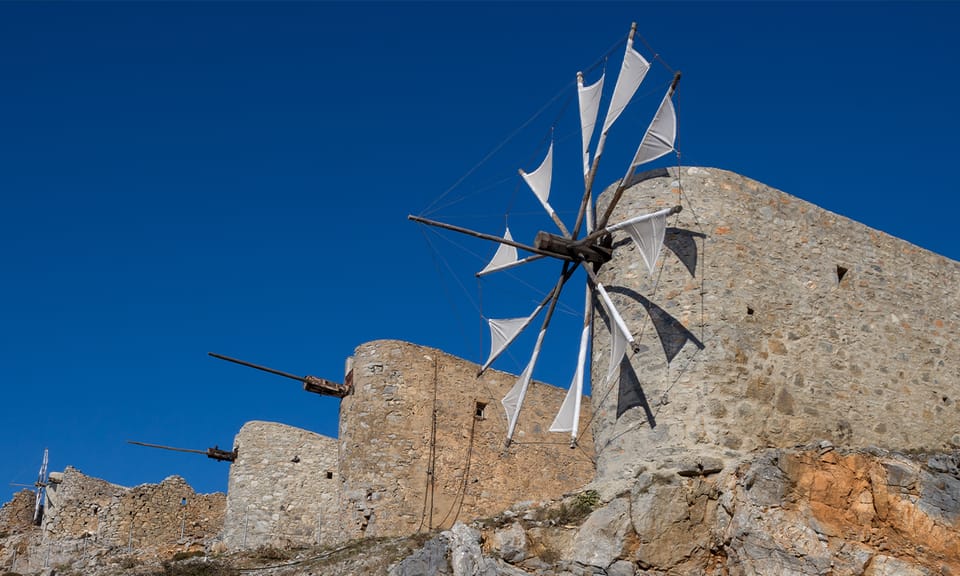
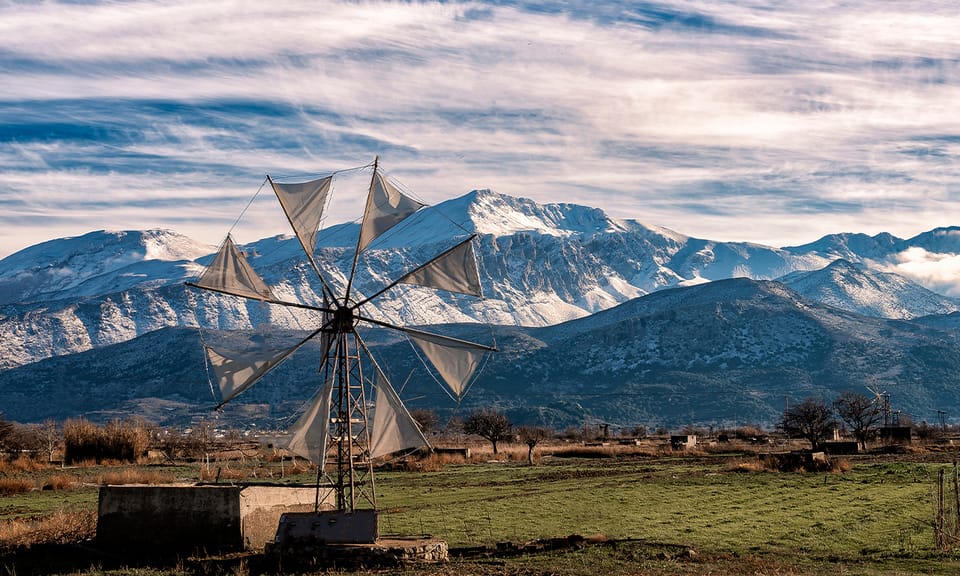
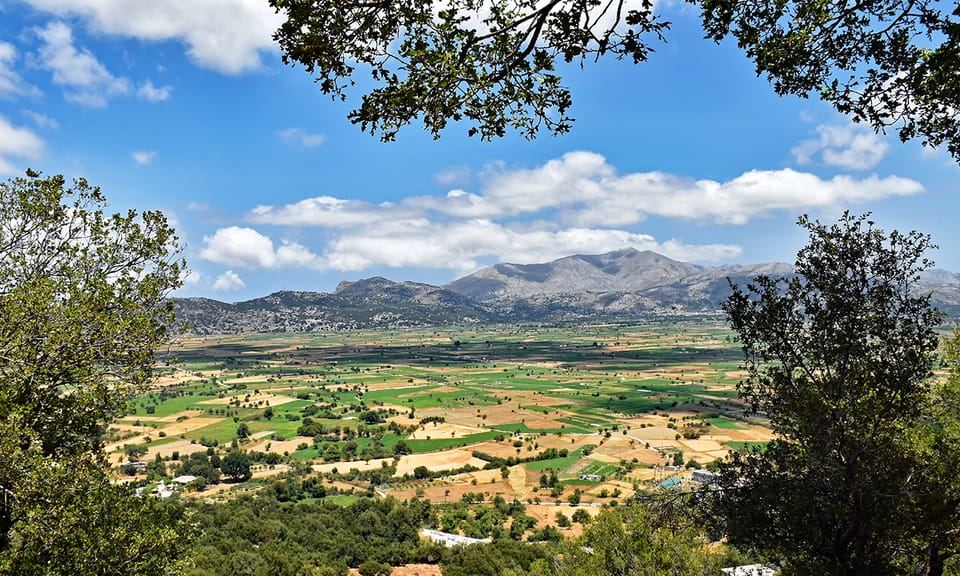
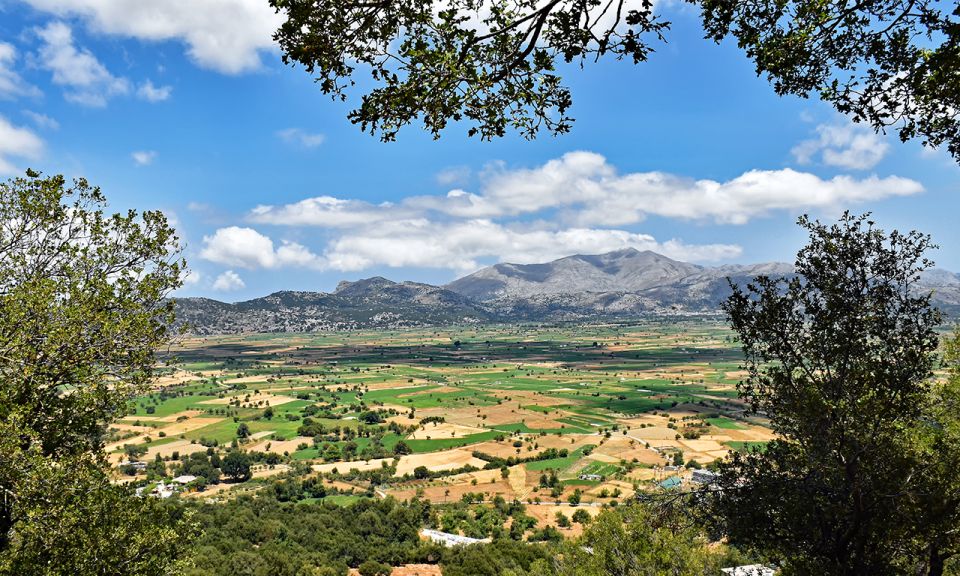
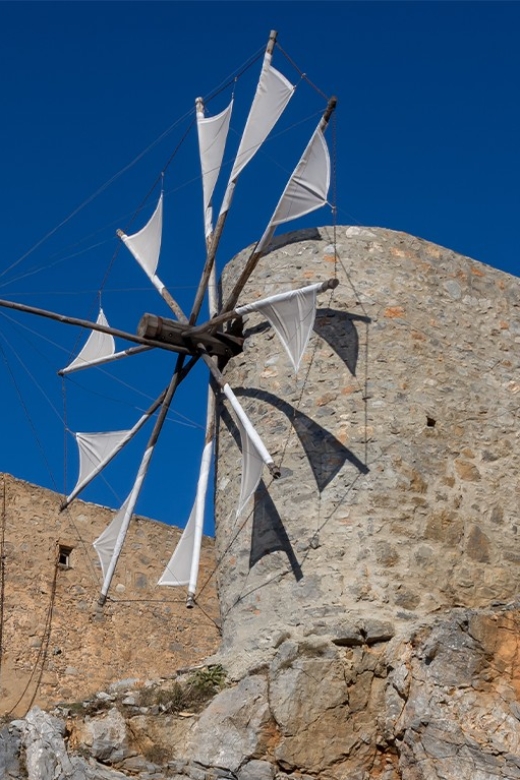
The road then climbs toward Lasithi Plateau. This is one of the day’s visual highlights, with mountain scenery and the famous white-sailed windmills that once helped irrigate the farmland.
The windmills are not just decoration. They point to the practical work that made farming possible in this high basin. Seeing them in their setting is far more useful than encountering a lone example in a gift shop or a photograph.
At Seli, you stop for views across the plateau and time to photograph renovated windmills. The outlook is a good place to understand the shape of the region, with cultivated land surrounded by higher ground.
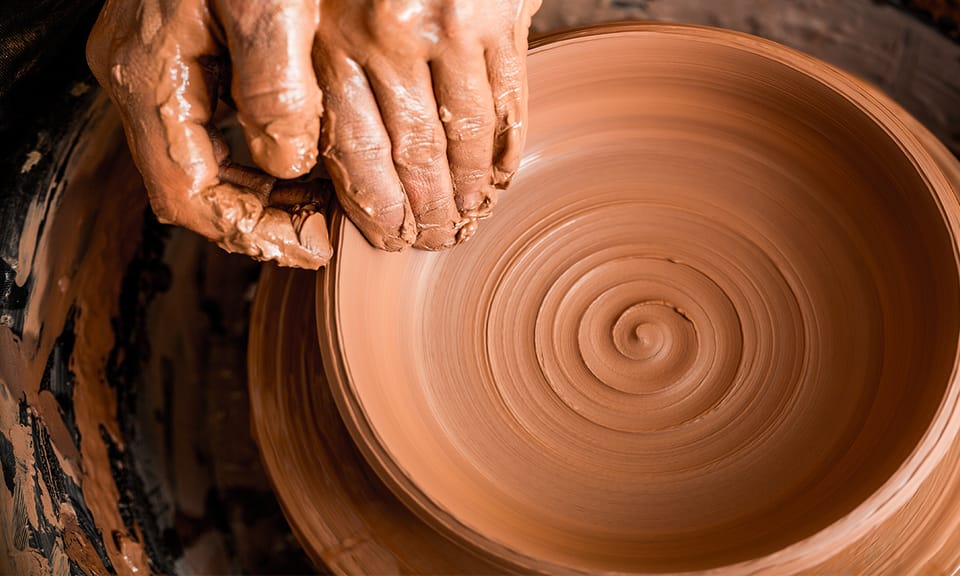
The itinerary also includes a stop in or near Psychro, where you visit a small family-run ceramic workshop. The owners explain how pottery is made, and you have time to browse and shop.
That workshop is a nice counterpoint to the ancient sites. Crete’s past is not locked behind ropes. It continues in working crafts, family businesses, and objects made by hand. You should still treat the shopping as optional. The workshop is included as part of the route, but purchases are your choice and are not part of the tour price.
Some booking information and individual comments refer to the Cave of Zeus, while the stated itinerary does not list it as a stop. Do not book this day expecting a cave visit unless the operator confirms it for your departure. If the cave is included on your particular outing, comfortable shoes matter: one account specifically warns of an uphill walk and many steps down.
Lunch at a traditional tavern in Seli
Lunch takes about 1.5 hours at a traditional tavern in the heart of Lasithi Plateau. Food and drinks are not included, which is important when you compare the advertised price with the actual cost of the day.
The long lunch break is useful. After the morning’s village, monastery, and mountain stops, you get time to sit down rather than eating hurriedly beside the bus. The restaurant is also described as serving good food at reasonable prices with quick service, though your final bill depends on what you order.
I like this kind of meal stop because it supports a local business and lets you eat in the place you have just been exploring. The views are part of the experience, too.
Still, you do not control the restaurant choice. If you have strict dietary needs, ask the operator before booking. The supplied information does not specify vegetarian, vegan, allergy, or other menu arrangements.
Bring a card and some cash. Cash is listed among the recommended items, and it is useful for small purchases, drinks, or optional admissions. A sun hat and sunscreen are also worth packing, since several stops involve time outdoors.
Avdou and the olive oil tasting
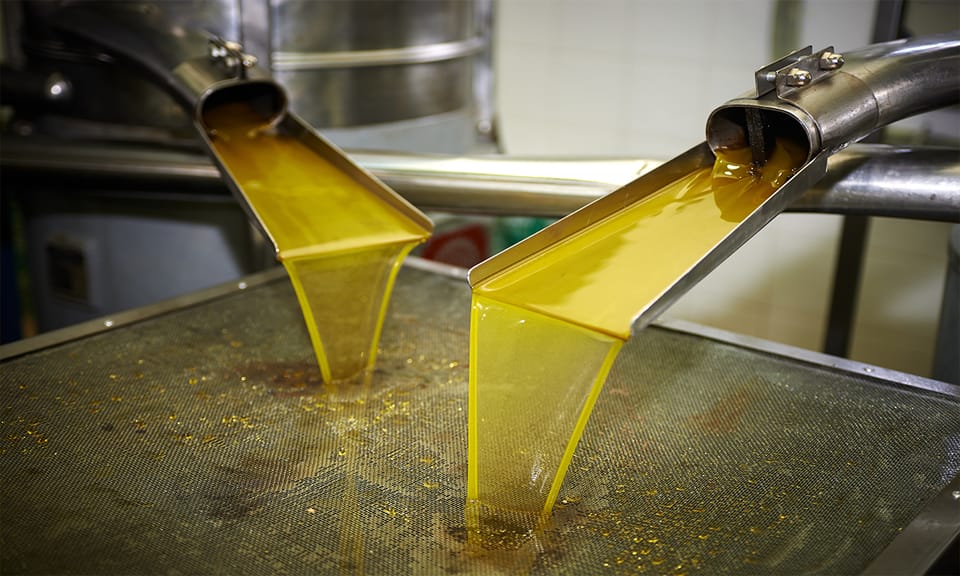
After lunch, the route turns toward Avdou and a small family-run olive oil factory. You learn how olive oil is made and taste local products.
This is one of the most practical stops on the trip. Olive oil is central to Greek cooking, but a bottle on a supermarket shelf tells you very little about its production. Here, you get a short explanation of the process and a chance to compare the finished products.
The tasting is included, unlike lunch and the archaeological admission fees. If you enjoy food-focused stops, this may be one of the most rewarding parts of the day. It also gives you something tangible to take home if you choose to buy products at the factory.
Keep your expectations in proportion. This is a small factory visit, not an agricultural course or a long farm tour. The value lies in the direct explanation and tasting, especially when paired with the plateau’s farming traditions.
The visit also breaks up the drive before Knossos. By this point, the day has moved from mountain scenery to village crafts and food production, then back to the major archaeological attraction.
Knossos Palace and the Minotaur story
The final major stop is the Palace of Knossos, the largest palace associated with Minoan Crete. You receive a guided tour lasting about 1.5 hours.
Knossos is where the day’s stories come together. The guide explains King Minos and the myth of the Minotaur while you walk through ancient rooms and courtyards. The legend makes the site accessible, but the physical remains are what give the story weight.
Expect an active visit. You will walk around an archaeological complex rather than simply viewing it from one platform. Comfortable shoes are essential for this reason, even though the tour instructions do not list a specific walking distance.
The entrance ticket is not included. One price comment puts the additional admission costs at up to about €30 per person, so check the current fee before you book and budget for the palace and monastery separately.
The quality of this stop depends heavily on the guide. A dedicated Knossos guide, Nevtarious Staras, is identified for some departures, while the main tour guide may be handling the group elsewhere. Jeanette has been praised for giving clear briefings in German and English, and other guides have also been described as funny, organized, and good at explaining Crete in several languages.
Do not expect complete freedom to explore Knossos at your own speed. A guided visit gives you structure and mythological context, but you will need to stay with the group and follow the allotted time. If you want to examine every room, photograph every angle, or read every sign, arrange a separate visit instead.
Guides, languages, and the bus ride
The tour runs with a live guide in English, French, or German. Multilingual guiding can mean a little less time in each language, but it also allows mixed-language groups to travel together.
Several named staff members have received especially strong praise. Jeanette is noted for clear step-by-step briefings, a dry sense of humor, and the ability to explain the day in three languages. Phanos is described as funny and entertaining, while Kostas and Minas are praised for safe driving.
That matters on this route. The road to Lasithi includes bends and mountain sections, and a calm driver makes the trip easier. Pickup also takes time because the bus serves many resort areas.
Pickup is available in Sisi, Malia, Stalida, Hersonissos, Anissaras, Analipsi, Gouves, Gournes, Kokkini Hani, Karteros, Heraklion, and Ammoudara. You do not choose one universal departure time. The exact meeting point and pickup time are sent by email within 24 hours of booking.
Check that message carefully. A hotel transfer sounds simple, but the pickup may be from a specific point rather than directly outside every property. The same network of locations is used for the return.
The air-conditioned bus is a practical choice in Crete’s heat. On the other hand, a shared bus means you cannot set the pace or skip a stop once the day is underway.
What the $50.82 price really covers
At $50.82 per person, the tour offers good value if you want transport, a guide, hotel pickup and drop-off, and several arranged visits in one day.
The most important extra costs are lunch, drinks, and admission to Knossos and Kera Monastery. Since one price assessment puts all additional entrance fees at as much as €30 per person, the true cost can be noticeably higher than the headline rate.
Even so, arranging this route independently would require transport to mountain villages, careful timing, parking, navigation, and separate planning for Knossos. The tour removes those chores and gives you a driver for the winding sections.
The value is strongest for visitors staying in the listed pickup areas and for anyone without a rental car. It is less compelling if you already have a car, enjoy planning your own route, and want to spend much longer at Knossos.
Free cancellation up to 24 hours before departure and reserve-now, pay-later booking add flexibility. These are useful if your Crete plans are still shifting, but they do not change the need to check the final pickup instructions.
Who should book this day out?
I would recommend it to first-time visitors who want a broad introduction to Crete. Families with older children may like the mix of myths, ruins, village stops, food, and scenery, although the 10-hour day may be tiring for very young children.
It also suits solo visitors and couples who would rather not drive mountain roads. The guide provides structure, and the shared meal stop makes the day feel more social than a private transfer.
History fans will appreciate Knossos and Kera Monastery. Food-minded visitors have the tavern and olive oil tasting. Photographers get the plane tree, springs, plateau views, and windmills.
It is not suitable for wheelchair users, according to the tour information. You should also reconsider it if you need a quiet, unhurried schedule or have limited mobility on uneven ground and stairs.
Pack comfortable shoes, a sun hat, sunscreen, comfortable clothes, a camera, your passport or ID card, a credit card, and some cash. The ID is especially sensible for a full-day organized excursion, while the shoes matter for village walks, archaeological surfaces, and possible cave access if that stop is confirmed.
Should you book the Lasithi and Knossos trip?
Book it if you want to see many sides of Crete in one day and are happy to pay extra for lunch and admissions. The combination of Krasi, Kera, Lasithi, pottery, olive oil, and Knossos gives you more range than a simple palace excursion.
Skip it if Knossos is your main goal and you want several hours there, or if you dislike long bus days with fixed stops. Before paying, confirm whether the Cave of Zeus is part of your departure, check the current entrance fees, and wait for the exact pickup email.
For the right kind of visitor, this is a well-priced way to get oriented. You return with ancient myths, mountain views, working traditions, and a better sense of how Crete’s past still connects with daily life.
FAQ
How long does the Crete day trip last?
The tour lasts about 10 hours, including hotel pickup, the visits, and return transfer. Starting times vary, so check availability when booking.
Where can I be picked up?
Pickup is available in Sisi, Malia, Stalida, Hersonissos, Anissaras, Analipsi, Gouves, Gournes, Kokkini Hani, Karteros, Heraklion, and Ammoudara. The exact point and time are sent by email within 24 hours after booking.
Is lunch included in the price?
No. Food and drinks are not included. You stop for about 1.5 hours at a traditional tavern on Lasithi Plateau, where you purchase your meal separately.
Are the Knossos Palace and Kera Monastery entrance fees included?
No. Entry to the Palace of Knossos and Panagia Kera Monastery is not included. Budget separately for both admissions.
What languages are available?
The live tour guide is available in English, French, and German. Some guides may explain the tour in more than one language during the day.
Is the tour suitable for wheelchair users?
No. The activity is listed as unsuitable for wheelchair users. Comfortable shoes are recommended because the day includes walking at villages, the monastery, and Knossos.