REVIEW · KAMISIANA
Explore the Secrets of Wine and Olives in Chania
Book on GetYourGuide →Operated by Uncharted Escapes · Bookable on GetYourGuide
Crete’s best food stories begin with the things that grow here. This 7.5-hour 4×4 safari links an olive mill, a winery, a 3,000-year-old olive tree, and a mountain lunch in one well-paced day. You get much more than a tasting room visit: the route shows how olive oil, wine, village life, and rugged mountain roads fit together.
I like the small-group feel and the way the tour leaves the main resort strip behind. I also like the strong guides. Dimitri is informative and personable, Chris is a calm and experienced off-road driver with a good sense of humor, and Panos has been noted for going far beyond basic guiding. The main caution is that the winery presentation may feel less lively than the olive mill visit, and wine purchases are not clearly explained.
In This Review
- Key points to know before you book
- Why this Chania safari works so well
- Early pickup from Chania and the western coast
- Terra Creta: starting with the olive oil
- Karavitakis Winery and the story of Cretan wine
- Ano Vouves and a 3,000-year-old olive tree
- Off-road through the Cretan mountains
- Lunch in Sebronas, where the day slows down
- The return ride and the shape of the day
- What the $123 price really includes
- Who should book this experience
- FAQ
- How long does the tour last?
- Where can I be picked up?
- What time does pickup begin?
- Is lunch included?
- Is wine included in the tour?
- What should I wear and bring?
- Is the tour suitable for people with mobility or health concerns?
- Should you book it?
Key points to know before you book
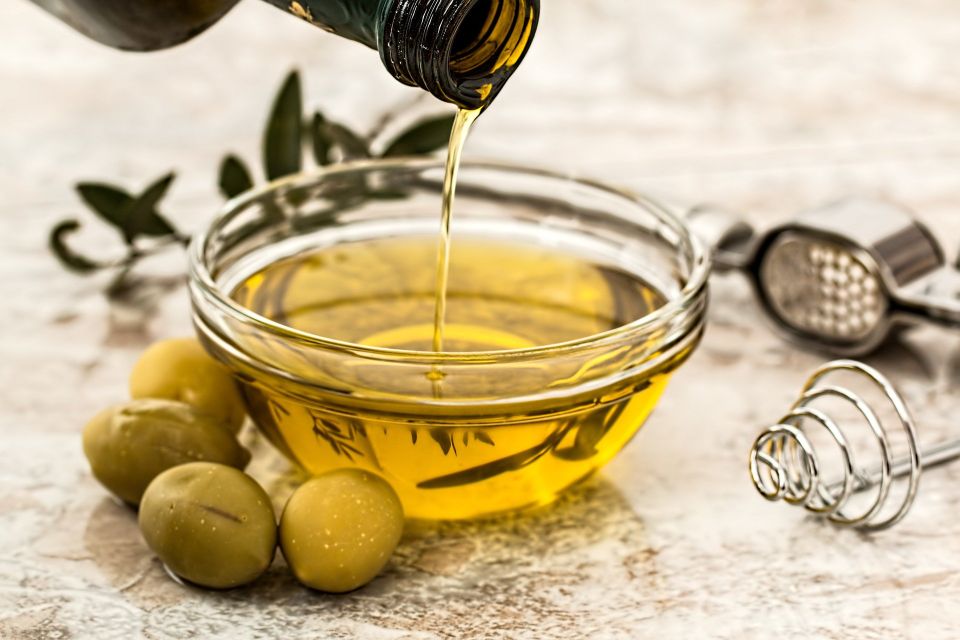
- Taste olive oil at Terra Creta in Kolymvari, with a guided look at how the oil is made.
- See the ancient olive tree at Ano Vouves, estimated to be about 3,000 years old.
- Ride narrow mountain roads in a 4×4, with views of gorges, vineyards, chapels, livestock, and olive groves.
- Eat a traditional Cretan lunch in Sebronas, with regional platters served at a small local tavern.
- Expect a full day with early pickup, usually between 7:55 and 9:00 a.m., depending on your location.
- Budget extra cash for drinks, since wine, beer, and refreshments at the tavern are not included.
Why this Chania safari works so well
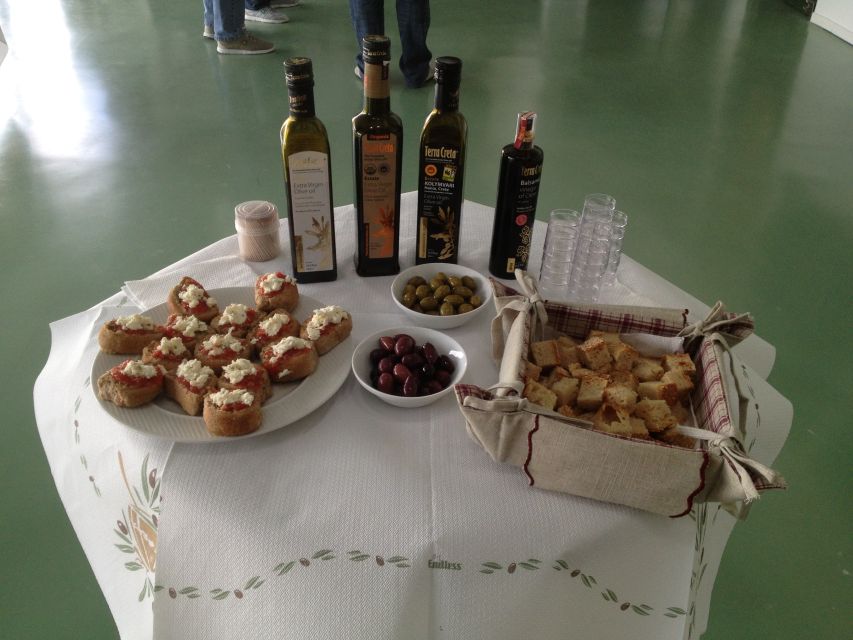
At $123 per person, this is not the cheapest way to see western Crete. It is a good value if you want transportation, guiding, two tastings, an off-road route, and lunch handled in one booking.
The price matters because the tour covers a wide section of countryside. You are not simply being driven to one nearby winery and returned to your hotel. The route begins around Chania’s western resort areas, reaches Kolymvari, continues through the olive-growing villages, then climbs toward Sebronas before returning to the coast.
I especially like the mix of hands-on food culture and scenery. The olive mill and winery give the day structure, while the off-road section adds the sense of exploration. The lunch keeps the experience tied to village life rather than turning it into a string of commercial stops.
This is a shared tour, with 4×4 vehicles seating seven or nine people. That makes it more personal than a large coach, but you should not expect a private tour unless you arrange one separately. Group size can affect the pace, and the timetable may shift with weather and the number of people taking part.
Early pickup from Chania and the western coast

Pickup is included from a long list of areas: Chania, Nea Chora, Souda, Golden Beach, Agioi Apostoloi, Galatas, Daratsos, Stalos, Agia Marina, Platanias, Gerani, Maleme, Tavronitis, Kolymvari, Kalyves, and Almyrida.
The published pickup schedule begins at 7:55 a.m. in Kalyves and moves through the coastal areas before reaching Kolymvari at 9:00 a.m. Chania town pickup is listed at 8:15, with Nea Chora at 8:20. Exact timing depends on your hotel area.
The vehicle collects you outside the hotel, not necessarily at the front door. Give the hotel name when booking. If the 4×4 cannot reach the property, you receive the nearest meeting point by email. Check this carefully the evening before, since an early start and an uncertain pickup can spoil an otherwise good day.
Wear shoes with a firm sole. Sandals and flip-flops are not allowed, which makes sense for the rough roads and walking around the mill and vineyard. Bring a hat, sunglasses, a jacket, weather-appropriate clothing, a camera, and cash.
Terra Creta: starting with the olive oil
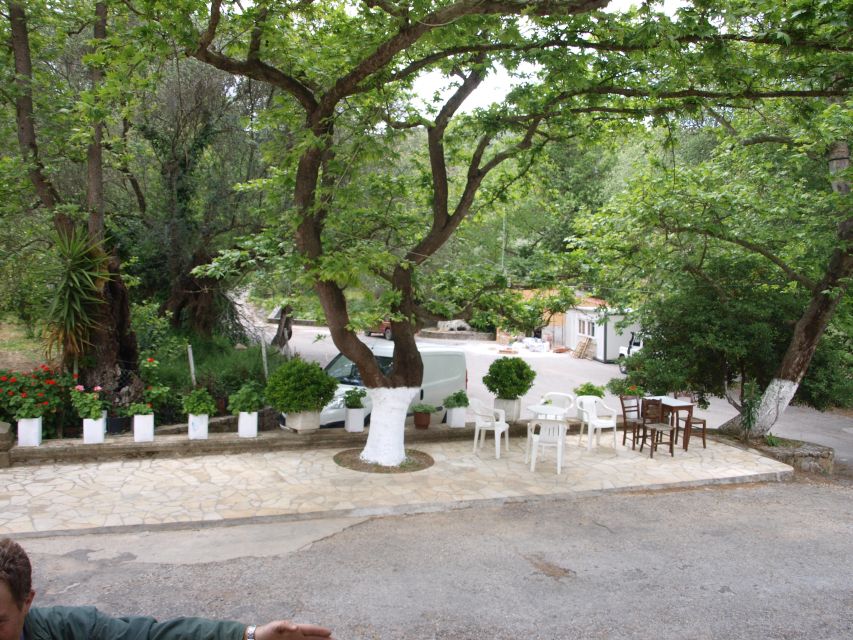
The first main stop is Terra Creta Olive Oil Estate in Kolymvari, after about 35 minutes in the vehicle. The visit lasts around 50 minutes and includes an explanation of olive oil production and a tasting.
This is an important opening stop because olive oil is not just a condiment in Crete. It is part of daily cooking, farming, family life, and local trade. A guided tasting helps you pay attention to qualities you might otherwise miss, such as aroma, bitterness, and the peppery finish of fresh oil.
The visit is also practical. You can connect what you taste with the machinery and production process you have just seen. That makes the tasting more useful than a quick sample poured at a shop.
The olive mill portion has received particularly strong praise for being clear and informative. Chris, one of the guides associated with the tour, is also noted for giving plenty of information without losing his humor. If you enjoy food tours that explain how a product is made, this is likely to be one of the day’s strongest sections.
Do not expect a long farm walk or an entire afternoon at the estate. The stop is focused, lasting less than an hour. That is a plus for anyone who wants variety, but it may feel brief if olive oil is your main reason for visiting Crete.
Karavitakis Winery and the story of Cretan wine
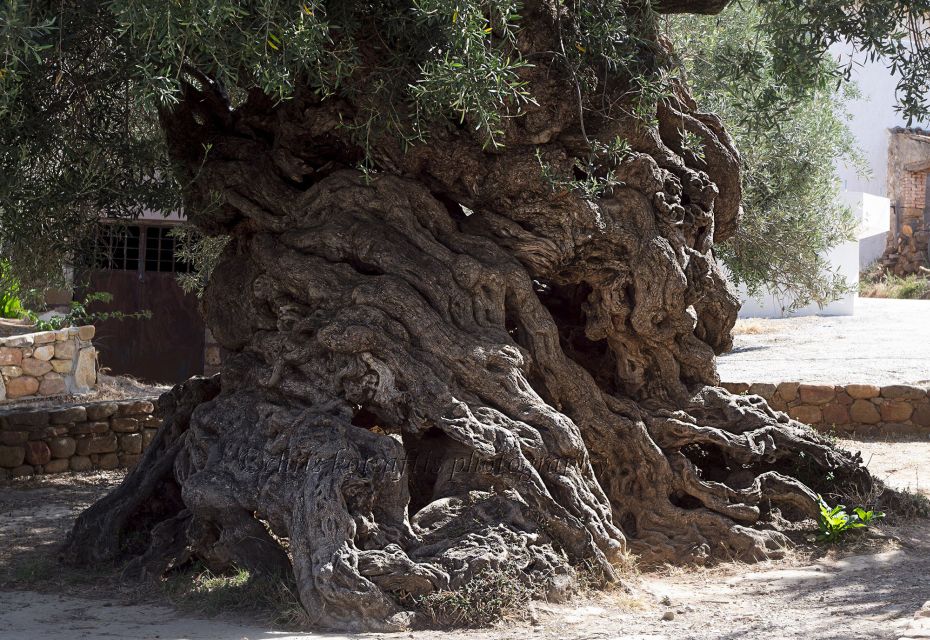
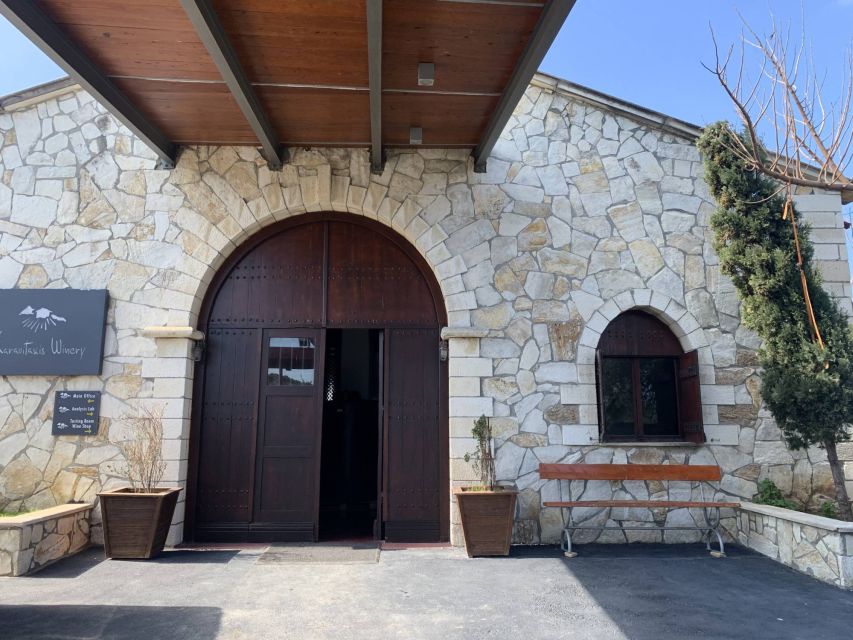
A short 10-minute drive brings you to Karavitakis Winery. The stop lasts about an hour and includes a visit, a guided tour, wine tasting, photo time, and views over the vineyard area.
The winery adds an important second side to Cretan food culture. You hear about local winemaking and the role of wine in the island’s way of life, along with the familiar connection between Cretan food, moderate wine drinking, and long life.
The setting is a good contrast to the industrial side of the olive mill. You have time to look around, take photographs, and taste several wines in a place where the vines are part of the view rather than simply a backdrop on a label.
I would keep expectations measured here. The wine is included, but the presentation can depend on the person leading it. The winery talk may be less energetic than the olive oil explanation. Also, it is not clearly explained in advance that you can buy wine, so ask directly if you want to take bottles home.
Anyone under 18 may attend the tour but cannot drink the wine. The tasting is also not the place to overdo it, since the afternoon includes winding mountain roads and an off-road ride.
Ano Vouves and a 3,000-year-old olive tree
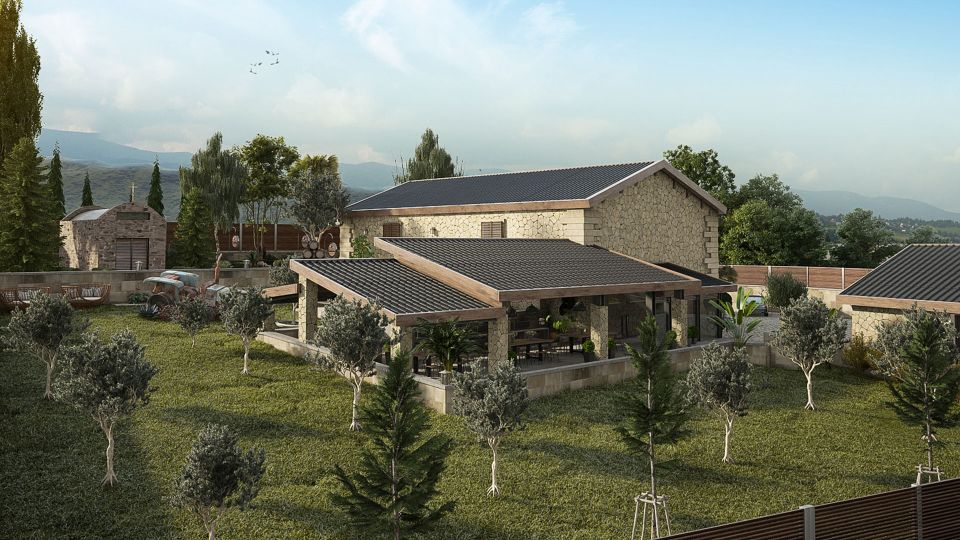
The ancient olive tree at Ano Vouves is only about five minutes from the winery by vehicle, with roughly 20 minutes set aside for photographs and sightseeing.
The tree is the day’s most striking link to the past. Estimated at 3,000 years old, it gives a physical sense of how long olive cultivation has shaped Crete. You are not merely hearing that olives matter here. You are looking at a living symbol of that connection.
The stop is short, so treat it as a focused visit rather than a museum experience. You will have time to see the tree, take pictures, and hear about its importance, but the schedule does not suggest a long independent exploration.
This is a useful point in the tour because it links the previous tasting to something much older. First you see how oil is produced today. Then you stand beside an ancient tree that represents generations of cultivation. The sequence gives the day a clear story.
Off-road through the Cretan mountains
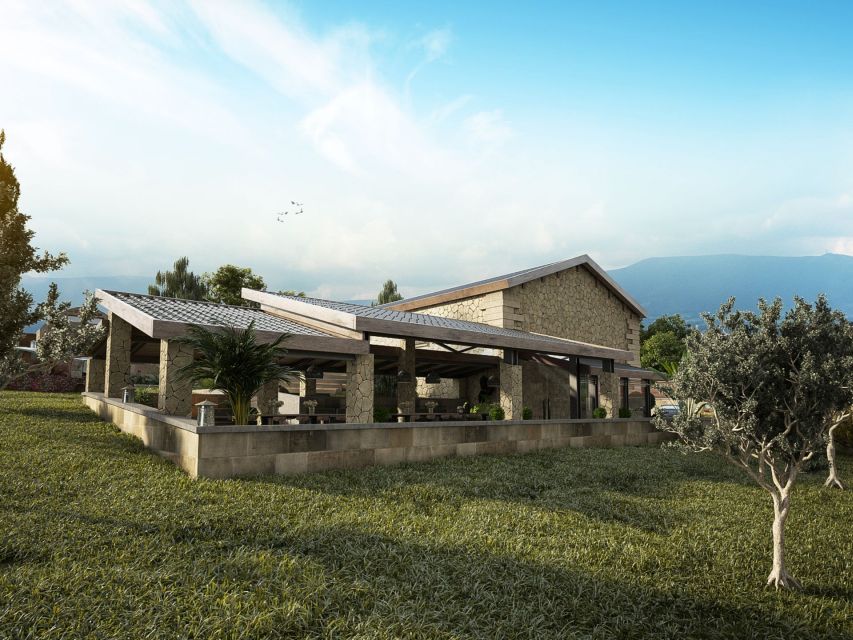
After Ano Vouves, the tour spends about 75 minutes traveling toward Sebronas. This is the longest drive of the day and the part that gives the safari its character.
The 4×4 leaves smoother coastal routes and heads through gorges, thick plant growth, vineyards, olive groves, and mountain roads. You may stop for photos of small chapels, farm animals, and wide views across the countryside. The point is not speed. It is seeing rural Crete at a slower, more physical pace.
The roads can be very narrow, with steep or twisting sections. That is part of the appeal, but it is also the part most likely to bother anyone prone to motion sickness. People with back problems, recent surgery, heart problems, high blood pressure, or pregnancy should not book this experience. Wheelchair users cannot take part, and the tour also excludes people over 6 feet 6 inches, or 200 centimeters, and over 287 pounds, or 130 kilograms.
A steady driver matters here. Chris has been singled out for controlled driving on the narrow mountain roads, which is exactly what you want. The guide names may vary, with Dimitri, Panos, Malis, and Chris among the people associated with the experience. All guiding is in English.
Bring a jacket even in warm weather. Mountain conditions can feel different from the coast, and the itinerary specifically advises weather-ready clothing. Comfortable shoes also make the photo stops easier.
Lunch in Sebronas, where the day slows down
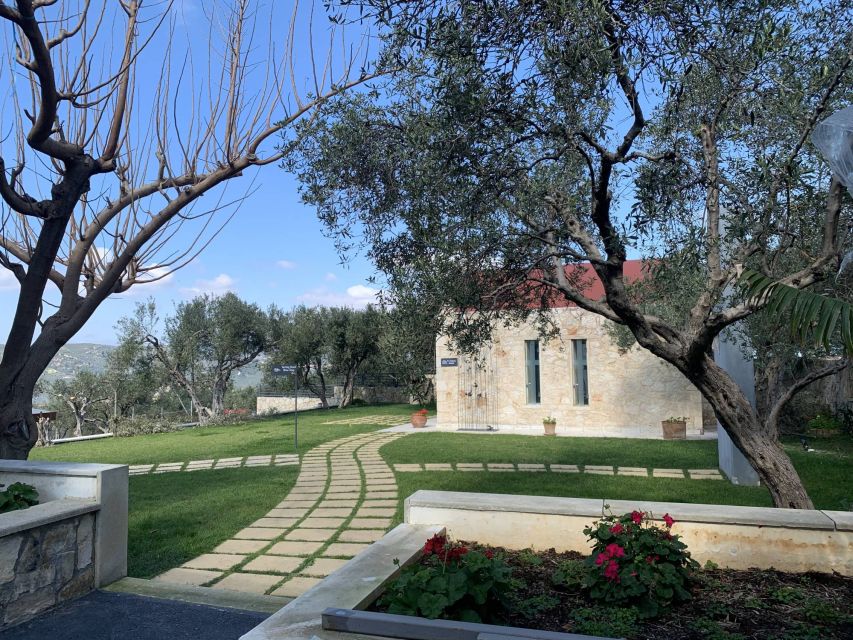
The tour reaches Sebronas for about an hour of lunch and free time. The meal is served at a small local tavern and includes traditional Cretan food and regional platters.
This may be the most authentic-feeling part of the day. Instead of eating at a large restaurant built around a bus group, you stop in a mountain village and share a meal tied to the area. Cretan cuisine is known for simple ingredients, olive oil, vegetables, cheese, herbs, and meat, although the exact dishes are not specified and can vary.
Lunch is included in the $123 price, which improves the value considerably. Drinks are not included, so carry cash for wine, beer, or soft drinks. You are also not allowed to bring food or drinks into the vehicle, so plan to eat and drink at the designated stop.
Tell the operator about dietary restrictions or allergies before the tour. The meal can accommodate them with prior notice. This is especially important on a food-focused day, since waiting until lunch may leave few alternatives.
The village setting also gives you a chance to recover from the rough road section. You have time to sit, eat, and look around instead of rushing straight from one photo stop to another.
The return ride and the shape of the day
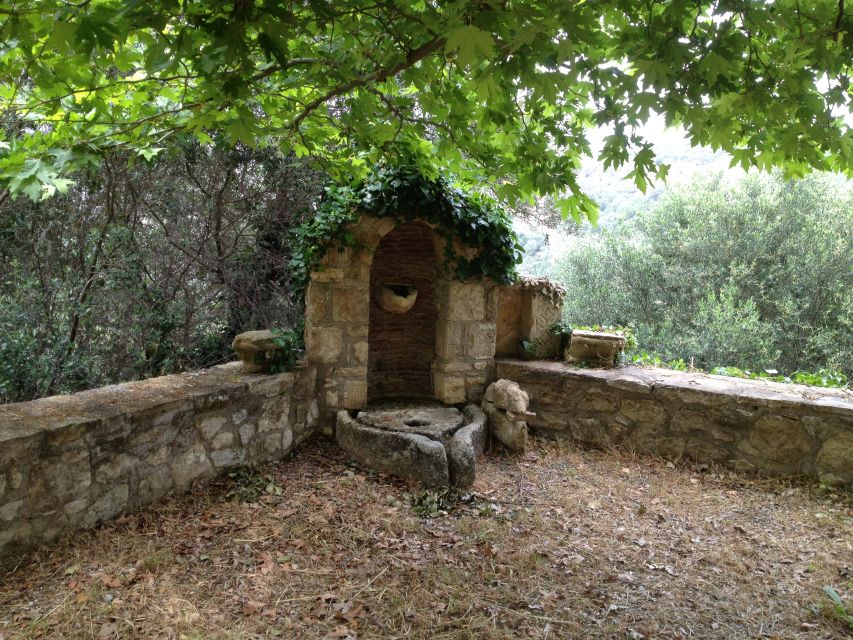
After lunch, the vehicle spends about an hour returning toward the drop-off areas. The published itinerary lists a total duration of 7.5 hours, though exact timing can change with the group and weather.
The day has a sensible rhythm:
- A 35-minute opening drive
- A 50-minute olive mill visit
- A 10-minute drive to the winery
- About one hour at Karavitakis Winery
- A short drive to Ano Vouves
- A 20-minute ancient-tree stop
- A 75-minute mountain drive
- One hour for lunch in Sebronas
- About one hour back toward the coast
That adds up to a substantial amount of vehicle time. If you want a relaxed day with long stops at every site, this may feel busy. If you want to cover several parts of western Crete without renting a car, the amount of driving is a fair trade.
Drop-off is available in the same broad areas as pickup, including Chania, Platanias, Agia Marina, Maleme, Kolymvari, Tavronitis, Gerani, Stalos, Kalyves, Almyrida, and Daratsos.
What the $123 price really includes
The fee includes hotel pickup and drop-off, the 4×4 ride, a multilingual escort-driver, liability insurance, local taxes, olive mill admission and tasting, winery admission and tasting, and traditional Cretan lunch.
That is a strong package for a full-day outing, especially if you would otherwise need to hire a car, pay for fuel, arrange a winery booking, and find a village restaurant. The guide also handles the mountain route, which is useful if narrow roads are outside your comfort zone.
The price does not include wine, beer, or other refreshments at the tavern. It also does not promise private transportation. The tour requires at least four people for a group departure, so confirm availability for your date.
Free cancellation is available up to 24 hours before the start for a full refund. You can also reserve now and pay later, which helps if your Chania plans are still moving around.
Who should book this experience
I would recommend this safari to you if you want a broad taste of western Crete in one day. It suits food-focused visitors, wine drinkers, people curious about rural life, and anyone who prefers a guide to driving unfamiliar mountain roads.
It is especially good for adults and older children who can handle a full day in a vehicle and a rough off-road section. Children under seven are not accepted, and unaccompanied minors cannot join. The wine tasting remains for adults, of course.
I would think twice if you mainly want a long winery visit, a private experience, or a gentle sightseeing route. The winery stop is only about an hour, and the mountain ride may feel demanding if you suffer from motion sickness or back discomfort.
The strongest part of the tour is the combination: olive oil production, wine, an ancient tree, rugged countryside, and lunch. Each stop explains a different part of Cretan life, and the guides help connect them. The biggest weakness is that the experience depends somewhat on the guide assigned to the winery and on how comfortable you are with the road conditions.
FAQ
How long does the tour last?
The tour lasts about 7.5 hours. Schedules can change depending on the weather and group size.
Where can I be picked up?
Pickup is available from Chania, Agia Marina, Almyrida, Gerani, Kolymvari, Maleme, Daratsos, Tavronitis, Stalos, Kalyves, and Platanias, along with several nearby areas listed in the schedule.
What time does pickup begin?
The earliest listed pickup is 7:55 a.m. from Kalyves. Chania town pickup is listed at 8:15 a.m., while Kolymvari pickup is listed at 9:00 a.m. Your exact time depends on your location.
Is lunch included?
Yes. A traditional Cretan lunch at a local tavern in Sebronas is included. Wine, beer, and refreshments at the tavern cost extra.
Is wine included in the tour?
Wine tasting at Karavitakis Winery is included. Children under 18 are not allowed to consume wine. Wine purchases are not clearly explained, so ask at the winery if you want to buy a bottle.
What should I wear and bring?
Wear comfortable shoes and weather-appropriate clothing. Bring sunglasses, a sun hat, a camera, a jacket, and cash. High heels, sandals, and flip-flops are not allowed.
Is the tour suitable for people with mobility or health concerns?
The tour is not suitable for wheelchair users, pregnant women, people with back or heart problems, people with high blood pressure, people with recent surgeries, or people with motion sickness. It also has height and weight limits.
Should you book it?
Book this tour if you want a well-rounded day in western Crete without driving yourself. The olive mill, ancient tree, and village meal provide genuine local context, while the off-road route adds excitement and memorable views. The strongest guide experiences come from people such as Dimitri, Chris, Panos, and Malis, though the exact guide is assigned by the operator.
Skip it if you need a private vehicle, dislike winding roads, or want to spend most of the day at the winery. For everyone else, $123 is a fair price for the amount of transport, food, tasting, and countryside included. It is a busy day, but a useful and flavorful introduction to the Cretan interior.