REVIEW · GEORGIOUPOLI
Gastronomy Tour and Wine Tasting in Traditional Villages.
Book on GetYourGuide →Operated by HappyTravellersTours & Transfers · Bookable on GetYourGuide
Crete’s best food is often found away from the resort strip, and this six-hour tour takes you into the small villages between Chania and Rethymno. You’ll eat at two family-run tavernas, taste local cheese and wine, drink coffee prepared over a traditional fire, and see corners of the countryside that are easy to miss without a car.
I like the way the tour links food with local life rather than treating each tasting as a quick sample. I also like the small group limit of eight, which should make the village visits and conversations with local producers more relaxed. Guide Yannis adds historical context, according to the tour details and guest feedback.
The main thing to consider is the sheer amount of food. You’ll have two substantial meals plus cheese, sweets, yogurt, ice cream, drinks, and snacks. If you prefer a light lunch or a tightly timed sightseeing day, this may feel too full and too busy.
In This Review
- Key points to know before booking
- Why this tour works for food lovers who want more than lunch
- Armenoi and the old-fire Greek coffee
- A 30-minute monastery stop with room to slow down
- Vryses and the cheese traditions of western Crete
- Kournas, a meal above the lake
- The second village meal and Cretan hospitality
- Olive oil, wine, sweets, and the final cheese stop
- Transport, timing, and the small-group advantage
- Who should book this Crete food tour?
- Should you book it?
- FAQ
- How long does the gastronomy tour last?
- Where does pickup take place?
- How many people are in the group?
- Are meals included?
- Are vegetarian options available?
- What languages are offered?
Key points to know before booking
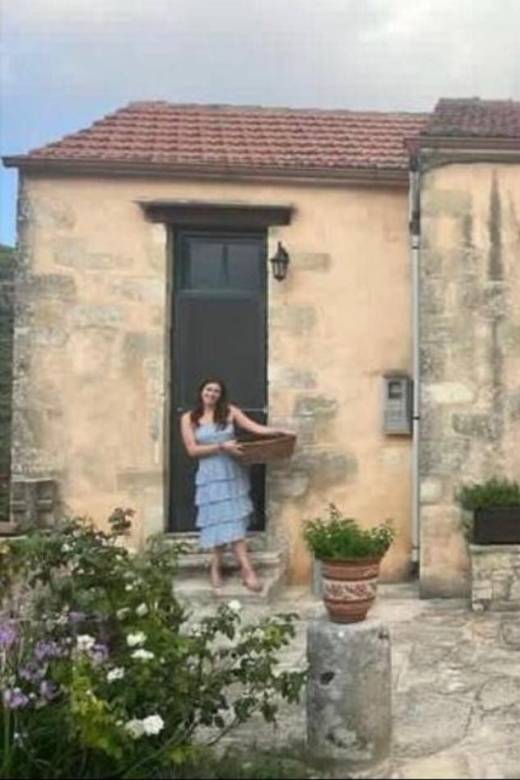
- Two full meals are included: Eat at family-owned tavernas in two different villages, including one above Lake Kournas.
- The food is local and varied: Expect cheese, honey, olive oil, smoked meat, fruit, herbs, sweets, wine, beer, and local spirits.
- Greek coffee is made over hovoli: This is the traditional hot fire left after the flames have died down.
- The countryside is part of the experience: The route includes Armenoi, Vryses, Kournas, a monastery, and other traditional villages.
- The group is limited to eight people: That suits visitors who want a more personal outing than a large coach tour.
- The package includes transport and entry: Air-conditioned transportation, pickup and drop-off, monastery admission, tastings, and meals are covered.
Why this tour works for food lovers who want more than lunch
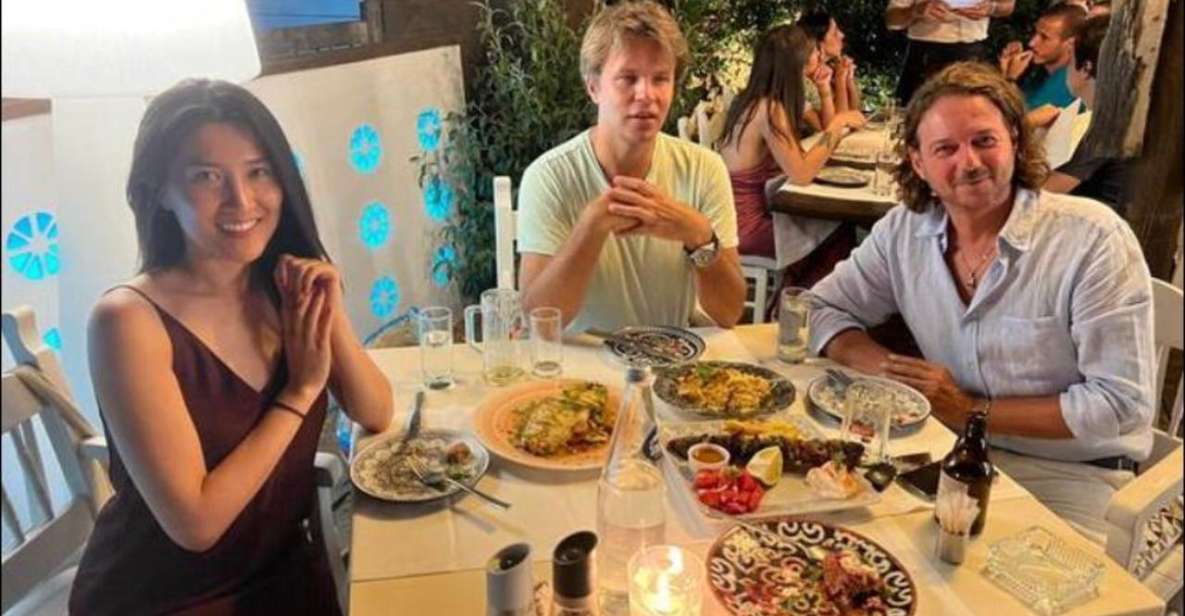
This is not a restaurant crawl in Chania. It is a countryside outing built around food, with villages, producers, a monastery, and a scenic stop at Lake Kournas filling out the day.
That matters because Cretan cooking makes more sense when you see where the ingredients come from. Local cheese, honey, olive oil, smoked meat, fruit, herbs, and sweets are not presented as isolated products. They are part of the daily food culture of the island, and the tour gives you several chances to taste them in different settings.
You also get more than small tasting plates. The two village meals are described as generous, and one direct account called the day a full food fest with no danger of going hungry. Plan accordingly. A large breakfast may be unnecessary, and loose clothing is not a silly idea here.
The price is $212 per person. That is a serious half-day expense, but it includes hotel pickup and drop-off, an air-conditioned vehicle, two meals, drinks, monastery admission, and a long list of tastings. If you tried to arrange transport between several villages, find the producers, and order two meals independently, the price would become easier to justify.
You can also read our reviews of more tours and experiences in Georgioupoli.

Armenoi and the old-fire Greek coffee
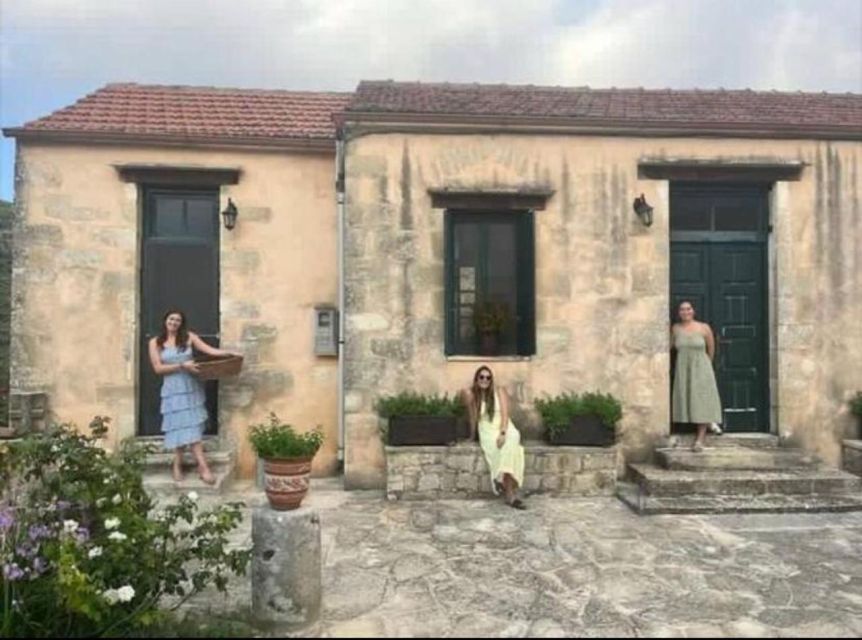
The first stop is Armenoi, reached by a scenic drive from the pickup point. The coffee tasting lasts about 30 minutes and focuses on Greek coffee prepared in the traditional way over hovoli, the hot remains of a fire after the flames have mostly died.
This is a small detail, but it gives the morning a sense of place. Greek coffee is usually made slowly in a small pot, and the hovoli method connects the drink to older household cooking practices. You are not simply being handed a cup at a café. You are seeing a traditional method and tasting the result in a village setting.
The coffee may be strong and sedimented, as Greek coffee generally is. If you usually take coffee with milk or sugar, ask how the local preparation is served and adjust your expectations. This stop is more about the method and setting than about a polished coffee presentation.
The drive itself is part of the value. You get a look at the countryside between Crete’s two major north-coast cities rather than spending the entire day inside a town center.
A 30-minute monastery stop with room to slow down
The monastery visit lasts around 30 minutes and includes the entrance fee. It adds a quiet cultural pause between the food stops.
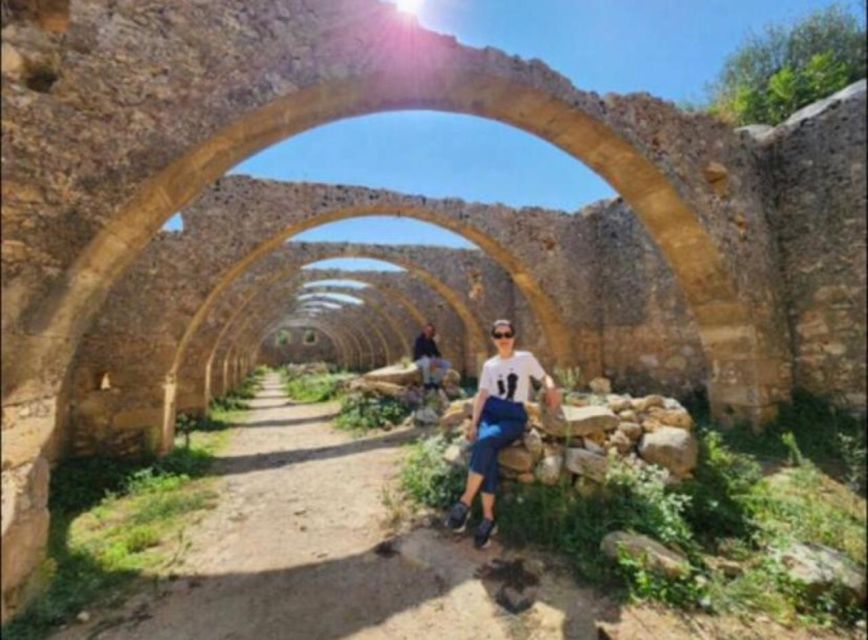
The supplied details do not name the monastery, so you should not book this expecting a specific famous monument. Instead, think of it as a short visit to an old religious site, with time for sightseeing and a change of pace from the tastings.
That balance is useful. A day devoted only to eating can become repetitive, especially when the portions are generous. The monastery gives the route some historical and visual variety. Guide Yannis is noted for adding historical information, so this is likely one of the places where his commentary helps explain what you are seeing.
Thirty minutes is enough for a look around, but not for a long, unhurried exploration. If you want extensive church art, architecture, or religious history, this tour is not designed around that. The monastery is one stop in a food-focused day, not the main event.
Vryses and the cheese traditions of western Crete
In Vryses, you’ll have a guided visit and a cheese tasting lasting about 30 minutes. The tour includes access to what is described as one of the best cheese factories in western Crete, with a range of styles made from local milk.
Expect more than one familiar white cheese. The tasting can include smoked-flavor cheese, sheep’s cheese, wine cheese, and other local varieties. This is a good stop for anyone who wants to understand how much variety can come from a small regional cheesemaking tradition.
The sheep’s-milk yogurt is another important part of the food program. It is paired with handmade ice cream made by a local producer, giving you a sweet course that still feels tied to Cretan ingredients rather than an ordinary packaged dessert.
The stop is short, so you may not get a long technical demonstration of cheesemaking. You will, however, have the chance to taste several products and learn how local cheese fits into the wider food culture.
If you are vegetarian, the tour states that vegetarian options are available. The cheese, yogurt, sweets, fruit, herbs, and vegetable-based dishes should give you plenty to eat, but it is still sensible to tell the provider about your needs when booking.
Kournas, a meal above the lake
Kournas is the first major meal stop and lasts about 75 minutes. The taverna sits above Lake Kournas, giving you a scenic setting along with the food.
The view is a key reason this stop works. You are not eating in an anonymous roadside restaurant. You are looking out over one of the area’s best-known natural sights while sharing a meal prepared by a family-owned business.
The tour emphasizes food from the village or the taverna’s own sources. That does not mean every dish will be grown or made on the premises, so you should not expect a formal farm-to-table presentation. It does mean the meal is intended to reflect the local supply chain and home-style cooking.
The 75-minute schedule gives you enough time for a proper meal, but the day continues afterward. Take your time, yet remember that this is not an open-ended restaurant visit. Several tastings and another meal still await you.
Kournas also helps break up the drive. You get a seated meal, a view, and a chance to talk with the small group before moving on.
The second village meal and Cretan hospitality
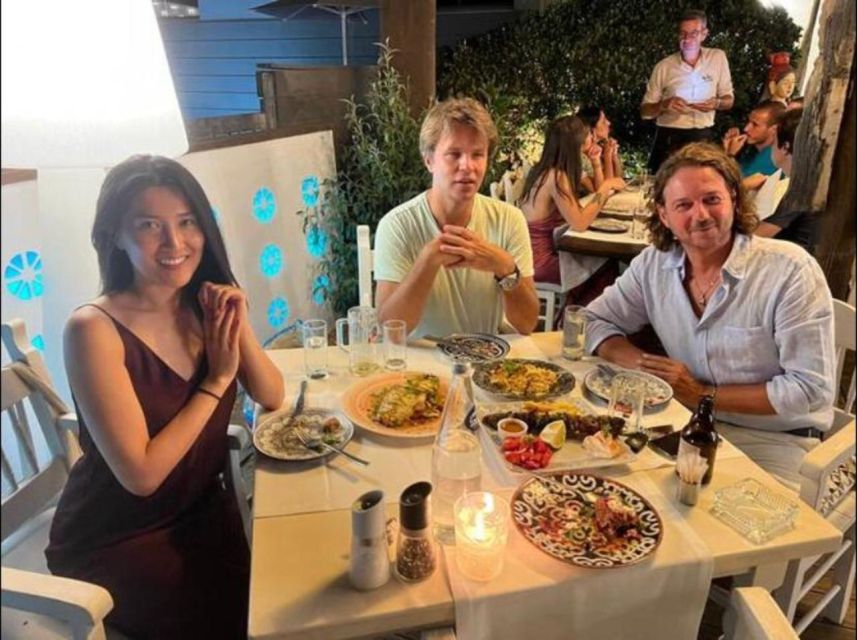
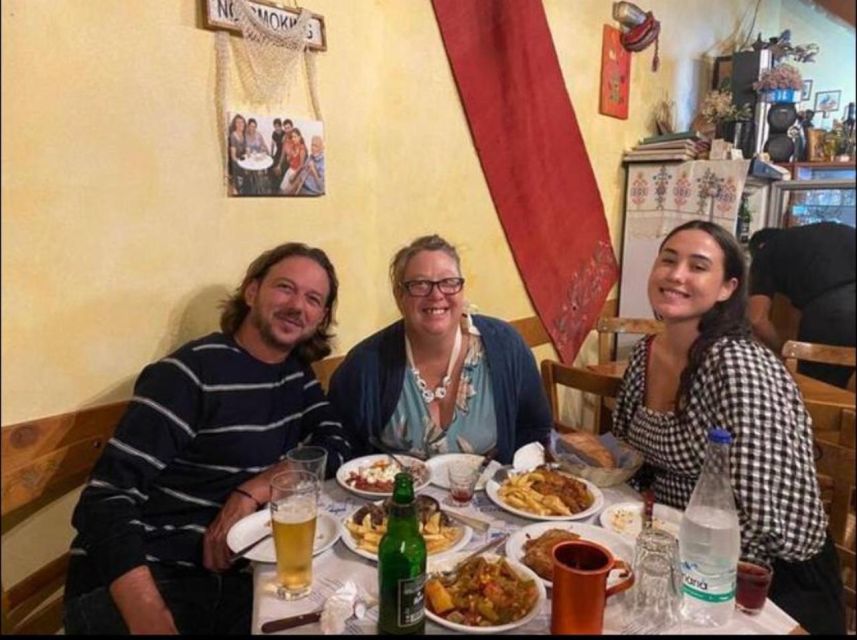
The other 75-minute meal takes place at a mountain village taverna. It is family owned, and the hosts are described as long-time friends of the guide.
That personal connection shapes the tone of the outing. You are not only moving from one commercial stop to another. The aim is to introduce you to people connected with the guide and let you experience the generous, social style of Cretan hospitality.
For many people, this will be the heart of the tour. Meals in Greece are often a social event, and a family-run village taverna gives you more of that feeling than a standard city restaurant. The food is plentiful, and the menu can include local products such as cheese, smoked meat, olive oil, fruit, herbs, and traditional sweets.
The exact dishes are not specified, so do not book this expecting a fixed menu. That is part of the charm, but it also means diners who need very precise food planning may want to ask questions before departure.
Vegetarian options are available. The tour also includes local wine, beer, and alcoholic drinks, so you can sample the drinks commonly served with village food. If you do not drink alcohol, the food remains the main attraction, but the package is clearly designed to include local beverages.
Olive oil, wine, sweets, and the final cheese stop
Olive oil tasting is included, along with local wine, beer, traditional sweets, and other local alcoholic drinks. The experience also includes a visit to a modern oil factory, giving the day a useful contrast between older village customs and present-day production.
Olive oil is central to Cretan cooking, so this tasting has real value if you want to recognize differences in flavor and quality. Pay attention to how it smells and tastes on its own, rather than treating it as just another ingredient on the table.
The final cheese-factory stop lasts only 15 minutes and includes dessert, cheese tasting, and local snacks. It is brief, but it provides a final chance to try the handmade ice cream and sheep’s-milk yogurt if they are served there, along with more cheese or sweets.
Because this comes after two meals, you may be ready to sample rather than eat a full portion. That is fine. The day offers enough food that you do not need to force yourself to finish every bite.
Transport, timing, and the small-group advantage
The experience lasts six hours and uses an air-conditioned vehicle. Pickup and drop-off are offered at Talos Square Public Parking and 106 Chalidon, with hotel pickup and drop-off also included in the tour information. Confirm the exact meeting arrangement when booking, especially if you are staying outside the main pickup area.
The listed route includes stops of about 30 minutes in Armenoi, the monastery, and Vryses, two 75-minute meals, and a 15-minute final tasting. That is a full schedule, but it is not rushed in the way a large coach tour can be. The small group limit of eight should make loading, eating, and moving between villages easier.
The compact group is especially helpful at the family-run stops. It is easier to ask questions, hear the guide, and share a table without the noise and delay of a large crowd.
Still, six hours is not enough for long visits at every location. You are choosing a broad taste of the countryside over a slow stay in one village. If you want to photograph every church, browse every shop, or spend an hour by Lake Kournas, this route may feel too structured.
Who should book this Crete food tour?
I would recommend it to you if food is one of your main reasons for visiting Crete and you want to get beyond Chania’s restaurants. It suits curious eaters, couples, small groups, and visitors who would rather let someone else handle the rural driving.
It is also a good choice if you have limited time. In six hours, you can combine village food, a monastery, a cheese factory, olive oil, wine, and scenic countryside without planning separate day trips.
The tour is less suitable if you want a quiet sightseeing day with minimal eating. It is also not ideal for anyone who dislikes long meals, rich food, or social dining. The generous portions are a major strength, but they can become tiring if you arrive expecting only small tastings.
The tour has a current rating of 5 from three verified bookings, with praise focused on the plentiful food, the traditional villages, the extra countryside sights, and Yannis’s historical information. That is a small sample, so I would treat it as encouraging rather than conclusive.
Should you book it?
Book this tour if you want a food-heavy countryside day with real village connections, not a polished tasting room experience. The price makes the most sense when you count the two meals, transport, drinks, monastery entry, and wide range of samples together.
I would skip it if you prefer to choose every dish yourself or spend more time at fewer sights. For everyone else, especially visitors without a car, it offers an efficient and unusually generous way to connect Cretan food with the places and people behind it.
Free cancellation is available up to 24 hours before the tour for a full refund, and you can reserve now and pay later. The tour is offered in English and Greek.
FAQ
How long does the gastronomy tour last?
The tour lasts six hours. Starting times depend on availability when you book.
Where does pickup take place?
The listed pickup locations are Talos Square Public Parking and 106 Chalidon. Hotel pickup and drop-off are also included in the activity details.
How many people are in the group?
The tour is limited to eight participants, making it a small-group experience.
Are meals included?
Yes. You receive two meals at two different family-owned tavernas, one in a mountain village and one above Lake Kournas.
Are vegetarian options available?
Yes. Vegetarian options are available.
What languages are offered?
The live tour guide speaks English and Greek.