REVIEW · WEST MACEDONIA
International Environmental Centre of ARCTUROS Tour
Book on GetYourGuide →Operated by ARCTUROS · Bookable on GetYourGuide
ARCTUROS gives you a close look at bears, wolves, and lynxes that cannot return to the wild. The setting matters: this is not a zoo in a city park, but a conservation area in the beech forests of Vitsi, with facilities built around animal welfare and education. I especially like the chance to visit two separate conservation centers and the easy option to spread the visits over a month. I also like that the tour connects wildlife protection with a walk through the stone village of Nymfaio.
The main drawback is simple: you need your own transport between the Bear Conservation Area and the Wolf and Lynx Conservation Area. You also walk about 1 kilometer from the bear parking area to the entrance, so this outing is not a good match for anyone with limited mobility unless they qualify to drive directly to the entrance.
In This Review
- Key points to know before booking
- Why ARCTUROS feels different from a standard animal attraction
- Starting at the Bear Conservation Area near Nymfaio
- What you learn at the Bear Information Center
- Walking through the beech forest
- The Wolf and Lynx Conservation Area at Agrapidies
- Adding Nymfaio village to the same day
- How the one-month validity helps
- Is $9 a fair price?
- Who will enjoy this experience most?
- Practical tips for a better visit
- Should you book ARCTUROS?
- FAQ
- Where does the tour meet?
- What places does the ticket include?
- Can I visit the two centers on different days?
- Is transportation between the two conservation areas included?
- How far is the walk to the Bear Conservation Area?
- Can cars drive to the Bear Conservation Area?
- Is the tour offered in English?
- What animals can I see?
- What is not allowed during the visit?
Key points to know before booking

- Rescued animals come first: See bears, wolves, and lynxes that cannot be released because they were injured, orphaned, or illegally kept.
- Two sites are included: Visit the Bear Conservation Area and Information Center, plus the Wolf and Lynx Conservation Area and Information Center.
- Your ticket lasts one month: You can visit both sites on the same day or return on different days within the month.
- Expect a forest walk: The bear facility requires a walk of about 1 kilometer from the free parking area.
- Language needs checking: Tours are offered in Greek and English, but a guide may switch between both languages within the same group.
- The $9 price is strong value: Admission and guiding are included, but transport, food, and drinks are not.
Why ARCTUROS feels different from a standard animal attraction

The first thing to understand is the purpose of ARCTUROS. You are not coming to watch trained animals perform or to see rare species in cramped display areas. The animals here are residents of a conservation program because life in the wild is no longer possible for them.
Some were illegally held by people. Others were injured or orphaned. The centers give them protected surroundings while also explaining the wider work of ARCTUROS, including wildlife protection, biodiversity, and the care of large mammals in Greece.
That distinction changes the visit. A bear standing near a fence is interesting, but the more useful question is why it is there. The guided presentation gives you that context. You learn how the facilities support animals that cannot safely be returned to nature and why rescue is only one part of protecting wildlife.
I also like the way the visit links animals to their habitat. The beech forest around Vitsi is not just a pleasant route between buildings. It helps you understand the kind of natural setting these species need, along with the wider plant and animal life that depends on the forest.
Starting at the Bear Conservation Area near Nymfaio
The meeting point is the ARCTUROS Bear Sanctuary. If you are driving, pay attention to the access instructions. You must leave your car in the designated free parking area, located about 1 kilometer before the entrance. From there, follow the signs on foot.
That walk is an important practical detail. It is not a short stroll from the car to the gate, and the tour takes place in all weather. Wear shoes that can handle a forest path, and bring suitable clothing for rain or sun. The walk can also affect your timing, so do not arrive at the parking area at the last minute.
The restriction on cars is part of the facility’s operating rules. Vehicles are not allowed into the Bear Conservation Area, except for those carrying people with reduced mobility or disabilities. If that applies to you, contact the facility or booking provider in advance so you know how to reach the entrance.
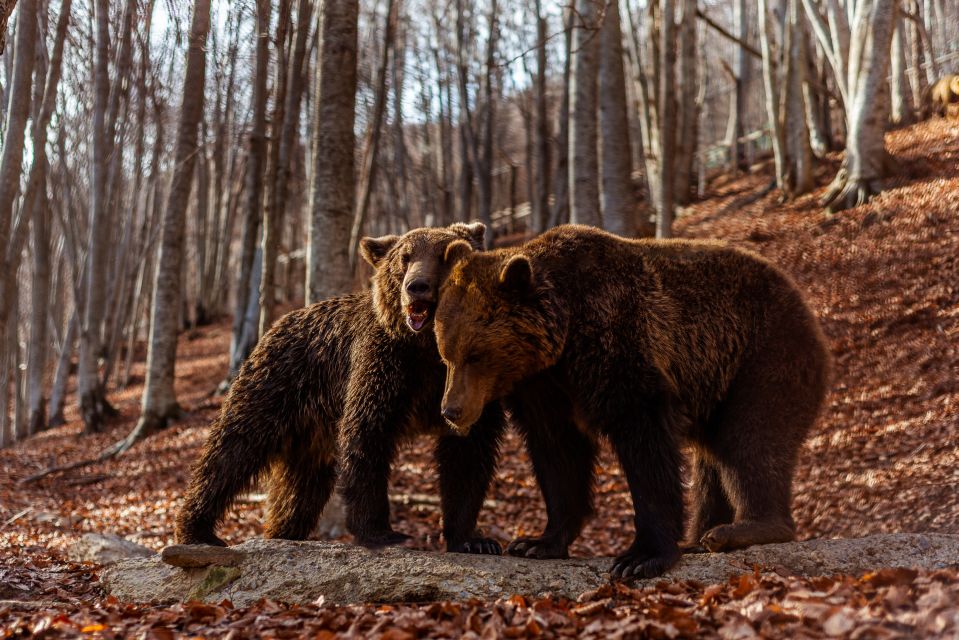
Once inside, the bear visit combines the viewing area with the Bear Information Center. The guide explains the animals and the work of the organization, helping you read the setting as a conservation facility rather than simply a place to take photographs.
A June visit showed how much conditions can affect animal viewing. The bears were active and easy to see, while the wolves and lynxes later chose to shelter from the heat. That is normal animal behavior, not a poor-quality encounter. You should come prepared for the possibility that some animals will be resting out of sight.
What you learn at the Bear Information Center

The information center gives the visit its meaning. Without the explanations, you might only remember the size of the bears or the thrill of seeing one near the viewing area. With the guide, you gain a better sense of the problems caused by illegal captivity, injury, and orphaning.
The center also places bears within the ecology of the area. You learn more about biodiversity and the conditions that make the Vitsi region suitable for wildlife. The goal is not only to show you individual animals, but to explain why protecting habitats matters.
The standard visits are conducted in groups rather than privately. That keeps the price low, but it also means you cannot expect a personal guide reserved only for your party. Tours may be in Greek, English, or both, depending on the group.
This language point deserves care. An English booking option is available, but the guide may alternate between Greek and English to include everyone. One reported visit found the main presentations delivered in Greek, with an English information sheet and individual questions answered afterward. If clear English commentary throughout is essential to you, confirm the arrangement before paying.
Another visitor had a better language experience, with the guide happy to speak English and explain the centers in detail. The result may depend on the group and the guide assigned that day. I would treat English support as available but not guaranteed as a separate, uninterrupted tour.
Walking through the beech forest
The route around the conservation area gives you a reason to slow down. A walk through beech forest adds texture to the visit and shows you the setting beyond the animal enclosures.
You are not simply moving from one exhibit to another. The guide uses the area to discuss biodiversity and the relationship between wildlife and the forest. That makes the experience useful for anyone who wants more than a quick animal sighting.
Keep your expectations realistic. The information provided does not promise a long hiking route, a strenuous trek, or wildlife sightings in the forest. The animals you are visiting are in the conservation areas. The forest walk is mainly about the local ecology and the surroundings of the center.
For me, this is one of the strongest parts of the experience because it joins the practical work of ARCTUROS with the natural setting around it. You see what the organization protects, then gain a better sense of the wider environment that supports these species.
The Wolf and Lynx Conservation Area at Agrapidies
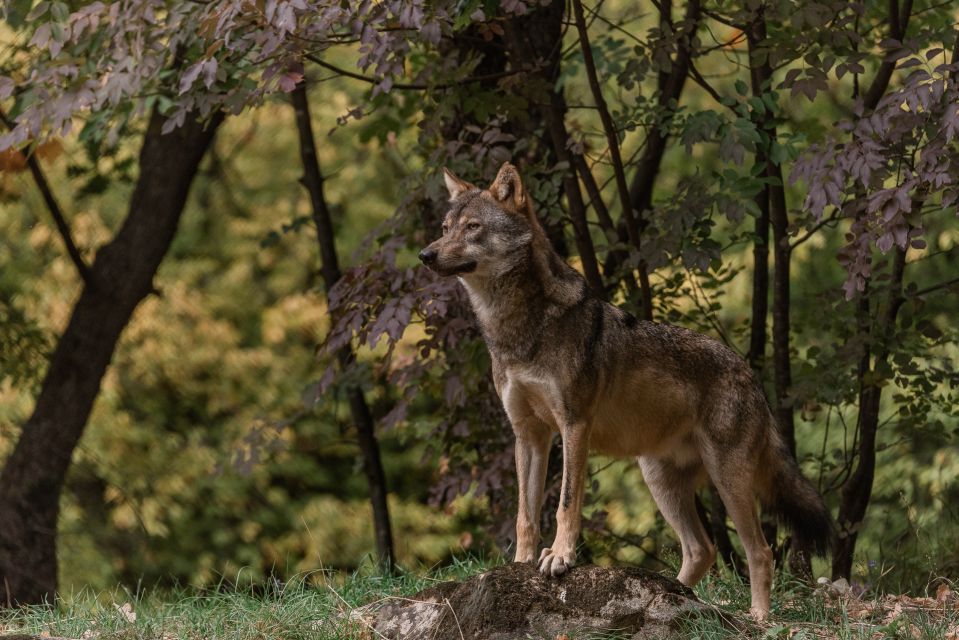
The second part takes place at the Wolf and Lynx Conservation Area and Information Center in Agrapidies, Amyntaio. It is included in the ticket, but you must arrange your own transfer between the two facilities.
That transfer is the biggest planning issue. The activity does not provide transportation, so you need a car or another way to move between the sites. Do not assume that reaching the bear facility automatically gets you to the wolf and lynx center.
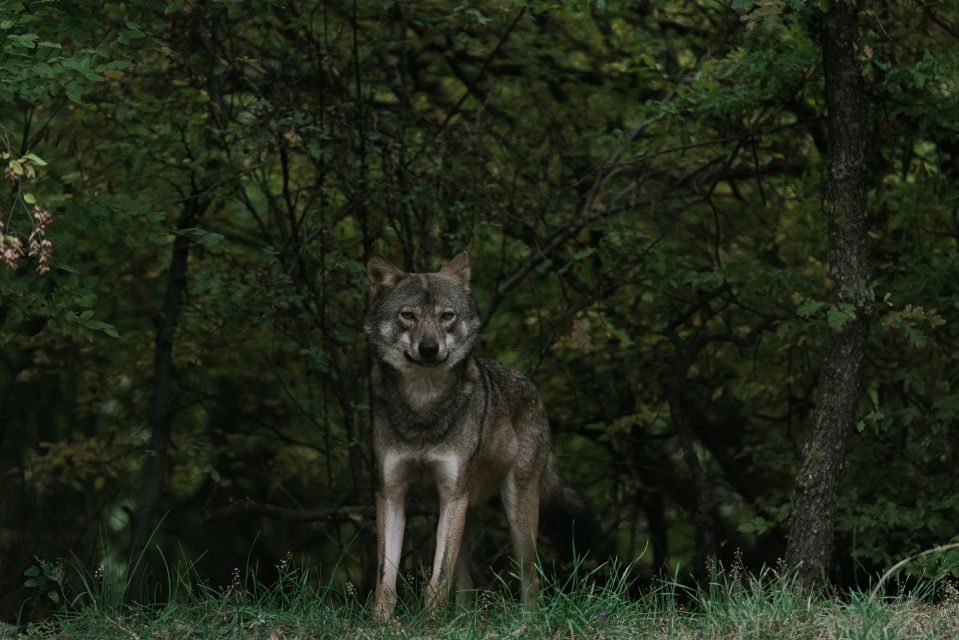
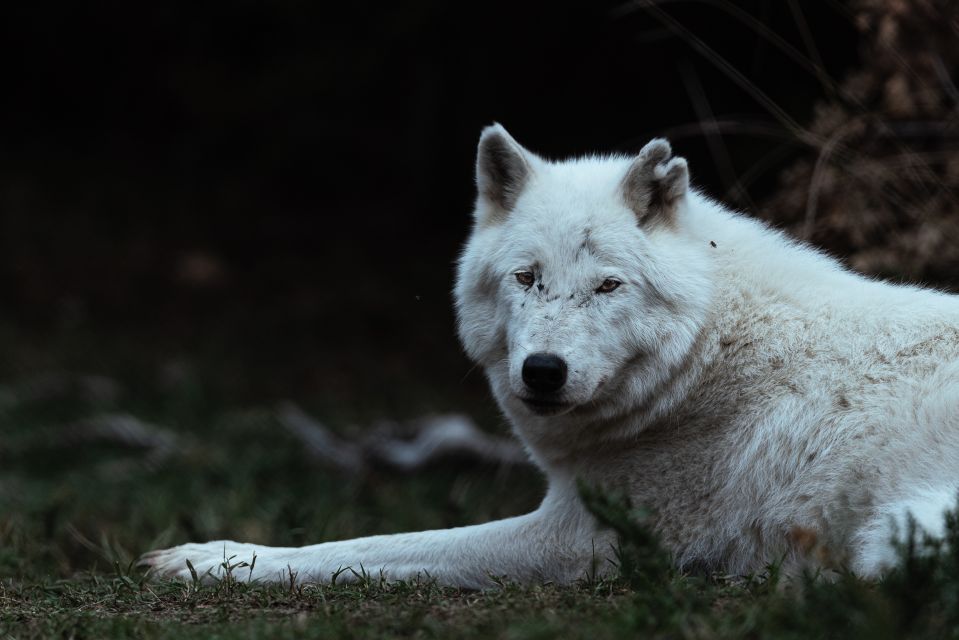
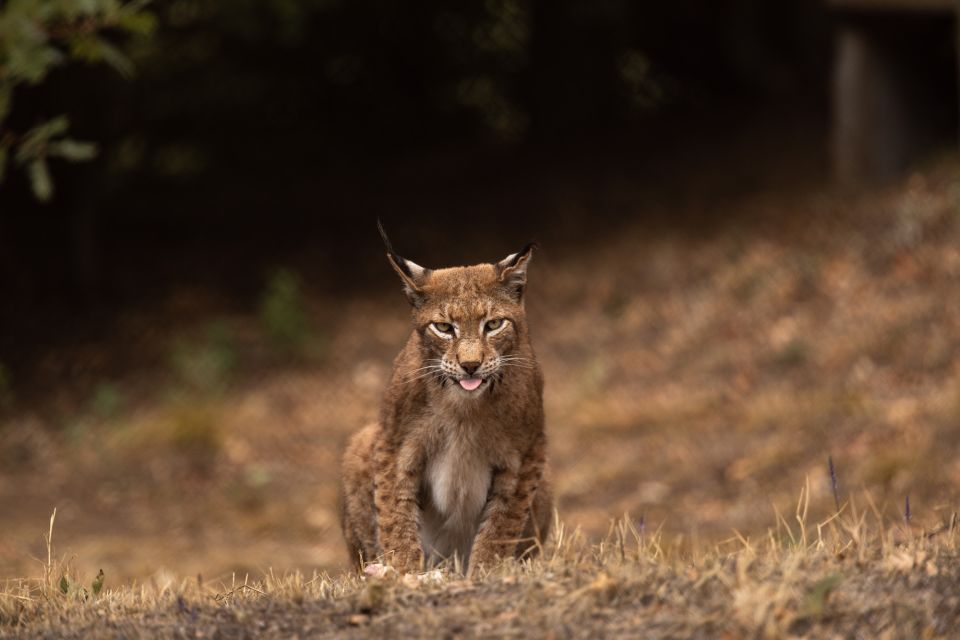
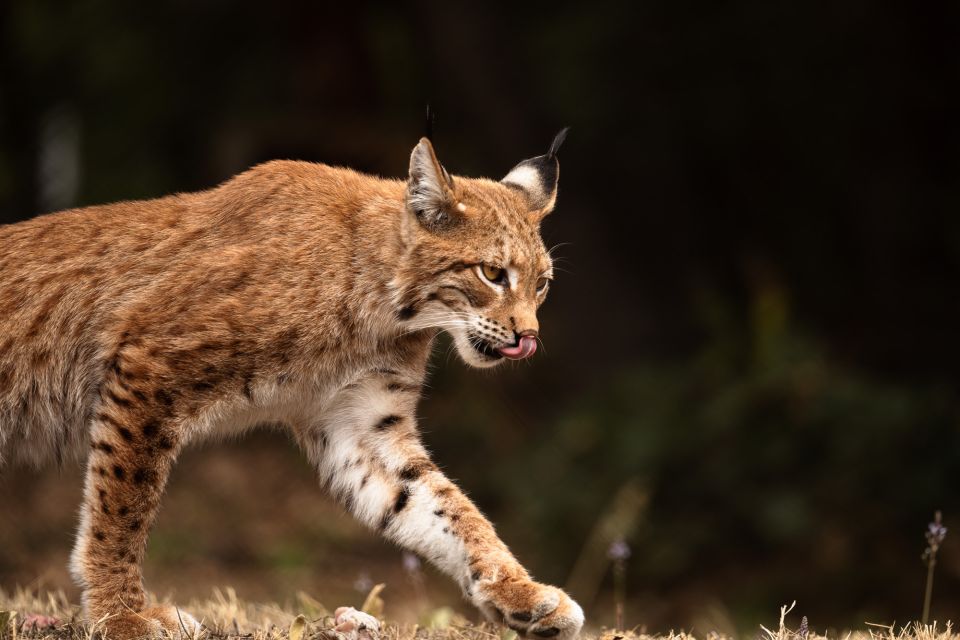
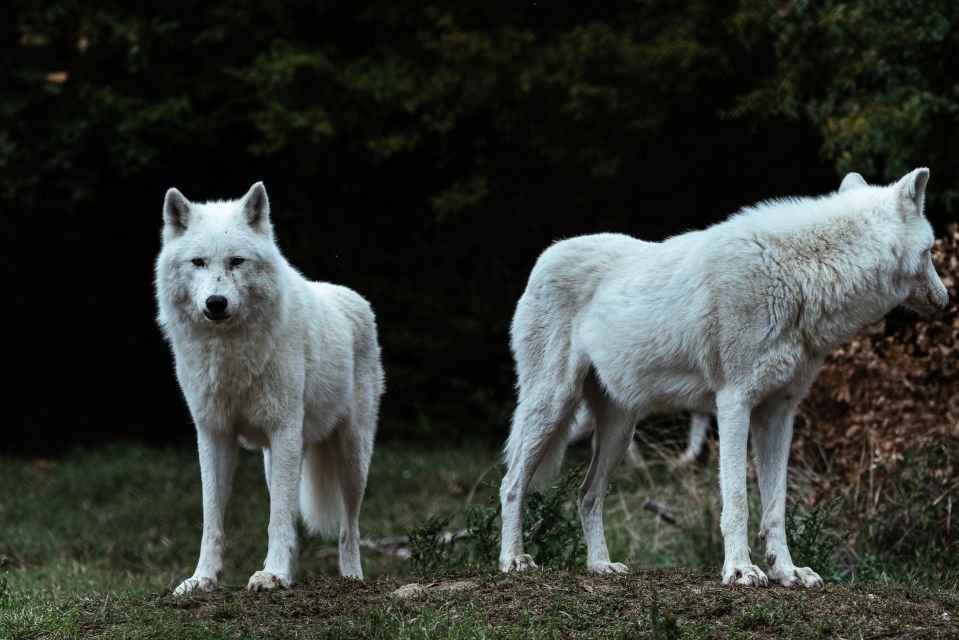
At this site, the guide introduces wolves and lynxes that cannot be reintroduced into the wild. The reasons are the same basic realities of rescue work: some animals have been injured, orphaned, or kept illegally, and release would not be safe or responsible.
You may also see a golden jackal. During one visit, a female came right up to the fence and called, creating a memorable encounter even though the wolves and lynxes were hiding from the heat. That is a useful reminder to watch the whole area instead of focusing on one species.
Warm weather can change the visit. Wolves and lynxes may seek shade or shelter, while bears may be more active. If you are visiting in summer, bring water and accept that animal viewing is never fully predictable.
The information center helps fill in what you do not see. Even if a wolf or lynx stays hidden, you still receive an explanation of the species and ARCTUROS’s work. This is why the guided format matters. The visit is based on conservation education, not on guaranteeing a perfect viewing position for every animal.
Adding Nymfaio village to the same day
Nymfaio gives the outing a human setting as well as a natural one. You can walk among stone houses and cobblestone paths, enjoying the village before or after the conservation visit.
The village stop is not presented as a separate guided historical tour, so keep it simple. Think of it as time to wander, take in the architecture, and connect the animal center with the local character of the area.
This is especially useful if you are planning a full day in Central Macedonia. The conservation areas provide the main purpose, while Nymfaio adds a slower pause between visits. You get forest, wildlife education, and a traditional village rather than spending the entire day inside one facility.
Food and drinks are not included. Plan accordingly, especially if you are visiting both centers and spending time in Nymfaio. The supplied details do not specify a meal stop or restaurant arrangement, so you should make your own food plan.
How the one-month validity helps
The ticket remains valid for one month, and you can visit the two conservation areas on the same day or on different days. That flexibility is unusually useful here because the sites are separate and transport is not included.
If you have a car and a free day, visiting both centers together may be the most efficient choice. You can combine the bear visit, the wolf and lynx visit, the forest setting, and time in Nymfaio without making another trip.
If you are staying in the region longer, splitting the visits may be more comfortable. You can give each center enough time and choose different weather or cooler hours. The one-month window also reduces pressure if your plans change.
The activity has free cancellation up to 24 hours before the scheduled visit, and you can reserve now and pay later. Those policies are helpful when your route through Greece is still taking shape, but they do not solve the transport issue. You still need to arrange how you will reach each site.
Is $9 a fair price?
At $9 per person, the ticket offers good value if you intend to visit both facilities. Admission to the Bear Conservation Area and Information Center is included, as is admission to the Wolf and Lynx Conservation Area and Information Center. A guide is included too.
The price does not cover transportation, food, or drinks. That means the real cost depends on your route and whether you already have a car. If you must arrange a separate transfer between Nymfaio and Agrapidies, the low ticket price will not be your only expense.
Still, the admission fee is modest for access to two conservation areas and guided explanations. I would see it as a low-cost educational outing, not a packaged day tour. You pay for entry and interpretation, then handle the practical pieces yourself.
The price also makes the shared group format easier to accept. This is not a private tour, and you may hear both Greek and English. If you want individual attention, uninterrupted English, and door-to-door transport, you will need a different type of excursion.
Who will enjoy this experience most?
I would recommend ARCTUROS to you if you care about wildlife welfare, conservation, and the reasons rescued animals cannot return to the wild. Families, nature-minded visitors, and people interested in Greek biodiversity should find plenty to think about.
It also suits independent visitors who have a car and are happy to plan their own day. The one-month validity gives you freedom to fit the sites around a wider stay in Central Macedonia.
You should think twice if you need step-free access or cannot walk 1 kilometer to the bear entrance. The activity is specifically listed as unsuitable for people with mobility impairments, although visitors with reduced mobility or disabilities may drive directly to the bear entrance under the stated exception.
You should also be comfortable with changing animal behavior. A bear may be active, while a wolf or lynx may be resting out of sight. The golden jackal may provide the surprise encounter, but no one can promise which species will perform for the viewing area.
Practical tips for a better visit
- Wear comfortable shoes for the 1 kilometer walk to the Bear Conservation Area.
- Bring protection from rain or sun because the tour runs in all weather.
- Carry water, since food and drinks are not included.
- Allow time for the transfer between the two conservation areas.
- Ask about the language arrangement before arrival if you need full English commentary.
- Keep noise low, and do not bring a tripod.
- If you want to see both sites in one day, check the available starting times and plan your driving route carefully.
- If heat is forecast, remember that wolves and lynxes may shelter while bears remain active.
Should you book ARCTUROS?
I would book this experience if you are already exploring the Nymfaio and Amyntaio area, have your own transport, and want a meaningful wildlife visit at a low price. The combination of rescued animals, forest ecology, and Nymfaio village gives the day more substance than a simple animal viewing stop.
I would not book without checking the language setup if English instruction is essential. I would also avoid it if the 1 kilometer walk or the lack of included transfers creates a problem.
For the right visitor, ARCTUROS offers a clear lesson in conservation, with real animals and practical insight into the work required to protect them. Just plan for shared guiding, changing animal behavior, and a little walking.
FAQ
Where does the tour meet?
The meeting point is the ARCTUROS Bear Sanctuary.
What places does the ticket include?
The ticket includes the Bear Conservation Area and Information Center, plus the Wolf and Lynx Conservation Area and Information Center.
Can I visit the two centers on different days?
Yes. The ticket is valid for one month, so you can visit both centers on the same day or on different days within that period.
Is transportation between the two conservation areas included?
No. You must arrange your own transfer between the Bear Conservation Area and the Wolf and Lynx Conservation Area.
How far is the walk to the Bear Conservation Area?
You must walk about 1 kilometer from the designated free parking area to the entrance.
Can cars drive to the Bear Conservation Area?
Cars are not allowed to drive to the Bear Conservation Area. The stated exception is for vehicles carrying people with reduced mobility or disabilities.
Is the tour offered in English?
Tours are conducted in Greek and English. The guide may alternate between the two languages depending on the composition of the group.
What animals can I see?
The conservation areas are home to bears, wolves, and lynxes that cannot be reintroduced into the wild. A golden jackal may also be present at the wolf and lynx center.
What is not allowed during the visit?
Tripods and making noise are not allowed. The tour takes place rain or shine.