REVIEW · KARPATHOS
Karpathos: Easy Guided Nature and Culture Hike in Pigadia
Book on GetYourGuide →Operated by Art and Walk Karpathos · Bookable on GetYourGuide
The ringing of goat bells, the shade of old olive trees, and a cup of local herbal tea give this Karpathos walk more character than a simple countryside stroll. From Pigadia, you follow quiet paths toward abandoned houses, a local chapel, and the ancient Cave of Poseidon.
I like the mix of nature and island culture, and I like that guide Renate brings the setting to life with details about plants, animals, customs, and local history. The walk is described as easy, but one practical caution matters: at roughly three and a half hours, it can feel tiring if you schedule it immediately after arriving on the island.
In This Review
- Key points at a glance
- A countryside start just outside Pigadia
- Olive trees, abandoned homes, and the rural Karpathos
- The Cave of Poseidon and views from the path
- A chapel near Menetes and a proper tea break
- Following the riverbed past old olive trees
- What $42 includes, and what it leaves out
- Timing, languages, and the level of effort
- Who will enjoy this Pigadia walk most
- Practical advice before you book
- Should you book the Karpathos nature and culture hike?
- FAQ
- Where does the Karpathos hike begin?
- How long does the activity last?
- What language is the tour offered in?
- Is the hike suitable for beginners?
- Will I visit Poseidon’s Temple?
- Is food included?
- What refreshments are included?
- Is the activity suitable for wheelchair users?
Key points at a glance
- Goat paths and olive fields: Walk through the valley outside Pigadia, with bells in the meadows and centuries-old olive trees along the route.
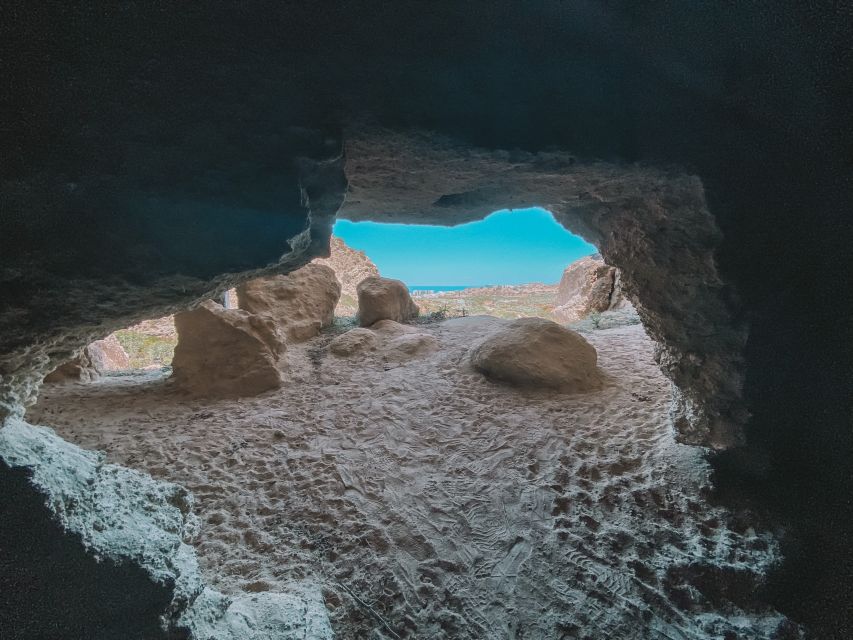
- Poseidon’s ancient cave: Spend about 30 minutes learning about the old site and taking in wide views from the path.
- Herbal tea near Menetes: Pause at a local chapel for freshly brewed tea and an introduction to island customs.
- Renate’s guiding style: If she leads your outing, expect friendly conversation and plenty of detail about Karpathos’ plants, animals, culture, and past.
- Gentle but not effortless: The route suits beginners, yet the length can make it a poor choice for your first full day after landing.
- Good value at $42: The fee includes a guide, walking stick, coffee or tea, and a shot of raki, but not food.
A countryside start just outside Pigadia
The walk begins outside the Auto Tour shop, opposite the Miramare Bay Hotel. Look for a guide wearing an Art and Walk tank top or T-shirt. This clear meeting point makes the outing easy to find if you are staying in Pigadia, also called Karpathos town.
You leave the built-up part of town and head into the valley on goat paths and tracks beside olive fields. This is the kind of route that rewards a slower pace. Instead of checking off major sights, you listen for goat bells, notice the dry island terrain, and stop to look at details your guide points out.
I like this beginning because it gives you a useful introduction to Karpathos without demanding technical hiking skills. You are not being sent up a steep mountain trail or asked to keep a fast pace. The route is intended for beginners, and the focus is on seeing and understanding the area rather than covering distance.
Still, do not read easy as effortless. The outing lasts about 210 minutes, or three and a half hours, and one guest specifically found it somewhat demanding when taken the day after arriving. Comfortable shoes, water, sunscreen, a hat, and sunglasses are sensible basics. A snack is also worth packing, since food is not included.
Olive trees, abandoned homes, and the rural Karpathos
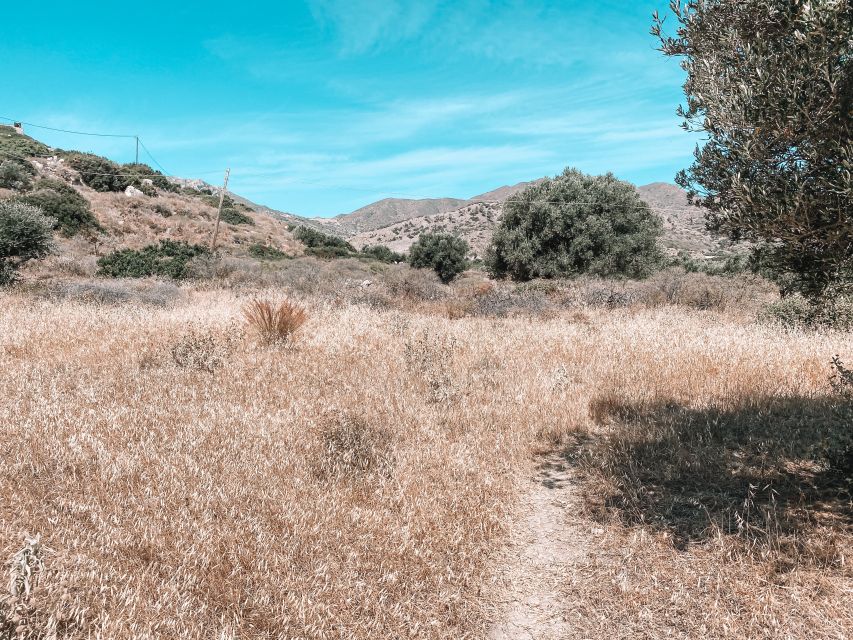
As you continue, the path passes old houses and open fields. The abandoned buildings offer a glimpse of an older rural way of life, while the olive groves show how closely farming remains tied to the island’s identity.
The walk’s strongest feature is the guide’s commentary. Renate, the guide named in the supplied information, is praised for explaining local plants, animals, and customs while keeping up a friendly conversation. Her approach sounds less like a formal lecture and more like a walk with someone who knows how to connect small details to daily life on Karpathos.
That matters here. A goat path can look like just a dirt track if you do not know what you are seeing. A cluster of old houses can seem like ruins without context. With a local guide, you get explanations about the valley, the island’s traditions, and the way people have used this setting over time.
You also have time to rest beneath the olive trees. This pause is welcome, especially in the warmer months, and it keeps the outing from feeling like a forced march. The shade gives you a chance to take photographs, drink water, and enjoy the quiet before the next part of the route.
The Cave of Poseidon and views from the path
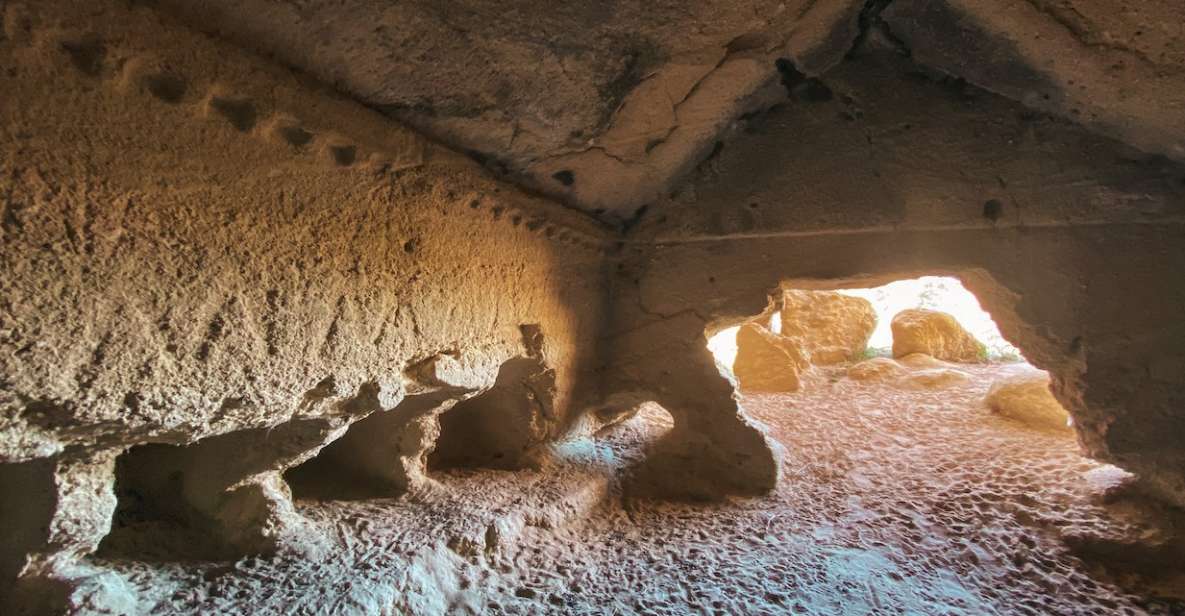
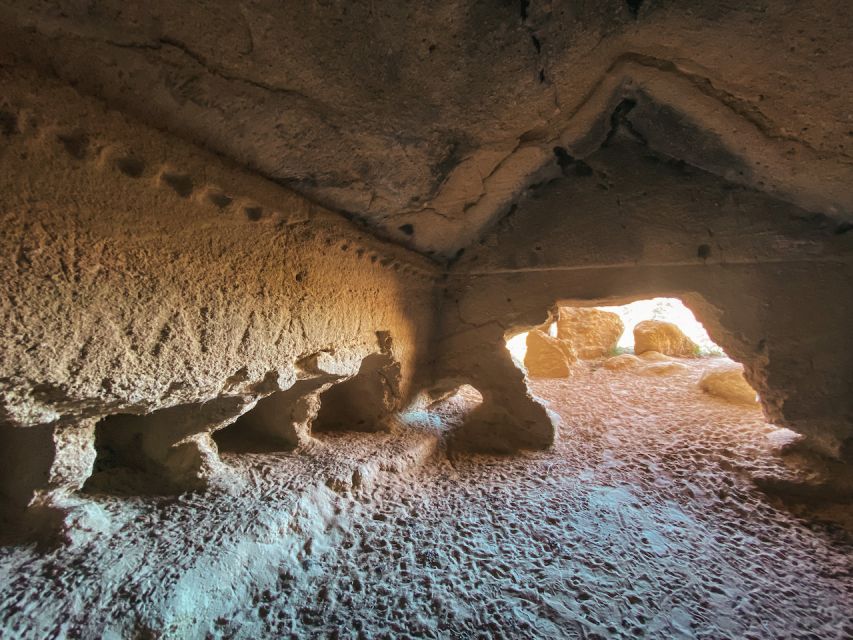
The route then reaches the ancient Cave of Poseidon, described as Poseidon’s Temple. You spend around 30 minutes here with a guided visit and sightseeing.
The site gives the walk a stronger historical focus. Rather than only admiring fields and village paths, you encounter an ancient place connected with Poseidon. The information provided does not promise a large temple complex, so set your expectations accordingly. Think of it as an atmospheric archaeological stop in a natural setting, not a major monument with extensive remains.
The surrounding views add to its appeal. From the path, you can look across the area and better understand how the valley, hills, and settlements relate to one another. I find this sort of viewpoint especially useful early in a visit, since it helps you picture Karpathos as a whole rather than seeing Pigadia as an isolated resort town.
This stop also breaks up the walking nicely. You spend time listening, looking, and taking photographs instead of simply moving from one point to the next. If ancient sites are your main reason for booking, keep the scale of the stop in mind. If you want a gentle outing that combines archaeology with countryside, it fits well.
A chapel near Menetes and a proper tea break
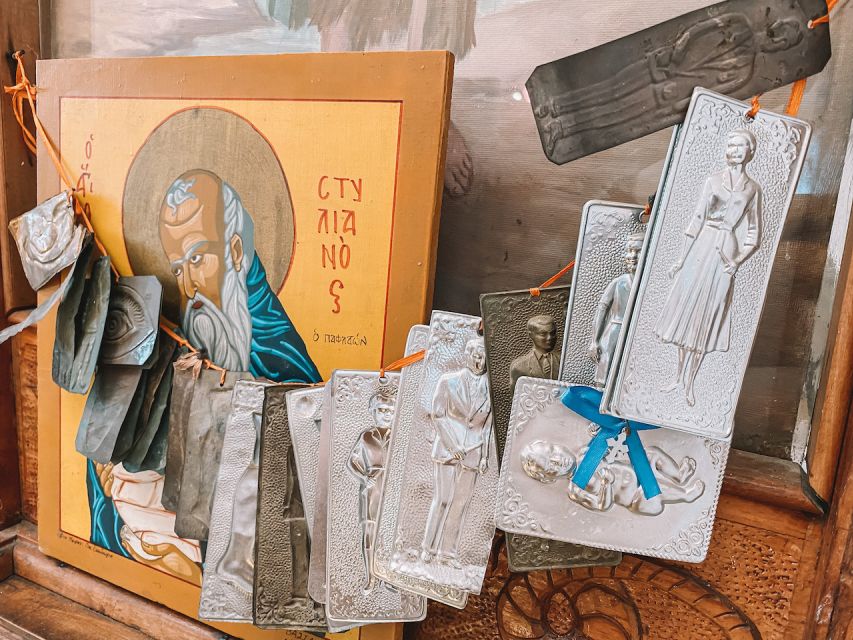
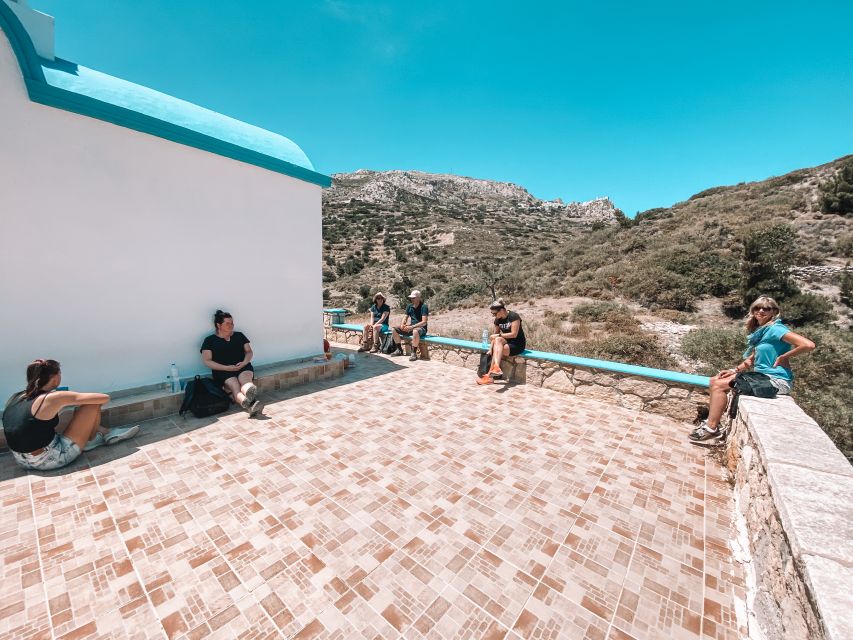
Next, you walk toward a local chapel just outside Menetes. The chapel is not only a photo stop. You enter to learn about its history and the customs connected with it.
This is one of the most appealing parts of the experience for anyone who wants more than scenery. Religious buildings on Greek islands often serve as useful windows into local traditions, and the guide’s explanation helps you understand the place beyond its walls. The supplied details do not name the chapel, so the emphasis is on the visit and the stories rather than a famous landmark you can research in advance.
The pause also includes a freshly brewed local herbal tea. Coffee or tea is included in the price, along with a shot of raki. The tea stop gives the outing a friendly, social rhythm and offers a welcome rest after the first section of walking.
I would not book this expecting a full meal. Food is not included, and the activity information specifically suggests bringing snacks. A small snack in your daypack is a smart addition, particularly if you are sensitive to long gaps between meals.
Following the riverbed past old olive trees
After the chapel, the route follows a riverbed. Along the way, you see centuries-old olive trees and fossilized shells.
These details give the final section a different feel from the opening walk. The olive trees connect the route with agriculture and local life, while the fossilized shells point to the island’s changing natural past. You do not need to be a geology enthusiast to appreciate them. They are the sort of small discoveries that make a guided walk more rewarding than following a path alone.
The riverbed section also adds texture to the outing. You are moving through a natural corridor rather than staying on one uniform trail. Conditions underfoot can vary on any countryside route, which is another reason to choose supportive walking shoes instead of sandals with little grip.
The walk eventually returns you to Pigadia. There is no separate transport described for the route, so you should expect the activity to be centered on walking from the meeting point and returning there at the end.
What $42 includes, and what it leaves out
At $42 per person, this is a reasonably priced half-day activity if you value a local guide and a small-group style of sightseeing. You are paying for about three and a half hours of guided time, not just access to a trail.
The fee includes:
- A live guide
- A walking stick
- Coffee or tea
- A shot of raki
Food is not included. You should bring water and snacks, along with sun protection. Since the tour takes place outdoors and includes open paths and fields, the practical items matter more than they might on a short town walk.
The walking stick is a useful touch for anyone who appreciates extra support on uneven ground. The activity is not suitable for wheelchair users, so accessibility is an important consideration before booking.
The value improves if you are new to Karpathos and want cultural context early in your stay. You get a look at Pigadia’s surrounding countryside, an ancient site, a chapel, and local customs in one outing. The value is less clear if you want a strenuous hike, a long archaeological tour, or a food-focused excursion. This is a gentle cultural walk, not a serious mountain trek or a tasting tour.
Timing, languages, and the level of effort
The experience lasts 210 minutes. The schedule includes about three hours of walking and sightseeing around Pigadia, a 30-minute guided visit at Poseidon’s Temple, and a further break and photo stop before returning to the starting point. The exact order and pacing may vary, but you should set aside most of a morning or afternoon.
Guiding is available in Dutch, English, and Swedish. Renate is the named guide associated with the outing, and the supplied feedback describes her as warm, enthusiastic, and highly informed about the island. You may not always have Renate, so treat her presence as a possibility rather than a guarantee.
The route is suitable for beginners, but the length still matters. If you have just arrived after a flight, ferry ride, or long travel day, you may enjoy it more after a night’s rest. If you already feel comfortable with several hours of relaxed walking, the pace should be manageable.
The description does not give a group size, elevation gain, or exact trail surface. I would therefore avoid treating this as a fully specified hiking route. It is best understood as a guided countryside walk with some uneven paths, pauses, and sightseeing.
Who will enjoy this Pigadia walk most
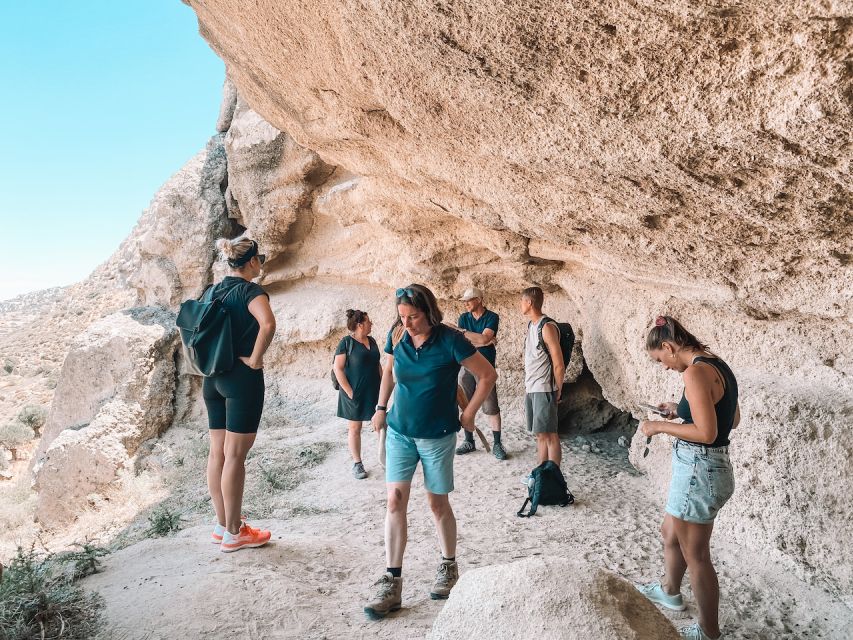
I would recommend this experience to you if you want to:
- See the countryside outside Pigadia without committing to a hard hike
- Learn about Karpathos’ customs from a local guide
- Combine nature, an ancient site, a chapel, and village surroundings
- Take photographs in olive fields and from scenic paths
- Spend a relaxed half-day away from the waterfront
- Hear about local plants, animals, and rural traditions
It is also a good choice for couples, solo visitors, and families with older children who can manage several hours on foot. The supplied information does not state a minimum age, so you should confirm suitability for young children before booking.
I would hesitate if you need wheelchair access, dislike outdoor walking in the sun, or want a short activity with little physical effort. I would also skip it if your main goal is a demanding hike with major climbs. The charm lies in the easy pace and the stories along the way.
Practical advice before you book
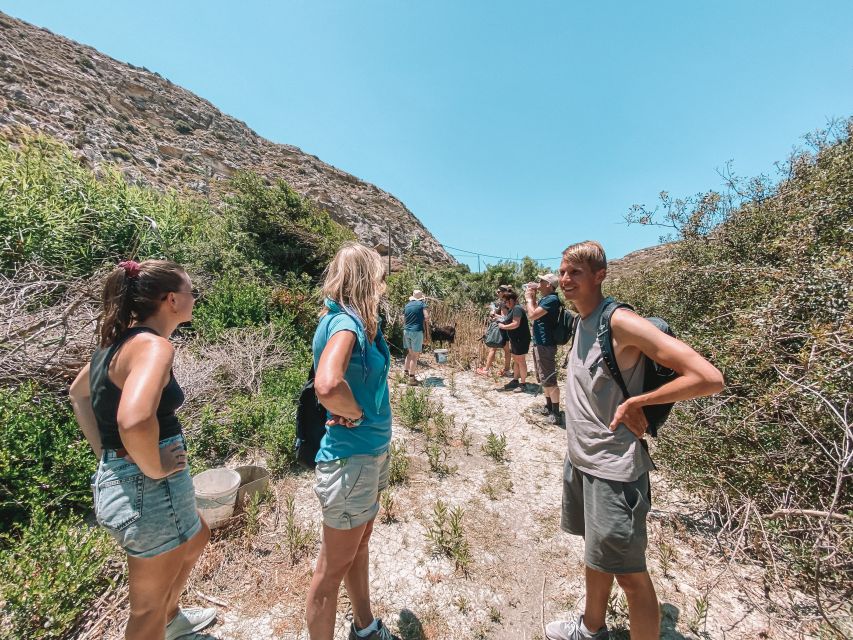
Wear comfortable walking shoes rather than relying on beach sandals. Bring water, sunscreen, a sun hat, sunglasses, and a snack. A walking stick is included, but you may still want to prepare for uneven countryside paths.
Arrive at the Auto Tour shop opposite the Miramare Bay Hotel and look for the Art and Walk shirt or tank top. The guide languages are Dutch, English, and Swedish, so make sure one of those works comfortably for you.
You can cancel up to 24 hours before the start for a full refund, and the activity allows you to reserve now and pay later. Starting times vary, so check availability for your chosen date.
Should you book the Karpathos nature and culture hike?
Book it if you want a friendly, informative introduction to Karpathos beyond Pigadia’s main streets. The combination of goat paths, olive fields, Poseidon’s Cave, a chapel near Menetes, herbal tea, and local stories gives you a broad taste of the island in one manageable outing.
The main caution is stamina. Three and a half hours is a long time to be outside, even at an easy pace, and it may feel tiring immediately after your arrival. Plan it for a settled day, bring water and snacks, and expect a real countryside walk rather than a quick sightseeing stop.
At $42, the experience offers good value for visitors who want context and company while exploring. If that sounds like your kind of afternoon, this is a practical way to meet Karpathos through its paths, old trees, small religious sites, and living traditions.
FAQ
Where does the Karpathos hike begin?
Meet outside the Auto Tour shop, opposite the Miramare Bay Hotel. Your guide will be wearing an Art and Walk tank top or T-shirt.
How long does the activity last?
The experience lasts 210 minutes, or about three and a half hours.
What language is the tour offered in?
The live guide is available in Dutch, English, and Swedish.
Is the hike suitable for beginners?
Yes. The walk is described as easy and follows goat paths, olive fields, rural tracks, and a riverbed. It can still feel tiring because it lasts about three and a half hours.
Will I visit Poseidon’s Temple?
Yes. The route includes a guided sightseeing visit to the ancient Cave of Poseidon, also called Poseidon’s Temple, for about 30 minutes.
Is food included?
No. Food is not included. You are advised to bring snacks and water.
What refreshments are included?
The activity includes coffee or tea and a shot of raki. The route also includes a stop for freshly brewed local herbal tea.
Is the activity suitable for wheelchair users?
No. The activity is not suitable for wheelchair users.