REVIEW · ZAGORI
Kipoi: Zagori Villages and Bridges Hike
Book on GetYourGuide →Operated by TREKKING HELLAS IOANNINA · Bookable on GetYourGuide
Zagori’s best stories are often found on foot, and this three-hour hike from Kipoi to Koukouli gives you a fine sampler. You cross old stone bridges, follow paths once used to link Zagori’s 46 villages, and finish with a small museum visit about rare plants from the Vikos gorge. I especially like the route’s mix of culture and walking, plus the chance to see the Koukouli Steps, an old stone route with real local purpose. The main catch is the terrain: this is not a flat village stroll.
I also like the small-group format, capped at 10 people, and the practical support from Trekking Hellas Ioannina, including walking poles and an English-speaking guide. Guide Nikos has been praised for his upbeat manner, clear explanations, and stories about the area. Plan carefully for sun, insects, scratches, and heat. Good trainers are essential, and open-toed shoes are not allowed.
In This Review
- Key points at a glance
- Why this short Zagori hike works so well
- From Kipoi into Zagori’s old footpath network
- Crossing Zagori’s stone bridges
- Arriving in Koukouli and visiting the flora museum
- Returning by the Koukouli Steps
- What the terrain feels like in practical terms
- The guide and group size
- Is $94 a fair price for three hours?
- Who should book this hike?
- Booking details that matter
- Should you book the Kipoi to Koukouli hike?
- FAQ
- Where does the hike begin and end?
- How long does the activity last?
- What villages does the route visit?
- What will I see along the trail?
- Does the tour visit a museum?
- Is transportation included?
- What should I bring?
- Is the hike suitable for people with mobility impairments?
Key points at a glance
- Three hours on old Zagori footpaths: Walk a route once used to connect the region’s 46 villages.
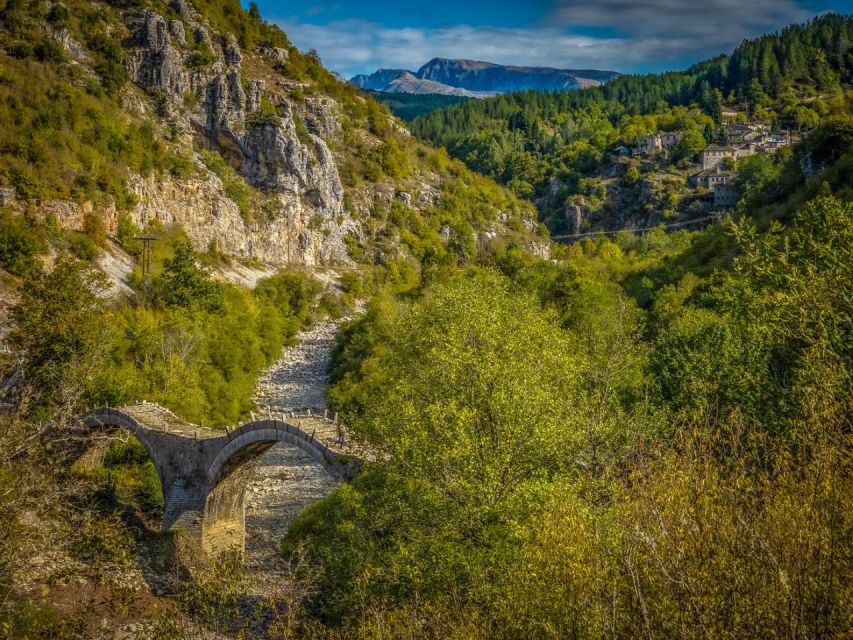
- Stone bridges from the 17th and 18th centuries: Cross several bridges named after the local benefactors who funded them.
- Kipoi to Koukouli and back: Start and finish in Kipoi, with the village of Koukouli as the main turning point.
- A small Vikos flora museum: See plant specimens linked to the gorge and learn about the Doctors of Vikos.
- Small English-speaking group: The group is limited to 10 participants, with an experienced guide and poles supplied.
- Uneven, active walking: Expect woods, downhill and uphill sections, riverbeds, and the historic Koukouli Steps.
Why this short Zagori hike works so well
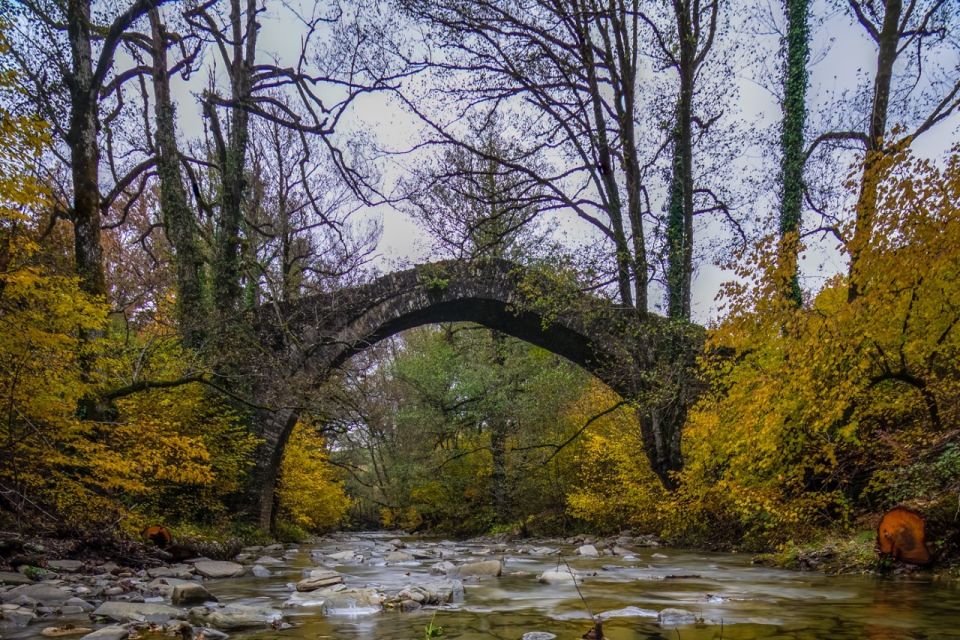
Zagori is famous for stone villages, dramatic gorges, and handsome bridges, but a quick drive through the area only gives you the postcard view. This route lets you understand how the villages once functioned together. The old footpaths were not made for sightseeing. They were practical links between communities, built for walking, trade, errands, and daily life.
That gives the excursion more substance than a simple photo stop. You are not just looking at a bridge from the roadside. You are approaching it by the sort of path people used before modern roads connected the villages.
The route begins in the center of Kipoi. That makes the meeting point fairly simple to find, but you need to arrange your own way there. Hotel pickup, drop-off, and transportation are not included, so this experience works best if Kipoi is already part of your Zagori plans or if you have your own transport.
The advertised price is $94 per person. For three hours, that is not a bargain if you only measure time. The value comes from the guide, the small group, the local interpretation, the walking poles, the museum visit, and the chance to reach several bridges by foot rather than simply viewing them from a car. If you want a self-guided walk, you can spend less. If you want someone to explain the plants, routes, bridges, and village connections as you go, the price is easier to justify.
From Kipoi into Zagori’s old footpath network
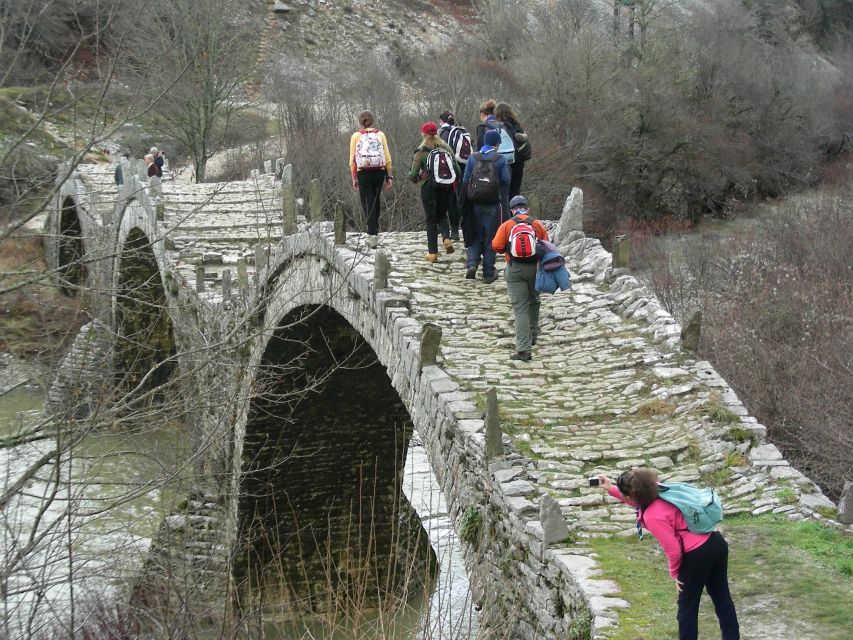
After meeting your guide 10 to 15 minutes before the start, you set off from Kipoi. The guide supplies hiking poles, which are useful here because the route includes changes in height and uneven ground. A backpack is available upon request, and a light snack is included.
The first part of the walk introduces the old network of Zagori paths. These routes connected 46 villages in earlier centuries, long before roads made the journey easier. That detail changes how you see the trail. A rough stone passage or narrow woodland track is not simply a scenic remnant. It was part of the region’s transport system.
Your guide also talks about the local flora and fauna along the way. The material provided for the tour does not promise a specialist botanical walk, so you should expect interpretation suited to a general hiking group rather than a formal scientific outing. Still, this is a useful addition, especially in a place where the natural setting and village life are closely linked.
The path includes woods, downhill stretches, uphill sections, and some riverbeds. That variety keeps the walk interesting, but it also means you should not treat the three-hour duration as an easy urban walk. The route requires steady movement and comfort on uneven surfaces.
Crossing Zagori’s stone bridges
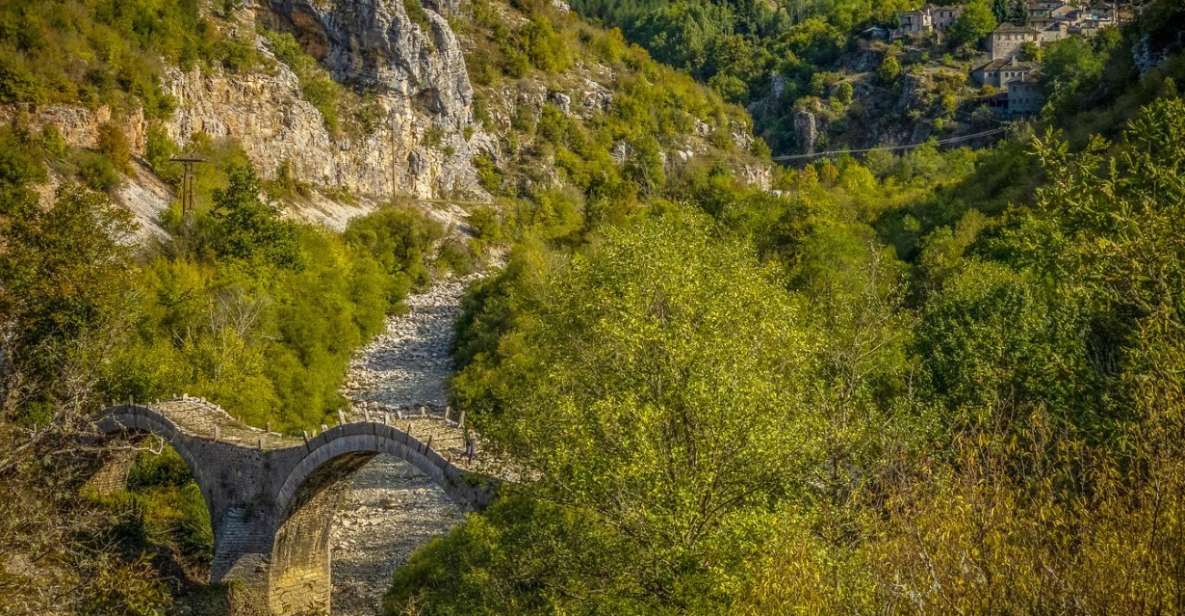
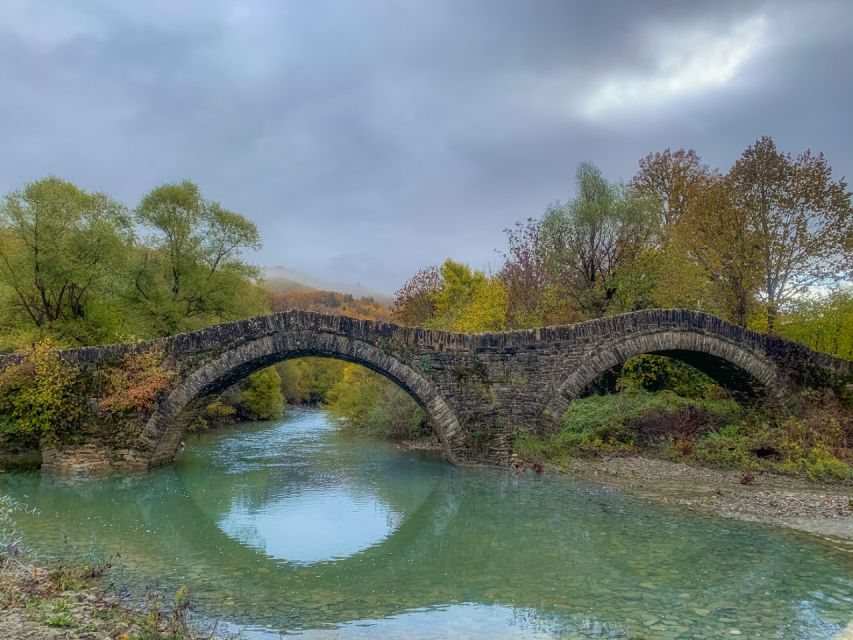
The stone bridges are the visual stars of the route. Built mainly in the 17th and 18th centuries, these structures helped people cross streams and move between villages. Many are known by the names of the benefactors who paid for their construction, a reminder that local wealth and public duty were closely connected.
You cross several bridges during the hike. Each one gives you a different view of the surrounding woods and paths, and walking across them makes their design easier to appreciate. Their curved stone forms are attractive, but their real achievement is practical. They were built to last and to make difficult routes passable.
This is also where a guide adds real value. A bridge without context can become one more scenic object in a busy day of sightseeing. With an explanation of who funded it and how it fitted into the village network, it becomes part of a larger human story.
Bring your phone or camera if you enjoy architectural details, but do not plan the walk around photography alone. The route keeps moving, and the ground underfoot deserves attention. Walking poles are provided, and you should use them if you are not fully confident on rough or sloping paths.
Arriving in Koukouli and visiting the flora museum
The route reaches Koukouli, a picturesque village that gives the hike a clear destination before you turn back. The village visit is not a long independent exploration period based on the information provided. Instead, the key stop is a small museum with specimens of rare plants from the Vikos gorge.
The collection focuses on plants that grow on the canyon’s rocks. That is a worthwhile stop because it gives you a closer look at life adapted to difficult terrain. You may already notice plants along the trail, but the museum helps connect those small details to the wider Vikos area.
You also learn about the Doctors of Vikos, a group associated with local plant knowledge and traditional remedies. This is one of the more distinctive parts of the outing. Many walking tours explain scenery and architecture. Fewer connect a region’s plants with the people who knew how to use them.
The museum is small, so keep your expectations in proportion. It is not a major museum visit with extensive displays. Think of it as a focused cultural stop that gives the walk another layer. If you are especially interested in botany, ask the guide questions while you are there and during the return walk.
Returning by the Koukouli Steps
After the museum, you begin the return toward Kipoi along the very old stone path known as the Koukouli Steps. This section is likely to be the most memorable and the most demanding part for some people. The name tells you what to expect: stone steps, changes in height, and a route that calls for careful footing.
The steps show how earlier residents handled steep ground with the materials available to them. They also offer a satisfying contrast to the bridges. The bridges solve the problem of crossing water. The steps solve the problem of moving up and down the hills between villages.
You finish back in the center of Kipoi. Because the route starts and ends in the same village, you do not need to arrange a return transfer. That is convenient, but it also means the walking challenge lasts until the end. Save some water and energy for the final section rather than spending everything on the first bridges.
The complete outing lasts about three hours. The exact starting times depend on availability, so check the schedule before booking. A short duration makes this easier to fit into a Zagori day, but it does not remove the need for proper footwear.
What the terrain feels like in practical terms
The supplied route details describe woods, downhill and uphill sections, riverbeds, and stone paths. That is enough to classify this as an active hike, not a gentle village ramble. The tour is not suitable for people with mobility impairments.
Wear closed shoes with a firm sole. Comfortable trainers can work, as long as they are suitable for uneven ground, but sandals are a poor choice. Open-toed shoes are specifically not allowed. The old paths and bridge approaches can be rough, and a little extra grip will make the walk more pleasant.
A sun hat and sunscreen belong in your day bag. A previous outing in hot July conditions found that the forest offered useful shade, but the route still exposed walkers to strong sun. Longer sleeves can help protect your arms from scratches and bugs. Bring a change of clothes as well, particularly if you prefer to freshen up after an active walk.
Water is not listed as an included item. Drinking fountains are available along the route, according to the practical experience shared for this activity, but you should still arrive prepared with water. Food and drinks beyond the light snack are not included.
The guide and group size
The guide is central to the experience. You are not simply being led from one village to another. The tour includes explanations about flora, fauna, bridges, paths, and local history, so the quality of the commentary affects how much you take away.
The guide works in English, and the group is limited to 10 participants. That is small enough to hear explanations without the feel of a large coach excursion. It also makes it easier to ask about the plants, bridge names, or the Doctors of Vikos as they come up.
Nikos is one guide associated with this experience. He has been described as experienced, positive, and generous with anecdotes about the area. The guide may vary on your date, so do not assume Nikos will personally lead every departure. Still, the format promises an experienced English-speaking trekking guide rather than a basic escort.
Trekking poles are supplied for each person. A backpack is available upon request. Liability insurance and legal taxes are included, and gratuity is not. If you feel the guide made the walk safer and more informative, plan to tip separately.
Is $94 a fair price for three hours?
At $94, this is a mid-range guided activity rather than a low-cost walk. The price makes the most sense for you if you want a compact introduction to Zagori and prefer not to work out the route, bridge locations, and museum details yourself.
The package includes the English-speaking trekking guide, liability insurance, walking poles, a light snack, and taxes. It does not include transport, hotel pickup, food, or drinks. Those exclusions matter because you need to get to Kipoi independently and plan your own refreshments.
I would compare the price with your wider day, not only with the clock. If you are already visiting Kipoi and Koukouli, the tour gives structure and context to places you might otherwise see quickly. If you are staying far away and must pay separately for a long transfer, the total cost becomes less attractive.
The small group also matters. A private tour would normally cost more, while a large group might reduce the personal attention. Ten people is a sensible middle ground for this sort of path.
Who should book this hike?
I would recommend it to you if you enjoy moderate outdoor activity, old stone construction, village connections, and local nature. It suits visitors who want more than a quick photograph of a bridge but do not want a full-day trek.
It is also a good choice if you are interested in the relationship between plants and local culture. The Vikos flora collection and the story of the Doctors of Vikos give the route a subject beyond scenery.
You should think twice if you dislike hills, uneven paths, or walking in heat. The route includes uphill and downhill sections, riverbeds, and the Koukouli Steps. It is not suitable for people with mobility impairments, and sandals are not acceptable footwear.
Families and mixed-ability groups should assess the route carefully. The available information does not provide a minimum age or a detailed difficulty grade, so contact the provider if you need those specifics before reserving.
Booking details that matter
The meeting point is in the center of Kipoi village on Eparchiaki Odos Metsovou-Kipon. Arrive 10 to 15 minutes early so you can meet the guide, collect poles, and prepare without holding up the group.
You can cancel up to 24 hours before the activity for a full refund. The reserve-now-and-pay-later option lets you hold a place without paying immediately, which is useful when you are still arranging a Zagori itinerary. Starting times vary, so check availability for your date.
The activity is offered in English. The group size is limited to 10, and the duration is three hours. Bring comfortable closed shoes, a hat, sunscreen, water, and a change of clothes. Longer sleeves are sensible in warm weather because the route can include scratches and bugs.
Should you book the Kipoi to Koukouli hike?
Book this hike if you want a well-rounded Zagori introduction in a manageable three-hour format. The old bridges, the Koukouli Steps, and the Vikos plant collection create a good balance of walking, village culture, and natural detail.
Skip it if your priority is a flat stroll, independent exploration, or a low-cost activity. The $94 price is easier to defend when you value the guide’s explanations and the convenience of a planned route. For an active visitor with suitable shoes and a morning or afternoon free, this is a thoughtful way to see Zagori at walking pace.
FAQ
Where does the hike begin and end?
The hike begins in the center of Kipoi village and finishes back in the center of Kipoi after the return walk from Koukouli.
How long does the activity last?
The hike lasts three hours. Starting times depend on availability.
What villages does the route visit?
The route runs between Kipoi and Koukouli, with Kipoi as the starting and finishing point.
What will I see along the trail?
You will cross several old stone bridges, walk through woods and along old footpaths, and pass uphill, downhill, and riverbed sections.
Does the tour visit a museum?
Yes. In Koukouli, you visit a small museum with plant specimens from the Vikos gorge and learn about rare plants and the Doctors of Vikos.
Is transportation included?
No. Hotel pickup, hotel drop-off, and transportation are not included. You must make your own way to the meeting point in Kipoi.
What should I bring?
Bring comfortable closed shoes, a sun hat, sunscreen, and a change of clothes. Longer sleeves can help protect you from scratches and bugs. Water is also sensible, since food and drinks are not included.
Is the hike suitable for people with mobility impairments?
No. The activity is not suitable for people with mobility impairments. Open-toed shoes are also not allowed because the route includes uneven paths, stone steps, and riverbeds.