REVIEW · KOS
Kos Wildlife Walks: birdwatching and animal photography
Book on Viator →Bookable on Viator
Salt lakes and sharp eyes beat guesswork. Kos Wildlife Walks is a focused birdwatching and animal photography outing on the island of Kos, led in English by biologist George, who helps you see the island’s native wildlife instead of just looking at it. I like the central meeting point approach too, since you can tie the walk into the rest of your day without a big hassle.
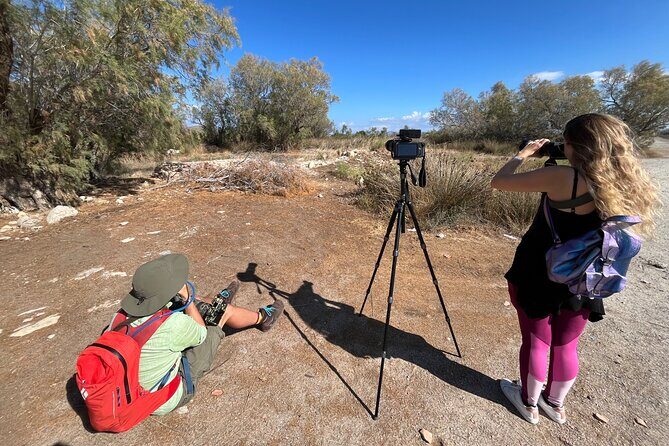
My favorite part is the field-style setup. You get binoculars included, which makes it much easier to actually spot small detail, not just distant shapes. I also like that you’re not left to guess your photo angles—there’s time for scouting so you can get better images instead of randomly shooting and hoping.
The main consideration is season. The guide recommends visiting before June or after mid-September, because Kos dries out in summer months and wildlife sightings can be much lower.
In This Review
- Key things you’ll notice on this Kos wildlife walk
- What this 2-hour walk is really like
- Price and logistics: what you’re paying for (and what you’re not)
- Where you start in Kos (and why it helps your whole day)
- Stop 1: Alikes Salt Lakes / Tigaki—birds, reptiles, and photo positioning
- Stop 2: Psalidi—keeping your eyes sharp after the salt-lake start
- The guide factor: why George’s explanations matter
- Best time to go: avoid Kos’s dry summer slump
- What’s included vs not included (so you can pack smart)
- Group style: private tour for your people
- Weather and comfort: plan for a real outdoors session
- Should you book Kos Wildlife Walks?
- FAQ
- FAQ
- How long is the Kos Wildlife Walk?
- What does the tour cost?
- Is the tour offered in English?
- What’s included in the experience?
- Is private transportation included?
- Where do you meet for the activity?
- When does the activity run?
- Is this a private tour?
- What should I know about wildlife sightings timing?
- What happens if the weather is poor?
Key things you’ll notice on this Kos wildlife walk
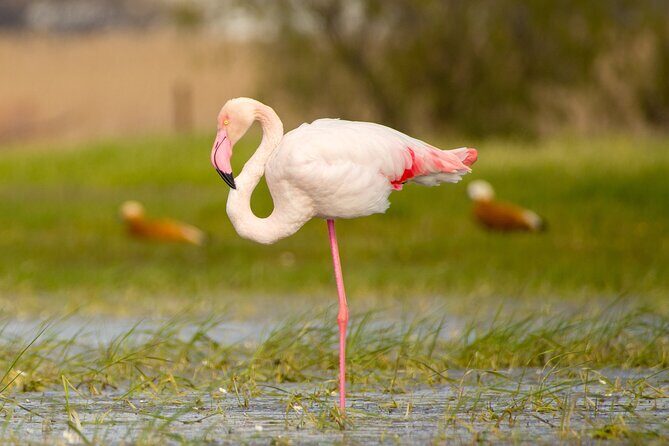
- Biologist George leads the walk and shares what to look for in Kos’s native wildlife
- Binoculars are included, so you can see more even if you’re not a gear nerd
- Photography help with scouting means you’ll work on where to stand and when to shoot
- Two land-and-water stops: Alikes Salt Lakes / Tigaki area, then Psalidi
- Central, transport-friendly meeting point makes it easier to arrive and keep your day flexible
- Private tour just for your group, in English, and most travelers can participate
What this 2-hour walk is really like
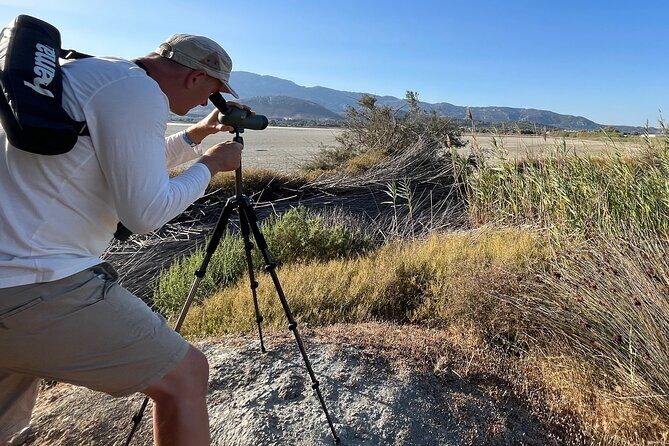
This isn’t a long, exhausting full-day march. It’s a 2-hour nature session that aims for quality sightings and good photos rather than speed. That shorter format matters on Kos, because it keeps the experience focused and easier to fit between beach time, meals, and sightseeing.
The tone is practical: you’re out to spot animals, then learn how to photograph them. George’s role is the bridge between what you’re seeing with your eyes and what’s actually going on in the habitat—so you’re not just guessing species or behavior.
And there’s a social side. One theme in the feedback is that George is kind and good at explaining animals and Kos itself in a way that makes you want to ask more questions. If you like a walk where you can chat while still learning, this fits well.
You can also read our reviews of more tours and experiences in Kos.
Price and logistics: what you’re paying for (and what you’re not)
The listed price is $60.07 per person for about 2 hours, with binoculars included and a private experience for your group. For a specialist-led wildlife walk (not just a general stroll), that feels like a fair setup—especially because you’re not paying extra for binoculars or relying on your own spotting skills.
One wrinkle: the organizer notes that trips are now free/tip-based and that they no longer accept bookings through TripAdvisor/Viator for these birdwatching tours. They ask you to message them directly to schedule, and you can reach them via Facebook at koswildlifewalks. So if you’re deciding based on price alone, double-check what the current arrangement is when you contact them.
Also note what’s not included: private transportation. That means you should plan your own way to the meeting point and be ready for the walk segments between the two areas. The good news is the meeting point is described as central and close to public transport, which helps.
Where you start in Kos (and why it helps your whole day)
The activity starts at a central Kos meeting spot listed with plus codes: 8G89V8QQ+62MV8QQ+62M (Kos, Greece). It ends back at the same meeting point, so you’re not left guessing about return transit.
For planning, this matters more than you’d think. A lot of island activities sound easy until you’re stuck coordinating a ride back after dark or after a late delay. Here, the end-back-to-start format keeps your schedule tidy.
And since the meeting location is close to public transport, you can usually build the rest of your itinerary around public transit timing. That’s a real value on an island where buses and taxis can be hit-or-miss depending on the day.
Stop 1: Alikes Salt Lakes / Tigaki—birds, reptiles, and photo positioning
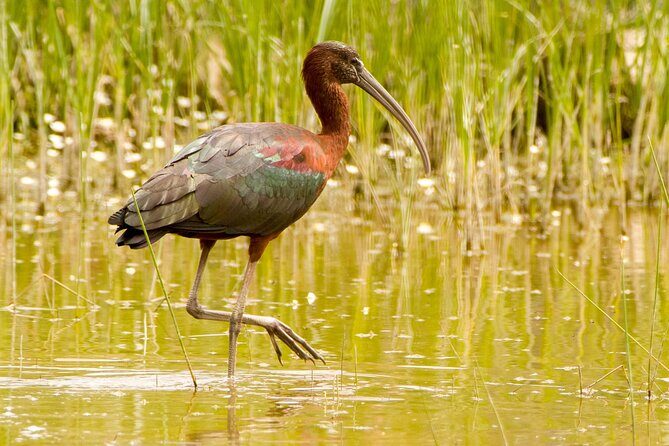
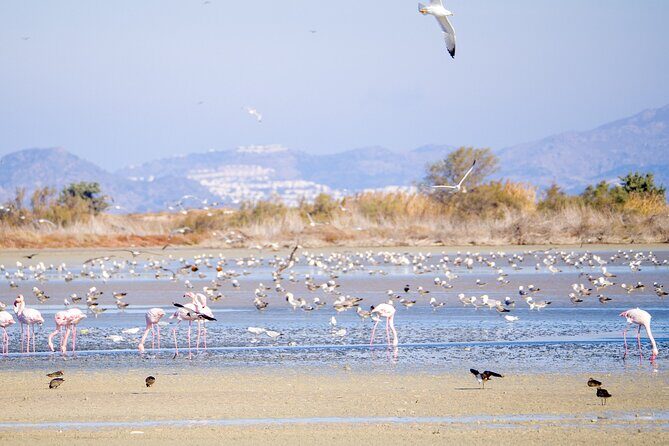
Your first stop is the Alikes Salt Lakes / Tigaki area. Salt lakes are the kind of environment that often concentrates wildlife activity—especially creatures that move along the water’s edge, feed, or rest nearby. Even if you’re new to birdwatching, this kind of habitat gives you a lot to work with visually.
What makes this stop special for photography is that you’re not just arriving and firing off photos. The experience includes guidance for scouting the best images, which usually means you spend time figuring out where animals are likely to appear and how to frame them. That can turn a frustrating “I can’t find them” outing into something more like a targeted shoot.
One more detail from the experience style: it’s not only birds. The walk is described as more than spotting birds, and reptiles are part of the focus too. So you’ll want to stay alert for movement and subtle shapes, not only the obvious flying targets.
A practical downside to be aware of: salt lakes can change what you see depending on weather and water conditions. That’s why the organizer emphasizes good weather for the walk. If conditions aren’t right, it’s harder to spot and harder to photograph.
Stop 2: Psalidi—keeping your eyes sharp after the salt-lake start
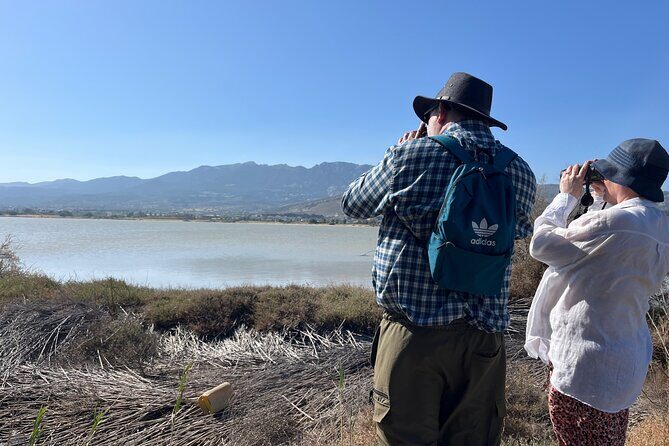
After the salt lakes, the walk shifts to Psalidi. This second stop is where you keep your wildlife instincts switched on. In many habitats, the animals you miss in one area show up more clearly in another—so the two-location structure helps you cover more chances in the same 2-hour window.
For photography, a second stop also gives you something important: comparison. You can adjust what you’re doing based on what you learned at stop one—how close you can get visually, where light falls, and which viewing angles tend to work better.
If you’re a beginner, this stop helps because it’s an opportunity to practice what George explains. If you’re an experienced photographer, it helps because you can refine your approach on the fly instead of being locked into one static location.
The guide factor: why George’s explanations matter
This experience is led in English, and George is highlighted as a kind guide who shares a lot of information about the animals and about Kos itself. That matters because wildlife watching becomes far more rewarding when you understand what you’re looking at.
You’re getting more than a checklist. The walk is built around helping you interpret the habitat—what animals are likely to be doing, what to look for, and how to plan your photo angles before you take the shot.
That kind of guidance is especially valuable for photography. If you only care about the final photo, you might spend the whole walk chasing moments. If you understand the likely behavior and the best placement, you can spend your time photographing what you already found—or quickly get to what you’re missing.
Best time to go: avoid Kos’s dry summer slump
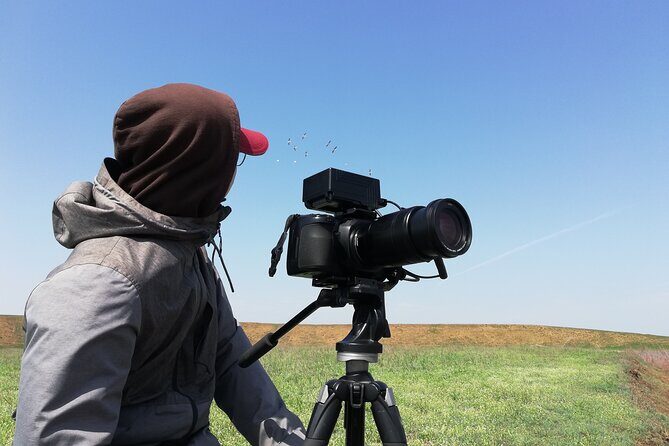
The organizer recommends visiting before June or after mid-September. The reason is straightforward: the island dries out in summer months, and wildlife sightings can drop significantly.
That advice is worth treating seriously. If your goal is animals, not just a nice walk with binoculars, timing can make or break the experience. You may still enjoy the scenery, but the chances of seeing a variety of wildlife are lower during the drier stretch.
So if you’re traveling in summer and your priority is wildlife sightings, plan around the reality that there may be fewer opportunities. Going shoulder season gives you more reliability.
What’s included vs not included (so you can pack smart)
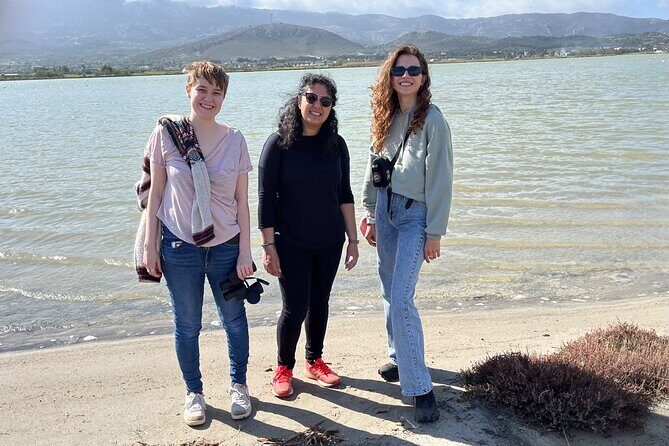
Included:
- Binoculars
Not included:
- Private transportation
That’s the whole “gear list” on paper. In practice, it means you can show up without worrying about borrowing binoculars. You bring your camera and your attention, and George plus the binoculars do the rest.
Because private transport isn’t included, your best move is simple: confirm how you’ll get to the central meeting point before you commit. Once you’re there, the walk runs its course and ends back at the meeting point.
Group style: private tour for your people
This is described as a private tour/activity, meaning only your group participates. That can be a big deal for wildlife walks, because it’s easier to slow down, ask questions, and adjust without a larger crowd moving you along.
It also usually helps with photography. If you’re trying to frame an animal and wait for the right moment, a smaller group can make a big difference. You’re not constantly fighting for position.
The experience is also described as suitable for most travelers. So it’s a good choice if you want nature time without needing specialized skills.
Weather and comfort: plan for a real outdoors session
The activity requires good weather. If it’s canceled due to poor weather, you’ll be offered a different date or a full refund.
That means you should treat this as a genuinely outdoors plan, not an indoor museum-style activity. If the day is miserable, wildlife and photo conditions can both suffer, so rescheduling is often the smart move.
Should you book Kos Wildlife Walks?
Book it if you want a short, focused wildlife + photography experience with a real biologist guiding what you see. The combination of binoculars included, two distinct stops (salt lakes / Tigaki, then Psalidi), and the emphasis on scouting for photo angles makes this feel like value, not a generic nature walk.
Don’t book it if your timing is locked into peak dry summer and your main goal is maximum wildlife sightings. The guide’s own timing advice is clear: earlier in the season or after mid-September is when wildlife is likelier to show up.
If you like learning while you look, and you want a guide who keeps the conversation friendly and the focus on animals, this is a strong pick for Kos.
FAQ
FAQ
How long is the Kos Wildlife Walk?
It’s listed as about 2 hours.
What does the tour cost?
The price is $60.07 per person.
Is the tour offered in English?
Yes, it’s offered in English.
What’s included in the experience?
Binoculars are included.
Is private transportation included?
No. Private transportation is not included.
Where do you meet for the activity?
The start location is listed near Kos, Greece at plus code 8G89V8QQ+62MV8QQ+62M.
When does the activity run?
Opening hours are listed for 09/30/2025 – 07/01/2026, Monday through Sunday as 12:00 AM – 2:00 AM.
Is this a private tour?
Yes. It’s listed as private, meaning only your group will participate.
What should I know about wildlife sightings timing?
The guide recommends going before June or after mid-September, because the island dries out in summer months and wildlife sightings can be reduced.
What happens if the weather is poor?
The experience requires good weather. If it’s canceled due to poor weather, you’ll be offered a different date or a full refund.