REVIEW · KOS
Lets Go Diving with pickup from hotel
Book on Viator →Operated by Aegeas Travel · Bookable on Viator
Kos feels calm underwater, even for first-timers. I love how the experience is built around Kokina Bay’s protected, shallow water and how you get a full safety briefing plus hands-on practice before you go underwater. I also like the small-group setup: just you, a couple instructors, and a tiny crew so you’re not lost in the back.
One thing to keep in mind: the equipment and photo/video add-ons need a little attention—there’s at least one report of gear being swapped and another about photo delivery delays.
In This Review
- Key highlights worth knowing
- Hotel Pickup to Pserimos: How the Day Starts
- Kokina Bay’s Beginner-Friendly Setup (Shallow, Protected, Clear)
- The Briefing + Equipment Practice That Actually Builds Confidence
- Tiny Group Coaching: Why Two Instructors Feels Different
- Marine Life Encounters (and Dolphins While You’re on the Surface)
- Photos, Videos, and the Optional Second Session
- Price and Value: What You’re Really Paying For
- Who This Experience Fits Best (and Who Should Reconsider)
- Should You Book This Scuba Session from Kos?
Key highlights worth knowing
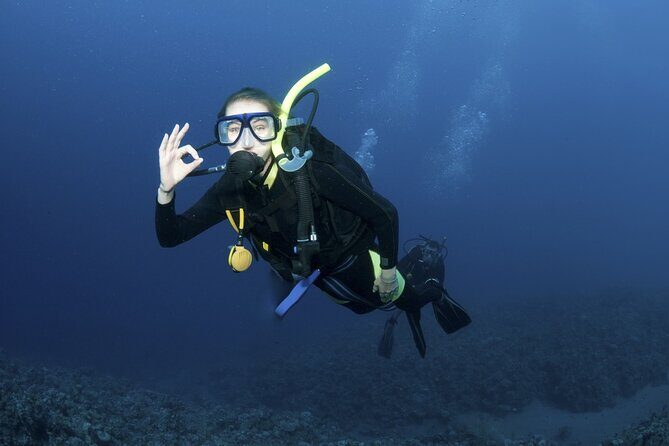
- Protected bay conditions: water stays shallow (about 5–6 meters max) for gentle, confidence-building sessions.
- Hands-on practice first: you practice breathing techniques in a controlled, waist-deep area.
- Tiny group support: small group of about 4 people with 2 instructors for close guidance.
- Gear included so you travel lighter: snorkeling gear and scuba equipment are part of the price.
- Optional extras on the schedule: you can add a second underwater session or a PADI Discover-type training option.
- Marine life chances (including dolphins): the day can include sightings while you’re on the surface too.
Hotel Pickup to Pserimos: How the Day Starts
This outing is designed to be easy from the moment you wake up in Kos. You can get pickup from your hotel, and a local supplier will message you with the exact pickup time. There’s also an air-conditioned vehicle included, which matters in the Aegean sun when you’re hauling gear (even though most of it is provided).
You’ll head out with a small group. The overall maximum is 8 travelers, and the actual underwater coaching is typically even smaller—more on that below. If you like having a plan you can follow without hunting for meeting points, this is the kind of setup that helps.
A couple practical notes from the details you’re given at booking: you’ll receive confirmation at the time of purchase, and the operator uses a mobile ticket. If you’re the type who prefers clear, predictable logistics, this is a good sign.
Also, you should know you’ll be doing a water activity with real safety steps. That means you’ll complete a health questionnaire before joining, and certain medical conditions (like asthma or heart issues) may prevent you from participating. And if you’re flying soon, the experience says diving (or scuba participation) within 48 hours of a flight isn’t recommended. If that’s you, double-check with your doctor or ask the provider before you commit.
You can also read our reviews of more scuba diving tours in Kos
Kokina Bay’s Beginner-Friendly Setup (Shallow, Protected, Clear)
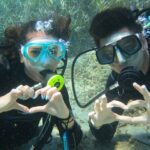
Kokina Bay is the star location for this experience, and the way it’s used makes it beginner-friendly. You’re kept inside a protected bay, so the water conditions are generally calmer and more manageable than open-water sites.
The session plan keeps you in shallow water:
- You start at a small beach where the sea is waist-deep.
- Your actual underwater time stays at a spot where the water is never more than about 5–6 meters deep.
Why this matters for you: if you’re new, your biggest challenges are usually not the ocean—it’s breathing control, staying relaxed, and learning how your gear behaves on your body. When you’re in shallow water, you can build skills without feeling like you’re far from safety.
The water is also described as clear and warm, with lots of marine life to look for. Clear water is more than comfort—it changes everything about what you can see. Warm water can mean you don’t fight cold stress, which helps beginners focus on breathing and buoyancy.
The Briefing + Equipment Practice That Actually Builds Confidence
The experience is set up like a training session, not a sightseeing stunt. You’ll get an in-depth briefing about your upcoming water activity and how to use the equipment correctly—then you’ll do practical practice steps before going fully underwater.
Here’s the flow you should expect:
- You put on your wet suit, mask, and fins before you get help assembling scuba equipment.
- You practice breathing techniques in a safe, controlled area first (again, waist-deep).
- Then one of your instructors helps you breathe underwater and supports you during the first moments.
This is the part I’d pay attention to if you’re considering this as a first scuba experience. The key isn’t that it’s called beginner-friendly—it’s that you practice breathing before you’re asked to manage everything at once. That reduces panic for newcomers and makes the whole thing feel more like learning than testing.
You should also know what’s included. The price covers:
- Scuba equipment
- Snorkeling equipment
- Transport in an air-conditioned vehicle
And it’s meant to help you travel lighter. If you’re arriving in Kos from another Greek island or already packed light, having the gear included can be a real value boost.
One review detail worth taking seriously: in at least one case, someone reported that the equipment wasn’t good at first and had to be changed. That doesn’t automatically mean it’s common, but it does mean you should speak up immediately if something feels off. A good operator will fix it fast.
Tiny Group Coaching: Why Two Instructors Feels Different
You’re not going to be treated like a passenger getting pulled into the water. The plan includes 2 instructors and a small group of up to 4 people for maximum attention.
That ratio matters because underwater learning isn’t just about knowledge. It’s about real-time corrections—hand signals, posture, breathing rhythm, and small adjustments to help you feel stable.
When the group is small, you get:
- more individual checking of your mask fit and regulator comfort
- quicker help if you get distracted or nervous
- more chances to ask questions without feeling rushed
This is one of the most praised parts of the experience. Multiple reports highlight that people felt safe, felt looked after, and found instructors reassuring and helpful—especially for first-timers.
If you’re the type who likes clarity and direct coaching, this tiny-group approach is a major reason to choose this tour over bigger, faster operations.
Marine Life Encounters (and Dolphins While You’re on the Surface)
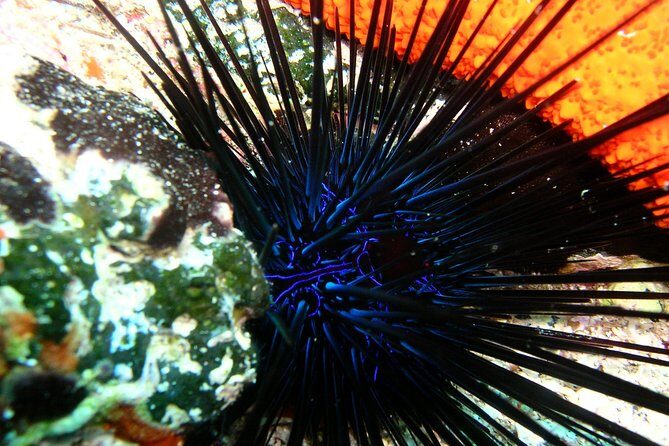
The whole point is to experience the Aegean underwater world in a way most people never get. You’re in an area with marine life, and because the water is shallow and protected, you’re set up to actually see things without fighting a strong current.
The experience is explicitly aimed at close encounters. In plain terms: you’ll be near the action, with time to look, not sprinting past the best spots.
One of the standout moments reported is dolphins. Someone described seeing dolphins during the day while snorkeling in clear water—seeing them in the sea, not in a pool, is exactly the kind of memory that sticks.
Now, a realistic note: dolphins aren’t guaranteed. The information you have says marine life is a focus and that the environment is right for sightings, but wild animals follow their own schedule. Still, when sightings happen, you’ll be in the right place and conditions to notice them.
Because snorkeling gear is included, you may have surface time too. Even if your underwater coaching is the main event, the day can include additional looking time above water, which is a nice bonus if you don’t want the entire day to depend on one moment underwater.



Photos, Videos, and the Optional Second Session
After the underwater practice, you take a break. Then you have options depending on what you want from the day:
- You can opt for a second underwater session (available to purchase).
- You can also choose an option connected to PADI’s Discover Scuba training (again, an extra option rather than being automatically included).
If you’re deciding whether to add a second session, think about why you booked in the first place. If you want to learn faster and get more comfort with breathing and buoyancy, the second time can help you enjoy the experience more instead of just getting through the first attempt.
Now, about photos and videos: there’s a souvenir photo/video add-on available to purchase. One review mentioned getting around 500 photos and videos for 25 euros, which is a strong value if you like having tangible memories.
But there’s also a caution. One negative report said a paid video was not received even after weeks, and they asked about delivery without a resolution. That’s not something you can fix with planning, but you can protect yourself:
- Ask how delivery works and when you can expect the files.
- If possible, confirm the process on the day rather than waiting.
Price and Value: What You’re Really Paying For
At $119.83 per person, this sits in a mid-range zone for a guided scuba experience. The value comes from what’s included and how controlled the setup is for beginners.
What you’re getting for your money:
- Hotel pickup and round-trip transport by an air-conditioned vehicle
- Scuba equipment included
- Snorkeling equipment included
- A structured safety briefing with practice before underwater time
- Small-group coaching (2 instructors supporting a tiny group)
When operators include gear, transport, and instruction, you’re not just paying for the ocean—you’re paying for the whole learning package. For first-timers, that’s where the real cost savings tend to show up. If you had to rent equipment separately and figure out transport on your own, the price would start to look less surprising.
Also, the location choice helps. A shallow, protected bay reduces complexity and makes the experience smoother. That can mean less stress for you, and better learning time.
Who This Experience Fits Best (and Who Should Reconsider)
This is a strong match if you:
- want a beginner-friendly introduction to scuba with a clear practice routine
- like small-group attention and instructors who guide closely
- value being in shallow water with a protected setup rather than chasing big-water thrills
It’s also a good fit if you want the day to feel like more than one thing. Since snorkeling gear is included and marine life is a stated focus, you may get surface time too.
Who should consider extra caution:
- anyone with medical conditions that could affect participation, because the operator requires a health questionnaire and notes that some conditions may prevent diving
- anyone flying soon, since the experience says diving within 48 hours of flying isn’t recommended
- anyone who’s sensitive to equipment fit issues; if something feels wrong, speak up fast so it can be swapped
And if you’re deciding between paying for an extra second session versus spending time elsewhere on Kos, ask yourself what will make you happiest long-term: a bit more learning time underwater, or more exploring from land.
Should You Book This Scuba Session from Kos?
Yes, I think you should book this if you want a calm, beginner-focused underwater experience with shallow water, close instructor attention, and the convenience of hotel pickup. The setup is clearly designed for learning: briefing first, breathing practice first, then underwater support.
I’d also book it if photos/videos matter to you, since people report getting a large set of images for the paid add-on. Just make sure you understand the delivery timing so you’re not stuck wondering later.
Hold off or ask questions first if you’re worried about equipment fit, have a medical condition that might affect participation, or you’re dealing with recent flying. And if you’re booking mainly for a guaranteed dolphin sighting, remember that wildlife is unpredictable—this experience is about being in the right place and conditions, not controlling nature.
If you want a first underwater experience that feels organized, safe, and beginner-real, this is one of the better options out of Kos.