REVIEW · TIRANA
N. Macedonia &Kosovo; Semi – Private Tour; Tour Leader & Car
Book on GetYourGuide →Operated by Co Adventures · Bookable on GetYourGuide
Ohrid’s lakeside churches and old stone streets are the heart of this two-country trip, while Prizren gives you Kosovo at its most appealing. I like the private transport, which saves you from sorting out two international borders and several long road connections, and I like the chance to see four major cities in only two days. The tradeoff is clear: this is a packed schedule, not a slow holiday.
I also like that the tour includes hotel pickup in Tirana, a professional English-speaking leader, accommodation, breakfast, entry tickets, petrol, and road costs. If you are traveling solo, the personal attention can be especially useful. Guide Ardit has received particular praise for his local knowledge and thoughtful answers, although guide assignments are not guaranteed.
In This Review
- Key points to know before booking
- Why this two-day route works
- Day one: from Tirana to Ohrid
- Churches, viewpoints, and Ohrid’s religious character
- The move to Skopje
- Day two: Pristina and Kosovo’s new identity
- Prizren: the strongest Kosovo stop
- What the $883 price includes
- The guide and transport make the difference
- How to prepare for two full days
- Who should book this tour
- Should you book the Tirana to Ohrid, Skopje, and Kosovo route?
- FAQ
- How long is the tour?
- Which cities do you visit?
- Is hotel accommodation included?
- Is transport included?
- Are meals included?
- What language is the tour conducted in?
Key points to know before booking
- Ohrid and its lake anchor the first day: You visit one of North Macedonia’s most important historic and religious centers.
- Skopje adds a sharp change of mood: Ottoman streets, modern city spaces, the Stone Bridge, and the giant cross above the city all appear in one stop.
- Kosovo arrives quickly on day two: Pristina’s Newborn monument and Mother Teresa Square offer a brief introduction to the young country.
- Prizren is the most atmospheric Kosovo stop: Its medieval houses, religious buildings, fortress view, and metal-filagree tradition give the town real character.
- The price covers more than transport: Your $883 per person includes one hotel night, breakfast, entry tickets, road charges, insurance, and fuel.
- The pace rewards active sightseers: You will have some free time, but long drives and four cities leave little room for lingering.
Why this two-day route works
This trip links places that are awkward to combine on your own. Starting in Tirana, you cross into North Macedonia, sleep in Skopje, enter Kosovo the next morning, then return to Tirana through Prizren.
That route gives you a useful slice of the central Balkans without asking you to arrange separate hotels, cars, border crossings, entrance tickets, and city orientation. You are not simply visiting one capital and returning. You get a lakeside UNESCO site, a capital with Ottoman and European layers, Kosovo’s political center, and a smaller historic town.
The route is also a lesson in contrasts. Ohrid is tied to Orthodox Christianity and the lake. Skopje mixes old and new on a larger urban scale. Pristina feels like a modern capital still defining itself. Prizren is more intimate, with old houses, religious buildings, craft traditions, and a hilltop fortress.
You should set your expectations correctly. Two days is enough for an introduction, not a full study of North Macedonia and Kosovo. The tour gives you a strong first look and removes much of the transport hassle, but it cannot offer long museum visits or unplanned wandering in every city.
Day one: from Tirana to Ohrid
Your tour leader picks you up at your hotel in Tirana and drives toward North Macedonia. The road time matters here. This is a road-based tour, so you should be comfortable spending a fair part of the day in the car.
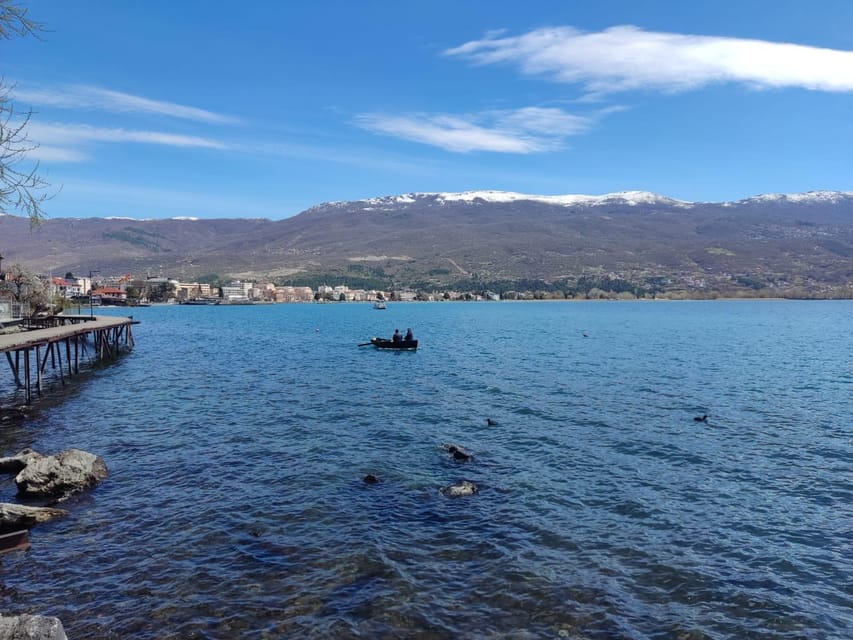
Ohrid is the major reward. The city and Lake Ohrid have been protected together as a UNESCO World Heritage site since 1980. The lake is tied to the ancient name Lyhnidas, meaning the Light Lake, and the area has been inhabited since the time of the Illyrian Enkeleys tribe.
You will see why Ohrid has such a strong pull. The city rises around the lake, with old religious buildings, stone streets, a castle above town, and mountain views across the water. The setting is not just pretty scenery. Ohrid’s position helped make it an important religious and cultural center for centuries.
Churches, viewpoints, and Ohrid’s religious character
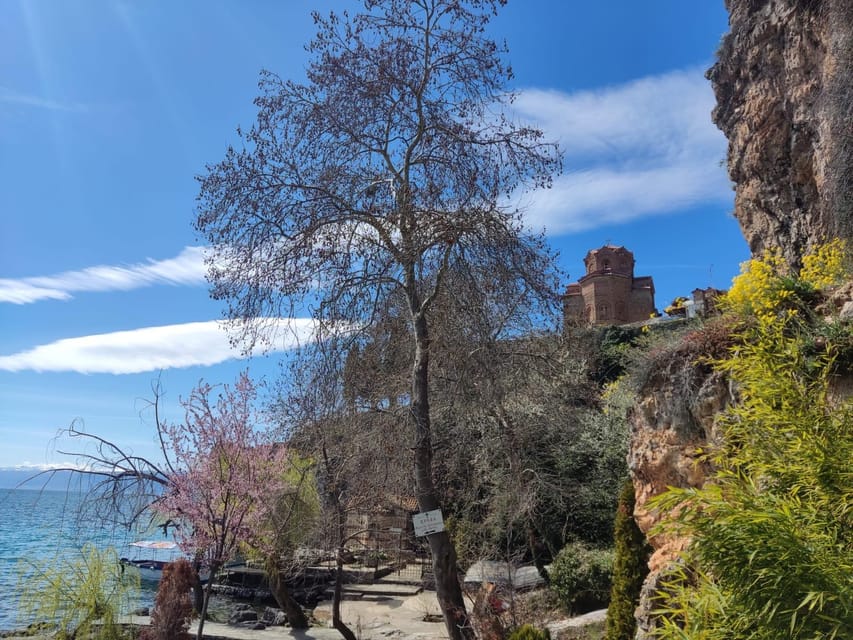
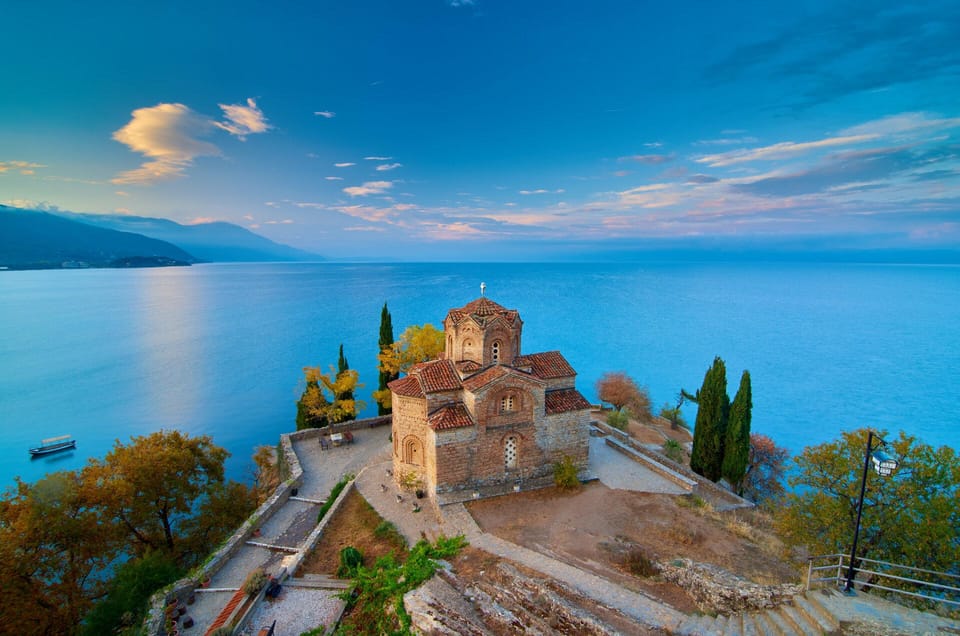
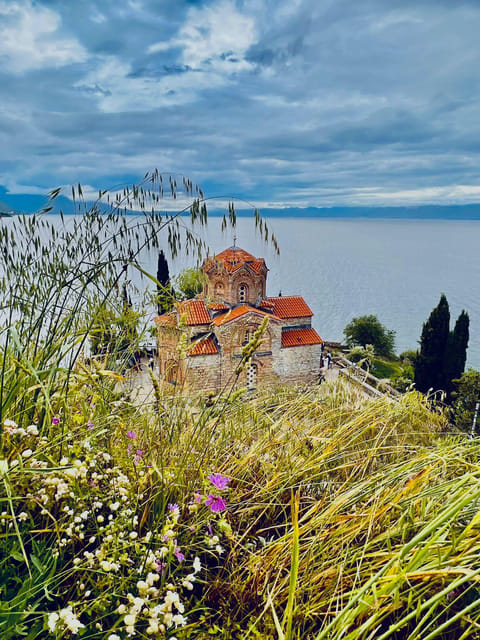
The visit includes the viewpoint of St. John’s Church, St. Nicolas Church, and the Halveti Hayati Tekke mosque. These stops show the city’s layered religious past rather than presenting it as a single-story Orthodox destination.
Ohrid is famous for the old claim that it had 365 Orthodox churches, one for each day of the year. You do not need to visit anything close to that number to understand the point. Religious buildings are woven into the town’s identity, and the views from the higher parts of the city help explain why this was such an important place.
The St. John viewpoint is especially useful for orientation. From above, you can connect the old town, the water, and the mountains in one glance. Bring your camera, but keep a little time for simply looking. The lake is one of the places where the setting does much of the talking.
The mosque and tekke also matter because Ohrid grew under Ottoman rule, when the town expanded onto the hills and around the lake. That period added another layer to the streets and buildings you see today.
You will likely have some free time after the guided portion. Use it to walk rather than trying to cram in another landmark. Ohrid is best understood through short streets, lake views, and the changing angle of the town as you climb and descend.
The move to Skopje
After Ohrid, you continue to Skopje, the capital of North Macedonia, for the overnight stay. This transfer makes day one full, but it also positions you well for the Kosovo border crossing and the second day’s city visits.
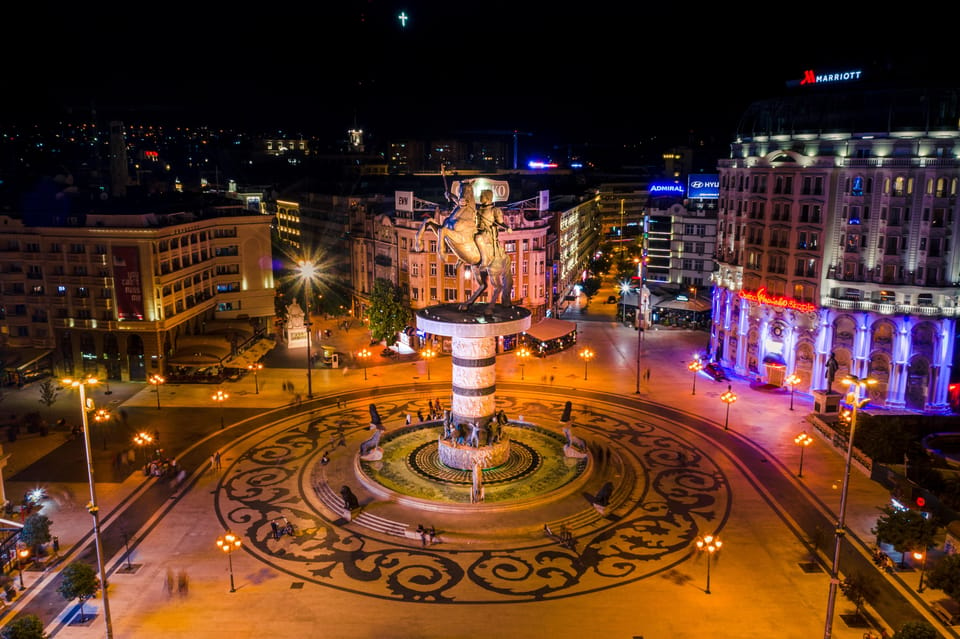
Skopje has a different feel from Ohrid. It brings together European, Ottoman, and Asian influences, and the Stone Bridge links the modern side of the city with the old quarter. That bridge is more than a photo stop. It gives you a simple way to understand Skopje’s layout and its split between newer urban spaces and older streets.
The huge cross on the mountain above Skopje can be seen from far away and has become a city symbol. It is a useful landmark as you move through town, especially during a short visit when you need quick visual clues.
Your overnight stay is in a three-star hotel with breakfast included. Do not expect a long evening to explore Skopje. After a full day on the road, your time may be limited, and the schedule is designed to prepare you for the next morning rather than provide a full Skopje stay.
Day two: Pristina and Kosovo’s new identity
The second day crosses into Kosovo and begins in Pristina, the country’s capital. The visit centers on the Newborn monument, which symbolizes Kosovo’s independence and its identity as a young country.
That monument gives the stop a clear purpose. You are not just checking off another capital. You are seeing a public symbol tied to Kosovo’s modern political story. The short visit helps place the country in context, even if it cannot cover every part of Pristina.
From there, you walk along the main boulevard toward Mother Teresa Square, known locally as Sheshi Nena Tereza. The square is lined with bars and cafés, so this is a natural point to pause for coffee and watch the city for a while.
Pristina is a brief stop on this itinerary. If you want extensive museums, long café breaks, or detailed architecture walks, you will need more time than the tour allows. One assessment of the route found little of interest in Kosovo, but I would treat that as a warning about expectations rather than a final judgment. Pristina’s appeal is less about a single grand monument and more about seeing a young capital, its public symbols, and its everyday urban life.
The tour does not pretend that Pristina is the main event. It uses the city as an introduction before moving to a more traditionally appealing historic center.
Prizren: the strongest Kosovo stop
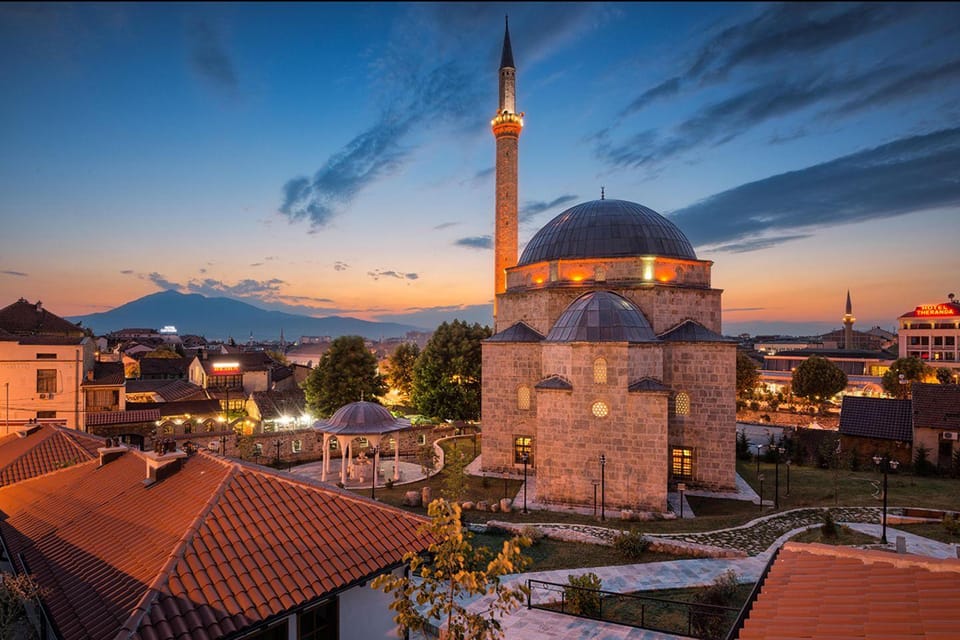
Prizren is considered Kosovo’s cultural capital, and it is likely to be the most rewarding stop on the second day. The town has served as an Illyrian settlement and as a crossroads under the Byzantine and Ottoman empires.
That past shows in the architecture. The best way to experience Prizren is on foot, moving through streets lined with elegant medieval houses and religious buildings. You will get a more intimate sense of the town here than in the larger capital cities.
The fortress on the hill above Prizren gives you the big view. From there, the town’s layout becomes clear, with its older buildings, surrounding hills, and religious landmarks gathered below. The climb and the walking tour call for comfortable shoes, especially because this is a day with several stops.
Prizren is also known for filigree, the fine handwork used in precious-metal crafts. The tour identifies this metalwork as a local point of pride, so keep an eye out for it during your time in town. Souvenirs are not included, but this is one place where a small purchase can carry more local meaning than a generic item from a roadside shop.
Food is another part of Prizren’s appeal, though lunch and drinks are not included. You will need to budget separately and follow the time allowed by your leader. The town invites a long meal, but the return drive to Tirana means you cannot treat the stop as an open-ended afternoon.
What the $883 price includes
At $883 per person, this is not a cheap two-day excursion. The value depends heavily on what you would otherwise need to arrange.
Included are:
- Hotel pickup and drop-off in Tirana
- Private company transport
- A professional tour leader
- One night in a three-star hotel
- Breakfast
- Entry tickets for the sites visited
- Tourist taxes and road taxes
- International car insurance
- Petrol
That package removes several costs that can creep into a self-guided cross-border trip. You are paying for a driver, a leader, a vehicle, hotel coordination, and the practical work of moving through three countries in a short period.
The value is stronger for a solo visitor or a small private party that wants a simple arrangement. A solo visitor may find the price high, but private transport and personal guidance can make a difficult route much easier. If you are traveling with several people and can share the cost, the equation becomes more attractive, depending on the final group setup.
You still need money for lunches, dinners, drinks, snacks, souvenirs, and personal expenses. Those items are not minor on a busy two-day trip, especially when you will want coffee in Pristina and food in Prizren. Add that spending before deciding if the package fits your budget.
Tips are optional in Albania and the wider Balkans, but a tip is a sensible way to recognize strong work from the tour leader and driver. Do not treat it as a required fee. Consider it at the end, based on the service you receive.
The guide and transport make the difference
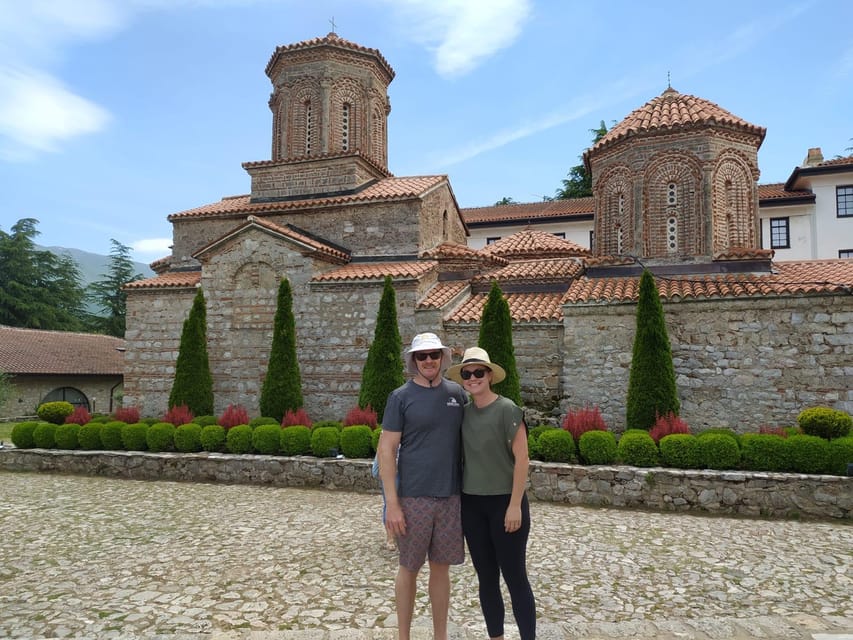
The guide is central to this experience. You are moving quickly through places with different languages, religions, political histories, and cultural traditions. A good leader can turn a string of stops into a connected story.
Ardit is one guide to hope for if he is assigned to your departure. He has been praised for knowing the places well and for answering questions carefully. The company offers an English-speaking tour, and private or small-group formats are available.
Still, you should not book on the assumption that Ardit will be your guide. The useful point is that the quality of the leader matters greatly on a short trip, and the company uses a professional tour leader rather than leaving you to manage the route alone.
Private transport also changes the rhythm. You can go directly from hotel to city and from city to city without arranging public transport connections. The benefit is convenience, not luxury. This remains a packed road trip, and long stretches in the car are part of the experience.
How to prepare for two full days
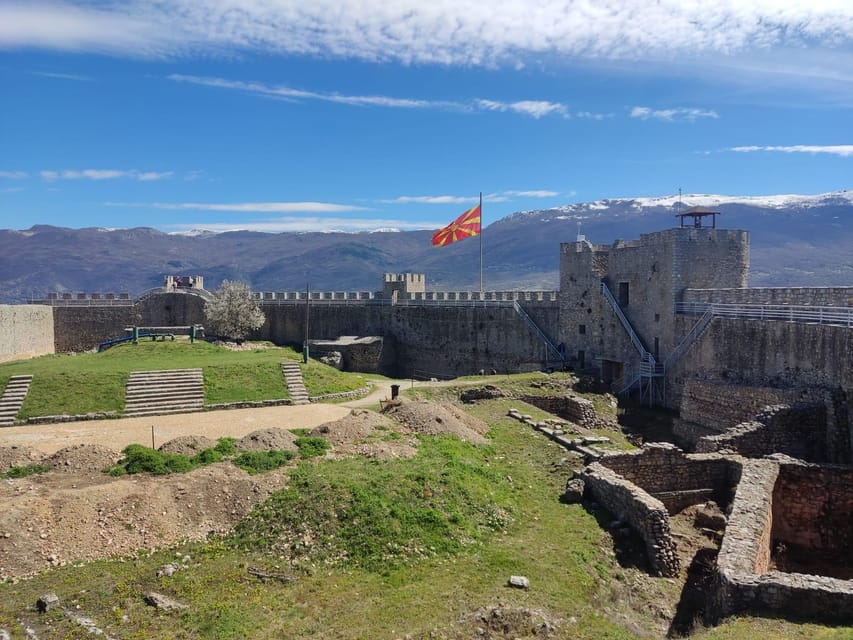
Wear comfortable shoes. Ohrid and Prizren both reward walking, and the fortress viewpoint in Prizren requires extra effort. A hat, sunscreen, and a camera are also sensible items for a day spent moving between open streets, viewpoints, and city squares.
Pack lightly enough to handle one overnight stay. Your main needs are simple, but a small bag makes hotel changes and border travel easier.
Keep your schedule flexible. The tour offers free cancellation up to 24 hours before departure and lets you reserve now and pay later, which can help if your Tirana plans are still changing. Starting times depend on availability, so confirm the departure details when booking.
The route is conducted in English. Private and small-group options are available, but the exact size can affect how much personal attention and flexibility you receive. Ask about the format if that is important to you.
Who should book this tour
I would recommend this trip to someone based in Tirana who wants a high-impact introduction to North Macedonia and Kosovo without renting a car or arranging several cross-border connections.
It suits you if you:
- Have only two days available
- Prefer a guided road trip to independent logistics
- Want major historic sights rather than long museum visits
- Enjoy changing scenery and several different city styles
- Are comfortable with a full schedule
- Value hotel pickup and included transport costs
I would hesitate if you prefer slow travel. Ohrid deserves more time, Skopje can fill a full day, and Prizren rewards lingering. You will see these places, but you will not fully settle into each one.
Should you book the Tirana to Ohrid, Skopje, and Kosovo route?
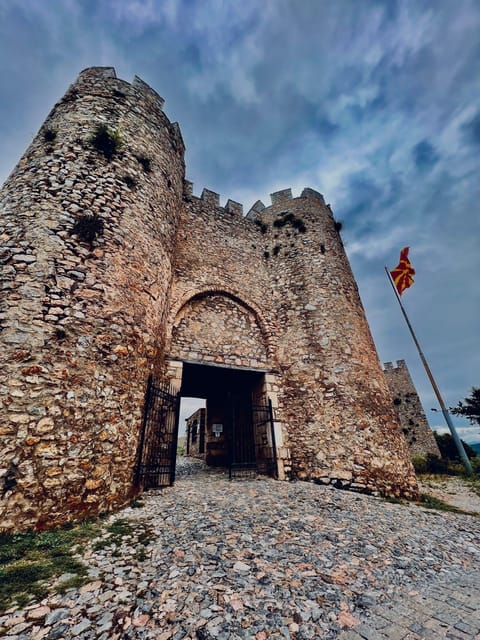
Book it if your priority is coverage. In two days, you get Ohrid’s lake and churches, Skopje’s old and new sides, Pristina’s modern identity, and Prizren’s historic streets and fortress view. That is a lot of ground, and the included transport and guide reduce the strain.
Skip it if the $883 price feels too high for a fast introduction or if you want extended time in each city. The best reason to choose this tour is convenience combined with variety. The main warning is pace.
For an active visitor with limited time in Tirana, I think the route makes sense, especially in a private or small group with a strong guide. If Ardit leads your trip, you may get the kind of thoughtful explanation that makes the long drives worthwhile. Just arrive ready for a busy two days, budget separately for meals, and view this as a first look at the region rather than the final word.
FAQ
How long is the tour?
The tour lasts two days, with pickup and drop-off in Tirana.
Which cities do you visit?
You visit Ohrid and Skopje in North Macedonia, followed by Pristina and Prizren in Kosovo.
Is hotel accommodation included?
Yes. The price includes one overnight stay with breakfast at a three-star hotel.
Is transport included?
Yes. Private transport, petrol, road taxes, tourist taxes, and international car insurance are included.
Are meals included?
No. Lunches, dinners, drinks, and snacks are not included.
What language is the tour conducted in?
The tour is conducted in English with a live English-speaking tour leader.