REVIEW · GREECE
Naxos: Half-Day Guided History and Culture Sightseeing Tour
Book on GetYourGuide →Operated by Naxos Bus Transfer · Bookable on GetYourGuide
Four hours, and suddenly Naxos feels clear. This half-day tour is a smart way to get history and village life without the stress of driving, starting at Naxos Port and running deep into the island’s interior. Guides like Alex and Thanos tend to make the stories stick, and the itinerary is packed with photo stops and real cultural tasks, not just roadside views.
What I like most is the balance: you get real walking and site time at Demeter’s Temple, then a hands-on detour to a fourth-generation pottery workshop in Damalas. The other big win is the stop-and-browse rhythm in Chalki, where you can actually slow down and buy something you’ll use later. The main drawback to plan around: the pace can feel brisk, there are uphill walks and steps, and this isn’t the right pick if you have mobility limits.
In This Review
- Key things I think you should notice
- From Naxos Port to the countryside: how this day is set up
- Temple of Demeter: the star stop (and the one you’ll feel in your legs)
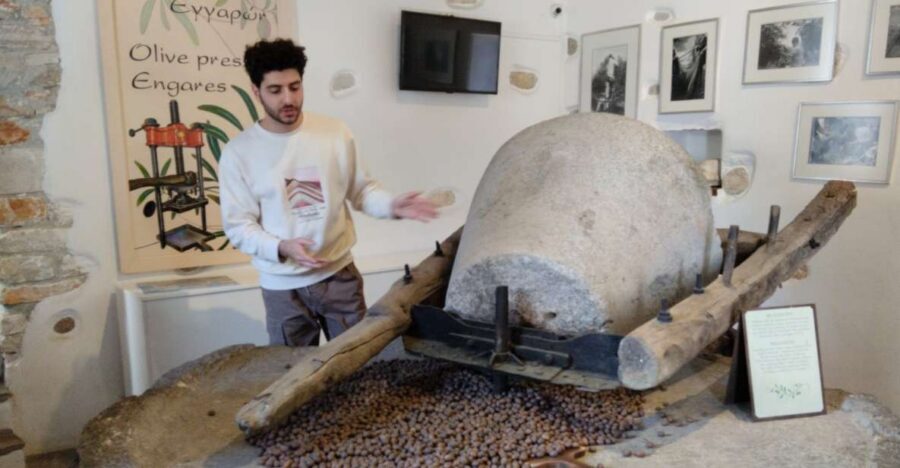
- Damalas pottery: Manolis and the real mechanics of craft
- Chalki’s alleys: 50–60 minutes to wander and choose what you want
- Panagia Drosiani: an architectural stop with good context
- Marble quarries and Flerio Valley: where the scenery becomes history
- Kouros at Melanes: the finishing “wow” moment
- Price and value: why $35 is a solid deal for a culture day
- Who this tour suits best (and who should choose something else)
- Should you book this Naxos half-day history and culture tour?
- FAQ
- Where do I meet the guide?
- Is there an extra fee for the Temple of Demeter?
- What happens if the Temple of Demeter is closed?
- Is Chalki time included, and how long do I get there?
- Do I have to pay to visit the Kitron distillery in Chalki?
- Is this tour suitable for people with mobility impairments?
Key things I think you should notice
- A half-day that covers the interior, not just beach towns
- Local guide energy, with names you’ll hear often like Alex and Thanos
- Damalas pottery workshop with wheel work (and chances to shop)
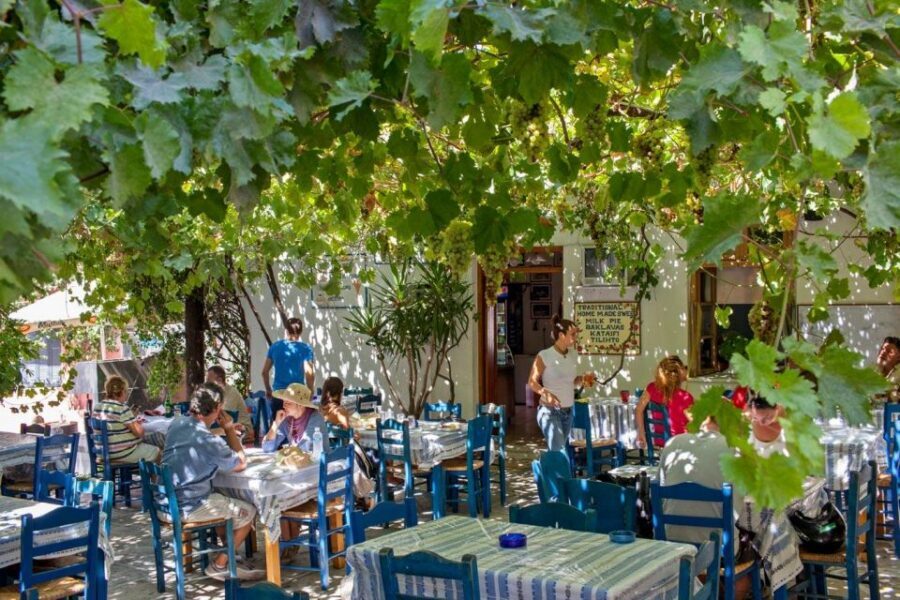
- Chalki village time that’s long enough to browse, sip coffee, and wander
- Marble quarry photo moments plus the Kouros at Melanes area
- Small add-on costs (Temple entry and an optional distillery), paid in cash on the spot
From Naxos Port to the countryside: how this day is set up
You meet the guide at the Naxos Bus Transfer Office right outside Naxos Port. It’s an easy location to find, and once you’re onboard, you’re on the clock in a good way: four hours is tight, so the tour moves efficiently. You’ll ride in an air-conditioned bus with a professional driver, and luggage storage is available during the tour.
The vibe tends to be both organized and relaxed. Several guide-driver duos (Alex and George, Thanos and Yorgos/Georgios) get praise for making the narrow roads feel manageable—exactly what you want on an island with hairpin turns. If it rains, the schedule still runs. One group even noted the tour still worked well despite bad weather, with the guide keeping the energy up and answering questions off script.
Before you go, pack basics that actually help: comfortable shoes for steps and uphill bits, a hat if it’s sunny, and cash for the few places that charge entry or accept donations. Also, pets aren’t allowed.
You can also read our reviews of more guided tours in Greece


Temple of Demeter: the star stop (and the one you’ll feel in your legs)
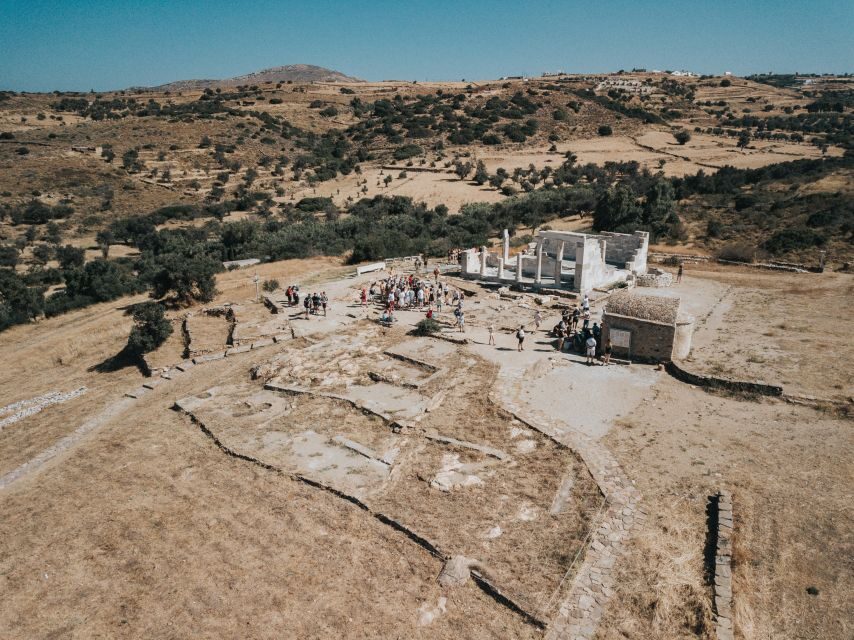
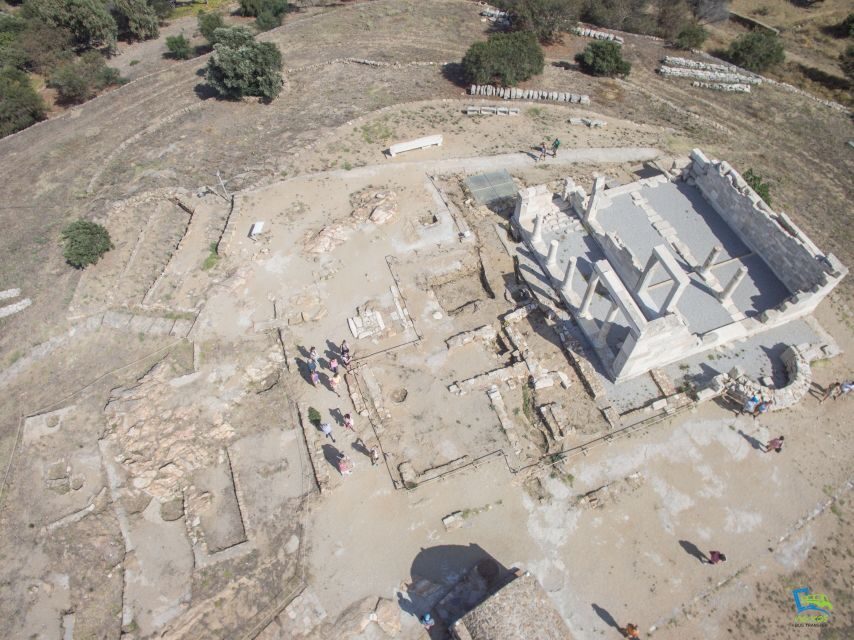
The first major site is the Temple of Demeter, a sanctuary dating back to the 6th century BC. What makes this stop special is the mix of place and explanation: you’ll have time to explore the restored sanctuary, take photos, and visit the small on-site museum. Expect a bit of walking up and around, then more walking inside the site area.
Two practical things to know:
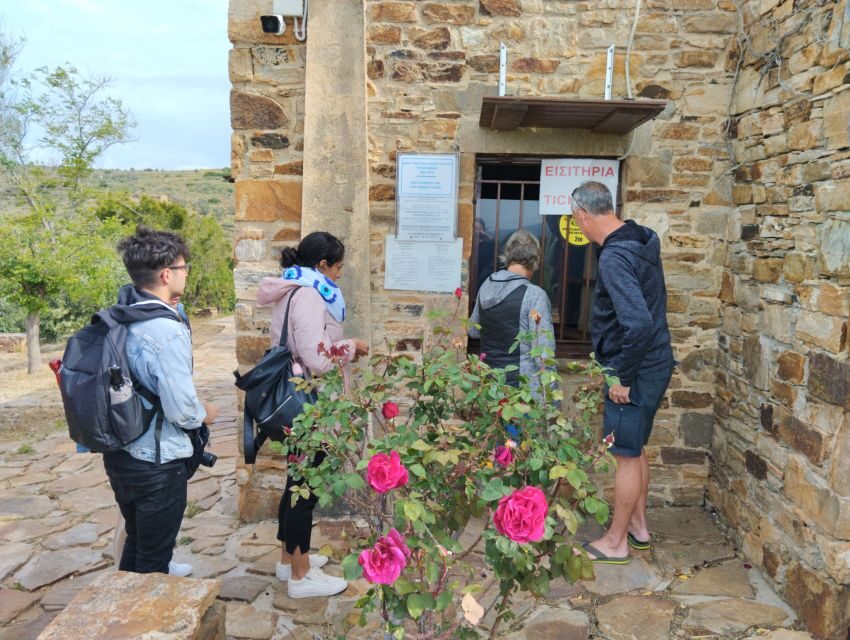
- There’s a 5 EUR entry fee, paid in cash on the spot.
- You’ll climb steps and walk uphills. The pace is not slow and meandering, so this stop can be tough if you struggle with mobility or stamina.
Timing can also shift. On Tuesdays and May 1st, the Temple of Demeter is closed, and the tour replaces it with Filoti Village. And if there’s a predicted heat wave, the Temple can close early (noon). If that happens, afternoon departures swap in Filoti as well. So if your trip lands on a Tuesday or you’re traveling in hot weather, don’t be surprised if the day’s “big site” changes.
Even so, this temple stop is one reason this tour works for first-time visitors. You’re not just looking at pretty ruins—you’re getting a quick education on why this sanctuary mattered, plus context for what you’re seeing while you’re standing there.
Damalas pottery: Manolis and the real mechanics of craft
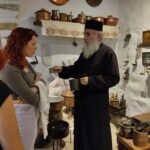
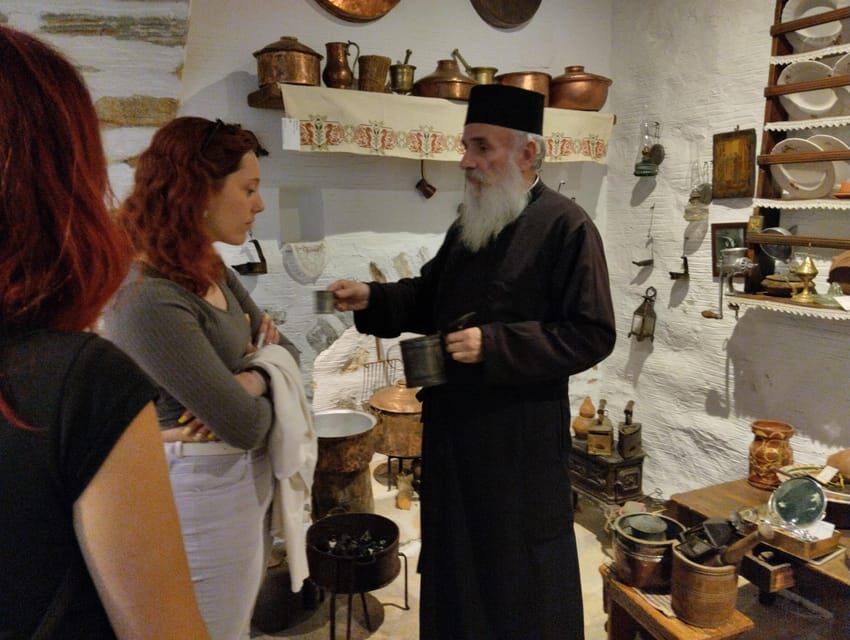
Next up is Damalas, a tiny village (about 100 residents) surrounded by olive groves. This stop is short, but it’s the kind of short that feels earned: you’re not racing through a checklist. You’re meeting a local potter—Manolis—who welcomes you into his workshop and demonstrates traditional pottery technique on the wheel.
Why this is a highlight: it turns “seeing Naxos” into “understanding how Naxos makes things.” You’ll watch the steps of the craft, then you get time to buy. If you like souvenirs that won’t end up in a drawer, this is where you can score something with actual skill behind it.
The workshop time is about 30 minutes. That’s enough to observe, ask questions, and pick out an item if you want one, but it’s still quick. If you’re the type who could watch pottery wheels spin for an hour, plan to treat this as a taste—then maybe browse further on your own later.
Chalki’s alleys: 50–60 minutes to wander and choose what you want
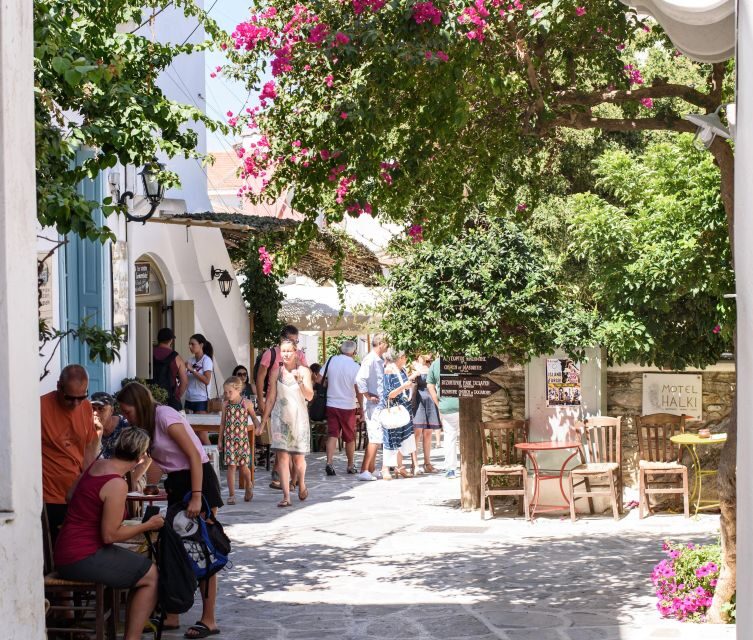
Then comes Chalki, the island’s former capital and a former commercial center. You’ll get roughly 50 minutes of free time (some descriptions put it closer to 60), which is just long enough to do three things without guilt:
- wander colorful lanes
- shop for handmade souvenirs
- stop for coffee and reset your legs
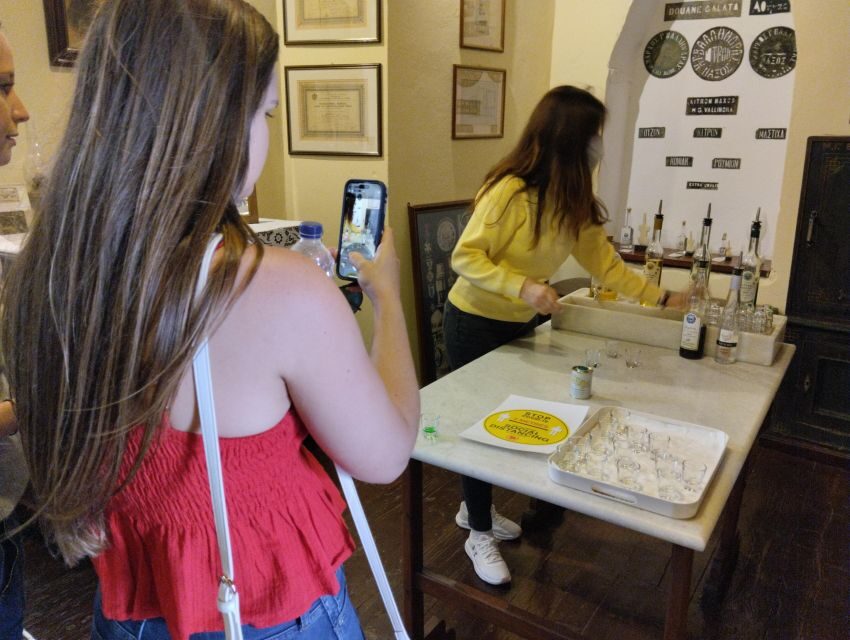
Chalki isn’t a museum town. It’s a working village where you can mix in and feel the day-to-day pace. Some groups use this time to visit Vallindras Kitron Distillery. It’s optional, and the entry fee is 3 EUR paid in cash. If you go, you’re buying a story and a taste, not just time in a shop.
One more practical note: the tour is built so you can choose. Some people love walking and photos, others just want a café. Guides also tend to give enough local pointers that you don’t feel lost even when you’re on your own.
If I had one “wish,” it’s that Chalki sometimes feels like it deserves more time. But as part of a tight four-hour format, the village time is a real win.
Panagia Drosiani: an architectural stop with good context
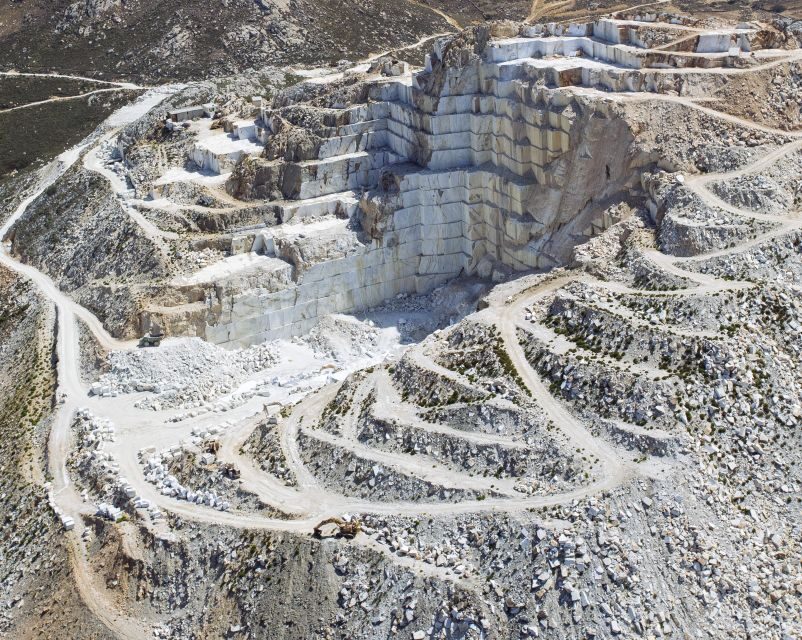
After Chalki, the bus heads toward Panagia Drosiani, a church dedicated to the Virgin Mary and noted for its exceptional architecture. This is one of the most talked-about stops because you’re looking at an older layer of the island’s story than most visitors expect to find.
You’ll have a photo stop and a guided introduction right around the church area. If the church is open, you can step inside to see the frescoes. Expect the stop to be brief—about 10 minutes for the church portion—so the value here is the lead-in. You’ll learn what to look for before you enter.
One important rule: the tour guide is not licensed, so they can’t guide you inside. What you do get is the info before you go in, plus time to admire what’s there. And like most church visits in Greece, small donations are customary. Bring some coins (1–5 EUR) so you’re not scrambling.
You can also read our reviews of more historical tours in Greece

Marble quarries and Flerio Valley: where the scenery becomes history
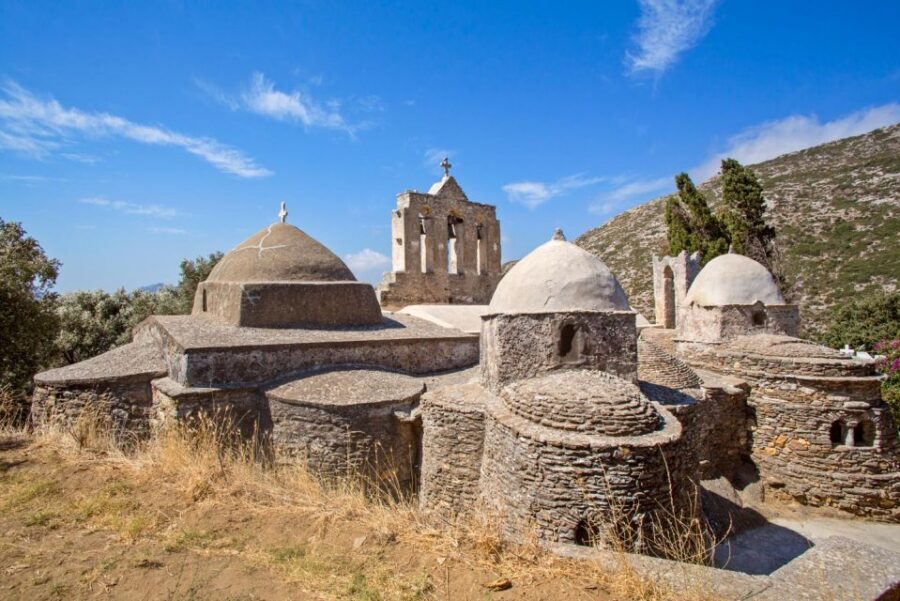
Just outside Kinidaros, there’s a roadside pause for photos of contemporary marble quarries. This sounds like a simple “look at rocks” moment, but it actually fits the theme of Naxos: the island’s identity is tied to marble. You’re seeing the modern side of something that also shows up in ancient sculpture.
Then you’ll move into Flerio Valley, where the tour shifts from buildings to the garden-and-walk side of the day. You stroll through green spaces and learn about the setting while you look for what’s coming next.
And yes, there’s a famous statue here: the Kouros Statue, an extraordinary example of ancient Naxian marble artistry. This stop isn’t long like a museum visit, but it’s memorable because you get the real visual impact plus the tour’s explanation of what it represents.
Kouros at Melanes: the finishing “wow” moment
As the tour continues, you’ll reach the Kouros at Melanes area for a guided sightseeing stop (about 20 minutes). This is where the day tends to land emotionally: you’ve seen temples, villages, craft, and church art, and now you’re looking at something carved in stone that was meant to last.
Even if you don’t know the technical background, you’ll leave with a clearer sense of why marble mattered on Naxos and why a single statue can carry so much meaning across centuries. It’s also a good place to slow your photo-taking down a little—this is one of those spots where rushing makes you miss details.
Transport time between stops is short (bus rides of about 10–30 minutes each segment), so you’re never stuck staring at roads for long. The day is shaped like a string of “big anchor moments” with mini breaks so you don’t feel exhausted.
Price and value: why $35 is a solid deal for a culture day
At $35 per person for about 4 hours, this tour is priced like a practical shortcut. You’re paying for transportation, a local guide, and a planned route that you’d struggle to assemble quickly without renting a car (or without spending your whole day figuring out logistics).
What’s included:
- Greek/English-speaking local guide
- Greek/English-speaking driver
- luxury air-conditioned bus transportation
- luggage storage during the tour
- pickup from selected areas for the morning departure (and pickup from accommodation only for the private tour option)
- taxes
What’s not included:
- Temple of Demeter entry (5 EUR cash)
- Kitron distillery entry (3 EUR cash) if you choose it
- church donations (customary)
- hotel drop-off
So, if you do both the temple and the optional distillery, the paid-on-the-spot costs are still pretty modest compared to what you’d spend on a rental car plus parking and your own time. Plus, you’re getting multiple villages and multiple heritage sites in one go. For short stays, it’s one of the fastest ways to get past the coast-only version of Naxos.
Also, I like that it runs rain or shine. You’re not gambling your vacation on perfect weather. You might just end up enjoying the history more when it’s cooler outside.
Who this tour suits best (and who should choose something else)
This is a great fit if:
- you’re visiting Naxos briefly and want a strong interior overview
- you don’t want to drive narrow roads
- you care about culture beyond beaches—ancient sites, church art, villages, and craft
- you want a guide-led explanation so the places make sense faster
It can be a poor fit if:
- you have mobility impairments or struggle with stairs and uphill walking
- you need long quiet time at one single site (this tour is efficient, not slow)
- you’re hoping for a deep inside-the-building guided lecture (the guide can explain before entry, but can’t guide you inside)
One nice bonus: some people reported free water available during the tour, which is a small comfort that matters on sunny Greek days.
Should you book this Naxos half-day history and culture tour?
If you want an easy way to see the best of Naxos away from the main strip—temple ruins, a working craft stop, a real village with time to wander, and marble sculpture—this is a smart booking. At $35, it’s strong value, especially if you’re here for only a few days and don’t want to spend half your trip driving.
I’d think twice if you’re sensitive to hills and steps. The Temple of Demeter stop is the one that can feel physical. And if you’re a slow traveler who hates being rushed, you may wish you had more time in Chalki or at the archaeological sites instead of fitting everything into four hours.
If you’re set on Demeter, check your calendar for Tuesdays and May 1st, since the tour swaps in Filoti Village. Otherwise, this is one of the most efficient ways to understand what Naxos is made of: stone, craft, faith, and village life.
FAQ
Where do I meet the guide?
You meet your guide at the Naxos Bus Transfer Office, right outside Naxos Port.
Is there an extra fee for the Temple of Demeter?
Yes. The Temple of Demeter entry costs 5 EUR, paid on the spot in cash.
What happens if the Temple of Demeter is closed?
On Tuesdays and on May 1st, the Temple of Demeter is closed, and the tour replaces that visit with a stop at Filoti Village.
Is Chalki time included, and how long do I get there?
Yes, Chalki includes free time for wandering and shopping. The tour offers about 50 minutes (some descriptions say around 60 minutes).
Do I have to pay to visit the Kitron distillery in Chalki?
The Vallindras Kitron Distillery entry is optional, and if you go it costs 3 EUR, paid on the spot in cash.
Is this tour suitable for people with mobility impairments?
No. The tour involves climbing steps and walking uphills, and it is not recommended for guests with mobility impairments.