REVIEW · CRETE
Pallada Semi-Private Olive Oil Tours in Sternes, Chania
Book on Viator →Operated by Pallada · Bookable on Viator
Olive oil lessons, not a lecture. This small-group tour in Sternes pairs a walk through the olive groves at Pallada Kèpos with an in-mill look at how olive oil is made, then ends with tasting and food. I especially like the hands-on feel: you’re moving between trees, production equipment, and the tasting table.
The other thing I like is the guide’s approach—Bill leads the tour with clear explanations and plenty of time for questions, including how to tell oils apart. One thing to consider: it’s about 1 hour 30 minutes, so it’s not a full-day deep dive into the farm or a long sit-down meal.
In This Review
- Key highlights worth your time
- Pallada Kèpos in Sternes: olive trees plus Cretan plants
- Inside the olive mill: seeing the equipment and hearing the whole process
- Tasting four extra virgin olive oils with Bill
- The Cretan finish: dakos paired with your chosen olive oil
- Group size, timing, and how to plan around the 1 hour 30 minutes
- Price and value: is $41.94 a good deal?
- Who this olive oil tour is best for
- Should you book Pallada Semi-Private Olive Oil Tours?
- FAQ
- Where is the tour meeting point?
- How long does the Pallada olive oil tour last?
- Is the tour offered in English?
- How many people are in the group?
- What stops are included during the tour?
- How many olive oils will I taste?
- What is the traditional Cretan treat at the end?
- When will I get confirmation after booking?
- Is there free cancellation?
Key highlights worth your time
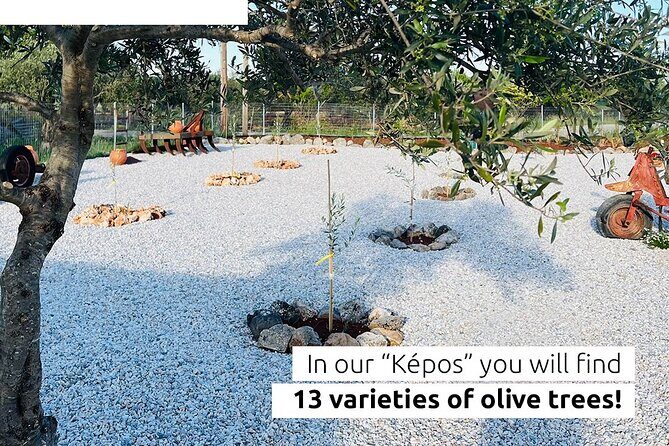
- Pallada Kèpos botanical park: herbs, flowers, a small veggie garden, and Greek olive varieties among the trees
- Modern olive mill walkthrough: you’ll see the production equipment and hear about each phase from fruit to oil
- Tasting four extra virgin oils: learn a practical method to notice differences
- Cretan Dakos with your chosen olive oil: a real food finish tied to the olive oil theme
- Maximum of 8 people: more personal attention and easier question time with Bill
Pallada Kèpos in Sternes: olive trees plus Cretan plants
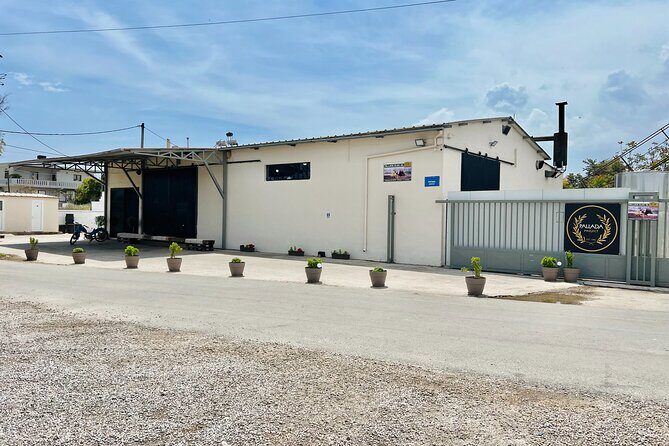
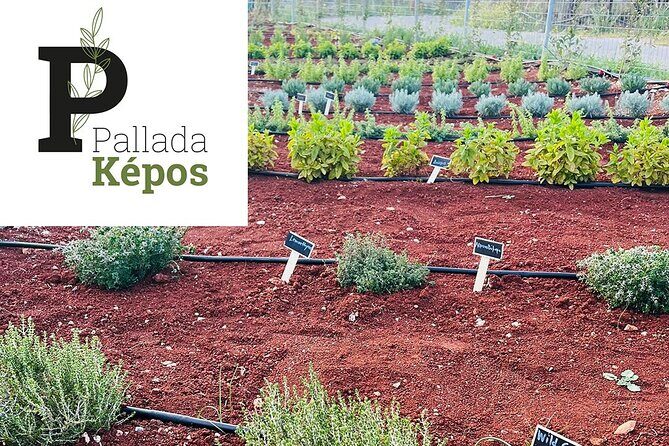
The tour starts at Pallada Olive Oil & Tours on the road in Sternes (then it comes back to the same meeting point). The first part of your visit is a walk at Pallada Kèpos, a small botanical park built right among olive groves. That setting matters because it keeps the story rooted in place: you’re looking at trees, fruit, and the growing environment before you ever touch the tasting part.
During this walk, you’ll talk about the olive trees themselves—how they’re cultivated and how harvest happens. You’ll also get to see native herbs and flowers of Crete, plus a small vegetable garden and several Greek olive tree varieties. For a short tour, this is a smart structure. It gives you context fast, without turning it into a long hike that exhausts your palate before tasting.
One practical tip: wear comfortable shoes. The area is outside and you’ll be walking, not just standing still for photos. If you’re planning to taste, you’ll want to arrive with a clear head and no heavy meal beforehand—though the tour does include food at the end.
You can also read our reviews of more private tours in Crete

Inside the olive mill: seeing the equipment and hearing the whole process
Next comes the olive mill visit. This is where the tour shifts from scenery to systems: you’ll walk among modern production equipment and get an explanation of the phases of olive oil production. The key word here is detailed. The goal is to help you connect what you saw outdoors (tree and fruit) to what’s happening indoors (turning olives into extra virgin olive oil).
Even if you cook a lot, it’s easy to think you already know olive oil production because you’ve seen bottles on supermarket shelves. Seeing the equipment and hearing how the process works makes the learning feel real. You’re not just getting facts—you’re building a mental picture that helps you choose oils later.
The mill portion also has a nice rhythm. It’s guided rather than self-guided, so you get the “why” as you move through the space. If you’re the type who asks questions when something is unclear—good. Bill answers a lot of them, and the small group size keeps that from becoming awkward or rushed.
Tasting four extra virgin olive oils with Bill
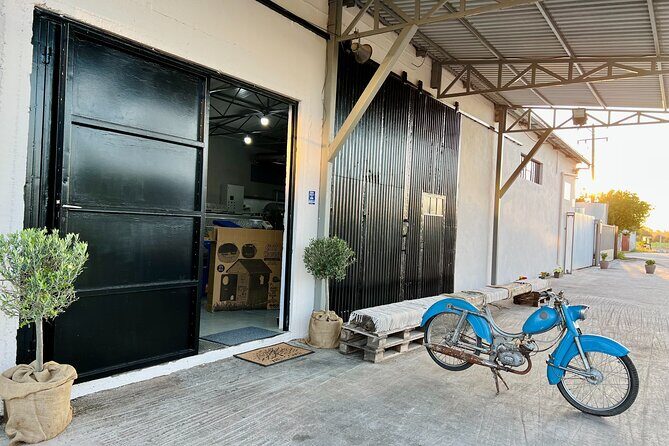
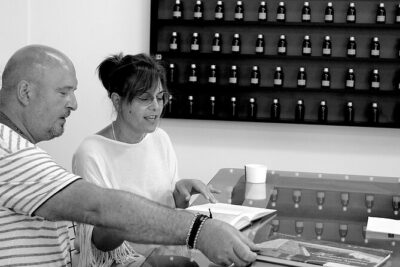
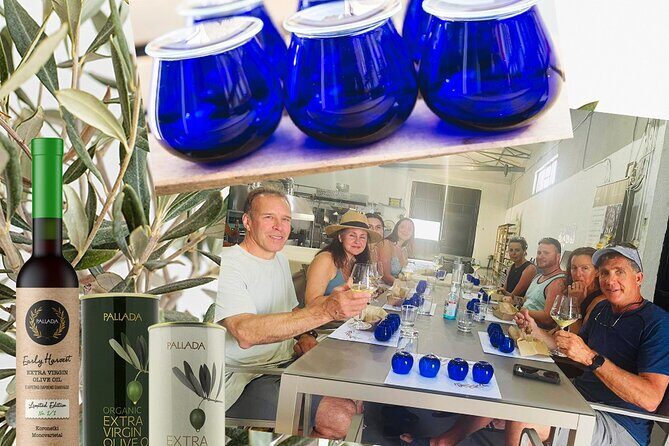
After the mill, you’ll move into the tasting part. This is one of the most praised elements, because you’re not just sampling oils—you’re learning how to taste extra virgin olive oils and how to distinguish differences between them.
The tour includes tasting four different olive oils, and you’ll practice noticing what changes from one oil to the next. In plain terms, this kind of lesson is where the tour stops being “interesting” and starts being useful for everyday life. After tasting, you’ll have a better sense of what different flavor profiles feel like, so you can buy with more confidence instead of only relying on marketing buzz.
Here’s how to get the most out of the tasting section:
- Take small sips and reset between oils, rather than trying to power through
- Pay attention to the oil’s character (not just whether you like it)
- Ask Bill what he’s looking for when he describes each oil’s differences
Bill’s style is a big reason people rate this experience so highly. He’s friendly, answers questions, and makes the tasting educational without making it feel like a classroom exam. If you love cooking, this part is especially valuable because it teaches you how to match oil to taste and use, not just how to identify an extra virgin label.
The Cretan finish: dakos paired with your chosen olive oil
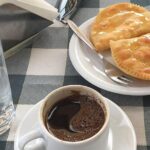
No matter how good the mill tour is, olive oil makes more sense when you eat it. The tour ends with a traditional Cretan treat: Cretan Dakos, served with the olive oil of your choice.
This finish works because it ties the tasting to a real bite. You’re not only learning how to tell oils apart—you’re experiencing how olive oil performs with Cretan food. Dakos is the kind of dish that helps you translate “flavor notes” into something you’d actually put on your table back home.
A small practical thought: since you’ll be tasting multiple oils first, your preferences may shift after the food. That’s normal. Use it as feedback. If an oil you liked in the tasting also works with the dakos, you’ll remember it later when shopping.
Group size, timing, and how to plan around the 1 hour 30 minutes
The tour lasts about 1 hour 30 minutes. That’s a sweet spot for a half-adventure: long enough to include a grove walk, a mill visit, tasting, and a meal, without feeling like your whole day disappears.
It’s also capped at a maximum of 8 people. That small group size makes a difference. You’re closer to Bill, you can ask questions without waiting for a gap, and you won’t feel like you’re being rushed from one room to the next.
Logistics-wise, the tour uses a mobile ticket and is offered in English. It also runs near public transportation, and service animals are allowed. “Most people can participate,” so this is a good fit if you want something structured but not overly demanding.
To plan smartly:
- Wear comfortable shoes for the outdoor walk at Pallada Kèpos
- If you have dietary preferences, eat carefully before you go—because you’ll end with food that includes olive oil and dakos
- Bring a curious attitude. This tour is designed for questions
Price and value: is $41.94 a good deal?
At $41.94 per person, you’re paying for a guided, small-group experience that covers a lot in a short window. For that price, you get:
- A walk through Pallada Kèpos with explanation of olives and local growing traditions
- A mill walkthrough with detailed explanation of production phases
- Tasting four extra virgin olive oils
- A Cretan dakos dish served with your choice of olive oil
The value here isn’t only the items—it’s the learning. Tasting four oils with coaching helps you make better choices when buying olive oil later. And seeing the mill equipment turns abstract knowledge into something you can picture.
If you were only doing a quick tasting at a shop, you’d still be paying something for sampling. What you get with this tour is the “full chain” experience: grove → fruit and harvest context → mill production → tasting practice → food finish.
Who this olive oil tour is best for
This works especially well if you:
- Want a small-group olive oil tasting tour in the Chania area rather than a bus-and-bowl sampling
- Like cooking or buying ingredients with more confidence
- Enjoy short, focused experiences that still feel educational
- Appreciate local context, not just products for sale
It’s also a good choice for couples and small groups who want a guided activity without lots of downtime. The mill and tasting parts are indoor/outdoor mix, so it feels balanced.
If you’re the type who expects a long agricultural trek or a full farm day with harvesting in action, you may find the time limited. But if your goal is understanding and tasting in a tight, well-guided format, this tour hits the mark.
Should you book Pallada Semi-Private Olive Oil Tours?
Yes—if you want a small-group, practical olive oil education with real tasting coaching. The strongest reason to book is the pairing: Pallada Kèpos for context, the olive mill for production understanding, then tasting four extra virgin oils with Bill explaining how to notice differences. Add the Cretan Dakos finish, and the learning doesn’t stay theoretical.
I’d book this sooner rather than later if you’re in Chania and you’re aiming to bring home more than souvenirs. You’ll leave with better instincts for what you like in extra virgin olive oil—and the confidence to choose it again when you cook.
If you want an experience that’s structured, friendly, and genuinely useful for food lovers, Pallada is a smart pick.
FAQ
Where is the tour meeting point?
The tour starts at Pallada Olive Oil & Tours on the unnamed road in Sternes 731 00, Greece, and it ends back at the same meeting point.
How long does the Pallada olive oil tour last?
The tour is approximately 1 hour 30 minutes.
Is the tour offered in English?
Yes, it is offered in English.
How many people are in the group?
This activity has a maximum of 8 travelers.
What stops are included during the tour?
The guided experience includes a walk at Pallada Kèpos, a visit to the olive mill facilities, an olive oil tasting, and a traditional Cretan treat.
How many olive oils will I taste?
You’ll taste 4 different olive oils, and they are extra virgin.
What is the traditional Cretan treat at the end?
The treat is Cretan Dakos served with the olive oil of your choice.
When will I get confirmation after booking?
Confirmation is received within 48 hours of booking, subject to availability.
Is there free cancellation?
Yes. You can cancel for a full refund up to 24 hours in advance of the experience start time.