REVIEW · CRETE
PSILORITIS(mount Ida) Crete’s Highest Point 2456m
Book on Viator →Operated by Creta Trekking · Bookable on Viator
Crete’s highest point is not a gentle hill walk. Psiloritis rises to 2,456 meters, and the route gains about 900 meters before you return to the starting point. I like the changing terrain, the small maximum group of eight, and the reward of wide views across Crete from the summit.
I also like that trekking poles and snacks are included, useful touches on a serious mountain day. The main catch is simple: this is for people with good physical fitness, not for a casual stroll, and poor weather can cancel the outing.
In This Review
- Key points at a glance
- Why Psiloritis is Crete’s big hiking challenge
- Starting from Bali and meeting the mountain
- Walking through changing terrain
- The three-hour climb to 2,456 meters
- The summit view over Crete
- Zeus, Ida, and the mountain’s sense of place
- What the $347.05 price buys you
- Who should book this hike
- Practical preparation for the eight-hour day
- My take on the Creta Trekking experience
- Should you book Psiloritis?
- FAQ
- How high is Psiloritis?
- How long does the activity last?
- How much elevation gain should I expect?
- How large is the group?
- Who operates the hike?
- Are trekking poles and snacks included?
- Where does the hike start and finish?
- What happens if the weather is poor?
Key points at a glance
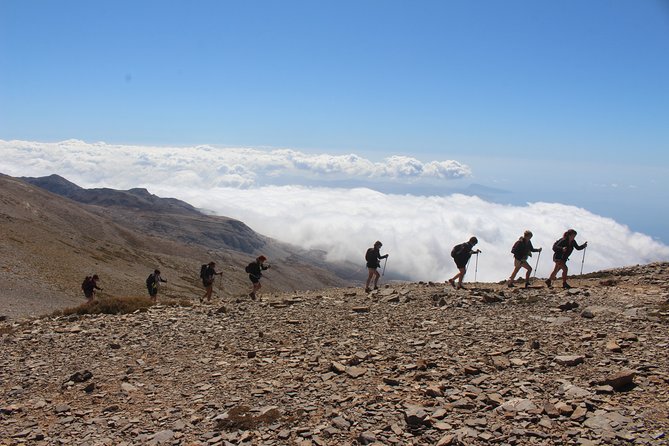
- 2,456-meter summit: Reach Psiloritis, the highest point in Crete and the mountain linked with the childhood of Zeus.
- About 900 meters of ascent: Expect a demanding uphill walk, followed by the same gain on the way down.
- Small group of up to eight: A compact group suits a mountain route and allows a more personal pace with guide Michaelis.
- Three-hour climb to the top: The full activity lasts about eight hours, including the return hike.
- UNESCO Geopark setting: Psiloritis is recognized as both a UNESCO Global Geopark and a UNESCO European Geopark.
- Poles and snacks included: These practical extras help on steep or tiring sections.
Why Psiloritis is Crete’s big hiking challenge
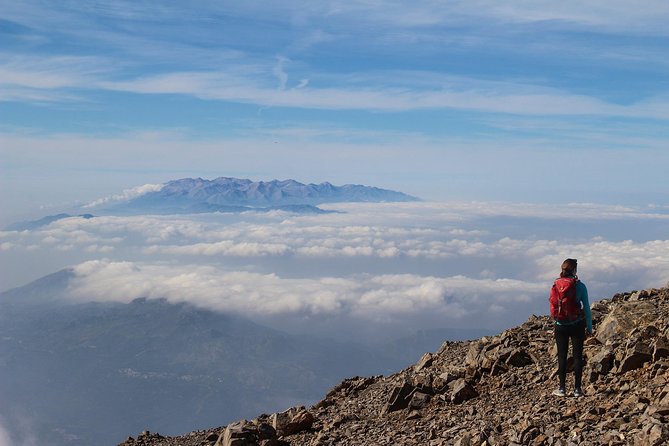
Psiloritis, also called Mount Ida, is the highest mountain in Crete. Reaching 2,456 meters gives this hike a clear goal, but the real appeal is the sense of crossing several types of mountain terrain on the way up.
The route takes about three hours to reach the summit. That timing tells you what sort of day this is. You are not walking to a nearby viewpoint, you are committing to a sustained climb, then returning on foot.
A full round trip lasts about eight hours. One previous account describes roughly 900 meters of ascent and descent, which is the most useful warning here. Your legs need to handle both the climb and the long way back down.
I would rate this as a moderate-to-demanding mountain outing rather than a standard sightseeing tour. The official fitness guidance calls for a moderate physical fitness level, but the elevation gain means you should be comfortable with several hours of uphill and downhill walking.
You can also read our reviews of more tours and experiences in Crete.
Starting from Bali and meeting the mountain
The meeting point is given at CQ5J+QH Bali, Bali, Greece. The activity ends back at this same meeting point, so you should plan your day around reaching the start and returning there after the hike.
The supplied details do not describe a separate transfer, hotel pickup, or vehicle journey. That makes the meeting point important. Check the exact map pin and local timing before setting out, since an eight-hour activity leaves little room for a late arrival.
The tour operates as a small group with no more than eight people. That is a useful limit on a mountain route. You are less likely to be spread out across the trail, and the guide can keep a better sense of the group’s pace and condition.
Creta Trekking provides the guide. Michaelis is named in the tour information, and the available feedback describes him as energetic and professional. You should still think of the guide as a mountain leader, not as a substitute for sensible preparation. The group format helps, but you remain responsible for arriving fit and properly dressed.
Walking through changing terrain
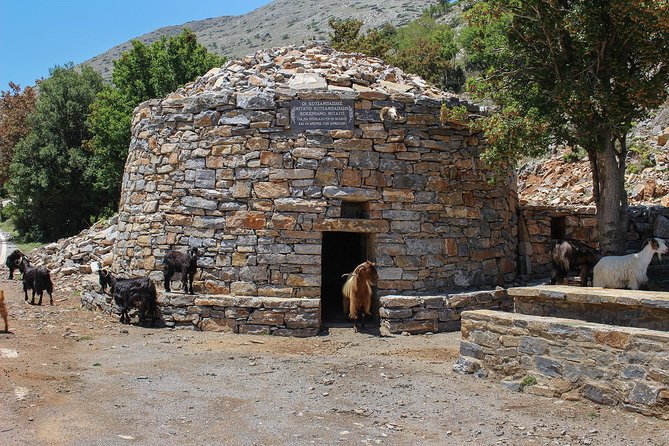
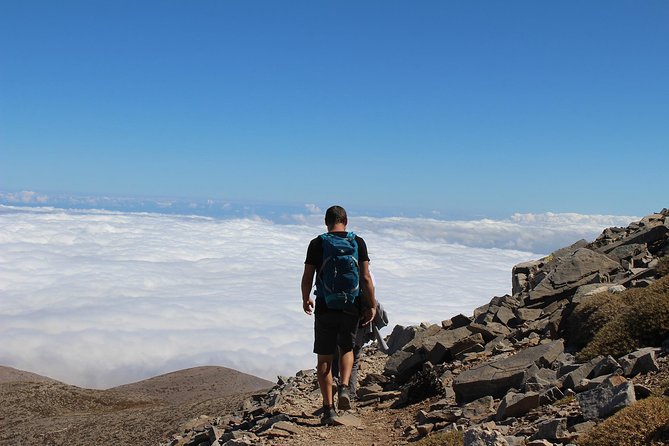
One of the strongest features of the hike is the variety of terrain between the starting point and the summit. Psiloritis is known for its unusual plant life and geological features, and the mountain range has UNESCO Global Geopark and UNESCO European Geopark status.
That recognition matters because it points to more than a high summit. You are walking through an area valued for its geology and flora, not simply climbing a tall rock. The route gives you time to notice how the ground and plant life change as you gain height.
The word landscape fits here in the literal sense. You move through different mountain settings rather than following one uniform path. The information does not specify every trail surface, landmark, or rest point, so you should not book this expecting a detailed stop-by-stop sightseeing route.
The route’s character will likely be more about steady progress than frequent attractions. At lower sections, you may find more variation in plant life, while higher ground should feel increasingly exposed and rocky, but exact trail conditions can change with weather. The tour’s dependence on good conditions is a reminder to take the mountain seriously.
The three-hour climb to 2,456 meters
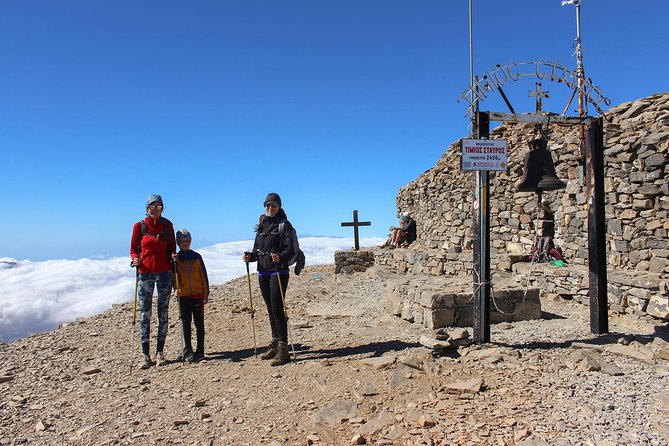
The uphill section takes about three hours. That is long enough for the pace to shape your whole day, so start conservatively. A fast first hour can make the final stretch much harder.
The group may include people with different walking speeds. With a maximum of eight, the guide can manage the group more easily than on a large coach excursion, but you should still be prepared for a shared pace rather than a private ascent.
Trekking poles are provided. I consider that a real benefit, especially on the descent, when tired legs and uneven ground can make balance harder. Poles also reduce some strain on knees and help you keep a steady rhythm on the uphill sections.
Snacks are included as well. One account specifically praises the summit snack, calling it tasty. This is not a full meal, so bring the food and water you normally need for a long mountain day unless the provider gives you different instructions before departure.
At altitude, the air and effort can feel different from a walk near sea level. The supplied information does not promise a gradual acclimatization plan or any special altitude support, so your best preparation is a realistic assessment of your fitness and a patient pace.
The summit view over Crete
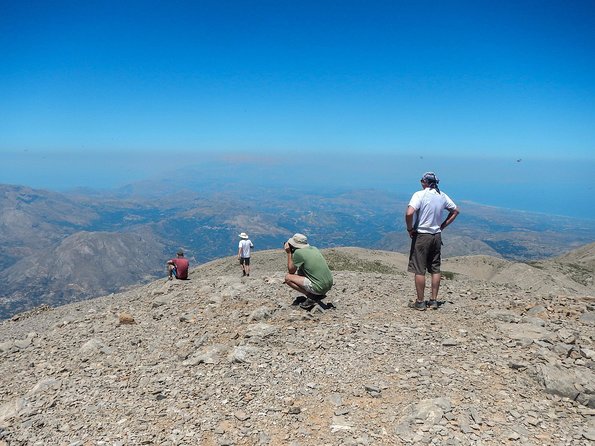
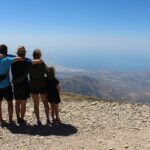
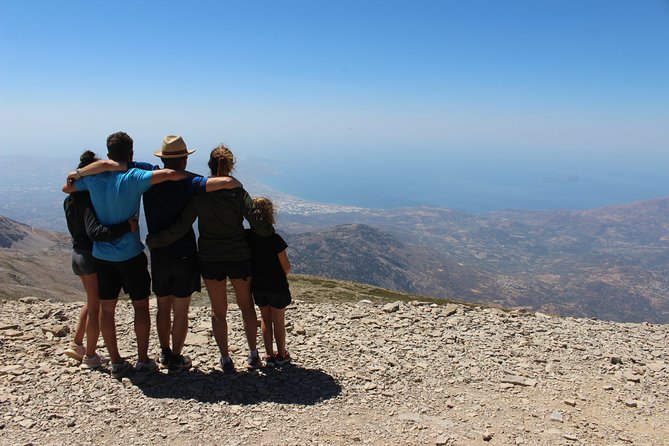
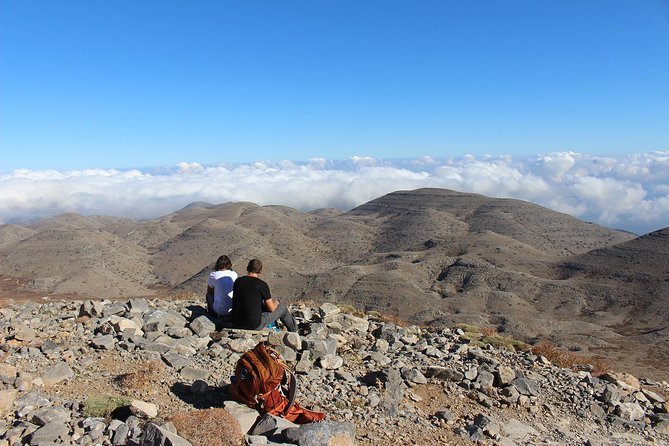
The payoff comes at the top. From Psiloritis, you are rewarded with sweeping views over Crete, and the height gives the summit a sense of scale that a lower viewpoint cannot match.
This is the kind of view you earn step by step. You have crossed varied terrain, gained about 900 meters, and spent roughly three hours climbing. The summit feels meaningful because the physical effort is part of the attraction.
Clear weather is essential. The activity requires good conditions and may be canceled if the weather is poor. That policy is sensible on a high mountain, where cloud, wind, rain, or other conditions can change the character of the route quickly.
Do not treat the summit view as guaranteed on every departure. Even if the hike operates, mountain weather can affect visibility. The provider offers another date or a full refund if poor weather forces a cancellation, giving you some protection when conditions are unsafe.
Zeus, Ida, and the mountain’s sense of place
Psiloritis is connected with Greek mythology as the place where Zeus was raised. That story gives the climb a cultural layer without turning the day into a formal mythology tour.
You are not only walking to the highest point in Crete. You are also entering a mountain setting with a long connection to the island’s identity and to the stories surrounding Zeus. The combination of mythology, unusual flora, and geology makes the route more interesting than a simple altitude record.
The tour details do not promise museum stops, ruins, or a dedicated lecture on mythology. Think of Zeus as a meaningful backdrop to the hike rather than a separate attraction with exhibits or monuments. The main activity remains the climb.
What the $347.05 price buys you
At $347.05 per person, this is an expensive day compared with a self-guided walk. The value depends on what you want from the outing.
You are paying for a guided small-group mountain experience, not just access to a trail. The group is limited to eight, a guide leads the hike, trekking poles are supplied, and snacks are included. The day lasts about eight hours and reaches Crete’s highest summit, which gives the price a stronger case for people who want structure and support.
The value is less convincing if you already know the route, have your own equipment, and prefer to walk alone. A self-guided option would give you more control, but it would also leave you to handle timing, route choices, weather judgment, and group safety yourself.
For a visitor who wants a serious mountain day without joining a large excursion, the small group is the most important part of the price. Eight people is still a group, but it is intimate enough to feel more focused than a standard sightseeing outing.
Group discounts are available. Since the exact discount is not stated, check the booking price for your party rather than assuming a fixed saving. Mobile tickets are also offered, which keeps the booking process simple once you have arranged the meeting point.
Who should book this hike
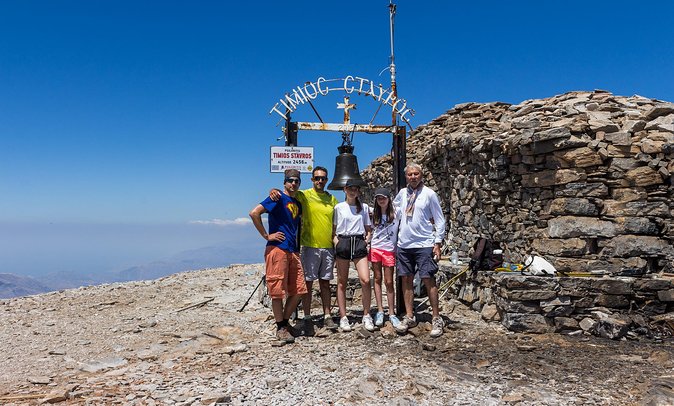
I would recommend Psiloritis to you if reaching Crete’s highest summit is a priority and you enjoy a physically demanding day outdoors. It suits people who see the climb itself as part of the holiday, not merely as a way to reach a viewpoint.
It is also a good fit if you value a small group and want practical support from a guide. The poles and snacks remove two small preparation tasks, while the guide gives the day a clear structure.
You should think twice if you dislike long uphill walks, have limited fitness, or want a relaxed sightseeing tour. The 900-meter gain and eight-hour duration are not minor details. The route may be rewarding, but it will take energy.
The experience is not described as wheelchair accessible. Service animals are allowed, but the mountain route and fitness requirement mean you should ask Creta Trekking directly about any specific mobility needs before booking.
Practical preparation for the eight-hour day
Wear proper hiking clothing and footwear suitable for changing mountain ground. The supplied information does not list an equipment checklist, so you should confirm the provider’s current recommendations before departure.
Plan for a long day rather than a quick excursion. The included snacks are helpful, but the details do not say how much food or water is supplied. Bring whatever you normally need for several hours of exercise, unless Creta Trekking gives you different instructions.
Keep your schedule flexible around the weather. A summit hike should not be forced in poor conditions, and the cancellation terms allow a new date or full refund if bad weather prevents the activity.
The tour is booked about 17 days ahead on average. That pattern suggests you should not leave it until the last minute if Psiloritis is a main goal, especially if your Crete plans are fixed. It also gives you time to prepare your fitness and check the meeting point.
Free cancellation is available until 24 hours before the start time. Canceling less than 24 hours ahead, or requesting changes inside that window, does not qualify for a refund. Cut-off times use local time, so keep that in mind when making changes from another country.
My take on the Creta Trekking experience
The strongest part of this outing is its clear purpose. You climb the highest summit in Crete, pass through a mountain area recognized for geology and plant life, and finish with broad views from 2,456 meters.
I also like the balance of a small group and useful equipment. A maximum of eight people feels appropriate for a demanding route, and poles can make a genuine difference on the way down. The summit snack adds a welcome touch after the hardest part of the hike.
The main caution is the price and effort. At $347.05, you should want the guided format and summit achievement, not just a walk in the countryside. The route’s 900-meter ascent and eight-hour duration make fitness the deciding factor.
The overall rating is 4.3 from six ratings, which suggests a generally positive response but is still a small sample. The strongest praise focuses on the spectacular island view, the professional energy of guide Michaelis, the tasty summit snack, and the quality of the service. Those are meaningful positives, but you should still book with realistic expectations about the physical demand.
Should you book Psiloritis?
Book this hike if you want to stand on Crete’s highest point and are ready for a genuine mountain day. The combination of a small group, guide support, included poles, snacks, and a UNESCO Geopark setting gives the experience more substance than a basic summit transfer.
Skip it if your ideal Crete outing involves little exertion, an easy timetable, or guaranteed clear views. For fit walkers who accept the price and prepare for the 900-meter climb, Psiloritis offers one of the island’s most rewarding ways to see Crete from above.
FAQ
How high is Psiloritis?
Psiloritis, also called Mount Ida, reaches 2,456 meters and is the highest summit in Crete.
How long does the activity last?
The full activity lasts about eight hours. The climb to the summit takes about three hours.
How much elevation gain should I expect?
The hike involves about 900 meters of ascent and the same amount of descent, according to the available tour details.
How large is the group?
The group has a maximum of eight people.
Who operates the hike?
Creta Trekking operates the experience. Guide Michaelis is named in the tour information.
Are trekking poles and snacks included?
Yes. Trekking poles and snacks are provided, and the summit snack is specifically noted as part of the service.
Where does the hike start and finish?
The meeting point is CQ5J+QH Bali, Bali, Greece. The activity ends back at the meeting point.
What happens if the weather is poor?
The experience requires good weather. If it is canceled because of poor conditions, you will be offered another date or a full refund.