REVIEW · FALIRAKI
Rhodes: Butterfly Valley and Filerimos Hill Bus Trip
Book on GetYourGuide →Operated by Captain’s Tours · Bookable on GetYourGuide
Butterflies or moths, you still get that cool shaded walk. Butterfly Valley delivers the best kind of break from Rhodes beach heat, then Filerimos Hill layers in ruins and sweeping views. The catch: it’s a walking-focused day with uneven paths and steps, so plan carefully if your feet, knees, or back don’t love climbing.
You’re paying for a straightforward plan: pickup, an air-conditioned coach, and time on-site where you explore on your own. I like that it mixes nature and religious/archaeology stops without turning into a long, exhausting full-day trek. One heads-up: entrance fees and site tickets are extra, and a couple optional viewpoints/monastery areas can add up.
In This Review
- Key takeaways before you go
- Why Butterfly Valley plus Filerimos Hill is such a smart Rhodes half day
- Pickup and coach ride: what “comfort” looks like in real life
- Valley of the Butterflies: the shaded walk is the real attraction
- Where to spend your time in the valley (and how to not miss the best part)
- Filerimos Hill and the citadel of Ialyssos: ruins with a viewpoint payoff
- Temple foundations, an early Christian basilica, and a subterranean church
- Golgotha and the Road of Martyrdom: the Italian-built 18-meter cross
- Price reality check: $23 transport is good value, but tickets are extra
- Food, timing, and heat: why this day can feel short
- Who should book this trip, and who should skip it
- Should you book? My practical yes-or-no
- FAQ
- How long is the trip?
- What is the price per person?
- Where does the pickup happen?
- Is the bus identified so I can find it?
- What’s included in the price?
- What’s not included?
- Is the Butterfly Valley museum included?
- Is there walking involved?
- Is this tour wheelchair accessible?
- Do I need to pay extra once I arrive?
Key takeaways before you go

- Butterfly Valley is shaded most of the way, with clear running water that keeps the walk pleasant.
- Expect some stairs and slippery sections, especially after wet patches or in humid weather.
- Filerimos hits multiple eras: Athena Polias foundations, an early Christian basilica, plus a small subterranean Byzantine church.
- That 18-meter cross is a star—raised by the Italians in 1930 and set at the end of the Road of Martyrdom.
- Timing is tight if you want everything at the top, especially in peak season.
- $23 is mainly transport value, while museum/archaeology and a couple monastery/acropolis options cost extra.
Why Butterfly Valley plus Filerimos Hill is such a smart Rhodes half day
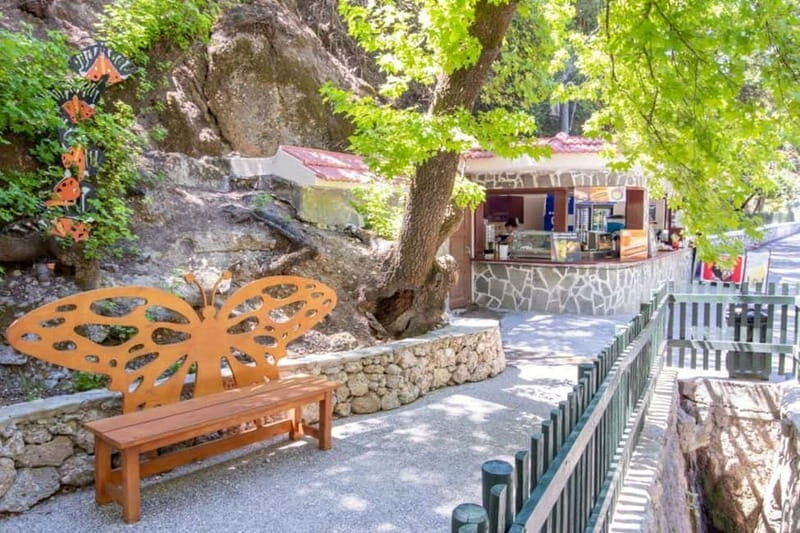
This trip works because it’s built around two very different moods, both within reach in one coach ride. Butterfly Valley gives you cool shade, moving water, and the feeling of stepping into a smaller, greener world on Rhodes. Then Filerimos Hill swings the day toward views and layered sites—ancient Ialyssos, early Christian remains, and the famous cross.
I like that the schedule doesn’t demand advanced Roman-archaeology knowledge. You can enjoy the ruins even if you’re not chasing every detail. And if you’re the type who loves a good “walk to a view,” Filerimos delivers the payoff.
The main consideration is effort. You’ll be walking, the paths can be uneven, and you may deal with steps. One review even calls out that it’s not ideal for people who struggle with climbing.
You can also read our reviews of more tours and experiences in Faliraki.


Pickup and coach ride: what “comfort” looks like in real life
You get pickup from select meeting points across Rhodes, and the provider labels the bus with a Captain’s Tours logo—look for bus number 30. Your pickup time comes from the operator after you pick your meeting point, so keep an eye out for that message rather than trying to guess the window.
Once you’re onboard, you’re on an air-conditioned coach. That’s the baseline comfort you want in Rhodes. Still, a couple comments mention the coach can feel basic, even if it gets the job done.
One practical reality: these coach routes often stop at lots of hotels on the way out and on the return. That can mean some waiting and a little “when will we move” time. The plus is you get dropped back at your meeting point, not a random end of the line.
Also, roads can be narrow. The driver’s skill with tight streets came up more than once, which matters more than you’d expect when you’re stuck on board.
Valley of the Butterflies: the shaded walk is the real attraction
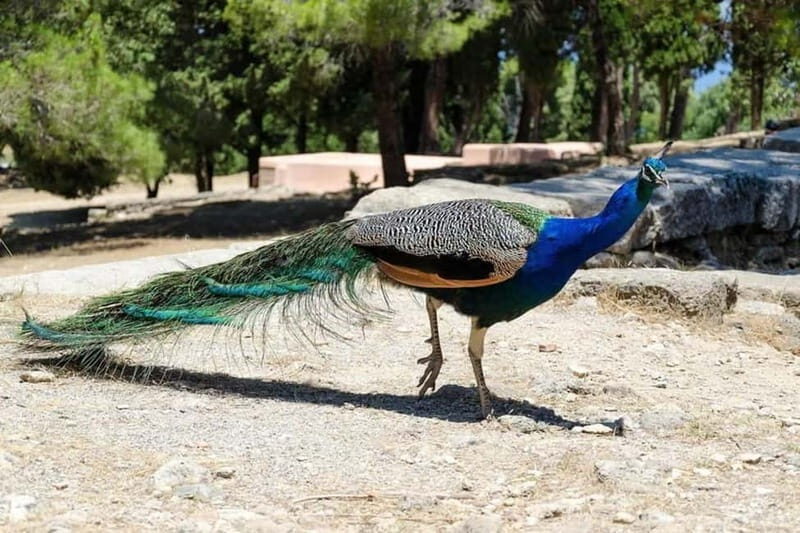
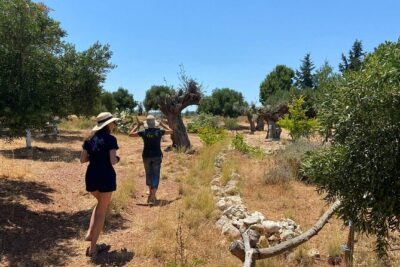
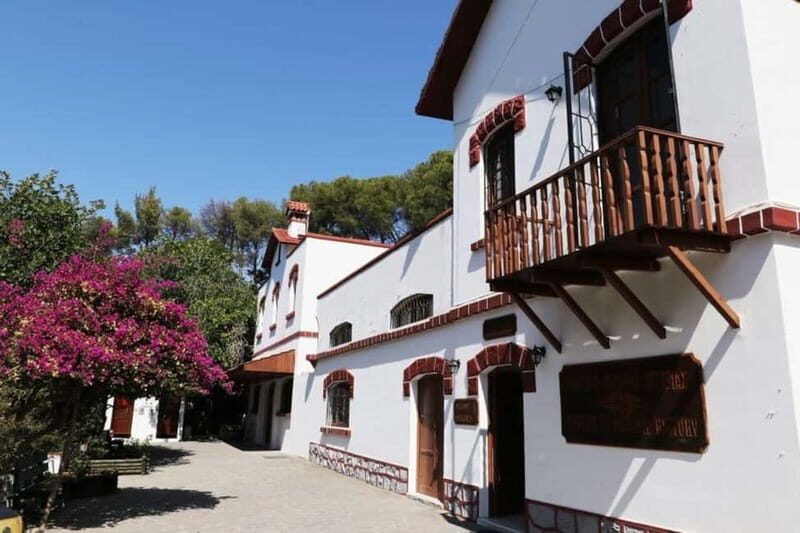
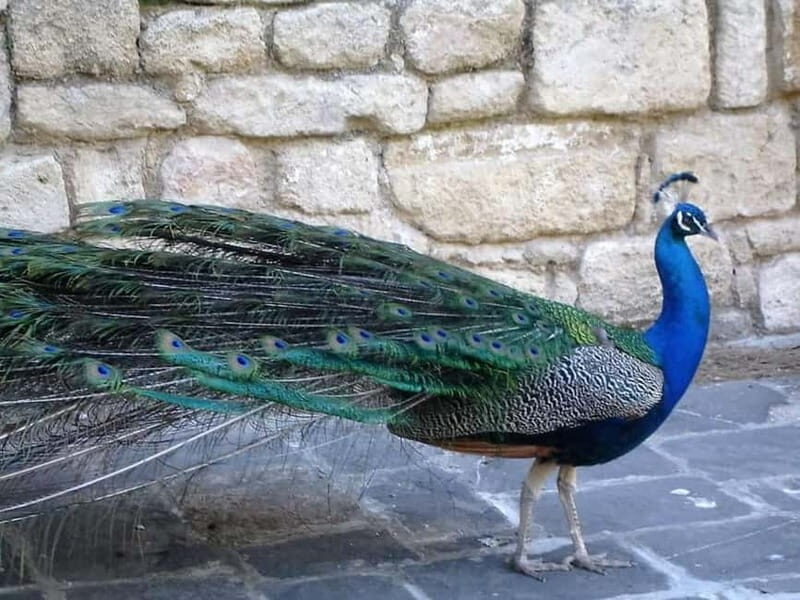
Even when the butterfly/moth numbers aren’t at full peak, Butterfly Valley still earns its keep. The walk is what you’ll remember: shaded paths, clear running streams, and those little pockets of life tucked along the route. Add in a few unexpected moments—like peacocks showing up—and the valley stops feeling like a checklist.
Here’s the detail worth knowing: butterflies can be easier to spot higher in the valley. One person noted initial disappointment because they were actually moths; later, the clusters increased as they walked deeper. So if you arrive and think, not much is happening—keep going a bit farther along the path before you decide the valley is empty.
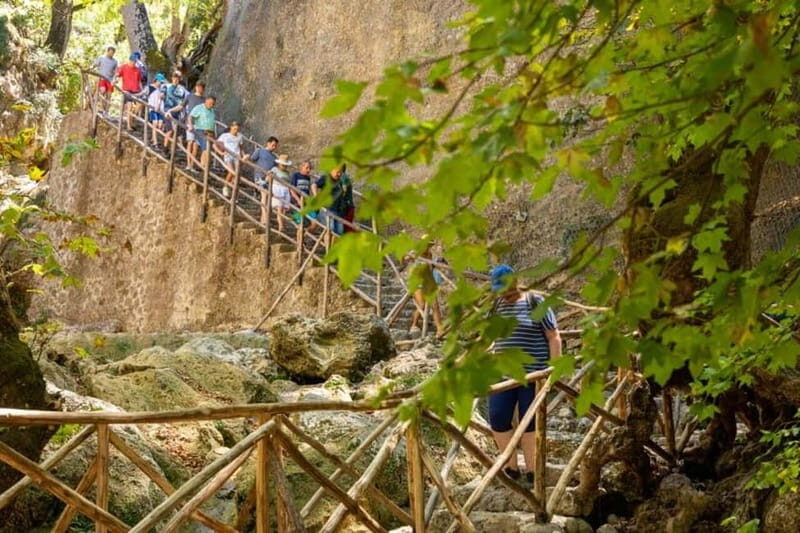
Shoes matter. Some sections are uneven and can be slippery, so you want comfortable footwear with grip. If you’re traveling in warm months, plan for heat too, but the good news is the valley is often cooler because of tree cover.
Where to spend your time in the valley (and how to not miss the best part)
This is self-guided time, which is part of the charm. You choose the pace, but that also means you should think about priorities before you walk in.
If you want the best chance at more clustered wings/moths, aim to walk further up the valley rather than stopping at the first scenic spot. One review describes that the valley becomes more interesting the longer you stay in it.
You may also notice the path continues toward a taverna after the stream. That final stretch can feel harder in hot weather, and one commenter suggests turning back to the shaded central area for a drink rather than pushing all the way when the heat is strong. That advice makes sense: you’re trading shade and comfort for a shorter route to the end.
Don’t assume you’ll cover every inch. Another traveler said they couldn’t finish everything in the time they had and wished for an extra half hour. So if you’re the type who likes “wander slowly and photograph everything,” be ready for the day to feel time-compressed.
Filerimos Hill and the citadel of Ialyssos: ruins with a viewpoint payoff
After the valley, the trip shifts from nature paths to Filerimos Hill, a hill rising about 267 meters where the ancient town of Ialyssos once stood. The vibe changes fast. Instead of shaded greenery, you get open-air stone, ruins, and the feeling that the hill has been watching the island for centuries.
I like Filerimos because it’s not just one landmark. It’s a sequence: foundations, churches, and stations along roads that make you move through the site in a logical loop. And because it’s a hill, you get repeated chances for views even if you don’t climb to every top-level point.
The trade-off is distance and effort. If you’re going with family or little kids, some reviews say the time can be adequate. But if you want to spend more time exploring higher viewpoints, you’ll likely want a longer excursion than this one.


Temple foundations, an early Christian basilica, and a subterranean church
This is the part of the day that adds meaning beyond scenery. On Filerimos, you’ll see the foundations of the Temple of Athena Polias, plus an early Christian basilica area and a small subterranean Byzantine church.
Even if you’re not a deep-into-theology person, these stops help you understand why Filerimos became a layered sacred site. Different eras reused the hill’s importance, and you can physically see how the structures connect to the terrain and to paths through the area.
Because you’re exploring independently, I recommend going at a steady pace and stopping long enough to orient yourself. Look around before you move on, not while you’re already climbing. The terrain is part of the story here.
If you’re drawn to “what survived and what doesn’t,” this is the most satisfying portion of the trip.
Golgotha and the Road of Martyrdom: the Italian-built 18-meter cross
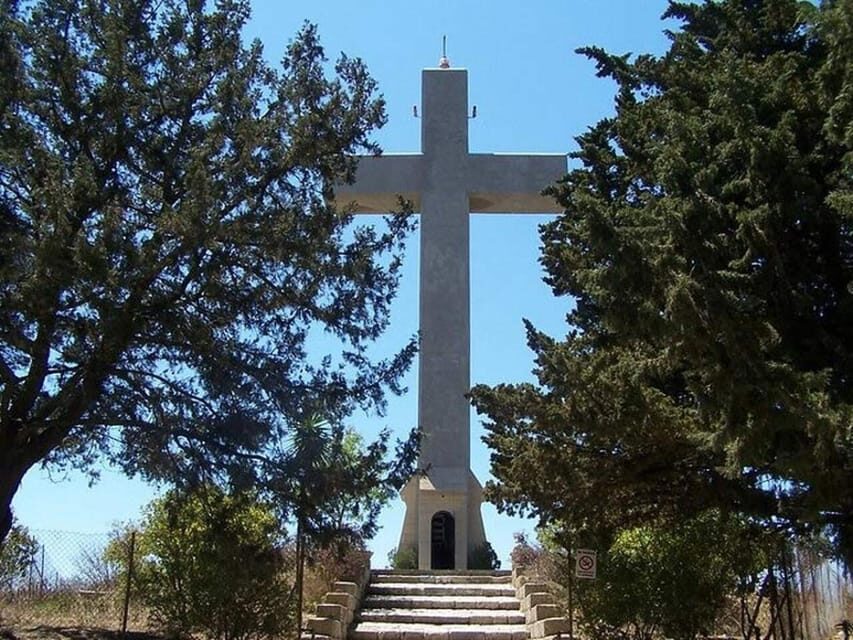
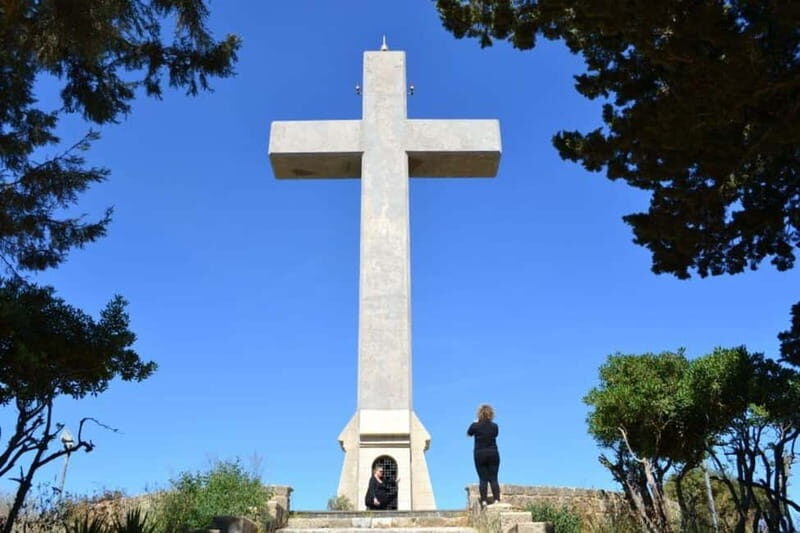
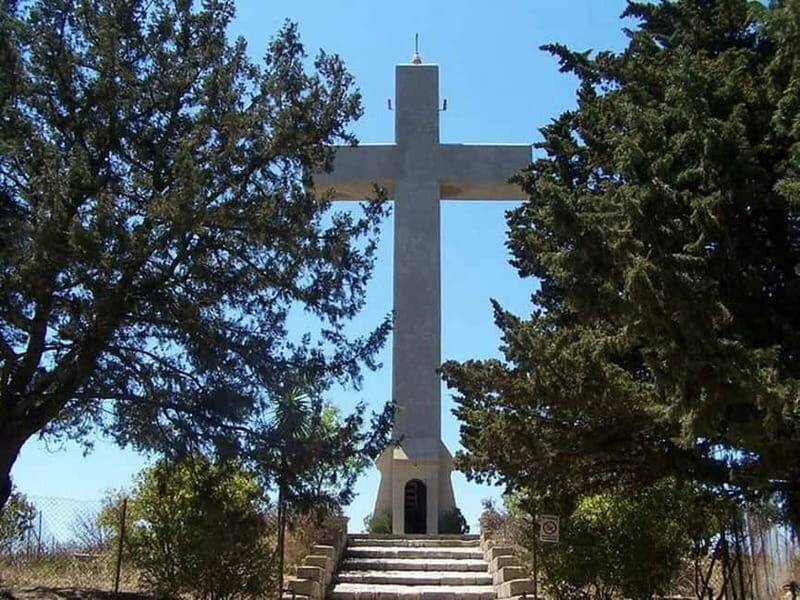
The itinerary-style route heads toward the westernmost point of the hill, tied to Golgotha, and along the Road of Martyrdom. The emotional punch arrives at the end: an 18-meter tall cross raised by the Italians in 1930.
You don’t need special historical context to get why people make this stop. It’s tall, it’s visible from far enough away to feel like a landmark, and it anchors the walking path like a finishing line.
One review adds a useful practical tip about cost: it’s possible to turn right at the entrance area and still see the massive cross and scenery/views for free. That doesn’t mean you should skip the ticketed areas if you want them, but it does mean you have options if your budget is tight or if you just care about the best view moment.
Price reality check: $23 transport is good value, but tickets are extra
At $23 per person, this sounds like a bargain. And for what it includes—pickup/drop-off from designated meeting points plus air-conditioned coach transport—it can be a very cost-effective way to see two areas without dealing with rental-car stress or transfers.
But the key point is that entrance fees are not included. You’ll pay on-site for archaeological sites. You may also face extra ticket costs at specific places depending on what you choose to enter.
One review gave concrete examples: butterfly valley had an extra fee (not included), and the monastery entrance was described as an additional cost. Another person mentioned a possible fee for going to the top of the acropolis area. Those costs are outside the tour price, but they’re real for your budget planning.
So how do you judge value? If you’re happy with self-guided exploration and you mainly want transport plus time in the sites, the $23 does the job. If you plan to enter every paid area, you’ll spend more. Still, the trip can remain a good deal because the coach handles the Rhodes logistics.
Food, timing, and heat: why this day can feel short
This is designed as a 6-hour outing, which sounds relaxing until you’re standing on a hill and walking through a valley. You should plan for limited flexibility.
A couple comments point to the same theme: Filerimos time is tight if you want more than around an hour, and butterfly valley time can feel just enough if you want a long, slow walk or extra photos. One traveler suggested adding about 30 minutes would make things easier, especially in busy peak season.
Also, peak season means lines at entrances and crowded paths. Even so, the stream of people can keep moving, so you’re not usually stuck in one place for long.
If you get hot easily, treat shade as your friend. Butterfly valley is often cooler because of trees, but some final uphill stretches toward a taverna area can get intense. Bring your water and pace yourself.
Who should book this trip, and who should skip it
This fits best if you want a balanced Rhodes day: nature + ruins + a big viewpoint moment without spending all day in a car. It’s also ideal if you like self-guided exploration where you can stop, look, and take photos without keeping track of a group pace.
It may be frustrating if you have mobility limits. The trip is explicitly not suitable for back problems, mobility impairments, or wheelchair users. The walking is real, paths can be uneven, and there are stairs/climbing involved.
For families, it can work if kids are steady on their feet and you’re okay with shorter time blocks at each stop. One review specifically says the time was adequate for a family with young children.
For photographers, it’s a solid mix of subjects: streams and shade in the valley, and more dramatic angles on Filerimos with the 1930 cross.
Should you book? My practical yes-or-no
Book it if you want an efficient way to see two of Rhodes’ very different side trips in one day: the cool, shaded Butterfly Valley walk and the church-and-ruins stops on Filerimos Hill, capped by the 18-meter cross. The $23 price can feel especially fair because the coach handles pickup and transport.
Skip it if you hate steps, uneven ground, or if you’re looking for a fully guided museum-style experience. Also reconsider if you’re the kind of person who must enter every site and wants extra time to linger—this one can feel rushed once you start paying attention to details.
FAQ
How long is the trip?
It lasts about 6 hours.
What is the price per person?
The price is listed as $23 per person.
Where does the pickup happen?
Pickup is from select meeting points on Rhodes. You choose a pickup point, and the provider contacts you with the pickup time.
Is the bus identified so I can find it?
Yes. The guidance says to look for bus number 30 with the Captain’s Tours logo.
What’s included in the price?
Pickup and drop-off from designated meeting points and transport by air-conditioned coach.
What’s not included?
Entrance fees to archaeological sites, food and drinks, and a guide.
Is the Butterfly Valley museum included?
The museum of natural history at Butterfly Valley is mentioned, but entry is not included.
Is there walking involved?
Yes. Comfortable shoes are recommended because there is walking and the paths include steps and uneven/slippery sections.
Is this tour wheelchair accessible?
No. It is not suitable for wheelchair users, and it’s also not suitable for people with back problems or mobility impairments.
Do I need to pay extra once I arrive?
Yes. Entrance fees to archaeological sites must be paid on site. Some areas you might want to enter (like monastery or top viewpoints) can also cost extra depending on what you choose to do.
If you want, tell me your travel month and whether you’re planning to prioritize the paid monastery/top areas or just the free views, and I’ll help you estimate what to budget beyond the $23.