REVIEW · TOMATO INDUSTRIAL MUSEUM
Santorini: Tomato Museum Admission Ticket with Audio Guide
Book on GetYourGuide →Operated by Tomato Industrial Museum "D.Nomikos" · Bookable on GetYourGuide
A tomato factory might sound niche, but Santorini’s cherry tomato is the star here. This ticket gets you into the old industrial site of the D. Nomikos factory and lets you wander through the process with an audio guide in multiple languages. I love that it is built for self-paced exploring, and I also like the hands-on payoff: you get to taste the cherry-sized tomato. One small drawback to plan for: you’ll need your own headphones to use the audio guide.
You’ll spend about a day moving through the complex at your own speed, jumping from cultivation to processing and production. The museum doesn’t just point at objects; it explains how tomatoes were grown and handled from the late 1800s, using machines, exhibits, and audio-visual material from former factory workers.
Price-wise, at about $14 per person, this feels like good value because admission includes the audio device and access to the museum shop. Just don’t expect a live, guided group tour here.
In This Review
- Key Points You Should Know Before You Go
- Tomato Factory History, In Real Buildings in Vlychada
- How the Self-Paced Audio Guide Works (and Why It’s a Plus)
- Three Museum Zones: Cultivation, Processing, and Production
- Zone 1: Cultivation and Island Methods
- Zone 2: Processing Machinery and How Work Got Done
- Zone 3: Production and the Story Through Time
- Taste the Cherry Tomato: Small Fruit, Big Personality
- The Museum Shop: What to Buy Without Guesswork
- Price and Logistics: Getting There From Fira Without Headaches
- Where it is
- Public bus reality check
- What’s not included
- Who This Works For (and Who Might Skip It)
- Should You Book the Santorini Tomato Museum Ticket?
- FAQ
- How long does the Santorini Tomato Museum visit take?
- Where is the meeting point?
- Is the audio guide included, and what languages are available?
- Do I need to bring anything?
- What is included in the ticket price?
- Is food or drinks included?
- Is the museum wheelchair accessible?
Key Points You Should Know Before You Go

- Audio guide in 5 languages (English, French, German, Italian, Greek) so you can go at your pace
- Industrial factory setting in Vlychada tied to the D. Nomikos tomato operation
- Learn traditional methods from the 1890s and how processing worked back then
- Taste the cherry-sized sweet Santorini tomato as part of the experience
- Three main areas in the complex so you can choose how long to linger
- Museum shop access for products made with the local tomato
Tomato Factory History, In Real Buildings in Vlychada
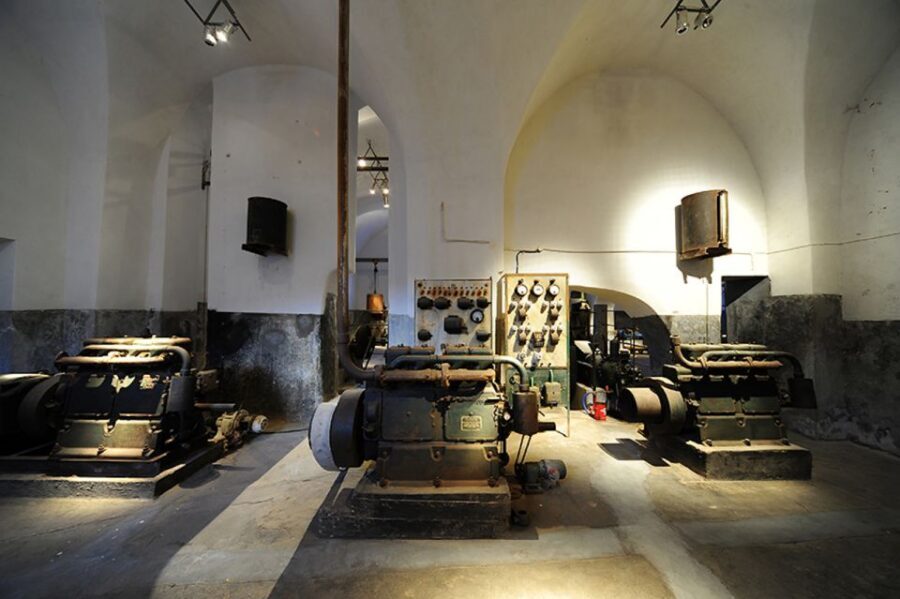
If you’ve come to Santorini for views, beaches, and caldera sunsets, this museum is a nice left turn. It takes you to Vlychada to see an industrial production site tied directly to one of the island’s most famous crops. The Tomato Industrial Museum, D. Nomikos, focuses on the cherry tomato that has been cultivated on the island since the end of the 19th century.
What I like about this place is that it does not feel like a lecture hall. You’re walking through a real complex designed around tomato production. That matters, because the story of the Santorini tomato isn’t only about flavor. It is about how people worked, processed, and produced food with the tools they had, then turned it into something people still seek today.
The museum experience is organized into three big areas. That structure helps you avoid the common museum problem where you either rush through everything or get stuck in one room for too long. You can move section to section and control your own rhythm.
How the Self-Paced Audio Guide Works (and Why It’s a Plus)
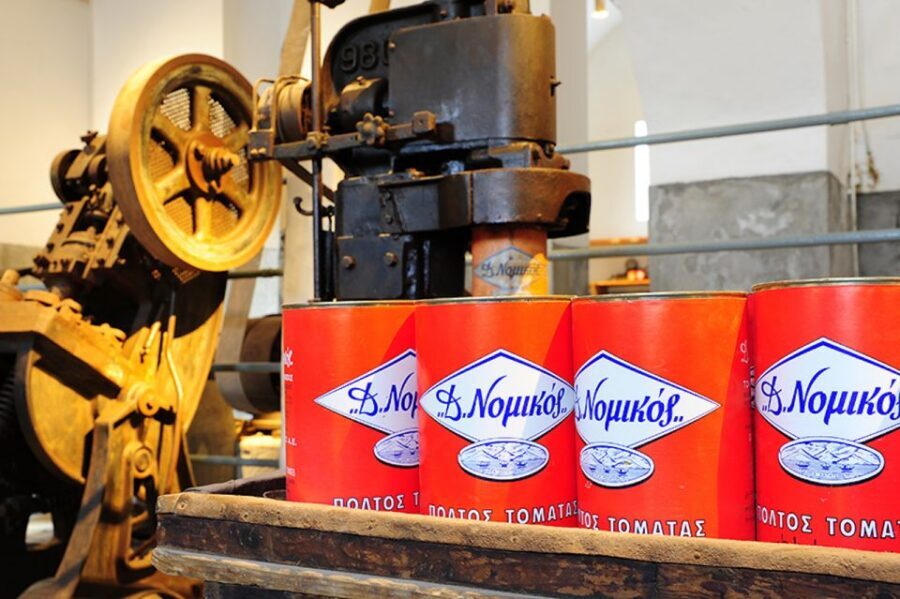
This admission includes an audio guide device for five languages. You can explore independently across the museum grounds, pausing when something catches your attention and skipping ahead when you want to keep momentum.
Bring headphones. The museum specifically notes that you should come with them, and it will make the difference between a smooth visit and a messy one.
I also like the language setup. You get the full audio guide in English plus four other languages. If you’re traveling with someone who prefers a different language, you can still keep the visit together while each of you listens to your own audio track.
Because it is self-guided, you can also tailor the visit to your style:
- If you like process and machinery, you can spend extra time in the processing/production zones.
- If you care most about how the tomato developed over time, you can focus on the cultivation and historical method sections.
- If you’re simply hungry for the flavor, you can prioritize the parts of the experience that lead to tasting and the shop afterward.
Three Museum Zones: Cultivation, Processing, and Production
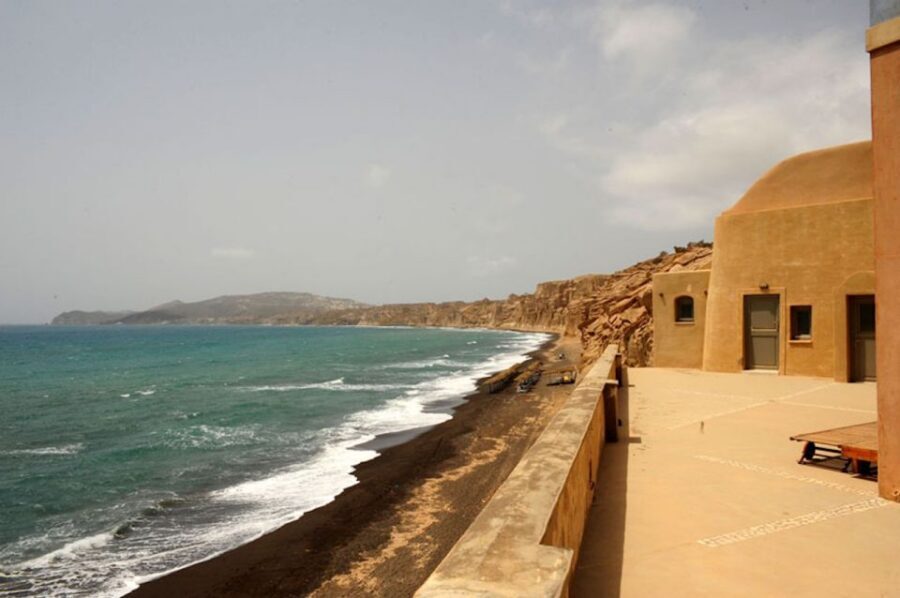
The core of your visit is learning how the tomato moved from plant to product. The museum guides you through cultivation, processing, and production, with particular attention to traditional methods used by island producers, including practices from the 1890s.
Zone 1: Cultivation and Island Methods
In the cultivation area, you’re getting the background that makes the tomato make sense on Santorini. You’ll learn how the island’s tomato producers handled growing techniques and how the cherry tomato became a recognized product over time.
This section is most useful if you want to understand why the tomato is more than just a salad ingredient. It helps you connect the crop to the local production culture that shaped it from the late 1800s onward.
Zone 2: Processing Machinery and How Work Got Done
Then the focus shifts toward what people actually did after harvest. You’ll see processing machinery and exhibits that explain how tomatoes were handled and prepared in an industrial setting.
This is where the museum gets more tangible. Instead of reading about food production, you’re looking at the equipment and thinking through the steps. Even if you don’t read every label, seeing the production workflow helps your brain build a timeline.
The museum also includes audiovisual material tied to former factory workers, giving you firsthand context about a now-gone industrial era. That human element matters because it turns a list of steps into real labor and real routines.
Zone 3: Production and the Story Through Time
Finally, you’ll connect the earlier cultivation and processing steps to production outcomes. This zone ties together how the tomato was produced as a famous local product, cultivated on the island since the late 19th century.
This is also a good part of the visit for slowing down. If you spend too little time earlier, this zone can help you understand the big picture before you move on to tasting and shopping.
Taste the Cherry Tomato: Small Fruit, Big Personality
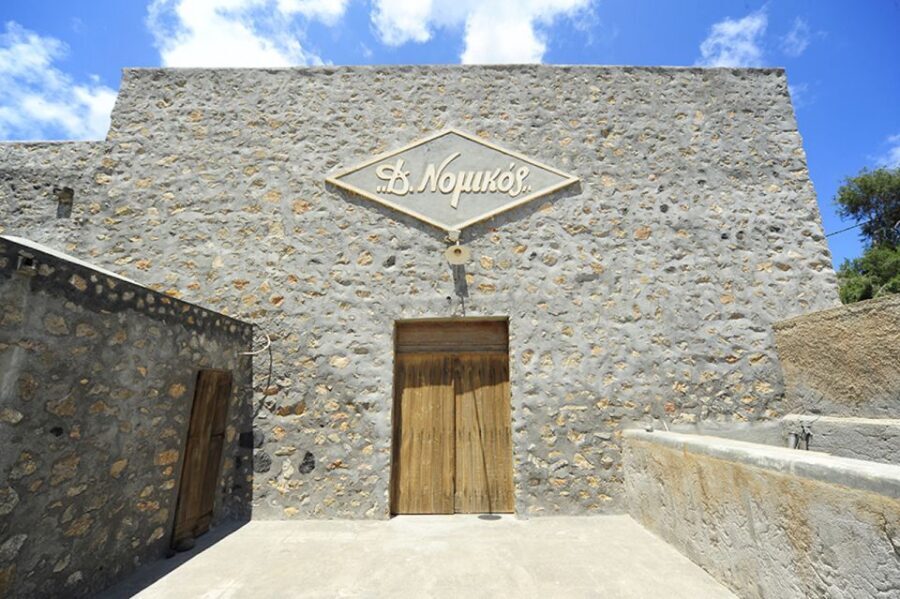
The highlight people remember is the tasting of the cherry-sized sweet tomato. This is not just a snack break. It is the point where all the history and machinery talk clicks into something you can taste.
The museum describes the tomato as sweet and cherry-sized, with a distinctive flavor tied to its island production. For me, that is the practical goal of the experience: you leave knowing what the fuss is about, not just hearing about it.
Tip: treat the tasting like your anchor. After you taste, walk back through whichever zones connect most to what you think you’re tasting. It turns the visit into a feedback loop: learn, taste, then re-learn with your senses switched on.
The Museum Shop: What to Buy Without Guesswork
After you’ve worked through the production story, you can shop. The museum includes access to a boutique where you can buy different products made using the Santorini tomato.
This is one of the smartest parts of the whole visit. It helps you avoid the common souvenir problem where you buy something vague and then wonder what to do with it later. Here, the shop is directly connected to the tomato story you just explored, so your purchases feel grounded.
If you’re buying for people back home, think about practicality:
- Choose products that match what you tasted.
- Look for options that will survive travel and storage, since you’re coming from Santorini with limited packing space.
- If you’re unsure, pick something that is clearly tomato-based and easy to use.
Price and Logistics: Getting There From Fira Without Headaches
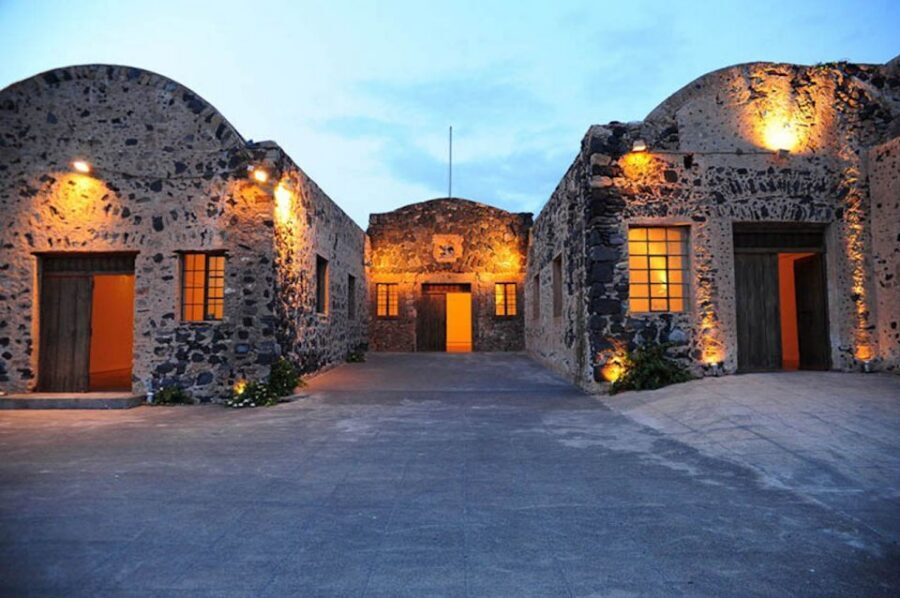
At around $14 per person, this ticket includes admission to the complex, the audio guide device in five languages, and access to the product boutique. Compared to many attractions where the audio costs extra, this feels like a tidy deal.
You’re also looking at a 1-day visit window. That doesn’t mean you’ll be there for all day if you don’t want to be, but it gives you flexibility based on your start time.
Where it is
The meeting point is the Tomato Industrial Museum, D. Nomikos. From Fira, the museum is reachable by taxi or public bus.
Public bus reality check
A bus connection with Fira runs every two hours. That’s helpful, but it also means you should plan your return time before you settle into the last museum zone and the shop. If you’re the kind of person who loves lingering, give yourself a buffer so you’re not rushing at the end.
What’s not included
Hotel transfer, food and drinks, and a live guide are not included. So plan to handle your own meals and transportation. The museum experience is built around the audio guide, not a guided group.
Who This Works For (and Who Might Skip It)
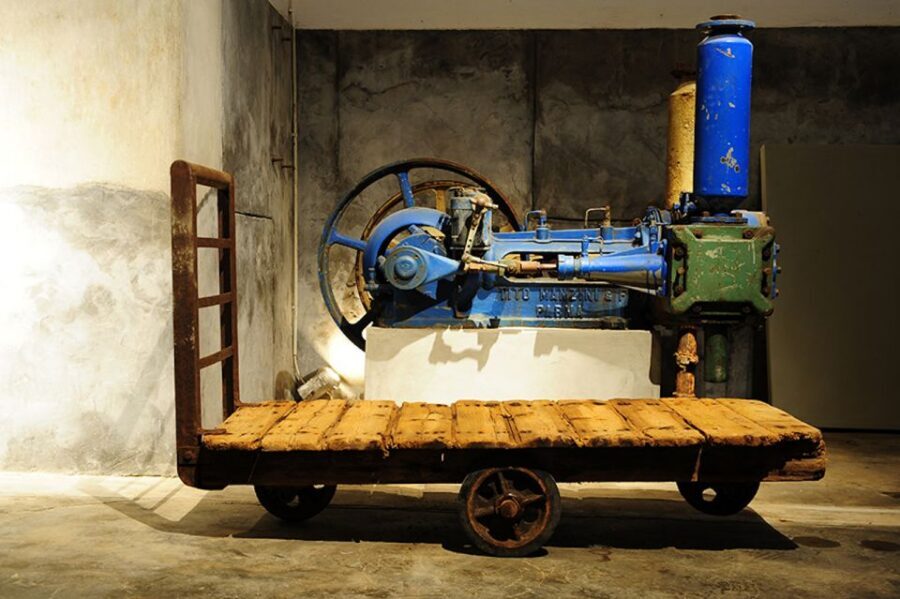
This museum is best if you want a Santorini experience that is about production and local food craft, not only scenery. It is a strong fit for:
- Food lovers who want context behind what they eat
- Families looking for an attraction that can move quickly through key areas (the visit is designed as three big zones, not a long maze)
- Anyone who prefers self-paced touring with an audio guide in their language
It might be less ideal if you want a conversational, live guide-led storytelling session. You’ll get explanations through the audio device and exhibits, not a live person running a group.
Also, if you dislike audio-based attractions or you’re short on time, keep your expectations aligned. This place rewards listening and walking. It’s not the type of stop where you can sprint through and still get the full value.
Should You Book the Santorini Tomato Museum Ticket?
If you’re curious about how a crop shaped a local industry, I think you should book this. For a low ticket price, you get admission plus a 5-language audio guide, three museum areas centered on cultivation and processing, and a taste of the cherry tomato. That combo is the rare mix: educational without feeling like school, and fun without being random.
Skip it only if you’re strictly sightseeing-only, want guided conversation with a live host, or you know you won’t use an audio device. If you do use your headphones and follow the audio through the three zones, this is the kind of stop that sticks with you because you end with flavor, not just facts.
FAQ
How long does the Santorini Tomato Museum visit take?
The experience is listed as valid for 1 day, so you can plan your timing based on the available starting times.
Where is the meeting point?
The meeting point is the Tomato Industrial Museum, D. Nomikos, reachable from Fira by taxi or public bus.
Is the audio guide included, and what languages are available?
Yes. The ticket includes an audio guide device in five languages: English, French, German, Italian, and Greek.
Do I need to bring anything?
You should bring headphones to use with the audio guide device.
What is included in the ticket price?
Admission to the museum complex is included, along with the audio guide device and access to the product boutique.
Is food or drinks included?
No. Food and drinks are not included.
Is the museum wheelchair accessible?
Yes. The museum is wheelchair accessible.