REVIEW · KALAMATA
Sea Kayak in Kardamili
Book on Viator →Operated by Explore Messinia · Bookable on Viator
Kayaking past caves feels like a secret route. This 4.5-hour sea-kayak day trip along the Mount Taygetos coast is built around getting you safely into the action, then letting you paddle into coves and caves—often with moments that feel like you’re inside the coastline itself, including the Blue Cave swim. I love the hands-on technique teaching before you launch, and I love the mix of adventure plus comfort, especially the beach picnic and free time for swimming and snorkeling. The one real thing to watch is wind and weather: the trip runs only in favorable conditions, and that can make the paddle back feel a bit more work.
The guides run a tight, safety-first day. Names that come up again and again include Yiannis and Panos, plus Giorgos (sometimes spelled Yianis) and George, with the whole crew being BCU trained and certified. With a small group—max 15—you’re not lost in a crowd, and you’ll get real attention with your strokes and gear.
You’ll also want to plan your expectations: transportation to and from Kardamyli is on you, the total time includes prep, and you should bring the right shoes for wet landings and beach time.
In This Review
- Key things that make this sea-kayak trip worth your time
- Why Kardamyli feels made for sea kayaking
- The pre-launch setup: gear, safety, and getting your strokes right
- Delfinia Beach: the first taste of the route
- Entering the caves: what makes the Blue Cave moment so special
- Foneas Beach: picnic time, snorkeling, and that long exhale
- Kalogria Beach: the Zorba connection on a Greek shoreline
- Lunch on the beach: what’s included and why it’s a good value
- Timing and what the full 4.5 hours actually feel like
- What to bring so the day stays fun (not annoying)
- Price and value: what you get for about $106
- Who should book this sea kayaking trip (and who should consider alternatives)
- Should you book Sea Kayak in Kardamili?
- FAQ
- How long is the sea kayaking experience?
- Where does the tour start and end?
- What beaches and cave experiences are included?
- Is lunch included?
- What sea kayaking equipment is provided?
- Do I need my own kayak or snorkeling gear?
- What should I bring?
- What happens if weather is bad?
- Is this tour suitable for children?
Key things that make this sea-kayak trip worth your time
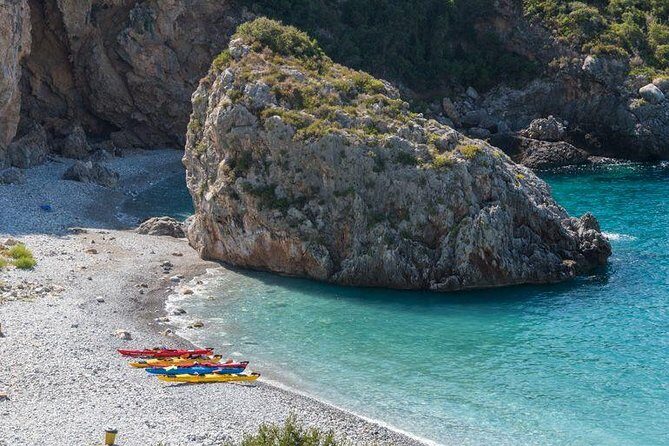
- Caves you can enter by kayak: you don’t just view the coast from above; you paddle into the rock.
- Practical instruction from certified guides: you learn how to handle a sea kayak and stay safe.
- Two main beach stops: Delfinia Beach first, then Foneas Beach for the longest break and picnic.
- Blue-water swimming moments: including a cave swim that many people remember as the highlight.
- A real beach picnic, not a snack: traditional Greek items with fruit included.
- Small-group feel: up to 15 people, so it stays personal.
Why Kardamyli feels made for sea kayaking
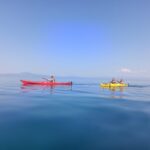
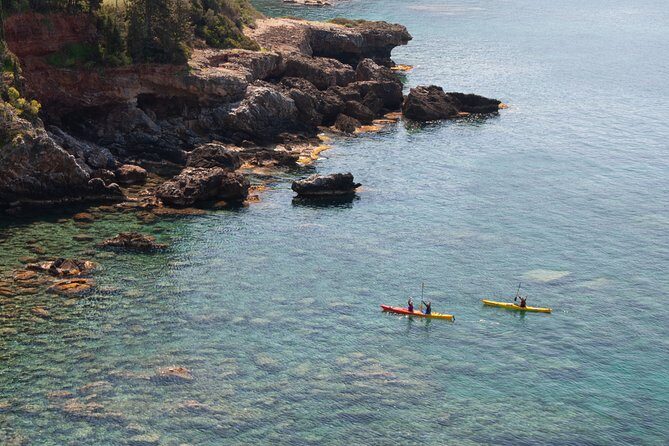
Kardamyli sits on a part of Greece where the coast has attitude—rocky edges, cut-in coves, and that mix of calm water pockets with sudden open-water stretches. That’s exactly what makes sea kayaking here fun. Instead of a straight “go here, come back” route, you get a changing coastline that keeps the day moving.
The day is built around the Mani coastline vibe without feeling like a marathon. You’re out long enough to feel like you earned the views, but not so long that you’re cooked by hour one. Many people come for the caves and clear water, then stay for the feeling that the coastline is doing the storytelling—Mount Taygetos looms behind it all, and the beaches and coves feel tucked into the rock for a reason.
Also, the pace is practical. You get a preparation block, then dedicated paddling time, and then a proper break. If you’re the type who likes a schedule you can handle, this format works.
A few more Kalamata tours and experiences worth a look
The pre-launch setup: gear, safety, and getting your strokes right
Before you paddle anywhere, you get time to get set up and learn how to use the kit. This isn’t just a quick handout. You’re getting trained support for a sea kayak day, with the equipment that matters when you’re on the water.
You’ll use full sea-kayak gear, including the boat, paddle, life jacket, spray-skirt, and dry bags (plus snorkeling equipment). That matters because conditions on the coast can change, and a spray-skirt helps you handle choppier water better. You’ll also get guidance on the right technique so you don’t spend the first hour fighting the kayak.
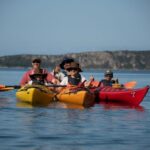
What I like about this kind of start is that it reduces the “I hope I can do this” stress. The guides—names you may hear like Yiannis, Panos, Giorgos, and George—put safety first, so you’re not left guessing. If you’ve never kayaked before, this is exactly where you want your first strokes to happen: with instruction, not after you’re already out in open water.
Delfinia Beach: the first taste of the route
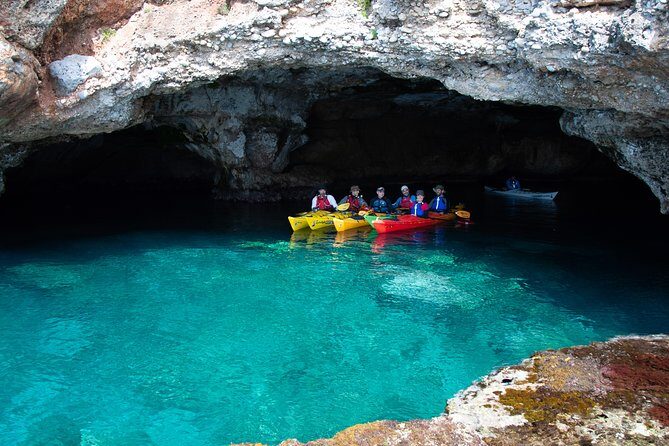
Your first stop is Delfinia Beach, and it works well as a warm-up moment. You’ll already be in your rhythm by then, but you still have enough energy left to enjoy the water and surroundings instead of just thinking about breathing and technique.
This early beach stop is the kind of place where you start noticing details you’d miss from a boat. The coastline shape changes fast here—rock formations, small ledges, and coves that look calm until you get near them. Delfinia gives you a chance to reset your body and your focus before you head toward the more cave-centered parts of the route.
A practical note: you’ll be in and around the water all day, so plan for wet transitions. Bring the right shoes (lightweight trainers, sandals with grip, or sea shoes work best) and expect to get splashed during prep and landing.
Entering the caves: what makes the Blue Cave moment so special
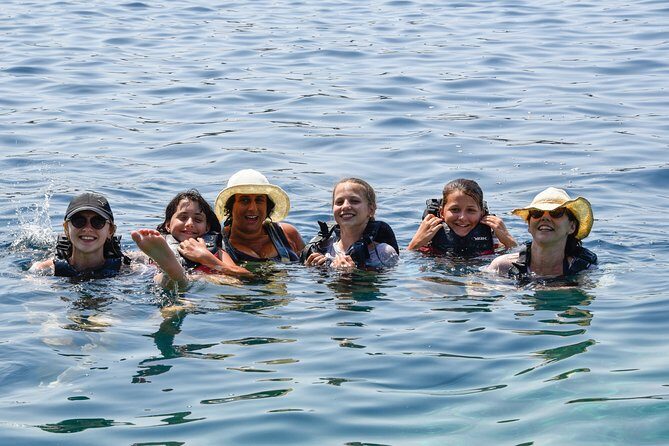
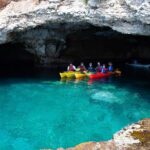
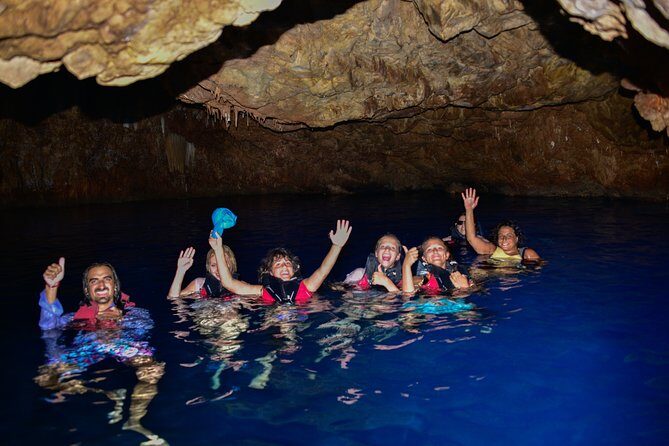
The big draw is getting into caves with your kayak. This isn’t a sightseeing-only stop. You paddle in while still maintaining your focus on safety and control, and then you get a chance to swim when conditions allow.
One cave experience that really sticks in people’s minds is the Blue Cave. Part of the magic is visual—light changes when you’re inside, and the water can look unreal. The other part is the “how did we get here?” feeling you only get when you’re moving under your own power and the rock walls are right there beside you.
There’s also a psychological boost that comes from learning the rhythm first and then using that skill inside the cave. If you start feeling confident, you relax more, and that’s when the experience turns from activity into memory.
Downside? Caves and swims depend on conditions. If the day has less-than-perfect weather, the guide may adjust the plan for safety. That’s normal for sea kayaking, not a failure of the trip.
Foneas Beach: picnic time, snorkeling, and that long exhale
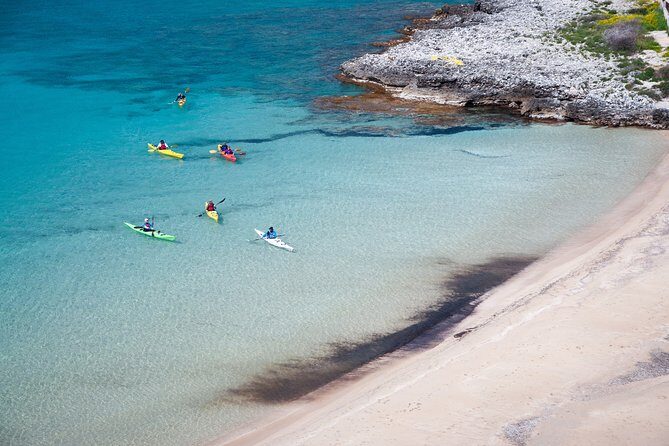
After the cave portion, the day slows down in the right way at Foneas Beach. This is the major break—your picnic and a longer stretch of free time. Think relaxation with options: you can snack, swim, snorkel, and just hang out without feeling like you’re always “on duty” with your paddle.
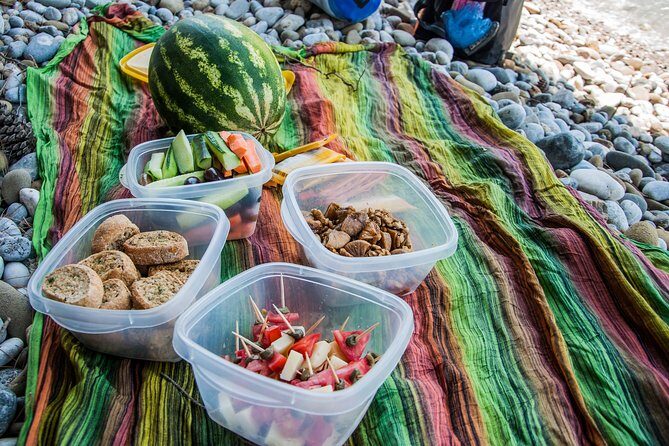
The picnic is included and built from local items. You’ll get fruits and traditional delicacies, and the bread-and-cheese style lunch people describe is exactly what you want on a beach day: filling, simple, and made for eating with your hands while you watch the water.
This is also where you can use the snorkeling equipment provided. In clear water, that’s often the best time to look around, because you’re rested and you’re not fighting a tired body. Even if you don’t snorkel, the point is the same: you get time to recover and enjoy the coast up close.
One more reason Foneas is a highlight: it’s scenic in a lived-in way. It doesn’t feel like a theme park viewpoint. It feels like a stretch of coast locals actually know and use.


Kalogria Beach: the Zorba connection on a Greek shoreline
Between the paddling and the beach breaks, you also get time around Kalogria Beach—and there’s a cool literary tie-in. It’s known for writer Nikos Kazantzakis meeting his hero for the book Zorba the Greek.
That detail matters because it adds a second layer to what you’re seeing. You’re not only looking at pretty water; you’re also moving through a coast that shaped Greek storytelling in a very direct way. It makes the day feel more anchored, like you’re passing through real places, not just generic coastlines.
If you like a travel day where you pick up a few cultural facts without turning the whole thing into a lecture, this kind of stop hits the sweet spot.
Lunch on the beach: what’s included and why it’s a good value
The lunch isn’t an afterthought here. The day gives you 1 to 1.5 hours of free time for your picnic plus relaxation, snorkeling, swimming, and other activities. That’s long enough to eat comfortably and not feel rushed.
What’s included is also more than you might expect for the price point. You get a picnic with fruits and traditional delicacies, plus photographs from the activity. In plain terms, you’re not just paying for a kayak. You’re paying for a day built around the whole experience—training, equipment, time on the water, and a meal that fits the setting.
And because it’s on the beach, you’re not hauling lunch around. That sounds small, but it makes the whole day feel easier.
Timing and what the full 4.5 hours actually feel like
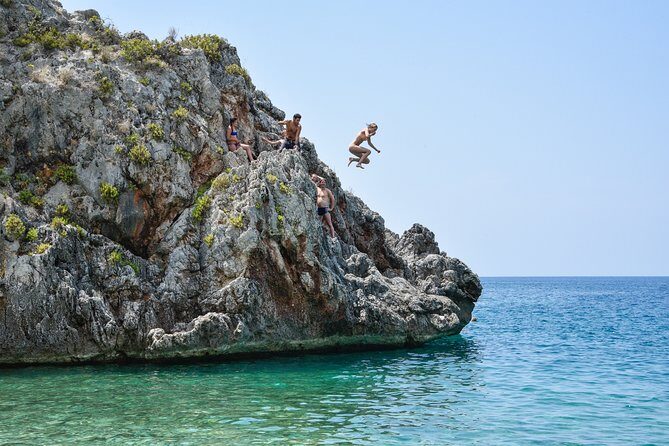
The total time is around 4 hours 30 minutes, starting at 9:30 am. It includes about 30 minutes for preparation, then 2 to 2.5 hours of paddling exploration, plus your free-time picnic block.
This schedule works because your energy matches the day. You get set up early, then you paddle long enough to feel momentum. The breaks come when your arms and back probably need it, which helps you enjoy the caves and swimming instead of turning everything into a struggle.
If you’re worried about stamina, don’t panic. The guides focus on safety and pacing, and most people can participate. Still, you should expect you’ll use muscles you didn’t plan to use—especially if it’s a breezier day.
What to bring so the day stays fun (not annoying)
I strongly recommend you pack like you’re going to be wet and sunny all day, because you are.
Bring:
- water
- hat and sun cream
- towel
- swimsuit
- an extra pair of shoes that will get wet (lightweight trainers, flip-flops, sandals, or sea shoes)
You’ll have dry bags for essentials, but you’ll still want wet-landing-friendly shoes. Avoid bulky footwear. Think light and quick on/off.
One small but helpful trick: keep your towel and dry clothing in a spot you can reach easily after paddling. When you’re wet and warm, you don’t want to rummage.
Price and value: what you get for about $106
At $106.08 per person, this isn’t the cheapest thing to do in the area—but it’s also not a “tourist-only markup” situation. You’re getting full sea-kayak equipment (boat, paddle, life jacket, spray-skirt, dry bags, snorkeling gear), BCU trained and certified guides, the picnic, liability insurance, and photographs.
That matters for value because kayaking days can get pricey when you start adding gear rentals, guide time, and food. Here, the essentials are folded into the price. You’re basically buying a complete half-day adventure with the kind of safety setup that lets you focus on the fun part.
The one added cost to remember is transportation to and from the harbor meeting point. The trip starts at Explore Messinia at Kardamyli Harbour (Kardamili 240 22), and it ends back at the same place.
Who should book this sea kayaking trip (and who should consider alternatives)
This tour is a great fit if you want an active day that doesn’t turn into a workout-only slog. If you like coastlines, clear water, caves, and the idea of eating lunch where you just paddled, you’ll enjoy it.
It also fits couples, solo travelers, and small groups because it stays organized and small (max 15). The guides can adapt their attention to the group size, and you won’t feel swallowed by a big crowd.
Kids can join, but children must be accompanied by an adult. And if you’re traveling with someone who’s nervous about water, the early training and life jacket setup can help you feel more confident.
If you already know you hate wind on open water, keep in mind that the route can feel more challenging depending on conditions. People mention winds can make the return stretch tougher, even when the trip stays well-run and safe.
Should you book Sea Kayak in Kardamili?
If your goal is a real sea kayaking day—caves, swimming time, and an included beach picnic—then yes, it’s an easy “book it” choice. The small group size, the certified guide training, and the fact you get full gear plus lunch make it feel like solid value.
Book it especially if you want something more authentic than a boat ride: you’re the one steering the story along the coast. Just go in ready for the weather reality, bring the right wet-shoe kit, and you’ll have a memorable half-day on the Mani coast.
FAQ
How long is the sea kayaking experience?
It runs for about 4 hours 30 minutes, including around 30 minutes of preparation, 2 to 2.5 hours of paddling exploration, and 1 to 1.5 hours for picnic and free time.
Where does the tour start and end?
It starts at Explore Messinia – Sea Kayak Kardamyli Harbour in Kardamili (240 22, Greece) and ends back at the same meeting point.
What beaches and cave experiences are included?
You’ll visit Delfinia Beach and Foneas Beach, and you’ll also have cave experiences while paddling. A cave swim related to the Blue Cave is a major highlight.
Is lunch included?
Yes. A picnic with fruits and traditional delicacies is included.
What sea kayaking equipment is provided?
You get full sea kayak equipment, including the boat, paddle, life jacket, spray-skirt, dry bags, and snorkeling equipment.
Do I need my own kayak or snorkeling gear?
No. The tour includes the kayak and snorkeling equipment.
What should I bring?
Bring water, a hat, sun cream, a towel, a swimsuit, and an extra pair of shoes that will get wet. Lightweight trainers, flip-flops, sandals, or sea shoes are recommended.
What happens if weather is bad?
The activity depends on favorable weather. If it’s canceled due to poor weather, you’ll be offered an alternative date or a full refund.
Is this tour suitable for children?
Children can participate, but they must be accompanied by an adult. Most travelers can participate, and the group is kept small.