REVIEW · GOUVES
Small Group Guided Tour to Zeus Cave and Lasithi Plateau
Book on GetYourGuide →Operated by Tours in Heraklion · Bookable on GetYourGuide
The most interesting part of this tour is the way it links myth, farming, and village life in one day. You travel from the northern coast into the mountains, passing old windmills, stone villages, olive oil country, and the cave associated with Zeus. It gives you a broader view of Crete than a beach day alone.
I like the small-group van because a group of up to seven people can make short photo stops without the slow shuffle of a large coach. I also like the human details: tasting Greek coffee and raki, seeing ceramic work, and hearing how olive oil is made. The main drawback is the pace. Seven hours with many stops means some visits are brief, and Zeus Cave requires an extra 6 euro entrance fee and walking on uneven ground.
In This Review
- Key points to know before booking
- From the coast to the Lasithi Plateau
- Malia gives the day an easy start
- Krasi and its 2,400-year-old plane tree
- Windmills and wide views on the mountain road
- Lasithi Plateau, villages, and old Cretan customs
- Zeus Cave and the cost of the main attraction
- A coffee stop with a taste of local hospitality
- Ceramic work, olive oil, and useful souvenirs
- Tzermiado and the optional lunch stop
- Potamies closes the route with one more view
- What the 117 dollar price really covers
- Who should book this Crete day trip?
- Should you book this Lasithi Plateau tour?
- FAQ
- How long is the Zeus Cave and Lasithi Plateau tour?
- What is included in the tour price?
- Is the Zeus Cave entrance fee included?
- Is lunch included?
- Where does pickup take place?
- Can I book this tour from Chania or Rethymno?
- What languages does the guide speak?
- Is the tour suitable for wheelchair users?
Key points to know before booking
- Zeus Cave adds myth and mountain scenery: The cave visit is the tour’s main natural and cultural attraction, with the entrance fee paid separately.
- The route is built around local life: An olive oil factory, ceramic workshop, cheese tasting, coffee stop, and traditional villages give the day a practical Cretan flavor.
- Krasi offers a memorable old tree: The village visit includes a look at a plane tree said to be 2,400 years old.
- You ride in a Mercedes-Benz van: Pickup and drop-off are offered from listed locations around Heraklion, Malia, Hersonissos, Gouves, and nearby resorts.
- Lunch is optional and extra: Plan for a 1.5-hour restaurant stop, but confirm the meal cost before ordering.
- The tour is not designed for limited mobility: Wheelchair users and people with mobility impairments should choose another outing.
From the coast to the Lasithi Plateau
This is a mountain excursion with a long list of short stops. The advertised duration is seven hours, so you should expect a full day rather than a slow village stroll. The route begins with pickup at your accommodation, Heraklion Port, or Heraklion Airport, then heads inland by private Mercedes-Benz van.
Pickup is available in places including Heraklion, Malia, Hersonissos, Gouves, Kokkini Hani, Karteros, Agia Pelagia, and Ammoudara. Drop-off is offered in the same general area. Chania, Rethymno, Agios Nikolaos, Ierapetra, and Sitia are outside the pickup zone, so this tour works best if you are staying near Heraklion or the north coast.
The vehicle matters here. Mountain roads and scattered villages are much easier to handle with a driver than with a rental car, especially if you want to stop for photographs and sample local drinks. The group is limited to 12 in the activity details, while the tour description presents it as a group of up to seven. Either way, it is intended to be much smaller than a standard coach trip. Confirm the final group size if that detail affects your decision.
Malia gives the day an easy start
The first listed stop is Malia, with about 30 minutes for a guided visit and shopping. This is not the main reason to book the tour, but it provides an easy introduction before the road climbs toward the plateau.
Keep your expectations in check. Thirty minutes is enough for a quick look and perhaps a small purchase, not a thorough visit to every part of town. The value here is convenience: the stop breaks up the first drive and lets you begin the day at a relaxed pace.
From Malia, the van continues for about ten minutes to Krasi.
Krasi and its 2,400-year-old plane tree
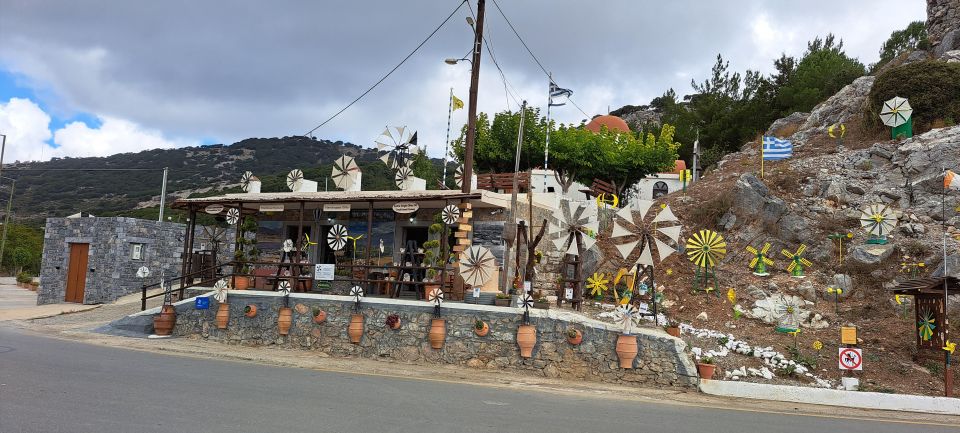
Krasi is one of the more appealing village stops because it has a clear point of interest. You get time to walk around and see a plane tree described as 2,400 years old. That age gives the stop a sense of scale that a quick roadside photo cannot match.
The visit is listed at about 15 minutes, so this is a brief pause. You will have time for photographs and a short walk, but not an extended village exploration. Wear shoes with a firm sole, since old village streets and outdoor paths are not always smooth.
Krasi also helps explain the appeal of this part of Crete. The tour is not only about grand sights. It uses small places, old trees, local buildings, and everyday customs to show how mountain communities have kept their identity.
Windmills and wide views on the mountain road
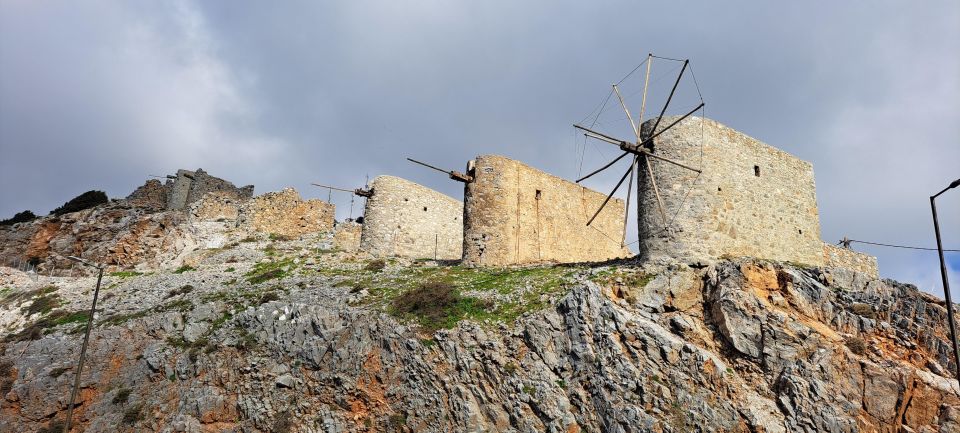
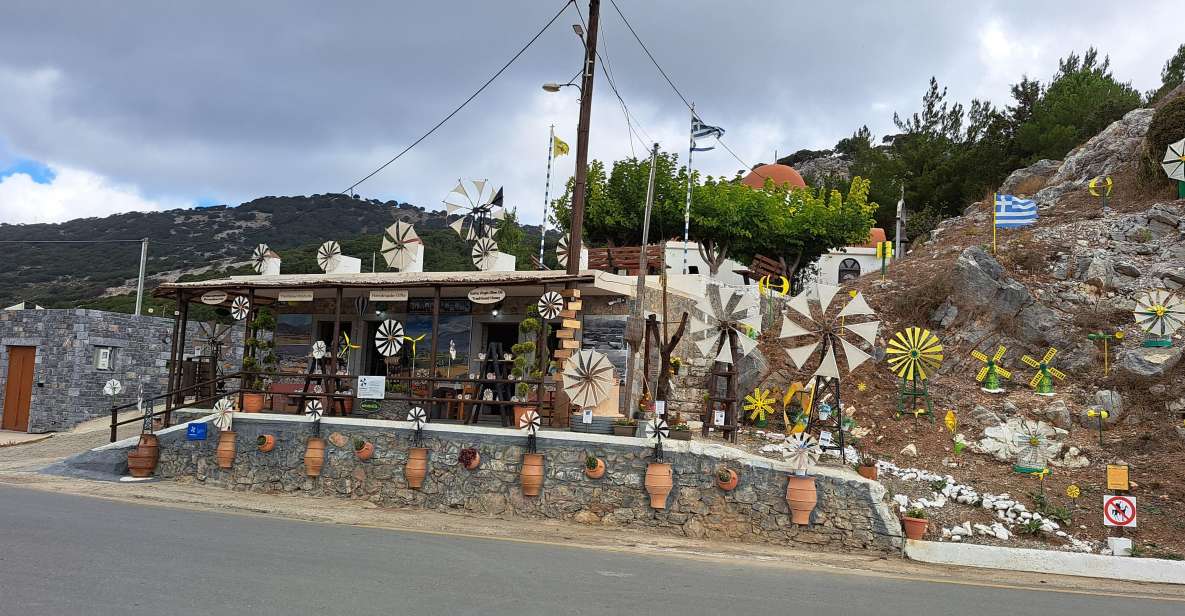
The next short stop is for photographs, sightseeing, and views along the route. The area is known for its old windmills, once used to help irrigate the fertile plateau. They are a useful reminder that the scenery here was shaped by farming as much as by nature.
The windmills are an especially good subject for your camera because they connect the view with the work that made settlement possible. You are not simply looking at an attractive mountain setting. You are seeing old agricultural equipment spread across an area known for its mild climate and productive soil.
The stop lasts about 15 minutes. Bring your camera, but do not expect a long walk or a formal windmill tour. This is a scenic pause, best enjoyed by taking a few photographs and listening to the driver-guide’s explanation.
Lasithi Plateau, villages, and old Cretan customs
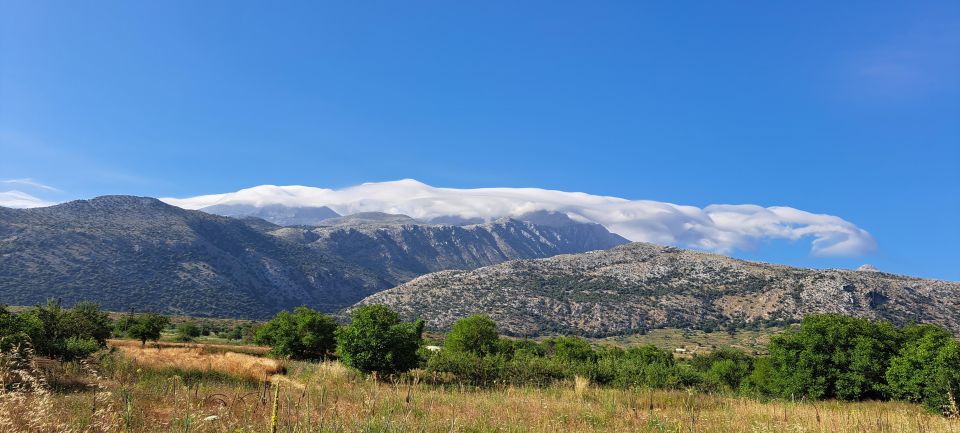
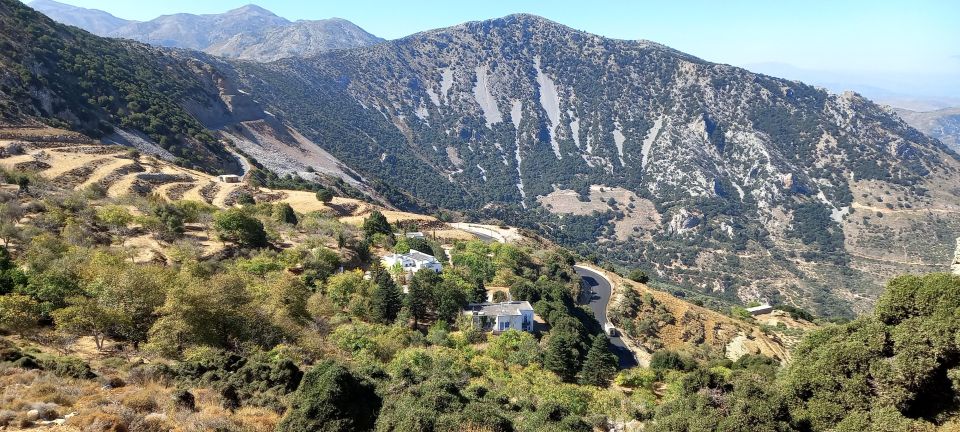
The Lasithi Plateau is the center of the day. The itinerary allows time for a guided visit, photographs, free time, and a walk, although the listed stop is only about 15 minutes. That short timing is worth noting. You get an introduction to the area, not an exhaustive visit to every village.
The plateau is known for agriculture, traditional stone houses, churches, and windmills. Some buildings date from the Ottoman period, and the villages still reflect an older way of life. The point of the tour is to let you see these features together rather than treating them as isolated sights.
You may find the plateau most rewarding if you enjoy ordinary details: a village street, a church exterior, a stone wall, or fields that explain why people settled here. The stop is less suited to anyone who wants a long, quiet hike. There is enough time to look around, but the schedule keeps moving.
Zeus Cave and the cost of the main attraction

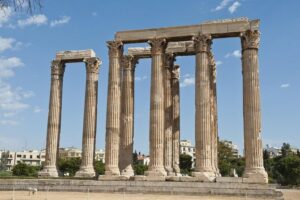
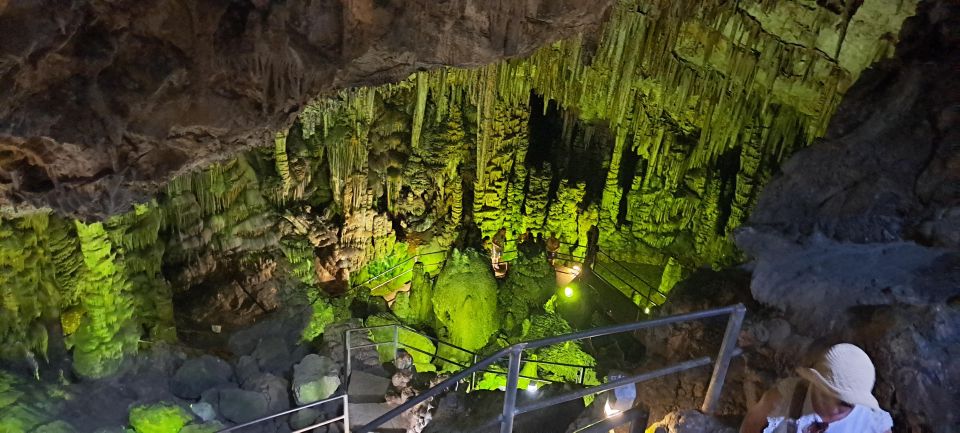
The visit to Zeus Cave is the most famous part of the outing. In Greek mythology, the cave is linked with Zeus, giving the natural site a strong place in Crete’s old stories. The tour combines that mythic connection with the mountain setting, making this more than a simple cave visit.
The entrance fee is not included. Budget 6 euros per person, paid separately. That is a small extra cost, but it is better to know about it before you arrive.
The tour is not suitable for people with mobility impairments or wheelchair users. Comfortable shoes are specifically recommended, and they are sensible for a cave visit and village walking. A hat, comfortable clothing, and water will also help, particularly during warmer months.
The cave is not presented as a long technical walk, so you should not assume this is a serious hiking trip. Still, the operator clearly warns about mobility. If stairs, uneven surfaces, or short uphill sections are difficult for you, ask for more detail before booking.
A coffee stop with a taste of local hospitality
One of the nicest parts of the day is the stop at a traditional coffee setting. You receive Greek coffee, raki, or refreshments, along with local snacks and time to walk around. This is where the day slows down enough for the social side of Crete to come through.
Greek coffee is strong and usually served in a small cup. Raki is a local spirit, so choose the refreshment that suits you. The inclusion of these drinks gives the tour a personal touch and makes the stop more than a quick fuel break.
This is also a good moment to ask questions. The driver-guide speaks English or Greek, and the small group format should make conversation easier than it would be on a large bus. One verified booking from Switzerland described the guide as exceptionally kind and funny, and that is important here. A warm guide can make a short coffee stop feel like a real local exchange rather than a packaged pause.
No individual guide name is provided, so you should not book expecting a particular person. The useful detail is the language support and the emphasis on a friendly, entertaining guide.
Ceramic work, olive oil, and useful souvenirs
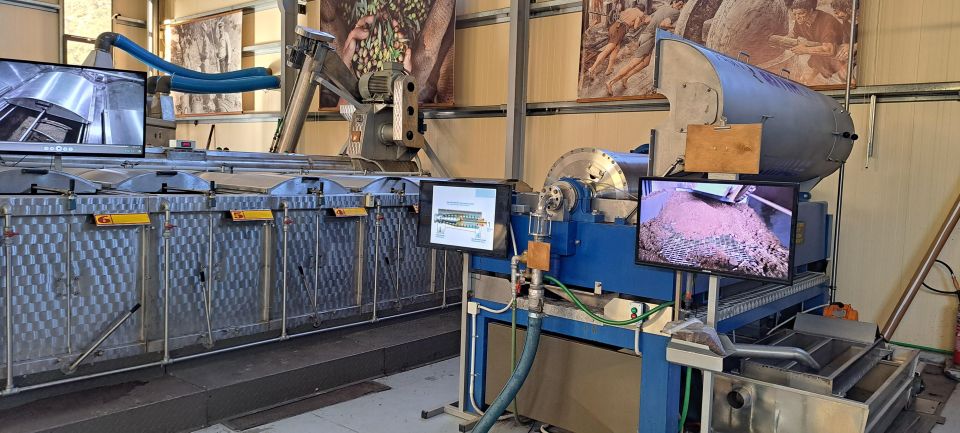
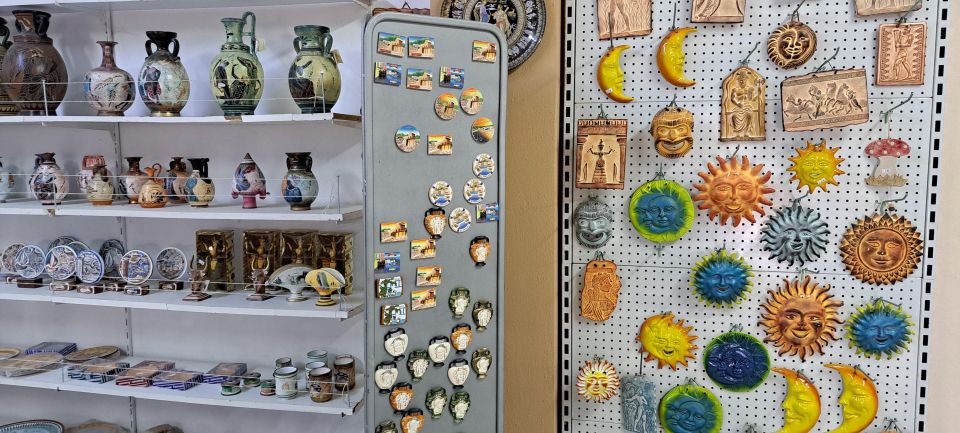
The stop at Pitarokilis family Ceramic workshop and olive oil factory is one of the strongest parts of the route. You can see crafts and learn how olive oil is processed, while also having time for an arts and crafts market.
Olive oil is central to Cretan cooking and farming. Seeing the process gives you context for the bottles sold in shops and markets across the island. A factory visit can also help you compare products more sensibly, since you have heard at least some explanation of how the oil is made.
The family ceramic workshop adds a second local trade to the same stop. If you want a souvenir with a clear connection to Crete, handmade pottery may be more meaningful than a generic airport purchase. You are not required to buy anything, but the stop is designed to include shopping.
Allow about 30 minutes. That is enough for a demonstration, a look at the products, and perhaps a purchase. It is not enough for a long craft class, and the supplied details do not promise that you will make pottery yourself.
Tzermiado and the optional lunch stop
Tzermiado provides another short village visit, with free time, shopping, and cheese tasting. The listed time is about 15 minutes, so treat this as a quick taste of village life rather than a full village tour.
The cheese tasting is a useful detail because food tells you plenty about the plateau. It also gives you another chance to buy a local product if something catches your eye. Keep purchases small and practical, since the day continues by van.
The restaurant stop lasts about 1.5 hours and includes lunch as an optional extra. This is a generous pause compared with the other stops. It gives you time to eat without rushing, but the meal is not included in the 117 dollar price.
Ask about the restaurant and meal price before sitting down if you are watching your budget. The tour includes Greek coffee, raki or other refreshments, local snacks, and bottled water, but not lunch. The long lunch break may suit you if you want a proper meal. If you prefer to save money, bring a plan for a lighter meal, while remembering that food is not allowed in the vehicle.
Potamies closes the route with one more view
The final listed stop is Potamies, with about ten minutes for photographs, a short visit, and scenic views. It is a modest ending, but it gives you one last chance to take in the countryside before the van returns toward the coast.
Because the stop is so brief, do not expect a detailed tour of Potamies. Think of it as a final photo break and a chance to stretch your legs. Afterward, the return drive takes about 20 minutes before drop-off at one of the listed locations.
What the 117 dollar price really covers
At 117 dollars per person, this tour is not simply paying for a ride to Zeus Cave. The price includes hotel, port, or airport pickup and drop-off, private transportation in a Mercedes-Benz van, an English or Greek-speaking driver-guide, liability insurance, taxes, bottled water, and selected drinks.
That package can be good value if you are staying near the pickup area and do not want to rent a car. You also avoid the work of planning a mountain route, finding the villages, and fitting the cave, factory, coffee stop, and meal into one day.
The value is weaker if you only want Zeus Cave. In that case, several village and shopping stops may feel like extras, and the 6 euro cave admission plus lunch will raise the total cost. This is best viewed as a full Lasithi Plateau day, with Zeus Cave as one important part of the route.
The small group improves the value. A limited group gives you more room in the van and makes it easier to ask questions. It also helps the short stops run on time. Still, the day has many moving parts, so you should accept a brisk schedule rather than expect long visits everywhere.
Who should book this Crete day trip?
I would recommend it to you if you want a broad taste of inland Crete without driving. It suits first-time visitors based around Heraklion and the northern resorts, couples, small families with older children, and anyone interested in food, village customs, myths, and traditional crafts.
It is also a good match if you prefer a guide who can connect the sights. The old windmills make more sense when you know they served irrigation. The olive oil factory has more value when you understand how central olive cultivation is to the island. The cave becomes more memorable when paired with the story of Zeus and the mountain villages around it.
I would hesitate if you want a quiet, slow day or a long hike. The route includes many short stops, a shopping visit, an optional lunch, and time in a vehicle. It is also not appropriate for wheelchair users or people with mobility impairments.
The cancellation terms are practical: you can cancel up to 24 hours ahead for a full refund, and you can reserve now and pay later. Pickup is included, but only from the stated areas.
Should you book this Lasithi Plateau tour?
Book it if you want variety in one organized day: Zeus Cave, old windmills, Krasi, Tzermiado, olive oil, ceramics, coffee, cheese, and mountain views. The kind and humorous guide described in the booking feedback is a real plus, especially on a route where the guide’s explanations connect many small stops.
Skip it if your priority is a long cave visit, serious walking, or an unhurried village day. For most people staying near Heraklion, the combination of included transport, local tastings, and a small group makes 117 dollars a reasonable price, provided you budget separately for the 6 euro cave fee and lunch.
FAQ
How long is the Zeus Cave and Lasithi Plateau tour?
The tour lasts seven hours, including transportation, sightseeing stops, refreshments, free time, and the optional lunch stop.
What is included in the tour price?
The price includes pickup and drop-off from listed hotels, ports, and the airport, private Mercedes-Benz van transportation, an English or Greek-speaking driver-guide, liability insurance, taxes, Greek coffee, raki or refreshments, and bottled water.
Is the Zeus Cave entrance fee included?
No. The Zeus Cave entrance fee is 6 euros per person and must be paid separately.
Is lunch included?
No. Lunch is optional and costs extra. The schedule includes about 1.5 hours at a local restaurant.
Where does pickup take place?
Pickup is available from listed locations including Gouves, Heraklion Port, Kokkini Hani, Heraklion Airport, Hersonissos, Agia Pelagia, Malia, Heraklion, Karteros, and Ammoudara.
Can I book this tour from Chania or Rethymno?
No. Pickup is not provided from Chania, Rethymno, Agios Nikolaos, Ierapetra, or Sitia areas.
What languages does the guide speak?
The live guide service is available in English and Greek.
Is the tour suitable for wheelchair users?
No. The tour is not suitable for wheelchair users or people with mobility impairments. Comfortable shoes are recommended.