REVIEW · RHODES
Traditional Greek COOKING class and Wine Tasting in Rhodes
Book on Viator →Operated by Rhodes Islander · Bookable on Viator
The most appealing part of this Rhodes experience is the full food-and-wine progression: you walk through the vineyard, taste wine at the outdoor bar, help prepare Greek dishes, then sit down to a meze lunch overlooking the vines. It feels tied to the place, not like a cooking lesson transplanted into a hotel kitchen.
I like the family-run vineyard setting and the chance to taste several locally made wines with the meal. I also like the flexible cooking format, since you can join in as much as you wish. Jason, the host named in the feedback, is praised for explaining both the wines and the family’s production methods clearly.
The main caution is simple: this is more wine tasting and lunch than a hands-on cooking class. If you want to prepare every dish from start to finish, you may find the cooking portion too brief. Also, pickup is not included, and one person missed the experience after communication problems about port transportation.
In This Review
- Key points at a glance
- A Greek food experience built around a family vineyard
- Walking through the vines before the tasting
- Wine tasting at the outdoor bar
- What you actually cook, and what you do not
- The meze lunch is the main payoff
- The final grape spirit tasting
- How the value compares with the price
- Getting there without a stressful start
- Who will enjoy this most
- Booking, cancellation, and practical expectations
- Should you book the Rhodes cooking and wine experience?
- FAQ
- Where does the cooking and wine experience start?
- How long does the experience last?
- What is the price?
- Is transportation included?
- What food will I prepare or taste?
- Is wine included?
- Is the cooking participation required?
- How many people can join?
- What is the cancellation policy?
Key points at a glance
- A vineyard-to-table afternoon: Begin with a walk through the estate’s vines, then taste wine where it is produced.
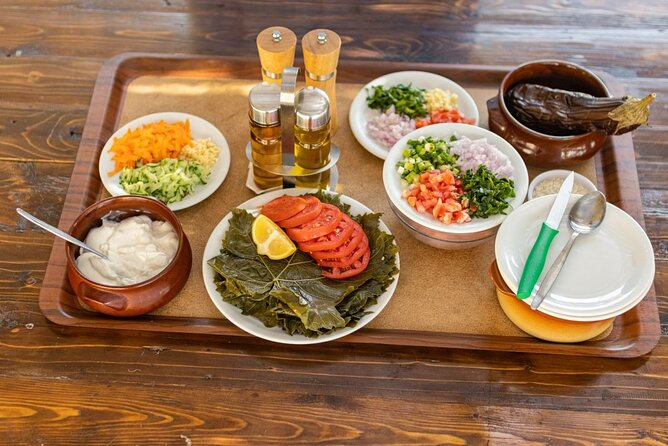
- Greek dishes prepared as meze: The menu includes saganaki cheese, feta with honey, pitaroudia, tzatziki, and dolmadakia.
- Cooking participation is optional: You can help with the preparation, but the class includes a short demonstration rather than a full practical lesson.
- Unlimited local wine is included: Wine accompanies the multi-course meal, with bottled water also provided.
- A family winery with personal hosting: Jason explains the wine and vineyard process, including the effects of recent fires on the vines.
- Bring your own transport plan: The meeting point is the Anastasia Triantafillou Estate and Restaurant in Petaloudes, and pickup costs extra.
A Greek food experience built around a family vineyard
This three-hour outing works best if you think of it as a food-and-wine afternoon with a cooking element. You are not simply shown a recipe, and you are not confined to a classroom. The setting, the wines, the meal, and the production story all fit together.
The estate and restaurant are listed at Petaloudes 851 06, while the experience is also described as taking place in Maritsa, a Rhodes village known for food. That makes the location part of the appeal, but you should check the exact route carefully before setting out.
The group can include up to 19 people. That is still a modest size compared with a large coach excursion, though the experience may feel less intimate if it reaches its full capacity. The small-group format is intended to give you more contact with the host, but do not assume a one-on-one lesson.
The price is $79.10 per person. For that amount, you receive the vineyard visit, wine tasting, cooking activity, dinner, unlimited local wine, and bottled water. I consider that a fair package if you value a substantial meal and several pours of wine. It is less compelling if your main goal is detailed culinary instruction.
You can also read our reviews of more food & drink experiences in Rhodes


Walking through the vines before the tasting
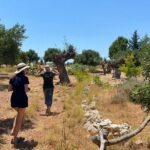
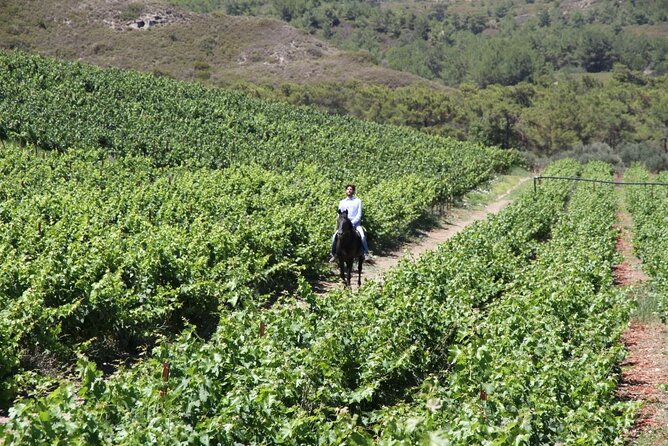
The outing begins with a tour through the vineyards. This is a useful first step because it gives you a sense of where the wine starts, rather than bringing you straight to a table of glasses.
The cultivation methods and growing process are explained during the walk. The available details also point to discussion of how recent fires affected the vines, which adds a real local concern to the agricultural story. You get more than a generic explanation of grapes and barrels. The condition of the crop is connected to Rhodes itself.
I like this opening because wine tasting makes more sense when you have first seen the vines. You can ask about the work behind the bottle and understand that a family winery depends on the health of the fields around it.
The vineyard walk is not described as a long hike, so you should expect a short introduction rather than a strenuous outdoor activity. Wear comfortable shoes, especially if the ground is uneven. That advice is practical rather than dramatic: this is a working estate, not a polished museum route.
Wine tasting at the outdoor bar
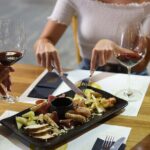
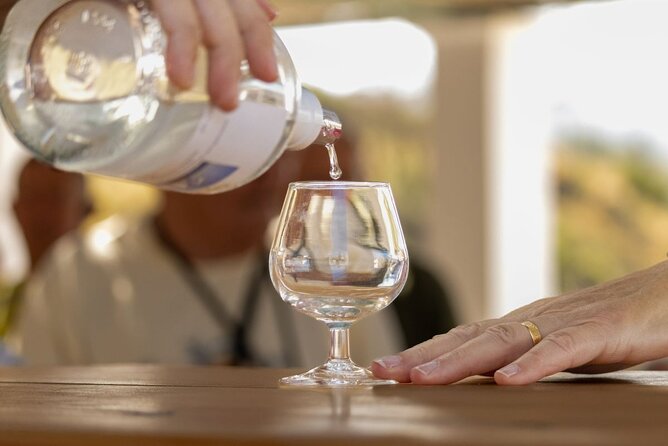
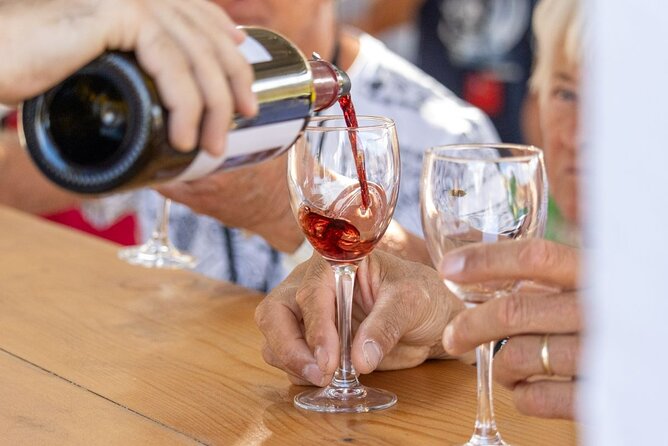
After the vineyard visit, you head to the outdoor bar for an in-depth tasting of the estate’s wines. The host explains the winemaking and oenological methods used by the family, giving the tasting a clear educational purpose.
Jason is specifically praised for breaking down the wines and explaining the family vineyard process. If you do not know much about Greek wine, this part should be especially useful. You can taste with some context instead of simply being handed a glass and told whether you like it.
The wine tasting also sets up the meal. The idea is to pair different wines with different Greek flavors, so the drinks are not an unrelated extra. You get to see how local wine works with salty cheese, herbs, legumes, dips, and stuffed leaves.
The phrase unlimited local wine matters here. Wine is included with the food, and you are not paying separately for each serving. Still, pace yourself. The whole event lasts about three hours, and the tasting comes before lunch. The combination of early pours and an open wine service can catch up with you quickly.
What you actually cook, and what you do not
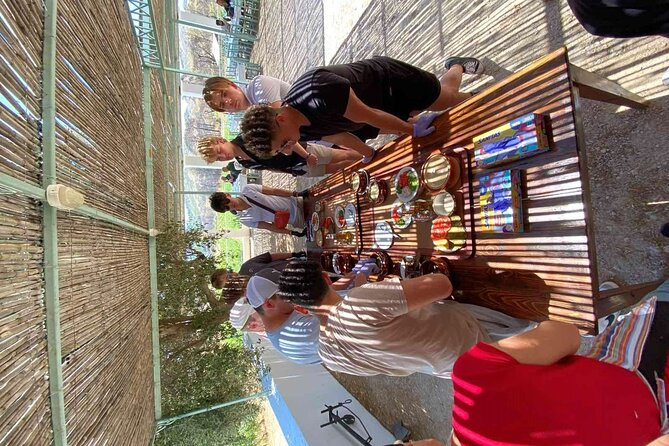
The cooking section follows the wine tasting and is presented as a Greek cooking class. Participation is optional, which suits a mixed group. You can take part, watch, or move between the two.
The dishes associated with the class include:
- Saganaki cheese
- Feta with honey
- Pitaroudia
- Tzatziki
- Dolmadakia
This is a strong selection for a first look at Greek home-style flavors. Saganaki brings the salty, warm cheese element. Feta with honey shows how Greek cooking pairs savory and sweet tastes. Tzatziki offers a cool yogurt-based contrast, while pitaroudia and dolmadakia introduce more filling, prepared dishes.
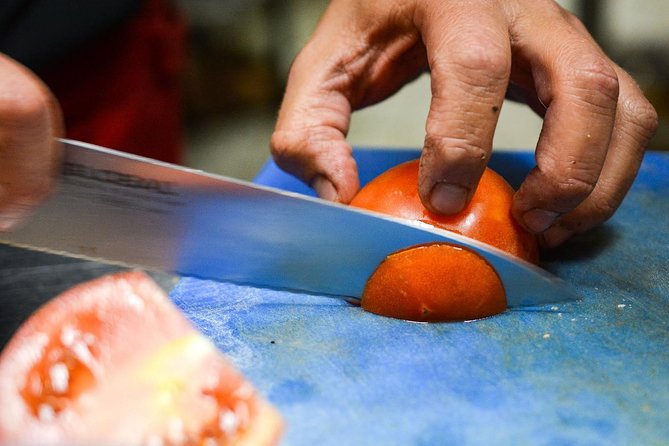
The important qualification is the amount of hands-on work. The cooking is described as a short demonstration, and the clearest practical advice is to expect more showing and tasting than a complete lesson. You may learn useful techniques and see how the dishes are put together, but you probably will not make every course independently.
I would book this happily if you want to learn a few Greek food ideas while enjoying wine and lunch. I would choose a different activity if you want to roll up your sleeves for most of the afternoon, work from printed recipes, and leave with a full cooking curriculum.
The meze lunch is the main payoff
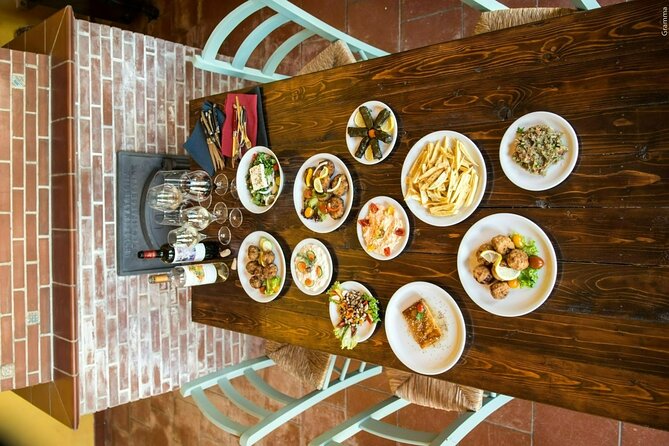
Once the cooking is finished, you sit in the restaurant area overlooking the vineyards. The prepared food is served as a multi-course tapas-style meal called meze.
This format suits the experience well. Instead of one large plate, you receive a table of different Greek flavors. That lets you compare the wines with several dishes and gives you a broader taste of the cooking than a single entrée would.
The food has received the strongest praise in the available feedback. The meal is described as phenomenal and superb, with particular appreciation for the range of dishes. The setting also earns attention, with the vineyard view adding a calm, pleasant backdrop to the afternoon.
I like the meze format for another reason: it is forgiving. If one dish is not your favorite, several others are still waiting. You can sample the cheese, dips, stuffed items, and vegetable-based dishes without committing to one unfamiliar main course.
Dinner is included, although the description also calls it lunch. That suggests the schedule may place the meal in the afternoon, but you should not count on a specific mealtime unless the provider confirms it. Plan to treat this as your main food stop for the activity.
You can also read our reviews of more cooking classes in Rhodes


The final grape spirit tasting
After the meal, you are invited indoors to see the estate’s distillery. The host explains the distillation method and offers a taste of the local pressed grape distillate.
This gives the visit a clear ending. You have followed the grape from the vineyard to wine, then seen another way the fruit can be used. The distillate will not suit every palate, and the tasting is best viewed as a chance to learn about a local product rather than another round of wine.
For anyone interested in how small producers use the whole harvest, this is a worthwhile extra. It also helps distinguish the outing from a standard restaurant meal with a few wine samples.
How the value compares with the price
At $79.10, the price covers more than a basic tasting. You receive a vineyard walk, instruction about wine production, several wines, a cooking demonstration, a multi-course meze meal, unlimited wine, bottled water, and a distillery tasting.
That is good value for someone who would otherwise pay separately for lunch and wine. The meal appears to be a central part of the afternoon, not a token snack. The family setting and direct explanations from the host add context that you would not get from simply ordering a bottle at a restaurant.
The value drops if you measure the price only by cooking time. The class does not appear to be a long, recipe-focused workshop. You are paying for the whole sequence, with wine and food carrying as much weight as the kitchen activity.
The maximum group size of 19 also matters. At a smaller turnout, you should get more room to ask questions and participate. At the maximum, the cooking may feel more like a demonstration. If personal instruction is your priority, ask about the expected group size before booking.
Getting there without a stressful start
Transportation is not included. Pickup can be arranged at extra cost, which may be useful if you are staying in Rhodes Town, arriving at the port, or simply do not want to arrange your own route.
One failed outing was linked to difficulty arranging pickup from the port. The practical lesson is to settle transportation early and keep written confirmation of the meeting plan. The provider states that later emails were sent to arrange transfers, but the communication did not lead to a completed pickup in that case.
Use Google Maps rather than relying only on Apple Maps. One person reported that Apple Maps led them astray and caused a 15-minute delay. That is exactly the sort of small problem that can sour an otherwise relaxed afternoon.
The start and end point is the Anastasia Triantafillou Estate and Restaurant in Petaloudes. The activity returns to the meeting point. If you arrange paid pickup, confirm the pickup cost, time, and exact location before the 24-hour cancellation deadline.
Who will enjoy this most
I would recommend this experience to you if you want several Greek tastes in one outing and prefer a relaxed mix of explanation, food, and wine. It suits couples, friends, and food-minded visitors who enjoy learning without needing a formal class structure.
It is also a good choice if you are new to Greek wine. Jason’s role in explaining the wines and the family’s vineyard methods can give you a useful starting point for ordering Greek bottles elsewhere on Rhodes.
Families and mixed-interest groups may appreciate the optional cooking participation. The person who loves food can help prepare the meze, while someone else can focus on the wine and scenery.
I would be cautious about booking it for a serious cooking enthusiast. The class may not provide enough direct preparation time. The same goes for anyone who dislikes wine or wants a tightly scheduled sightseeing tour, since the experience is built around sitting, tasting, eating, and conversation.
Booking, cancellation, and practical expectations
Confirmation is sent at the time of booking, and the experience uses a mobile ticket. The activity requires a minimum number of participants. If that minimum is not reached and the outing is canceled, you are offered another date or experience, or a full refund.
You can cancel for a full refund up to 24 hours before the local start time. Cancellations and changes made within 24 hours are not refunded or accepted. Keep that deadline in mind before arranging nonrefundable transportation.
Since the experience is booked, on average, 25 days ahead, popular dates may fill well before your visit. That booking pattern is useful to know if you are traveling during a busy season, but it does not change the need to confirm your transport separately.
Should you book the Rhodes cooking and wine experience?
Book it if your ideal afternoon includes a family vineyard, Greek wine, a generous meze meal, and a light cooking activity. The food, wine, setting, and personal hosting are the strongest reasons to go, and the $79.10 price is reasonable when you use the full package.
Do not book it expecting three hours of hands-on cooking. Think of it as a vineyard and wine tour that includes a short Greek cooking demonstration and a substantial meal. Arrange transportation carefully, use Google Maps, and confirm any port pickup in advance.
For most food-and-wine fans, that is a fair trade. You get a taste of Rhodes through its produce, wine, and family hospitality, without spending the whole day in a formal lesson.
FAQ
Where does the cooking and wine experience start?
It starts at the Anastasia Triantafillou Estate and Restaurant, Petaloudes 851 06, Greece.
How long does the experience last?
The activity lasts approximately three hours.
What is the price?
The listed price is $79.10 per person.
Is transportation included?
Private transportation is not included. Pickup can be arranged at an extra cost.
What food will I prepare or taste?
The food selection includes saganaki cheese, feta with honey, pitaroudia, tzatziki, and dolmadakia, served in a meze-style meal.
Is wine included?
Yes. Local wine is included and described as unlimited. Bottled water is also provided.
Is the cooking participation required?
No. Participation in the cooking portion is optional.
How many people can join?
The activity has a maximum of 19 travelers.
What is the cancellation policy?
You can cancel at least 24 hours before the local start time for a full refund. Cancellations or changes made less than 24 hours before the start time are not refunded or accepted.