REVIEW · ATHENS
9-Day Ultimate Greek Experience: Peloponnese, Delphi, Zagori, Meteora, Vergina
Book on Viator →Operated by EUDAIMONIA Private Tours · Bookable on Viator
The best thing about this nine-day private Greek tour is its range. You move from the Corinth Canal and Mycenae to the stone villages of Zagori, from Byzantine Mystras to the royal tombs of Vergina, then finish among the cliffs and monasteries of Meteora. It is not a quick island holiday. It is a long, road-based look at mainland Greece.
I like two things right away: daily lunch is included, which lets you eat local food without constantly hunting for a restaurant, and the private format gives your group room to adjust the pace. Drivers and tour leaders such as Nikos and Theo work with you before and during the trip, and past bookings have included extra nights and itinerary changes.
The main caution is the amount of driving. You cover a huge part of Greece in nine days, and several days combine long roads with archaeological sites, mountain villages, and walking. At $6,466.93 per person, this is also a major purchase, so you should value private transport, quality hotels, meals, and planning help before booking.
In This Review
- Key points to know before you book
- Why this route feels different from a standard Greece tour
- Days 1 and 2: Mycenae, Nafplio, and the rock of Monemvasia
- Days 3 and 4: Mani, Mystras, Olympia, and mountain Arcadia
- Day 5: Caves, the Odontotos railway, and Delphi
- Days 6 and 7: Ioannina and the villages of Zagori
- Days 8 and 9: Metsovo, Vergina, Meteora, and Thermopylae
- Hotels, meals, vehicles, and the real price
- Who will enjoy this Greek journey most
- Should you book it?
- FAQ
- Where does the tour start and end?
- How long is the experience?
- Is this a private tour?
- What type of vehicle is used?
- Are hotel pickup and drop-off included?
- Are breakfast and lunch included?
- Are entrance fees included?
- Is a licensed guide included?
- What fitness level is required?
- What is the cancellation policy?
Key points to know before you book
- A true mainland route: Corinth, Mycenae, Epidaurus, Monemvasia, Mani, Olympia, Delphi, Zagori, Vergina, Meteora, and Thermopylae all make the cut.
- Private and flexible: Only your group participates, with hotel pickup and drop-off in a new 2021 to 2023 saloon car or minivan.
- Food is part of the plan: Breakfast and lunch are included every day, while dinners and drinks are your responsibility.
- Big scenery changes: Coastline, olive groves, mountain roads, caves, gorges, stone villages, and high rock monasteries fill the route.
- Historic sites cost extra: Entrance fees are not included, and a professional licensed guide is optional.
- Expect active days: The tour asks for moderate fitness, with steps, uneven ruins, cave visits, and village walking.
Why this route feels different from a standard Greece tour
Many first trips to Greece stay close to Athens, the islands, and a few major ruins. This route gives you a much broader picture. You see the famous places you already know from photographs, but you also spend time in small Peloponnese towns, northern mountain villages, and regional food centers.
The private setup matters here. A large coach would struggle with some village roads, and fixed group timing can make a cliff monastery or mountain lunch feel rushed. With your own vehicle, you can ask for a coffee stop, spend longer in a village, or use an optional site as a replacement for another stop.
You should also understand what private means in this case. The driver and tour leader provide transport, local assistance, and context, but a licensed professional guide is not included in the base price. If you want detailed archaeological interpretation inside each major site, add that cost when comparing options.
You can also read our reviews of more tours and experiences in Athens.
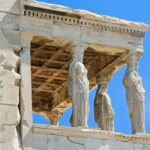
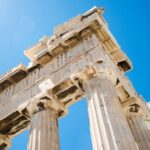
Days 1 and 2: Mycenae, Nafplio, and the rock of Monemvasia
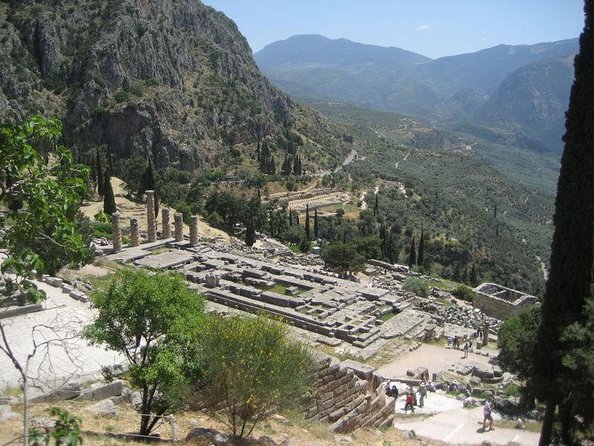
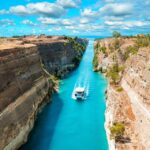
The opening day gives you a strong introduction to ancient Greece. At the Corinth Canal, you get a quick look at the narrow cut that separates the Peloponnese from mainland Greece. Fifteen minutes is enough for a photo and a first sense of the route, but not much more.
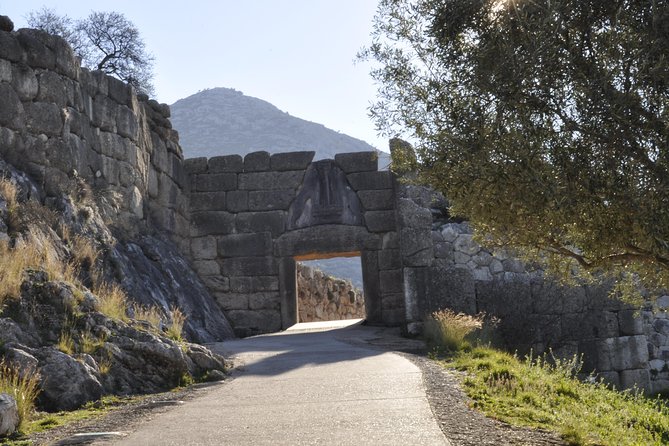
Mycenae deserves the longer visit. This was the center of the Mycenaean civilization and the legendary home of King Agamemnon. Plan on about an hour and a half among the ruins. The site is exposed, so comfortable shoes, water, and sun protection are sensible.
Nafplio adds a completely different mood. Its old center is one of the prettiest urban stops in the eastern Peloponnese, with time for a short walk and coffee. Palamidi Castle is optional, but it is worth considering if you enjoy dramatic views and old fortifications. The climb involves the famous 999 steps down toward town, so this is not a casual add-on for everyone.
Epidaurus brings the day back to ancient theater. Its acoustics are the star, and an hour allows you to see the theater and understand why the site remains so famous. Ancient Corinth is also optional, with links to Saint Paul and a long settlement history. Since the day already contains several paid sites, check which ones matter most to you before adding every entrance fee.
Day 2 leaves the main roads. You stop in Tyros for coffee beside the water, then climb through the Parnon mountain range toward Kosmas. This is exactly the sort of routing that gives the tour its local feel. The point is not to reach Monemvasia as quickly as possible, but to connect the coast, mountain villages, and a Greek meal.
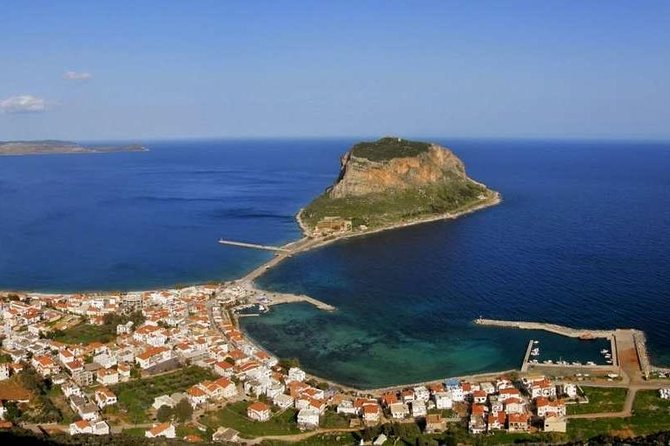
Panagia Elona is a brief stop at a monastery built dramatically against the cliffs. Then comes Monemvasia, a medieval castle town carved into the rear of a sea rock. The listed 15-hour visit signals an overnight stay, and that is important. You need evening time here to walk without treating the town as a rushed photo stop.
Days 3 and 4: Mani, Mystras, Olympia, and mountain Arcadia
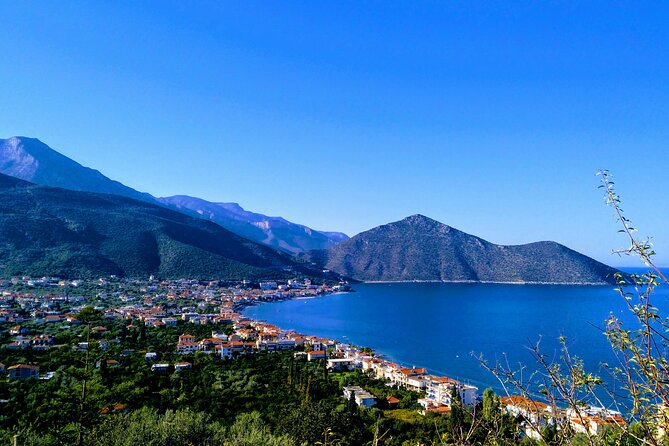
The Mani Peninsula is one of the wildest parts of Greece. Expect stone settlements, rugged roads, and a strong sense of separation from the busy mainland route. At the Caves of Diros, an expert boat ride carries you through chambers filled with stalactites and stalagmites. The cave lighting helps reveal the formations, but the experience is not simply a walk through a museum. It is a slow passage through a natural site shaped over a very long time.
Areopoli is a good place to see Mani’s stone architecture. Its past includes the constant threat of pirates, and the compact town works well as a walking stop. You then head toward Mystras, the Byzantine castle town above Sparta. Allow about an hour and twenty minutes for the site, including its views over Sparta and the Laconian olive groves.
Mystras can be physically demanding. Expect uneven ground, slopes, and steps, so the moderate fitness requirement is not just fine print. If you move slowly, tell your driver early so the rest of the day can be adjusted.
Olympia arrives on Day 4. The ruins include the stadium, training areas, and temples dedicated to Hera and Zeus. Two hours gives you time to grasp the scale of the original Olympic center rather than simply taking a picture beside the track.
Ancient Messene is an excellent optional alternative. It is noted for its size, preservation, public buildings, fortifications, houses, and funerary monuments. If you have already visited several major sanctuaries, Messene may offer a fresh kind of ancient site. You can also add time in Dimitsana, a mountain village in Arcadia, and spend an extra night there if you want a slower midpoint.
Day 5: Caves, the Odontotos railway, and Delphi
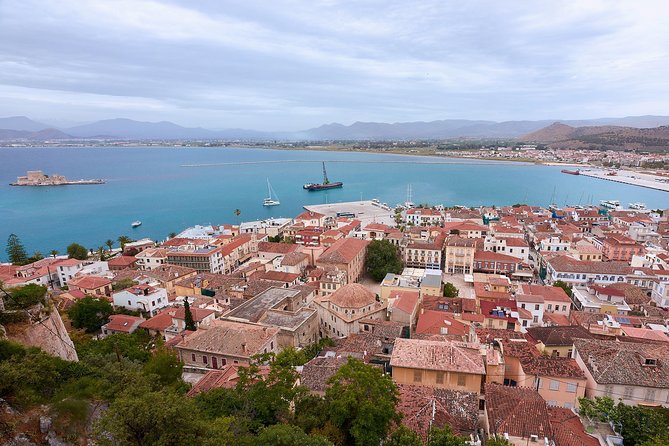
Day 5 is one of the most varied. At the Cave of the Lakes in Kastria, unusual galleries and formations make this more than a standard cave visit. The route involves climbing through another mountain range, adding to the sense that this tour is built around roads and terrain rather than a simple chain of cities.
The Odontotos rack railway is a memorable change of pace. This small train follows the river gorge between Diakopto and Kalavrita, crossing bridges and passing through tunnels. The ride lasts about an hour, and lunch is part of the day. It is a useful reminder that the tour is not only about ruins. Engineering, food, and mountain scenery all get a turn.
You then cross the Rio-Antirrio Bridge, a major cable-stayed bridge over the Gulf of Corinth. The crossing takes little time, but it links the Peloponnese with mainland Greece in a very direct way.
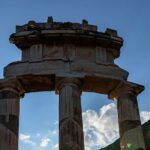
The Delphi Archaeological Museum receives a full hour and a half. Its collections include statues, architectural sculpture, and smaller objects from the sanctuary. The Charioteer and the Sphinx of the Naxians are major highlights. The supplied schedule specifically names the museum, so confirm whether your plan also includes the archaeological site itself. Entrance fees are separate.
Days 6 and 7: Ioannina and the villages of Zagori
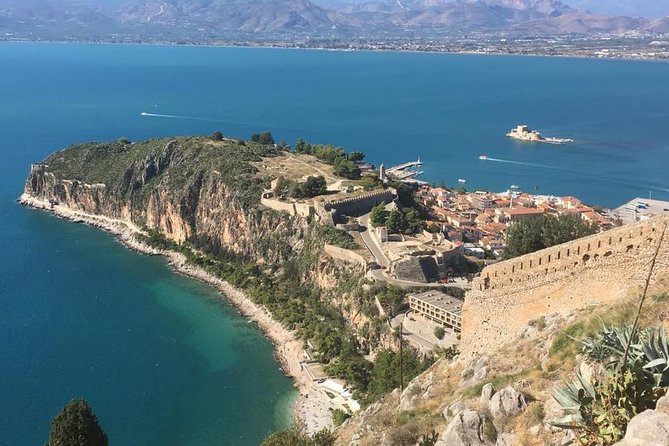
Day 6 is a long transfer into northwestern Greece. Several coffee and stretch breaks are planned before you reach Ioannina, and you should treat this as a road day rather than expecting a relaxed sightseeing schedule from morning to night.
Ioannina rewards the effort. The city sits beside Lake Pamvotis and has a long multicultural past. In the castle district, narrow lanes and stories linked to Ali Pasha give the old center a strong sense of place.
The Silversmithing Museum is a short visit, about 20 minutes. It focuses on pre-industrial silver work in Epirus, with jewelry, arms, household pieces, and personal items. If you enjoy craft traditions, this small museum adds useful regional detail that a major ancient site cannot provide.
Lake Pamvotis offers a gentler afternoon. You can visit the island in the lake or use a mountain viewpoint to see the city, water, island, and surrounding peaks together. The exact balance depends on your arrival time and energy.
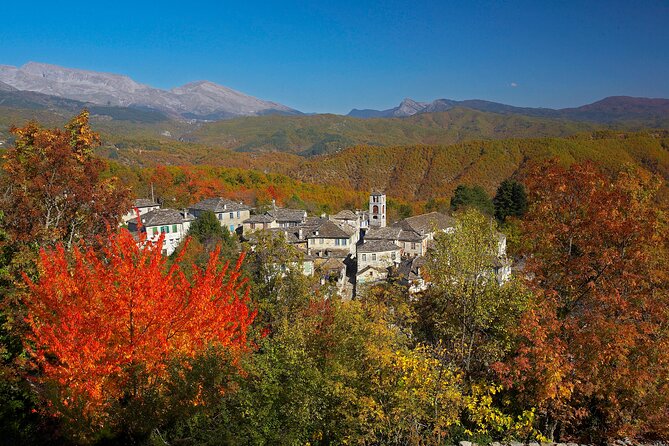
Day 7 is the visual high point for many people. Zagori is a mountain region of stone villages, old bridges, and steep cliffs. The western villages of Aristi, Megalo Papigo, and Mikro Papigo sit beneath the Astraka cliff towers, while the Voidomatis River provides a chance to get close to clear mountain water.
The Papigo rock pools are a short walk from the village. Water has cut a small canyon into the rock, forming pools, some deep enough for swimming or jumping. Conditions and water levels can vary, so think of this as a scenic stop rather than a guaranteed swim.
Mikro Papigo climbs the slopes of Mount Timfi, with cobbled lanes and traditional Zagorian buildings. Monodendri, another traditional settlement, sits near the entrance to Vikos Gorge. At the Stone Forest, weathered limestone formations create a strange, tree-like setting and provide views toward the gorge.
Optional stops at Kokkorou Bridge and Dilofo are especially appealing if old stonework and quiet villages interest you. The trade-off is time. Every added bridge and village means less time elsewhere, so tell your driver what you want most.


Days 8 and 9: Metsovo, Vergina, Meteora, and Thermopylae
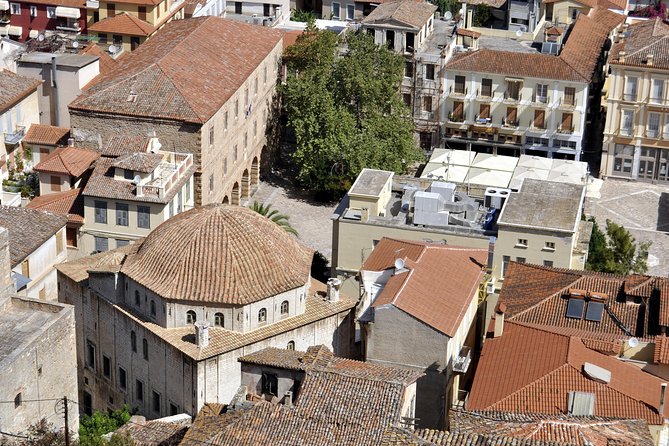
Metsovo is a short coffee stop between Ioannina and Meteora. Its central square, mountain setting, and famous cheeses make it a useful introduction to northern food culture. Thirty minutes will give you a taste, not a full visit, so do not expect an in-depth exploration.
Vergina is one of the tour’s most powerful historical stops. The Museum of the Royal Tombs of Aigai is built within the Great Tumulus and displays findings from the tomb of Philip II, father of Alexander the Great. The dark, enclosed setting and royal objects create a very different experience from open-air ruins.
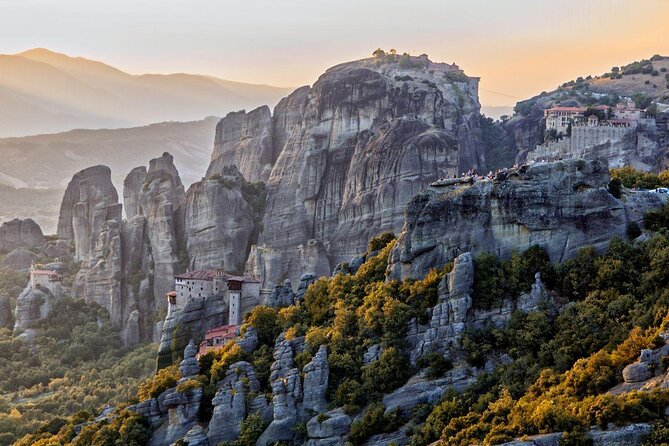
Meteora then takes over the route. The monasteries sit on enormous rock pillars above Kalampaka, and even a short late-afternoon look can be worthwhile. The schedule wisely allows the main monastery visits to continue the next morning rather than forcing everything into one tired arrival.
Day 9 includes the Great Meteoron, the oldest and largest surviving monastery, plus Varlaam and the Holy Trinity. The exact monasteries open to visitors can depend on the day, so confirm the final selection. Each site involves stairs and uneven approaches, and modest clothing is appropriate for Orthodox monasteries.
The Great Meteoron offers the broadest introduction. Varlaam carries the story of its early ascetic founder and later rebuilding by two priest monks. Holy Trinity is the most photographed of the group and requires a particularly energetic approach.
The final historic stop is Thermopylae, with Leonidas’ statue marking the battlefield associated with the 480 BC conflict between the Greek alliance led by Leonidas and the Persian army of Xerxes. You should expect only a brief stop, but it gives the long drive back to Athens a clear historical ending.
Return to Athens is expected around 5 pm, with optional drop-off at a cruise ship or the airport. Do not schedule a tight same-evening connection unless your plans allow room for road delays.
Hotels, meals, vehicles, and the real price
The price is $6,466.93 per person. That is high, but it covers nine days of private transport, hotel pickup and drop-off, top-quality accommodation, breakfast, lunch every day, bottled water, and an information booklet. New 2021 to 2023 vehicles also matter on a route with so many long mountain and intercity drives.
Daily lunch is the unusual value point. Food can become a major extra on a private road trip, and including it makes the budget easier to understand. You still pay for dinners, entrance fees, personal expenses, optional sites, and gratuities. A licensed guide is optional, not part of the basic rate.
The tour also offers group discounts, though the amount is not specified. Ask for the exact total before paying. If you are comparing this with a self-drive trip, remember to add fuel, parking, hotels, meals, admissions, and the cost of planning a route across much of mainland Greece.
Who will enjoy this Greek journey most
I would choose this for a couple, family, or small group that wants Greece beyond the islands and prefers a private vehicle to a coach. It suits people who care about food, local towns, archaeological sites, changing scenery, and the freedom to adjust a day.
It is less suitable if you want a slow beach holiday, long sleep-ins, or one base with short excursions. The route is ambitious, and the mountain roads plus ruins require moderate fitness. An extra night in Dimitsana or Pelion could improve the rhythm if you have the time and budget.
The planning support is another strong point. Communication with Nikos before departure can help shape the route around your interests, and past arrangements have extended the tour from nine days to ten. Theo has also led anniversary trips and longer private journeys. That personal contact is valuable when a route contains this many moving parts.
Should you book it?
Book this tour if you want a large, carefully planned slice of mainland Greece and are willing to trade relaxed pacing for variety. The strongest reasons are the private vehicle, daily lunch, quality accommodation, flexible routing, and access to places that are difficult to connect by public transport.
Before booking, ask for the full entrance-fee estimate, the exact hotels, the licensed-guide supplement, the monasteries open on your dates, and the longest driving days. If those details fit your budget and fitness level, this is a strong choice for seeing the Peloponnese, Epirus, Macedonia, and central Greece in one ambitious trip.
FAQ
Where does the tour start and end?
The tour starts in Athens with pickup at 8:00 am and is expected to return to Athens around 5:00 pm on Day 9. Optional drop-off can be arranged at a cruise ship or the airport.
How long is the experience?
The tour lasts approximately nine days. An extra day or night can be added in places such as Dimitsana or Pelion.
Is this a private tour?
Yes. Only your group participates in the activity.
What type of vehicle is used?
Transportation is provided in a new 2021 to 2023 saloon car or minivan.
Are hotel pickup and drop-off included?
Yes. Hotel pickup and drop-off are included.
Are breakfast and lunch included?
Yes. Eight breakfasts and nine lunches are included. Dinners are not included.
Are entrance fees included?
No. Entrance fees for the listed archaeological sites, museums, caves, railway, and monasteries are not included.
Is a licensed guide included?
No. A professional licensed guide is optional and carries an additional cost.
What fitness level is required?
A moderate level of physical fitness is recommended. The route includes archaeological ruins, uneven ground, steps, cave visits, mountain villages, and monastery approaches.
What is the cancellation policy?
You receive a full refund if you cancel at least six full days before the start time. Cancellation two to six full days before departure receives a 50% refund. Cancellations less than two full days before departure are not refunded.