REVIEW · ARGASSI
Argassi: Zakynthian Culture & Greek Cooking Class with Lunch
Book on GetYourGuide →Operated by Cooking Classes Zante · Bookable on GetYourGuide
Stifado tastes different after you cook it. In Argassi at Restaurant Green Frog, this Zakynthian food class turns a relaxed morning into real hands-on cooking with Alex and Mandy, plus stories about island life and how Mediterranean eating habits took shape. You’ll make classics, taste local products, and eat everything you prepare in a shady garden setting.
I love two things most: first, you don’t just watch. You get practical time at your station, with a good mix of demonstrations and group help so everyone actually cooks. Second, the food comes with context. Expect explanations of each dish and plenty of culture talk woven through the session, backed up by tasting moments (cheese and other local products) and a chance to sample wine.
One consideration: if you have allergies or strong dietary needs, plan carefully. They say they can’t guarantee complete accommodation, so you’ll want to flag needs as early as possible and be ready with your own backup plan.
In This Review
- Key Things I’d Circle Before You Book
- Entering The Green Frog Kitchen In Argassi
- The 4-Hour Flow: From Iced Coffee To Stifado And Orange Cake
- Friday Cooking Menu: Stifado And The Classics You’ll Actually Crave
- Tuesday Menu: Greek Classics With Vegan Mousaka And Baklava Rolls
- Saturday Menu: Vegetarian Zakynthian Comfort Food
- How You Learn Here: Demos, Volunteers, And Real Recipe Take-Home Power
- Lunch In The Shady Garden: Eat What You Made
- Price And Value: Is $112 Worth It?
- Who This Class Fits Best (And Who Should Think Twice)
- Should You Book This Cooking Class In Argassi?
- FAQ
- What days does the class run?
- How long is the cooking class?
- Where do I meet the group?
- Is lunch included?
- What’s included in the experience?
- Is wine included?
- Are transfers included?
- What dietary options are available?
- Is the activity wheelchair accessible?
Key Things I’d Circle Before You Book
- A true Zakynthian format: it’s described as the first and original Zakynthian cooking class.
- Different menus on different days: Tuesday, Friday, and Saturday each follow the same overall rhythm, but with different dishes.
- Hands-on cooking you can repeat at home: you’ll get recipes, and you’ll cook enough to recreate dishes without guessing.
- Tastings built into the class: you sample local products and cheese, plus wine.
- A shaded garden lunch after cooking: you eat what you make with an ice-cold drink.
Entering The Green Frog Kitchen In Argassi
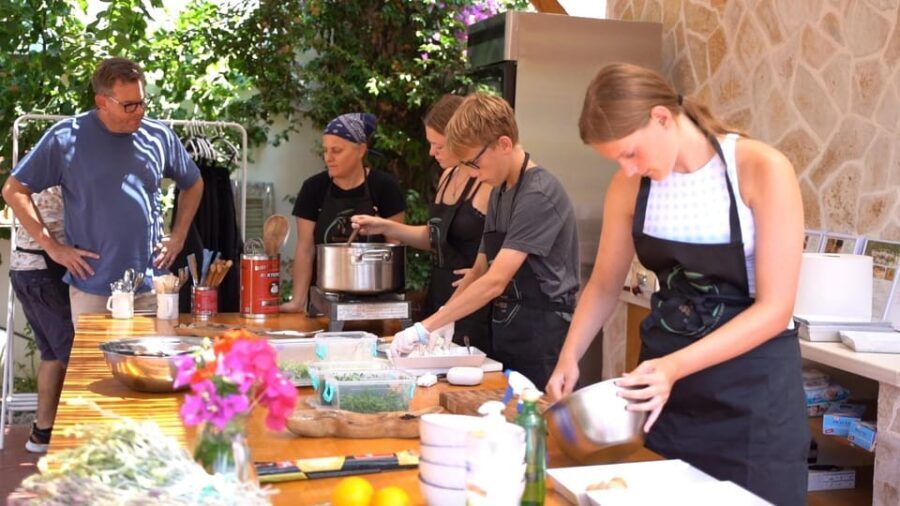
This class starts at Restaurant Green Frog, in Argassi, in the back area of the restaurant. The route is simple: go through the front, then head to the back garden where the cooking happens. If you’re driving, there’s parking at the Green Frog Supermarket next door, which is handy if you’re hopping around Zakynthos without a tour transfer.
What you’re really booking here isn’t just cooking. It’s a small, friendly setup where food feels normal, not fancy. That matters, because the best part of Greek cooking classes is learning the why behind the steps—what to watch for, what “right” looks like, and how everyday ingredients turn into something you want seconds of.
Also, it’s a wheelchair-accessible experience, and the hosts are bilingual (English and Greek). If you’ve ever worried that food classes are only for confident cooks, this format is more welcoming than most, because the team actively draws people into the work.
The 4-Hour Flow: From Iced Coffee To Stifado And Orange Cake
The overall timing is relaxed but structured, which is a rare combo. The session runs about 4 hours, and it’s designed to move from drinks and introductions into a full cooking lineup, then end with lunch outdoors.
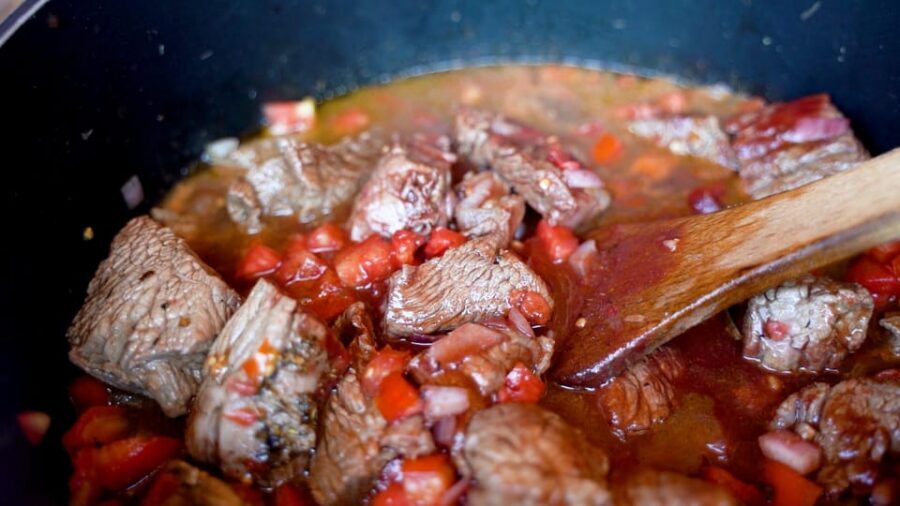
On Fridays, the day starts the genuinely Greek way: iced coffee and/or mountain tea. Everyone makes their own, which sounds small, but it’s a fast way to get you participating immediately. Then comes the core build of the menu: Stifado—an iconic Greek dish.
Stifado is the kind of meal that can feel intimidating in theory, but this class frames it as stress-free dinner party cooking. That’s a big deal for you, because the goal isn’t to win a cooking contest. It’s to learn how to handle the dish with calm steps you can repeat later.
After Stifado, the menu branches into appetizers and sides. You’ll work through dishes such as:
- Spinach and feta pie
- Dolmades
- A spicy cheese dip
- A simple salad that’s described as unbelievably good
Interspersed through all of this is the cultural storytelling—about the island, its food habits, and how the Mediterranean diet evolved into what it is today. You also get multiple tasting moments, not just bites at the end.
The finish is sweet and practical: you make a make-ahead orange cake. Make-ahead desserts are a great home-cooking skill, and learning one here gives you something you can bring to a dinner without working at the last minute.
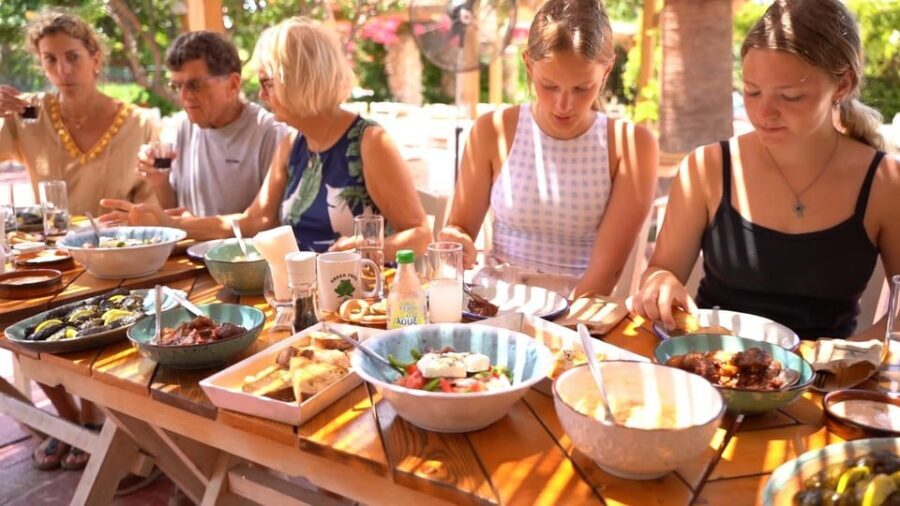
Then you move to the garden to eat everything you cooked, with an ice-cold drink to cool things down after a few hours of active prep.
Friday Cooking Menu: Stifado And The Classics You’ll Actually Crave
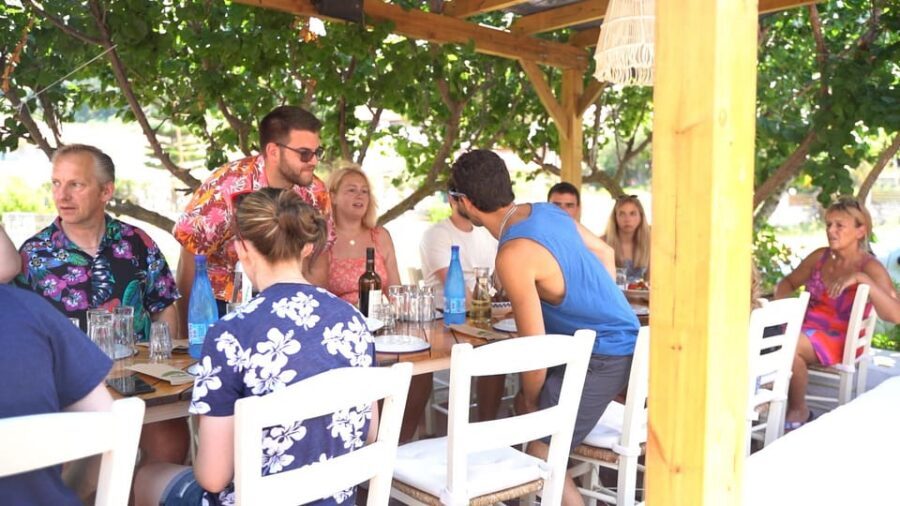
If you choose the Friday class, you’re getting the flow described above: iced coffee/mountain tea to start, then Stifado, a set of standout appetizers, and the orange cake. The key advantage of this day is how many different skill types you touch in one morning.
You’ll deal with:
- A slow-simmer style main (Stifado)
- Rolling or filling work (dolmades)
- Dough and layering (spinach and feta pie)
- Flavor-building dips (spicy cheese dip)
- Fresh balancing (salad)
- A dessert with planning in mind (orange cake)
That mix is valuable because it makes the class feel like a full toolkit, not a one-dish lesson. And because it’s hands-on, you’re likely to leave with clearer instincts for timing, texture, and seasoning.
One small reality check: the session includes wine tasting, so if you’re not drinking, it’s still there, but you’ll probably spend most of your attention on cooking, tasting, and learning rather than sipping. The group vibe is relaxed, and the class is paced to keep you from feeling rushed.
Tuesday Menu: Greek Classics With Vegan Mousaka And Baklava Rolls
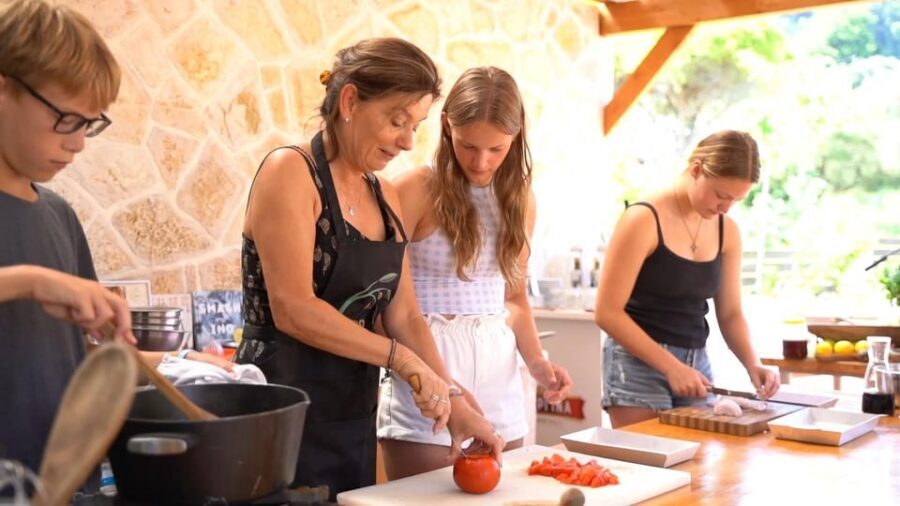
On Tuesday, the format is the same rhythm, but the dish lineup changes into what they call Greek Classics. Here’s what you’ll make:
- Mousaka (vegan option available)
- Baklava rolls
- Saganaki
- Greek salad
- Tsatsiki
This is a great day if you want dishes that feel instantly recognizable to anyone who’s had Greek food before. Mousaka and Greek salad bring the familiar comfort, while saganaki adds that quick, punchy, cheese-forward element.
The vegan mousaka option is also a practical plus. If you’re traveling with someone who avoids dairy or meat, you don’t have to split up the itinerary. You’ll still be cooking at the same time in the same group, which keeps the day from turning into a logistics problem.
And yes—baklava rolls matter. They’re the kind of dessert that looks like effort, but when you learn the steps you realize it’s really about assembly and technique. The same goes for tsatsiki: you learn how to build it in a way that you can actually repeat at home.
Saturday Menu: Vegetarian Zakynthian Comfort Food
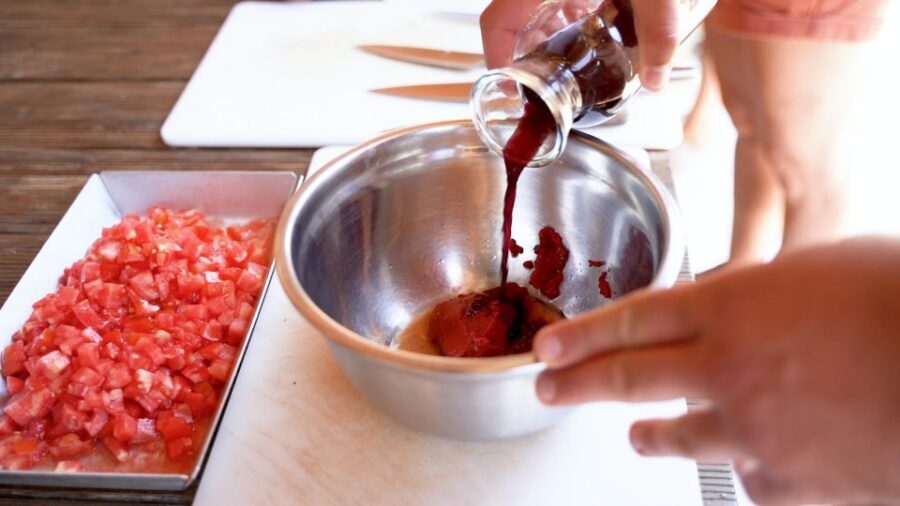
Saturday is labeled as Vegetarian Zakynthian Comfort Food, and the dish set is built around hearty, comfort-style plates:
- Stuffed tomatoes
- Courgette fritters
- Spicy baked cheese
- Frigania
This is the day I’d pick if you want a Zakynthian feel without meat-heavy menus. It also tends to work well for mixed groups—people who say they dislike vegetables often end up surprised once they’re eating vegetables that are seasoned, filled, fried, baked, and sauced with confidence.
Stuffed tomatoes and spicy baked cheese give you the warm, savory comfort. Courgette fritters add crunch and a different cooking method. Frigania rounds it out with a local, bread-and-flavor kind of approach (you’ll get the context in the class itself).
If your goal is to leave with a vegetarian routine you can cook back home, Saturday is strong—because you’ll learn multiple cooking techniques instead of repeating one base recipe.
How You Learn Here: Demos, Volunteers, And Real Recipe Take-Home Power
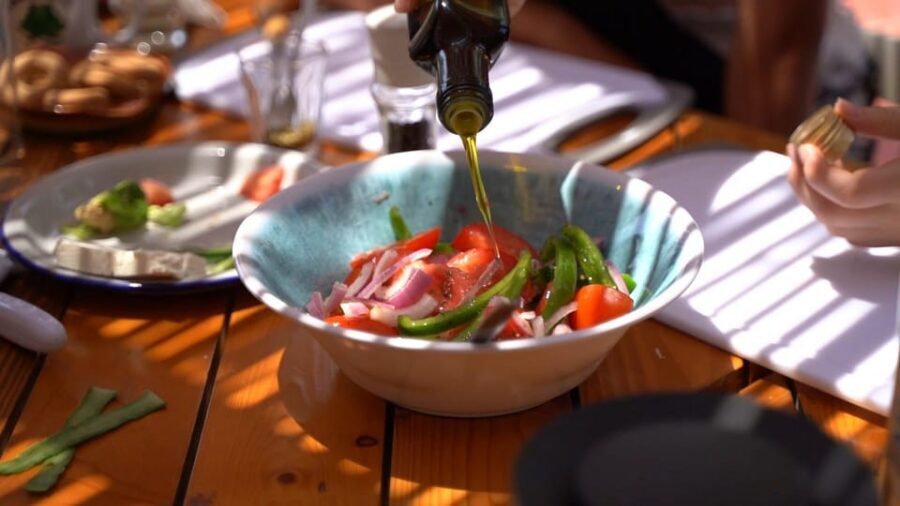
A lot of cooking classes promise hands-on cooking, then quietly turn into guided sampling. This one has a better structure.
You’ll get:
- Clear instruction from the chef leads
- A balance of watching and doing
- Plenty of opportunities to step in and help at your station
In the reviews, the vibe is consistent: the instruction is organized, and the hosts make sure people are included even if you come solo. That inclusion is not fluff. When you’re learning a dish like dolmades or building a sauce, it helps to have someone checking your progress so you don’t end up with a confusing result.
You also leave with recipes. People specifically mention getting the recipe and having something to use at home. That’s what turns a fun morning into actual value for you, because you can recreate the same dishes later without relying on memory.
Lunch In The Shady Garden: Eat What You Made
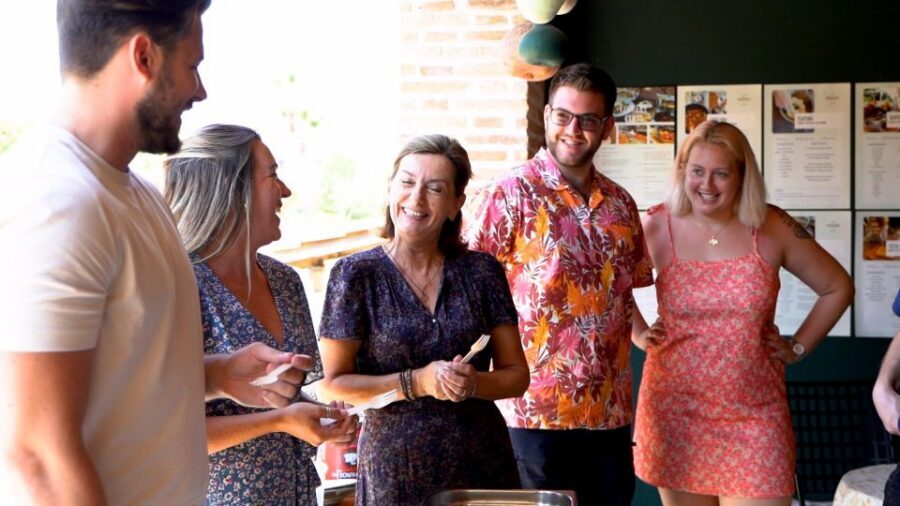
The final phase is what most classes miss: the “eat” part is treated like the main event, not an afterthought.
After cooking, you retreat to a beautiful, shady garden area to enjoy the food you’ve made. There’s also an ice-cold drink, which hits just right after a hands-on morning. The lunch is hearty, and because you helped cook it, the meal feels earned rather than handed to you.
There’s also tasting built into the earlier stages—local product tastings and cheese tasting, plus wine sampling—so lunch isn’t the first time you’ve had a chance to try the flavors. By the time you sit down, you already understand what you like and why it works.
This is also a good moment to compare notes with your group. Since the class is small-group sized, the environment tends to feel personal. You don’t disappear into a crowd.
Price And Value: Is $112 Worth It?
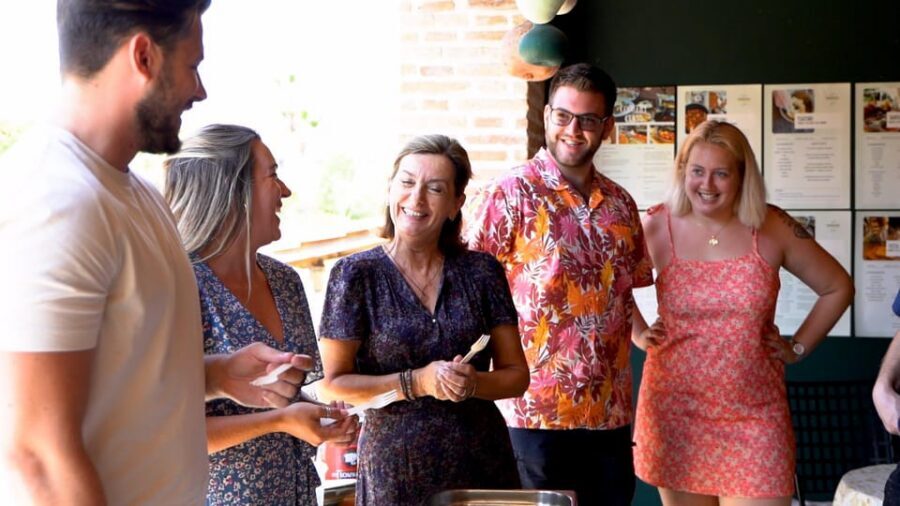
At $112 per person for about 4 hours, the pricing can look straightforward until you map what you actually get.
You’re not only paying for recipes or for entertainment. You’re paying for:
- Hands-on cooking time with multiple dishes
- Wine tasting plus coffee/tea at the start
- Cheese and local product tastings
- An included lunch, eaten right after cooking
- A culture-and-food explanation that ties it all together
From a value angle, the big reason it feels fair is volume and pacing. You leave with a menu’s worth of skills, and you don’t have to hunt for separate tastings or lunch afterward. Add in the fact that the class runs multiple days and keeps the same easy format, and you get more flexibility if your travel schedule changes.
Could it be pricey if you’re only interested in one dish? Yes. But if you like learning how whole Greek meals come together—main, sides, desserts—this price lines up with what you get.
Who This Class Fits Best (And Who Should Think Twice)
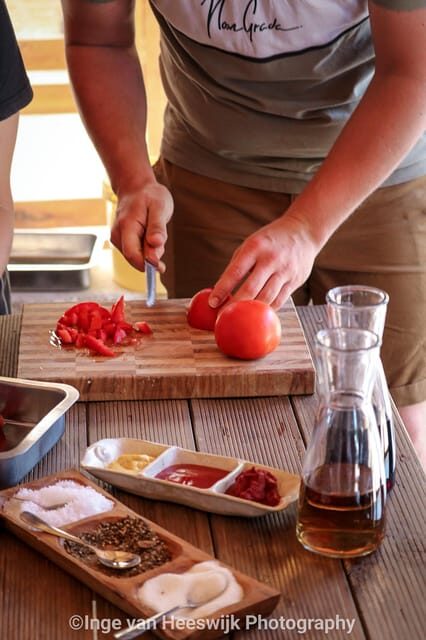
This experience is a strong fit if you:
- Want to cook Greek food instead of just tasting it
- Like learning the story behind ingredients and dishes
- Enjoy small-group activities where people can join in
- Travel solo and want a friendly, inclusive atmosphere
- Want take-home recipes that make the trip last beyond dinner
It may be less ideal if you have food allergies with strict requirements. The class says it can’t guarantee complete accommodation, even though they ask you to share needs early. That doesn’t mean you can’t go—it means you should communicate clearly and consider extra precautions.
Also, transfers aren’t included, so you’ll want to plan your way to Restaurant Green Frog in Argassi on your own. If you’re relying on a bus or taxi, build in time.
Should You Book This Cooking Class In Argassi?
If you want a morning that mixes practical cooking skills with real local food context, I’d book it. The class structure is built around doing the work—cooking, tasting, and then eating what you make—so the experience stays memorable for the right reasons.
I’d especially choose it if Stifado, moussaka, tsatsiki, dolmades, or orange cake are on your radar. And if your group is mixed—vegetarian options on Saturday, vegan option for mousaka on Tuesday—this keeps everyone in the same experience.
Just don’t wait on allergy info. If your dietary needs are serious, contact them early and ask direct questions. If you do that, you’ll likely get one of the most satisfying food mornings you’ll have on Zakynthos.
FAQ
What days does the class run?
The classes run on Tuesday, Friday, and Saturday.
How long is the cooking class?
It lasts about 4 hours.
Where do I meet the group?
Meet at Restaurant Green Frog. The class takes place in the back area, so go through the front area to the back garden.
Is lunch included?
Yes. You’ll eat what you make, and a hearty lunch in a shady garden area is included.
What’s included in the experience?
It includes hands-on cooking, stories about island culture and the Mediterranean diet, wine tasting, local product and cheese tastings, coffee/tea to start, and the lunch you prepare.
Is wine included?
Wine tasting is included as part of the experience.
Are transfers included?
No. Transfers are not included, so you’ll need your own way to the meeting point.
What dietary options are available?
They offer a vegan option for Mousaka on Tuesday, and they ask you to share allergies and dietary requests early. They also note they can’t guarantee full accommodation for allergies.
Is the activity wheelchair accessible?
Yes. The experience is listed as wheelchair accessible.