REVIEW · ATHENS
Athens to the birthplace of Olympic games & medieval Monastery
Book on Viator →Operated by EASYEXPERIENCES · Bookable on Viator
The great prize here is ancient Olympia, where the Olympic Games ran from 776 BC to AD 393. You’ll walk through its stadium, temples, and training grounds, then choose a seaside lunch and swim at Kakovatos Beach or a visit to a cliff-hung Byzantine monastery.
I like the private minivan, which gives your group more room to ask questions and adjust the day. I also like the thoughtful extras: bottled water, soft drinks, and beach towels. The drawback is simple: 14 hours is a very long day, and Olympia is a long haul from Athens.
In This Review
- Key points to know before booking
- Why this Olympia day trip is worth the long road
- The Corinth Canal: ten minutes with a huge view
- Ancient Olympia: the reason to make the trip
- Your choice after Olympia: monastery or beach
- Saint John the Forerunner Monastery in the Lousios Gorge
- Kakovatos Beach: a summer change of pace
- The private minivan and the long day
- What the $842.88 group price really means
- Who will enjoy this best
- Booking, cancellation, and small practical details
- Should you book this Olympia tour?
- FAQ
- How long does the tour last?
- What time does pickup begin?
- How many people can join the private tour?
- Is hotel pickup available?
- Is admission to ancient Olympia included?
- Is lunch included?
- Can I visit both the monastery and Kakovatos Beach?
- Is swimming available all year?
- What is included in the tour?
Key points to know before booking
- Olympia is the main event: Spend about two hours among the ancient stadium, temples, and museum treasures.
- The Corinth Canal is a quick but memorable stop: You get about 10 minutes for the dramatic view.
- You choose the final experience: Pick Kakovatos Beach for swimming and lunch, or Saint John the Forerunner Monastery for Byzantine art and mountain views.
- The private format suits small groups: The minivan can carry up to seven people, with only your group taking part.
- Budget beyond the tour price: Olympia admission costs €20 per person, and lunch is not included.
- Start early and expect a late finish: Pickup begins at 7:30 a.m., and the full outing lasts about 14 hours.
Why this Olympia day trip is worth the long road
Athens has enough ancient sites to fill several days, but Olympia offers something different. Here, you are not simply looking at ruins from the classical world. You are standing where athletes gathered for centuries to compete in games held in honor of Zeus.
That special setting is the reason to book this outing. The route also gives you a quick look at the Corinth Canal and a choice between the Peloponnese coast and a remote monastery. You get more than one archaeological stop, but Olympia remains the clear focus.
The private setup matters on such a long day. With a group of up to seven, you can ask for explanations, talk with your guide, and make the most of the drive. Guides named in the experience include Pan and Thasos, and the personal approach is one of the strongest parts of the outing.
Still, you need to be honest about the schedule. Fourteen hours is a major commitment, especially with an early start and a long drive each way. If ancient Greek athletics is high on your list, the effort makes sense. If you want a relaxed day near Athens, choose something closer.
You can also read our reviews of more tours and experiences in Athens.
The Corinth Canal: ten minutes with a huge view
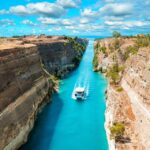
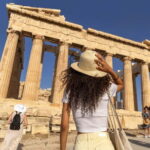
Your first stop is the Corinth Canal. The modern canal was completed in 1890, though the idea of cutting through the isthmus reaches back to 602 BC.
You have about 10 minutes here, so think of it as a sharp photo and orientation stop rather than a full visit. The canal cuts through the land in a narrow, striking channel, and the view gives you a quick sense of how the Peloponnese connects to mainland Greece.
The short timing is reasonable on a day already packed with driving. You will not have time for a long walk or a detailed visit, but the stop breaks up the journey and adds an important piece of Greek engineering history.
There is no admission fee for this stop. Keep your expectations in proportion: this is a scenic pause, not a major attraction requiring hours.
Ancient Olympia: the reason to make the trip
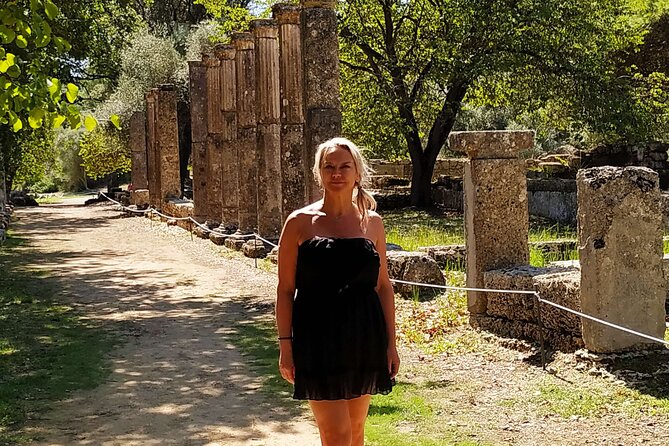
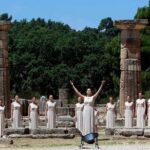
Olympia deserves the longest and most attentive part of your day. The archaeological site covers the place where the Olympic Games took place from 776 BC until AD 393, a run of roughly 12 centuries.
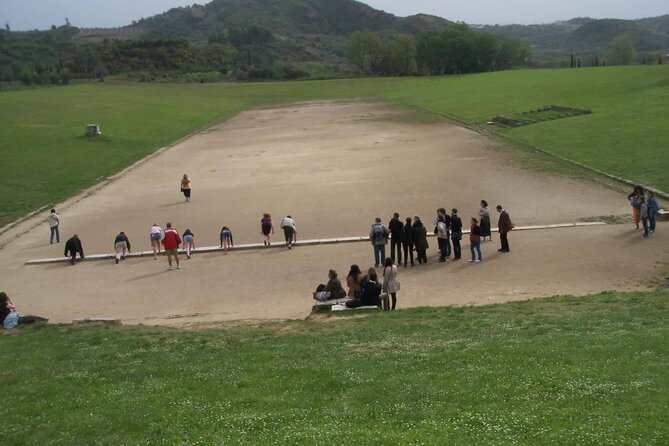
The stadium is the emotional center. It held about 45,000 spectators, and its open running track helps you picture the scale of the contests. Unlike a modern stadium, it does not surround the field with high seating, so the setting feels tied to the earth and hills around it.
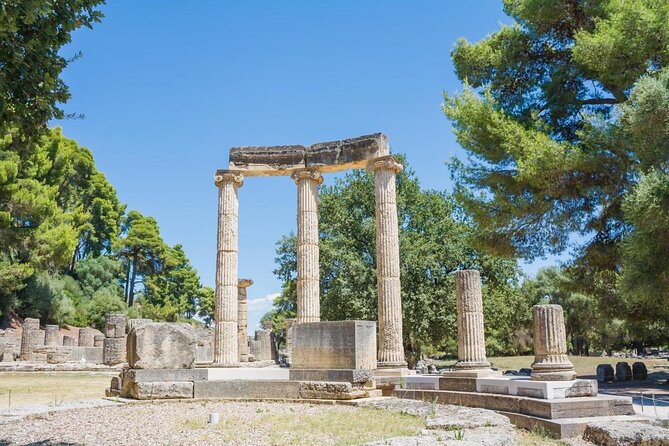
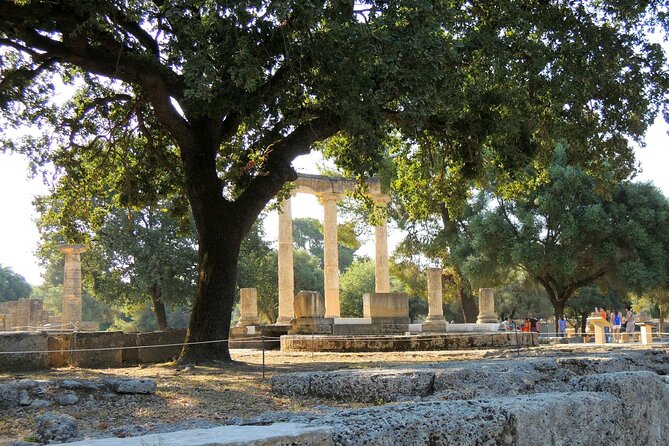
Your visit also includes the remains of the temples of Hera and Zeus, the Philippeion, the council house, and the workshop of Pheidias. Each site helps explain that Olympia was not just a sports ground. It was a major religious center and a place where athletic competition, ceremony, and political identity came together.
The temple of Zeus was especially important in the ancient sanctuary. Today, you see scattered columns and foundations rather than a complete building, but the ruins still show the scale of the original complex.
The workshop of Pheidias adds a more personal touch. It is connected with the sculptor who created the great statue of Zeus, one of the ancient world’s famous works. Even in ruin, the workshop helps you picture the craftsmen and artists who worked behind the scenes of the sanctuary.
Plan on about two hours at the site. That is enough to see the principal monuments and understand the layout, but it is not enough for a slow, scholarly examination of every corner. If archaeology is your main interest, you may wish the visit were longer. The advantage of a private tour is that you can use your time more efficiently and ask your guide to focus on what interests you most.
Admission to the archaeological site is not included. The stated price is €20 per person, so add that amount for everyone in your group. The archaeological museum is part of the Olympia experience described here, and it includes the helmet of General Miltiades, connected with the Greek victory over the Persians at Marathon in 490 BC.
The museum also contains the Hermes of Praxiteles, one of the best-known works associated with ancient Greek sculpture. These indoor displays matter because the open ruins can leave you with fragments and foundations. The museum helps restore some of the artistic quality and detail that once filled the sanctuary.
Wear sensible shoes and bring water, even though bottled water and soft drinks are supplied. The site is broad, and you will spend time walking between monuments. Two hours passes quickly when you stop for explanations and photographs.
Your choice after Olympia: monastery or beach
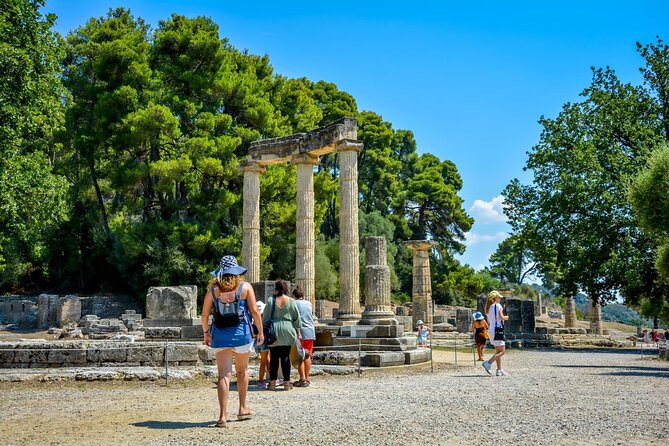
The final major part of the day is built around a choice. You cannot do both options as described, so decide before departure which fits your group better.
This is a useful touch because the two experiences are very different. One is cultural and religious, with a mountain setting. The other is coastal, casual, and suited to the summer months.
Saint John the Forerunner Monastery in the Lousios Gorge
The monastery option takes you to the Great Cave of Gortynia, also known as the Holy Monastery of Saint John the Forerunner. It was built into the rock of the Lousios Gorge, and tradition places its foundation in the 12th century by monks who had lived in nearby hermitages.
The approach and setting are the attraction. The monastery is built against the rock, with the gorge opening out below. Inside and around parts of the rock, you can see 16th-century frescoes.
Look for the small courtyard and its stone fountain, dated 1748. The heavy door still carries holes from Turkish bullets dating to 1779. Details like these give the stop a human scale. You are not only looking at a church building, but at a place shaped by prayer, craft, conflict, and daily work over many centuries.
The monks are described as welcoming visitors with coffee, cool water, and olives. The monastery also has a notable library, and the monks practice icon painting and the sewing of church vestments.
You get about one hour here. That is enough for a meaningful visit, but it is not a long retreat or an extended religious study. Dress and behave respectfully at this active monastery, and remember that a religious site may feel less casual than the beach option.
Choose this stop if you care more about Byzantine Greece, frescoes, monastic life, and dramatic gorge views than swimming. It also makes better sense for a cooler season, when a beach stop may not appeal.


Kakovatos Beach: a summer change of pace
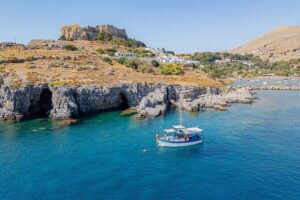
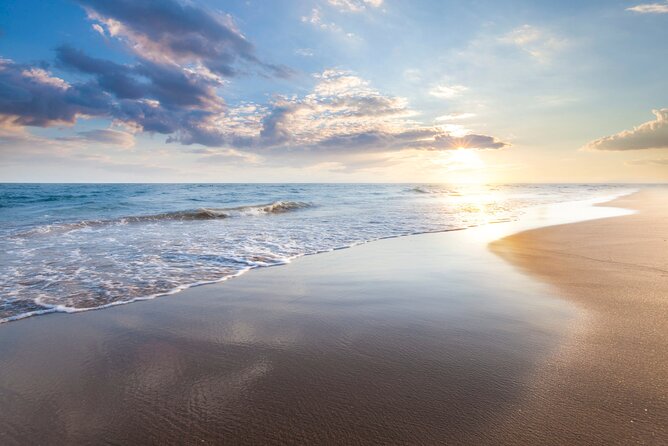
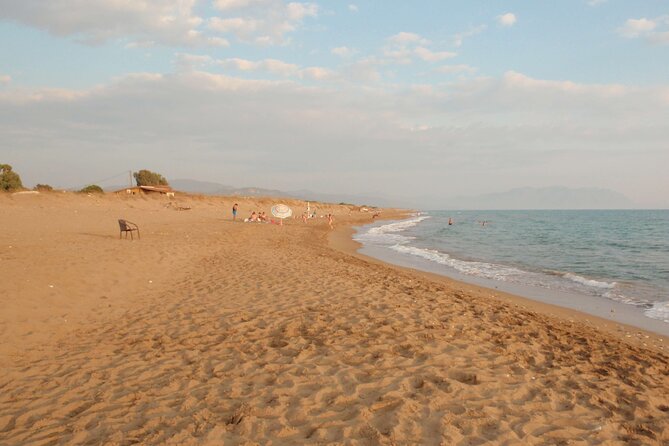
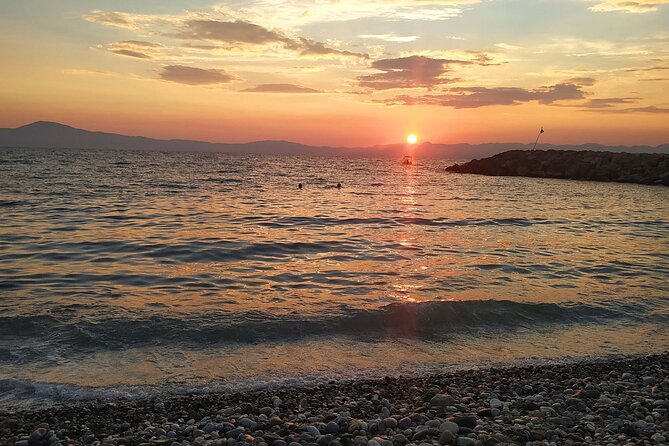
The beach option gives the day a complete change of rhythm. Kakovatos is described as one of the Peloponnese’s prettiest beaches, located near Olympia, and the plan includes about two hours for swimming and lunch near the sea.
Swimming is available during the summer months. Beach towels are included, which saves you from packing one for a long day away from Athens. Bottled water and soft drinks are also supplied.
Lunch is not included, so you should budget separately for your meal. The guide can take you to a seaside restaurant, and one particularly strong account of the experience praised the meal arranged by Pan. Since restaurant choice can shape a long day, this is a useful reason to ask your guide about the lunch plan early.
Kakovatos is the better choice if you want to release some of the day’s historical intensity. After walking through Olympia, a swim and meal by the coast can make the return drive feel easier.
The tradeoff is that you give up the monastery. You also should not choose the beach expecting a full resort day. The scheduled time is about two hours, and the main purpose is a swim and lunch before returning to Athens.
The private minivan and the long day
Pickup begins at 7:30 a.m. A minivan is used, and the vehicle is air-conditioned. Pickup is offered, with exact directions about the meeting point and time sent by email the day before.
That early start is necessary. Olympia is far enough from Athens that a visit requires a full day, not a quick side trip. The total duration is approximately 14 hours, so you should keep the evening free and avoid booking a late dinner, show, or flight connection.
A private group of up to seven gives you more control than a large coach. You are not sharing the vehicle with strangers, and the guide can respond to your pace and interests. One account also described the guide as flexible with timing, which is especially helpful when your group must choose between a monastery and a beach.
Near public transportation is listed, and most people can take part. No special accessibility details are supplied, so you should ask the provider directly if anyone in your group has mobility needs.
Small groups get the most value from the format. A couple will pay much more per person than a group of six or seven, but the private setting can make the long drive more pleasant and the guiding more personal.
What the $842.88 group price really means
The listed cost is $842.88 per group of up to seven people. At full capacity, that works out to roughly $120 per person before the Olympia admission fee and lunch. For two people, the per-person cost is much higher, so the value improves sharply as your group grows.
The price includes an air-conditioned vehicle, bottled water, soft drinks, and beach towels. It does not include the €20 Olympia ticket per person or lunch.
I see the value mainly in the transportation and privacy. Reaching Olympia independently from Athens would require arranging a long round trip and coordinating the stops yourself. Here, you have a driver and guide handling the route, with the added benefit of the Corinth Canal and your choice of a monastery or beach.
This is not the cheapest way to see Olympia. It is a convenience-focused choice for people who want a private day without organizing the logistics themselves. A full group of seven gets the strongest financial value. A smaller group should book it because the private experience matters, not because it is a bargain.
Who will enjoy this best
I would recommend this outing to you if Olympia is one of your top priorities in Greece and you have limited time in Athens. It also suits families or friends who want to stay together in a private vehicle rather than join a large coach tour.
History fans should choose the monastery if they want to extend the cultural side of the day. Summer visitors who need a break from ruins should choose Kakovatos Beach instead.
The trip is less suitable if you dislike long drives, early starts, or tightly structured days. It is also not ideal if you want to explore Olympia at a slow pace. Two hours gives you a solid introduction, but the sanctuary and museum could reward a longer visit.
Guide quality matters on a route like this. Pan is specifically connected with a well-regarded seaside meal, while Thasos and a companion are named in another account that praised the friendly manner, historical and cultural stories, coffee, and flexibility. Since guides can vary, ask who will lead your departure when you book.
Booking, cancellation, and small practical details
You receive confirmation when you book, and the provider sends directions about the pickup time and point by email the day before. The experience is offered in English and includes a mobile ticket.
Free cancellation is available if you cancel at least 24 hours before the scheduled start time. Cancellations or changes made less than 24 hours before the start are not accepted for a refund, and the cutoff uses local time.
Bring comfortable walking shoes for Olympia, sun protection for the open archaeological site and beach, and a little cash or a card for lunch and other personal expenses. Most people can participate, but contact the provider before booking if your group needs specific mobility arrangements.
Should you book this Olympia tour?
Book it if you want to see Olympia from Athens in one organized day and value a private guide, a comfortable minivan, and a flexible final stop. The strongest plan for history lovers is Olympia plus the monastery. The best summer plan for a mixed group may be Olympia plus Kakovatos Beach.
Skip it if 14 hours on the road sounds exhausting or if you want more time at Olympia itself. For everyone else, this is a demanding but rewarding route, with a famous ancient sanctuary at its center and enough choice at the end to keep the day from feeling like a single long museum visit.
FAQ
How long does the tour last?
The experience lasts approximately 14 hours.
What time does pickup begin?
Pickup begins at 7:30 a.m.
How many people can join the private tour?
The private tour can accommodate a group of up to seven people.
Is hotel pickup available?
Pickup is offered. The provider sends directions about the pickup time and point by email the day before.
Is admission to ancient Olympia included?
No. Admission costs €20 per person and is paid separately.
Is lunch included?
No. Lunch is not included in the tour price.
Can I visit both the monastery and Kakovatos Beach?
No. You must choose between the monastery visit and the swimming and lunch stop at Kakovatos Beach.
Is swimming available all year?
Swimming at Kakovatos Beach concerns the summer months.
What is included in the tour?
The tour includes bottled water, soft drinks, an air-conditioned vehicle, and beach towels.