REVIEW · SOUDA
Chania: Battle of Crete and WW2 History Tour with Bunkers
Book on GetYourGuide →Operated by Proper Cretan Guide · Bookable on GetYourGuide
The most rewarding part of this private Chania tour is not simply seeing a bunker or cemetery. It is watching the Battle of Crete take shape as you move across Maleme airfield, Hill 107, Platanias, Galatas, and the wartime sites around Souda. Guide Apostolis uses original photographs and historical documents to show what these places looked like in May 1941.
I like two things right away: the route reaches lesser-known military sites that ordinary sightseeing tours usually skip, and the day can follow your interests rather than a fixed group schedule. The private vehicle, hotel pickup in central Chania, and six-and-a-half-hour duration also make this a practical choice for serious military-history fans.
The main consideration is the walking. Some bunkers and lookout points are abandoned, uneven, or reached on foot, and the information about accessibility is inconsistent: the activity is described as wheelchair accessible, but it is also listed as unsuitable for wheelchair users and people with mobility impairments. Ask for a clear route check before booking.
In This Review
- Key points at a glance
- Why the Battle of Crete makes sense on the ground
- Maleme airfield and the battle for Hill 107
- Cemeteries, memorials, and the human cost
- Platanias and the German bunker system
- Galatas, former POW sites, and the wider story
- What the six-and-a-half-hour format feels like
- The guide makes or breaks this subject
- Who should book this private tour?
- Should you book it?
- FAQ
- How long is the Battle of Crete tour?
- What locations are included?
- Is the tour private?
- Who leads the tour?
- What languages are available?
- Is hotel pickup included?
- Is the Battle of Crete War Museum entrance included?
- What should I bring?
- Is the tour suitable for wheelchair users?
- Can I cancel the booking?
Key points at a glance
- Maleme airfield and Hill 107: See the ground at the heart of the German airborne assault during Operation Mercury.
- Original then-and-now photographs: Apostolis connects present-day roads, fields, and ruins with wartime images from his own research.
- Rare German bunker sites: Visit abandoned defensive installations and an undisclosed bunker system away from the usual tourist circuit.
- Cemeteries and memorials: The German War Cemetery and Allied War Cemetery in Souda give the military story a human scale.
- A private, adjustable day: The schedule can be adapted, including the option to skip Souda Bay Cemetery if you have already visited.
- Strong specialist guiding: Apostolis combines military history with information about modern Crete, military service, and NATO activity on the island.
Why the Battle of Crete makes sense on the ground
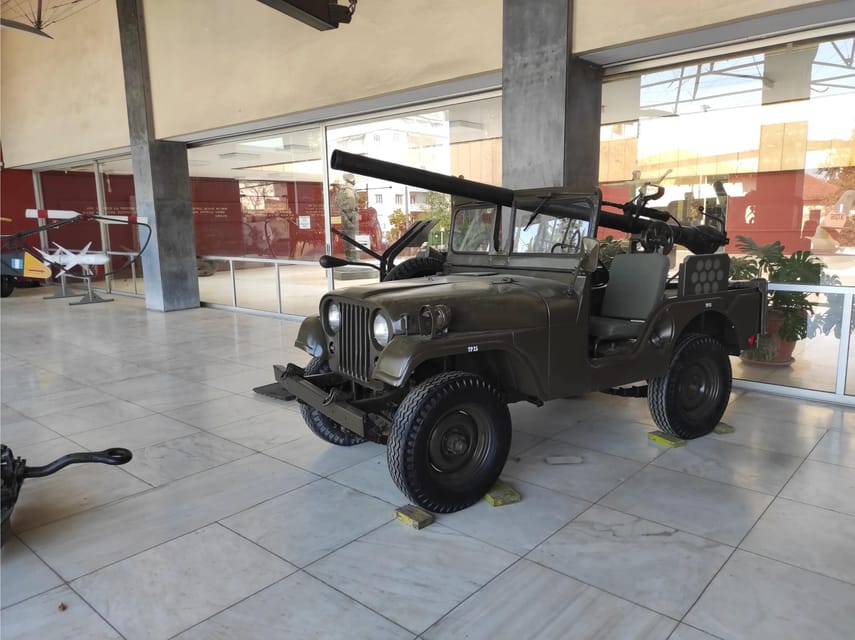
The Battle of Crete in May 1941 was not an isolated clash at one monument. It involved airfields, roads, bridges, high ground, coastal defenses, villages, and landing zones. That is why a moving tour works better here than a single museum visit.
Operation Mercury was the German airborne attack on Crete. The island had already become part of the wider German campaign in Greece, known as Operation Marita. On this tour, you are shown how airfields and defensive positions fitted into that larger plan, and why so many bunkers and lookout posts were built.
I find the use of photographs especially useful. A field can look completely ordinary today. A wartime image placed beside it can show the same road crowded with troops, aircraft, vehicles, or defensive positions. That comparison helps you read the terrain instead of simply passing a ruin and being told that something important happened there.
Apostolis is a professional historian and a licensed tourist guide by the Greek Ministry of Tourism. His approach, based on the available feedback, is calm and flexible rather than rushed. That matters on a subject with a lot of dates, military movements, and competing viewpoints. You have time to ask questions and think between stops.
You can also read our reviews of more tours and experiences in Souda.
Maleme airfield and the battle for Hill 107
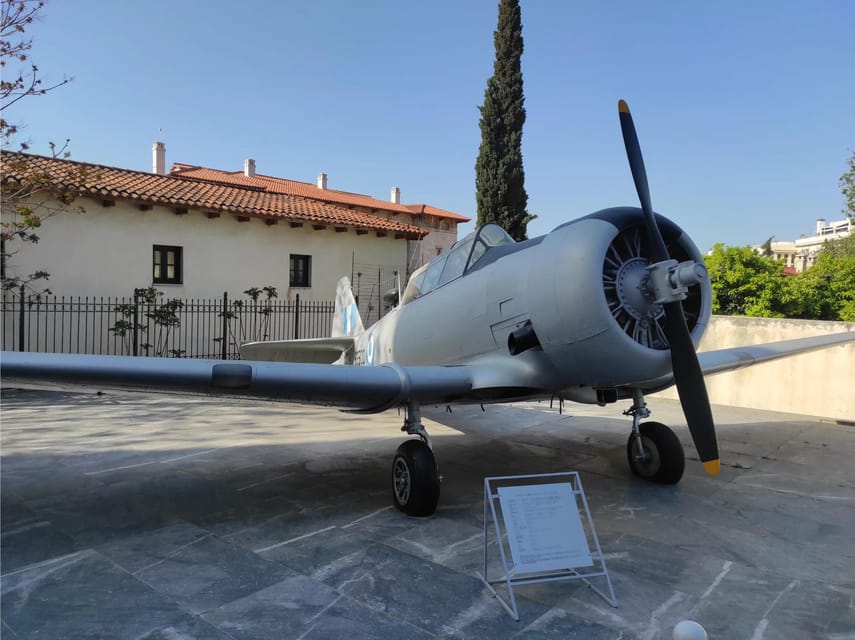
Maleme is the tour’s essential opening chapter. The airfield was a key objective in the German attack, and the nearby battlefield helps explain why control of this part of western Crete mattered so much.
Expect about an hour of guided sightseeing at Maleme, followed by more stops in the surrounding area. The route includes Hill 107, the high ground that played a major role in the battle. From positions such as this, your guide can explain how height, visibility, and access to the airfield affected the fighting.
This is where the then-and-now photographs earn their keep. You can compare the modern view with wartime scenes and better understand the distances involved. Military history often becomes a list of unit names when taught indoors. At Maleme, the land itself provides part of the explanation.
The next half-hour includes a photo stop and guided sightseeing, followed by another half-hour walk in Maleme. Bring sturdy shoes, not sandals you would only wear beside a swimming pool. The walking is not described as a strenuous hike, but the tour specifically asks you to wear comfortable walking shoes, and abandoned military areas are rarely smooth.
The airfield area may appeal most to people who already know something about the battle. If you are new to the subject, do not worry. The tour is designed to explain what happened, why the Axis forces attacked, how the battle ended, and what remains today.
Cemeteries, memorials, and the human cost
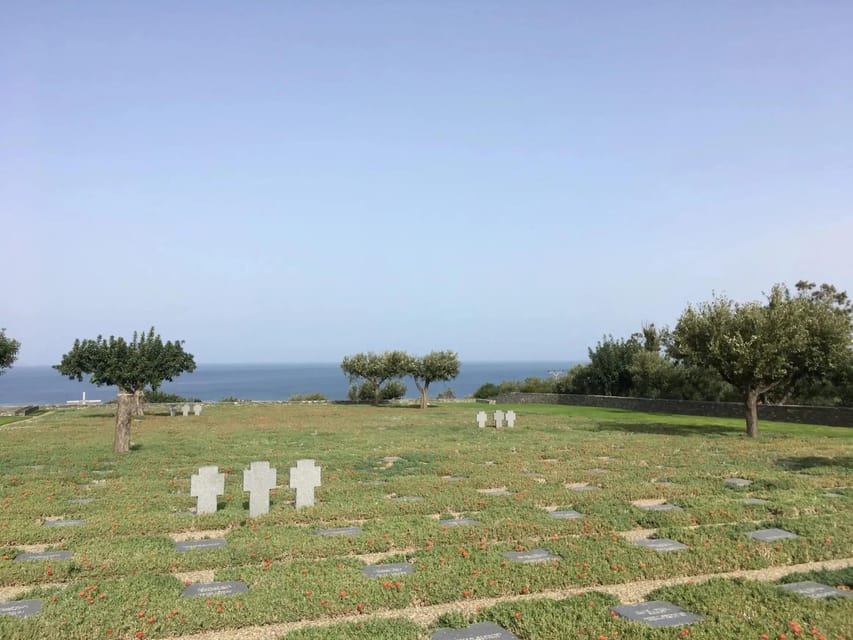
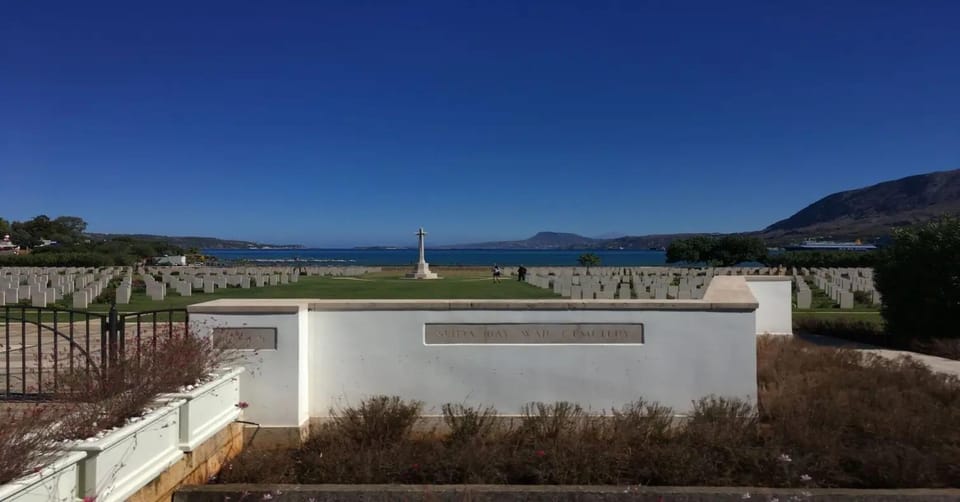
War cemeteries change the tone of the day. Battlefields help you understand movements and strategy, but rows of graves bring the cost of those decisions into plain view.
The German War Cemetery is part of the route, and the Allied War Cemetery in Souda is also included in the planned visit. One important advantage of a private tour is flexibility. If you have already been to Souda Bay Cemetery, the schedule can be adjusted so that you spend more time elsewhere rather than repeating a stop.
The day can also include the RAF memorial and the contested bridge mentioned in the route details. These smaller memorial points help fill in the story between the best-known sites. They are useful for anyone who wants more than a standard stop at a cemetery and a short explanation.
You should allow the guide to set the pace here. Apostolis has been described as knowing when to explain and when to give you quiet time. That is a good quality at memorial sites, where constant commentary can get in the way.
Platanias and the German bunker system
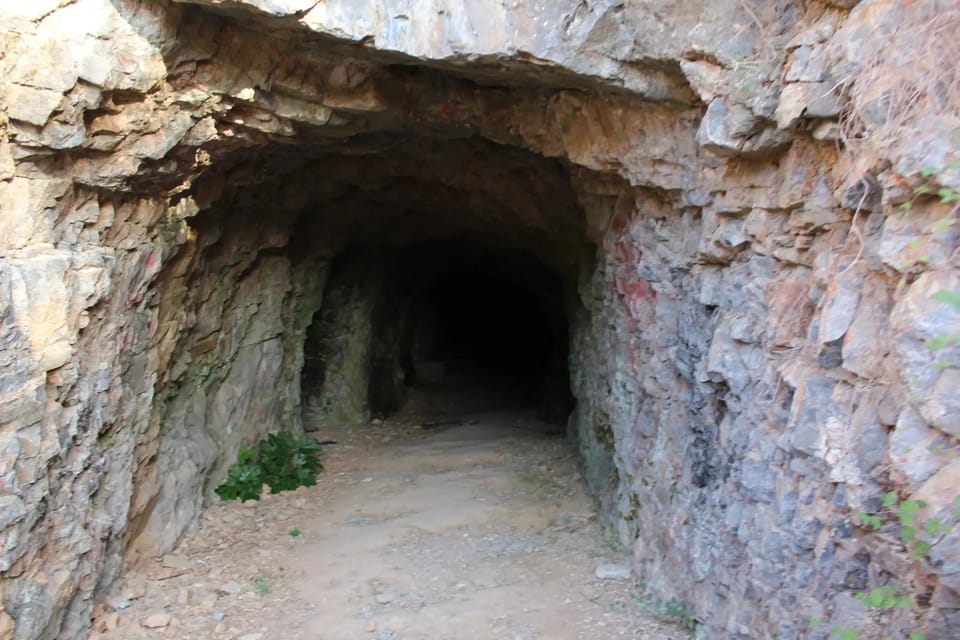
The Platanias section lasts about an hour and includes a visit, self-guided time, and scenic views along the way. It is also associated with a Battle of Crete bunker and the tour’s promised look at abandoned German military installations.
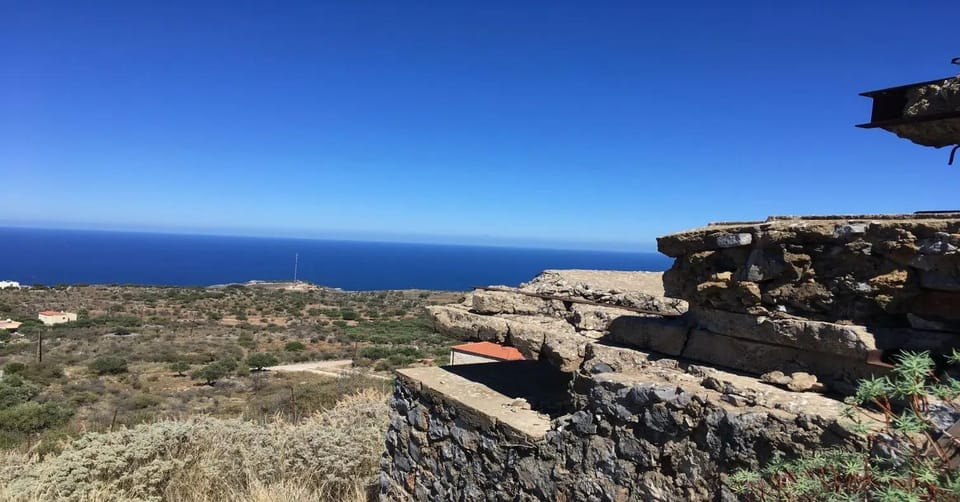
The major highlight is an undisclosed German bunker system. The exact location is not provided in advance, which helps protect the character of the site and keeps the experience away from a polished, conventional museum setting. Expect an abandoned military position, lookout or observation areas, surviving relics, and broad views.
The phrase open-air museum is a useful way to think about this part of the day, but do not expect a staffed museum with display cases and smooth paths. This is a field-based visit to old military infrastructure. You may encounter rough ground, limited facilities, and surfaces that need care.
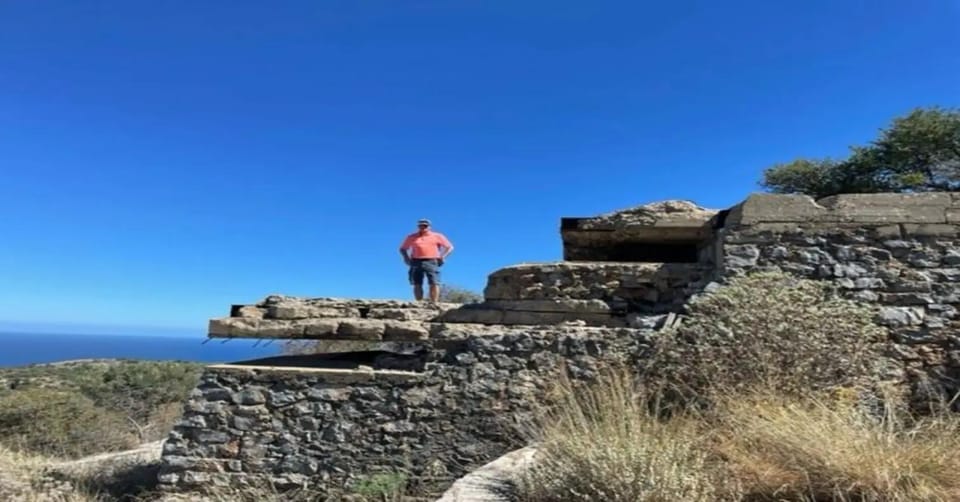
The tour also includes unknown World War Two lookouts and observation points. These places are valuable because they show how the German defensive network worked beyond the headline battlefield. You are not only hearing about the attack. You are seeing where troops watched roads, coastlines, and approaches.
A camera is recommended, but treat the area with respect. The purpose is to understand the site, not to climb unstable structures or remove anything. The tour provides access to relics and remains, but it does not suggest that you handle them.
Galatas, former POW sites, and the wider story
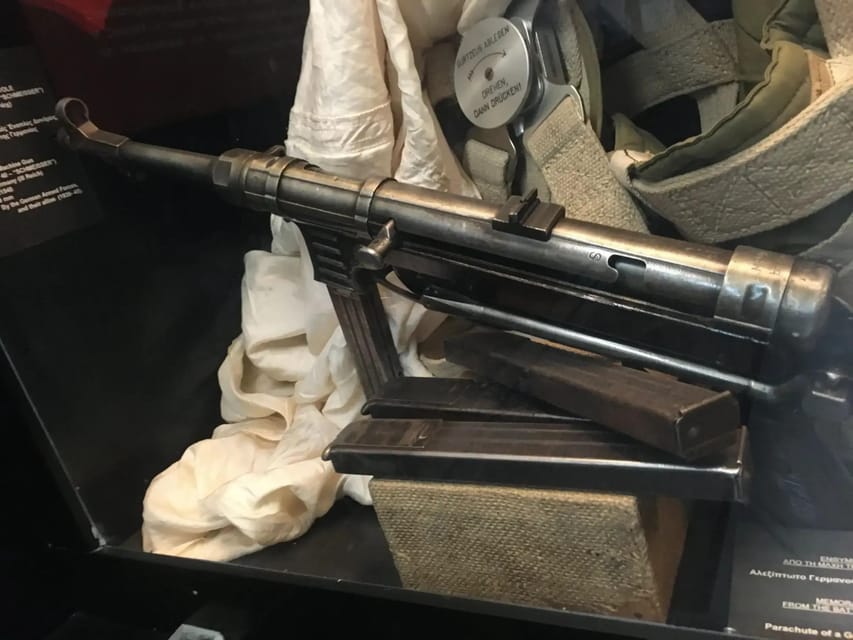
The Chania Regional Unit portion of the tour brings in more battlefield ground and lesser-known locations. Galatas and a former prisoner-of-war camp are among the places that may be included, along with other significant sites away from the main tourist path.
This portion is useful because it broadens the story beyond Maleme. You learn how the Battle of Crete affected several parts of the island, not just the airfield. The guide also places the war within modern Cretan life, including military service and the reason NATO has a base on the island.
The schedule gives roughly an hour for a guided visit in this wider area, followed by another hour for a photo stop, visit, and guided sightseeing. Since the exact stops can be adapted, ask Apostolis at the start of the day which locations are planned for your group.
This is also where the private format has real value. In a large group, an obscure lookout or small battlefield can become a quick photo stop. With your own vehicle and guide, you can ask for more explanation, pause over a photograph, or move on when a subject has been covered.
What the six-and-a-half-hour format feels like
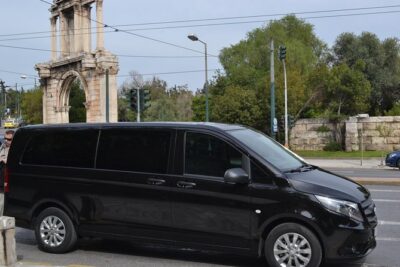
The tour includes pickup and drop-off in central Chania, with private transport in a modern air-conditioned vehicle. It is also available as a shore excursion covering Chania and Souda Cruise Port, which makes the timing useful for some cruise passengers, provided the starting time matches your ship’s schedule.
Six and a half hours is long enough to build a connected story, but it is not a casual half-day outing. You will spend much of the day getting in and out of the vehicle, listening at outdoor sites, taking photographs, and walking around military remains.
Pack water, sunscreen, a hat, and comfortable shoes. Food and drinks are not included, so bring what you need or ask about a meal break before the tour begins. Smoking is not allowed.
The private setup means you travel only with your friends or family. That makes the $200 per person price easier to justify for a small group with a strong interest in the subject. For one person or a pair, it is a major expense. For a larger private party, the specialist guide, vehicle, pickup, and adaptable route offer better value than booking several separate transfers and trying to connect the sites yourself.
There is also a Battle of Crete War Museum with a separate entrance fee of €5 per person. That cost is not included, so confirm whether the museum fits your chosen route and budget.
The guide makes or breaks this subject
Battlefield tours depend heavily on the guide. Without context, an airfield is an airfield, a bunker is a dark concrete room, and a cemetery is a series of names. Apostolis adds the links between those places.
His strongest qualities are his command of the military story and his understanding of Cretan life. He can explain the events of May 1941, the reasons behind the Axis attack, and the remains of Operation Mercury, then connect that past to modern military service and NATO activity.
The use of rare archive material is more than a visual extra. It gives you a way to compare the present with the past and test what you are seeing. That is especially helpful at sites where buildings have disappeared or vegetation and modern roads have changed the view.
The guiding style also appears suited to different levels of interest. You can ask detailed questions about the battle, or rely on a broader explanation if this is your first encounter with the subject. The tour is conducted in English or Greek.
Who should book this private tour?
I would recommend it most strongly to people who already enjoy military history, family-history research, battlefield visits, or the history of German occupation in Greece. It also suits anyone who wants to see a side of Crete that is very different from beaches, villages, and archaeological sites.
It is a good choice for adults and older children, but it is not suitable for children under eight. People with mobility impairments should be cautious because of the walking and abandoned installations.
You should also book it if you prefer questions and conversation over a scripted bus tour. The route can be adapted, and the day is not tied to a large group’s pace. If you want a light sightseeing trip with little walking and only a quick mention of the war, this may feel too specialized.
Free cancellation up to 24 hours before the tour and reserve-now, pay-later booking make planning less risky. Those policies are useful, but the real decision is whether you want to give a full day to the subject.
Should you book it?
Book this tour if you want to understand the Battle of Crete through actual ground, wartime photographs, cemeteries, and abandoned German defenses. The strongest reasons are Apostolis’s specialist guiding, the private pace, and access to military sites that are not part of a standard Chania sightseeing loop.
At $200 per person, it is not a bargain excursion for a solo visitor. It becomes more convincing when shared by a private group, especially if you would otherwise need to hire transport and research the sites yourself.
Before paying, confirm the exact walking conditions, the accessibility issue, and whether Souda Bay Cemetery or the €5 museum entrance is part of your preferred route. If those points work for you, this is a serious and unusually personal way to study Crete’s wartime past.
FAQ
How long is the Battle of Crete tour?
The tour lasts 6.5 hours, including pickup and return to Chania.
What locations are included?
The route includes Maleme airfield, nearby battlefields, Hill 107, wartime cemeteries, Platanias, sites in the Chania Regional Unit, and abandoned German bunkers and lookouts. Galatas, a former POW camp, the RAF memorial, and a contested bridge may also be included in the route.
Is the tour private?
Yes. You travel in a private group with your friends or family and a professional guide.
Who leads the tour?
The guide is Apostolis, a professional historian and licensed tourist guide by the Greek Ministry of Tourism.
What languages are available?
The tour is offered in English and Greek.
Is hotel pickup included?
Free pickup and drop-off are included from central Chania areas. Pickup is also available for a shore excursion covering Chania and Souda Cruise Port.
Is the Battle of Crete War Museum entrance included?
No. Entrance to the museum costs €5 per person and is paid separately.
What should I bring?
Bring comfortable walking shoes, water, a hat, sunscreen, and a camera.
Is the tour suitable for wheelchair users?
The activity information is contradictory. It mentions wheelchair accessibility but also says the tour is not suitable for wheelchair users or people with mobility impairments. Contact the provider before booking to confirm the current route and access conditions.
Can I cancel the booking?
You can cancel up to 24 hours in advance for a full refund. A reserve-now, pay-later option is also available.