REVIEW · CRETE
Chania: Sightseeing & Tastings Tour
Book on GetYourGuide →Operated by Crete Local Adventures · Bookable on GetYourGuide
Chania is a food city with a storyline. This 4-hour walking tour is built around Chania’s Old Town—market tastes, neighborhood history, and hands-on craft stops—so you leave with both full pockets and a clearer mental map of where everything fits. I like that it starts at the Dimotiki Agora (Municipal Market), where you taste locally made products right away, and I also like how the tour keeps mixing food with specific stories from the city’s Ottoman, Venetian, and Jewish quarters.
I especially enjoy the way the guide turns sightseeing into something you can feel. Expect samplings like Greek coffee, sweets, olives, honey, olive oil, and mezedes with raki, plus a coffee break and a short detour to a hidden spot. One thing to consider: you’ll be walking a good amount on uneven Old Town streets, so comfortable shoes matter.
Guides can also vary—names you may hear in past groups include Yannis, Adonis, Manos, and Ioannis—and each tends to bring a warm, conversational style. If you’re someone who likes a slow, wide-boulevard pace, this may feel a bit tight; it’s designed for back streets, short waits, and lots of stops.
In This Review
- What Makes This Chania Food and History Tour Work So Well
- The Municipal Market Start: Dimotiki Agora Bites and Big Context
- Old Chania Streets and the Ottoman and Jewish Quarters
- Coffee Break and a Hidden-Gem Detour (That Actually Matters)
- Meet Artisans and Try a Craft: Knife-Maker Workshop Energy
- Wine Tasting, Raki, and Mezedes: The Part You’ll Remember
- Pace, Group Size, and Meeting Point Reality Check
- Price and Value: What $114 Buys in Real Life
- Who This Tour Suits Best (and Who Might Want Something Different)
- Tips to Get the Most from Your Chania Food Walk
- Should You Book This Chania Sightseeing and Tastings Tour?
- FAQ
- What is the duration of the Chania Sightseeing & Tastings Tour?
- Where does the tour start?
- What’s included in the tour?
- Is breakfast recommended before the tour?
- Is wine included, and is alcohol restricted by age?
- Can vegetarians or people with dietary restrictions join?
- How much does it cost?
- Is the tour wheelchair accessible?
- Can I cancel for a full refund?
What Makes This Chania Food and History Tour Work So Well
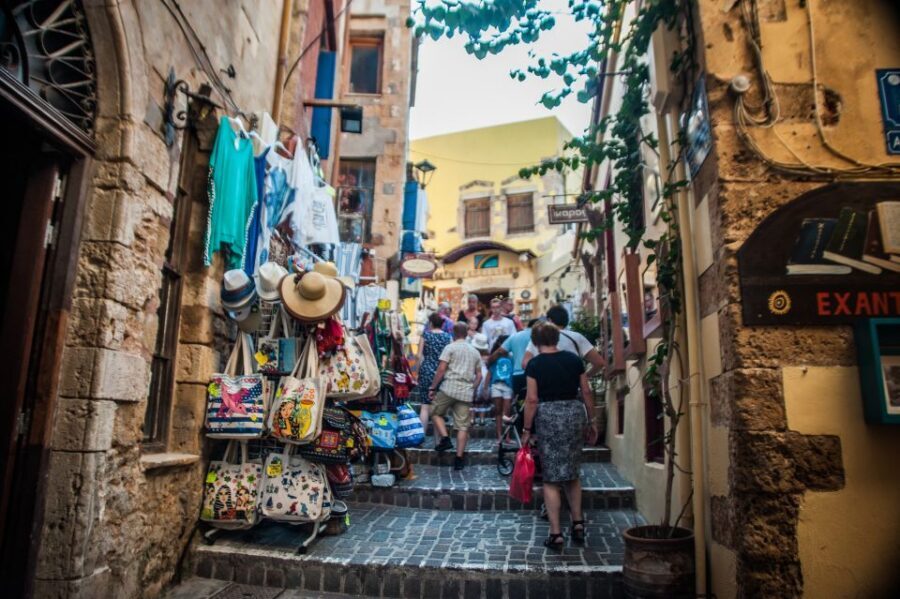
This is one of those tours where the structure supports the experience. You’re not just eating randomly; you’re eating in sequence—market first, Old Town sights in the middle, then a final sit-down with Cretan mezedes as you stroll along toward the harbor area. It keeps your energy up and makes the history easier to remember because you’re tying it to real places and real flavors.
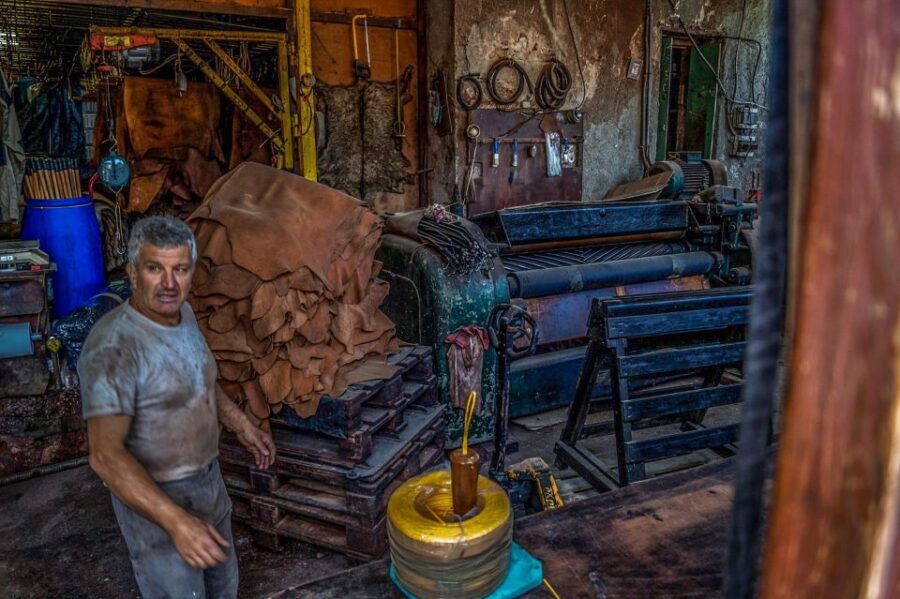
A second win: you get local makers in the mix. The tour includes a visit to traditional workshops, including one of the last remaining knife-making workshops where you can hear how those handmade Crete pieces are produced. When you can watch someone work, the souvenirs feel less like “stuff you bought” and more like “a story you brought home.”
The Municipal Market Start: Dimotiki Agora Bites and Big Context
Your tour starts at Kydon, The Heart City Hotel, and your guide waits at the entrance holding a Crete Local Adventures sign. From there, you head to the Dimotiki Agora (Municipal Market), which was established in 1913—the same year Crete unified with Greece. It’s a smart place to begin because market life is where you immediately see how the island thinks about food: local, seasonal, and tied to household traditions.
At the market, you’ll find over 70 family-owned businesses selling groceries and Cretan products, and the tour includes tastings so you don’t have to guess. The focus is on everyday items—things like olives, honey, and olive oil—so you can understand why Crete gets a reputation for healthy eating without needing a lecture.
Practical payoff for you: once you’ve tasted at the market, you’ll know what to look for later if you want to shop on your own. You also learn how to identify genuine Cretan products versus anything imported.
You can also read our reviews of more tours and experiences in Crete.


Old Chania Streets and the Ottoman and Jewish Quarters
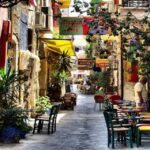
After the market, you move into the Old Town on foot. This is where the tour shifts from “what is Crete eating?” to “how did Crete become Crete?” You’ll weave through narrow lanes and back streets and pass Venetian and Ottoman monuments along the way. The guide shares tales—kings, sailors, merchants, heroes, lovers, and artists—so the sightseeing stops feel connected instead of random photo moments.
A major highlight is time in the Old Jewish and Ottoman neighborhoods. Chania’s history isn’t a single straight line; it’s layered. Walking these districts helps you see the city as a crossroads between the West and East for centuries—less like a museum, more like a living map.
If you like walking tours, you’ll probably love this part most because you get both sight and meaning. If you get impatient with narration, it helps to remember: the stories are short, place-based, and meant to make the city easier to navigate after the tour ends.
Coffee Break and a Hidden-Gem Detour (That Actually Matters)
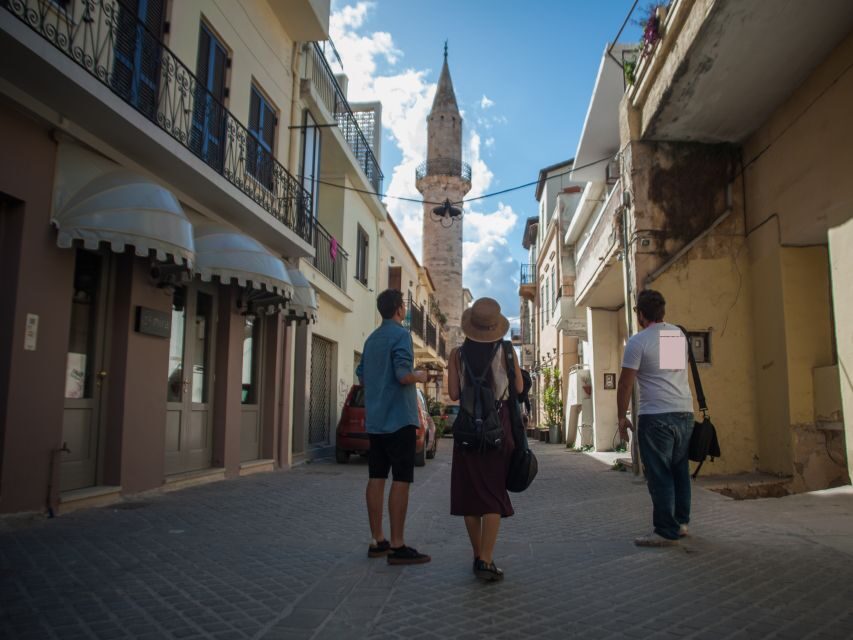
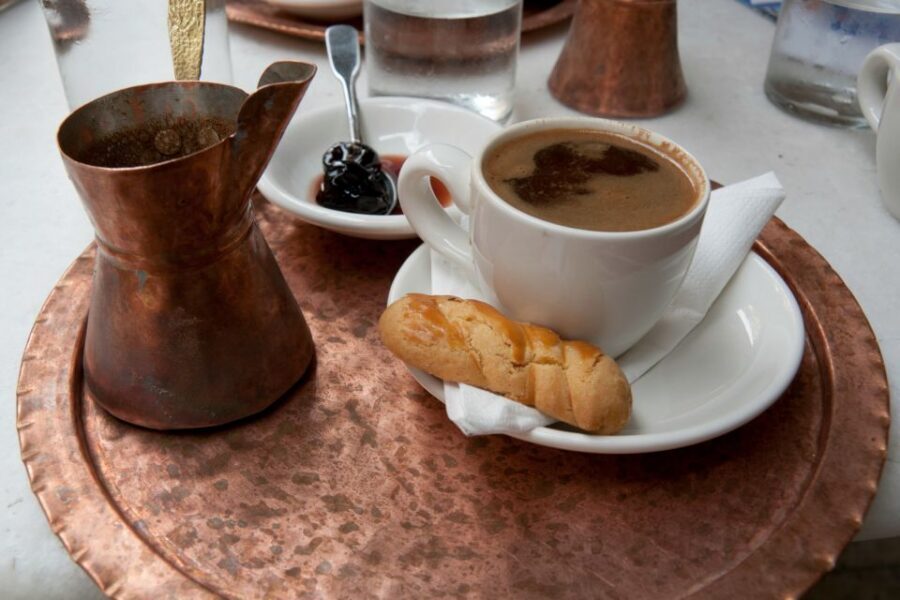
Midway through the walk, you’ll stop for Greek coffee (about 30 minutes). This isn’t filler. In Chania, a coffee break is part of how locals slow down, talk, and reset, and it gives you a moment to regroup before the tour leans into tastings and neighborhood wandering again.
Then there’s a hidden-gem style detour (around 30 minutes). The goal is simple: you’ll slip away from the most obvious routes and see a quieter corner of the Old Town. In practice, that means calmer streets for photos and a better sense of scale—how the city feels when you’re not surrounded by the main flow.
Meet Artisans and Try a Craft: Knife-Maker Workshop Energy

One of the most praised parts of this tour is the chance to meet local artisans and watch real traditional work. You’ll visit craftsmen producing handmade products, and the tour includes an interactive element where you might even test your own skills depending on the workshop.
The knife-making stop is the standout example: you’ll hear stories from a maker in one of the last workshops for traditional Cretan knives. Even if you’re not buying anything, it gives you a sharper idea of what “handmade” means here—time, technique, and a family tradition that didn’t get replaced by machinery.
Why this matters for you: when you understand craft process, your shopping becomes easier. You’ll know which shops are built on local production and which ones just sell Crete-themed products.
Wine Tasting, Raki, and Mezedes: The Part You’ll Remember
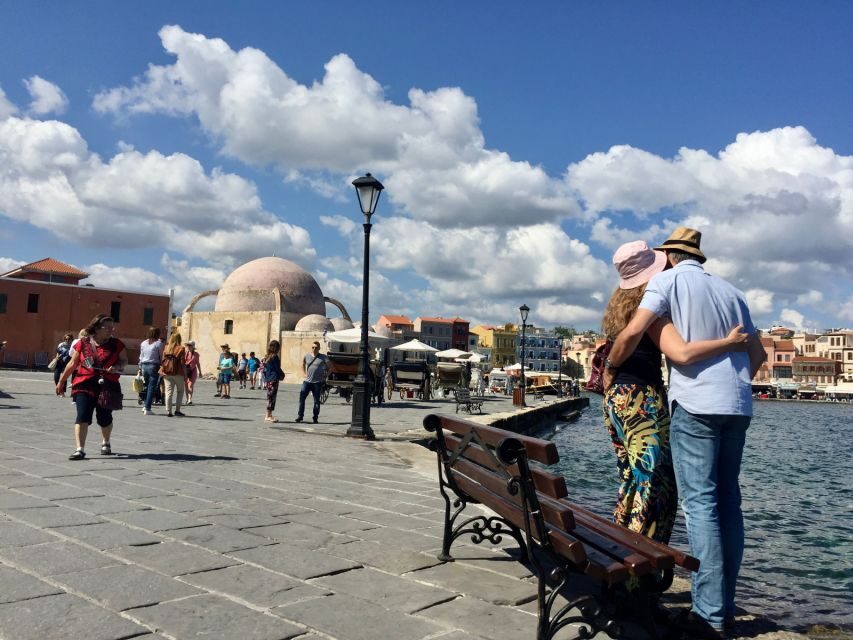
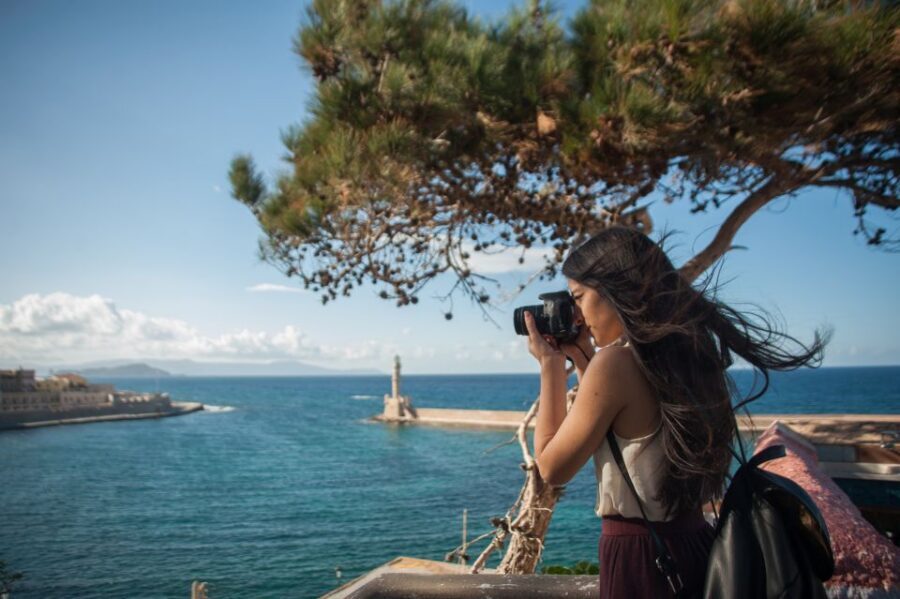
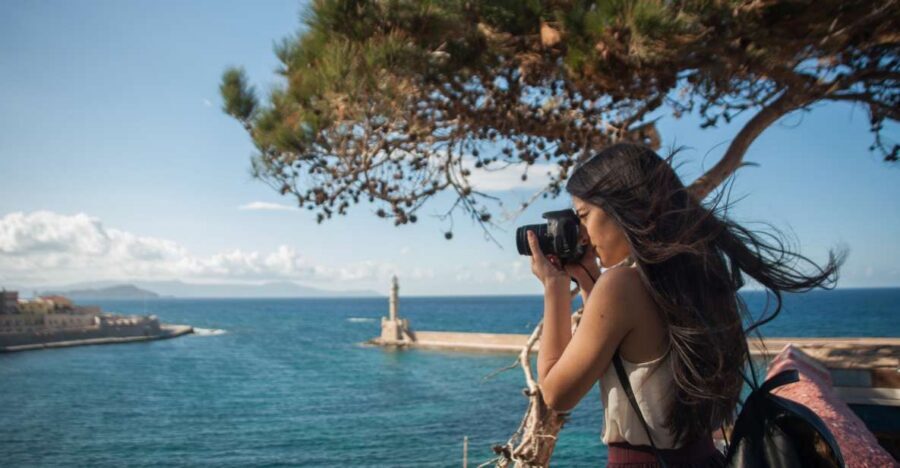
Toward the end of the tour, the experience shifts into “sit down and taste.” You’ll walk toward the historic harbor’s promenade area, and the tour finishes at a local favorite spot with a table of mezedes—Cretan tapas—and drinks that include raki.
You also have wine tasting built into the schedule (about 1 hour). It’s a good setup: the wine portion happens after you’ve already learned about local foods and products, so you can connect the drink to what you’ve been tasting.
A key consideration: alcohol is allowed only for participants age 18 or older. If you’re under 18, the tour provides non-alcoholic alternatives.
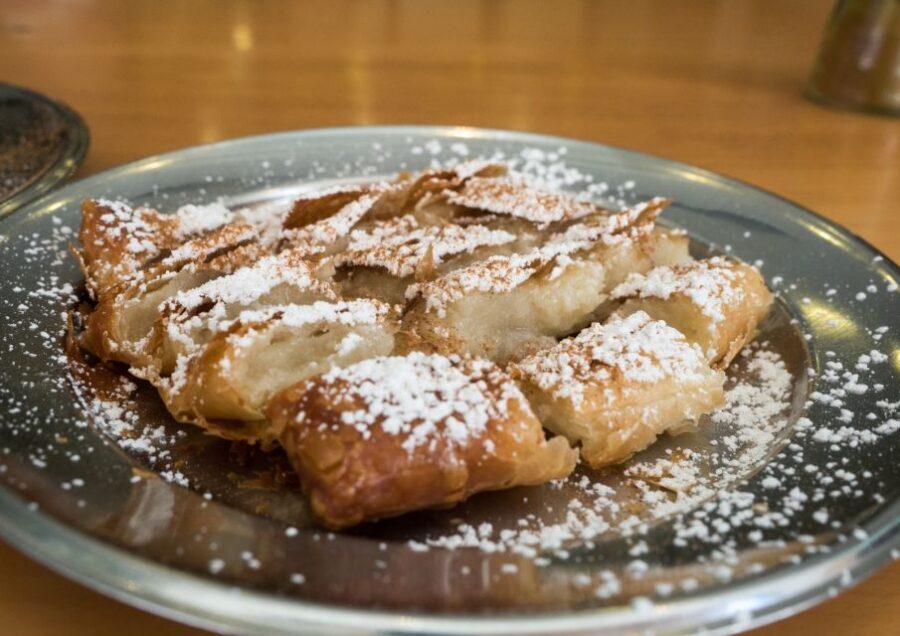
From the food examples shared in past groups, you may run into favorites like bougatsa, raki, local cheeses, and Cretan pies alongside the included olives, honey, and olive oil. Don’t plan on dinner after this. Most people leave feeling comfortably full, not painfully stuffed, because the tastings are spaced out.



Pace, Group Size, and Meeting Point Reality Check
This tour is designed as a laid-back walking route, but it’s still a walking tour. You’ll cover multiple Old Town sections and stop frequently—market, coffee, sights, artisan areas, then multiple tasting moments. The pace usually works well because the tastings reset you as you move, instead of turning the day into one long snack marathon.
Group size can feel intimate. Some past experiences even shifted to a more private feel when fewer people joined, which made it easier to ask questions and get personal recommendations.
Meeting point note: your guide meets you at Kydon, The Heart City Hotel at the entrance, holding a Crete Local Adventures sign. One practical tip—arrive a few minutes early and double-check you’re at the hotel entrance, not across the street.
Price and Value: What $114 Buys in Real Life
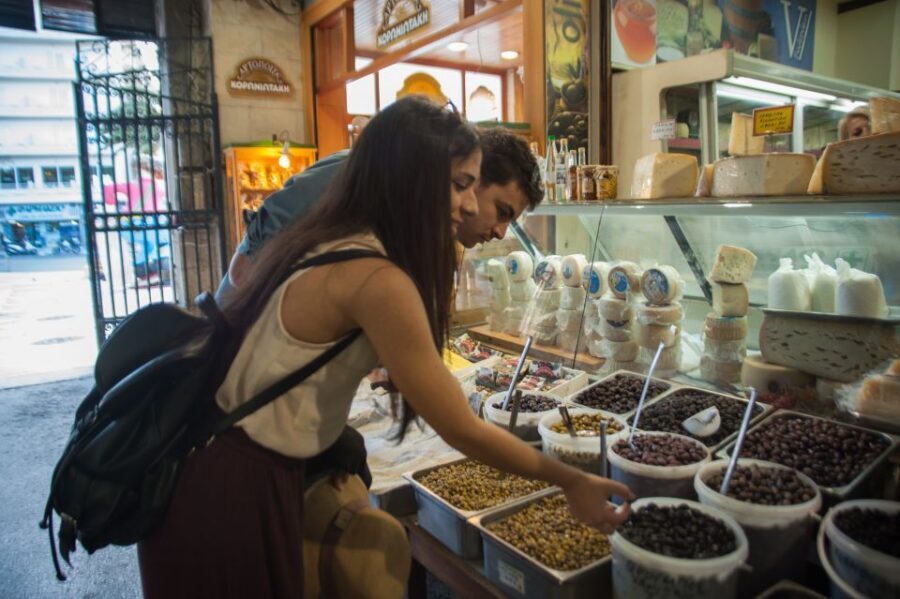
At $114 per person for about 4 hours, the value comes from volume and variety—not just “a couple of bites.” You’re getting tastings across multiple categories: market foods (like olives, honey, olive oil), sweets, Greek coffee, mezedes, and drinks including raki and wine tasting. That’s the core.
You’re also paying for local expertise that helps you turn the day into knowledge you can use. The history stops aren’t generic. They’re tied to specific districts: Venetian and Ottoman monuments, plus the Old Jewish Quarter. And the craft workshop component adds another layer that most food tours skip.
If you’re the type who likes to shop after you taste, this tour also helps you learn what to look for. You’ll leave with names of directions and categories—Cretan-only products, traditional workshop items, and the kind of food stands that locals actually return to.
Who This Tour Suits Best (and Who Might Want Something Different)
This tour is a strong match if you:
- Like walking and want a practical introduction to Old Town
- Prefer small, frequent tastings over one big meal
- Enjoy history when it’s tied to real neighborhoods, not just dates
- Want local recommendations you can use after the tour
It may be less ideal if you:
- Hate alcohol-based tastings (though you can stay with non-alcoholic options if needed)
- Have mobility limitations that make uneven cobblestones difficult
- Want lots of “free time” to browse without moving as a group
Tips to Get the Most from Your Chania Food Walk
Here’s the simplest advice: show up hungry. Multiple guides’ groups specifically emphasize not eating breakfast beforehand because you’ll be tasting a lot along the way.
Bring:
- Comfortable shoes
- A jacket if you run cool (Old Town mornings and harbor evenings can shift)
And do this mentally: treat each stop like a clue. When the guide mentions a district—Ottoman or Jewish, Venetian monuments, harbor routes—try to note what you’re seeing. By the end, you’ll have a mental map that makes independent exploring much easier.
Should You Book This Chania Sightseeing and Tastings Tour?
Yes, if your goal is to understand Chania through food and walking. This tour gives you a clean, high-value route: market tastings at the Dimotiki Agora, Old Town storytelling, artisan workshops (including the knife-maker experience), then a final table of mezedes with raki and wine tasting.
Book it especially if you want both sides of Chania—what you eat and how the city got shaped. If you’d rather do a museum-only day or you can’t handle walking between neighborhood corners, you might want to choose a different format.
If you do book, come with an empty stomach and a curious mindset. That’s the winning combo for this one.
FAQ
What is the duration of the Chania Sightseeing & Tastings Tour?
The tour lasts about 4 hours.
Where does the tour start?
The meeting point is in front of Kydon, The Heart City Hotel, at the entrance. Your guide will be holding a Crete Local Adventures sign.
What’s included in the tour?
Included items are the tour and guide, Greek coffee, local sweets, olives, honey, olive oil, mezedes (tapas), and raki (drink).
Is breakfast recommended before the tour?
No. You’ll have plenty of food to taste along the way, so it’s best to come without a full breakfast.
Is wine included, and is alcohol restricted by age?
Wine tasting is part of the tour schedule. Alcohol is allowed only for participants age 18 or older; participants under 18 are provided non-alcoholic beverages.
Can vegetarians or people with dietary restrictions join?
Yes. Vegetarians and other dietary restrictions can be accommodated if you notify the local partner in advance.
How much does it cost?
The price is $114 per person.
Is the tour wheelchair accessible?
Yes, the tour is listed as wheelchair accessible.
Can I cancel for a full refund?
Free cancellation is available up to 24 hours in advance for a full refund.