REVIEW · GREECE
Crete: Lasithi Plateau & Ceramic Workshop
Book on GetYourGuide →Operated by ETHERION · Bookable on GetYourGuide
The most striking part of this Crete outing is the climb into the Lasithi Plateau, a broad mountain plain framed by high peaks, old windmills, and productive fields. Along the way, you’ll visit Kera Kardiotissa Monastery, where a revered icon of the Virgin Mary and paintings from the 1400s give the day a strong historical and spiritual note.
I like the mix of mountain scenery and village life, rather than a day spent only at one monument. The handmade ceramics workshop in Psychro gives you a look at a local craft, while Tzermiado offers time to sit down, eat, and enjoy the views. The main drawback is pace: the long coach ride and several short stops can make the day feel more like an overview than a slow, personal exploration.
In This Review
- Key points to know before you go
- From Crete’s coast to the high Lasithi Plateau
- Kera Kardiotissa Monastery and its old icons
- The Lasithi Plateau: farms, windmills, and high mountain air
- Psychro Village and the handmade ceramics workshop
- The Cave of Zeus and the cost of extra effort
- Tzermiado’s 70-minute pause
- What the $40.65 price really covers
- Who will enjoy this Crete mountain day
- Practical tips for a smoother day
- Should you book this tour?
- FAQ
- How long does the experience last?
- What languages does the guide speak?
- Is hotel pickup included?
- Which areas have free pickup and drop-off?
- Is the Kera Monastery entrance included?
- Is the Cave of Zeus entrance included?
- Is lunch included?
- How much free time do you get in Tzermiado?
- What should you bring?
- Can you cancel for a full refund?
Key points to know before you go
- Kera Kardiotissa Monastery: See the famous Virgin Mary icon, older paintings, and a working convent run by nuns. Entry costs €2.
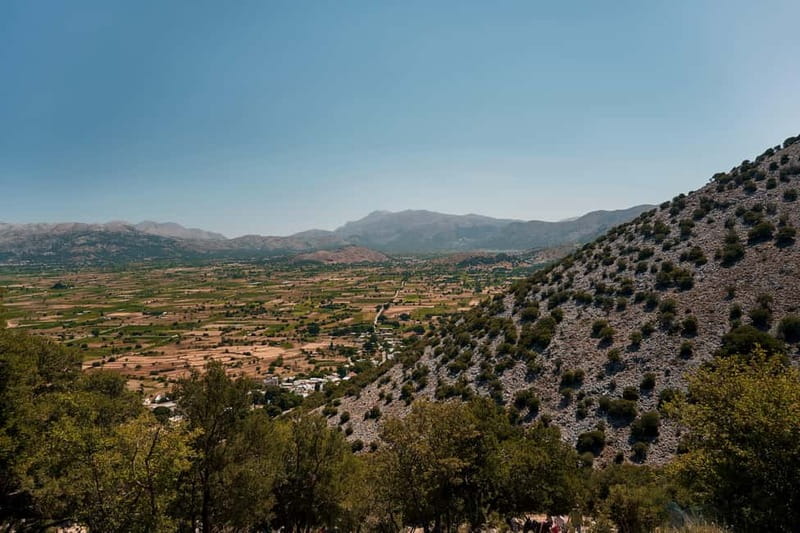
- Lasithi Plateau scenery: Travel through a high plain of farms, flowers, mountain villages, and traditional windmills.
- Psychro ceramics: Stop at a workshop known for handmade pottery, with time to browse and possibly buy local pieces.
- Tzermiado lunch break: Spend about 70 minutes in the plateau’s largest and oldest village for food, photos, and free time.
- Coach-based mountain day: Air-conditioned transport, a professional driver, and an English or German-speaking guide are included.
- Extra cave cost: The optional Cave of Zeus entrance is not included and costs €6. The uphill route can be hard in hot weather.
From Crete’s coast to the high Lasithi Plateau
This is an eight-hour day trip designed for people staying along Crete’s northern coast. Pickup is available from a long chain of resorts and towns, including Heraklion, Ammoudara, Karteros, Kokkini Hani, Gouves, Analipsi, Hersonissos, Koutouloufari, Stalida, Malia, Sisi, Agia Pelagia, Ligaria, Fodele, and nearby areas.
The exact departure time and meeting point are provided after booking, so keep an eye on your email. The free pickup service is focused on the area between Ammoudara and Malia, with listed pickup points extending across the northern coast.
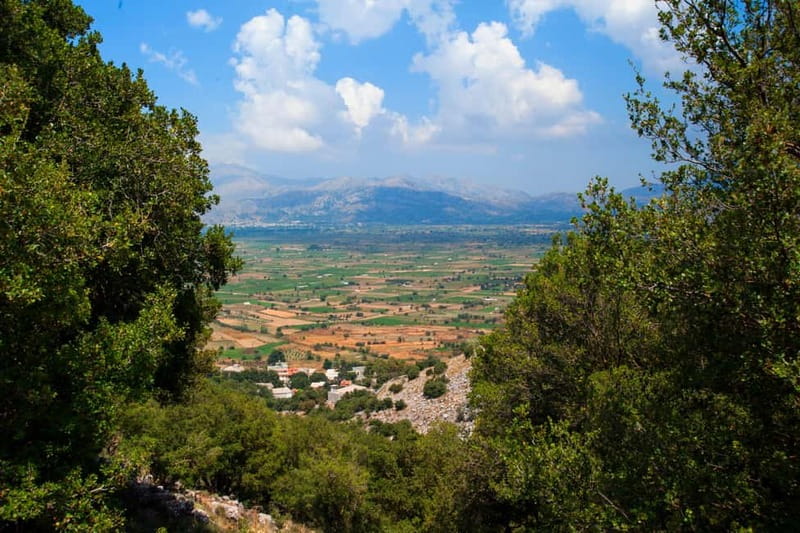
The coach ride matters here. The plateau sits high in the mountains, and reaching it means trading the busy coast for winding roads and changing views. The first coach section lasts about 1.5 hours, followed by shorter transfers of roughly 20 minutes between later stops.
You’ll have an air-conditioned bus and a professional driver, which is useful on a full mountain day. You can concentrate on the view instead of navigating narrow roads, though long stretches in a coach will not suit everyone. Bring water, wear comfortable clothes, and expect a day with plenty of sitting mixed with short walks.
A few more Greece tours and experiences worth a look



Kera Kardiotissa Monastery and its old icons
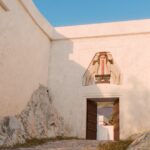
Kera Kardiotissa is the first major stop. This small monastery is run by nuns, giving the visit a working religious character rather than the feel of a purely preserved monument.
The main sight is an icon of the Virgin Mary, along with paintings and other icons dating from the 1400s. If you like Byzantine art, religious buildings, or places that still serve their original purpose, this is likely to be one of the more meaningful stops.
The €2 entrance fee is not included in the tour price. Dress with respect for the religious setting, and keep your expectations measured. The monastery is not presented as a huge complex with a long list of rooms to explore. Its appeal comes from the icon, the old artwork, the setting, and the presence of the nuns.
One useful point is that the monastery may not be the strongest stop for every visitor. If you are mainly seeking grand architecture or a large museum, the visit can feel brief. If you value quiet religious sites and older Cretan art, it gives the day an important cultural anchor.
Your guide speaks English or German and helps place the monastery in context. Guide names are not provided in the booking information, so you should not expect to request a particular guide.
The Lasithi Plateau: farms, windmills, and high mountain air
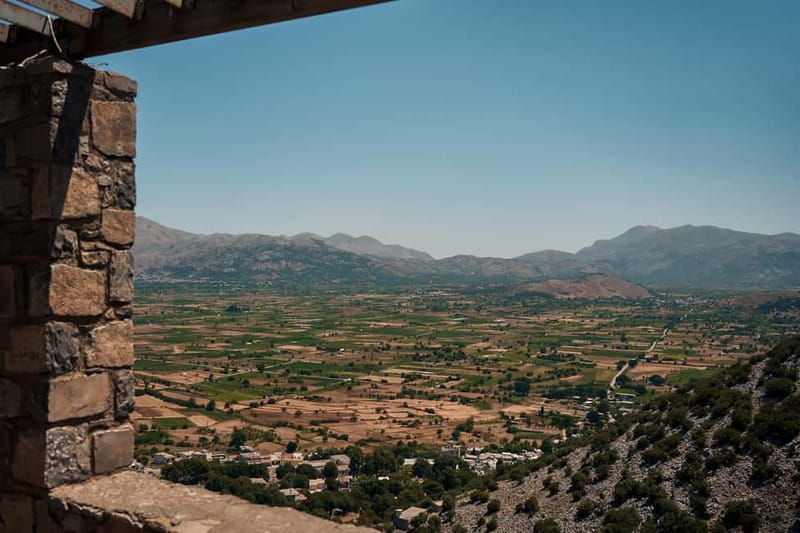
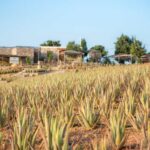
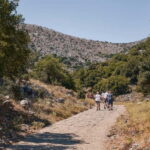
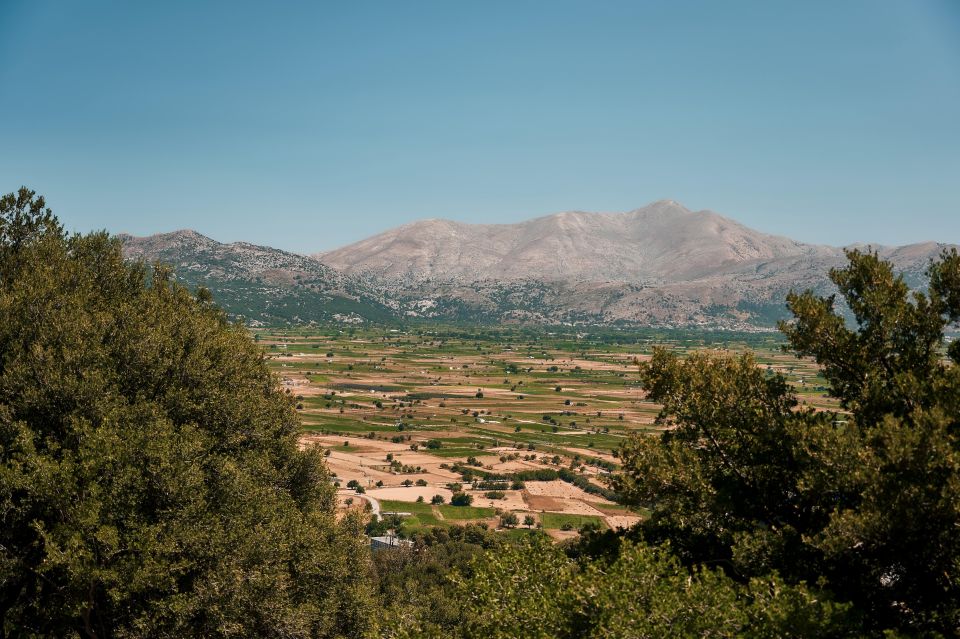
The Lasithi Plateau is the visual center of the day. This high plain is surrounded by mountains and filled with fields, plants, flowers, and working farms. The open setting feels very different from the coastal resort towns.
The plateau is also known for its windmills. These are among the area’s most recognizable sights, although the tour information does not promise a specific windmill stop or a visit inside one. You’ll mainly see them as part of the scenery while moving between villages and stopping for views.
I like this part of the experience because it gives you room to notice how Crete changes with altitude. The coast is built around beaches, hotels, and seaside roads. Up here, the focus is on fields, village streets, mountain slopes, and a slower rhythm.
The downside is that a coach tour cannot cover every corner of the plain. You’ll get a broad look at the area rather than a detailed walk through its farms or a long nature outing. For most people, that trade-off is fair, especially if they want to see the plateau without arranging a rental car.
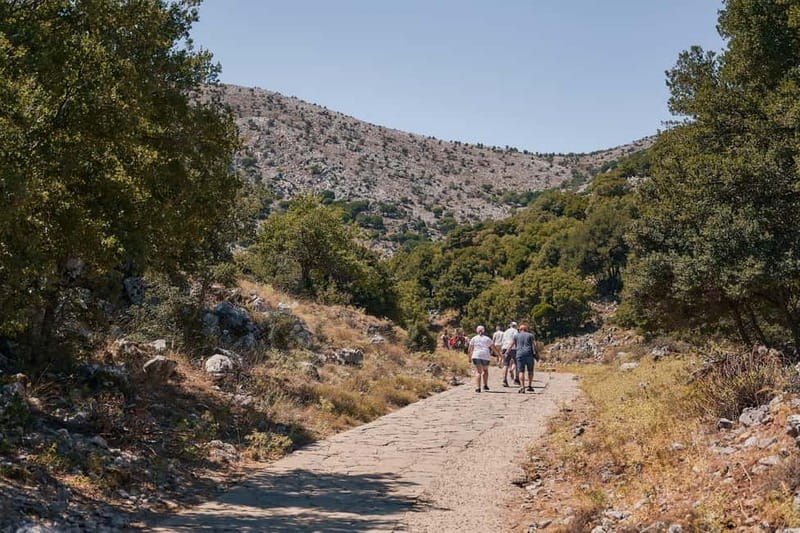
Bring sunglasses, a sun hat, and sunscreen. The open fields and mountain setting offer little information about shade, so it is wise to prepare for direct sun. Comfortable shoes are also important, particularly if you choose to explore village streets or continue toward the Cave of Zeus.
Psychro Village and the handmade ceramics workshop
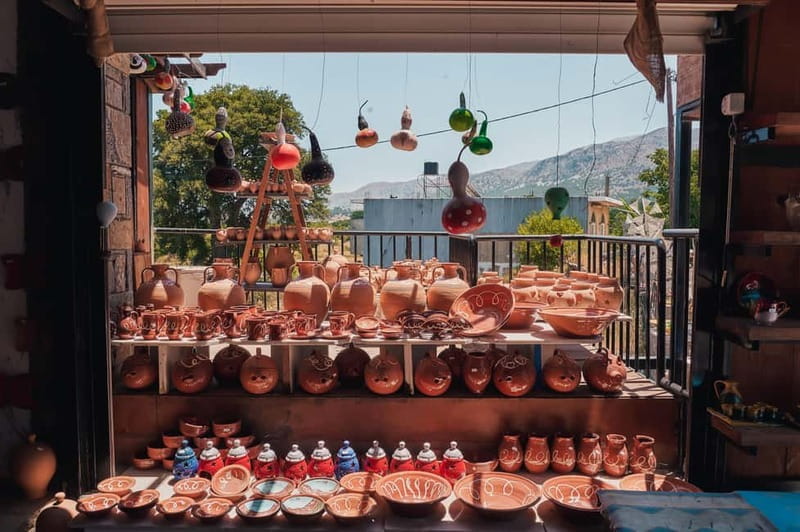
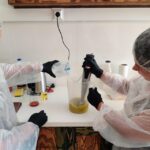
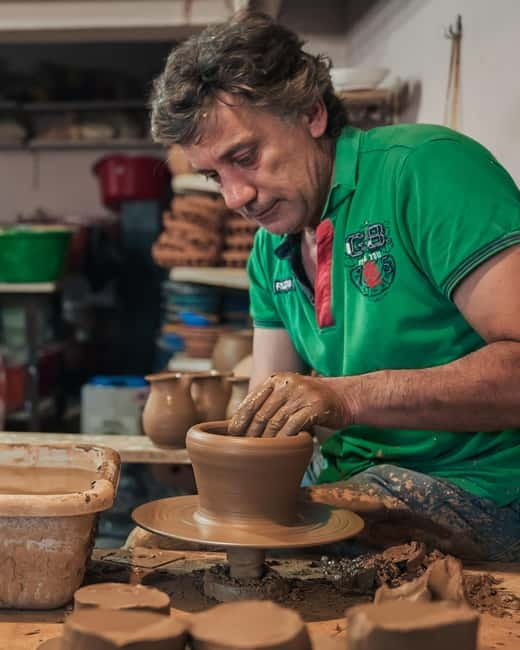
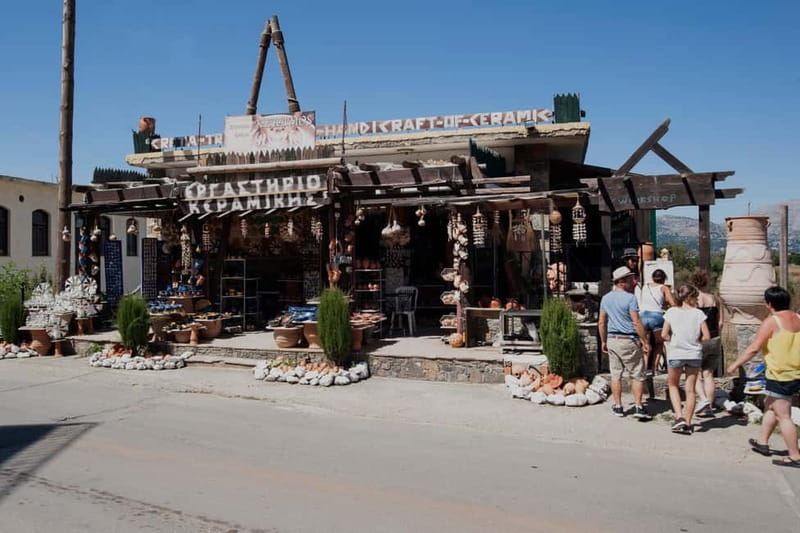
Psychro Village is set in the mountains and is known for handmade ceramics. The workshop visit gives the day a practical local touch. Instead of seeing only ancient remains and scenery, you’ll encounter a present-day craft connected to Crete’s long pottery tradition.
The supplied information does not state how long the workshop visit lasts or whether a demonstration is guaranteed. You should think of it as a chance to see and shop for handmade ceramics, not as a full pottery class.
That distinction matters. If you want to meet a potter, shape clay, or make your own object, this experience may not meet that expectation. If you enjoy browsing locally made goods and want a small souvenir with a clear connection to the area, the stop may be worthwhile.
The village itself also gives you room to look around. You might find attractive mountain views, pretty streets, and local taverns. The tour information presents Psychro as a place connected with local legends and the surrounding peaks, though your free time may be limited by the day’s schedule.
The ceramics stop is one area where value will depend on your interests. Some people will enjoy the chance to see local work. Others may feel the visit is too commercial or too short, particularly if they are more interested in nature than shopping. You do not have to treat it as the main event. Think of it as a useful contrast to the monastery and plateau scenery.
The Cave of Zeus and the cost of extra effort
The Cave of Zeus is not listed as one of the main included stops, but its entrance fee is noted separately at €6. That means you should confirm with the guide how the cave fits into your particular departure and schedule.
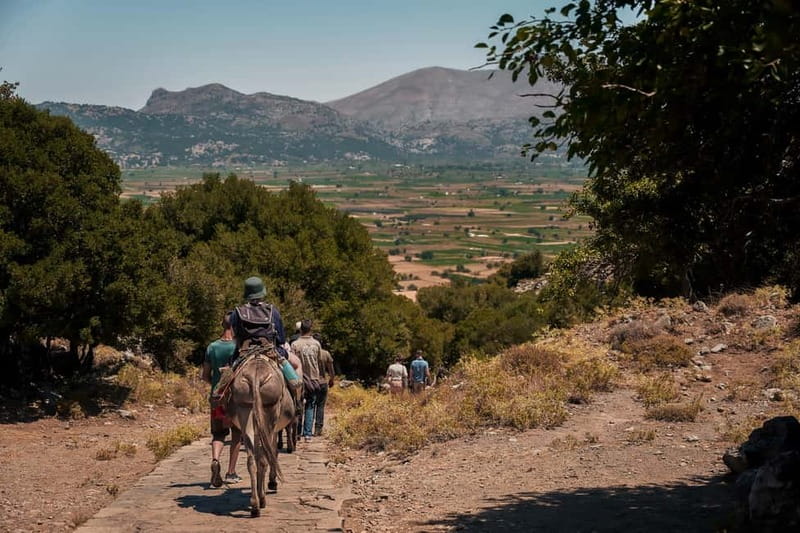
The route to the cave entrance can be physically demanding, especially on a hot day. The approach involves an uphill walk, and the supplied experience information specifically warns that it can be a heavy challenge in heat.
If you plan to go, take the warning seriously. Comfortable shoes are essential, and sunscreen, a hat, and water will make the climb easier. You should not assume that paying the €6 entrance fee removes the walking effort.
This optional cost is one reason to budget beyond the advertised $40.65. You may also want money for lunch, drinks, snacks, and ceramics. The base price covers transport, the guide, the driver, and liability insurance, but not the monastery, cave, food, or purchases.


Tzermiado’s 70-minute pause
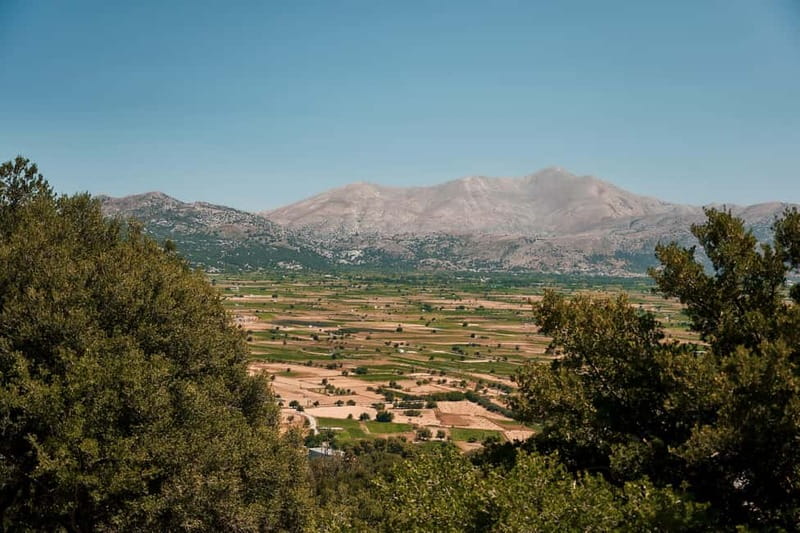
The final main stop is Tzermiado, described as the largest and oldest village on the plateau. You’ll have about 70 minutes here, which is the most generous free-time period of the day.
That hour-plus is useful. You can take photos, walk a little, sit at a bar, enjoy local snacks, or have lunch. The village is presented as a place with traditional buildings and fine views, so this is your best chance to slow down rather than simply step off the bus, take a quick picture, and leave.
I would use the time carefully. If lunch is important to you, check the available tavernas soon after arrival instead of spending the whole break browsing. If you already ate, you can focus on the village, views, and a relaxed drink.
The tour does not specify a meal inclusion, so lunch is at your own expense. It also does not promise a particular restaurant or set menu. That gives you some freedom, but it means you should not expect a carefully planned food tasting.
Tzermiado is likely to be the most comfortable stop for anyone who wants a break from sightseeing. After the monastery, coach travel, mountain roads, and ceramics workshop, having time to sit down gives the day a better balance.
What the $40.65 price really covers
At $40.65 per person, this is a reasonably priced way to reach the Lasithi Plateau without renting a car or arranging separate transport. The price includes hotel-area pickup and drop-off at listed locations, an air-conditioned coach, a professional driver, an English or German-speaking guide, and liability insurance by Generali.
The value is strongest if you are staying in one of the northern resort areas and want an easy full-day outing. The pickup service saves you from getting to a central bus station, though the exact pickup point and departure time are sent only after booking.
The price is less of a bargain if you dislike organized coach tours, want long walks, or prefer to spend most of the day at one place. You are covering several sights in one day, so the schedule favors variety over depth.
Allow extra money for the €2 monastery fee and possible €6 Cave of Zeus entrance. Lunch, drinks, local snacks, and ceramics are also separate. Even with those additions, the day can offer solid value for anyone who wants to combine culture, scenery, and village time at a modest cost.
Free cancellation up to 24 hours before the activity gives you some flexibility, and you can reserve now while paying later. Those terms are useful if your Crete plans are not fully fixed.
Who will enjoy this Crete mountain day
I would recommend this outing to you if you want to see more of Crete than the coast but do not want to drive mountain roads. It suits first-time visitors who want a broad introduction to the plateau, a monastery, a village, local ceramics, and the option of the Cave of Zeus.
It also works well for people who appreciate a mixed day. You get religious art, scenery, shopping, village time, and food rather than a single narrow theme.
Families and older visitors should consider the walking involved at the monastery and cave. The cave route may be strenuous in heat, and the long coach portions can make the day tiring. Anyone with limited walking ability should ask the provider for more detail before booking, since specific accessibility information is not supplied.
You may prefer a different outing if your main goal is a serious hike, a slow food tour, or an in-depth ceramics lesson. This is a survey of the area, not a specialized experience.
Practical tips for a smoother day
Wear shoes that can handle uneven village paths and the possible climb toward the cave. Sandals with poor support are a bad choice.
Carry sunglasses, a sun hat, sunscreen, and water. The plateau may feel cooler than the coast, but sun exposure remains a concern.
Keep small cash available for the €2 monastery entry, the €6 cave ticket, food, drinks, and ceramics. The listed price does not include these extras.
Read the pickup email carefully. The provider sends the specific meeting point and departure time within 24 hours of booking, and the pickup network covers many resorts but not every possible address.
Do not plan another major activity for the same evening. The tour lasts eight hours, and the return drive can be tiring after a full day in the mountains.
Should you book this tour?
Book it if you want an affordable, convenient look at the Lasithi Plateau and prefer someone else to handle transport. The mountain scenery and Tzermiado break are the strongest reasons to go, while Kera Monastery adds an unusual religious and artistic stop.
Go with realistic expectations. The monastery may feel modest, the ceramics workshop may not offer a hands-on lesson, and the Cave of Zeus requires extra payment and a demanding uphill walk. With comfortable shoes, sun protection, and a little spending money, this tour makes sense for a first look at inland Crete.
FAQ
How long does the experience last?
The tour lasts eight hours. Starting times depend on availability and are confirmed with the pickup information.
What languages does the guide speak?
The live guide is available in English or German.
Is hotel pickup included?
Pickup and drop-off are included from listed locations along Crete’s northern coast. The provider sends the exact pickup point and departure time by email within 24 hours of booking.
Which areas have free pickup and drop-off?
Listed areas include Heraklion, Ammoudara, Karteros, Kokkini Hani, Gouves, Analipsi, Anissaras, Hersonissos, Koutouloufari, Piskopiano, Stalida, Malia, Sisi, Agia Pelagia, Ligaria, Fodele, and nearby locations.
Is the Kera Monastery entrance included?
No. Entry to Kera Monastery costs €2 and is not included in the tour price.
Is the Cave of Zeus entrance included?
No. The entrance fee is €6. The route to the cave entrance can be difficult in hot weather.
Is lunch included?
No. Tzermiado includes time for lunch, snacks, or a drink, but food and beverages are not included.
How much free time do you get in Tzermiado?
The scheduled stop in Tzermiado lasts about 70 minutes and includes time for photos, sightseeing, lunch, local snacks, and free time.
What should you bring?
Bring comfortable shoes, sunglasses, a sun hat, sunscreen, and comfortable clothing.
Can you cancel for a full refund?
You can cancel up to 24 hours in advance for a full refund. The reserve-now, pay-later option is also available.