REVIEW · GREECE
Be A Farmer for A Day in Arevitis Farm!
Book on GetYourGuide →Operated by Arevitis Farm · Bookable on GetYourGuide
The most interesting part of Arevitis Farm is that you do not simply look at Cretan farm life from a path. You take part in it. Milking goats, feeding animals, and making dairy products show you how much work sits behind the food on a Cretan table. I also like the small groups of up to 10 and the chance to learn directly from Iro and/or John.
The farm connects daily work with a proper meal, not just a quick photo stop. You can work in the vegetable garden, help make yogurt and cheese, prepare traditional pies, and taste malotira tea and raki. The main consideration is the short two-hour schedule: you will sample several tasks, but you will not spend a full day mastering farm work.
In This Review
- Key points at a glance
- What Arevitis Farm gives you in two hours
- Meeting the animals at the farm
- Working in the vegetable garden
- From goat milk to yogurt and cheese
- Tasting malotira, raki, and farm food
- How I would plan the visit
- Who will enjoy Arevitis Farm most
- Value, group size, and booking flexibility
- Should you book this Cretan farm visit?
- FAQ
- Where does the Arevitis Farm activity begin and end?
- How long does the activity last?
- What language is the tour conducted in?
- How many people can join the activity?
- What farm activities are included?
- Can I cancel the booking for a full refund?
Key points at a glance
- Hands-on goat milking: Take part in the work that produces milk for yogurt, mizithra, and cheese.
- Seasonal vegetable garden: Learn how summer and autumn crops are planted and cared for from April through October.
- Traditional Cretan food: Make pies and dairy products, then taste farm-style food and local drinks.
- Animals up close: Feed and interact with chickens, goats, and sheep while learning about their care.
- Small English-speaking group: The activity is limited to 10 people and guided by Iro and/or John.
- A close look at rural life: You see the daily demands of animals, soil, weather, and food production in one compact visit.
What Arevitis Farm gives you in two hours
Arevitis Farm offers a practical look at rural life in Crete, with the emphasis on doing rather than watching. The visit takes place at the farm in Kryonerida, and it begins and ends at the same meeting point. Since the activity lasts about two hours, the pace should be active and varied.
I would think of this as a guided farm visit with hands-on work, not a full working day in the strict sense. You will get a taste of several jobs, from animal care to food preparation, while Iro and/or John explain how the farm operates.
That format works well for a family, a couple looking for a break from historic sites, or anyone curious about where Cretan food begins. It also gives you a more grounded view of the island. Cretan cooking is often praised for its simple ingredients, but this visit shows the labor behind those ingredients.
The language of the activity is English. With only 10 people in the group, you should have a better chance to ask questions and take part than you would on a large organized outing. Still, the exact starting time depends on availability, so check the schedule before making plans around it.
A few more Greece tours and experiences worth a look

Meeting the animals at the farm
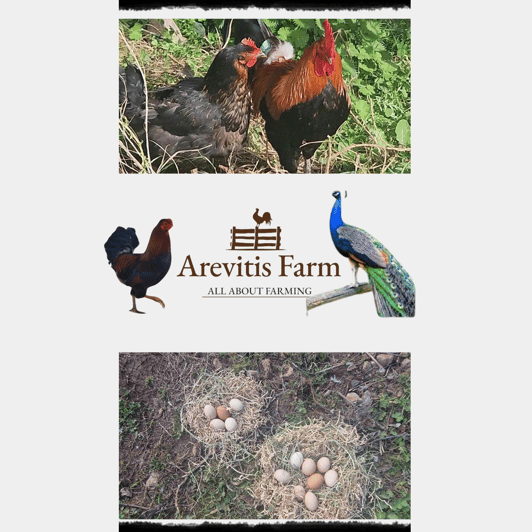
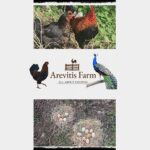
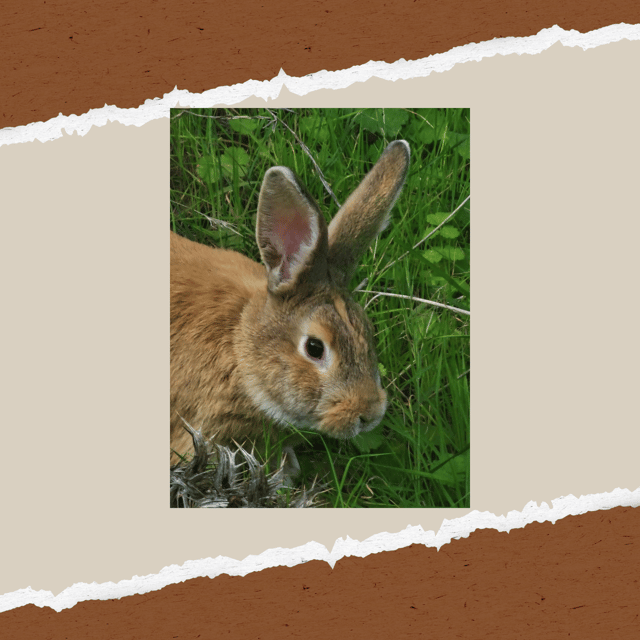
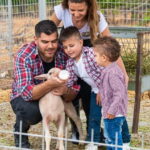
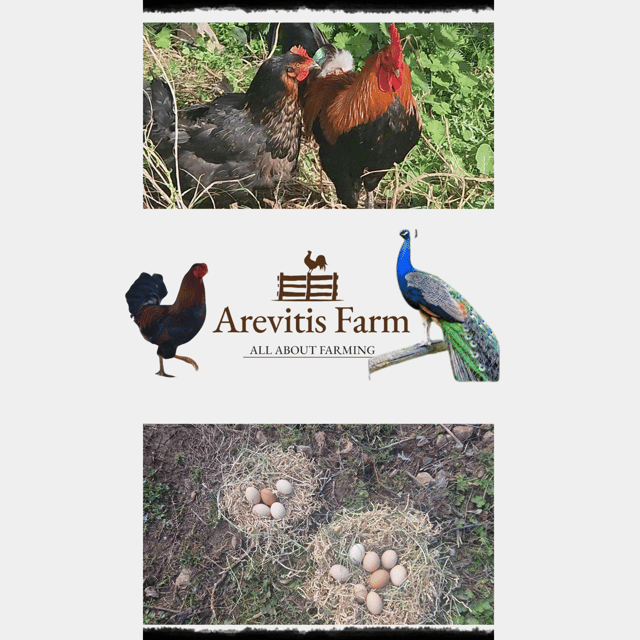
The animal portion is one of the strongest reasons to choose this activity. You can interact with chickens, goats, and sheep, while learning how they are fed and cared for. That makes the visit especially appealing if you are traveling with children, though adults who like food and agriculture will find plenty to enjoy too.
Goat milking is the most distinctive task. The milk is used to make yogurt, mizithra, and cheese, so the activity connects an animal encounter directly to the food you later taste. It is not presented as a polished demonstration with no effort required. Milking takes patience and a steady hand, which helps you understand the physical work involved.
You may also feed the animals. This is a simple activity, but it changes the feel of the visit. Instead of seeing farm animals as decoration, you learn that their care is part of a daily routine. The experience has a warm, family-friendly side, but it also makes clear that farm life is work.
Sheep shearing adds another useful piece of information. The animals are sheared twice a year, once at the end of April and again at the end of June. The first shearing helps clean the animals and allows bells to be put on them before they graze in the mountains. The second keeps them cooler during the summer.
That detail gives you a sense of the farm calendar. Animal care is tied to the season, the weather, and the animals’ movement. You are not just being shown a set of activities prepared for tourists. You are hearing about tasks that need to happen at particular times of year.
Working in the vegetable garden
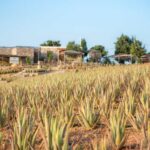
The farm’s vegetable garden offers a different kind of hands-on work. You can take part in gardening and learn how organic vegetables are grown through the warmer months. The garden is planted at the beginning of April and maintained until October.
Summer vegetables and potatoes come first. From August, the farm begins planting autumn crops. This seasonal rhythm is worth noticing because it puts local food in context. A vegetable does not simply appear on a plate because a menu calls for it. It has a planting window, a growing period, and a daily need for care.
You should expect gardening here to be practical rather than decorative. The garden needs long hours of attention, and the visit lets you see that fresh produce depends on repeated work. You might harvest vegetables or help with simple garden tasks, depending on what is happening at the farm when you arrive.
This part of the activity may appeal most to adults who want to understand sustainable farming. It also gives children a clear job to do between the animal encounters and food preparation. If you are hoping for a long lesson in organic agriculture, the two-hour format will feel brief. If you want a direct introduction, it fits well.
From goat milk to yogurt and cheese
The food-making portion is where the visit becomes especially memorable. You can help make traditional Greek yogurt and cheese, using the milk produced by the animals. You may also encounter mizithra, a soft Cretan cheese made from whey.
I like this part because it closes the loop. You meet the goats, learn about milking, and then see how milk becomes something served at the table. That connection is harder to understand in a shop or restaurant, where the work has already been done for you.
The process is not likely to feel like a professional cooking class with precise stations and printed recipes. The value is in the contact with the ingredients and the explanation of traditional methods. You should be ready to participate, ask questions, and accept that farm work can be a little messy.
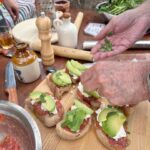
Making traditional pies is another included activity. These pies add a familiar Cretan food element to the visit and give you another way to work with local ingredients. Exact fillings and preparation details are not specified, so the recipe may depend on what the farm is making that day.
The combination of dairy and pies also gives the activity a practical food focus. You are not simply sampling products laid out for you. You are involved in some of the steps that turn farm ingredients into food.
Tasting malotira, raki, and farm food
The tasting brings the separate parts of the visit together. You can try traditional malotira tea and raki, along with food made from local and farm ingredients. Malotira is a Cretan mountain tea, while raki is the island’s well-known spirit.
The raki is worth treating as a small taste rather than a drink to hurry through. It is strong, and the point here is cultural context as much as flavor. The malotira offers a gentler contrast and helps make the tasting feel like a pause after the practical work.
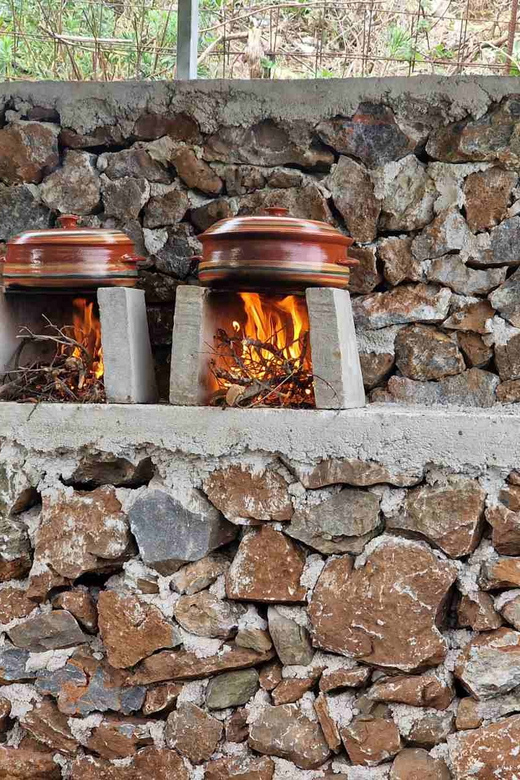
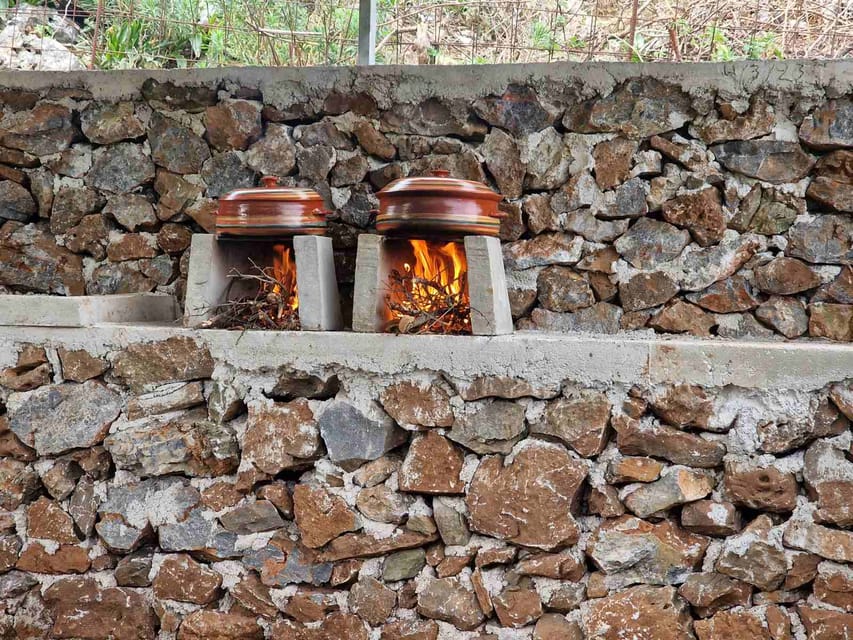
The farm-to-table meal is an important part of the value. At $33.88 per person, the price covers more than a guided walk. It includes animal contact, garden work, food preparation, and tasting. If you compare it with a standard sightseeing stop, the appeal is not the number of sights. It is the amount of direct participation packed into a short visit.
I would not choose this activity primarily for a large meal unless the booking details clearly confirm the meal format for your date. The information promises farm-fresh food and traditional tastings, but it does not give a full menu or portion size. Think of the food as part of a working farm visit, not a restaurant replacement.



How I would plan the visit
The meeting point is Arevitis Farm at 9524+JV Kryonerida, and the activity returns to that same point. No transportation from a hotel or another Cretan town is listed, so you should plan your own way to the farm and allow enough time to find the exact location.
The two-hour duration makes this easy to fit into a wider day, but do not schedule it so tightly that you have to leave early. The farm activities are varied, and the visit works best when you have time to listen, take part, and enjoy the food without watching the clock.
Starting times vary, so check availability before booking. The English-language guide is Iro and/or John, which means the visit has a personal host rather than a recorded explanation or a large tour microphone.
Because this is a working farm, practical clothing makes sense. Wear shoes and clothes that can handle contact with animals, soil, and food preparation. The supplied details do not state specific clothing rules, so this is general common-sense advice rather than a formal requirement.
The farm may be a better fit earlier in your itinerary if you want to understand Cretan ingredients before eating your way around the island. It also works near the end of a trip, when you want a quieter rural activity after busy towns and archaeological sites.
Who will enjoy Arevitis Farm most
Families are a natural match. A child can feed animals, see a goat being milked, work in the garden, and help with traditional food. The visit also offers a useful lesson: rural life on Crete is not effortless or romantic all the time. Animals need care every day, and vegetables need attention for months.
Food-focused travelers should also consider it. You get a closer look at dairy production, local pies, organic vegetables, mountain tea, and raki. The activity explains why Cretan food tastes tied to place, season, and farm labor.
It suits couples who want a personal, low-key experience outside the usual sightseeing route. The small group size should make it easier to speak with the farm hosts and ask about their methods.
It may be less suitable if you want a long farm stay, a formal cooking course, or a broad tour of many different Cretan villages. Two hours is enough for a sampler, not a full agricultural workshop. The experience is also less predictable than a museum visit because the work and seasonal tasks may vary.
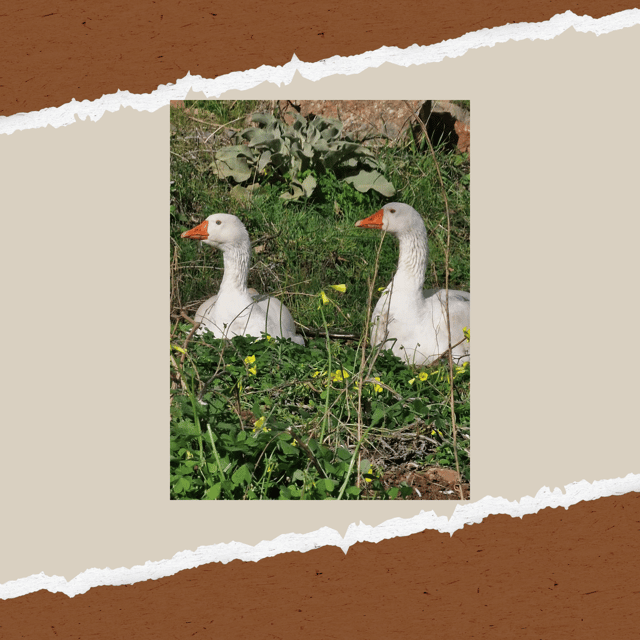
One charming detail is the sense that farm life includes more than scheduled chores. The animals, the garden, and even a stray cat can become part of the visit. That informal quality is part of the appeal, though it also means you should not expect a tightly staged production.
Value, group size, and booking flexibility
The $33.88 price is reasonable if you plan to take part in several activities and use the food tasting as part of the visit. The value is strongest for people who want a personal encounter and a practical lesson, rather than a simple farm tour with a short photo stop.
A group capped at 10 is another plus. You will not have the same privacy as a private visit, but the size is small enough to keep the guide’s attention within reach. It also helps children take part without being lost in a crowd.
You can reserve now and pay later, which helps if your Cretan plans are still shifting. Free cancellation is available up to 24 hours before the activity for a full refund. Keep in mind that starting times depend on availability, so flexibility is useful but not a reason to delay checking the schedule.
The experience receives a top rating from the two ratings provided, with special praise for the lovely people, cute animals, and the chance for a child to learn about rural life. Those strengths match the structure of the activity itself. The farm is personal, animal-focused, and hands-on.
Should you book this Cretan farm visit?
Book Arevitis Farm if you want to do something useful with your hands and understand the work behind Cretan food. The best parts are the goat milking, animal care, seasonal garden work, and traditional yogurt and cheese making.
I would especially recommend it for families, food lovers, and anyone who prefers a small local activity to a crowded attraction. The $33.88 cost makes sense when you take part in several tasks and enjoy the tasting.
Skip it if you want a full-day farm placement, a detailed cooking course, or a guaranteed large meal with a published menu. The visit is short and its exact rhythm may depend on the farm’s work that day.
For most people who have two spare hours near Kryonerida, Arevitis Farm offers a friendly and grounded look at Cretan country life. You leave with more than a few animal photos. You get a clearer idea of how milk, vegetables, care, and patience become the food on the table.
FAQ
Where does the Arevitis Farm activity begin and end?
It begins at Arevitis Farm, located at 9524+JV Kryonerida, and ends back at the same meeting point.
How long does the activity last?
The activity lasts two hours. Starting times depend on availability.
What language is the tour conducted in?
The live tour guide speaks English. The guides are Iro and/or John.
How many people can join the activity?
The group is limited to 10 participants.
What farm activities are included?
The activity includes milking animals, vegetable gardening, animal shearing, making traditional pies, and making traditional Greek yogurt and cheese.
Can I cancel the booking for a full refund?
Yes. You can cancel up to 24 hours in advance for a full refund. You can also reserve now and pay later.