REVIEW · GREECE
Souvlaki Class in Mykonos
Book on GetYourGuide →Operated by Cretan Spiti · Bookable on GetYourGuide
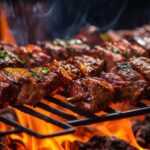
The best part of this Mykonos experience is that you do not just eat souvlaki, you make it from start to finish. At Mykonian Farm, chef Mike leads you through marinating, skewering, chopping, grilling, and wrapping the meal in warm pita.
I like the hands-on format, especially the tzatziki contest, which adds a playful touch instead of turning the class into a passive cooking demonstration. I also like that the meal includes Greek salad and a beer, so your finished dish becomes a proper lunch or dinner rather than a quick sample.
The main thing to consider is the farm visit. It can add character and a look at grapes, animals, and the developing facilities, but one participant found the farm manager’s talk too long and the class ended early enough to leave an awkward wait for the return transfer.
In This Review
- Key points to know before booking
- Why this class is more than a souvlaki lesson
- Arriving at Mykonian Farm
- Meeting chef Mike and settling into the class
- Marinating and preparing the souvlaki
- The tzatziki contest
- Grilling, wrapping, and eating your own meal
- How the three-hour schedule may feel
- Who will enjoy this Mykonos experience
- Is $106 a fair price?
- Booking advice for a smoother visit
- Should you book the Souvlaki Class in Mykonos?
- FAQ
- How long does the Souvlaki Class in Mykonos last?
- What food is included?
- Do I make the souvlaki myself?
- Is tzatziki included in the lesson?
- Is transportation included?
- Can pickup from a villa or remote area cost extra?
- Can I cancel the activity?
Key points to know before booking
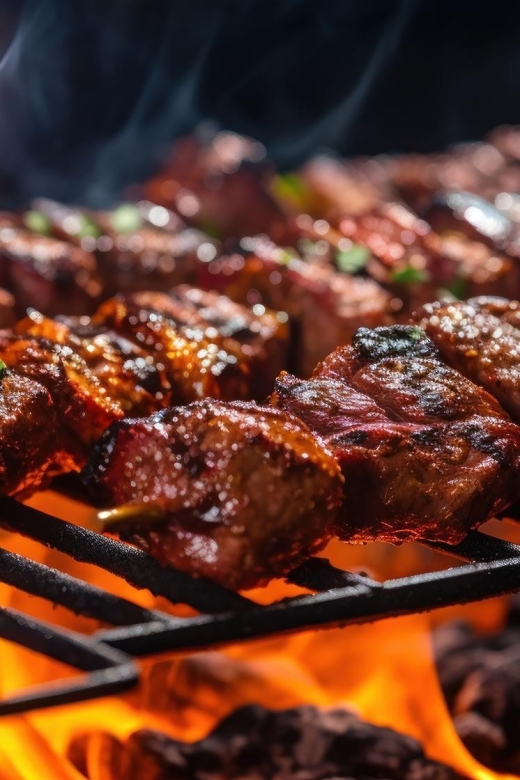
- You make the entire souvlaki: Prepare the marinade, skewer the meat, cut the vegetables, grill the ingredients, and wrap everything in pita.
- Chef Mike leads the cooking: He is warm and welcoming, though his English may be limited, so demonstrations and hands-on learning carry much of the instruction.
- The tzatziki contest is part of the fun: You learn the sauce, then try to make the best version yourself.
- Your meal is included: Eat your own souvlaki with Greek salad and a beer after cooking.
- Farm pickup is included: Collection is available from hotels, the old port, and the new port, with extra charges possible from some remote areas.
- Allow the full three hours: The farm tour is part of the experience, and timing may vary depending on the group and transfer schedule.
Why this class is more than a souvlaki lesson
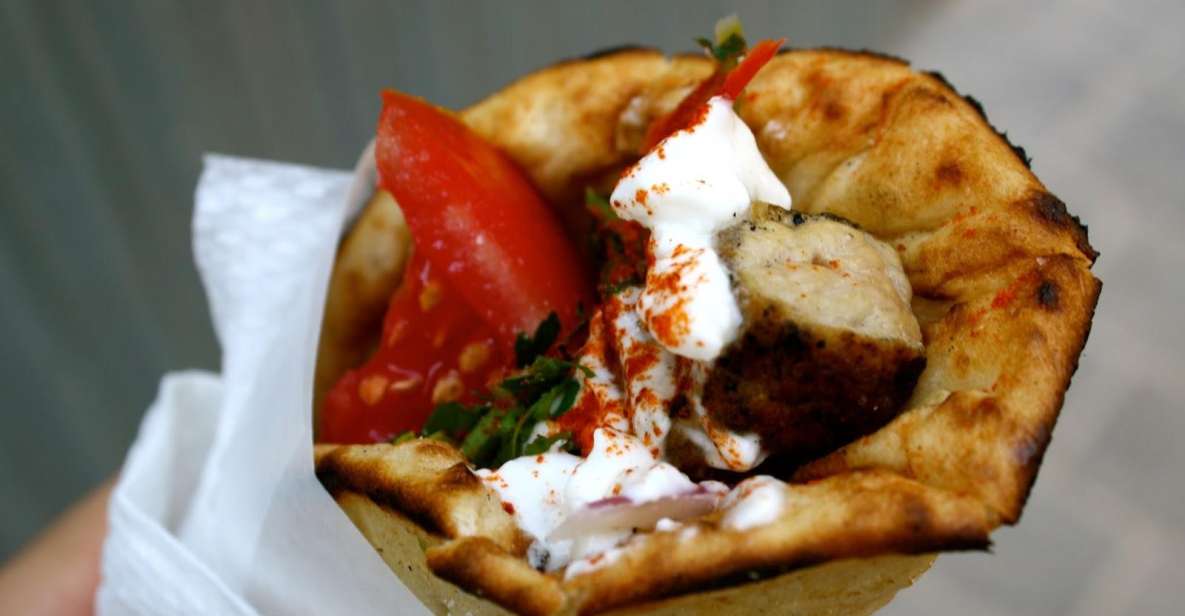
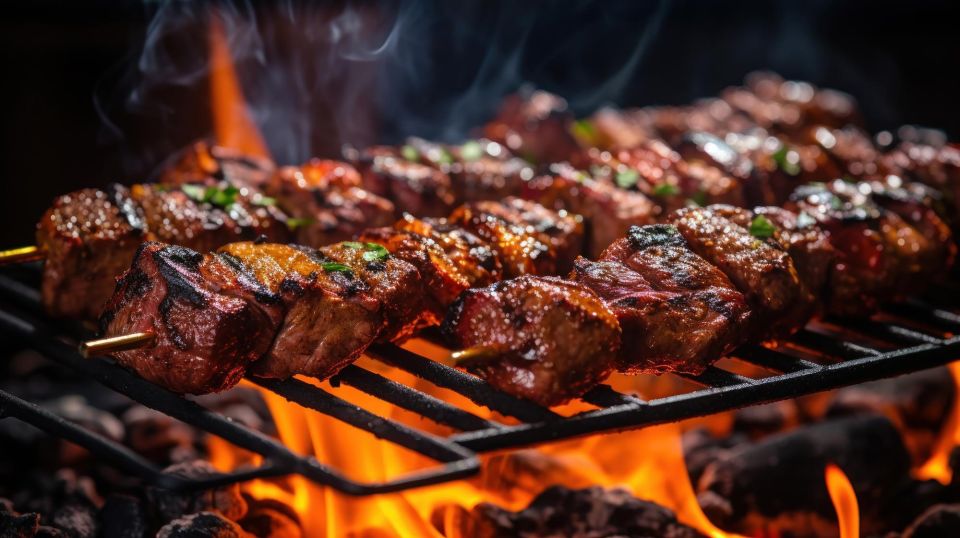
Souvlaki is one of Greece’s great everyday foods. It is simple at heart: meat, sometimes vegetables, cooked over heat and served on a skewer or inside pita. The pleasure comes from the balance of smoke, salt, herbs, lemon, creamy tzatziki, fresh tomato, onion, and bread.
That simplicity makes it a good cooking lesson. You can see each part clearly. The marinade affects the meat. The size of each piece affects cooking. The sauce changes the whole bite. The vegetables bring freshness to what could otherwise be a heavy grilled meal.
At Mykonian Farm, you work through these stages rather than watching someone else do everything. I like that approach because you leave with a better sense of how the dish is built. You also get the satisfaction of eating something you prepared yourself, even if the final wrap is not as tidy as the chef’s.
This is not presented as an advanced culinary course. It is a relaxed Greek food experience with instruction, a farm visit, and a shared meal. You should book it for the setting and the participation, not for professional kitchen training.
A few more Greece tours and experiences worth a look


Arriving at Mykonian Farm
Your experience begins with transport from your hotel or from Mykonos’s old or new port. That is useful on an island where finding an unfamiliar farm can be less straightforward than finding a restaurant in Mykonos Town.
When you book, provide the name of your hotel or cruise ship port. For an apartment, villa, or house, you may need to send a Google Maps location, a nearby hotel address, or other directions. Pickup from some remote areas, including Elia, Kalafatis, Agrari, Panormos, Super Paradise, Paradise, and Kanalia, may cost an additional 10 euros per person round trip, paid in cash to the driver.
Be ready at the agreed time. A delay of more than 15 minutes can affect the schedule for everyone else, since the same vehicle may be handling other pickups and drop-offs.
The transfer is not just a minor convenience. It makes the class practical for people without a rental car, and it removes the need to arrange a taxi after a meal that includes beer. Still, confirm the exact pickup details before the day of the class, especially if you are staying somewhere without a clear property name.
Meeting chef Mike and settling into the class
At the farm, you are welcomed by the farm superintendent and taken to a prepared cooking area. Chef Mike leads the main lesson. His manner is warm and friendly, and the tone appears to be informal rather than strict.
Mike’s English may be limited, so do not expect a long, technical lecture on Greek cuisine. The class works best when you watch closely, follow the demonstration, and take part as each task is introduced. The practical nature of the lesson helps here: marinating, cutting, skewering, and grilling are easy to understand when you can see the action.
The welcome is one of the strongest parts of the experience. You are not simply dropped at a table with a plate of prepared food. The farm team introduces the setting, then brings you into the process.
A farm manager also leads a tour of the property. You may see grapes, animals, and facilities under development. This adds a local, working quality that a city cooking school would not have.
There is a catch. The farm tour may be more talk-heavy than you expect. One account described a lengthy discussion about farming and gardening that felt less lighthearted than the cooking class. If your main goal is food, think of the farm walk as an extra part of the visit, not the central reason to book.
Marinating and preparing the souvlaki
The cooking begins with the building blocks of the dish. You work on the marinade, prepare the meat, and get the ingredients ready for the grill.
The supplied details do not specify the meat or the exact marinade recipe, so you should not expect a particular cut or seasoning list until you arrive. What you can count on is learning the sequence: season and marinate the ingredients, then prepare them for skewering.
This is where the class gives you useful kitchen knowledge without making a production of it. Souvlaki depends on preparation more than decoration. Pieces need to be suitable for skewers, and the marinade needs time to flavor the meat before grilling.
You also cut and slice the vegetables that go into the pita. Tomato and onion are traditional choices, and the experience includes vegetable preparation, though the precise selection is not listed in advance. The work is straightforward, but it shows how much freshness matters in a dish built around grilled meat.
I like this part because it connects the raw ingredients with the final meal. You see that souvlaki is not just meat on a stick. The bread, sauce, vegetables, and cooking heat all have a job.
The tzatziki contest
The tzatziki lesson gives the class its most playful feature. You watch a demonstration of the main sauce, then make your own version in a friendly competition.
Tzatziki is crucial to souvlaki. It cools the grilled meat and adds a creamy, garlicky contrast to the smoky flavors. A good sauce can make the difference between a dry wrap and a balanced one.
The competition also breaks up the more repetitive kitchen tasks. Instead of simply stirring a sauce because the recipe says so, you have a small goal: make the best tzatziki. That is a memorable way to learn a familiar Greek staple.
Do not read too much into the competitive element. This is a casual activity, not a judged cooking championship. The point is to laugh, taste, and compare what you make. It works particularly well for couples, families, and small groups of friends who enjoy doing something together.





Grilling, wrapping, and eating your own meal
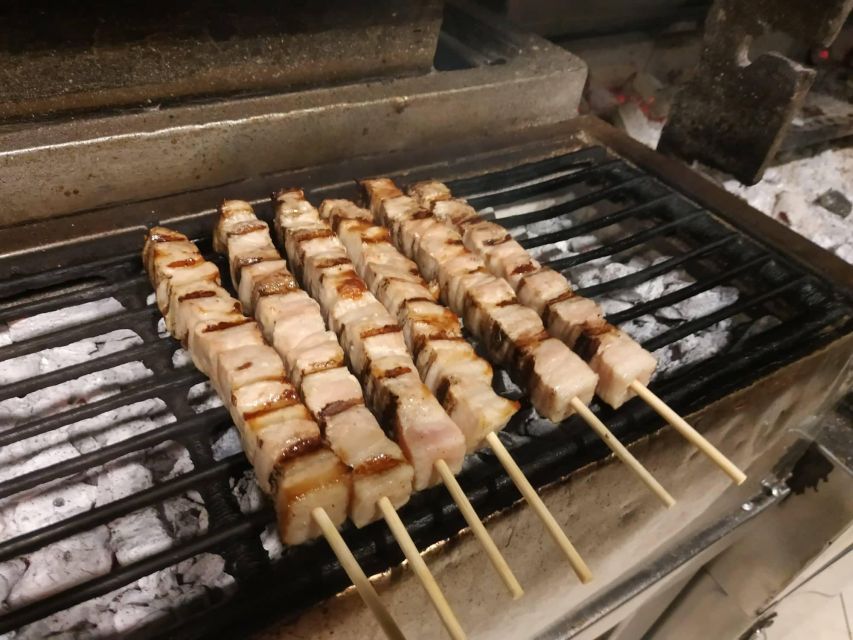
Once the ingredients are ready, you move to the grill. The head griller supervises while each participant takes part in cooking the meat.
This is an important safety and quality detail. You are involved, but you are not left to guess when the food is ready. The team guides the grilling, which keeps the session relaxed and helps prevent the common problem of charred food outside and undercooked food inside.
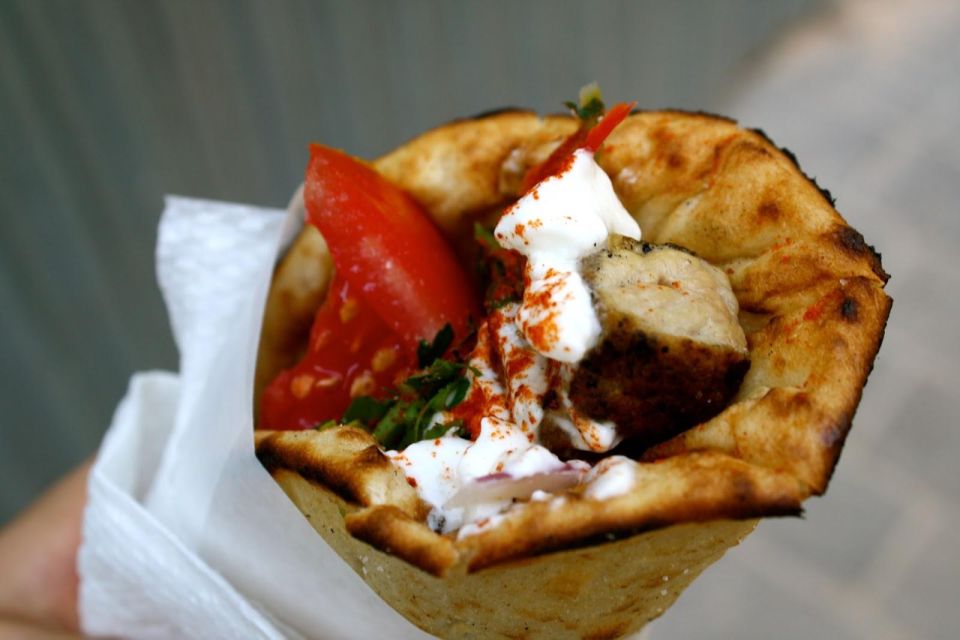
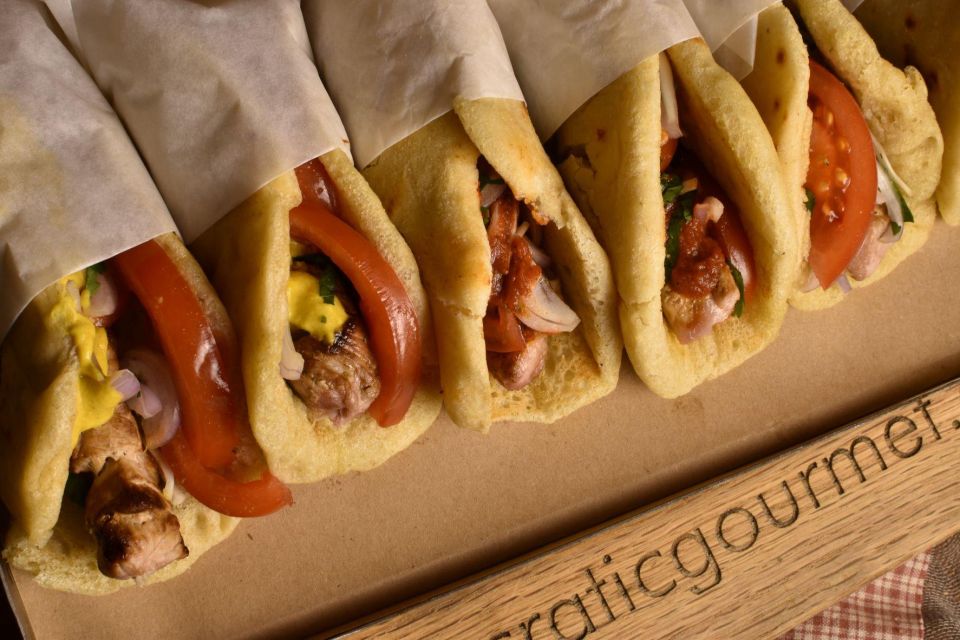
At the end, you wrap the ingredients in pita. The finished souvlaki includes the grilled meat, prepared vegetables, tzatziki, and the other fillings used during the class. You then sit down to eat it with a Greek salad and a beer.
The included meal improves the value of the experience. At $106 per person, this is far more expensive than buying a souvlaki from a local takeaway. But the price covers transport, farm entry, instruction, the cooking activity, food, a drink, and commemorative photos. You are paying for an outing, not just a plate of fast food.
The meal also gives the class a satisfying finish. You do not leave with a recipe and an empty stomach. You eat the result while the steps are still fresh in your mind, with the farm setting adding something that a standard restaurant meal cannot.
The exact view from the eating area is not specified, but one participant enjoyed the meal with a memorable outlook. You should expect the setting to be part of the appeal, without booking on the promise of a particular panorama.
How the three-hour schedule may feel
The advertised duration is three hours, including transport arrangements, the farm setting, cooking, eating, and the farm visit. That gives the class enough time to feel like an outing rather than a rushed demonstration.
The pace may not be perfectly even. Cooking can finish before your scheduled pickup, and one participant reported waiting around 30 minutes for transport after the class ended. That is worth knowing if you have another reservation immediately afterward.
I would keep the rest of your day flexible. A little spare time makes the experience more pleasant, especially if the farm tour runs longer than expected or the vehicle is collecting other people.
The return transfer is included, but the schedule depends on coordinated pickups. Be punctual at the beginning and avoid booking a tight connection afterward. This is especially important for cruise passengers returning to a ship.
Who will enjoy this Mykonos experience
This class suits you if you want a break from beaches, bars, and sightseeing in Mykonos Town. It gives you a social activity with a clear result: you prepare and eat a classic Greek meal.
It is also a good choice for people who like food but do not want a formal cooking school. You do not need advanced skills. The tasks are accessible, and the chef supervises the grilling.
Families may enjoy the hands-on structure, although the supplied information does not give a minimum age or child policy, so check before booking with young children. Couples and friend groups should appreciate the tzatziki contest and the shared meal.
You may want to skip it if you dislike group activities, farm visits, or informal instruction. It is also not ideal if your schedule is packed. The possible extra charge for remote pickup and the chance of waiting for the return vehicle make this a better fit for a relaxed day.
The class is conducted in English. Mike’s English may be limited, but the cooking is practical and demonstrated in front of you. If detailed verbal explanation is essential, keep that limitation in mind.
Is $106 a fair price?
The cost is $106 per person, which is high compared with a regular souvlaki meal. That comparison is not quite fair, since you are also paying for hotel or port transport, farm entry, instruction, the ingredients, Greek salad, beer, photos, and about three hours of activity.
The value depends on what you want from Mykonos. If you only want to try souvlaki, buy one in town. If you want a food lesson in a farm setting, the price becomes easier to justify.
The strongest value comes from the combination of hands-on cooking and included transfers. A taxi to a rural property, a meal, and a separate activity could quickly add up. Remote-area pickup may carry an additional fee, so check that point before you decide.
Free cancellation up to 24 hours before the activity and the option to reserve now and pay later make booking less risky. These terms are useful on an island trip, where weather, ferry timing, and cruise schedules can change plans.
Booking advice for a smoother visit
Choose a day when you can spare the full three hours and some extra time. Do not place a ferry, flight, or ship departure immediately after the scheduled return.
Give precise pickup information. Hotel names are easiest, while unnamed villas, houses, and apartments may require a map pin or nearby landmark. Ask about any remote-area supplement before confirming.
Bring an appetite. The meal is the reward for the preparation, and the class includes a beer with the souvlaki and salad. If you do not drink alcohol, the provided details do not state whether a substitute is available, so ask ahead.
Keep your expectations focused. The cooking portion is the heart of the experience. The farm visit can add local flavor, but it may also include a longer horticulture discussion than you had in mind.
Should you book the Souvlaki Class in Mykonos?
Book it if you want to make a Greek classic, meet a welcoming farm team, and spend a few hours away from the usual Mykonos circuit. Chef Mike, the tzatziki contest, the farm setting, and the meal you prepare yourself give the activity a personal feel.
Skip it if you want a tightly timed cooking lesson with polished English instruction and no waiting. The farm tour may run in a different direction from the food, and the return transfer may not arrive the moment cooking ends.
For most food-loving visitors with a flexible schedule, I see this as a worthwhile splurge. You will not get the cheapest souvlaki in Mykonos, but you will get a story, a recipe, a farm visit, and a meal you helped create.
FAQ
How long does the Souvlaki Class in Mykonos last?
The activity lasts three hours. Starting times vary, so you need to check availability when booking.
What food is included?
You make souvlaki during the class, then eat it with a Greek salad and a beer.
Do I make the souvlaki myself?
Yes. You take part in marinating, skewering the meat, preparing vegetables, grilling the ingredients under supervision, and wrapping the souvlaki in pita.
Is tzatziki included in the lesson?
Yes. You watch a demonstration of how to make tzatziki and then take part in a tzatziki competition.
Is transportation included?
Hotel or port pickup and drop-off are included. Pickup is available from hotels anywhere on Mykonos, as well as the old port and new port.
Can pickup from a villa or remote area cost extra?
Yes. Pickup from some villas, apartments, houses, and remote areas may have an additional charge. Certain listed areas carry a possible fee of 10 euros per person round trip, payable in cash to the driver.
Can I cancel the activity?
You can cancel up to 24 hours in advance for a full refund. You can also reserve now and pay later.