REVIEW · GREECE
Handmade soap workshop
Book on GetYourGuide →Operated by ΑΝΔΡΕΑΣ ΣΤΥΛΙΑΝΑΚΑΚΗΣ · Bookable on GetYourGuide
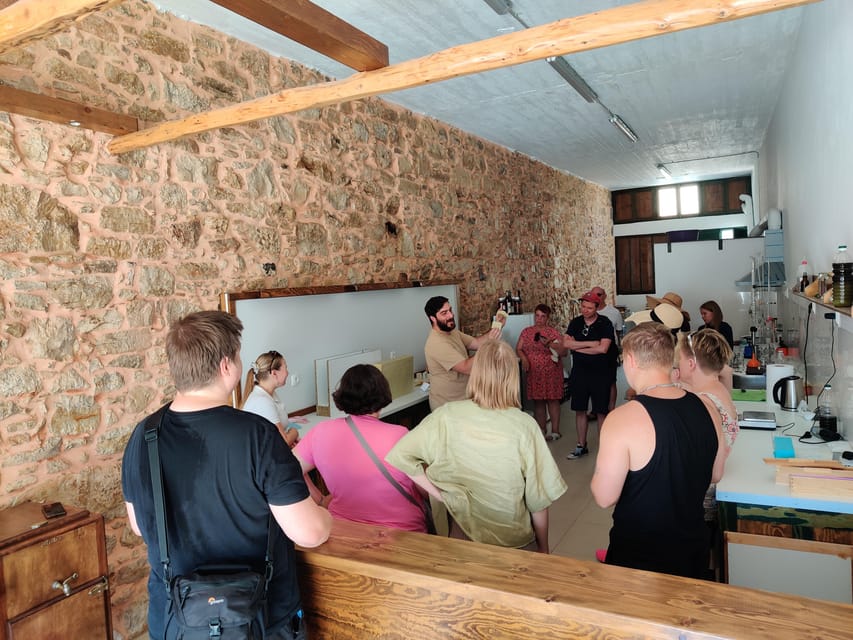
Making soap in Crete is a hands-on way to meet the island beyond its beaches. In Fres village, chemist and soap maker Andreas leads you through the full cold-process method, from preparation to your finished bar. You work in a real, fully equipped laboratory, not just watch a demonstration.
I like two things here: the small group limit of six, which leaves room for questions, and the useful skill you take home. Andreas explains how you can make soap for your own use after returning home. The main consideration is that the workshop offers one soap per person but no stated choice of color, shape, scent, or toppings.
In This Review
- Key points
- Why a soap workshop belongs in your Crete plans
- Arriving in Fres village square
- Meeting Andreas and preparing for the workshop
- Taking part in the cold-process method
- What you take home
- A clean laboratory and a local producer
- How the 90 minutes are likely to feel
- Who will get the most from this activity
- Value, flexibility, and practical planning
- Making a day of Fres
- My call: book it if you want a useful local experience
- FAQ
- Where is the handmade soap workshop held?
- How long does the workshop last?
- What language is the workshop conducted in?
- Who teaches the soap-making session?
- What type of soap-making method will I learn?
- Do I make my own soap during the activity?
- Do I take soap home?
- Are protective clothing and equipment provided?
- Can children join the workshop?
- Is transportation or food included?
- Is the workshop wheelchair accessible?
- How many people can join each group?
- Can I cancel my booking?
- Can I reserve without paying immediately?
Key points
- A real soap-making session: You take part in the full production process rather than simply watching Andreas work.
- A chemist at the bench: Andreas can explain both the practical steps and the chemistry behind soap making.
- Local ingredients: The soap uses products that come from the surrounding land.
- A compact 90-minute activity: It fits neatly into a day of exploring western Crete.
- A small village setting: The meeting point is in Fres village square, beside Kouvaros tavern.
- A useful souvenir: Each person leaves with a handmade soap and the know-how to try making soap at home.
Why a soap workshop belongs in your Crete plans
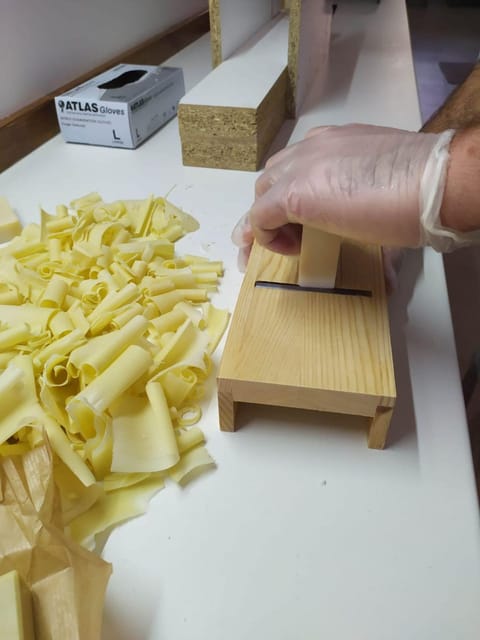
Crete is easy to experience as a parade of beaches, ruins, and tavernas. Those are good reasons to come, but a short workshop can show you another side of the island: its everyday products and the work behind them.
This activity takes place in Fres, a small village rather than a major resort center. You are not being rushed through a large attraction. Instead, you spend 90 minutes learning one practical craft from a local producer who also works with olive oil and wine.
I like that the activity gives you something to do with your hands. You are not simply buying a bar of soap in a shop and taking it home. You participate in the process, ask questions, and leave with a product you helped make.
The workshop also has a useful educational angle. Andreas is a chemist, so he can answer questions at a level that suits you. If you already know some chemistry, you can ask for more detail. If the subject is new to you, the explanations are presented in a way that has kept children as young as 11 engaged.
A few more Greece tours and experiences worth a look

Arriving in Fres village square
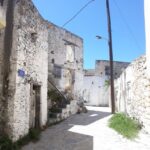
The meeting point is in the main square of Fres, next to Kouvaros tavern. That makes the activity fairly easy to find once you reach the village, though you need to arrange your own way there. Hotel pickup and return transportation are not included.
The setting matters. You can pair the workshop with time in Fres instead of treating it as an isolated appointment. One useful option is to eat at the tavern next door, which has been singled out for its food. The nearby producer also has wines and olive oils, giving you a chance to connect the soap workshop with other Cretan products.
Fres is also associated with an 11-kilometer self-guided walk through five villages. The workshop information does not say how long the walk takes or provide route details, so you should check locally before planning both activities on the same day. Still, the walk gives you a reason to make Fres part of a larger outing rather than driving in only for 90 minutes.
Do not expect a city-style attraction with signs and a big visitor center. The appeal is the village setting, the local products, and the chance to meet the person making them.
Meeting Andreas and preparing for the workshop
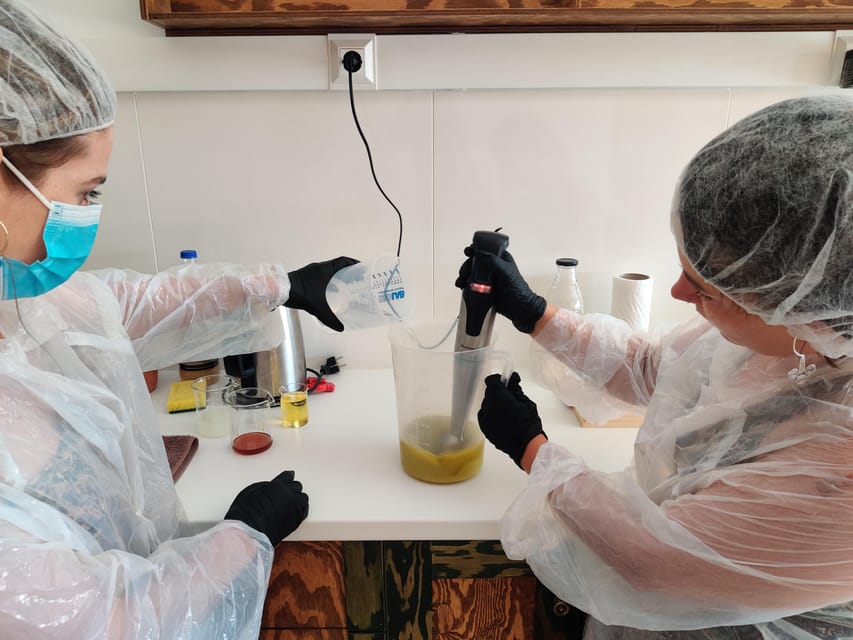
Andreas leads the session in English. He is described as an experienced soap maker and a chemist, a combination that suits this kind of activity well. Soap making can look simple from the outside, but the process depends on careful preparation and chemistry. Having an instructor who can explain both sides is useful.
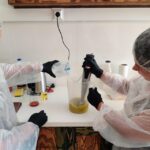
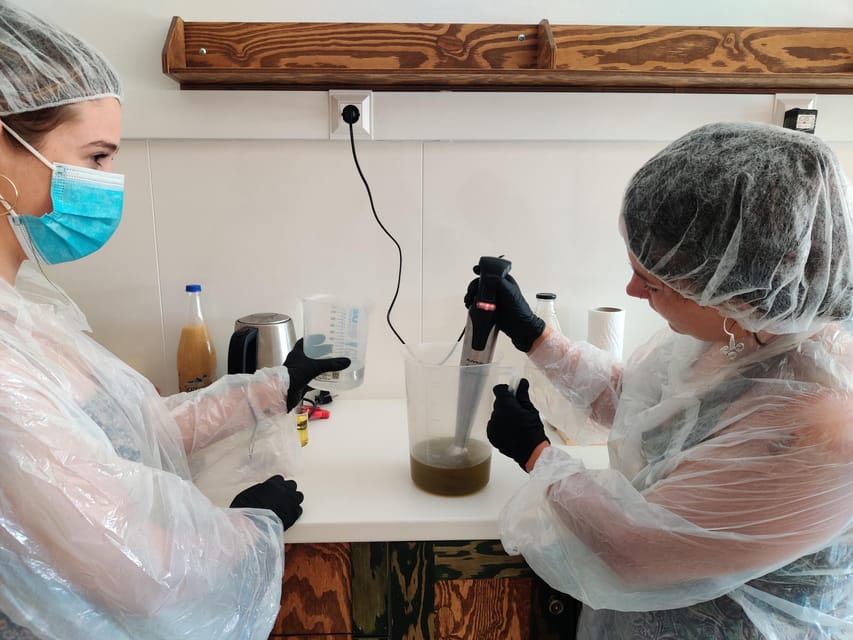
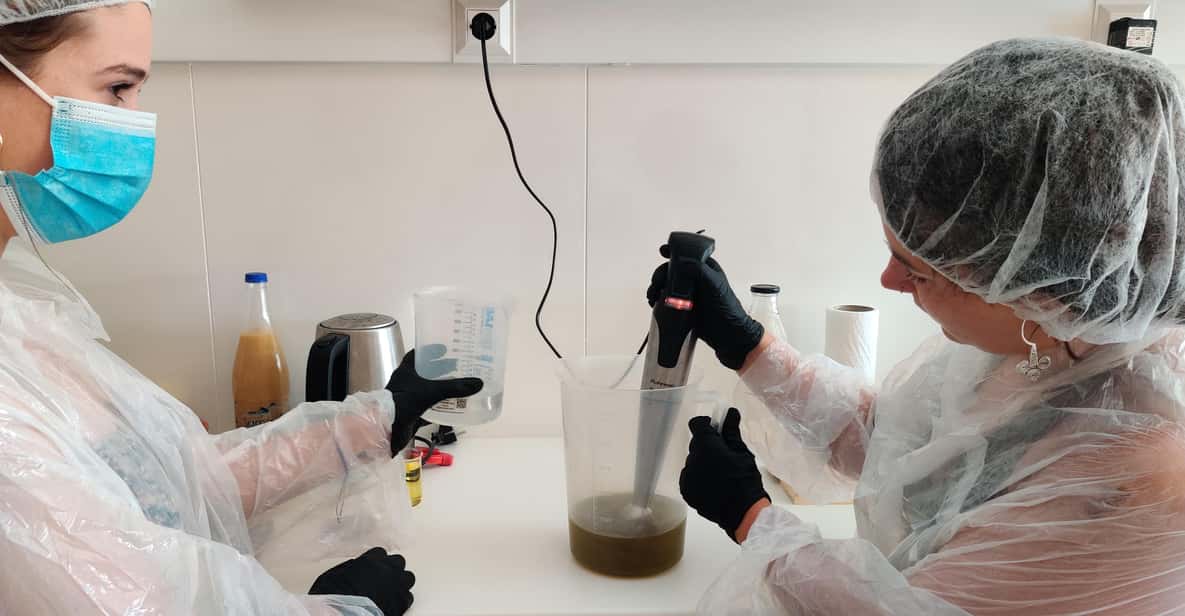
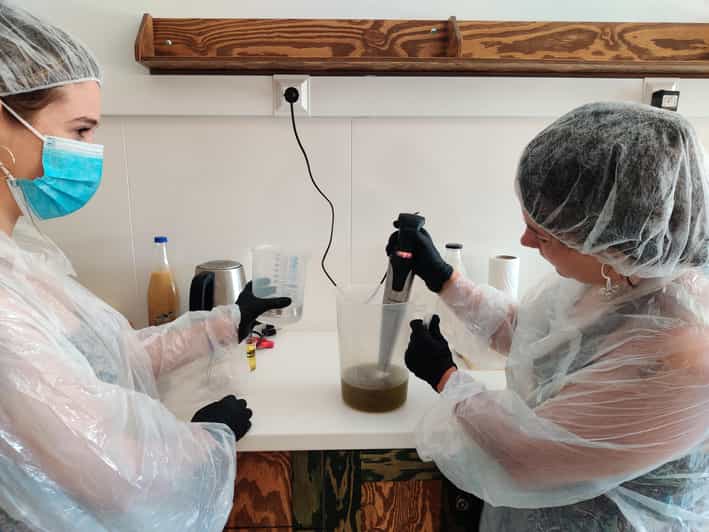
You receive a laboratory coat and gloves before getting started. The equipment is provided in a fully equipped laboratory, so you do not need to arrive with special clothing or tools.
The opening part of the session focuses on information about homemade soap making. This is a good point to ask questions. You can ask about the cold-process method, the role of the ingredients, and what you would need if you tried the activity at home.
The level of detail can adapt to the group. If you already have some chemistry background, tell Andreas. He has adjusted his explanations for people who wanted a more thorough technical discussion. If you have no experience at all, you can still follow the workshop because the activity is designed to teach the basic process.
Taking part in the cold-process method
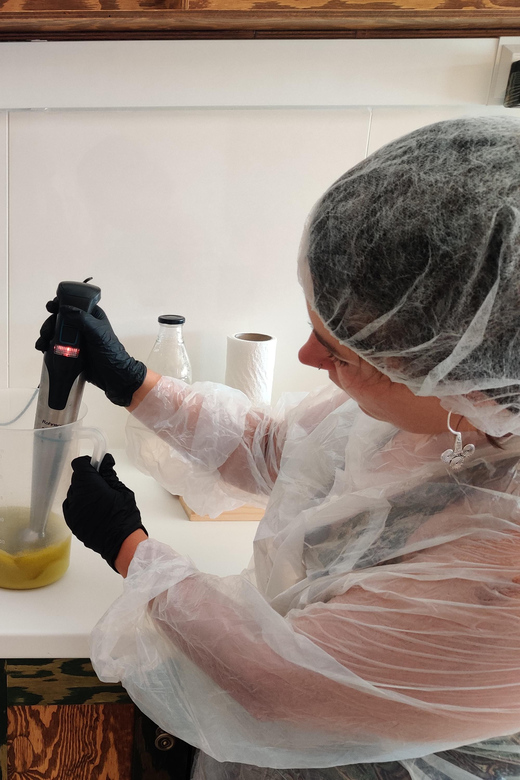
The central part of the workshop is the making itself. You get the chance to complete the entire soap production process rather than observing a short sample demonstration.
The provided information does not list every stage or ingredient by name, so I would not arrive expecting a fixed recipe or a printed technical course. What you can expect is a guided introduction to cold-process soap making, using ingredients from the local land.
That local connection is one of the strongest reasons to choose this activity. You are learning about a household product through materials tied to Crete, not working with an anonymous commercial kit. The workshop links a modern craft lesson with the island’s tradition of producing and using local goods.
Andreas explains each part as you work. The hands-on nature is especially useful for families with older children. Children under six are not suitable for the activity, and the use of laboratory equipment means younger children may find it difficult to stay involved. Children aged 11 and 13 have enjoyed taking part, which gives you a helpful guide for planning with school-age children.
You should also keep your expectations realistic. This is a 90-minute introduction, not a long artisan apprenticeship. You will learn the basic method and gain enough understanding to produce soap for your own use, but the session does not promise a full range of advanced techniques.
What you take home
Each person receives one soap made during the activity. That gives the workshop a clear result: you learn a process and leave with a physical reminder of your time in Fres.
The final soap is also more meaningful than a standard souvenir. You have taken part in its production and can explain how it was made. For many people, that is the best kind of travel purchase: small, useful, and tied to a particular place.
There is one limitation to note. The workshop does not promise a menu of design options. You may not be able to choose the color, shape, fragrance, or decorative toppings. If the visual design of your soap matters most to you, ask Andreas what choices are available before you begin. The experience is centered on learning the process, not on building a highly customized gift.
You should also keep in mind that handmade soap may require handling or waiting after production, depending on the method and the stage reached in the workshop. The supplied details do not specify curing or storage instructions, so ask Andreas what to do with your soap once you leave.


A clean laboratory and a local producer
The laboratory has been described as very clean, which is important when you are working with a chemical process. The coat and gloves help you feel properly prepared, while the dedicated workspace keeps the activity focused.
Andreas brings more than soap making to the experience. He is also connected with olive oil and wine production, and he may be able to introduce you to those local products. One account also notes the possibility of tasting his production, but food is not served as part of the workshop. Treat any tasting as an extra possibility, not as a guaranteed part of the booking.
This combination makes the activity feel grounded in village life. You learn one product in the lab, then have the option of eating nearby or looking into other goods made in the area.
The workshop is not a cooking class, food tour, or full farm visit. If those are your main interests, you should choose a different activity. If you like practical crafts and local production, the mix is a strong fit.
How the 90 minutes are likely to feel
The short duration is a benefit for most holiday schedules. You can fit the workshop between a morning outing and an evening meal without giving up half a day. It also suits families and anyone who wants a change from sightseeing.
The session has a clear rhythm:
- You meet Andreas in Fres and receive the basic safety clothing.
- You learn about homemade soap and the cold-process method.
- You work through the production process in the laboratory.
- You finish with one soap for each person.
- You receive guidance that can help you make soap at home.
The exact timing of each stage may depend on the group and the questions people ask. With a maximum of six participants, the session should have more room for conversation than a large class. That is useful if you want to understand the reasons behind each step rather than simply follow directions.
Ninety minutes can also pass quickly. If you want a long lesson with extensive experimentation, this may feel brief. The activity works best when you see it as a focused introduction with a take-home result.
Who will get the most from this activity
I would recommend the workshop to several types of visitors.
Families with older children get a practical activity that does not require a full day. The age restriction excludes children under six, but older children can take part directly. The hands-on work is more likely to hold their attention than a long museum visit.
Couples and small groups benefit from the six-person limit. You can ask questions without having to compete with a large crowd, and the activity gives you a shared souvenir.
People interested in chemistry will appreciate Andreas’s ability to explain the technical side. You do not need previous experience, but you can ask for more detail if you have studied chemistry or enjoy understanding how things work.
Visitors staying near Chania have a good reason to consider the trip to Fres. The village, the neighboring tavern, local wines and olive oils, and the possible five-village walk can turn the workshop into a wider half-day plan.
I would be less likely to recommend it if you want a polished retail-style craft session with lots of choices in scent, color, and shape. It is also not the right pick if you need hotel transportation or a meal included.
Value, flexibility, and practical planning
No price is provided here, so I cannot judge the exact cost in euros. The value depends on the booking price, but the package includes the workshop, laboratory coat, gloves, instruction, the soap you make, and one soap for each person.
That is more useful than paying only for a demonstration. You are receiving a lesson and a product, and you may be able to use the skill again at home. The small group size adds value because personal questions are part of the experience.
There are also modest savings in the structure. You do not need to bring equipment or protective clothing. You do need to pay for your own transportation to Fres and any meal or drinks at Kouvaros tavern.
Booking terms are friendly for uncertain plans. You can reserve now and pay later, and cancellation is free up to 24 hours before the activity for a full refund. Check the available starting times before building your day around the workshop.
The activity is wheelchair accessible, which is an important practical point. Since the workshop is in a laboratory beside the village square, you should still confirm any personal access needs when booking if you require specific arrangements.
Making a day of Fres
The workshop is short enough to pair with other plans, but do not squeeze the schedule too tightly. Allow time to find the village, locate the square, and settle in before the start.
After the workshop, the tavern next door is the obvious place to stop. It is especially convenient because you do not need to drive elsewhere for a meal. You can also look into local wines and olive oils connected with Andreas.
If you are interested in walking, ask about the 11-kilometer self-guided route around five villages. The activity details do not give enough information to judge the trail’s difficulty, so you should request current directions and allow suitable time. A walk may be a good follow-up, but it should not be treated as a guaranteed part of the soap experience.
This is the kind of outing that works best when you slow down. The workshop itself is structured, but the village setting gives you room to add a meal, a short look around, or a longer walk.
My call: book it if you want a useful local experience
I would book this workshop if you want something practical, personal, and different from the usual Crete day out. Andreas’s chemistry background, the small group, the clean laboratory, and the chance to make your own soap give the activity real substance.
Book it as a 90-minute introduction, not as a luxury spa treatment or a custom design class. You will not necessarily get a choice of scent, color, form, or toppings, and you must arrange transportation and food yourself.
For families with children over six, curious couples, and visitors exploring the Chania area, it is a good use of a short stretch of your day. Add lunch at Kouvaros tavern, ask about local products, and consider the nearby village walk if your schedule allows. The result is a modest but worthwhile souvenir, plus a skill you can continue using at home.
FAQ
Where is the handmade soap workshop held?
It is held in the main square of Fres village in Crete, next to Kouvaros tavern.
How long does the workshop last?
The activity lasts 90 minutes.
What language is the workshop conducted in?
The instructor leads the workshop in English.
Who teaches the soap-making session?
Andreas, an experienced soap maker and chemist, teaches the workshop.
What type of soap-making method will I learn?
You will learn the cold-process method of handmade soap production.
Do I make my own soap during the activity?
Yes. You take part in the full soap production process in a fully equipped laboratory.
Do I take soap home?
Yes. One soap is provided for each person, and the workshop includes production of your own soap.
Are protective clothing and equipment provided?
Yes. A laboratory coat and gloves are included.
Can children join the workshop?
Children under six are not suitable for the activity. Older children can participate, and children aged 11 and 13 have taken part in the hands-on work.
Is transportation or food included?
No. Hotel transportation and food are not included. The workshop is beside Kouvaros tavern, where you may choose to eat separately.
Is the workshop wheelchair accessible?
Yes, the activity is listed as wheelchair accessible.
How many people can join each group?
The workshop is limited to six participants.
Can I cancel my booking?
You can cancel up to 24 hours in advance for a full refund.
Can I reserve without paying immediately?
Yes. The reserve-now, pay-later option lets you book your place without paying at the time of reservation.