REVIEW · CORFU
Corfu: Olive Oil Experience – The Governor’s Olive Mill
Book on GetYourGuide →Operated by Corfu Olive Tour · Bookable on GetYourGuide
One sip and you get why Corfu obsesses over olives. This tour pairs the Governor’s Olive Mill story—old tools to modern presses—with a hands-on tasting that teaches you what makes high-quality extra virgin olive oil stand out. You’ll also get a real “food and place” day: olive groves, a very old olive tree, and historical stops around the island.
I especially love the way the guide walks you through both traditional harvesting and processing and the newer machinery side-by-side. I also like that the tasting isn’t just sample-and-smile; you get a seminar-style approach so you can recognize quality and understand what you’re tasting. One possible drawback: the ride from Corfu’s port or town areas can feel a little crowded since this is not a private tour, even though the mini van keeps numbers limited.
In This Review
- Key things I’d prioritize on this Corfu olive oil tour
- The Governor’s Olive Mill in Corfu: why this experience feels different
- Timing that matters: pickup, start time, and how long it really takes
- From museum history to the Loutrouvio old olive mill
- Modern olive oil production: seeing the stages behind the bottle
- The tasting seminar: how to actually recognize good olive oil
- Ancient olive groves and the Mitera olive tree stop
- Gardiki Byzantine Castle: a history add-on that doesn’t feel random
- The “secret stop” photo/walk moment
- Who this Corfu olive oil experience fits best
- Price and value: is $80 per person fair?
- Logistics that help you enjoy the day
- Should you book the Governor’s Olive Mill Corfu tour?
- FAQ
- FAQ
- What’s included in the Governor’s Olive Oil Experience?
- How long is the tour, and what time does it start?
- Is this tour private?
- What languages are the guides?
- Do children get in for free?
- Where does pickup happen?
- Will I have a chance to visit olive groves and an old tree?
- Can I buy olive oil products during the tour?
Key things I’d prioritize on this Corfu olive oil tour
- Old Loutrouvio techniques at the Dafnis Family mill, with context that connects olives to Corfu culture
- Modern production walkthrough, so you see how today’s extraction stages work (not just legend)
- Tasting seminar + snacks, where you learn how to recognize quality olive oil
- Mitera olive tree, including the chance to visit an extremely old olive tree on the property
- Gardiki Byzantine Castle stop, adding historical context beyond the mill
- Small-group feel, with max limits per mini van, even though the overall tour runs as a larger group day
The Governor’s Olive Mill in Corfu: why this experience feels different
Corfu has plenty of olive oil stops. What makes The Governor’s Olive Mill feel worth your time is the mix: you’re not only touring a factory, you’re learning the logic behind the product. You start with the cultural connection—how olives and olive oil shaped daily life on the island—and then you move into the practical side: how oil is made now, and how to judge it.
The best part for me is that this isn’t a “buy a bottle and move on” outing. The tasting is structured like a seminar, and the tour is designed to make the production process make sense before you taste. When that order works, your senses come alive: smell and flavor aren’t random; they’re tied to what you learned about the olives and extraction.
If you care about food quality, you’ll likely come away more confident. If you just want a pleasant half-day, you’ll still enjoy it—especially if you like history, scenery, and light bites. The tour’s price tag ($80 per person) can feel steep at first, but it includes pickup and drop-off, a guide, and a guided tasting experience with food. That’s not just a showroom visit; it’s a guided day program.
You can also read our reviews of more tours and experiences in Corfu.

Timing that matters: pickup, start time, and how long it really takes
The tour lists a 3-hour duration, and the day typically starts in the morning. Pickup runs from selected locations (often in the 09:00–09:30 window), then the tour activities begin later, around 10:30 at the mill.
Here’s the practical reality: door-to-door time may stretch beyond three hours depending on where you’re picked up and dropped off. I like to plan for extra transit, especially if you’re joining from the cruise port. Some people report the full experience running closer to 5–6 hours including the drive and photo stops.
So, what should you do with this? If you have a tight schedule, double-check your departure time. If you’re on a land-based itinerary with no rushing, you’ll feel fine. This is the kind of morning tour that turns into a relaxed day.
From museum history to the Loutrouvio old olive mill
Your visit starts at the museum area, where you get a guided explanation connecting olive trees and olive oil to Greece and the island of Corfu. This isn’t “vague heritage.” You’re shown old harvesting and production methods, including exhibitions of traditional techniques and older machinery.
Then you go into the Loutrouvio (Old Olive mill) linked to the Dafnis Family. This is the part that helps you understand why olive oil still feels like a craft, not a commodity. You’ll hear about the painstaking steps involved in producing oil in the past—steps that took patience, know-how, and a lot of hands-on work.
Why this matters for you: if you taste oil without a mental model, you tend to judge only by personal preference. After the old-mill portion, you start asking better questions: How fresh were the olives? How quickly does extraction happen? What stages affect flavor?
A small consideration: the tour format is guided, and you’ll be walking and standing at multiple stops. Comfortable shoes help, particularly when you move from indoor explanations to outside areas.
Modern olive oil production: seeing the stages behind the bottle
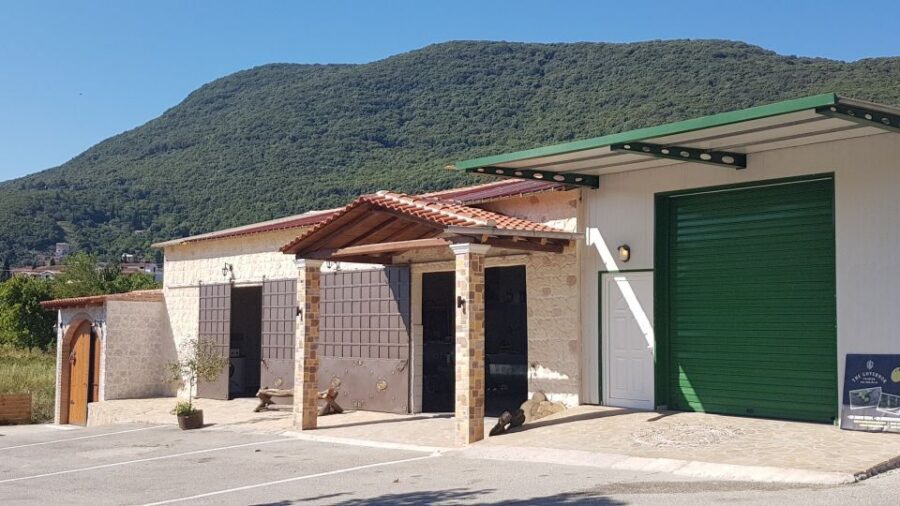
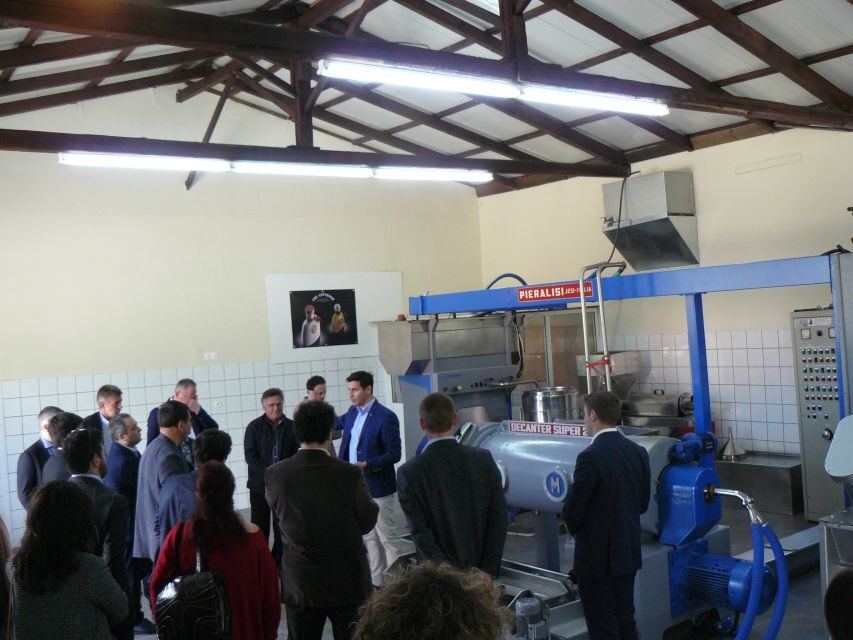
Next comes the modern side. You’ll visit the new olive oil production area where the guide explains processing and extraction stages, including the “new generation machines.”
This is where the tour earns its value. It ties the “why” to the “how.” You’re not only hearing that good oil comes from careful production; you’re shown the steps that support that goal today.
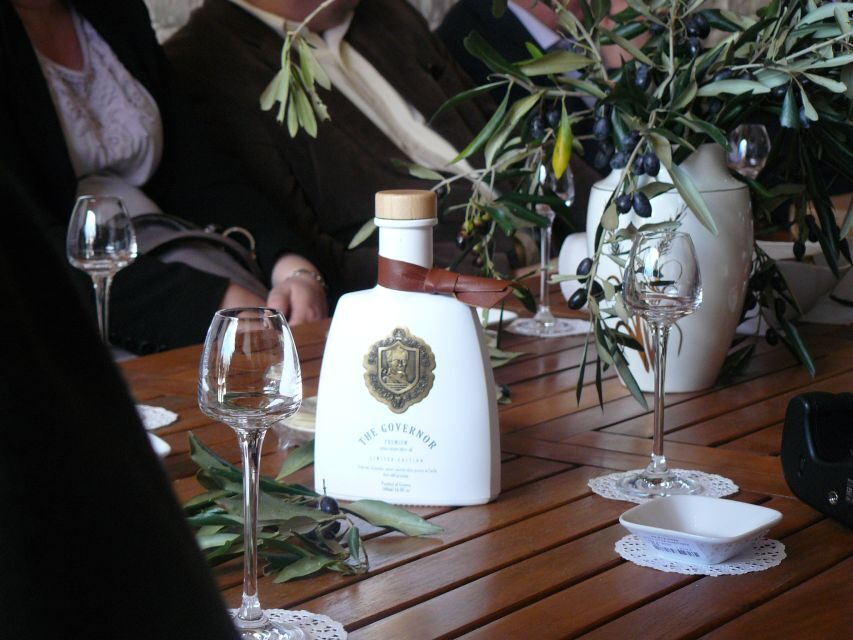
You’ll also hear about awards and health-related recognition tied to The Governor’s extra virgin olive oil. The brand is described as the first monovarietal EVOO from a single Lianolia variety of Corfu, the first health claim EVOO in the world (as stated), and a top Greek olive oil brand (noted as 2016). It’s also described as being referenced in international scientific literature at The Journal of Nutritional Biochemistry.
Now, I don’t think you need to be a nutrition science nerd to enjoy this part. The practical benefit is that it gives the tasting context. When a brand makes claims, this tour at least gives you something concrete to connect those claims to: production practices and what goes into quality.
The tasting seminar: how to actually recognize good olive oil
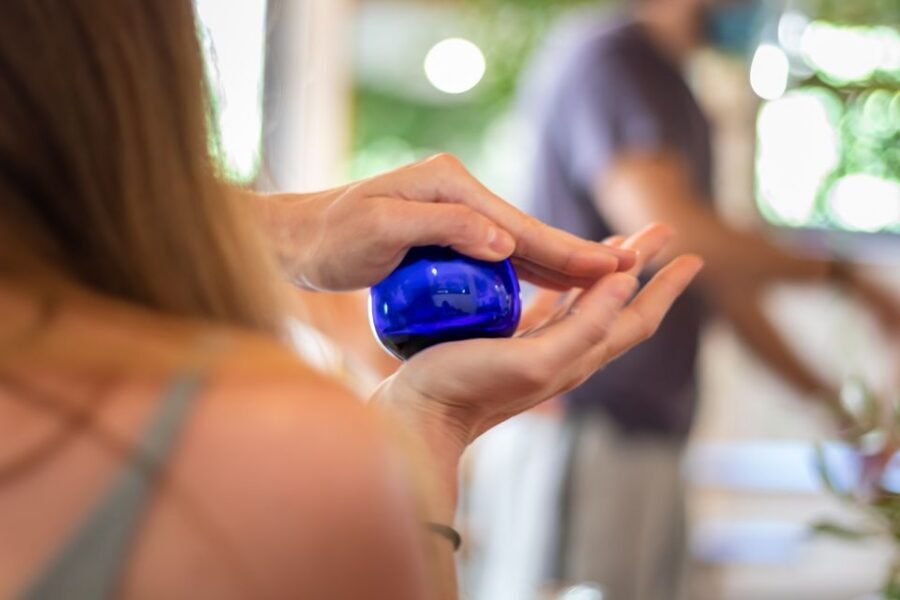
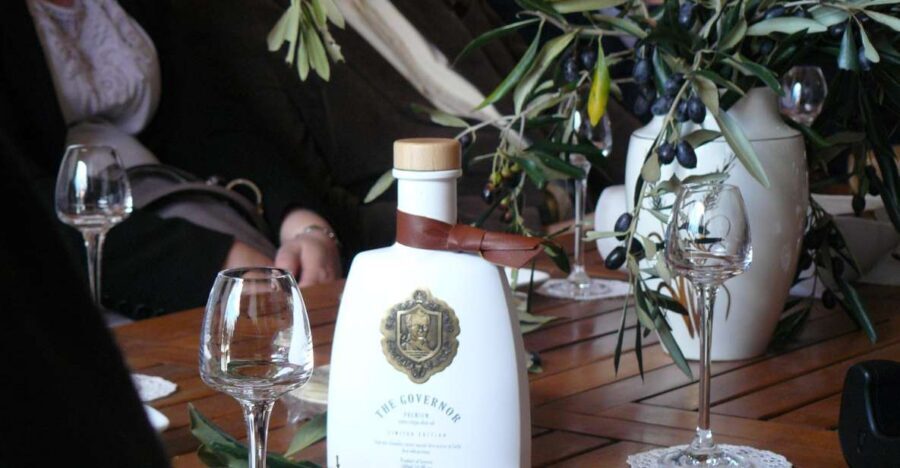
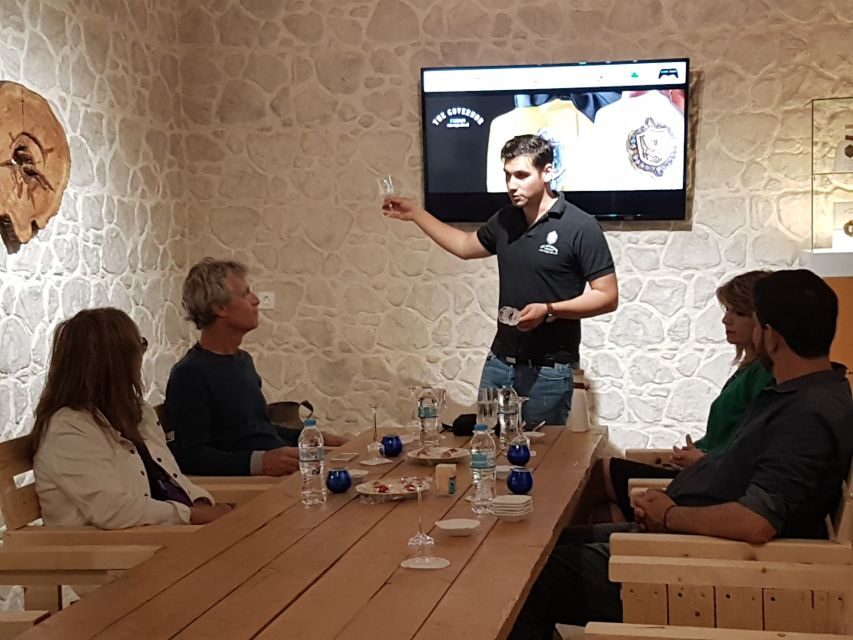
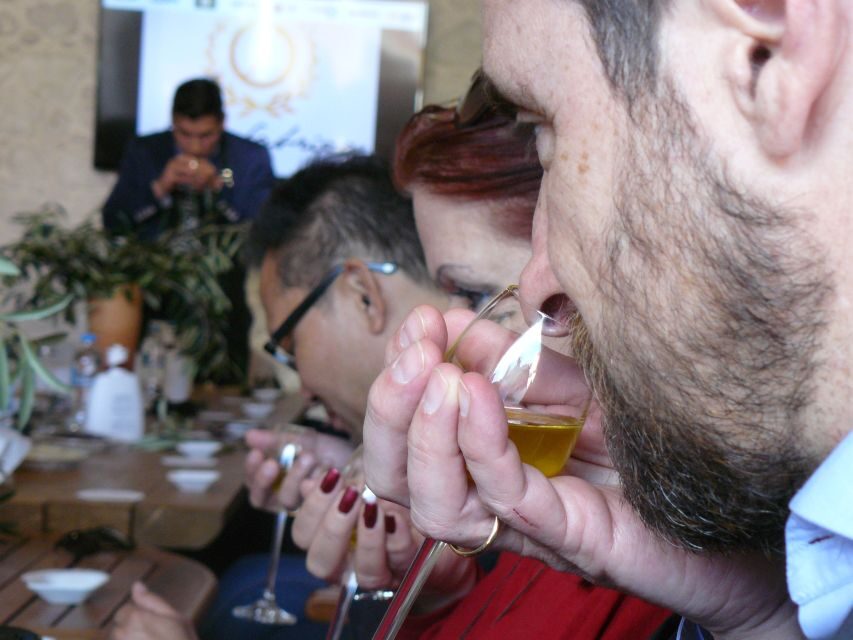
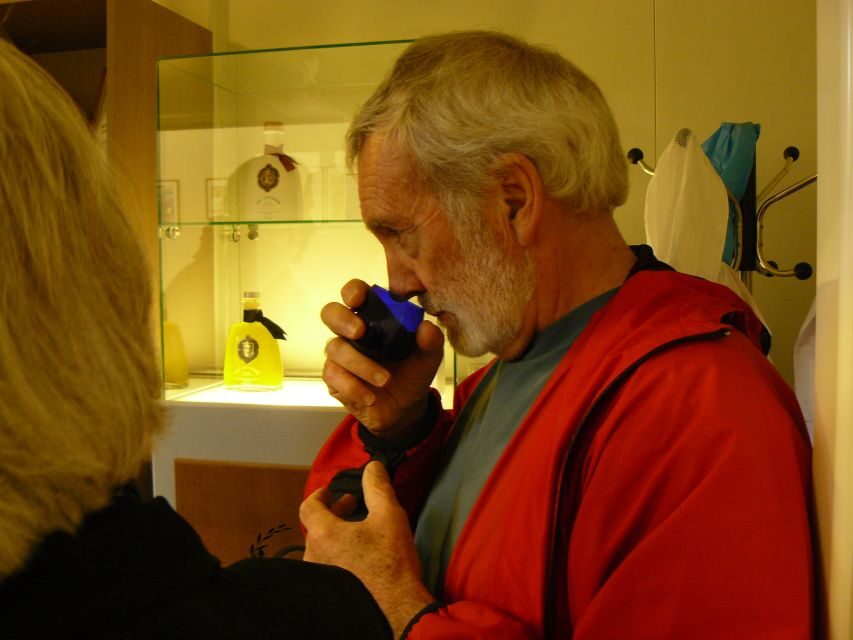
This is the center of the experience. You’ll get a tasting seminar designed to help you become an olive oil sommelier for a day. The guide shows you how to taste and recognize high-quality olive oil, and you’ll have the chance to practice with real samples.
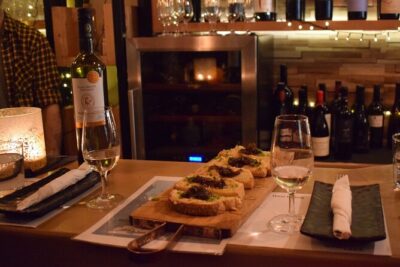
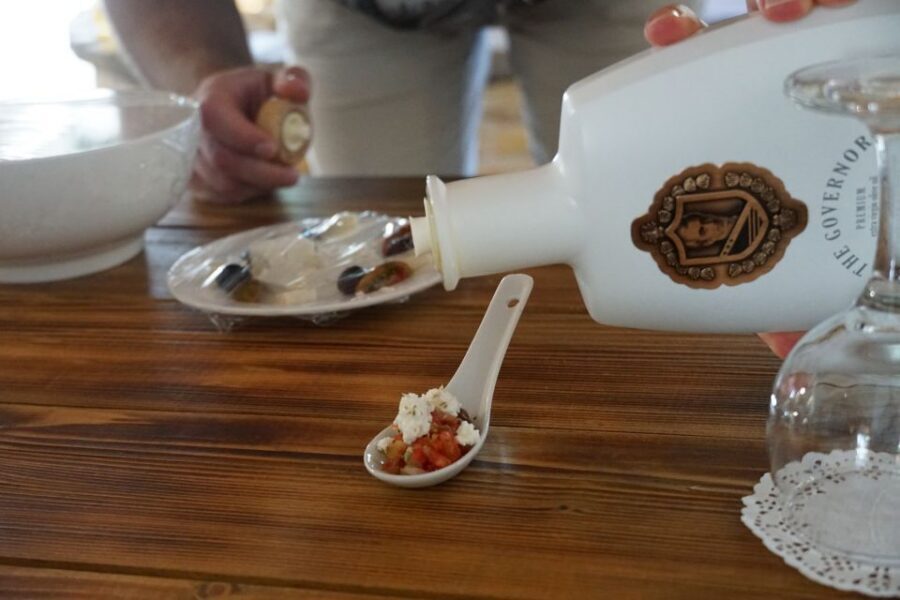
The tour includes finger food snacks as part of the tasting experience:
- Village bread and cheese
- Cherry tomatoes and capers
- Dessert (yogurt, ice cream, or chocolate)
- Natural mineral water
Then there’s the added “food pairing” feeling: the tasting isn’t in isolation. It’s presented alongside simple traditional bites that fit the olive oil story.
What I’d do if you want to get the most out of this: pay attention to smell first, then taste, then mouthfeel. The guide’s goal is to make you recognize categories and quality differences—not just to name them. If you show up hungry and distracted, you might miss the method. A light breakfast (or at least a snack beforehand) is smart.

Ancient olive groves and the Mitera olive tree stop
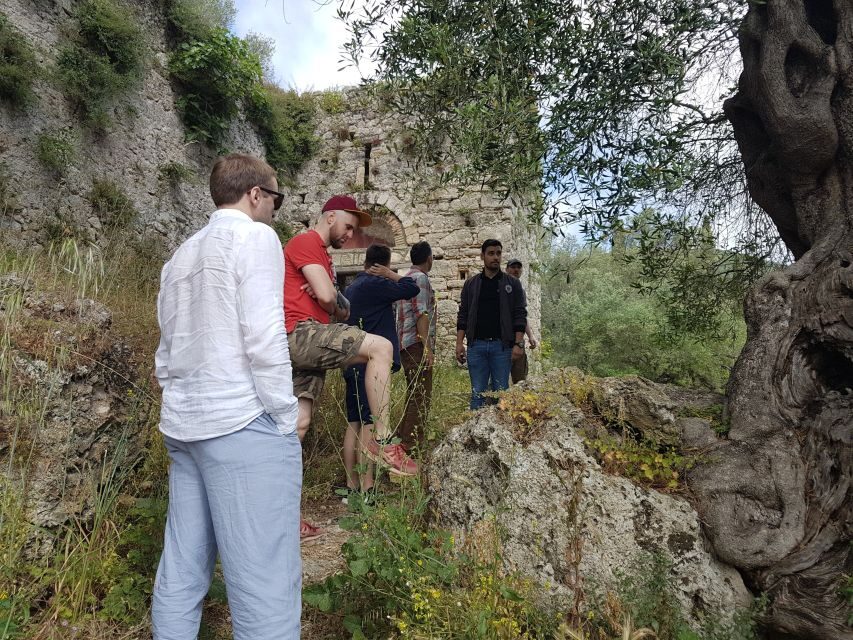
After the tasting, the day shifts into scenery and story. You drive to the ancient, century-old olive groves of the Dafnis Family and visit the old olive groves on the property.
One standout moment is the visit to the “Mitera” olive tree, described as about 1500 years old. This stop works on two levels. First, it gives you perspective—olive trees aren’t short-term crops here, they’re part of long human timelines. Second, it makes the production lesson feel real. You’re not just learning about a fruit; you’re standing near the kind of living resource that makes a family business last.
If you’re the type who loves photos and quiet moments, this part delivers. Just remember to bring insect protection or expect mosquitoes. One review mentioned mosquitoes in the groves and that mosquito bite cream was provided at the end, which tells me the team understands this can be an issue.
Gardiki Byzantine Castle: a history add-on that doesn’t feel random
The tour includes a stop at Gardiki Byzantine Castle. The guide provides historical details about the area, so the day doesn’t become only “food production.” This is a nice balance if you like understanding where food traditions sit inside a broader local landscape.
Is this stop a museum-like deep dive? Based on what you’re told to expect, it’s more of a contextual piece—enough history to make the day feel tied together, not enough to replace a full castle visit.
The “secret stop” photo/walk moment
There’s also a planned photo stop—described as a secret stop—with a brief walk and guided experience. If you like little breaks that stretch the day without turning it into a slog, you’ll probably appreciate it. The time is short (around 20 minutes described), so it won’t eat your day.
I treat these quick stops like a gift: use them for photos, a bathroom break if needed, and resetting before the last legs.
Who this Corfu olive oil experience fits best
This tour is a great match if you want:
- A guided olive oil tasting that teaches you how to judge quality
- A mix of production history + modern process
- A visit to the Dafnis Family groves and the Mitera olive tree
- A day that includes light food and a historical castle stop
It’s also ideal if you’re traveling with someone who enjoys food culture but doesn’t want a pure “lecture” day. The structure moves between indoor learning and outdoor visuals.
If you’re only looking for a short, low-effort activity, it may feel like a lot of stops. You’re basically getting a full morning program plus driving and short outings.
Price and value: is $80 per person fair?
At $80 per person, you’re paying for more than a tour ticket. Based on the provided info, your money supports:
- Pickup and drop-off from hotels/airport/port within a limited radius
- A live English and Greek guide
- Guided mill visits (old and modern production areas)
- A tasting seminar plus snacks and water
- Groves visit plus the Gardiki stop
So the value question becomes: do you want a guided tasting with meaningful context? If yes, the price starts to make sense quickly. If you were just going to taste olive oil at a shop, you’d miss the process-to-taste education, and you’d likely pay about the same for bottles without the learning.
One note: since the tour is not private and group size can run 20–30 overall (even if the mini van is smaller), expect a busier day feel than a bespoke outing. That doesn’t ruin it—it just shapes your expectations.
Logistics that help you enjoy the day
- Plan for a morning start and confirm your pickup details in advance since pickup is only within a set radius.
- Wear shoes you can stand in. You’re moving through mill areas and outdoor stops.
- Bring bug repellent if you’re sensitive to bites. Even with cream provided, you’ll feel better if you’re prepared.
- If shopping for products matters to you, the tour includes a chance to purchase olive oil products at the exhibition.
Should you book the Governor’s Olive Mill Corfu tour?
Yes, if you want a guided olive oil day that connects history, modern production, and real tasting skills. The Mitera tree stop and the Gardiki Byzantine Castle add extra reasons to go beyond the mill itself. And if you care about understanding quality—what to look for and how to taste—you’ll likely feel you got more than just a pleasant outing.
Skip it if you’re short on time and can’t handle the morning timing plus the longer door-to-door reality. Also skip it if you don’t enjoy guided walking and prefer a quick tasting with no education.
FAQ
FAQ
What’s included in the Governor’s Olive Oil Experience?
You get pickup and drop-off, a guided tour, and an olive oil tasting experience. Finger-food snacks are included, along with natural mineral water.
How long is the tour, and what time does it start?
The listed duration is 3 hours, and the tour activities start around 10:30 am. Pickup is typically around 09:00–09:30.
Is this tour private?
No. It is not private. The mini van is limited (max 8), but the overall number of participants can range from 20–30.
What languages are the guides?
The live guide is available in English and Greek.
Do children get in for free?
Entry is free for children below 8 years old.
Where does pickup happen?
Pickup is included for hotels in Corfu, the airport, or the port, within a limited radius from the olive mill (noted as 25–30 km depending on the detail).
Will I have a chance to visit olive groves and an old tree?
Yes. You’ll drive to the Dafnis family olive groves and visit the Mitera olive tree, described as about 1500 years old.
Can I buy olive oil products during the tour?
Yes. There is a possibility to purchase olive oil products at the exhibition/shop area.