REVIEW · CRETE
Crete Horse Riding: East Coastline Ride
Book on GetYourGuide →Operated by Crete Horse Riding · Bookable on GetYourGuide
A horse, a sea breeze, and Crete in motion. This East Coastline ride threads you through olive groves toward Damnoni, with Libyan Sea views that feel like a moving postcard. I like how the route mixes rural paths and coastal moments, so you’re not just riding in one direction for 90 minutes.
You’ll get a guided experience that works for both new and experienced riders, with well-trained horses and safety gear included. The main thing to keep in mind is that it’s outdoors, so weather can affect comfort and how the activity runs.
In This Review
- Key things to know before you book
- East Coastline horseback riding on Crete: why this feels so good
- Getting on the horse: what the first minutes usually feel like
- Olive groves to Damnoni beach: the ride’s scenic warm-up
- Eastward along rural roads: how the coastline keeps pulling you forward
- Ammoudaki and Klissidi small beaches: riding where the water is close
- Ammoudi and the Libyan Sea view: the “freedom” feeling people talk about
- Price and value: does $106 make sense for 1.5 hours?
- What to bring, plus the practical comfort checklist
- Who this ride is best for (and who should skip it)
- Should you book the Crete East Coastline Horse Riding ride?
- FAQ
- How long is the East Coastline horse riding experience?
- Where do you start the ride?
- Is transportation (transfers) included?
- Are food and drinks included?
- How many people are in the group?
- What languages are the guides/instructors?
- What should I bring with me?
- When can I cancel and still get a full refund?
Key things to know before you book
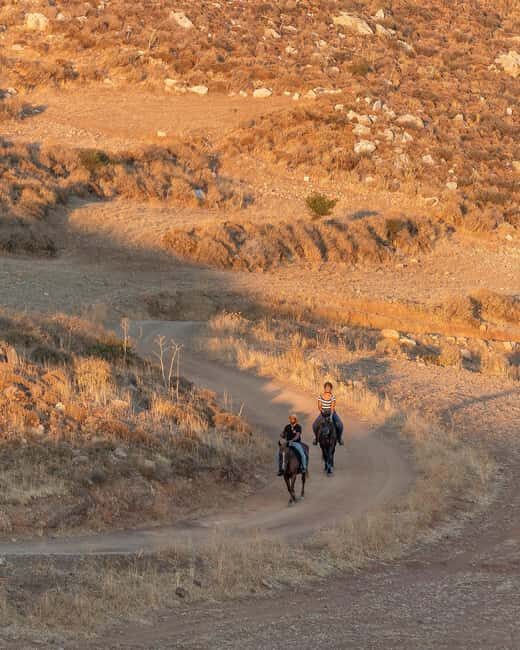
- Olive-grove start to Damnoni for that first “wait, we’re really in Crete” moment
- East-coast riding along rural roads with repeated sea panoramas
- Small beaches on horseback near Ammoudaki and Klissidi
- Libyan Sea perspective you simply can’t get from a viewpoint
- 1.5 hours with a small group (up to 6), so you get real attention
- English/Greek instruction plus safety gear for peace of mind
East Coastline horseback riding on Crete: why this feels so good
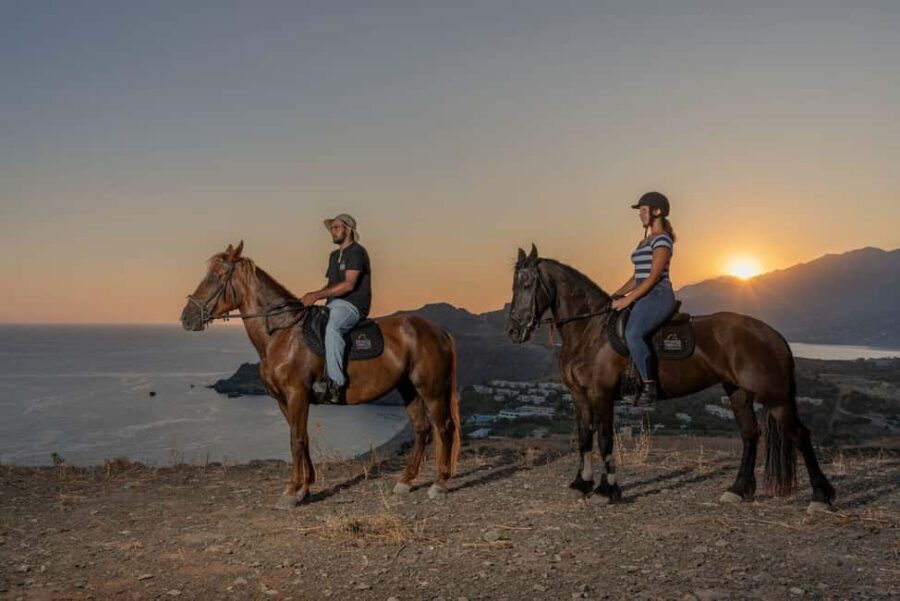
This is the kind of tour where the route matters as much as the riding. You start near the Horse Riding Center and head through olive groves before the coastline begins to show up in your ride. That change in scenery is a big part of the fun: green inland, then salt air and wide sea.
I also like that the experience is built around a guided flow, not a “good luck out there” vibe. The horses are described as well trained, and you’ll have experienced guides and safety gear with you. That combo is especially helpful if you’re a beginner or just prefer not to spend your 90 minutes thinking about your stirrups.
Finally, the viewpoint from a horse is genuinely different. On foot, you notice distances and uneven ground. From horseback, you tend to notice the rhythm of the ride, the smell of the Mediterranean, and the changing light on the water. It’s a simple idea, but it creates that feeling of freedom people chase on vacation.
A few more Crete tours and experiences worth a look
Getting on the horse: what the first minutes usually feel like
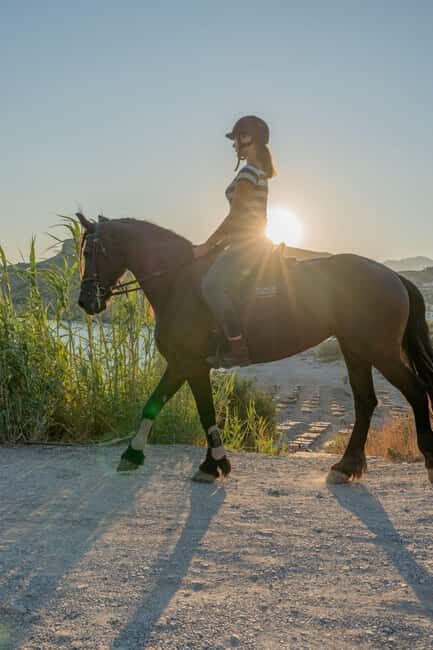
You’ll meet at the Horse Riding Center and begin from there. The early part sets the tone: you’re learning the basics or settling into the pace, while the guide keeps an eye on how everyone is moving together.
Even if you’ve ridden before, the first minutes matter. You’re not just controlling a horse; you’re finding a comfortable rhythm with it, the ground beneath you, and the group around you. The good news here is that the horses are set up for guests, and the operation provides safety gear, which usually means you can focus on the scenery rather than equipment anxiety.
Also, there’s a practical side. You’ll be riding for about 1.5 hours, so you want to feel physically comfortable quickly. Closed-toe shoes help you grip and protect your feet. Light but secure clothes make it easier to settle in. Bring sun protection because once you’re outside, the Mediterranean sun gets serious fast.
Olive groves to Damnoni beach: the ride’s scenic warm-up
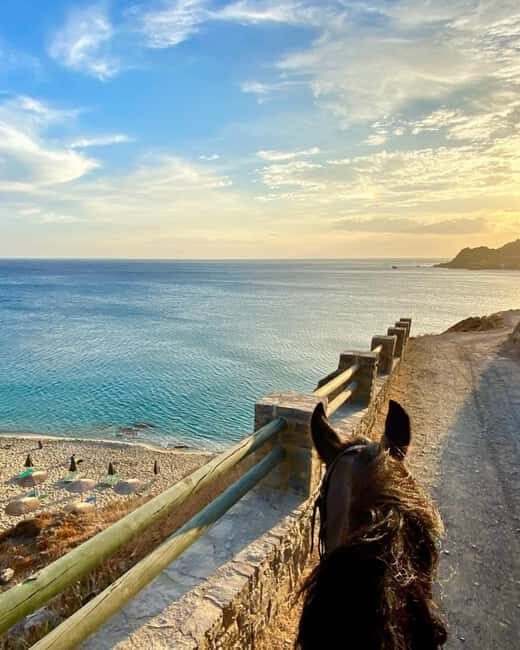
The route starts with a scenic path through olive groves toward Damnoni beach. This is more than just a pretty intro. Olive country tends to be quieter, cooler, and visually textured, so your brain has time to adjust to horseback motion.
As you move toward Damnoni, you’ll feel the landscape begin to open up. Inland paths tend to guide your attention forward, while coastal approaches start pulling your eyes sideways. That transition is one of the reasons this ride works so well as a half-day activity that doesn’t require planning a full day.
Damnoni is your first major “coast reveal” moment. Expect views that are wider than what you see in the village streets, and a sense of space that feels different from standing on a cliff edge. On horseback, you experience that space as you move through it—slowly enough to take it in, but steadily enough that you don’t feel stuck.
One more thing I appreciate: olive groves give you shade and a break from glare when the sun is strong. If you’re someone who burns easily, that first stretch through greenery can make the whole ride more enjoyable.
Eastward along rural roads: how the coastline keeps pulling you forward
After the initial coastal draw toward Damnoni, the ride continues along picturesque rural roads leading eastward along the coast. This part is key because it keeps changing what you see without turning the activity into a stop-and-start photo session.
You’re essentially getting a moving perspective on the coast—different coves, stretches of shoreline, and the way the light hits the Libyan Sea. From the saddle, you’ll notice the scale of the coastline. Water isn’t just “pretty” here; it’s part of the route, guiding your direction visually.
The road segments also help with pacing. They often feel smoother than trails through brush, which can be comforting if you’re new to riding. And since the group is limited to 6 participants, it’s easier for the guide to manage spacing and keep everyone at a comfortable, controlled speed.
One small operational detail that matters for the experience: one confirmed booking noted the guide was waiting even after the rider arrived late. That signals an operation that understands timing can slip on vacation days, and it can reduce stress on your end.
Ammoudaki and Klissidi small beaches: riding where the water is close
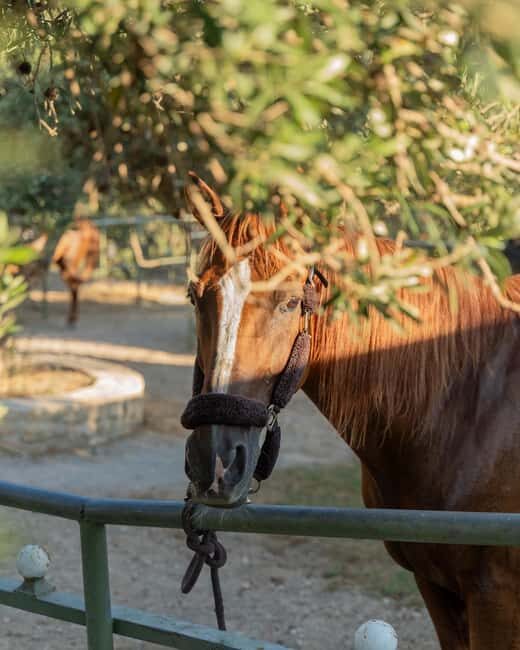
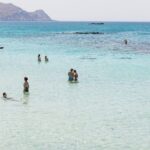
The tour then brings you past small beaches, including Ammoudaki and Klissidi. This is where the ride gets extra sensory. When you’re near the shore, you feel wind changes, hear waves more clearly, and get that salt-and-rock Mediterranean smell.
Beaches also change your sense of speed. On inland paths, you watch the guide and the horse in front of you. Near the water, your eyes naturally keep drifting to the shoreline because it’s right there. That constant visual shift makes the hour-and-a-half feel less like one long ride and more like several linked moments.
Ammoudaki and Klissidi are ideal for anyone who likes variety. You’re not stuck only on scenic viewpoints. You experience the coast as a sequence—approach, view, then move on. It’s a good match for couples, solo travelers, and groups who want something memorable that doesn’t rely on buildings or museums.
If you’re the kind of person who enjoys photos, this is your payoff zone. Just remember: the best photos usually happen when you’re not rushing. Keep your focus on the ride first, and let the view become the background.

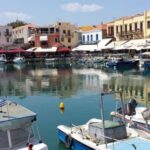
Ammoudi and the Libyan Sea view: the “freedom” feeling people talk about
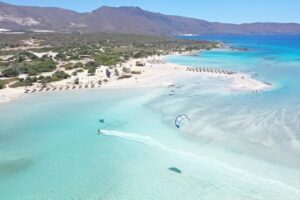
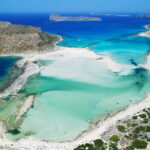
As the ride continues toward Ammoudi, you’ll keep getting that coastal perspective. The big theme here is the Libyan Sea—not just as scenery, but as part of how you experience motion. You’re moving along a coastline line that feels open, airy, and remote compared with crowded tourist hubs.
This is the stage where you’ll likely feel the most relaxed. Earlier sections are about adjusting to riding and getting oriented. Later sections often become more about enjoying the ride itself—holding a steady pace, feeling the horse move, and looking out at water and sky.
That’s also where the “absolute freedom” vibe makes sense. It’s not a stunt. It’s simply being out there, off the main roads, on an animal that carries you smoothly through places you normally wouldn’t reach. The guide keeps things safe and structured, but the environment still feels wide and personal.
One practical note: keep sun protection on your mind through the final stretch. Even if the first part has shade, the later coastal segments can be more exposed. A hat and sunscreen aren’t optional if you want to enjoy the last 20–30 minutes.
Price and value: does $106 make sense for 1.5 hours?
At $106 per person for 1.5 hours, this is a mid-range activity by Greek standards. Horse riding tours vary a lot based on how trained the horses are, group size, and how much guiding is included.
Here, the value case is pretty clear:
- Horses are described as well trained
- Experienced guides & escorts are included
- Safety gear is included
- The group is limited to 6, which usually means less waiting and more attention
What’s not included matters too. There are no transfers from your hotel, and food and drinks aren’t included. So the true value depends on how easy it is for you to get to the Horse Riding Center and whether you plan a separate snack or drink afterward.
If you’re staying in an area where getting there is simple, this can feel like a fair price for a unique experience: something you can’t easily DIY, and something you feel immediately during the ride. If you’d have to spend extra money or time to reach the start point, then it’s worth comparing with other ride options.
My bottom-line take: it’s worth paying for when the horses and guidance are the priority, and when you have a relaxed half-day schedule.
What to bring, plus the practical comfort checklist
You’ll have the best time if you dress for comfort and protection. Here’s what you should bring:
- Sun hat
- Sunscreen
- Comfortable clothes
- Closed-toe shoes
Think closed-toe because you’ll want your feet protected and stable when you’re getting on, adjusting your position, and riding. Comfortable clothes help you handle the saddle position without needing constant fidgeting.
Also, check any email updates from the supplier. Weather can affect the activity, so you want the latest guidance on what conditions look like on the day you ride. If you’re sensitive to heat, plan to arrive early and stay hydrated before you mount up.
Finally, keep your expectations aligned with the format. This is not an all-day trek with long stops. It’s a guided 1.5-hour ride with a curated coastline feel, so you should save the big meals for after.
Who this ride is best for (and who should skip it)
This tour is a good match if you want a scenic coastal horseback experience on Crete’s east side, with a controlled small-group setting. It’s also designed so both beginners and seasoned riders can enjoy it, which is a smart setup if you’re traveling with mixed skill levels.
It’s not suitable for:
- Pregnant women
- People over 264 lbs (120 kg)
- People under 3 ft 6 in (110 cm)
If you’re close to the limits, it’s worth double-checking your fit based on how the operation defines ride safety.
If you hate surprises and want everything guided, this is a strong pick because you’re led by experienced staff, not navigating alone. If you’re someone who needs constant stops for photos or a long walking component, you might find the pace more “riding-focused.” That’s not a flaw, just a mismatch in style.
Should you book the Crete East Coastline Horse Riding ride?
Book it if you want a real change of scenery in just 1.5 hours: olive groves, then Damnoni, then small beaches like Ammoudaki and Klissidi, ending with more coastline feel near Ammoudi. The small group size and trained horses make it feel safer and calmer, and the coastal views from horseback are the kind of memory you can’t fake.
Skip it if outdoor conditions would stress you out, or if you can’t comfortably meet the ride requirements. Also factor in that transfers and food/drinks aren’t included, so plan how you’ll get there and what you’ll do afterward.
If you like practical adventure that still feels relaxed, this is a solid bet.
FAQ
How long is the East Coastline horse riding experience?
The duration is 1.5 hours.
Where do you start the ride?
You begin at the Horse Riding Center.
Is transportation (transfers) included?
No. Transfers from/to the Horse Riding Center are not included.
Are food and drinks included?
No. Food and drinks are not included.
How many people are in the group?
This is a small group limited to 6 participants.
What languages are the guides/instructors?
The instructor provides English and Greek.
What should I bring with me?
Bring a sun hat, sunscreen, comfortable clothes, and closed-toe shoes.
When can I cancel and still get a full refund?
You can cancel up to 24 hours in advance for a full refund.