REVIEW · MALIA
Crete: Jeep Safari Wine & Olive Oil testing Shepherd’s House
Book on GetYourGuide →Operated by GOCRETESAFARI · Bookable on GetYourGuide
The best part of this Crete jeep safari is the turn away from beach resorts and onto the island’s rural roads. You’ll see Aposelemis Dam and the sunken village of Sfendyli, taste olive oil and raki, visit a winery, and finish with cheese-making and lunch in a traditional village. It is a full day with plenty of variety.
I like the small-group feel and the chance to meet people who still make food in the old way. I also like the warm, personal meal with Maria, including a cooking demonstration and homemade sweets. The main drawback is the winery stop: the entrance fee is extra, about €10 to €11, and the visit may feel brief for the price.
In This Review
- Key points
- Leaving the resorts for central Crete
- Aposelemis Dam and the story of Sfendyli
- Avdou, olive oil, and village flavors
- Thrapsano and the extra-cost winery visit
- Kato Karouzana and the rhythm of village life
- Cheese-making, animals, and an old-fashioned lunch
- What the $104 price really covers
- Who will enjoy this Crete safari
- How to get the most from the day
- Should you book this Cretan food and village tour?
- FAQ
- How long does the Crete jeep safari last?
- What is included in the $104 price?
- Is the winery entrance included?
- Which languages are available?
- Where is hotel pickup available?
- What should I bring?
- Is the tour suitable for people with mobility impairments?
Key points
- Aposelemis Dam and Sfendyli: See the reservoir and the remains of a village that can appear above the water when conditions allow.
- Local food from the source: Learn how Cretan olive oil is made, taste village snacks with raki, and take part in cheese production.
- Traditional cooking with Maria: The final meal includes a cooking demonstration and a chance to make Cretan sweets.
- A full 8-hour outing: Hotel pickup, transport, tastings, lunch, and several village visits fill the day.
- Winery costs extra: The wine visit includes tasting, but the entrance charge is not part of the $104 tour price.
- Uneven activity level: Some promised elements may be shortened or explained rather than shown, so keep expectations flexible.
Leaving the resorts for central Crete
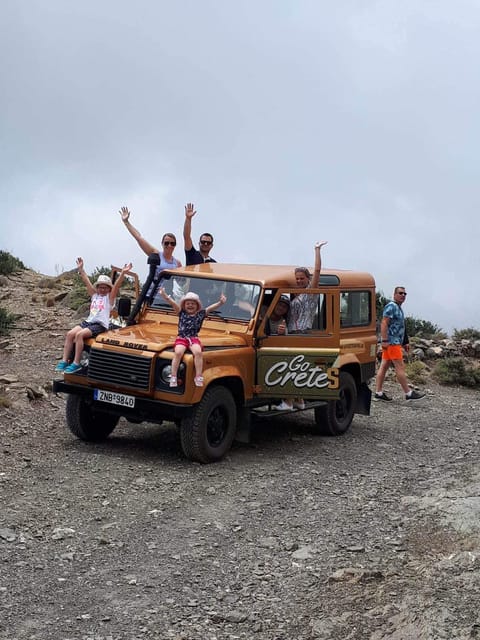
This outing is designed for people who want more than a quick scenic drive. From pickup points around Analipsi, Stalida, Gouves, Hersonissos, Heraklion, Malia, Anissaras, Sisi, and Milatos, you head inland in a Land Rover Defender or Nissan Pathfinder.
The drive is part of the experience. You pass from the resort belt into villages, olive-growing country, and mountain roads. Your driver acts as guide, and the available languages include English, Dutch, German, French, Greek, Italian, and Russian.
I like the way the day connects food with place. Olive oil is not treated as a shop souvenir, and wine is not just poured into a glass. You get a look at how village producers work, then sit down to eat food prepared in a local setting.
The tour lasts about eight hours, so this is not a quick half-day add-on. It suits you best if you enjoy a busy schedule and do not mind moving between several stops. Comfortable shoes, a sun hat, sunglasses, and light clothing are sensible choices.
Pickup is included, but be ready in your hotel lobby about 15 minutes before the arranged time. Exact pickup details are provided after booking. If the vehicle cannot reach your road, you’ll be given a nearby meeting point.
You can also read our reviews of more tours and experiences in Malia.


Aposelemis Dam and the story of Sfendyli
The first stop is Aposelemis Dam, where you have about 20 minutes for photographs and views. The main point of interest is Sfendyli, a village that was flooded when the dam was created.
The remains may be seen from a distance, depending on the water level. This is an atmospheric stop rather than a long village visit. You should not expect to walk through the old settlement or spend a large part of the morning exploring it.
That limitation matters because the wording of the experience can suggest a closer look at the sunken village. In practice, the view may be from the vehicle or a nearby lookout. Still, the stop gives the day a useful sense of place. You are not simply driving to a tasting room. You are seeing how modern water needs changed an older Cretan community.
Bring your camera, but do not count on a long walking break here. The 20-minute pause is enough for photographs and a short explanation, not a full historical visit.
Avdou, olive oil, and village flavors
Next comes Avdou, where the program allows around 40 minutes for a visit, food tasting, and a guided look at local life. This is one of the better parts of the outing because it brings you into a traditional village rather than keeping you on the main tourist route.
Cretan olive oil is the star product. At a local olive farm, you learn how the oil is produced and get to taste it in the place where it matters most. The visit helps explain why olive oil appears so often in Cretan cooking, from simple bread and salads to cooked dishes.
The exact level of hands-on activity can vary. You are there to learn about production and taste the result, not to spend hours working at an olive press. Even so, this stop gives more context than buying a bottle from a market shelf.
Avdou also includes local delicacies and raki. Raki is a strong grape spirit commonly offered in Cretan villages, often with a small snack. If you do not drink alcohol, you can simply take part in the food tasting and treat the raki as optional.
This is a good point in the day to watch how the driver handles questions. Guides Janic and Costa received especially positive attention for keeping the mood relaxed and answering questions. One assessment also noted that more explanation would have been welcome at times, so do not hesitate to ask when you want more detail about the food, farming, or village customs.
Thrapsano and the extra-cost winery visit
The tour continues to Thrapsano for about an hour. Here you visit a winery, taste local wines, and sample regional products.
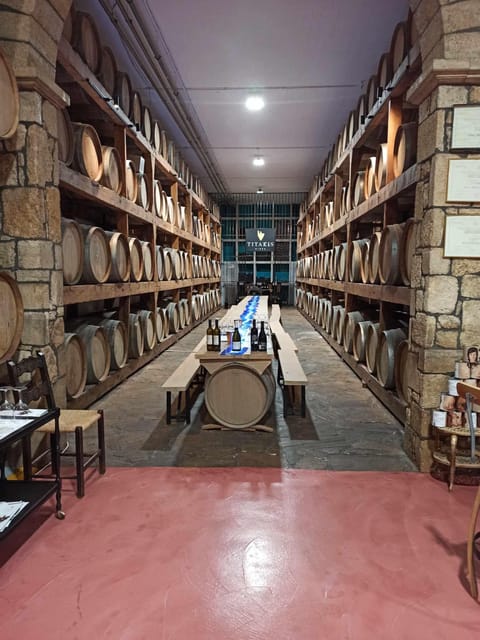
This is the most mixed part of the day. The tasting itself is a pleasant way to compare Cretan wines with the island’s food, and the stop gives you a look at vineyards and wine storage. The stated tasting includes three wines, according to the detailed feedback available about the experience.
The problem is the fee. The tour price is $104 per person, but the winery entrance costs an additional €10, sometimes listed as about €11. You pay this locally. That extra charge should be clear before you book, since it changes the real cost of the day.
The winery visit may also be shorter and less detailed than you expect. The experience can include a walk among vines and a cellar with barrels, but it may not include a close look at the full production process. If your main reason for booking is serious wine education, this may not satisfy you.
I would treat the winery as one part of a broader food-and-village tour, not as a specialist wine excursion. The extra fee feels easier to justify if you enjoy tastings and are curious about Cretan wine. It feels less worthwhile if you expect machinery, extended cellar access, or a detailed explanation of every production stage.
Kato Karouzana and the rhythm of village life
Kato Karouzana is the next stop, with roughly 35 minutes for photographs, a visit, and a guided walk or explanation. The village gives you another chance to see traditional architecture and the everyday setting of rural Crete.
This is where the tour’s theme comes together. You have moved from dam and farmland to olive oil, raki, wine, and village streets. The stops are not isolated attractions. They show the practical side of an island culture shaped by farming, animals, family cooking, and local trade.
Do not expect a major monument or a long museum visit. The value is in the ordinary details: the layout of the village, the old buildings, the quiet roads, and the chance to see a place that feels different from the coastal hotel districts.
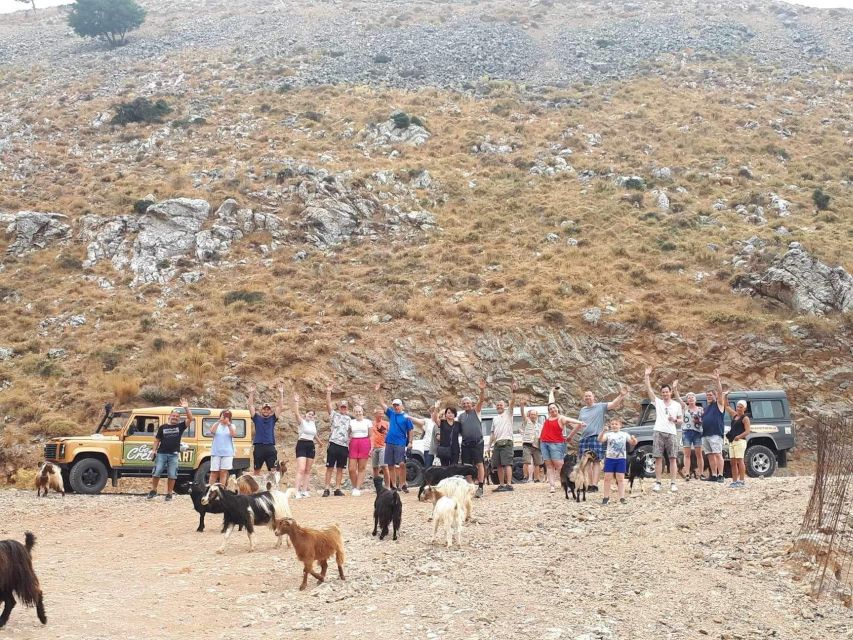
The itinerary also describes a scenic walk where you may gather herbs and walk near Cretan goats. This part needs flexible expectations. It was not always carried out as a full walk, and the cheese-making activity may sometimes be explained rather than demonstrated in front of you.
That does not make the whole outing poor, but it is worth knowing. The day works best when you see these activities as possible parts of a rural visit, rather than guaranteed long demonstrations at every stop.
A few more Malia tours and experiences worth a look

Cheese-making, animals, and an old-fashioned lunch
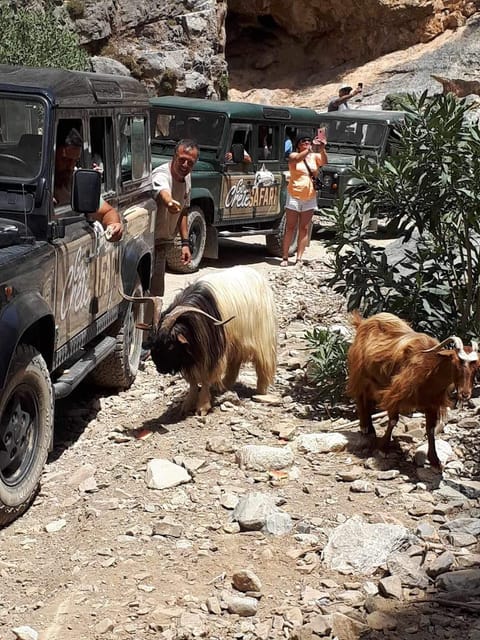
The final major section takes place around Kato Karouzana and lasts about 90 minutes, including a break, lunch, local wine, and free time. This is the emotional center of the day.
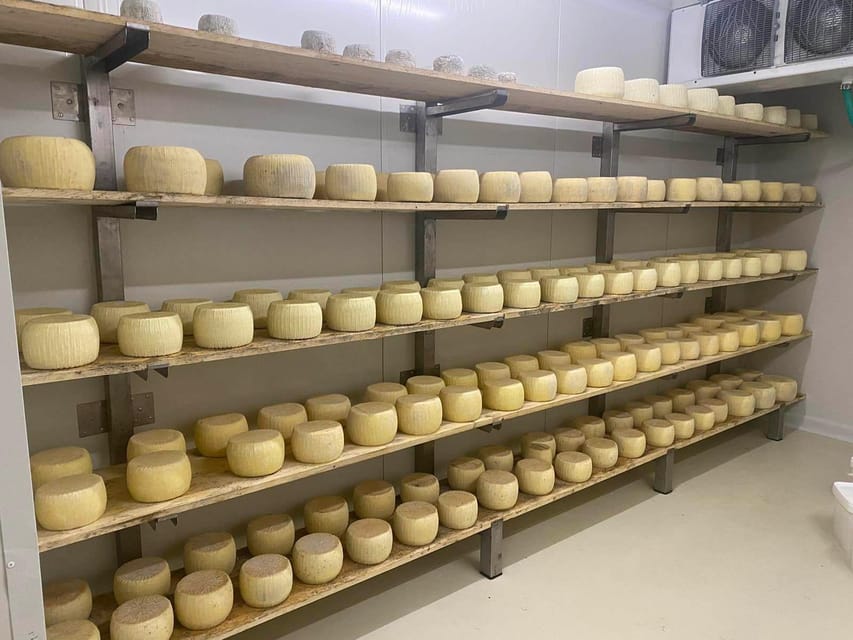
You visit a shepherd’s house, see animals, and take part in the production of authentic cheese. The chance to connect the food on your plate with the animals and the producer is more meaningful than another quick tasting. For many people, this will be the most memorable rural experience of the outing.
The hands-on element can vary. The program says you participate in cheese production, but the activity may sometimes be presented as an explanation rather than a full demonstration. If making cheese is your top priority, ask the guide early in the day what will happen and how much time is available.
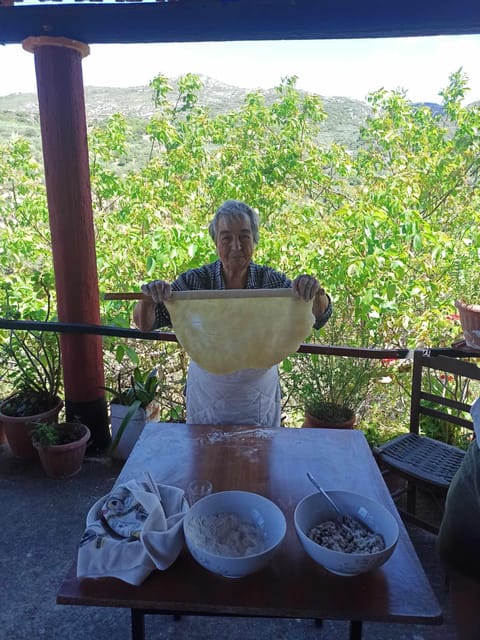
Lunch follows at a traditional tavern, where Maria prepares the meal and gives a cooking demonstration. This part receives the strongest praise, and it is easy to understand why. A meal served in a small village setting, with local wine and water included, gives you time to slow down after the driving and tastings.
You also make Cretan sweets. That simple activity turns lunch into a shared experience rather than a standard restaurant stop. It is a good fit for you if you like food demonstrations, family recipes, and meals that feel connected to the place.
The food is not presented as fine dining. The appeal is traditional preparation and the welcoming setting. Several strong assessments singled out Maria’s meal and cooking demonstration as the highlight of the day. I would plan to enjoy this part without rushing.
What the $104 price really covers
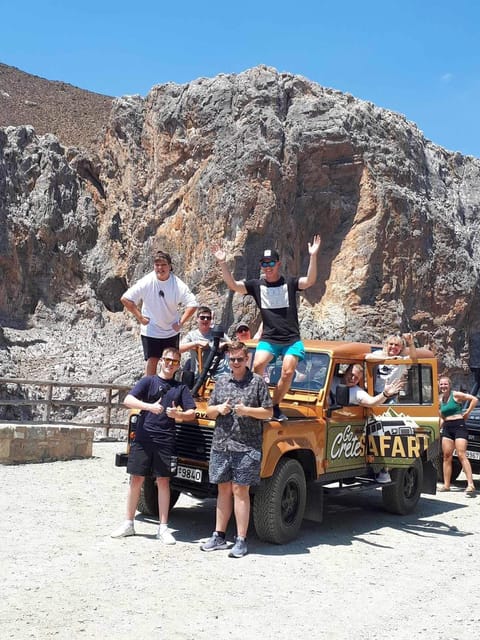
At $104 per person, the cost is reasonable if you use the whole package. Hotel pickup and drop-off, fuel, a private vehicle or small-group vehicle, an experienced driver-guide, several visits, food tastings, lunch, local wine, and water are included.
The transport matters. Reaching central Crete independently would require a rental car, careful route planning, and time spent finding rural producers and villages. The tour removes that work and lets you focus on the scenery and food.
The value drops if you are mainly interested in the winery. The extra €10 to €11 entrance fee is not included, and the winery portion may feel limited. Add that cost to the advertised price before deciding.
The strongest value comes from the variety. In one day you can see a dam, a village, an olive farm, vineyards, a shepherd’s house, and a traditional tavern. You also get lunch, which would otherwise be an additional expense.
A private group is available. That option may be useful if you want more control over the pace or have a party with different interests. The standard experience is still suited to small-group interaction, and feedback about the relaxed atmosphere has been particularly positive.
Who will enjoy this Crete safari
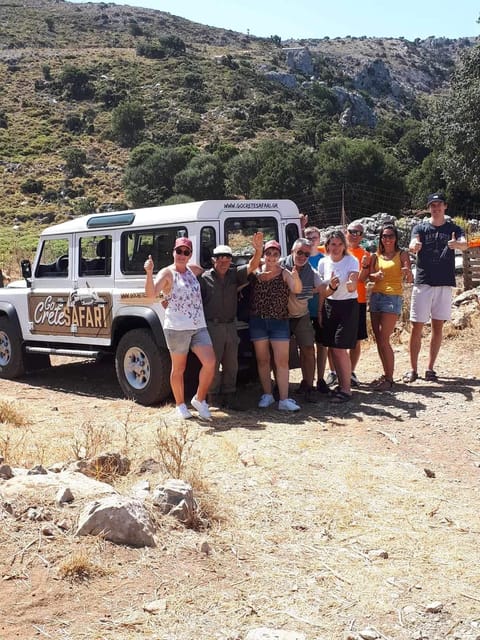
I would recommend this tour to you if you want a broad introduction to rural Crete and prefer food, people, and scenery to formal sightseeing. It is especially suitable for couples, families with older children, and small groups who enjoy sampling local products.
You should book it if these activities sound appealing:
- Tasting olive oil and regional food
- Learning about Cretan wine without making wine the sole focus
- Seeing villages beyond the coast
- Meeting local producers
- Joining a cooking demonstration
- Eating a traditional lunch
- Riding through the countryside without driving yourself
You may want a different outing if you have limited mobility or recent surgery. The activity is not considered suitable for people with mobility impairments or recent surgeries, and the day includes vehicle travel, village visits, and rural surfaces.
It is also not ideal if you need a tightly controlled schedule. The experience depends on local hosts, village visits, and the pace of the group. Activities such as goat walks or cheese production may not happen exactly as described.
How to get the most from the day
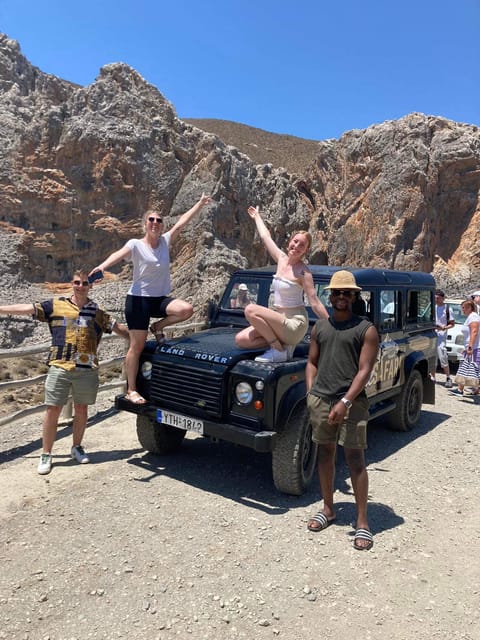
Wear shoes you can walk in comfortably. The tour includes rural stops, and even short village visits are more enjoyable when you are not worrying about your footwear.
Carry sunglasses, a hat, sunscreen, and a camera. The schedule includes open viewpoints and outdoor stops, especially at Aposelemis Dam and around village roads.
Ask about the winery charge before you leave your hotel. The fee is small compared with the full price, but knowing about it prevents an awkward surprise. Bring some money for the entrance fee and personal purchases.
Keep your expectations focused on the whole day rather than one promised activity. If the goat walk is short or the cheese-making is explained instead of demonstrated, the outing still includes olive oil, village food, wine, lunch, and cooking.
Finally, ask questions. The guides can make a major difference. Janic was described as entertaining and good at answering questions, while Costa helped create a relaxed group atmosphere. The best way to gain more detail about Cretan food and village life is to speak up during the drive and at each stop.
Should you book this Cretan food and village tour?
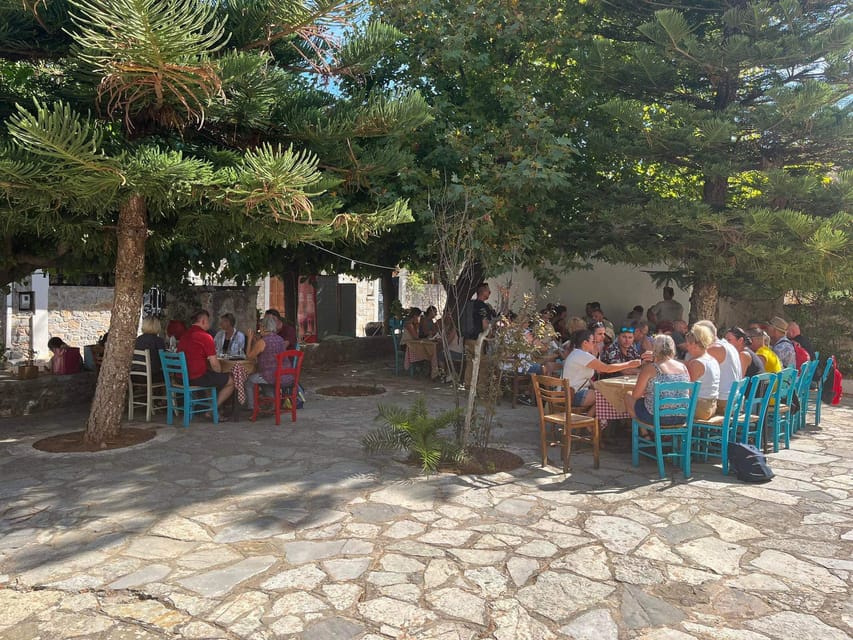
Book it if you want a sociable, food-focused day that shows you a side of Crete far from the resort strip. The strongest reasons are the olive oil farm, the village tastings, the shepherd’s house, and especially Maria’s traditional lunch and cooking demonstration.
Go in with two clear expectations: the winery costs extra, and some advertised activities may be brief or less hands-on than hoped. If those limits are acceptable, the tour offers good value for an eight-hour outing, with transport and lunch included.
I would not choose it for a dedicated wine tour, a long hiking day, or a fully predictable schedule. I would choose it for a first look at rural Crete, generous food, local hospitality, and the chance to come home knowing more about what goes into the island’s oil, wine, cheese, and sweets.
FAQ
How long does the Crete jeep safari last?
The activity lasts about eight hours, including pickup, visits, tastings, lunch, and return to your original pickup location.
What is included in the $104 price?
The price includes hotel pickup and drop-off, transport in a Land Rover Defender or Nissan Pathfinder, fuel, an experienced driver-guide, traditional Cretan lunch, local wine, and water.
Is the winery entrance included?
No. The winery entrance costs about €10 to €11 per person and is paid separately. Personal expenses are also not included.
Which languages are available?
Guides may speak Dutch, English, German, French, Greek, Italian, or Russian.
Where is hotel pickup available?
Pickup is available from Analipsi, Stalida, Gouves, Hersonissos, Heraklion, Malia, Anissaras, Sisi, and Milatos. If the vehicle cannot reach your road, a nearby meeting point will be arranged.
What should I bring?
Bring comfortable shoes, sunglasses, a sun hat, a camera, and comfortable clothing. You should also carry money for the winery entrance and personal expenses.
Is the tour suitable for people with mobility impairments?
No. The activity is not suitable for people with mobility impairments or recent surgeries.