REVIEW · MYKONOS
Discover Scuba Diving Adventure in Mykonos
Book on Viator →Operated by Mykonos Diving Center · Bookable on Viator
There’s something magic about breathing underwater for the first time. This Mykonos experience pairs a PADI Discover Scuba introduction with patient coaching and a reef-right-near-the-beach setup on Paradise Beach. I like that the experience is built around clear safety steps and a calm pace, not just jumping in and hoping for the best.
This matters because you’ll get hands-on guidance with a max of four people per instructor, so you’re not lost in a crowd. I also like that the course teaches you the same practical skills you’d use later for full certification, just in a shorter format.
The one thing to keep in mind: you’re diving on a Mediterranean rocky reef with sea life close to shore, not a coral showpiece. If you’re expecting coral gardens, you’ll likely feel a bit underwhelmed.
In This Review
- Key things I’d plan for before you go
- First Underwater Try on Mykonos’ Home Reef
- Your 2.5 Hours: How the flow actually feels
- Instruction style: small groups and calm coaching
- What you’ll actually see underwater (and what to expect)
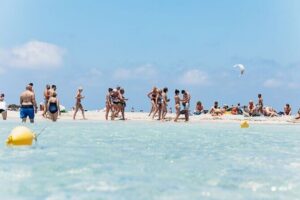
- Paradise Beach and the home-reef setup
- The optional second outing by boat (when you succeed)
- Who this is best for
- Weather, timing, and the part you can’t control
- Value for the money: is $238.94 worth it?
- FAQ
- FAQ
- Is this a scuba certification course?
- How old do you need to be to participate?
- Do I need prior scuba experience?
- What should I know before my first underwater session?
- Where does the experience start?
- Is there an option for a second session?
- How many people will be in my instructor group?
- Do I need to fill out a health questionnaire?
- What happens if weather is poor?
- Should you book this?
Key things I’d plan for before you go
- Small instructor groups: a max of four participants per guide keeps the training personal.
- Real equipment time: you’ll get kitted up and walk into the water as part of the process, not just theory.
- Training that covers the basics fully: video, safety requirements, and skill practice are part of the program.
- Rocky reef expectations: there’s marine life, but it’s a rocky habitat (and that’s normal here).
- Optional extra boat outing: if you complete the first session successfully, you may add a second trip by boat.
First Underwater Try on Mykonos’ Home Reef
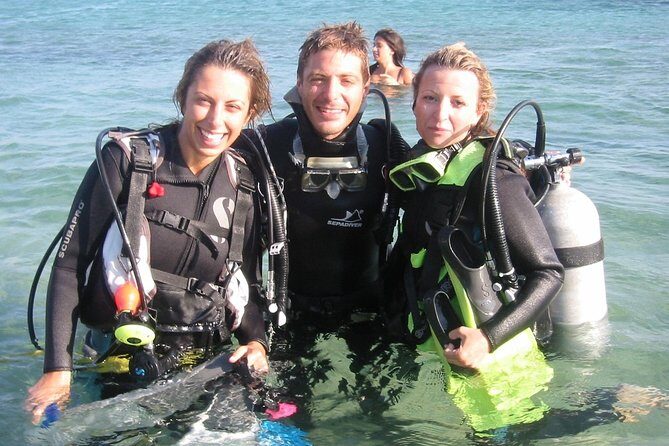
If you want to test whether scuba life is for you, this is a smart low-pressure option. You’re getting a PADI Discover Scuba style session designed for first-timers, with instruction aimed at the skills you’ll use for full certification later.
I like that the setup is practical. You’re based on the Mykonos diving center’s home reef near Paradise Beach, which means you spend more time on the water and less time in transit. For many people, that translates into a smoother, less stressful start.
One more thing I appreciate: the experience is offered in English, and you’ll have the chance to choose between a few departure times. That helps if you’re also fitting in Mykonos beach time, wind, and crowds.
You can also read our reviews of more scuba diving tours in Mykonos

Your 2.5 Hours: How the flow actually feels
This outing runs about 2 hours 30 minutes, and it ends back at the same meeting point. That’s a tight window, so it’s worth understanding the rhythm so you can relax instead of rushing.
You start at Paradise Beach (the Paradise Beach RESORT area in Mykonos). From there, the day usually revolves around three phases: instruction, gearing up, and a guided underwater session on the home reef.
The training part is not just a quick speech. You’ll complete a safety-and-skills overview that includes a video and explanation of what you must do before entering the water. After that, you’ll get a briefing on gear use and what to expect underwater, including local marine life you can see close to the reef.
Then comes the fun (and the learning-by-doing). You’ll be kitted up, walk a short distance to the water, practice equipment familiarity right in the shallows, and move to the reef area for the main portion of the session. If conditions are favorable, your first underwater time can run roughly 45 to 60 minutes, depending on how you manage your air.
Instruction style: small groups and calm coaching
What makes or breaks a first scuba try is whether you feel safe and understood. This program is built for that, with qualified instructors and a cap of four people per booking per instructor.
That low ratio is huge. You’re more likely to get quick corrections, and you’re less likely to feel pressure when you’re learning new sensations. In the feedback I’ve seen from the instructors’ approach, the theme is patience—people especially appreciate coaches who slow things down and keep first-timers calm.
Names you may hear in the program include Juan, who’s credited with helping a new diver settle down, and Annie, noted for handling different skill levels carefully and sticking to the PADI-style structure. Edouard also shows up in the feedback as a standout instructor who let first-timers take their time.
If you’re the kind of person who gets nervous with new gear, this is reassuring: instruction here seems geared toward controlling instincts. That sounds like a small point, but it’s actually the difference between panic kicks and smooth buoyancy.
What you’ll actually see underwater (and what to expect)
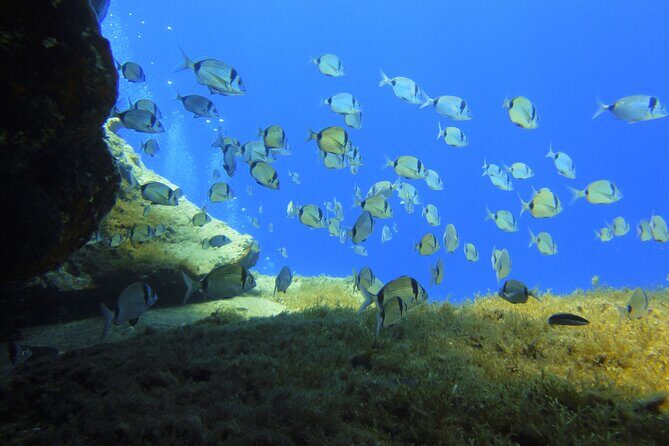
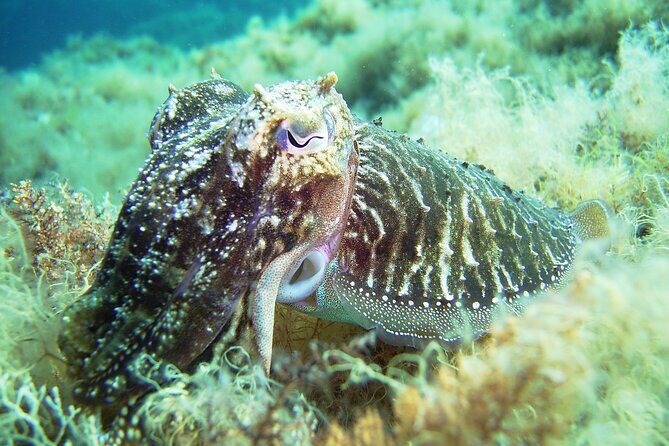
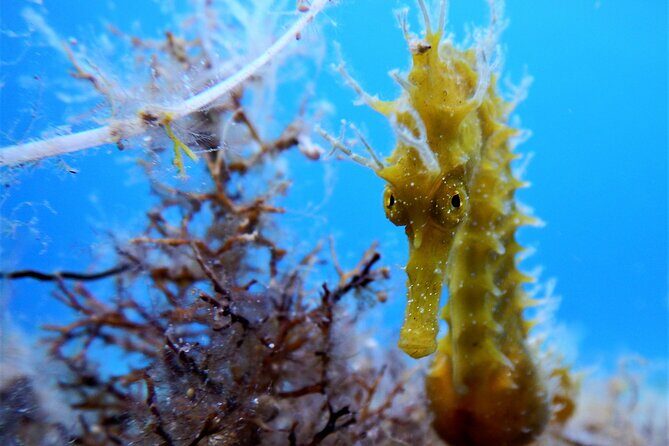
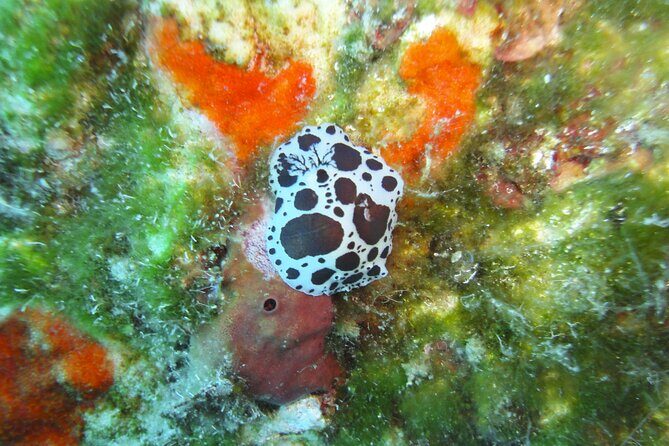
Here’s the honest expectation-setting: the Mediterranean and Aegean don’t have coral reefs like you might picture from other parts of the world. This experience is focused on a rocky reef habitat, with marine life close to shore.
That works for a lot of people because you don’t need to be a pro to see something. You’re meant to experience the basics of underwater breathing and control while observing local creatures in a setting that’s easier to access.
Still, outcomes vary. If you come in hunting for a dramatic coral tableau, you’ll probably rate the experience lower. Some feedback has complained about seeing only a few fish or about feeling like there wasn’t much to look at.
My advice: go in with the right goal. The goal is not a photo safari. It’s learning how air works, how your body moves underwater, and how to notice what’s right near the reef. People who treat it like a skills-and-nature combo tend to enjoy it more.
Paradise Beach and the home-reef setup
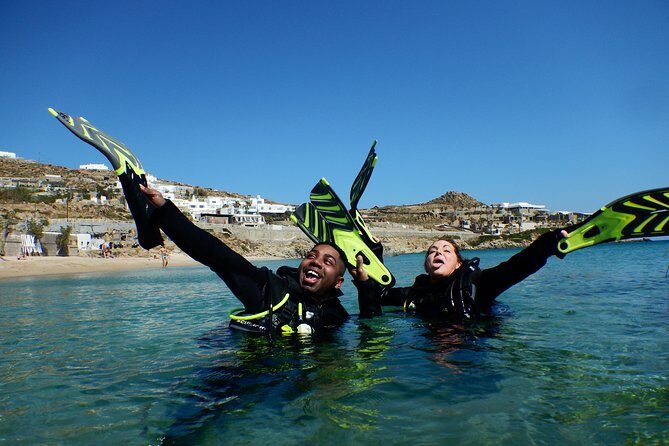
The meeting point on Paradise Beach matters because it shapes the whole day. You’re not dealing with a long drive to a distant boat. Instead, you’re building comfort where you start.
The program includes kitting up and a walk into the water with your equipment. That’s normal for shore-based training, but it’s worth knowing because some people find the walk and the rocky sand a bit annoying. One common complaint is that stones can get stuck in flippers, making the experience feel less comfortable than it should.
If you want to reduce that risk, think ahead:
- Wear gear in a way that’s snug, not loose.
- Consider how you’ll rinse or manage feet and flippers right after.
- If you’re bringing your own gear, make sure it fits properly beforehand.
A good sign: the reef is close, so you’re not dragged out far. That closeness is also part of why the session is often described as safe and well managed for beginners.




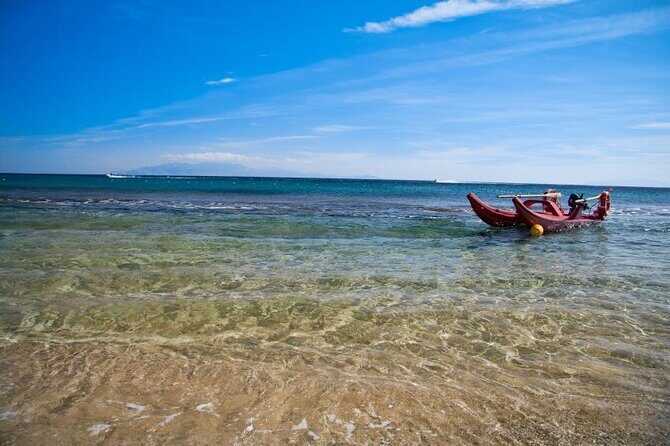
The optional second outing by boat (when you succeed)
One of the nicest value add-ons is that you may get to do an additional underwater session after you complete the main program. There’s an option to join a second dive from a boat at an extra cost.
This is conditional. The second trip is for people who successfully complete the first phase. That makes sense: you’re proving you can follow instruction and manage your air and buoyancy in the initial reef session.
If you’re tempted, it’s also a good way to turn a single “try it” day into a fuller experience. If the first session clicks for you, the boat option can help you feel like you got more than the starter intro.
Who this is best for
This program is clearly aimed at people who want to try scuba without jumping straight into full certification.
You must be at least 10 years old, and kids need an adult along with them. No scuba background is required, but you do need to be in reasonable physical health.
It also asks you to complete a health questionnaire before diving. Some medical conditions, including asthma and heart conditions, may prevent you from diving—so it’s smart to check with a doctor if you’re unsure.
If you’ve never worn scuba gear, this is a solid first step. If you’re already an experienced diver, you might find it a little basic, but first-time visitors tend to love the structure and reassurance.
Weather, timing, and the part you can’t control

Your underwater time depends on favorable weather conditions. If it’s canceled due to poor weather, you’ll be offered an alternative date or a full refund.
Also plan your travel timing. Diving within 48 hours of flying is not recommended. This is one of those practical rules that can matter for safety, so don’t treat it as optional.
Most travelers can participate, and the total group size is capped at 12 travelers. In real life, that means you’re likely to stay with a small training group, rather than being blended into a huge mob.
Value for the money: is $238.94 worth it?
At $238.94 per person, this isn’t a cheap whim. So you’ll want to measure value in what it includes.
You’re paying for:
- A qualified diving instructor
- Use of scuba equipment
- The PADI Discover Scuba experience itself
You’re not paying for:
- Professional photos (available to purchase)
- Hotel pickup and drop-off (a surcharge applies)
- Port pickup and drop-off (a surcharge applies)
- Food and drinks
So the real value question becomes: do you want the guided, structured intro more than you want a bargain? If you’re nervous, new to gear, or you want a real PADI-style path rather than a casual swim, the small instructor ratio and thorough instruction justify the price.
If you’re mainly chasing underwater spectacle, you might judge the cost harshly—especially if you go in expecting coral. For many first-timers, though, the experience is less about the scenery and more about mastering the basics confidently, which can be priceless when you’re deciding whether to continue with certification.
FAQ
FAQ
Is this a scuba certification course?
No. It’s a PADI Discover Scuba experience, meant as an introduction rather than a full certification course.
How old do you need to be to participate?
You must be at least 10 years old, and children must be accompanied by an adult.
Do I need prior scuba experience?
No prior scuba experience is required, but you do need to be in reasonable physical health.
What should I know before my first underwater session?
You should be prepared for a safety and skills overview that includes a video, gear instruction, and practice before you go down onto the reef.
Where does the experience start?
You start at Paradise Beach – RESORT – Mykonos (Paradise Beach, Mikonos 846 00, Greece).
Is there an option for a second session?
Yes. After you successfully complete the main program, you may have the option to add an additional boat dive at extra cost.
How many people will be in my instructor group?
The experience is limited to a maximum of four people per booking per instructor, with larger groups separated into smaller groups.
Do I need to fill out a health questionnaire?
Yes. You’ll be required to complete a health questionnaire before diving, and some conditions may prevent you from participating.
What happens if weather is poor?
If canceled due to poor weather, you’ll be given the option of an alternative date. A full refund is also an option if weather prevents the experience.
Should you book this?
Book it if you want a structured, beginner-friendly way to see if you like scuba—and you value patient instruction and small groups. The shore-based setup near Paradise Beach also tends to make the day feel simple and controlled.
Hold off if your main goal is coral scenery or big-game underwater visuals. This is a rocky-reef experience, and the training focus means you’ll spend time learning buoyancy and breathing—not just scanning for spectacular photos.
If you’re on the fence about certification, this is a smart way to get the sensations and the skills quickly. Bring realistic expectations about the habitat, show up healthy and calm, and you’ll get the best out of the experience.