REVIEW · SANTORINI
Discover Scuba Diving in the Caldera of the Volcano in Santorini
Book on Viator →Operated by Santorini Dive Center · Bookable on Viator
Scuba in a volcano caldera sounds unreal. The Discover Scuba experience at Akrotiri Caldera Beach is interesting because you learn the fundamentals fast on land, then step right into the sea for a guided underwater session. I especially like the small group size (max 10) and the patient, slow teaching for first-timers. One possible drawback: you may feel genuinely nervous at first, because breathing underwater is not automatic and your gear can fog or leak a bit.
What makes this setting special is the location itself. Your starting point is inside the crater area at Akrotiri, right by Caldera Beach, so you’re not traveling far just to start. You’ll do a short classroom-style briefing with a qualified instructor, then wetsuit, gear, and a walk straight into the water right off the beach.
The other thing I like is how the program is built for control. You practice in shallow water first (about waist deep), then you go with an instructor for a guided underwater section near the reef. If you’re the type who hates feeling out of control, plan for a few minutes of adjustment and listen closely—safety and comfort are the whole point here.
In This Review
- Key Things I’d Mark on Your Map
- Where the Program Starts: Akrotiri’s Volcano Crater at Caldera Beach
- The 20-Minute Briefing That Teaches You to Breathe and Communicate
- Gear Up and Step In: Shallow Water First (Waist Deep)
- The Guided Reef Time and What You’ll See Under the Surface
- Small Group Size, Patient Instruction, and the Safety Feel
- Timing, Duration, and the 12-Hour Flight Rule
- Price and Value: What You’re Getting for $108.84
- What to Bring (and What to Expect in Real Life)
- Who This Beginner Scuba Program Fits Best
- Should You Book This Santorini Volcano Caldera Scuba Session?
- FAQ
- What time does the Discover Scuba Program start?
- How long is the experience?
- Is the group small?
- Where do we meet?
- Do I get equipment and instruction?
- What happens in the water?
- Can I fly soon after the session?
- Does bad weather affect the booking?
Key Things I’d Mark on Your Map
- Max 10 people means you get real attention instead of waiting on a crowd.
- 20-minute basics briefing covers hand signals, equipment use, and breathing.
- Shallow-water practice first (waist deep) helps you get comfortable fast.
- A guided reef visit gives you a chance to see fish in clear water.
- Instructor support in the water can include extra staff watching closely for reassurance.
- 35 minutes underwater total fits well into a tight Santorini itinerary.
Where the Program Starts: Akrotiri’s Volcano Crater at Caldera Beach
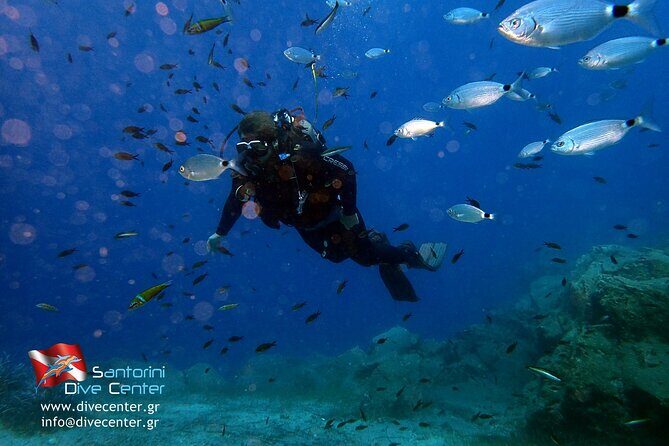
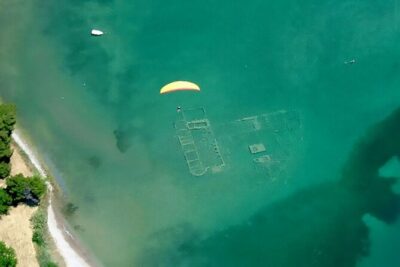
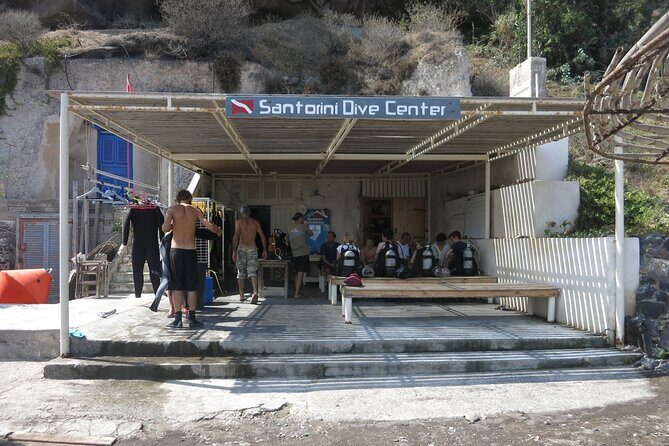
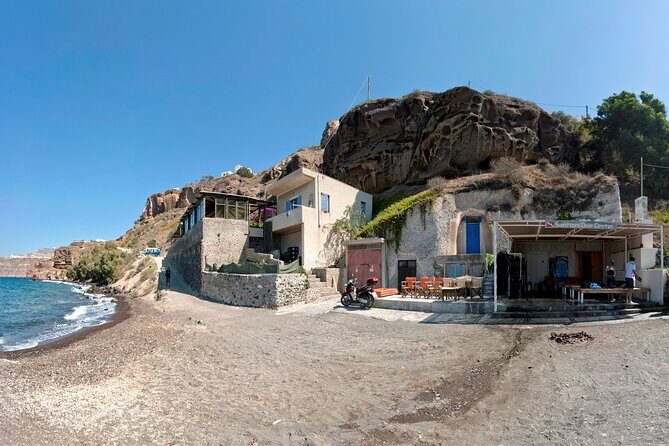
This is one of those tours where the location does half the work for you. You meet at the Santorini scuba center at Akrotiri Caldera Beach, and the station sits inside the volcano crater area near the water. That matters because you start immediately, without a long bus ride to a distant dock.
Also, Caldera Beach is right there in front of you. The plan is simple: you arrive, you get oriented, you suit up, and you walk into the sea. In practice, that reduces the usual “wait, shuffle, wait again” feeling you can get on some excursions.
Santorini is famous for views, but this gives you a totally different angle—one you can’t see from any viewpoint on land. You’re not just looking at rocks and the caldera rim; you’re actually getting into the volcanic-water world beneath it.
You can also read our reviews of more scuba diving tours in Santorini
The 20-Minute Briefing That Teaches You to Breathe and Communicate
The Discover Scuba Program starts at 10:00 or 13:00, and the first step is a briefing of about 20 minutes with a qualified instructor. This is where they set expectations and teach the basics in a way that you can actually use in the water.
You’ll cover the core things first:
- how the scuba equipment works
- the key underwater hand signals
- how to coordinate breathing with the gear
This short intro is valuable because it stops you from guessing. If you’ve ever felt that panic of not knowing what something will do next, this briefing is designed to prevent that.
From firsthand feedback, the instructors are willing to slow down. People describe being talked through step by step, with extra reassurance when nerves show up. Names that come up include Barak and Zoe, both praised for being patient and thorough.
Gear Up and Step In: Shallow Water First (Waist Deep)
Once the briefing is done, you’ll get into a wetsuit and the rest of the gear. Then you walk into the water directly from the beach.
The program starts in shallow water, about waist deep. That part is not “just a formality.” It’s the safest way to help you get comfortable with breathing and body position before you go anywhere deeper.
You’ll likely do a first underwater breath right there by bending down and taking those early tries. This is where most first-timers learn the rhythm of scuba—slow breaths, relaxed movement, and staying calm if something feels different than expected.
Here’s the realistic consideration: even with good instruction, your mask can fog or water can get in. If that happens, it’s not a disaster. It’s why they teach you what to do and why they take their time. You’ll feel better when you know you’re not stuck.
The Guided Reef Time and What You’ll See Under the Surface
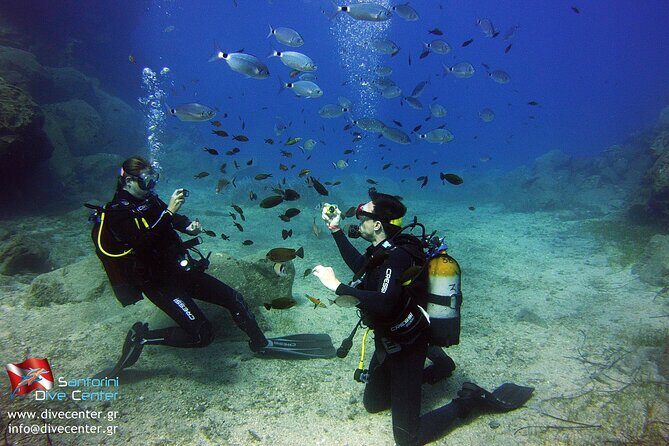
After shallow-water practice, you go underwater with an instructor for a guided underwater section near the reef. The total time underwater is around 35 minutes.
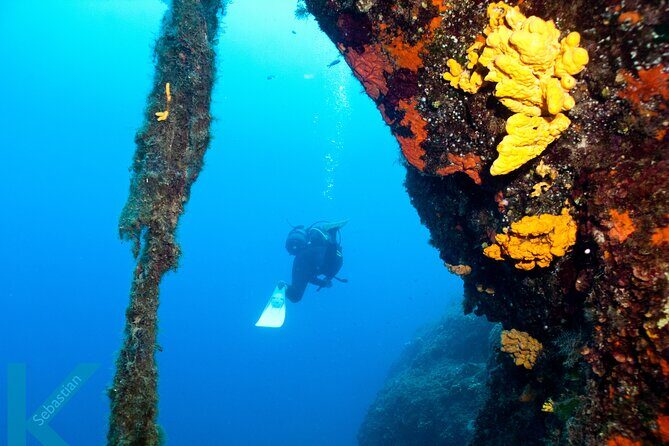
What you’re aiming for is not a sports-style workout. It’s calm exploration with an instructor watching your progress. Expect a chance to see plenty of fish and interesting seabed features close to the area they guide you to.
The reef experience is also where all that early training clicks. When you understand hand signals and you trust your breathing, you can actually look around. People highlight clear water and lots of small fish, plus the satisfaction of seeing sea life up close for the first time.
One extra comfort point from recent experiences: some groups mention an extra instructor or staff member following closely in the water. That adds confidence, especially if you’re still learning buoyancy and staying relaxed.
Small Group Size, Patient Instruction, and the Safety Feel
This tour is capped at 10 travelers, and that is not a random marketing number. In a small group, the instructor can actually check what’s happening with your gear, your breathing, and your comfort level.
The most praised aspect is how they teach. First-timers often expect they’ll be “shoved into it.” Instead, people report baby steps: calm reassurance, hands-on guidance, and repeated checks for comfort. One person described learning control through practice that included ear pressure management and underwater buoyancy basics before going farther.
Also, equipment cleanliness shows up in feedback. People mention the gear being well maintained and clean, which matters for comfort and for trust.
If you’re worried about being the slowest person, take comfort here. The whole vibe is that the goal is you feeling safe and capable, not hitting a strict timeline for bragging rights.






Timing, Duration, and the 12-Hour Flight Rule
The overall experience runs about 2 hours 30 minutes (approx.). Underwater time itself is roughly 35 minutes, with the rest of the schedule taken up by briefing, wetsuit/gear time, and getting settled.
Two practical time notes:
- You can choose a 10:00 or 13:00 start, depending on your day plan.
- You’ll be in wetsuit and gear for part of that total window, so plan other activities with breathing room.
One important rule you should know: after one scuba session, it’s not recommended to take a plane for 12 hours. That can affect your entire itinerary if you’re flying in or out soon. If your Santorini trip involves a same-day flight, you may want to adjust the timing or pick another activity.
And because this activity requires good weather, your plan should have some slack. If conditions aren’t safe, the operator may switch you to another date or refund you. (More on that briefly in the FAQ.)
Price and Value: What You’re Getting for $108.84
At $108.84 per person, this isn’t a bargain-basement activity. It’s also not trying to be. The value is in three places you can feel immediately:
- Training time from a qualified instructor (not just a quick handoff)
- All equipment provided for safety and ease
- A controlled, guided underwater experience designed for beginners
For first-time scuba work, the cost typically buys the difference between fear and understanding. Here, the structure is clear: teach basics, practice shallow, then a guided reef section. You’re not paying just for time in the water. You’re paying for the coaching that makes time in the water enjoyable.
Also, the small group cap helps your instructor spend less effort wrangling and more time teaching. That’s where the experience feels personal.
What to Bring (and What to Expect in Real Life)
The core equipment comes from the operator, so you don’t need to show up with scuba gear. Practically, though, you should still plan for a “sea day” mindset.
What you should expect:
- wetsuit and gear handling before you enter the water
- a short practice phase in shallow water
- a guided underwater section near the reef
- time spent on the beach before and after the water part
What might surprise you:
- mask fogging or minor water inside the mask can happen, even if everything goes well
- breathing coordination takes a few tries, even when you feel calm on land
If you want to leave with more than just memories, ask about photo options. One recent experience mentions GoPro-style pictures/videos being part of what staff captured, which can be a fun souvenir if you’re the kind of person who documents everything.
Who This Beginner Scuba Program Fits Best
This experience is designed for beginners. The program teaches the basics, starts shallow, and focuses on learning scuba principles safely.
I think it’s a great match if:
- you’ve never done scuba before and want a structured first try
- you like guided experiences where the instructor actively manages safety
- you’re visiting Santorini and want something beyond the usual cliffside walk and sunset views
It’s also a solid refresher if you’ve done scuba in the past but need to re-learn comfort, buoyancy, or signals.
On the other hand, if you’re extremely uncomfortable with underwater breathing or you freeze with sudden “new” physical sensations, you might need extra patience on your end. The staff seems used to calming people down, but you should still be honest about your own stress triggers.
Should You Book This Santorini Volcano Caldera Scuba Session?
I’d book it if you want your first scuba experience to feel guided, organized, and beginner-friendly in a gorgeous setting. The combination of a small group, a focused briefing, and shallow-water practice first is exactly the kind of structure that turns anxious anticipation into a real accomplishment.
Book with confidence if:
- you’re traveling at a time when weather is stable
- you can avoid flying for 12 hours after your session
- you want a hands-on instructor-led experience in the caldera area near Akrotiri
Skip or reconsider if:
- your schedule is too tight around a flight
- you have a strong aversion to breathing underwater and you’re not willing to take baby steps
FAQ
What time does the Discover Scuba Program start?
It starts at 10:00 or 13:00 from the dive station at Caldera Beach in Akrotiri.
How long is the experience?
The total duration is about 2 hours 30 minutes (approx.), with around 35 minutes underwater total.
Is the group small?
Yes. This activity has a maximum of 10 travelers.
Where do we meet?
You start at Santorini Dive Center, Akrotiri Caldera Beach, Santorini 847 00, Greece, and you end back at the same meeting point.
Do I get equipment and instruction?
Yes. The tour provides all equipment and training, and instruction is in English. You’ll learn basic principles and underwater hand signals.
What happens in the water?
You begin in shallow water (about waist deep), practice breathing underwater, then go with an instructor for a guided underwater section near the reef.
Can I fly soon after the session?
After one scuba session, it’s not recommended to take a plane for 12 hours.
Does bad weather affect the booking?
The experience requires good weather. If it’s canceled due to poor weather, you’ll be offered a different date or a full refund.