REVIEW · PARGA
From Parga: Magical Meteora Tour
Book on GetYourGuide →Operated by Esiness Travel SA · Bookable on GetYourGuide
Cliff monasteries with real edge-of-your-seat drama. This day trip from Parga is built around two guided monastery visits and smooth coach transport, so you can focus on the rocks and not on driving. One drawback: it’s a long day, and you may hit the site when it’s already busy, so it might not feel like a totally quiet, spiritual retreat.
I love that the English live guide (often listed as Yvonne) doesn’t just point and smile. You get the story of how monasteries survived by lifting goods and people with windlasses and ropes—and how easier access came later with steps cut into the rock in the 1920s. Pickup starts around 07:30, and the coach ride is about 2.5 hours, so plan for an early, full day.
In This Review
- Key Meteora Details You’ll Care About
- Why Meteora Feels Like It Breaks the Rules of Physics
- Getting There from Parga: Early Pickup and a Long Coach Day
- Entering St. Stephan Nunnery: The Peaceful Side of Meteora
- Varlaam Monastery Tour: Views, Details, and Walking Pace
- Photo Stops That Actually Help You See Meteora
- Kalambaka Lunch Time and a Free Walk: Where the Day Breathes
- Price and Value: Is $88 a Good Deal?
- Who Should Book This Meteora Day Trip from Parga
- What to Pack and How to Stay Comfortable
- Should You Book This Magical Meteora Tour from Parga?
- FAQ
- How long is the Meteora tour from Parga?
- What’s included in the ticket price?
- Which monastery stops are included?
- When do pickups start in Parga?
- Is lunch included?
- What should I bring, and is the tour accessible?
Key Meteora Details You’ll Care About
- Two monastery stops: St. Stephan (nunnery) and Varlaam, both given about 1 hour
- Photo stops with a plan: you get multiple chances to frame Meteora without rushing
- Guided time on the rocks: a separate guided tour block helps you understand what you’re seeing
- Lunch on your own: there’s free time near Kalambaka, so you’ll buy lunch and snacks yourself
- Easy logistics from Parga: included hotel-area pickups and an air-conditioned coach
- Bring long sleeves: the tour notes a long-sleeved shirt as what to pack
Why Meteora Feels Like It Breaks the Rules of Physics
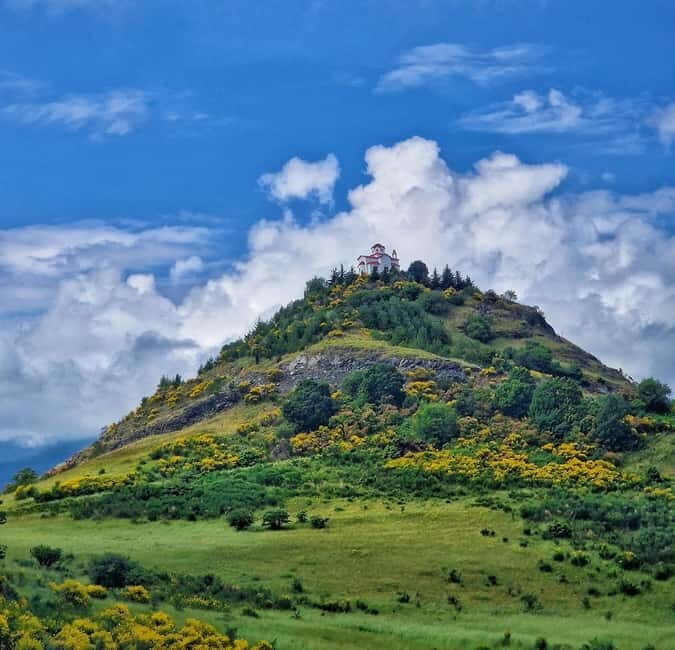
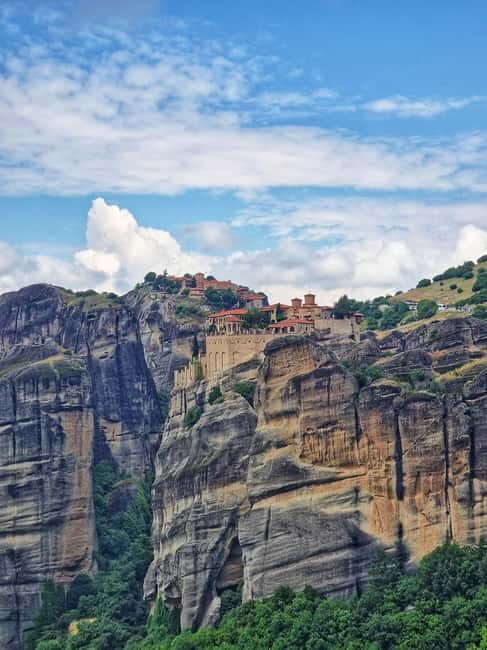
Meteora looks impossible at first glance. Six medieval monasteries sit on rock pillars rising straight from the plain, like someone placed them there with a crane—except this was centuries ago, with no machines and no paved roads.
What makes this trip more than just sightseeing is the context you get along the way. The monasteries were originally refuge spaces in troubled times, and getting up wasn’t a casual walk. Access involved long ladders lashed together or a windlass-and-rope system to haul up people and goods. Later, in the 1920s, steps were carved into the rock, changing everything about how people could reach these places.
Once you’re there, the feeling shifts. I don’t expect everyone to feel the same thing, but Meteora is one of those places where you naturally slow down. Even if your visit is in the middle of the day and not the calmest time, the scale and the quiet angles still do their job.
You can also read our reviews of more tours and experiences in Parga.


Getting There from Parga: Early Pickup and a Long Coach Day
This tour is designed for people who don’t want to rent a car or figure out timing on winding roads. Pickup is offered from six Parga-area locations, starting around 07:30 (for options like Valtos Beach Hotel and Med Parga) and stretching to about 08:00 for the later point. That’s early, but it’s the trade for reaching Meteora without the stress.
The coach ride is about 2.5 hours, and the day runs to about 9 hours total. Expect to spend a good chunk seated, then switch gears to walking, stairs, and short transfers on site. If you like structured days, this is the right format. If you hate bus time, you’ll feel the clock all day.
One small practical note: pickup coordination matters. In the information I have here, there’s at least one case where a traveler didn’t receive a pickup message in advance. So I’d treat your confirmation details seriously and make sure you know your exact pickup point and time before the morning.
Entering St. Stephan Nunnery: The Peaceful Side of Meteora
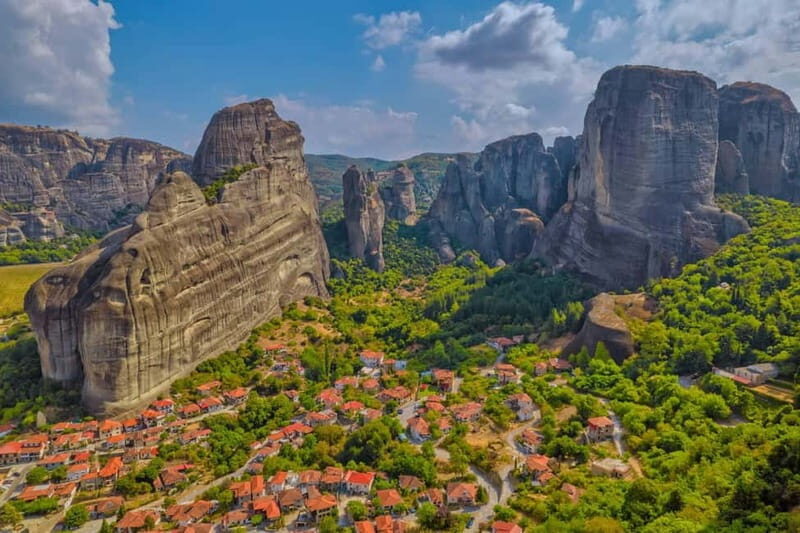
Your first monastery stop is St. Stephan, a nunnery visited for about 1 hour. Even if you’ve never been into monastic history, the location does a lot of the talking. You’re surrounded by steep rock walls and huge sightlines, and you can feel how cut off the place used to be.
Plan your time inside with two goals: (1) see the main viewpoint and (2) get your photos early. It’s a common pattern at Meteora: crowds build, people pause for pictures, then traffic inside picks up. If you arrive and immediately want the best angles, your “first 20 to 30 minutes” usually matter.
St. Stephan is also a good match for anyone who wants a more reflective pace. It’s not guaranteed to feel empty, but it tends to read as quieter than the bigger busiest zones. That’s exactly why it’s a smart stop early in the day.
Varlaam Monastery Tour: Views, Details, and Walking Pace
Next up is Varlaam Monastery, also with about 1 hour. Varlaam is often what people picture when they think of Meteora: dramatic rock setting, old stone structures, and views that make you pause even if you’re not the contemplative type.
This stop includes guided time, which is key. Meteora can look like a collection of viewpoints, but a guide helps you connect the dots—why the monasteries were built this way, what life would have been like on the rock, and why certain areas matter architecturally and historically. The result is that you don’t just take photos; you understand what you’re looking at.
There’s also the “physical reality” part. Some sections involve steps and little bridges. If you’re nervous around heights, you’re not alone—one traveler specifically noted that managing the route became easier by focusing on the steps and looking straight ahead instead of down. I’d treat that as your mental game plan: keep your attention narrow and deliberate.
Photo Stops That Actually Help You See Meteora
Between the monasteries, you’ll have multiple photo stops. This matters because Meteora isn’t one fixed spot where one photo covers everything. You’ll want shots from different angles to capture the scale of the rock pillars and the monastery placement.
The best strategy is simple: don’t wait for perfect light. Meteora’s drama comes from shape and distance. Even when it’s not golden-hour pretty, the cliffs still read as dramatic. If you’re using a phone, clear your camera lens before you step out, and take a quick look behind you before you move—good lines often appear as you walk a few steps.
If you care about photos, show up a few minutes earlier than you think you need to each stop. Guides often keep the schedule moving, and the best photos usually come when you have a bit of breathing space before the next wave.
Kalambaka Lunch Time and a Free Walk: Where the Day Breathes
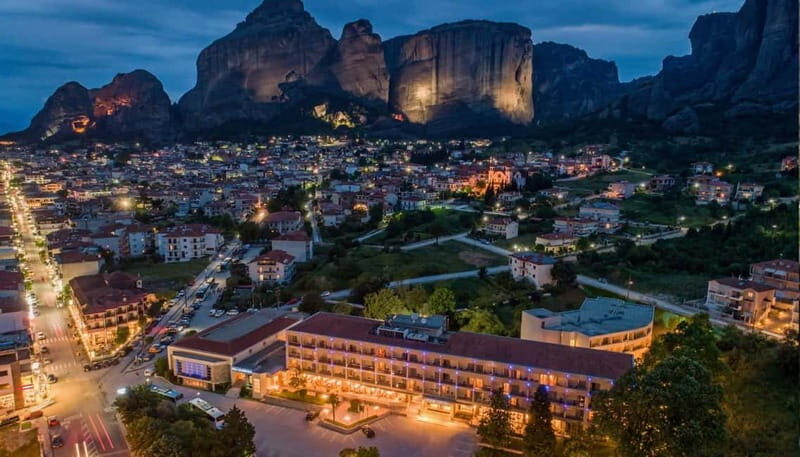
After Meteora, you’ll head toward Kalambaka for lunch area time and free exploration, including about 1.5 hours for lunch, free time, and walking. Lunch is not included, but you’ll have a chance to eat near Kalambaka.
Here’s the most helpful way to think about this meal stop: you’re probably getting hungry late. One traveler noted lunch around 2pm and described it as a large buffet-style restaurant where you pay according to what you choose. That means you can eat lighter if you want, but you should still expect to spend money.
If you’re the type who snacks all day instead of doing one big meal, I’d pack small extras—water, something salty, and a light snack—so you’re not stuck waiting for the restaurant hours. Also, drink water on the coach and during the walking portion. Meteora is built for stamina, not for sprinting.
Price and Value: Is $88 a Good Deal?
At $88 per person, this tour’s value mostly comes from what it bundles: air-conditioned coach transport, a live English guide, and entrance fees. You’re also getting two monastery visits with guided time and planned stops.
If you were to rent a car and manage your own tickets, the cost can quickly creep up once you add gas, parking, and entrance fees. With this tour, you’re paying for someone to do the driving logistics and scheduling. That’s especially helpful on a day when you’re switching between coach time and lots of walking.
The main thing not included is lunch. That’s the one budget variable you control. If you eat normally, you’ll likely feel the price makes sense. If you plan to skip lunch or buy cheap snacks and keep spending low, the day can still feel like a solid bargain.
Who Should Book This Meteora Day Trip from Parga
This trip fits best if you want classic Meteora in one organized day without stress. You’ll like it if you enjoy structure, appreciate explanations, and want to see at least two major monasteries without figuring out timing on your own.
It’s also a good choice for first-timers. Meteora can feel overwhelming because there’s so much to see and so many angles. Getting a guide-led plan reduces decision fatigue. You also get photo stops built into the schedule, which is what most self-planned days forget.
Who should think twice: the tour notes it’s not suitable for people with heart problems or pre-existing medical conditions. Also, the tour lists restrictions for baby strollers and electric wheelchairs, which matters if mobility or device access is part of your needs.
If you’re afraid of heights, you’re not automatically out of luck, but you should be honest with yourself. Some sections involve steps and bridges with views down the rocks. That mental approach—staying focused on your path—can make it doable for some people.
What to Pack and How to Stay Comfortable
The tour’s “bring” note is clear: pack a long-sleeved shirt. Even if the rule isn’t enforced every minute, dressing appropriately is part of respectful monastery visiting.
For comfort, plan for walking on uneven stone and stairs. Wear shoes with grip. Bring water, especially since lunch time comes later in the day.
If you get cold easily, consider a light layer. Even in warmer months, the monastery tops can feel breezy because you’re exposed. And if you’re a photo person, bring a phone charger or battery pack if you’re shooting a lot.
Finally, be ready for a day that blends coach time with short bursts of walking. Your best day will come from pacing yourself—do a slower walk inside, then use the free time in Kalambaka to reset.
Should You Book This Magical Meteora Tour from Parga?
Book it if you want Meteora’s main highlights in one go: St. Stephan + Varlaam, guided context, and organized transport from Parga. The price makes more sense when you factor in the coach, entrance fees, and the fact that you’re not making decisions all day.
Skip (or choose a gentler plan) if you need very quiet, slow travel. This is a structured day and can be busy on site. Also think carefully if you have health concerns, because the tour is not recommended for certain medical conditions and includes walking on rock terrain.
If your goal is to see why Meteora became UNESCO World Heritage and why these monasteries were such a feat of engineering and faith, this is a smart way to do it. You’ll leave with photos, yes—but more importantly, you’ll understand the “how did they do this?” part that makes Meteora so unforgettable.
FAQ
How long is the Meteora tour from Parga?
The total duration is listed as 9 hours.
What’s included in the ticket price?
The tour includes a driver/guide, transport by air-conditioned coach, and entrance fees. Lunch is not included.
Which monastery stops are included?
The itinerary includes a stop at St. Stephan (nunnery) for about 1 hour, and a visit/tour at Varlaam Monastery for about 1 hour.
When do pickups start in Parga?
Pickup options start around 07:30 (for locations like Valtos Beach Hotel and Med Parga) and extend to about 08:00 for the later pickup option.
Is lunch included?
No. You’ll have free time for lunch near Kalambaka.
What should I bring, and is the tour accessible?
Bring a long-sleeved shirt. The tour notes it is not allowed for baby strollers or electric wheelchairs, and it is not suitable for people with heart problems or pre-existing medical conditions.