REVIEW · KOS
Full-Day Tour to Nisyros The Volcano Island
Book on Viator →Operated by Aegeas Travel · Bookable on Viator
A volcano day trip beats a beach day when you want real nature drama. This one pairs a guided cruise and island pacing with time at Nisyros and a walk into the active volcanic crater, plus a stop in the blue-and-white village of Mandraki. I also love that you get English-speaking guidance from hosts like Martha (and other guides such as Katerina), who tend to make the day feel organized instead of chaotic. The one thing to weigh is the heat and the walking: the crater route sits on gravel/scree and it’s not the kind of place for flip-flops or for people who prefer flat ground.
You’ll also want to be comfortable with logistics. The day runs long, with pickup drop-offs around Kos, a coach ride to the port, and then bus transfers on Nisyros—so plan to stay patient if you’re near the back of the crowd.
In This Review
- Quick hits before you go
- Why Nisyros feels like a field trip with Greek lunch breaks
- Kos pickup and Kardamena port: the part that needs your attention
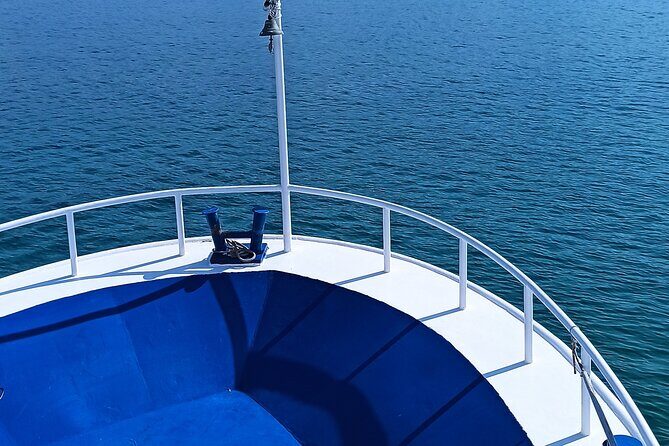
- The 1-hour cruise: better seats and real sea views
- Bus to the volcano: you’ll feel the climb before you see the crater
- Stepping into the Nisyros crater: the active-volcano moment
- Mandraki: blue-and-white streets, monastery steps, and lunch options
- Timing and the long-day reality: what to expect on the clock
- Price and value: why €uro-per-hour actually makes sense here
- Who this tour fits best (and who should reconsider)
- Should you book the Nisyros volcano day tour?
- FAQ
- How long is the Nisyros Volcano full-day tour?
- Where are pickup locations on Kos?
- Is hotel pickup included in the price?
- Is the volcano entrance fee included?
- What language is the tour guide?
- How much time do you get for Mandraki?
- Do you need to pay extra for the monastery?
- Is this tour suitable for children?
- What should I bring for the crater walk?
- What happens if weather is poor?
Quick hits before you go
- English-speaking guide support with real explanations (often with guides like Martha)
- A true volcano walk with sulfur air and crater views, not just a photo stop
- Mandraki town time for lunch, shopping, and wandering narrow streets
- Panagia Spiliani monastery visit for extra views, usually a small separate fee
- Max 70 travelers, which still means you’ll need to follow instructions closely
- Good value for a full day once you factor in the boat + transport
Why Nisyros feels like a field trip with Greek lunch breaks
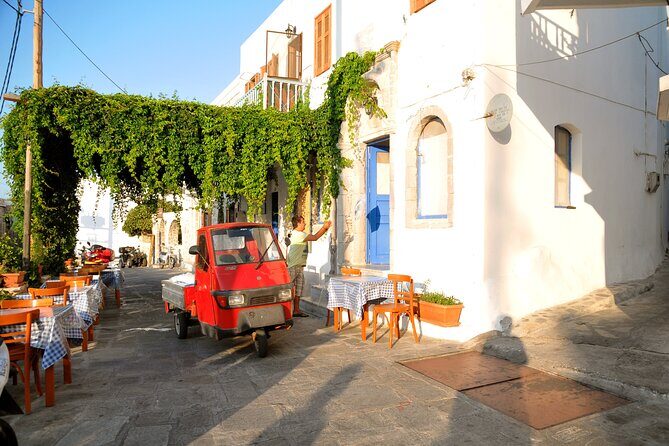
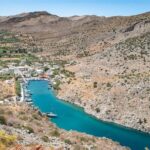
If you’ve ever seen volcano photos and thought, Okay, but is it actually like that in real life? Nisyros answers fast. The island is volcanic and mountainous, and the crater area gives you that stark, dramatic mix of rock textures and geothermal activity—plus the smell of sulfur when the wind shifts.
What makes this tour work so well is the pacing: you get a boat ride first (so the day starts on a relaxing note), then a coach transfer to the crater area, and finally a calmer chunk of time in Mandraki. It’s a good trade-off if you don’t want to plan everything yourself or juggle transport on your own.
One practical note: this is not a slow, meandering “scenic drive only” day. It’s a schedule day, built around set travel blocks and specific time windows for the crater.
A few more Kos tours and experiences worth a look

Kos pickup and Kardamena port: the part that needs your attention
Most days start with hotel pickup around Kos (Kos Town, Lampi, Psalidi, Agios Fokas; Tigaki, Marmari; Mastichari; and Kardamena). Your pickup window is tied to other stops, so expect that bus ride to the port can feel long—especially in summer.
Here’s the key: pay attention to which bus and which boat you’re directed to. The day often runs multiple language groups and multiple departure groups, and some people end up on a different boat or feel confused if they’re not listening during the bus/port shuffling. That’s not a reason to skip the trip—it’s just a reason to stay switched-on when staff start calling instructions.
Once you’re at Kardamena, the tour pattern is straightforward: you ride to the boat area, then you go. Reviews mention it’s well run overall, but the only real “gotcha” is that you must follow the guide’s direction so transfers don’t get delayed for everyone.
The 1-hour cruise: better seats and real sea views
The crossing to Nisyros is about one hour and it’s part of the fun. Even on a basic ferry or boat setup (not always the sleekest vessel), you’ll still get that “moving through the Dodecanese” feeling—spray, cloud reflections, and the kind of sea color that makes you forget you ever lived without a hat.
If you’re prone to seasickness, take it seriously. Choppy conditions can happen, and one common tip from people who dealt with rough water was to sit where staff advise (and some families were told to sit downstairs while cordoned off sections were not used). If you normally feel queasy on boats, bring your usual remedy and keep your expectations realistic.
If the sea is calmer, you’ll likely enjoy the ride more than you think—especially if you sit near the front/outside where spray can turn into rainbow-like effects when sunlight hits (that kind of detail shows up when conditions cooperate).
Bus to the volcano: you’ll feel the climb before you see the crater
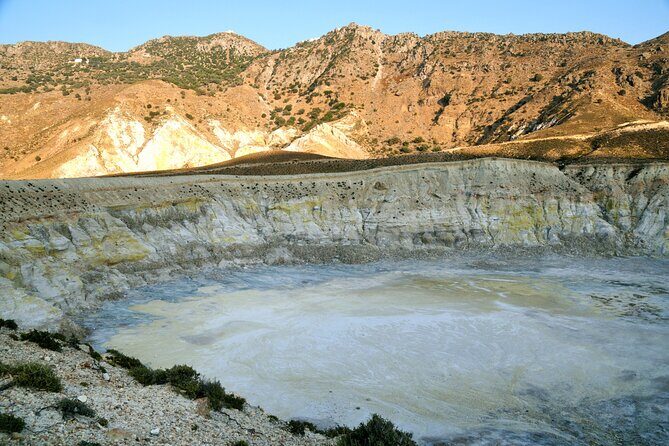
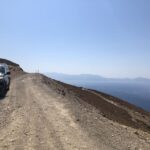
On Nisyros, you’re typically taken by bus to the volcano area. The island route includes ascent and descent, so you’ll feel the road in your body—nothing scary, just enough to remind you that this is a volcanic island with real slopes.
Also, keep in mind that the crater area is exposed and hot. Reviews repeatedly call out that the walk and waiting can get intense, and some buses don’t have air conditioning. Bring sunscreen with a high factor, plus a hat, water, and a light layer you can tolerate in sun.
If you want a small strategy: sit where you can stay comfortable on the bus (front for less motion for some people; middle may be calmer for others), and treat the sun like it’s already winning the match.
Stepping into the Nisyros crater: the active-volcano moment
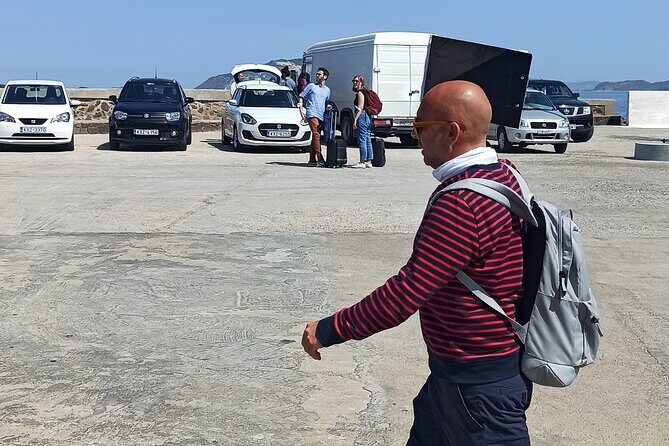
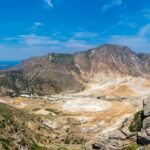
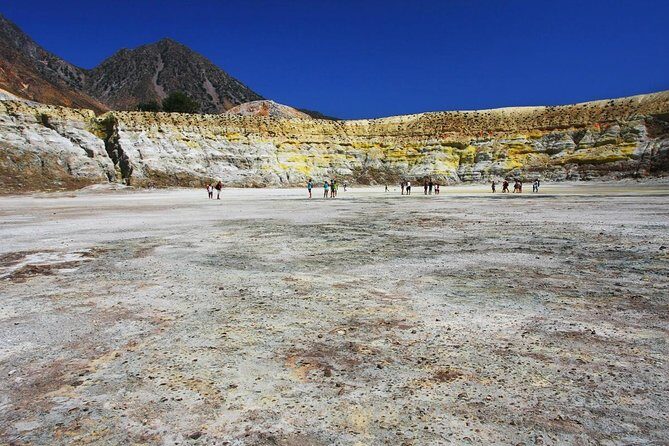
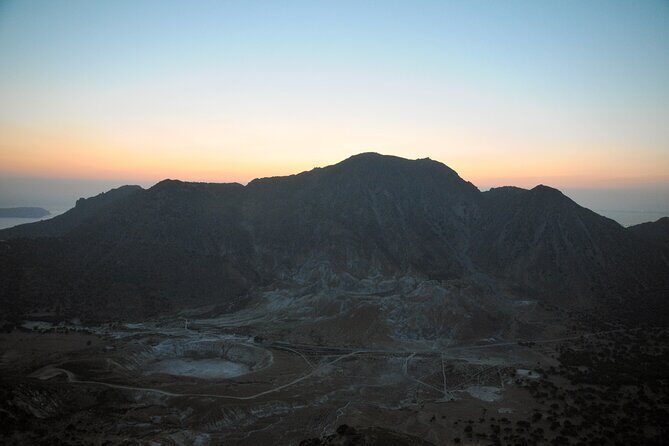
This is the headline, and it doesn’t disappoint. Nisyros is described as the youngest volcanic area in Greece, and the crater walk is the kind of experience that makes the geology feel tangible.
Here are the crater facts that make the walk more than just “a cool walk”:
- The largest crater, Polivotis, is about 260 meters across and roughly 30 meters deep.
- Nearby you can see other younger craters, including Stefanos (smaller, but still significant).
- The surrounding volcanic valley stretches about 2,400 meters long and 950 meters wide.
- You’ll also get a sense of past eruptions estimated to have happened thousands of years ago.
What you’ll notice on the ground: the walk is on rock and scree/gravel, and some sections can be steep. This matters for shoes. You do not want slip-on sandals or “cute but not grippy” footwear. People get scraped when they slip, so trust the common-sense rule: wear supportive closed shoes with good tread.
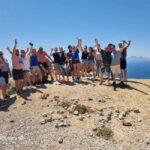
Time at the crater is also worth understanding. It’s not a long, slow hike. Many people report roughly 30–45 minutes to explore and walk down and back up. That’s usually enough to see the viewpoint and do the main crater circuit, but it won’t satisfy anyone hoping for a long, leisurely trek.
What about facilities? There are typically toilets and a cafe area in the crater zone, which helps when you’re waiting for your group or cooling off between photo breaks.
One more smell note: volcanic air can be strongly sulfurous at times, so if you’re sensitive, you may want to pause, breathe through it, and don’t panic. The experience is real, and the smell comes with the territory.


Mandraki: blue-and-white streets, monastery steps, and lunch options
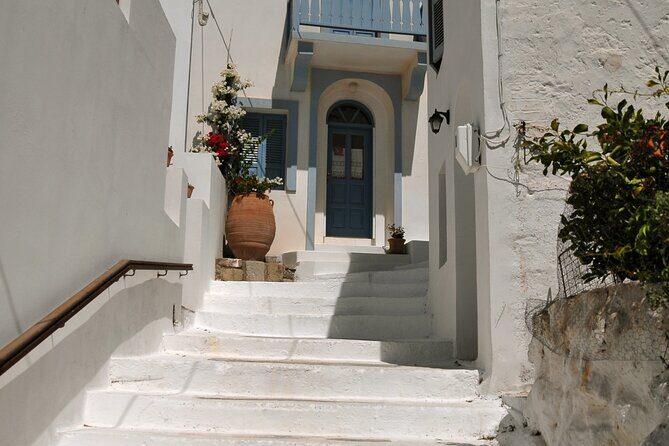
After the crater, you head back toward the port and then get time in Mandraki, Nisyros’ town. This is where the day shifts from heat-and-rock to stroll-and-snack.
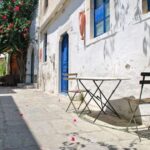
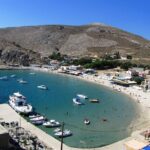
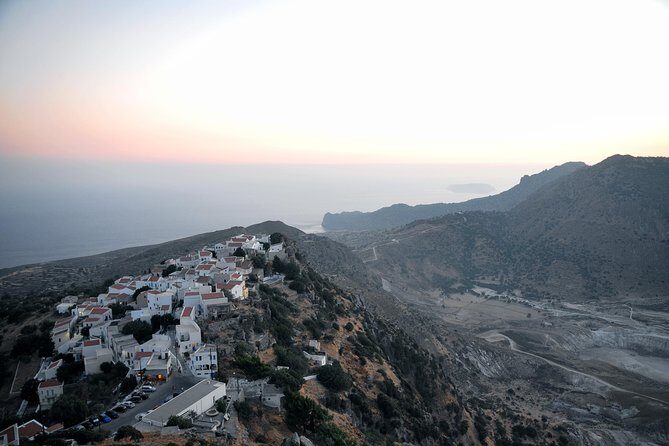
Mandraki feels classic: narrow streets, blue-and-white painted houses, and small-town energy. You’re usually given a couple of hours to explore, which is plenty to wander, take photos, and choose where to eat without rushing.
Lunch isn’t included, but you’ll have options ranging from casual tavernas to more “tour-ready” spots. People often get good meals when they follow the guide’s recommendation, and you’ll usually find enough variety that you won’t feel stuck.
If you want an extra stop, the Monastery of Panagia Spiliani is a highlight. Many visitors climb up for the postcard views. It also commonly comes with a separate entrance fee (people report something around €2, paid on-site). If you choose to go, plan for steps and bright sun—shade is limited up high.
If you prefer a slower pace, you can skip the monastery and just enjoy Mandraki’s streets and shopping. Some routes give you a little choice in how you spend your time.
Timing and the long-day reality: what to expect on the clock
Start is 8:00am. The day then moves in loops: pickup → port → boat → bus to the volcano → crater walk → Mandraki time → boat back to Kos (often around 4:00pm) → return to your hotel.
The reason this matters is energy management. The tour can feel exhausting, especially with summer temperatures and multiple coach/bus segments. Bring snacks if you think you’ll need them later, and plan to drink water even if you don’t feel thirsty yet.
It’s also not a quiet day. Even with a small-group limit of up to 70 travelers, you’ll be in crowds at transfers and at the port. The trick is to follow instructions and keep your group meeting points in mind.
Price and value: why €uro-per-hour actually makes sense here
At about $36.20 per person, this tour can feel like a bargain once you price out the components:
- round-trip boat time (about one hour each way),
- coach transfers to and from Kardamena,
- guided coordination across the day,
- and the structured time blocks on Nisyros.
The main extra costs are the volcano entry and optional monastery entry. For the volcano, people report an on-site fee around €5, often cash-only. The monastery may also have a small separate ticket fee (again, commonly around €2).
So is it still good value? Yes, if your goal is the crater walk plus Mandraki time. No, if you mostly wanted a restful island day without walking or extra fees. For the right traveler, it’s a cost-effective way to see a geologic feature that you can’t replicate from the Kos shoreline.
Who this tour fits best (and who should reconsider)
This tour is a great fit if you:
- want a mix of nature and a real Greek town,
- like guided context (especially from English-speaking guides such as Martha),
- are okay with heat and short travel delays,
- enjoy photos and don’t mind crowds during transfers.
It’s less ideal if you:
- need wheelchair/pushchair-friendly access (the crater walk isn’t designed for that),
- dislike steep, gravelly ground (flip-flops are a bad idea here),
- get very seasick (choppy return trips can happen, and you may get soaked in rough water conditions).
If you’re traveling with kids, the day can still work, but the combination of heat, walking, and long travel blocks can be tough. The good news is that the guides typically handle the group well, and family-friendly patience seems to be part of the success of the day.
Should you book the Nisyros volcano day tour?
I’d book it if you want a full-day experience that feels like more than a standard excursion: a real crater walk, a guided island day, and a proper chance to explore Mandraki instead of just stopping for photos.
I’d think twice if you’re mainly chasing comfort over structure. The crater portion is short but active, the buses can be warm, and the sea can turn choppy. If you handle heat, gravel walking, and boat movement without drama, this is one of those trips where the payoff matches the effort.
If you want the best version of the day:
- wear closed, grippy shoes,
- bring sun protection and water,
- listen closely at transfers so you end up on the right boat/bus,
- plan for volcano entry fees and optional monastery costs.
FAQ
How long is the Nisyros Volcano full-day tour?
The tour runs about 8 hours (approx.), starting at 8:00am and returning by late afternoon.
Where are pickup locations on Kos?
Pickup is offered from Kos Town, Lampi, Psalidi, Agios Fokas; Tigaki, Marmari; Mastichari; and Kardamena.
Is hotel pickup included in the price?
Yes. Transport to Kardamena Port and transfers to the volcano area are included.
Is the volcano entrance fee included?
No. The volcano admission ticket is not included.
What language is the tour guide?
The tour is offered in English.
How much time do you get for Mandraki?
You generally get about 3 hours in Mandraki, including time to walk around, shop, and eat lunch (lunch isn’t included).
Do you need to pay extra for the monastery?
Panagia Spiliani is visited with time to go up, and it has a separate entrance fee based on on-site reports.
Is this tour suitable for children?
Most travelers can participate, and children must be accompanied by an adult.
What should I bring for the crater walk?
Comfortable walking shoes, sunscreen (high-factor), a hat, and water are strongly recommended.
What happens if weather is poor?
This experience requires good weather. If it’s canceled due to poor weather, you’ll be offered a different date or a full refund.