REVIEW · SANTORINI
Greek Cuisine Cooking Class in Santorini with Recipes and Wine
Book on Viator →Operated by Santorini Cooking Classes · Bookable on Viator
A great meal starts with a chopping board. In this Greek cuisine cooking class in Santorini, you learn classic dishes at a local restaurant in Megalochori. I like that it is small-group (max 15) and led by the chef, so you get real direction while you cook.
I especially like the mix of recipes and hands-on time: you’ll work on dishes like tzatziki and pasticio, plus starters such as Greek salad and tomato fritters. And once everything is finished, you sit down together and eat what you made with island wine.
The main thing to consider: participation can feel more like cooking in turns than a nonstop, hands-on sprint. Some people will do more than others, depending on timing, group size, and how the session is run.
In This Review
- Key points to know before you go
- Megalochori Meet-Up at 11:00 am: Easy Start, Real Local Vibe
- A Small-Group Kitchen Where Christos Keeps Everyone Moving
- What You Cook: Tzatziki, Greek Salad, Tomato Fritters, and Pasticio
- Starter: Tzatziki
- Starter: Greek Salad
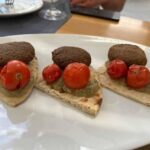
- Starter: Tomato Fritters
- Main: Pasticio (or vegetarian version)
- Hands-On vs Watching: How Participation Really Feels
- Lunch with Island Wine: Eating What You Made (and Actually Enjoying It)
- Recipes in PDF: Your Real Souvenir Is the Kitchen Copy
- Price and Value of a 3.5-Hour Santorini Class at $145.12
- Who Should Book This Greek Cooking Class in Santorini
- Should You Book It? My Quick Decision Guide
- FAQ
- What time does the cooking class start?
- How long is the Greek cuisine cooking class?
- What dishes will I cook?
- Is the class small-group?
- What is included in the price?
- Is the class taught in English?
- Do I get recipes to take home?
- Is wine included?
- Can I cancel for a full refund?
Key points to know before you go
- Megalochori meet-up at 11:00 am in a centrally located restaurant setting
- Max 15 people, with English instruction and a chef who keeps things moving
- Real dishes, real recipes including tzatziki and pasticio (plus starters like Greek salad and tomato fritters)
- Lunch or dinner with wine after you cook, so the meal is part of the class
- Recipes in PDF form for the dishes you make, with gluten-free and vegetarian options available
Megalochori Meet-Up at 11:00 am: Easy Start, Real Local Vibe
This experience begins at 11:00 am in Megalochori, at FeggeraMegalochori 847 00, Greece, and it ends back at the same meeting point. It is not a “meet you at your hotel” situation, so plan to make your own way to the village. The good news: it’s described as near public transportation, which makes it manageable even if you aren’t renting a car.
Megalochori itself matters. It’s one of those Santorini villages that feels like it belongs to everyday life, not just postcards. Showing up to cook there means you get a more grounded taste of the island, rather than spending the class thinking only about the views.
One practical tip: arrive a few minutes early. This class starts with introductions and a quick setup, then you jump into chopping and mixing. If you’re late, you’ll lose momentum—and this is a session where momentum is part of the fun.
You can also read our reviews of more cooking classes in Santorini

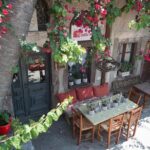
A Small-Group Kitchen Where Christos Keeps Everyone Moving
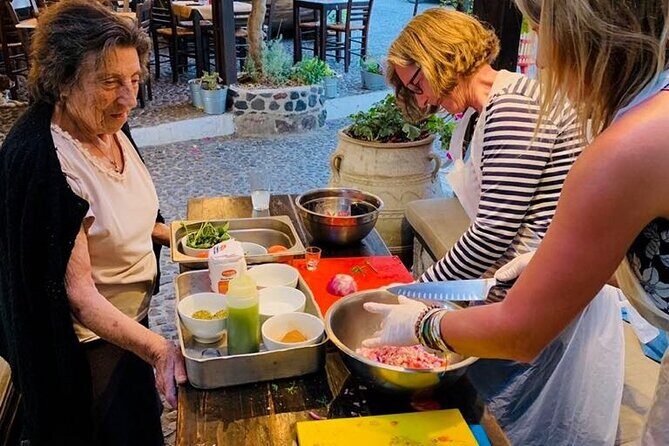
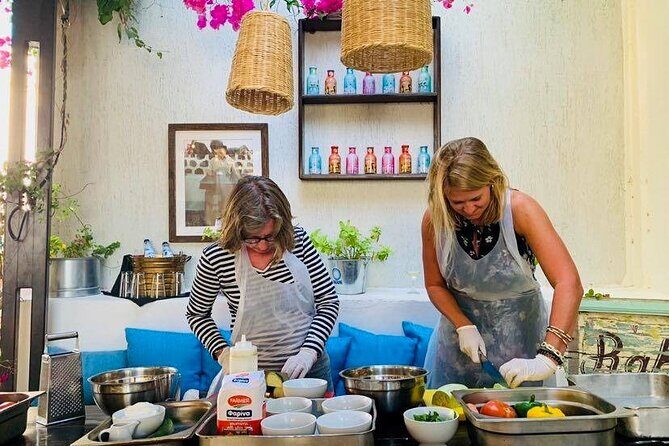
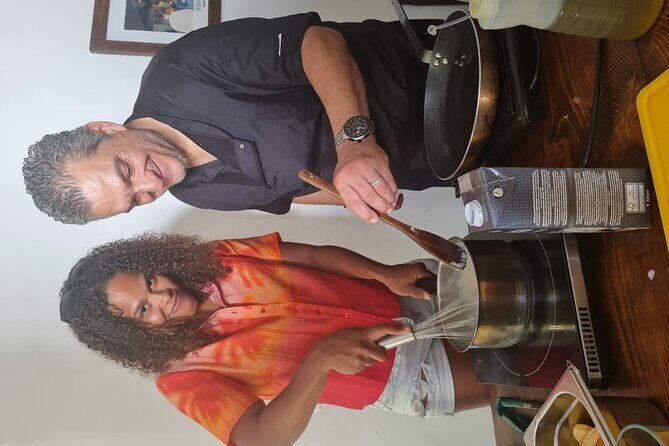
The class is offered in English and is led by an expert chef instructor (Christos comes up again and again in the feedback). The format is straightforward: meet your host, get utensils, then cook in a group while the chef explains what he’s doing and why.
What I like about this approach is that it’s not just about memorizing steps. The chef’s style is described as fun and engaging, and people mention getting clear instructions and practical technique tips. You’re not just watching something fancy—you’re learning a system you can repeat later.
Group size also makes a difference. With a maximum of 15 travelers, you’re more likely to get hands-on tasks rather than being stuck on the sidelines. Still, because the class is time-limited, the chef may rotate duties by dish, which leads to the main consideration (more on that below).
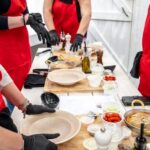
Also note the “kitchen” setup: it is at a local restaurant and may not feel like a big studio kitchen with perfect sightlines. If you prefer to see every pan all the time, you might want to go in mentally prepared for a more casual, restaurant-style workflow where you’ll mostly focus on your station.
What You Cook: Tzatziki, Greek Salad, Tomato Fritters, and Pasticio
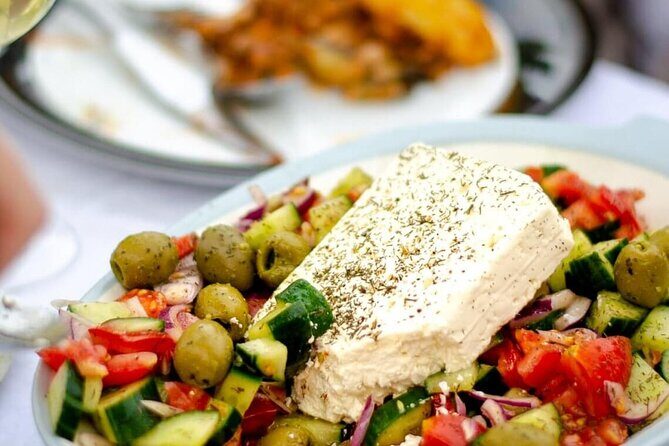
The sample menu includes multiple courses, and the class centers on preparing them as a group. Here’s what you should expect to make, based on the provided menu.
Starter: Tzatziki
Tzatziki is one of Greece’s most recognizable flavors: cool, creamy, and bright. In class, you’ll be putting together the core ingredients that give it that signature taste. Expect chopping and mixing steps that teach you how to balance freshness and texture.
Why it’s a smart class dish: tzatziki is a “show your work” recipe. If you overdo moisture or skip seasoning, it tastes flat. Learning it here gives you a foundation you can use for other Greek-style sauces and sides.
Starter: Greek Salad
Greek salad is simple on paper and tricky in practice because it depends on ingredient quality and timing. You’ll build the salad as part of the class flow, which is great if you want to learn how Greek salads are assembled rather than just served.
This is also a good dish for mixed skill levels. Even if you’re not a confident cook, you can participate while you learn the rhythm of chopping and seasoning.
You can also read our reviews of more wine tours in Santorini





Starter: Tomato Fritters
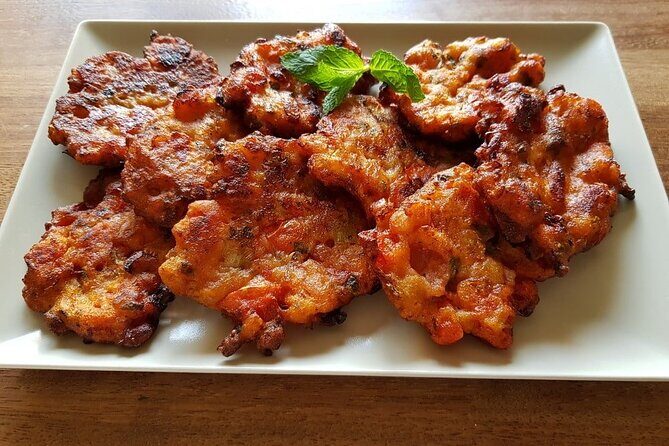
Tomato fritters add a warm, savory contrast to the cool starters. This is one of the dishes that tends to impress because the “crispy outside, soft inside” goal requires heat control and timing.
If you like learning technique more than just recipes, this course often delivers. People mention enjoying the tomato fritters specifically, which tells me it’s the kind of dish you’ll remember long after you leave Santorini.
Main: Pasticio (or vegetarian version)
Pasticio is a baked pasta dish with classic Greek comfort-food vibes. The class menu specifically lists Greek pasticio and also offers a vegetarian version, which is important if you want the full experience without meat.
What makes pasticio worth booking: it’s a crowd-pleaser and it’s practical to recreate at home once you understand the steps and build process. It’s not just a one-note casserole—there’s structure, layering, and baking involved. You’ll leave with something you can serve to friends and sound like you actually know what you’re doing.
Hands-On vs Watching: How Participation Really Feels
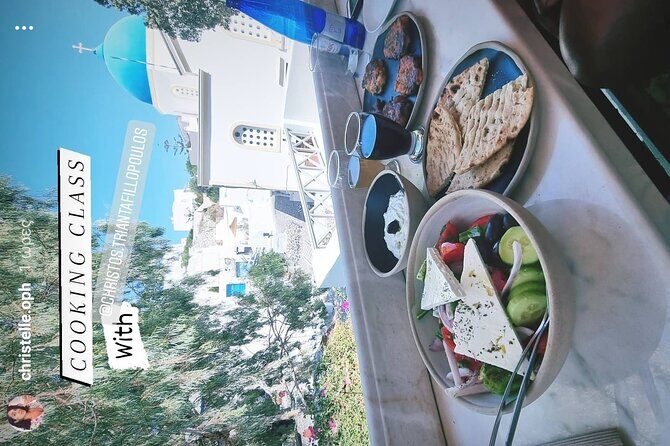
Here’s the honest part: the class is hands-on, but it may not be hands-on in the same way every time. The structure says each member takes turns preparing a selection of dishes, which naturally creates moments where you’re watching while others cook.
In practice, that usually means:
- You’ll handle tasks during one or more dishes (chopping, mixing, assembling, or helping with steps).
- The chef does key cooking and critical steps, especially where timing matters most (heat, stirring, baking).
- You might not touch every single part of the menu, because multiple dishes are happening across a limited time window.
That’s not necessarily a deal-breaker—especially if you want instruction and techniques, not just constant wrist-action. But if you’re the type who wants to do every step yourself, you’ll want to set expectations before you go. This is cooking you share, not a solo cooking show.
Also, the restaurant setup can affect sightlines. Some people describe limited visibility depending on seating and station placement. If you care a lot about watching the process closely, choose your spot carefully when you arrive and keep an eye on how the chef explains each step.
Lunch with Island Wine: Eating What You Made (and Actually Enjoying It)
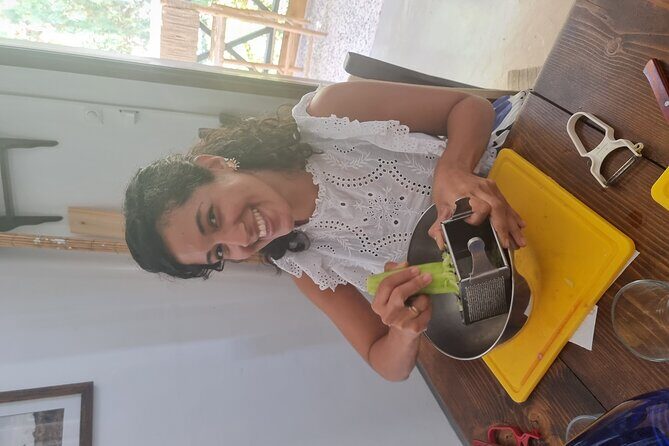
After you finish the dishes, you sit down together and enjoy your meal with a glass of Greek wine. Bottled water is included, too. This is a classic “cook, then eat” format, but it matters because your lunch or dinner is tied directly to what you learned.
A couple reasons this is a smart way to spend time in Santorini:
- You get to taste the food while it’s at its best, right after it’s made.
- You can compare your portion to the others and understand seasoning and texture choices.
- The wine makes the experience feel like an event, not just a class.
One thing to try: ask the chef a question while you’re seated. Since the chef is focused on technique, you’ll often get tips about how Greek cooks make adjustments—like how to balance acidity, salt, or texture—based on what’s working in real time.
And yes, come hungry. Even when you think you’ll be fine, multiple courses add up quickly. Pasticio alone is filling, and tzatziki plus salad adds a lot of satisfaction.
Recipes in PDF: Your Real Souvenir Is the Kitchen Copy
The class includes full recipes in PDF form. That’s a bigger deal than it sounds. Cooking classes often give you “a list of ingredients” instead of usable instructions. Here, you should expect downloadable recipes for the dishes you cook.
Why that helps you back home:
- You can recreate the dishes without guessing measurements or order.
- You can remind yourself of technique points the chef mentioned.
- You can repeat the exact menu logic (cool starter, fresh starter, warm fritters, baked main).
Also, there are gluten-free and vegetarian options available. The menu includes a vegetarian pasticio option, which signals you’re not locked into one version. If you have dietary needs, it’s worth confirming them at booking so you can plan what you’ll actually cook and eat.
Price and Value of a 3.5-Hour Santorini Class at $145.12
At $145.12 per person, this class sits in the midrange for a destination cooking experience. What justifies the price is the combination:
- A real chef-led teaching format
- A small group (max 15)
- A multi-course meal you helped prepare
- Wine with lunch or dinner
- Bottled water and recipes in PDF form
If you compare it to paying separately for a guided meal plus a cooking workshop, the structure becomes clearer. You’re not just eating; you’re learning how the food comes together. And since you leave with recipes, you get more than one evening of satisfaction—you get something you can repeat.
The one “watch for” item is that class participation can vary. If you’re hoping for a fully hands-on cooking class where you personally do nearly everything, you might feel like you’re doing less than you expected. If you’re okay with cooking in rotations and learning through chef-led guidance, the value typically feels solid.
Who Should Book This Greek Cooking Class in Santorini
This is a good match if you want:
- A fun, social activity that includes eating and wine
- A multi-dish menu instead of only one recipe
- A chef who teaches with clear instructions and keeps the energy up
- Something that works for beginner or experienced guests, since tasks rotate and the chef demonstrates the critical parts
It also fits well for families and mixed cooking levels, because people of different comfort levels can participate in different ways. You don’t need to be a “real cook” to benefit; you need curiosity and willingness to try.
Where it might not fit perfectly:
- If you want maximum hands-on control at every station and dislike watching
- If you strongly prefer a high-end, professional kitchen layout with perfect visibility from your seat
If you’re traveling during peak season, booking ahead can help. This one is described as commonly booked around a month in advance, so the popular times can go first.
Should You Book It? My Quick Decision Guide
Book it if you want a Santorini-focused food experience that teaches classic dishes you’ll actually crave later—especially tzatziki and pasticio—and you like the idea of eating right after you cook with Greek wine.
I’d hesitate only if you know you need nonstop hands-on work. Because the class runs on rotations, you may spend part of the session watching the chef or helping briefly at certain steps. Still, the overall structure is built to keep everyone involved enough to feel like they contributed.
If you’re on the fence, a useful way to decide is this: do you want dinner with instruction, or a cooking marathon where you control every action? This experience leans toward dinner with instruction.
FAQ
What time does the cooking class start?
It starts at 11:00 am in Megalochori, Santorini.
How long is the Greek cuisine cooking class?
The duration is about 3 hours 30 minutes.
What dishes will I cook?
The sample menu includes tzatziki, Greek salad, tomato fritters, and Greek pasticio (with a vegetarian version available).
Is the class small-group?
Yes. The maximum group size is listed as 15 travelers.
What is included in the price?
Lunch is included, along with bottled water, wine, a hands-on cooking class led by an expert chef, and full recipes in PDF form. Gluten-free and vegetarian options are available.
Is the class taught in English?
Yes, the class is offered in English.
Do I get recipes to take home?
Yes. Full recipes are included in PDF format.
Is wine included?
Yes. Wine is included with your meal.
Can I cancel for a full refund?
Yes. Free cancellation is available up to 24 hours in advance for a full refund. If you cancel less than 24 hours before the start time, you won’t receive a refund. The experience also requires a minimum number of travelers; if it doesn’t meet that minimum, you’ll be offered a different date/experience or a full refund.