REVIEW · ZAKYNTHOS
Half-Day Greek Cooking Class of Zakynthian Culture with Lunch
Book on Viator →Operated by Greek Cookery Class / Zakynthian Culture ''A Journey Into Greek Cuisine'' · Bookable on Viator
Your hands get busy with Zakynthos food. This half-day Greek cooking class at Green Frog in Argassi pairs hands-on dishes with island stories, ending with a proper lunch in a garden setting.
I especially loved the way you learn practical recipes (from classic stiffado to pies and sweet pastries) while also tasting ingredients like olive oil and cheeses. And you’re not just watching—you get time to cook, taste, and ask questions of Alex, Mandy, and the rest of the Green Frog team.
One thing to consider: this experience runs on good-weather days, so plan to be flexible if the forecast looks iffy.
In This Review
- Key Takeaways Before You Go
- Zakynthos Greek Cooking at Green Frog: How This Class Feels
- The Green Frog Setup: Garden Lunch, Friendly Hosts, Real Atmosphere
- How the Morning Works: From Iced Coffee to a Stress-Free Dinner Plan
- Friday Class Details: Stifado, Feta Pie, Tsatsiki, and Orange Cake
- Tuesday Class: Greek Classics That Teach You Technique Fast
- Saturday Class: Vegetarian Zakynthian Comfort Food
- What You’ll Learn Beyond Recipes: Culture, Ingredients, and Mediterranean Logic
- Dietary Needs and Allergen Handling: Ask Early
- Price and Value: What $108.89 Really Buys You
- Best Fit: Who Should Book This Cooking Class
- Should You Book It?
- FAQ
- FAQ
- What day of the week does the class run?
- How long is the experience?
- What time does it start in Zakynthos?
- What kind of food and lunch are included?
- How big is the group?
- Is there a recipe takeaway after the class?
Key Takeaways Before You Go
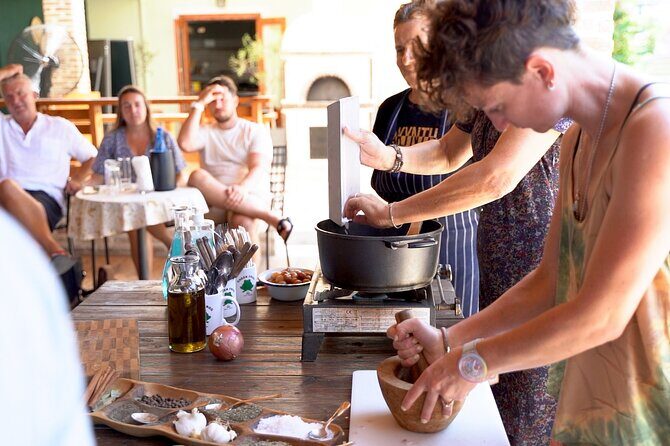
- Small-group size (max 12) keeps the class hands-on and not chaotic
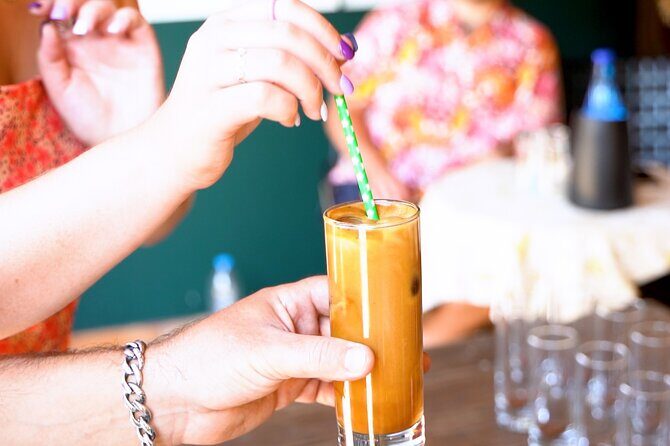
- Friday “morning spirit” ritual includes iced coffee or healthy mountain tea that everyone makes
- You cook a full set of dishes with menu changes by day (stifado-style cooking on Fridays)
- Wine and ingredient tastings turn lunch into a mini education on how Greeks eat
- You leave with take-home plans like recipes by email and sometimes doggie bags
Zakynthos Greek Cooking at Green Frog: How This Class Feels
This is one of those activities where the time flies because you’re doing, not just seeing. You show up in Argassi at Green Frog, meet your small group, and then get pulled into the day’s flow—prep, cooking, tasting, and learning—without feeling rushed. With a max of 12 people, it’s easy to get help when you need it, even if you’ve never made filo pastry (or anything Greek) before.
What makes this class stand out isn’t only the food. It’s the way the cooking is tied to place—Zakynthos stories, Greek food habits, and why Mediterranean eating works the way it does. You’re basically learning how to cook and why those recipes became what they are.
The best part for many people: you don’t just “get a taste.” You end up eating what you helped make, plus you take home recipes for recreating it later.
You can also read our reviews of more tours and experiences in Zakynthos.


The Green Frog Setup: Garden Lunch, Friendly Hosts, Real Atmosphere
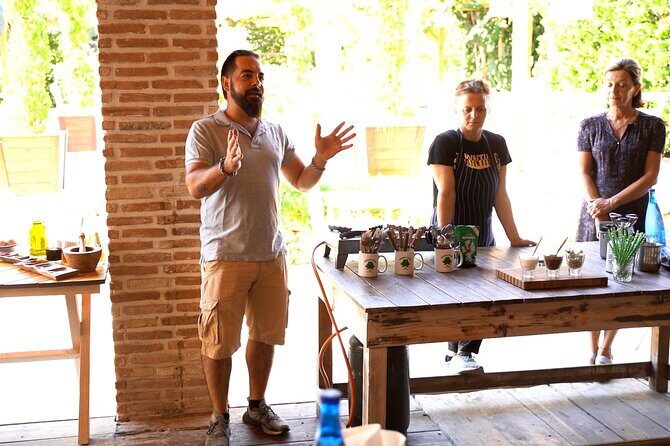
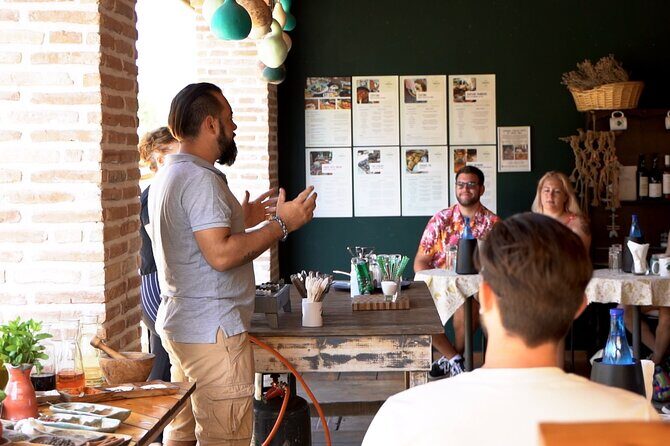
Green Frog isn’t a faceless tour stop. It feels like a family-run restaurant and store vibe, and that warmth shows in how the class is hosted. Alex and Mandy (and the wider team, including Taro in the family operation) teach with an attitude that’s welcoming, practical, and easy to follow.
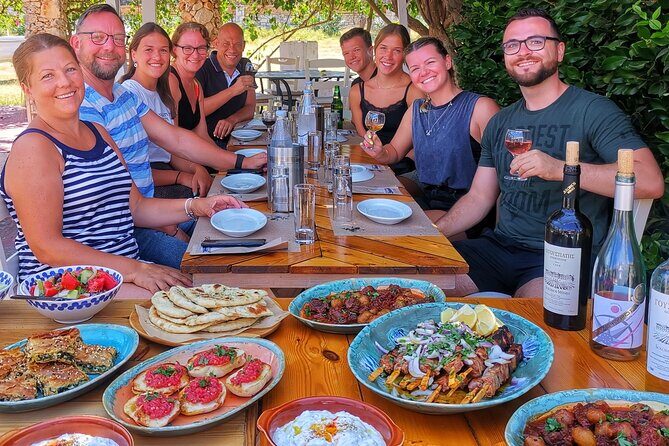
Lunch happens in a shady garden. That matters in Zakynthos heat, because you get to relax while you’re actually satisfied—not stuck eating fast like it’s an assembly line. One added bonus: parking is available behind the building, which can make arrivals less stressful.
You’ll also notice the pacing: cooking happens in chunks, with breaks built in for tastings and conversation. So you’re not stuck over a hot counter the entire time.
How the Morning Works: From Iced Coffee to a Stress-Free Dinner Plan
The class runs about 4 hours and starts at 10:30 am, returning to the meeting point at the end. The menu and the dishes change by day, but the structure stays familiar: introductions, a main-course anchor, rotating appetizers and sides, and then dessert.
If you’re doing the Friday class, the morning kicks off the truly Greek way: iced coffee and/or healthy mountain tea, and everyone makes their own. It sounds simple, but it sets the tone fast. It turns the class from a lesson into a shared routine.
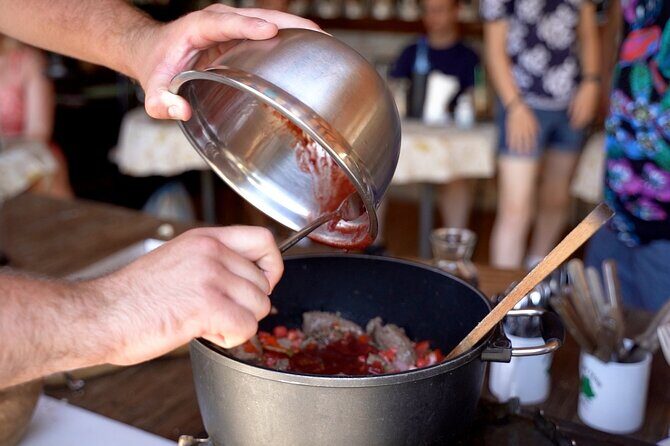
From there, you jump into cooking. On Fridays, the anchor dish is stifado—a slow-cooked beef and tomato casserole with baby onions and Greek herbs and spices. It’s the kind of dish people love because it translates well to real life: it’s deep, comforting, and built for dinner parties without constant fuss.
Between courses, you’ll taste different products and sample wines. The teaching isn’t just “how to cook,” but “how to think about ingredients,” like what works together and why certain flavors show up again and again in Greek food.
Friday Class Details: Stifado, Feta Pie, Tsatsiki, and Orange Cake
Friday follows a menu designed to show off Zakynthos in a very eat-it-all kind of way. You start with the drink ritual (iced coffee or mountain tea), then begin with stifado, which is iconic for Greek tables and a perfect centerpiece for entertaining.
After stifado, you rotate through appetizers and classics, including:
- Spinach and feta pie (a classic Greek pie that works as picnic food, snack, or main)
- Dolmades (stuffed grape leaves)
- A spicy cheese dip
- A very simple salad that’s surprisingly good
You’ll also learn how to make tsatsiki—the classic yogurt-and-cucumber dip that everyone swears is the best dip they’ve ever eaten. The class approach makes it feel doable, even if you’re the type who buys dips at the store at home.
Dessert is Zakynthian orange cake, a traditional syrup cake that’s often served with ice cream. The sweet finish is a nice counterpoint to all the savory cooking, and it feels genuinely local rather than generic Greek-travel dessert.
One practical takeaway: this menu gives you a balanced set of skills—casserole technique for stifado, pie-building habits for feta pie, rolling/assembly for dolmades, and timing for desserts.
Tuesday Class: Greek Classics That Teach You Technique Fast
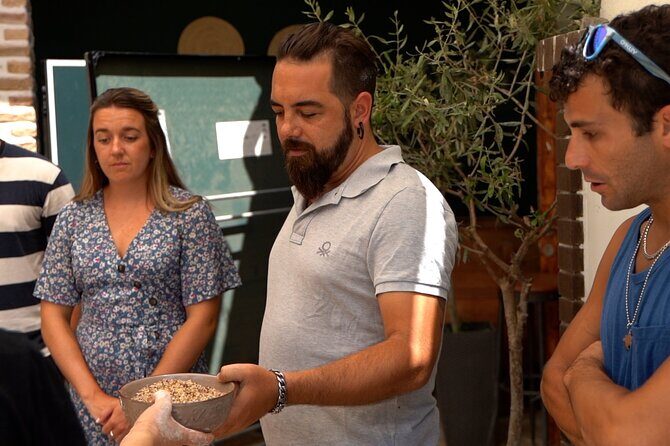
If Tuesday is your day, expect a Greek classics lineup with a similar rhythm—hands-on cooking, tastings, and stories—but different dishes. The class menu for Tuesday includes:
- Mousaka
- Baklava rolls
- Saganaki
- Greek salad
- Tsatsiki
This is where filo pastry can show up in a more obvious way. Baklava rolls rely on working with thin layers, and the class format gives you time to learn the basics without feeling like you’re performing surgery.
Mousaka is another strong skill-builder. It teaches layering and building flavor—not just dumping ingredients into a pan and calling it done. Saganaki adds the quick, hot-and-fast side of Greek cooking, while Greek salad and tsatsiki help you ground the meal with fresh, reliable staples.
In short: Tuesday teaches you a “full Greek meal” mindset. You’ll leave with ideas for a Greek-night dinner that doesn’t require you to become a full-time chef.




Saturday Class: Vegetarian Zakynthian Comfort Food
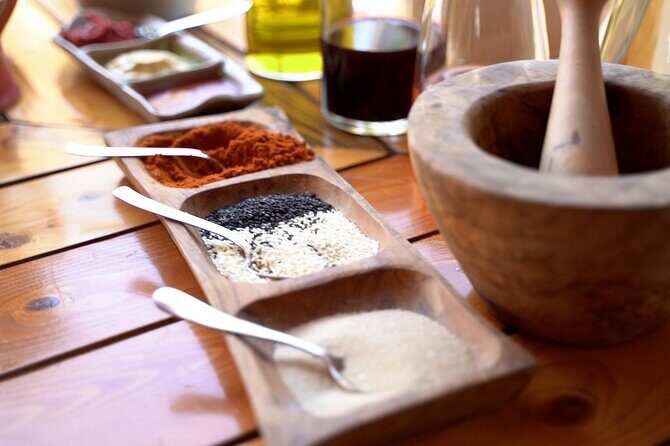
Saturday shifts gears to vegetarian Zakynthian comfort food, which is a great option if you want to eat Greek without meat-heavy dishes. You’ll cook items like:
- Stuffed tomatoes
- Courgette fritters
- Spicy baked cheese
- Kataifi
This day is especially valuable if you’re traveling with someone who eats vegetarian or just wants a break from casseroles and braises. Stuffed tomatoes and fritters give you hands-on prep skills that can be repeated at home with local produce.
“Kataifi” also matters here. It’s pastry-related, and it tends to feel more advanced than it actually is once someone shows you the steps. Even if you’re not a pastry person, the class style focuses on practical, repeatable motions.
If you care about getting the most variety on one trip, Saturday’s menu can be your best choice—because it’s distinct from the classics-heavy approach.
What You’ll Learn Beyond Recipes: Culture, Ingredients, and Mediterranean Logic
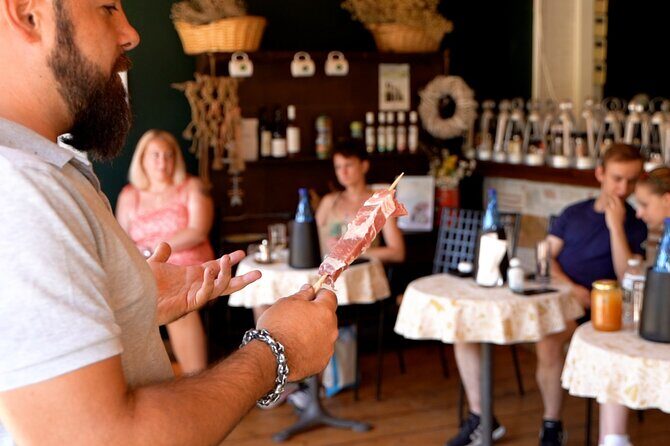
The teaching here is more than a food lecture. You get stories about Zakynthos, how Greek cuisine evolved, and how the Mediterranean diet took shape as a living system rather than a strict rulebook.
This matters because it changes how you cook afterward. Instead of following a recipe blindly, you start thinking in ingredients:
- What role does acidity play in the flavor balance?
- Why do certain herbs keep showing up?
- How do dairy products like yogurt and cheese fit into everyday Greek meals?
You also taste local products along the way—things like olive oil and cheeses—so you learn how these ingredients actually taste in real life, not just as labels on a shelf. Even the wine sampling is part of this broader “how flavors connect” approach.
And if you’re curious, ask questions. The team’s style encourages it, and you’ll likely walk away with personal tips you can use when you’re grocery shopping at home.
Dietary Needs and Allergen Handling: Ask Early
If you have allergies, this is the kind of class where you should say so at booking. One participant shared that the team accommodated allergies with separate portions so they could taste everything. That’s a strong sign the hosts take dietary needs seriously, not as an afterthought.
Still, don’t assume. Message your needs clearly ahead of time so the team can plan safe portions and cooking steps.
Price and Value: What $108.89 Really Buys You
At $108.89 per person for about 4 hours, the price can look steep—until you break down what’s included.
You’re not paying only for a cooking demonstration. You get:
- Hands-on instruction with a small group
- A full menu of dishes (with day-by-day variety)
- Lunch included (in the garden)
- Ingredient tastings and wine sampling
- Take-home value through recipes sent by email
- Plenty of food volume, plus doggie-bag style take-home portions for some
When a class includes lunch, tastings, and a recipe package, the cost shifts from “entertainment” into “a meal + skills you can reuse.” If you want one activity in Zakynthos that actually improves what you can cook afterward, this is a solid value play.
Also, the time investment is manageable. A half-day fits nicely into a beach-heavy itinerary, which matters when Zakynthos heat makes long excursions feel like work.
Best Fit: Who Should Book This Cooking Class
This works best if you like:
- Cooking that’s hands-on (even for beginners)
- A friendly group vibe with people from different places
- Food that’s tied to real culture and local ingredients
- Learning recipes you can repeat without fancy equipment
If you’re a total non-cook, you’ll still get plenty of support. The class structure is built for participation, and even people who don’t cook often end up enjoying it—mostly because the results are delicious and the steps feel manageable.
If you’re an experienced cook, you’ll likely enjoy the ingredient comparisons and technique cues, especially the pastry and casserole-style skills.
Should You Book It?
If you want the most practical, memorable food experience in Zakynthos, I’d book this—especially if you care about taking home recipes you’ll actually use. The small-group format, the garden lunch, and the way the hosts teach culture through food make it more than a one-time meal.
I’d skip it only if you need a highly flexible schedule, since it runs on Tuesday, Friday, and Saturday, and it depends on good weather to operate comfortably.
FAQ
FAQ
What day of the week does the class run?
The cooking class runs on Tuesday, Friday, and Saturday.
How long is the experience?
Plan for about 4 hours.
What time does it start in Zakynthos?
It starts at 10:30 am.
What kind of food and lunch are included?
You’ll cook several Greek dishes and then enjoy a hearty lunch in a shady garden. The exact menu changes by day.
How big is the group?
The class has a maximum group size of 12 travelers.
Is there a recipe takeaway after the class?
Yes. You get an email with the recipes, so you can recreate the dishes at home.