REVIEW · KAVALA
Kavala: City Grand Tour by Eco Friendly Tuk Tuk
Book on GetYourGuide →Operated by Xplora City · Bookable on GetYourGuide
Kavala is steep, but this tour keeps it fun. The eco-friendly tuk tuk takes you around the city fast, so you spend more time looking up at views and less time figuring out the streets. I love how the route connects big-name stops with everyday neighborhoods, from the old town corners to the port area.
Two things I really like: first, the multilingual audio guide app (with disposable headphones) helps you understand what you’re seeing as you go. Second, the mix of sights hits different eras in one loop, including the Kavala Fortress viewpoints and the tobacco story sites tied to Kapnergatis and the Municipal Tobacco Museum.
One consideration: you’ll have short visits and some walking, including the climb up to the fortress, and a few must-see stops have entrance fees that aren’t included. If you’re on a tight schedule or you hate climbing steps, plan for that trade-off.
In This Review
- Key highlights you’ll feel right away
- Getting Oriented: Meeting at Xplora and Using the Audio App
- Panagia Old Town Stop and the Imaret Pass-By
- Mehmet Ali’s Square, His Residence Museum, and Lighthouse Views
- Halil Bey Mosque and the Main Event: Walking Up Kavala Fortress
- Kamares Aqueduct to Kapnergatis Square: Water, Power, and the Tobacco Boom
- Municipal Tobacco Museum: Why “Tobacco Mecca” Fits
- Great Club Kavala and the Port-Area Atmosphere
- Apostle Paul’s Mosaic Monument: Neapolis, Then and Now
- Price and Value: Is $82 Worth It for a 2-Hour Loop?
- Who Should Book This Eco-Friendly Tuk Tuk Tour
- Quick Tips to Make Your 2 Hours Feel Longer
- Should You Book the Kavala City Grand Tour?
- FAQ
- How long is the Kavala City Grand Tour?
- Where does the tour start?
- What is included in the price?
- Are entrance fees included for the fortress and museums?
- Which languages are available in the audio guide?
- Can I bring food or drinks into the vehicle?
- Is hotel pickup and drop-off included?
- How do I pay for entrance fees?
- Is the tour suitable for wheelchair users?
Key highlights you’ll feel right away
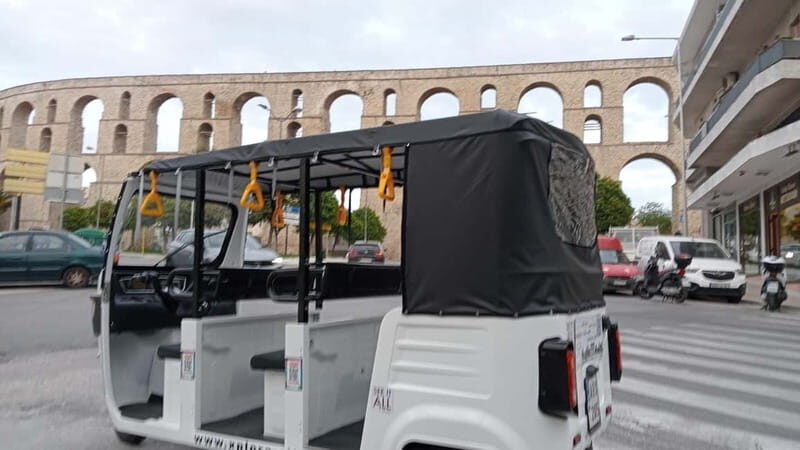
- Eco-friendly tuk tuk route that’s made for steep, narrow streets
- Multilingual audio guide app with disposable headphones for self-paced stop time
- Kavala Fortress photo and walk with city and Aegean views
- Imaret and Ottoman-era landmarks like Mehmet Ali’s area
- Kamares aqueduct and tobacco sites that explain how the city prospered
- Apostle Paul’s mosaic stop tied to Neapolis and early Christian history
Getting Oriented: Meeting at Xplora and Using the Audio App
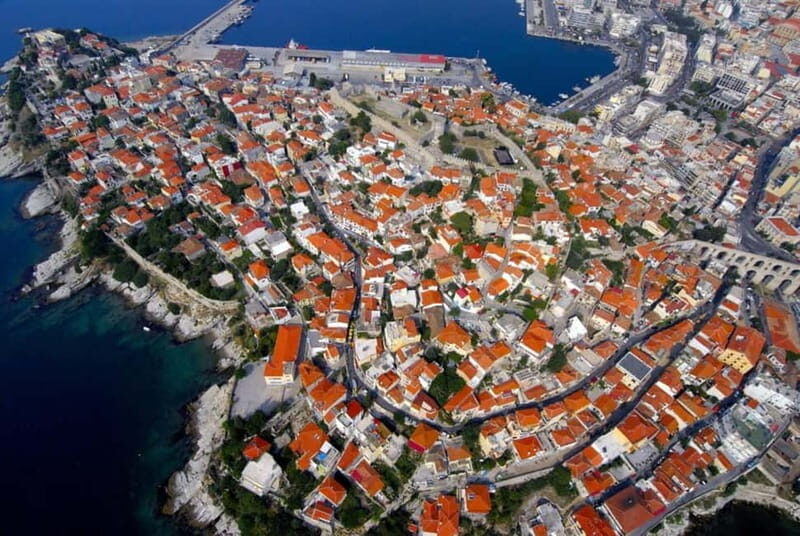
Your tour starts at CitySpot by Xplora, behind the old courthouses. You’ll be looking for a large led sign with staff waiting there, and it’s located across the street from the Kamares. If you like arriving early, do it. The meeting point is simple, but it can be a little tricky to spot if you’re coming straight from the port without checking directions.
Once you’re in the tuk tuk, the key tool is the mobile audio guide app. You’re not stuck listening to one long talk. Instead, you’ll get spoken guidance tied to what you’re looking at—then you can take photos, walk a bit, and wander at each stop. The app is available in multiple languages, and you’ll use disposable headphones so the audio stays clear.
You’ll also appreciate how the tour is designed around short, repeatable movements: quick transfers, then a focused photo stop or self-guided time. That structure matters in Kavala because the old town is hilly. Even when you do walk, you’re not doing it nonstop.
You can also read our reviews of more tours and experiences in Kavala.

Panagia Old Town Stop and the Imaret Pass-By
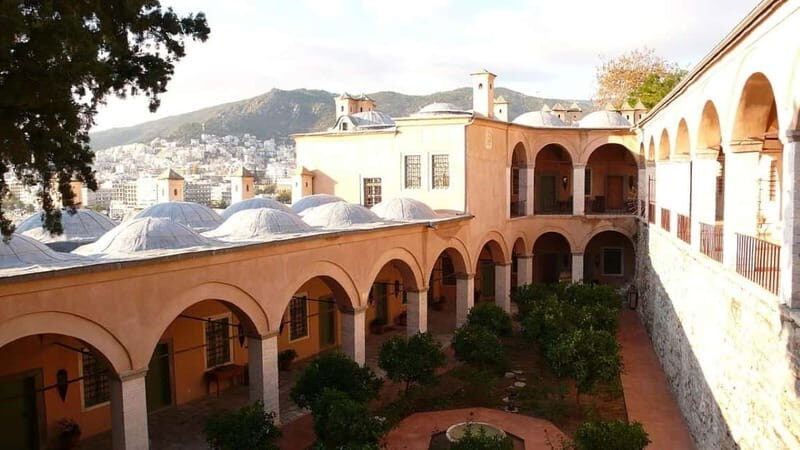
Your first stop is in the old town around Panagia, with a short photo stop / self-guided moment. This is a good “reset” point. You get your bearings, and it sets the vibe for the day: tight streets, sea-city viewpoints, and centuries layered into the buildings.
Next comes a pass-by at Imaret Kavalas. This is one of those Ottoman-era complexes you’ll want to see closely later, but on a 2-hour tour the best strategy is to use the stop to orient yourself. The audio guide helps you understand what you’re looking at, so when you stand there for a moment, it’s not just pretty architecture—it’s a story.
Practical tip: at these first minutes, take a wide shot first, then a close-up second. Kavala’s details can be easier to notice in a quick close shot once you’re warmed up.
Mehmet Ali’s Square, His Residence Museum, and Lighthouse Views
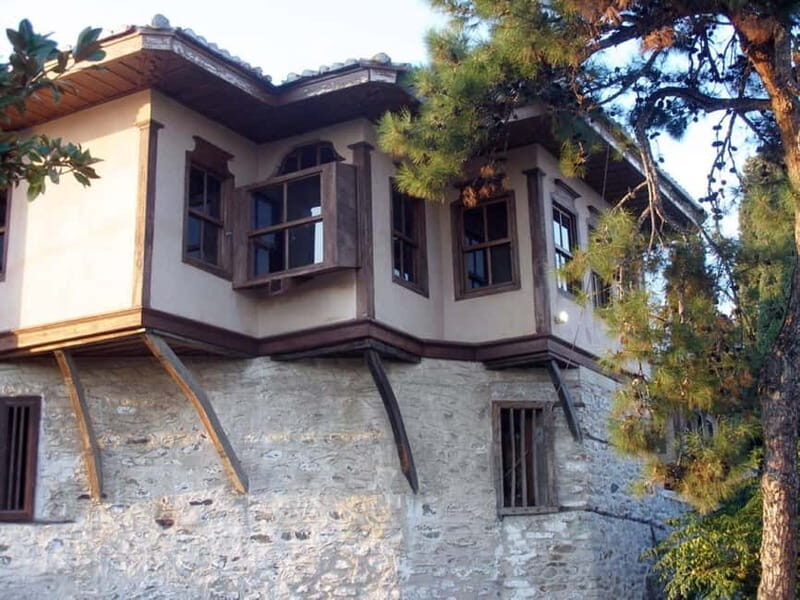
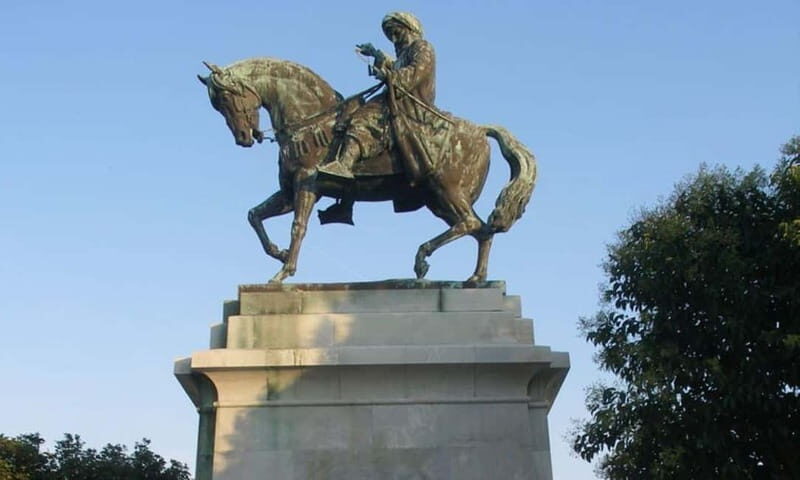
A big chunk of the tour focuses on Mehmet Ali’s area, and it works because you get both public landmarks and personal history. There’s a photo stop at Square Mehmet Ali, then you head to Mehmet Ali’s Residence Museum for a longer self-guided visit. This is where the story becomes more than sightseeing: Mehmet Ali’s house is tied to his birthplace in the region, so the area feels more grounded and specific.
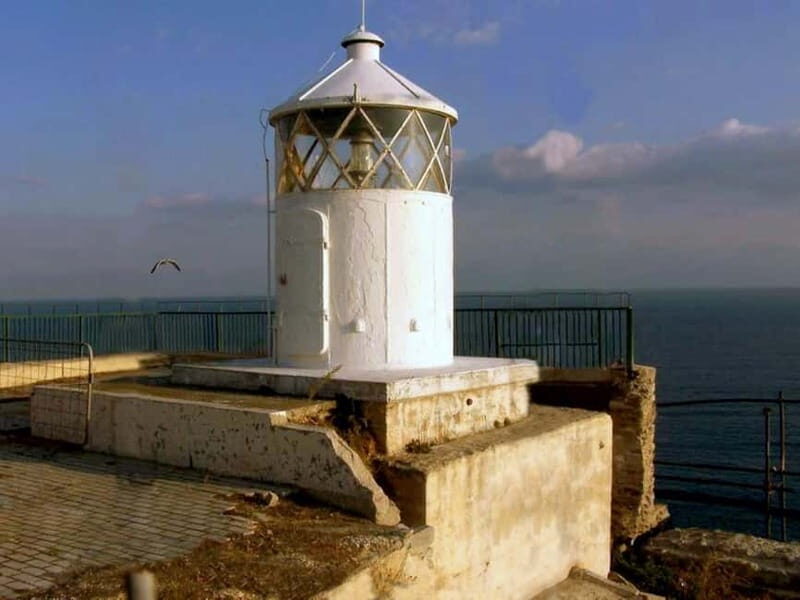
Then you’ll move to the Lighthouse of Kavala for a photo stop, sightseeing, and a short walk. This is one of those stops where the timing is right. You’re usually still fresh, and the walk is short enough to keep it comfortable, but long enough to get a meaningful view over the city and out toward the sea.
If you’re a photographer, this is where you can slow down. The audio guide helps, but you’ll get the real payoff from standing still for a few minutes and letting the light change.
Halil Bey Mosque and the Main Event: Walking Up Kavala Fortress
After the lighthouse, you’ll reach Halil Bey Mosque for another photo and sightseeing stop. This one is less about long visiting time and more about placing it in context. You’ll see how Ottoman-era religious architecture fits into the older city shape.
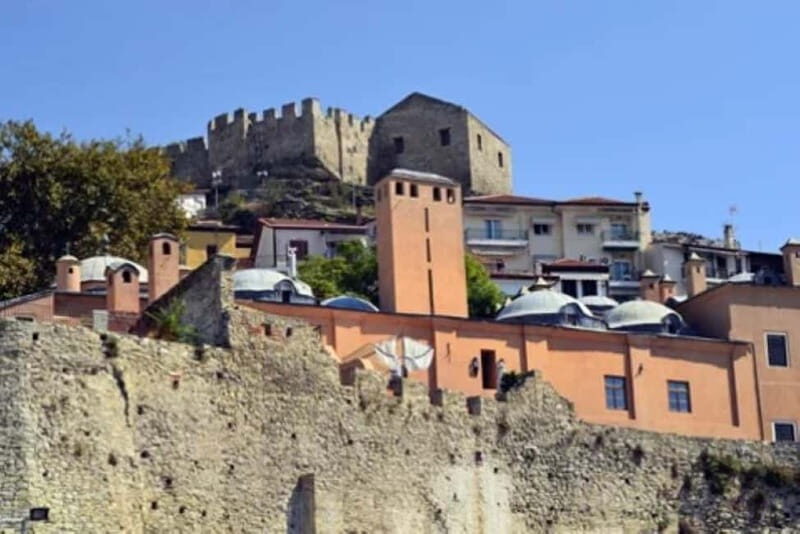
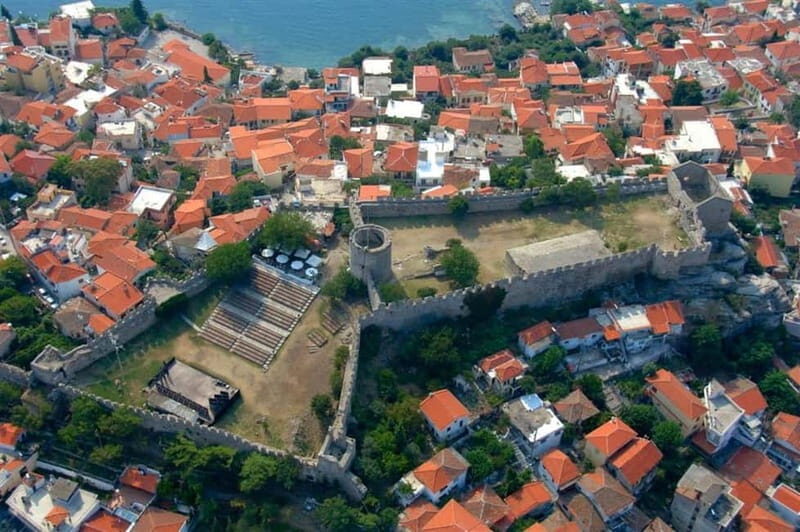
Then comes the most “you’re really in Kavala” moment: Kavala Fortress. You get a photo stop, then you walk inside the fort area with self-guided time. The fortress visit is the longest stop on the route—around 30 minutes—and it’s built for a payoff: from the walls and towers you get panoramic views of the city and the Aegean Sea.
This is also the stop where you should be honest about your legs. The tour is not wheelchair-friendly, and even if you’re not mobility impaired, the ground can be steep and uneven. Plan on short pauses for photos, and wear comfortable shoes. A sun hat helps too; the fortress can feel exposed.
The fortress is what turns the day from a “drive-by highlights” tour into a real memory you’ll keep. Even if you’ve seen other castles, Kavala’s setting gives you a different angle: port city, old town tiers, and sea views in one frame.
Kamares Aqueduct to Kapnergatis Square: Water, Power, and the Tobacco Boom
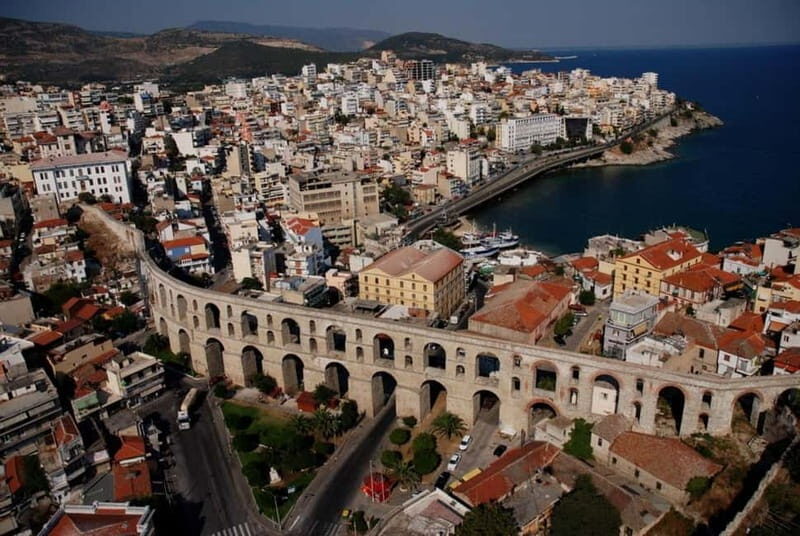
Once you head back down, the tour shifts from defenses to infrastructure. You’ll visit Kamares, the city’s historic aqueduct, with a photo stop and self-guided time. This is a quick stop, but it’s important because it explains how a city like Kavala could grow. Aqueducts aren’t just stonework; they’re the plumbing behind civilization.
Next, the route brings you toward the tobacco story. You’ll see the Municipal Tobacco Warehouse at Kapnergatis Square as a pass-by. This stop can look like just another building from the road—until you connect it to what the city traded, stored, and depended on.
That’s why the tobacco museum matters, too, and you’ll get it in the next stop.
Municipal Tobacco Museum: Why “Tobacco Mecca” Fits
The Municipal Tobacco Museum is one of the best “value per minute” stops on the tour. You’ll spend around 10 minutes inside for a visit and sightseeing. The topic is what Kavala is known for: tobacco. But the museum isn’t just about the product. It’s about the economic boom and the harder side—the struggles of tobacco workers.
This is one reason the audio guide approach works so well. Without a bit of context, tobacco history can feel like a museum theme. With the app’s story thread, the warehouses and buildings you see later feel connected instead of random.
Practical advice: if you can only choose one museum stop to care deeply about, make it the tobacco one. It’s the easiest to connect to what you see around town, and it matches the identity locals carry.
Great Club Kavala and the Port-Area Atmosphere
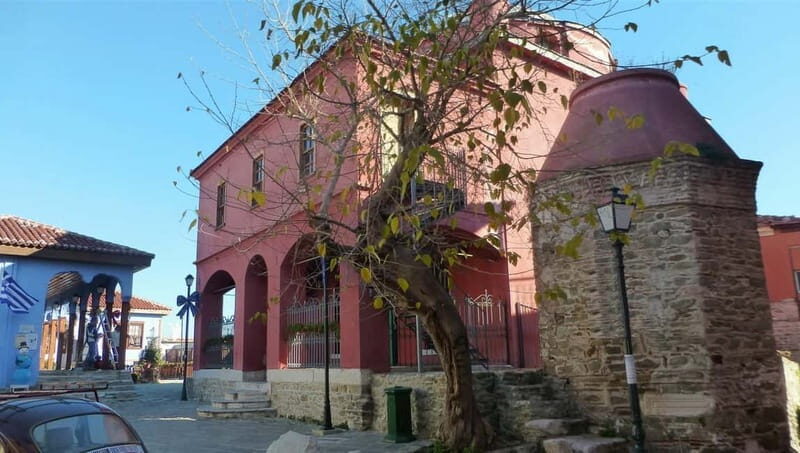
You’ll stop at Great Club Kavala for a photo stop, visit, and self-guided sightseeing. I like this kind of stop because it gives you a sense of social life and civic culture, not only industry and religion. In a short tour, it helps you round out the picture.
Even if you don’t go deep here, the time is still useful. It breaks up the day so you’re not only collecting monuments. You’re also getting a feel for how people organized, met, and lived in different parts of Kavala.
Apostle Paul’s Mosaic Monument: Neapolis, Then and Now
The tour ends at Apostle Paul’s mosaic—a photo stop plus a visit and a bit of sightseeing time. This spot ties Kavala to first-century Christian history, connecting to Neapolis, the name Kavala once had.
The mosaic is small enough that it doesn’t feel overwhelming in a 2-hour tour, but it’s meaningful enough that you’ll likely remember the story it represents. It’s a nice final beat: after fortress walls and trade buildings, you end with a work of art anchored in a religious narrative.
Then it’s back to Xplora to wrap up your loop.
Price and Value: Is $82 Worth It for a 2-Hour Loop?
At $82 per person for a 2-hour tour, the value comes from three things working together:
- The transport solves the city’s biggest problem
Kavala is hilly, and the old streets can be narrow. The eco-friendly tuk tuk gets you to multiple key viewpoints without requiring a full day of walking and route planning.
- The audio guide adds meaning, not just facts
You’re not passively watching buildings. The app helps you understand what each stop is and why it matters, which makes the shorter time at each place feel purposeful.
- You get a tight highlight sequence
Fortress views, Ottoman-era landmarks, Kamares aqueduct, and the tobacco story sites in one pass. You’d need more time to stitch those together on your own in a way that feels organized.
What’s not included matters, though: entrance fees for places like the Kavala Fortress, Mehmet Ali’s House (museum), and the Municipal Tobacco Museum are paid separately. Fees are accepted in euros only, so bring enough cash.
My rule: if you want a “best-of” overview that still gives you context, this price is easier to justify. If you’re the type who wants deep time inside buildings, you may feel the schedule is tight.
Who Should Book This Eco-Friendly Tuk Tuk Tour
This is a great fit if you:
- Want to see major Kavala highlights in two hours without stressing over steep streets
- Like history that connects buildings to real stories (Ottoman life, city growth, tobacco labor)
- Prefer a self-guided stop style with audio narration you can control by pace
It may be less ideal if you:
- Need wheelchair access (the tour isn’t suitable for wheelchair users)
- Have limited ability for short walks, especially at the fortress
- Hate situations where some sites become exterior-only due to operational hours (access can depend on opening times)
One extra note: one group shared that a folding Rollator fit on the tuk tuk and the experience worked despite a mobility issue. Still, the provider lists the tour as not suitable for mobility impairments, so if that applies to you, ask before booking.
Quick Tips to Make Your 2 Hours Feel Longer
- Bring comfortable shoes and expect some uneven footing near the fortress.
- Pack a sun hat (and yes, bring it even in mild weather). The open view points can get hot.
- Bring cash in euros for entrances at the fortress, Mehmet Ali’s museum, and the tobacco museum.
- At photo stops, shoot wide first, then close. Kavala’s details are easier once you’ve framed the scene.
Also: avoid alcohol and food in the vehicle. The tour rules keep the ride clean and quiet.
Should You Book the Kavala City Grand Tour?
If you’re visiting Kavala for a short stay—or you just want the smartest way to cover the city’s major layers—this tour is an easy yes. The eco-friendly tuk tuk plus the audio app makes the time feel efficient without turning it into a rushed checklist. The fortress viewpoints and the tobacco-focused stops are the two ingredients that keep it from feeling generic.
I’d only hesitate if you strongly prefer long museum time, dislike climbing, or need wheelchair-friendly access. For most people, though, it’s a solid way to get your bearings and leave with photos that actually match the stories behind them.
FAQ
How long is the Kavala City Grand Tour?
The tour lasts 2 hours.
Where does the tour start?
You meet at CitySpot by Xplora, behind the old courthouses of the city, across the street from the Kamares.
What is included in the price?
Included: the eco-friendly tuk tuk, a driver, a multilingual tour guide app, and disposable headphones.
Are entrance fees included for the fortress and museums?
No. Entrance fees for the Kavala Fortress, Mehmet Ali’s House (museum), and the Municipal Tobacco Museum are not included.
Which languages are available in the audio guide?
The audio guide app is available in Bulgarian, English, Greek, Romanian, Russian, and Turkish.
Can I bring food or drinks into the vehicle?
No. Alcoholic drinks are not allowed in the vehicle, and food and drinks are also not allowed.
Is hotel pickup and drop-off included?
No. Hotel pickup and drop-off are not included.
How do I pay for entrance fees?
Entrance fees are paid in euros only, so bring enough cash.
Is the tour suitable for wheelchair users?
No. It is not suitable for wheelchair users, and it also isn’t listed as suitable for people with mobility impairments.