Julia’s family farming turns wine into a story. This Kefalonia Wine Tour takes you into the island’s countryside with hotel pickup in a climate-controlled 7-seater van, then ties every tasting stop to how local grapes and olives are actually grown. I especially like the personal access to Julia’s farming world, and I love that you end with a proper set of 8 premium wines at the island’s main winery. One thing to consider: the day depends on good weather and you’re on a set route for about 4 to 5 hours.
The stops feel intentionally spaced for learning without rushing. You’ll walk among older olive trees and grapevines on the mountain slopes, then get a family-style lunch that includes homemade wine and grappa. The only drawback for some people is that this is built around tastings, so if you want zero alcohol sampling, it may feel like you’re in the wrong room, even if the guide tries to include you.
In This Review
- Key highlights worth planning around
- Why this Kefalonia wine tour feels different from a bus ride
- Price and time: what you’re really paying for at $108.89
- Stop 1: Your tour start with Julia’s Kefalonian farming perspective
- Stop 2: Omala walks on Aenos slopes among old olives and vines
- Stop 3: Valsamata cottage winery, old presses, and lunch with homemade pours
- Stop 4: Orealios winery tasting with 8 wines and a cathedral view
- Logistics that make the day easy: pickup, small group limits, and mobile tickets
- When this tour might not be your best fit
- Who should book this Kefalonia Wine Tour with Julia
- Should you book this tour or skip it?
- FAQ
- Is pickup and drop-off included?
- How long is the Kefalonia Wine Tour?
- What is the price per person?
- Is the tour in English?
- How big is the group?
- What stops are included?
- Are any tickets included?
- Can children join?
- What if the weather is bad?
- Is free cancellation available?
Key highlights worth planning around
- Small group format (max 15) for more time with guide Julia and fewer “look-then-leave” moments
- Hotel pickup and drop-off in a climate-controlled 7-seater minivan
- Omala hillside walk among old olive trees and grapevines with focus on indigenous varieties
- Valsamata family cottage visit with old winemaking equipment still maintained and used
- Orealios tasting with cathedral views: you sample 8 wines in a scenic setting
- Lunch with local products (and homemade wine and grappa) served as part of the experience
Why this Kefalonia wine tour feels different from a bus ride
This is the kind of tour that makes the island feel less like a postcard and more like a working place. You’re not just chauffeured between wineries. You’re guided into the rhythms of grape and olive farming, and the story stays tied to real people, real land, and real tools.
The format matters. With a small group (up to 15), the pace stays human. Reviews are full of the same theme: Julia takes time, answers questions, and talks through what you’re tasting before anyone leaves the table. That’s a big deal because good wine tasting is mostly about context.
And yes, it starts with convenience. You get picked up from your accommodation in a 7-seater mini van and brought back at the end. That means you can avoid the stress of island bus schedules, parking, and road timing. It also keeps the experience calm: you’re not doing mental math about how long it takes to get between rural spots.
You can also read our reviews of more wine tours in Cephalonia
Price and time: what you’re really paying for at $108.89
At $108.89 per person for about 4 to 5 hours, this isn’t the cheapest option in Kefalonia. The value comes from what’s folded into the day rather than from how long you’re out.
Here’s what you’re getting for your money:
- Tickets included on the first and last stops (so you’re not adding extra admissions)
- A guided walk and farm-focused education during the middle stops
- A light lunch made from fresh local products, plus homemade wine and grappa
- A full tasting at the biggest winery visit, served as a set of 8 wines
In plain terms: you’re paying for access plus teaching plus tasting time. If you compare it to basic “arrive, taste, leave” tours, the price starts to make more sense. You’re not just sampling. You’re learning why the wines and olive oil taste the way they do.
One practical note: the tour is widely booked (on average about 45 days in advance). If you’re going in peak season or you’re picky about timing, book early so you don’t end up with a “maybe” date.
Stop 1: Your tour start with Julia’s Kefalonian farming perspective
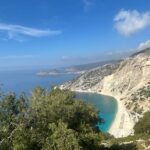
The day begins with pickup and a drive to what the tour calls the most unspoiled areas of Kefalonia. This is where you feel the countryside shift: fewer crowds, more open views, and a sense that you’re far enough from the main tourist strips.
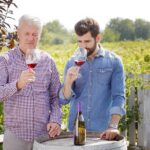
You’ll spend about an hour at the first stop, and admission is included. Julia is the guide, and her family has farmed the area for generations. What you get here isn’t just wine facts. You get the farming viewpoint: how vines are tended, how harvest thinking works, and how olives fit into the same landscape life.
Why this stop is worth it:
- It gives you a framework before the tastings get serious
- It helps you understand what you’re going to notice later at the winery
The only caution is simple: this is a half-day. If you’re hoping to stretch the day into something like full-day winery hopping, this isn’t designed for that. It’s designed for quality and conversation in a compact time window.
Stop 2: Omala walks on Aenos slopes among old olives and vines
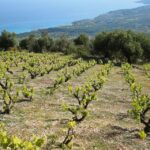
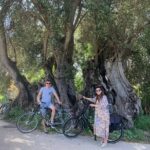
After the first stop, you head to Omala on the slopes of Mount Aenos. You’ll take a walk for about an hour through areas with ancient old olive trees and grapevines.
This part is especially good if you like grounding your wine interest in actual land use. You’ll learn about indigenous varieties and traditional farming practices—how local growers work with the terrain and what they pay attention to over the growing season. Admission is free here, so this is largely education plus walking.
What to expect on the walk:
- A casual, scenic stroll rather than a long hike
- Real “touch grass” moments that make the later winery tasting feel more understandable
If you’re sensitive to walking during warm afternoons, I’d plan your clothing accordingly and wear shoes you’re happy to use on uneven ground. Nothing in the tour description suggests extreme terrain, but rural paths rarely feel like city sidewalks.
Stop 3: Valsamata cottage winery, old presses, and lunch with homemade pours
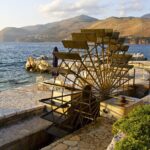
Then comes one of the most memorable parts of the itinerary: Valsamata. You visit a traditional cottage house that served as the family’s winery until the 1980s. Even better, the old winemaking equipment is maintained and used up to this day.
This stop is about an hour and includes no admission charge. The “why” is clear: seeing aging equipment still being treated as part of daily life makes the whole grape-to-bottle story feel real. It also helps you understand why locals can talk about wine with confidence. They’re not repeating a brochure; they’re describing a process their family has worked for decades.
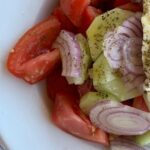
Lunch is served in the cottage yard with fresh local products, homemade wine, and grappa. In the same spirit, some visitors mention learning how to prepare a Greek salad properly, along with tasting local Greek snack-style food.
Two practical tips:
- Pace yourself with the homemade pours. You still have the major tasting later.
- If you’re not a drinker, you’ll still get included through the food, the setting, and the explanations. You just might want to request smaller pours (or stick to tasting sips) so the second tasting stays enjoyable.

Stop 4: Orealios winery tasting with 8 wines and a cathedral view
The final stop is at Orealios, described as the largest and most significant winery on the island. You’ll enjoy one hour here with admission included.
This is the place where the day turns into a classic tasting experience—except your context is stronger because you’ve already seen how vines and olives are worked. You’ll be served their 8 premium wines while overlooking St. Gerasimos Cathedral.
That view matters more than you might think. Even if wine isn’t your top hobby, the setting helps you relax and focus on taste rather than logistics. And because the tasting is set up as a sequence of wines, you’ll get a better sense of differences instead of a random assortment.
A word for non-drinkers: the tour is still built around sampling, including homemade wine and grappa earlier in the day and the 8 wine set at Orealios. That said, reviews suggest Julia can make partners who don’t drink feel included by staying engaged with explanations and pacing.
Logistics that make the day easy: pickup, small group limits, and mobile tickets
Most of the comfort here is handled before you even leave your room. You get hotel pickup and drop-off using a climate-controlled minivan, and the tour uses a mobile ticket.
The language is English, and the group size has a maximum of 15 travelers. In practice, the experience often feels even smaller because Julia keeps numbers low for a more personal feel. That’s good for conversation and questions, especially if you like understanding the “why” behind what you’re tasting.
If you’re arriving by cruise ship, you’re asked to provide your ship name plus docking, disembarkation, and re-boarding times. That’s a helpful detail because Kefalonia tours can get tricky with re-entry deadlines.
Good news for animal lovers: service animals are allowed. Children can join, but must be accompanied by an adult.
When this tour might not be your best fit
I’d think twice if any of these describe you:
- You want a lot of free time to wander on your own rather than a set route with structured stops.
- You’re not interested in tasting at all. This tour includes homemade wine/grappa and ends with an 8-wine tasting.
- Weather is a major constraint. The experience requires good weather, and if it’s canceled due to poor conditions, you’ll be offered a different date or a full refund.
Also keep in mind the tour runs about half a day. If your schedule is tight and you need flexibility, plan your day around the tour instead of squeezing it in as an afterthought.
Who should book this Kefalonia Wine Tour with Julia
Book it if you want:
- More than tasting: you want how grapes and olives are grown explained in plain language
- A small-group feel with real back-and-forth instead of quick stops
- A day that mixes farm walking, a family cottage setting, and a serious winery tasting
It’s a great match for couples, friends, and anyone who likes rural travel. Even if you don’t drink much, the food and the farming education can still make the day feel worthwhile—especially with Julia’s approach, which keeps people involved rather than watching wine pour past them.
If you’re the kind of traveler who likes taking one memorable day and turning it into a story you’ll remember later, this fits that goal perfectly.
Should you book this tour or skip it?
If you’re choosing between a simple tasting and a farm-focused day with context, I’d pick this. The price isn’t bargain-basement, but the included tickets, the lunch, and the structured 8-wine tasting make the value feel more honest than many “light” tours.
Skip it only if you’re strictly avoiding alcohol or you need lots of unscheduled time. Otherwise, this is one of the best ways to understand Kefalonia without getting stuck driving rural roads yourself.
FAQ
Is pickup and drop-off included?
Yes. The tour offers hotel pickup and drop-off in a climate-controlled 7-seater mini van.
How long is the Kefalonia Wine Tour?
It runs about 4 to 5 hours.
What is the price per person?
The price is $108.89 per person.
Is the tour in English?
Yes, it is offered in English.
How big is the group?
The tour has a maximum of 15 travelers.
What stops are included?
The itinerary includes a first wine tour stop with admission, a walk in Omala, a visit to a traditional cottage house in Valsamata with lunch, and a final wine tasting at Orealios with admission.
Are any tickets included?
Yes. Admission tickets are included for the first stop and the Orealios tasting stop. The Omala and Valsamata stops are listed as free.
Can children join?
Yes, children must be accompanied by an adult.
What if the weather is bad?
The experience requires good weather. If it’s canceled due to poor weather, you’ll be offered a different date or a full refund.
Is free cancellation available?
Yes. You can cancel up to 24 hours in advance for a full refund.