REVIEW · KALAMBAKA
Meteora Rocks and Religious Sites Tour with Photo Stops
Book on GetYourGuide →Operated by I love Meteora · Bookable on GetYourGuide
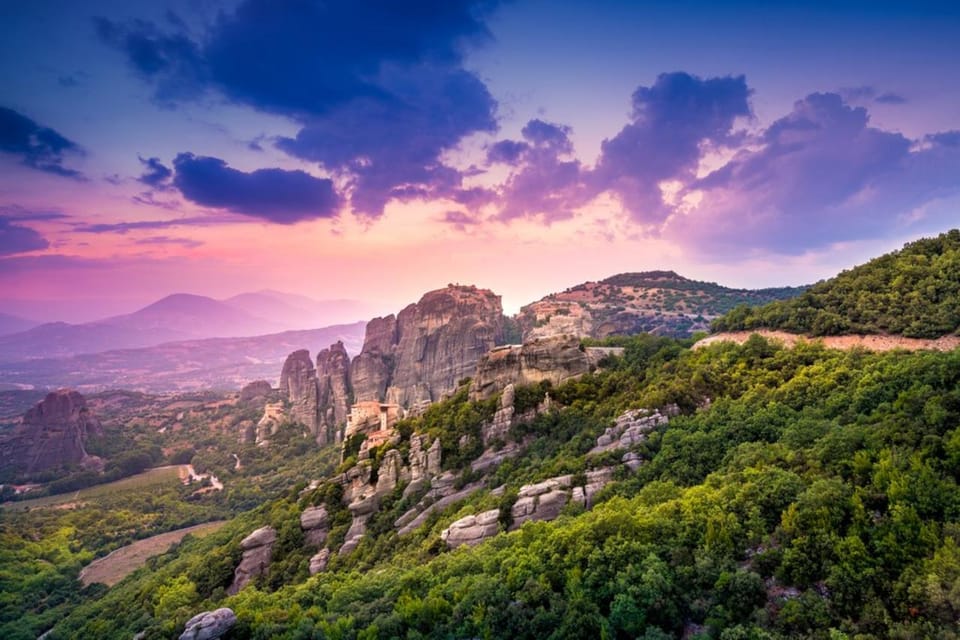
Meteora’s most moving sights are not only the famous monasteries perched on stone towers. This four-hour tour also takes you to St. Antonios Cave, where the first hermits arrived, and to the cave of St. George the Mandilas, giving you a clearer sense of how monastic life began here.
I like the small-group minibus format and the way the tour mixes religious sites with carefully chosen photo stops. I also like the strong guiding, especially with Jo(h)anna, whose background in archaeology helps connect geology, worship, and local history. The main consideration is that monastery entrance fees cost extra, and the walking portions make this a poor fit for wheelchair users or people with limited mobility.
In This Review
- Key points to know before booking
- Why the caves explain Meteora better than photographs do
- St. Antonios Cave and the first hermits
- St. George the Mandilas Cave and local devotion
- Three monasteries, three chances to see Meteora from different angles
- The Byzantine church built before the monks arrived
- The best photo stops are a real strength
- What the $41 price really covers
- Meeting point, timing, and physical demands
- Who will enjoy this Meteora tour most
- Should you book the Meteora Rocks and Religious Sites Tour?
- FAQ
- Where does the Meteora tour begin and end?
- How long does the experience last?
- What sites are included?
- Are monastery entrance fees included?
- What languages are available?
- What should I bring?
- Is the tour suitable for wheelchair users?
Key points to know before booking
- Four hours from Kalampaka Train Station: The tour starts and ends at the station, making it useful if you are arriving by train or bus.
- Three monasteries and several religious sites: You see the main monastic area, St. Antonios Cave, St. George the Mandilas Cave, and a Byzantine church.
- Jo(h)anna and driver Kostas: The guide and driver received especially warm praise for friendly service, historical detail, and well-timed photo stops.
- Strong value at $41: The price covers transport and guiding, but monastery entrance fees are separate.
- Small, air-conditioned minibus: You avoid the feel of a large coach and can spend more time looking out at the cliffs.
- Walking and modest clothing required: Wear good shoes, carry water, and dress respectfully for monastery visits.
Why the caves explain Meteora better than photographs do
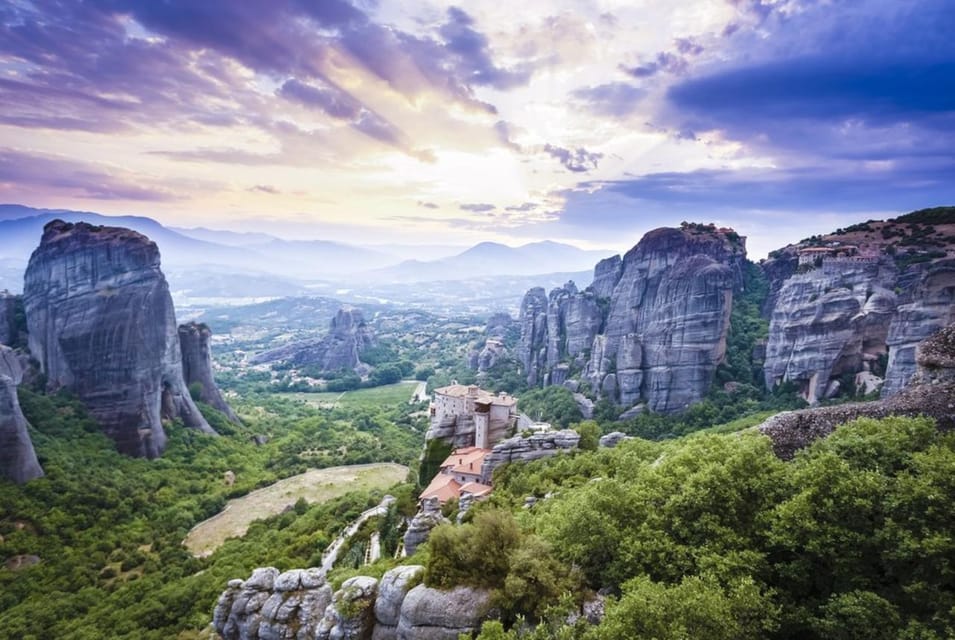
Meteora is famous for its monasteries, but the caves tell the earlier part of the story. Long before the buildings on the cliffs, hermits came here seeking quiet and isolation. St. Antonios is presented as one of the places linked with those first arrivals, while nearby caves hold abandoned hermitages from that early period.
That detail matters. From a roadside viewpoint, the monasteries can seem almost unreal, like buildings placed on top of stone pillars for dramatic effect. At the caves, you get a more human picture: people chose hard-to-reach shelters, lived simply, and slowly formed the religious tradition that made Meteora famous.
Your guide explains this roughly thousand-year story during the scenic drive and short walks. Jo(h)anna has been praised for bringing archaeology into the explanation, along with history and geology. That mix should help you understand not just what you are seeing, but why people used these cliffs in the first place.
The cave visits also add variety. If you only stop at monasteries, the day can become a sequence of courtyards, icons, and viewpoints. St. Antonios and St. George the Mandilas give the tour a rougher, older edge.
You can also read our reviews of more tours and experiences in Kalambaka.

St. Antonios Cave and the first hermits
The minibus leaves Kalampaka, also written as Kalabaka, and heads toward St. Antonios. The drive is part of the experience. You can sit in air-conditioned comfort while the guide points out the area and explains how the first hermits reached Meteora.
Do not expect a long underground expedition. The information describes a scenic drive and a visit, with walking included in the wider tour. You should be ready for uneven ground and short stretches on foot, rather than treating this as a vehicle-only outing.
St. Antonios is important because it shifts your attention from the grand monasteries to the earliest religious communities. The cave setting helps explain the appeal of a place that offered seclusion, difficult access, and natural shelter.
I find this kind of stop especially useful for first-time visitors. The famous monasteries are easy to admire, but without context you may not understand why anyone chose to live in such a demanding setting. Here, the story begins with individual hermits, not with monumental buildings.
St. George the Mandilas Cave and local devotion
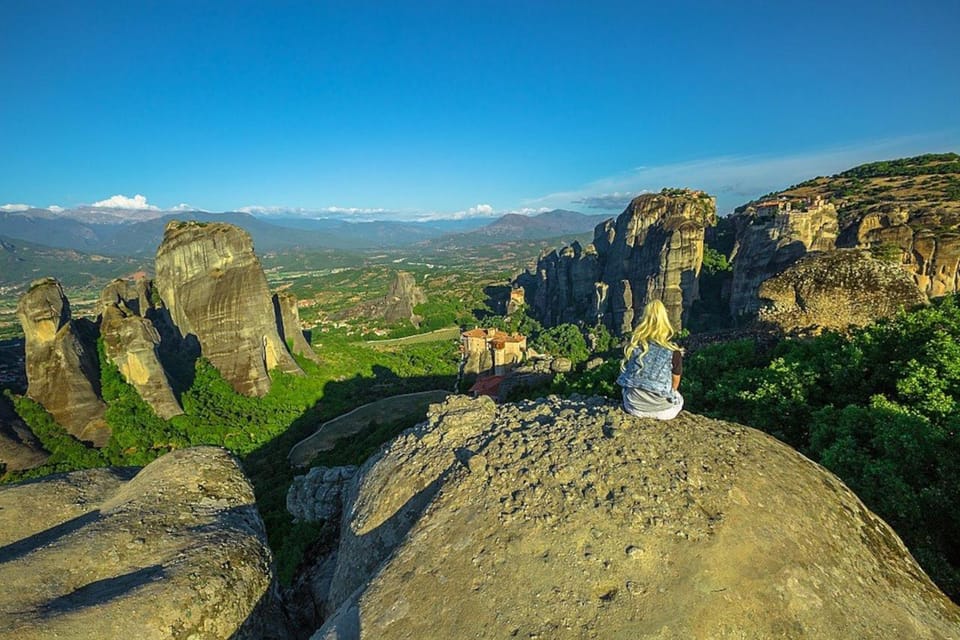
The next distinctive stop is a cave dedicated to St. George the Mandilas. It is a different kind of sight from the monasteries, and it gives the route a local devotional character.
The supplied information does not promise a long visit inside the cave, so plan on a short guided stop rather than a full cave tour. Bring a camera, but also listen closely. The value here is the connection between the physical site and the saint it honors.
This is one of the details that can get lost on a standard sightseeing drive. You see the enormous rocks, take a few pictures, and move on. A guide who explains why a particular cave matters turns a photo stop into part of the religious story.
Jo(h)anna’s archaeological training is useful here. The tour is not only about dates and names. It links the caves, the rock formations, and the way worship developed in the area. Her style has also been described as relaxed and friendly, which should make it easier to ask questions during a small-group trip.
Three monasteries, three chances to see Meteora from different angles
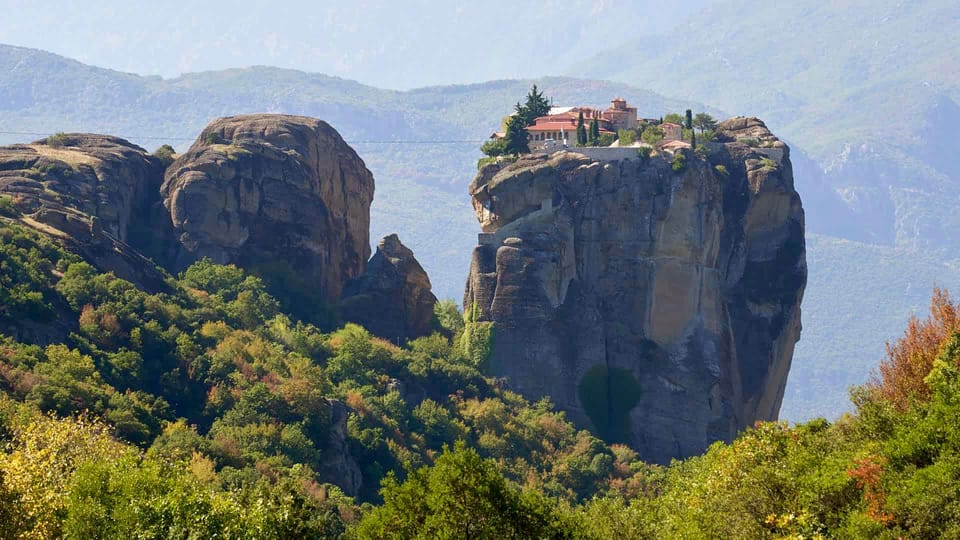
The tour continues to three Meteora monasteries. The exact monasteries are not named in the information provided, so you should not book this expecting a guaranteed visit to a particular building. You can expect stops at three local monasteries, time for photographs, and views of the religious sites from the surrounding roads and viewpoints.
That distinction matters because monastery entrance fees are not included in the $41 price. The tour includes the guided minibus, the visits and stops, and the explanations. If you want to go inside any monastery, carry money for the separate admission charges and allow for the possibility that some of your time will be spent outside taking photographs.
The main benefit of seeing three monasteries in four hours is range. You get a broader sense of Meteora’s monastic area instead of spending the entire outing at one site. You can compare the buildings, their positions on the rock towers, and the views across the surrounding countryside.
The tradeoff is time. Four hours is enough for a focused introduction, not a slow study of every chapel, icon, and museum display. If you want to linger inside each monastery, read every sign, or make a detailed religious pilgrimage, you will need more time than this tour provides.
For many people, that balance works well. You see the major visual story, hear the background, and leave room in your day for another activity in Kalampaka. The tour also removes the need to plan a route through the hills yourself.
The Byzantine church built before the monks arrived
One of the most unusual details is the Byzantine church dedicated to the Virgin Mary. It was built 300 years before the first monks arrived in Meteora, which gives the site a much older religious timeline than the monastic caves.
That makes this stop more than another church visit. It shows that the area already had a spiritual past before the hermits established their remote shelters. Your guide can place the church within the wider story, helping you see how local worship changed over time.
The visit is included, but the information does not give a precise length of stay or list specific interior features. Think of it as a focused historical stop rather than a full architectural tour. If you are interested in Byzantine religious sites, it may be one of the most valuable parts of the route because it reaches further back than the monastery buildings.
The best photo stops are a real strength
Meteora is one of those places where the view changes quickly. A monastery that looks small from one bend in the road can suddenly fill the frame from the next. The tour uses the minibus to reach several viewpoints, and the guide and driver are praised for knowing where to stop for strong photographs.
This is not a minor perk. A private car gives you freedom, but it also leaves you to guess where to pull over. On a guided route, Jo(h)anna can point out the better angles while Kostas handles the driving. The small minibus should also feel less cumbersome than a full-size coach on a road with frequent scenic stops.
You will want your camera ready, especially if the weather shifts. One account describes snow turning the cliffs into a storybook scene, while summer visits offer a different look and brighter conditions. The tour runs in changing weather, so dress for the forecast and bring water.
A practical note: do not spend every stop taking pictures immediately. First listen to the explanation, then take your photographs. The meaning of the caves and monasteries will make the images more memorable.
What the $41 price really covers
At $41 per person, this is an inexpensive way to see Meteora with a guide. The price includes a four-hour guided minibus tour, an air-conditioned vehicle, the scenic drive to St. Antonios, three monastery stops, the St. George the Mandilas Cave, and the Byzantine church.
It does not include monastery entrance fees. That is the main extra cost to remember. Since the tour description combines monastery visits with photo stops, clarify at booking how much time is planned for entering each monastery and which admissions you may want to pay separately.
The value is strongest if you are staying in Kalampaka for a short time, arriving without a car, or would rather not work out the roads and viewpoints yourself. It is also good value if you want an introduction that adds the caves and early hermits, not just the postcard views.
The price is less attractive if you want a long, slow visit inside every monastery. In that case, a longer excursion or a more focused private arrangement may suit you better. This tour is built around variety, transport, guiding, and scenery.
Meeting point, timing, and physical demands
You meet outside Kalampaka Train Station and return there at the end. That is convenient for people using rail or connecting with local transport, but arrive with enough time to locate the exact pickup area outside the station.
The duration is four hours, with starting times depending on availability. That makes it a useful half-day plan. You can fit it around a morning arrival or another activity later, though you should leave some breathing room for delays if your transport connection is tight.
Comfortable shoes are essential. The experience includes walking and sightseeing around caves, churches, and monastery areas. The tour is not suitable for wheelchair users or people with mobility impairments, and the provided information does not suggest step-free access.
Monasteries may require modest clothing. Wear clothes that cover shoulders and knees, or carry an extra layer so you are prepared. Water is also worth bringing, since the route includes outdoor stops and walking.
Who will enjoy this Meteora tour most
I would choose this tour if you want a clear introduction to Meteora in half a day. It suits first-time visitors, photographers who want help finding good viewpoints, and anyone without a car.
It is also a good match for history and archaeology fans. The combination of caves, hermit life, the older Byzantine church, and three monasteries gives you a useful sequence: early worship, isolated hermits, organized monastic life, and the famous buildings you came to see.
Families with older children may appreciate the short format and minibus ride, although the walking surfaces and religious setting may not suit very young children. People seeking a quiet spiritual visit should note that this is a guided sightseeing tour, not a retreat. You will move between several locations within a fixed four-hour schedule.
I would be more cautious if you have limited mobility, need wheelchair access, or want to spend a long time inside one particular monastery. The tour’s strength is coverage, not extended time at a single site.
Should you book the Meteora Rocks and Religious Sites Tour?
Book it if you want a compact, well-priced introduction to Meteora with more substance than a simple viewpoint drive. The caves and Byzantine church give the route a strong sense of place, while the three monastery stops and photo points cover the sights most people hope to see.
The guide is a major part of the value. Jo(h)anna brings archaeology, history, geology, and local detail into the story, and driver Kostas helps keep the route comfortable and well timed. You should also appreciate the small group atmosphere, since the minibus avoids the distraction of a large crowd.
Skip it if you need wheelchair access, dislike walking, or want guaranteed extended entry time at named monasteries. Also budget separately for monastery admission. For everyone else, $41 buys a practical half-day outing that reaches beyond the usual postcard view and explains why Meteora became a place of worship.
FAQ
Where does the Meteora tour begin and end?
It begins outside Kalampaka Train Station and returns to the train station in Kalampaka after the four-hour tour.
How long does the experience last?
The tour lasts four hours. Available starting times can vary, so check the schedule when booking.
What sites are included?
The tour includes St. Antonios Cave, St. George the Mandilas Cave, three Meteora monasteries, and a Byzantine church dedicated to the Virgin Mary.
Are monastery entrance fees included?
No. Monastery entrance fees are not included in the tour price.
What languages are available?
The live tour guide is available in English and Greek.
What should I bring?
Bring comfortable walking shoes, water, and a camera. Dress for the weather and wear modest clothing suitable for monastery visits.
Is the tour suitable for wheelchair users?
No. The experience is not suitable for wheelchair users or people with mobility impairments.