REVIEW · CHALKIO
Naxos: Countryside hike among villages & Byzantine churches
Book on GetYourGuide →Operated by Trekking Hellas Naxos · Bookable on GetYourGuide
Naxos’ best countryside experience may be the walk between villages, where old stone paths lead past olive groves, Byzantine churches, and small rural communities. The highlight is Panagia Drosiani, a sixth-century church with rare frescoes and a place in the early Christian story of the island.
I like the mix of nature and local life, especially the old olive press and folklore museum. I also like the small group limit of 12, which gives guides such as Nick and David room to explain Naxian customs, plants, and village history. The main consideration is fitness: this is a real hike of roughly 5.5 miles, with uneven paths, and it is not suited to children under 12, people with mobility limits, low fitness, or those over 70.
In This Review
- Key points to know before booking
- Starting in Halki, the right kind of Naxos village
- Following old paths through Tragea Valley
- Panagia Drosiani and Naxos’ early Christian past
- A break in Moni, then the smaller villages
- Inside the old olive press
- Kaloxylos folklore museum and a step back in time
- Kitron, Naxos’ citrus liqueur
- The optional taverna meal under the grapevine
- What the $94 price really buys
- Who should book this Naxos hike
- Should you book it?
- FAQ
- Where does the Naxos countryside hike begin?
- How long does the hike last?
- How far is the walk?
- Which villages does the route visit?
- What is Panagia Drosiani?
- Are museum and distillery admissions included?
- Is lunch included?
- Is hotel pickup available?
- What languages are available?
- Can I cancel the booking?
Key points to know before booking
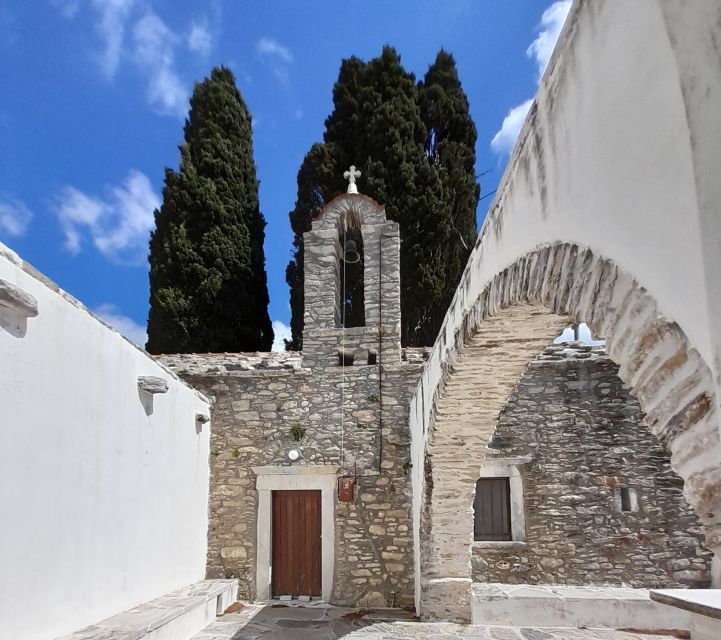
- Panagia Drosiani dates from the sixth century AD: This is one of Naxos’ most important Christian monuments, not simply a quick photo stop.
- Five villages are linked by old paths: You walk through Halki, Moni, Kaloxylos, Akadimoi, and nearby village areas rather than viewing rural Naxos from a bus window.
- The old olive press adds real local context: You see how oil was produced a century ago, then have the chance to taste olive oil.
- The final Kitron stop is distinctly Naxian: The local distillery produces Kitron, a citrus-based liqueur made on the island.
- Lunch is optional: The tour includes a snack, while the traditional taverna meal under a grapevine costs extra.
- Bring at least 1.5 liters of water: You need hiking shoes, sun protection, comfortable clothes, and a daypack for the long walk.
Starting in Halki, the right kind of Naxos village
Your meeting point is outside Panagia Protothronos church on the main road through Chalkio, also commonly written as Halki. This central village is a fine place to begin because its neoclassical buildings give you a quick sense of Naxos’ more refined village architecture before the route turns rural.
If you add hotel transport, you can wait outside your accommodation five minutes before the scheduled pickup. The exact time is sent the day before. If you make your own way to Halki, check the final meeting details in your email, since the operator sends more precise instructions before the walk.
The tour lasts between 4.5 and 6 hours. That broad timing matters. A guided walk through five villages cannot be timed as tightly as a simple point-to-point hike, especially when church visits, museum stops, breaks, and tastings are involved.
The small group limit is 12 people. That is a useful size for narrow paths and quiet village spaces, and it allows you to hear the guide without needing to cluster around a large flag. English, Greek, and Russian are offered.
Following old paths through Tragea Valley
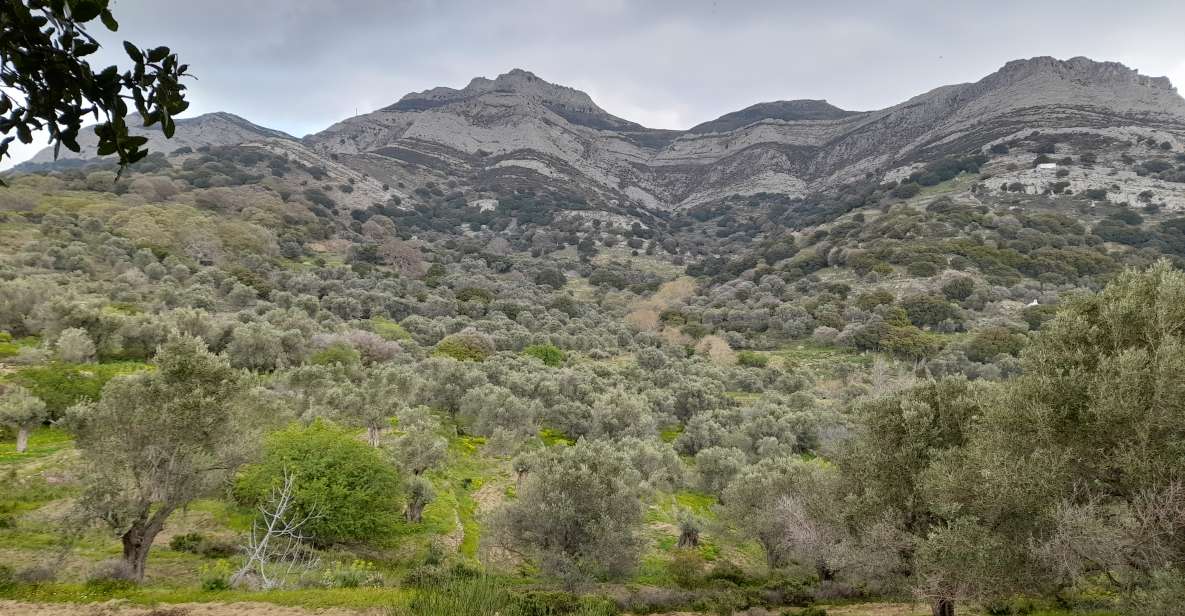
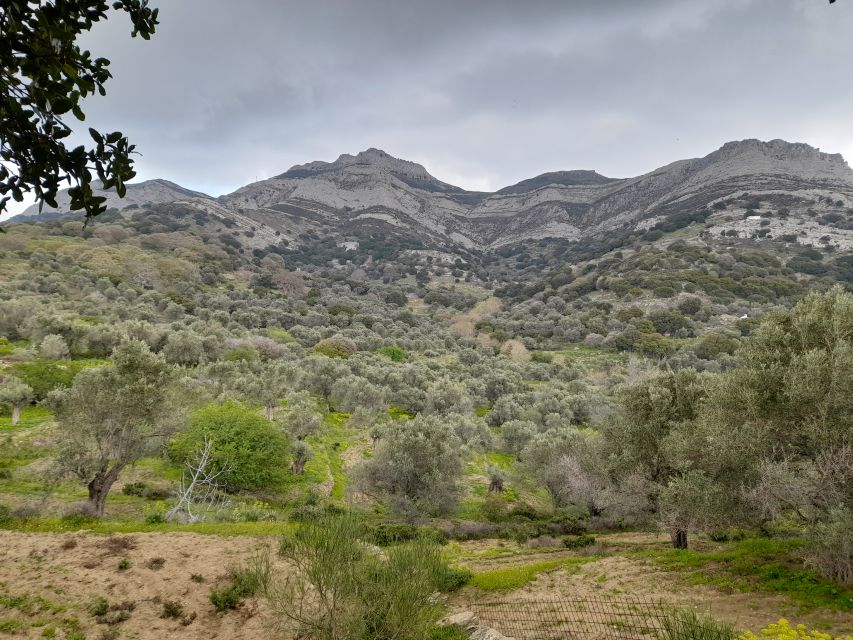
From Halki, the route heads into Tragea Valley, a green central part of Naxos marked by olive, fig, and citrus groves. You follow dirt trails, stone-paved sections, a wooded ravine, and paths shaded by oak and plane trees.
This is the part of the day that gives the hike its character. You are not simply walking from one attraction to the next. The route shows how the villages connect and how agriculture shapes the interior of the island.
The scenery is gentler than the bare mountain views many people expect from the Cyclades. You might see wild herbs along the path, with groves and trees providing welcome changes in color and shade. The route can still feel exposed in sunny weather, so sunscreen, sunglasses, and water are essential.
Wear proper hiking shoes. One account of the walk puts the distance at about 5.5 miles, and even a moderate route becomes tiring when it includes uneven ground, dirt trails, and old paving. You do not need to be an athlete, but you should be comfortable walking for several hours.
Guides build in breaks, including a stop in Moni under the trees. The included snack helps, but it is not a replacement for breakfast or a packed supply of water. Bring your own bottle, with at least 1.5 liters recommended.
Panagia Drosiani and Naxos’ early Christian past
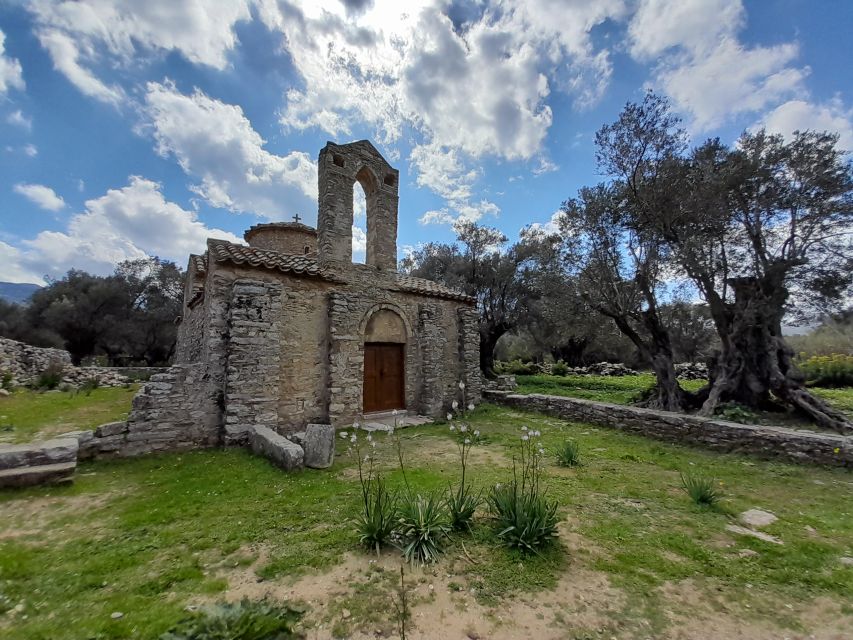
The route reaches Panagia Drosiani after passing through the valley’s groves and church-dotted countryside. Dating to the sixth century AD, it is regarded as one of the oldest churches in the Balkans and one of Naxos’ most important Christian monuments.
The church is valuable because it gives the walk a serious cultural center. You are seeing a building tied to the early Christian period, not just a pretty white chapel placed in a scenic setting.
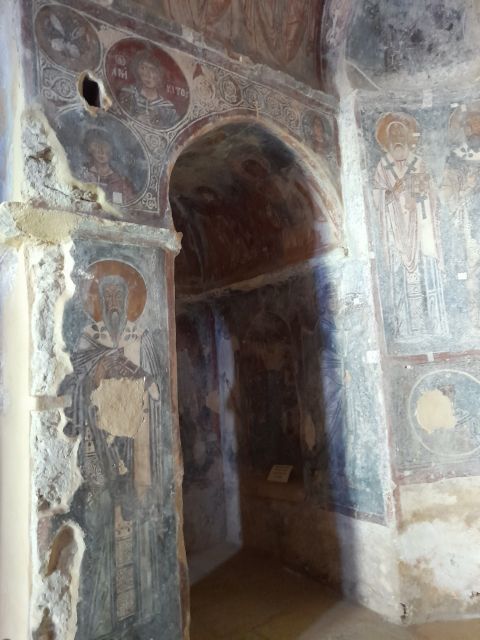
The Byzantine churches around Tragea differ in design and date. Some include notable frescoes. Their variety makes the route more interesting than a single monument visit, since you can compare different periods and architectural approaches as you move between villages.
Access and opening conditions can affect how much you see inside. The supplied details do not promise a full interior visit at every church, so you should treat the route as a combination of outdoor walking, church viewing, and scheduled cultural stops rather than a formal church tour.
A break in Moni, then the smaller villages
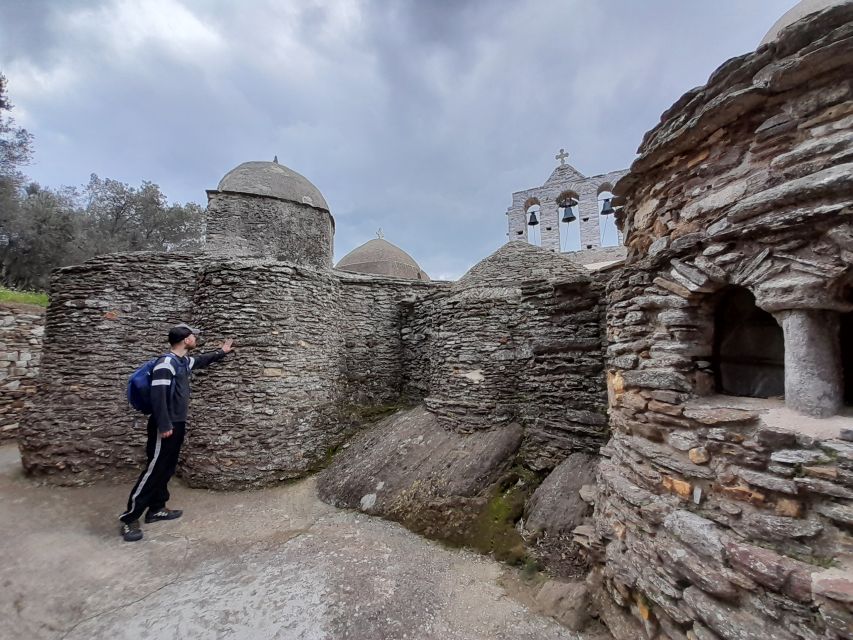
About halfway through the hike, you reach Moni. The planned pause under the trees is practical as well as pleasant, giving you time to rest before the next section.
After Moni, the route continues toward Kaloxylos and Akadimoi. These smaller villages feel more intimate than the starting point in Halki. The appeal is not a list of grand sights, but the chance to see traditional settlements connected by paths that still make sense on foot.
One particularly memorable detail from the day can be local work in progress. A weaving demonstration may form part of the cultural experience, giving you a look at handwork rather than a display behind glass. Because this is a village visit and not a guaranteed scheduled demonstration in the supplied details, consider it a possible extra rather than a fixed stop.
The guide helps turn these villages into more than scenery. Nick, one of the guides associated with the experience, has been praised for explaining Naxian history, customs, animals, plants, and everyday life in a relaxed way. David has also been singled out for clear explanations about the island. Guide assignments can change, but the small group format should keep the conversation personal.
Inside the old olive press
At the old olive press factory near Kaloxylos and Akadimoi, you get a look at how olive oil was made about a century ago. The building’s atmosphere and machinery connect the valley’s olive groves with the work that once supported village households.
This stop earns its place because it explains something you have been seeing all morning. The trees are not just attractive background. They are part of Naxos’ food culture and rural economy.
An olive oil tasting is also part of the experience described by previous participants, and it is one of the strongest food moments of the day. You can expect the tasting to make more sense after walking among the groves and seeing the equipment used in production.
The factory is an old working space, not a polished modern attraction. That is part of its appeal, but it may not suit you if you want a fast, highly staged tour with elaborate displays. The value is in the setting and explanation.
Entrance to the olive press is included. The tour also includes entry to the folklore museum and the local distillery, which makes the $94 price easier to assess as a full half-day package rather than just a guided walk.
Kaloxylos folklore museum and a step back in time
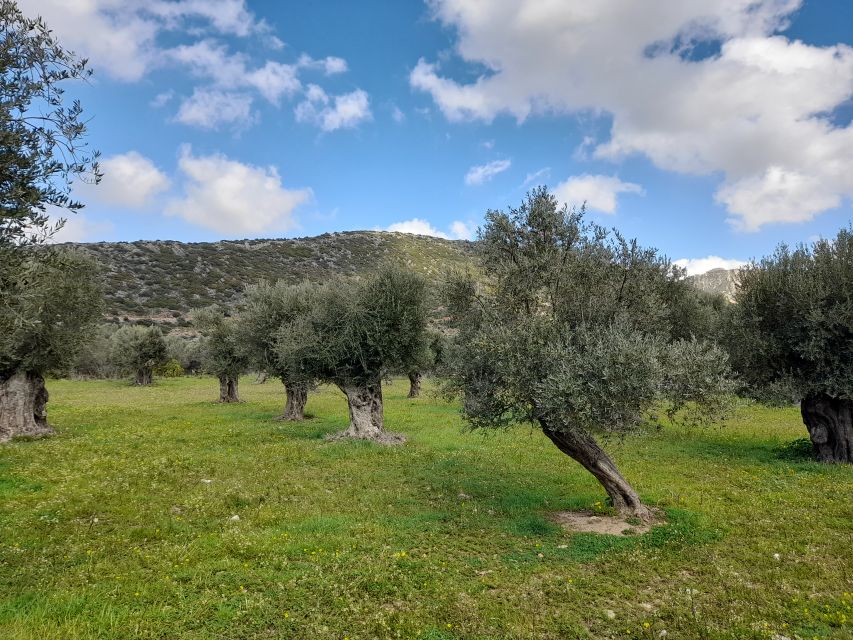
In the center of Kaloxylos, the folklore museum adds another layer to the village experience. Its collections offer a look at objects and habits from an earlier period of Naxian life.
A good small museum does not need a large collection to be useful. Here, the point is to connect domestic objects and local customs with the buildings and paths you have already seen. The stop helps you picture how people lived and worked before modern tourism became central to the island economy.
Allow yourself time to look closely and listen to the guide. The museum is a quieter stop than the walk and the distillery, and it may be especially worthwhile if you want more than outdoor views from your Naxos visit.
The exact display details can change, and the supplied information does not list every object. What is clear is that entry is included and the museum forms part of the cultural route through the village.
Kitron, Naxos’ citrus liqueur
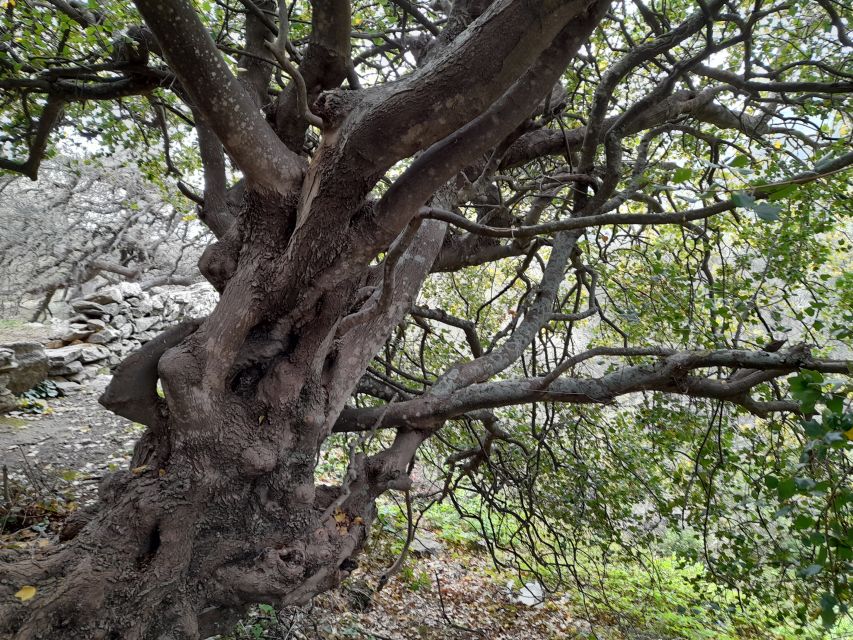
Near the end of the hike, you visit a local distillery producing Kitron. This citrus-based liqueur is one of Naxos’ signature drinks, and the stop gives the day a fitting taste of the island.
The distillery visit is included. It is also a welcome change of pace after several hours on foot, especially if you enjoy learning how local products are made rather than simply buying them in a shop.
The mood is meant to be social, with a toast to the day and new friends. Keep in mind that this is an alcohol-focused stop, so it may not appeal to everyone. The tour description does not promise a nonalcoholic tasting alternative, so ask the operator in advance if that matters to you.
The optional taverna meal under the grapevine
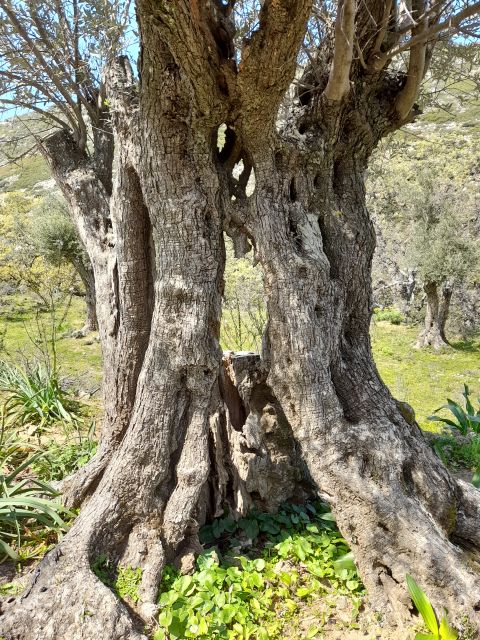
The hike can finish with a traditional meal at a taverna beneath a climbing grapevine. This meal is optional and not part of the base inclusions, so check the booking price before you commit.
I would strongly consider adding it if you want the day to end slowly. A sit-down meal gives you time to ask the guide questions, talk with the group, and enjoy a more complete rural Naxos experience after the walking and tastings.
The meal is not required for the tour to work. If you have a late dinner planned, a dietary restriction, or a limited budget, you can finish without it. The included snack covers a small break during the route, but it does not replace lunch.
What the $94 price really buys
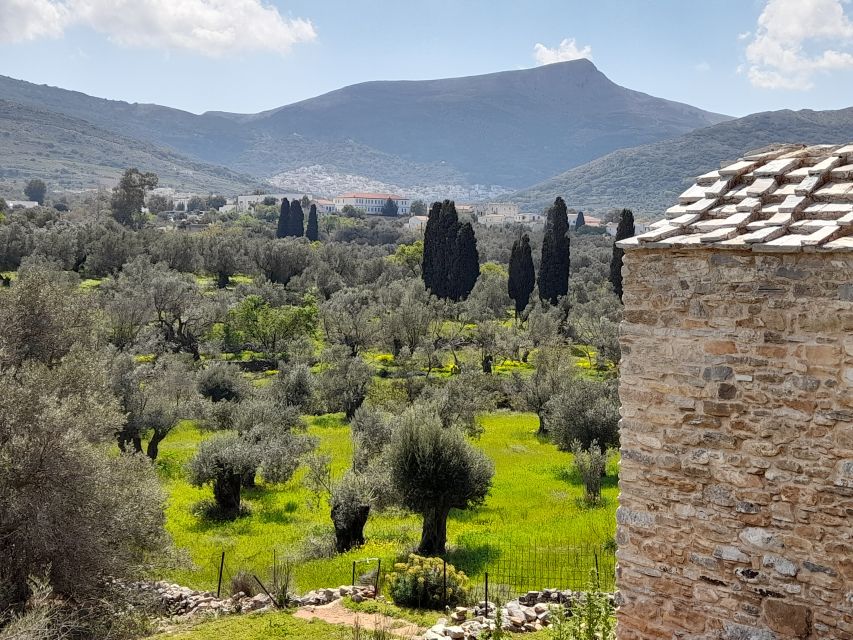
At $94 per person, this is not the cheapest way to spend half a day on Naxos. You are paying for a guide, a small group, entrance to three local sites, a snack, first aid supplies, equipment, taxes, and liability insurance. Local transportation is optional and can be added during booking, so confirm the final total if you need pickup.
The strongest value comes from the range of stops. A simple countryside walk would cost less, but it would not necessarily include access to the olive press, folklore museum, and distillery, or provide context at the Byzantine churches.
The meal is extra, as is transportation if selected. That keeps the base price more flexible, but it means you need to compare the final booking total with your budget rather than relying only on the headline figure.
The free cancellation policy allows cancellation up to 24 hours ahead for a full refund, and you can reserve now and pay later. Those terms are useful when your Naxos plans depend on ferry schedules or changing weather, but the route still requires you to check your email the day before for meeting or pickup details.
Who should book this Naxos hike
This is a strong choice if you want to see the island beyond Chora, the port, and the beaches. It suits you if you like walking, village architecture, food traditions, old buildings, and guide-led storytelling in equal measure.
It is also a good option for a day when coastal activities are uncertain. One participant changed from a kayaking plan because of unstable sea conditions and found this inland route a worthwhile alternative. That does not make the hike a substitute for kayaking, but it does show why a countryside plan can be useful on Naxos.
You should skip it if you have limited walking ability, a low fitness level, or trouble on uneven ground. Children under 12 are not accepted, and the experience is not considered suitable for people over 70.
Pack:
- Hiking shoes with solid grip
- At least 1.5 liters of water
- Sunscreen and sunglasses
- Comfortable clothing
- A daypack
- A personal water bottle, since the operator is working to avoid disposable plastic bottles
Should you book it?
Book this tour if you want a fuller picture of Naxos and do not mind giving most of a day to a steady walk. The best parts are the sixth-century Panagia Drosiani, the old paths between villages, the olive press, and the chance to hear local context from guides such as Nick or David.
The main tradeoff is pace. You will not spend the morning rushing between headline sights, and the route can last six hours. At $94, the outing makes the most sense when you value a small group, included admissions, and local food culture. Add the taverna meal if you want a relaxed finish, or leave it out if you prefer to control the cost.
FAQ
Where does the Naxos countryside hike begin?
You meet the guide outside Panagia Protothronos church on the main road in Chalkio, also known as Halki.
How long does the hike last?
The activity lasts between 4.5 and 6 hours, depending on the exact schedule and pace of the day.
How far is the walk?
A participant described the route as about 5.5 miles. Expect several hours of walking on dirt trails, stone-paved paths, and uneven ground.
Which villages does the route visit?
The hike begins and ends in Halki and passes through Moni, Kaloxylos, Akadimoi, and nearby village areas along the Tragea Valley route.
What is Panagia Drosiani?
Panagia Drosiani is a Byzantine church dating from the sixth century AD. It is regarded as one of Naxos’ most important Christian monuments and one of the oldest churches in the Balkans.
Are museum and distillery admissions included?
Yes. Entrance to the local distillery, folklore museum, and old olive press factory is included in the tour price.
Is lunch included?
No. A traditional meal at a local taverna is optional and costs extra. A snack is included during the hike.
Is hotel pickup available?
Yes. Local transportation and hotel pickup can be added during the booking process. The exact pickup time is sent by email the day before the tour.
What languages are available?
The live guides speak English, Greek, or Russian.
Can I cancel the booking?
You can cancel up to 24 hours in advance for a full refund. The tour also offers reserve now and pay later booking.