REVIEW · NAFPLIO
Complete Peloponnese – Delphi Meteora(4 days-3 nights)
Book on GetYourGuide →Operated by DI TRAVEL · Bookable on GetYourGuide
The real appeal here is the sheer sweep of the route. In four days, you move from the Corinth Canal and Bronze Age Mycenae to Olympia, Delphi, and the cliff-top monasteries of Meteora. A private vehicle keeps the trip flexible, and guide Demetri can shape the commentary around your interests rather than delivering the same speech to everyone.
I especially like two things: the chance to see four of Greece’s major ancient sites without arranging a string of separate transfers, and the overnight stops in Nafplio, Galaxidi, and Kalambaka. The drawback is the pace. This is a lot of Greece in four days, with long road sections and several days that begin early.
In This Review
- Key points at a glance
- What this four-day route really covers
- Day 1: Corinth Canal, Ancient Corinth, Epidaurus, and Mycenae
- Day 2: Ancient Olympia and a night in Galaxidi
- Day 3: Delphi, Arachova, Thermopylae, and Kalambaka
- Day 4: Meteora monasteries and the return journey
- Why the private guide can change the experience
- Price, inclusions, and the real value
- Who should book this trip?
- Should you book the Complete Peloponnese tour?
- FAQ
- How long is the tour?
- Where can pickup and drop-off take place?
- Is this a private group tour?
- Is transportation included?
- Are entrance tickets included?
- Is accommodation included?
- Are meals included?
- Which places are visited?
- Which Meteora monasteries might I visit?
- Is the tour suitable for wheelchair users?
Key points at a glance
- A private four-day route: Travel by sedan, minivan, or minibus, depending on group size, with pickup in Athens or Piraeus.
- Ancient sites with professional guides: Guided visits are provided at Corinth, Olympia, Delphi, and Meteora, with other stops included along the way.
- Theater, fortress, and mountain towns: Epidaurus, Palamidi Fortress, Nafplio, Galaxidi, Arachova, and Thermopylae break up the archaeological visits.
- A sunset stop above Meteora: The evening viewpoint gives you a first look at the monasteries before the next day’s guided visit.
- Important extra costs: Hotels, meals, drinks, and entrance tickets are not included unless added during booking.
- Best for active sightseers: You should be comfortable walking on paved and uneven ground and spending substantial time on the road.
What this four-day route really covers
This is not a gentle sampler of a single Greek region. It is a point-to-point journey from Athens across the Peloponnese and northward to central Greece. You see ancient sanctuaries, fortress towns, mountain villages, and one of the country’s most dramatic religious sites.
The private format matters. Your group can be as small as one or two people in a sedan, with larger vehicles used for bigger parties. The vehicle includes WiFi, water or a soft drink, phone chargers, baby seats, and wheelchair support. Pickup and return are available from central hotels in Athens or Piraeus, as well as Athens International Airport and a cruise terminal.
That convenience is valuable, but the route still asks for stamina. You will spend hours in the vehicle and walk through several archaeological areas. Comfortable shoes are not a throwaway suggestion here.
You can also read our reviews of more tours and experiences in Nafplio.

Day 1: Corinth Canal, Ancient Corinth, Epidaurus, and Mycenae
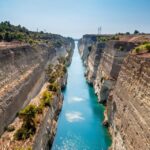
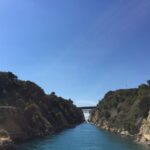
The Corinth Canal is a quick but memorable first stop. It is an artificial waterway linking the Corinthian Gulf with the Saronic Gulf, cut through the narrow land bridge connecting the mainland and Peloponnese. From the viewing area, you get a clear sense of the engineering challenge and the steep sides of the canal.
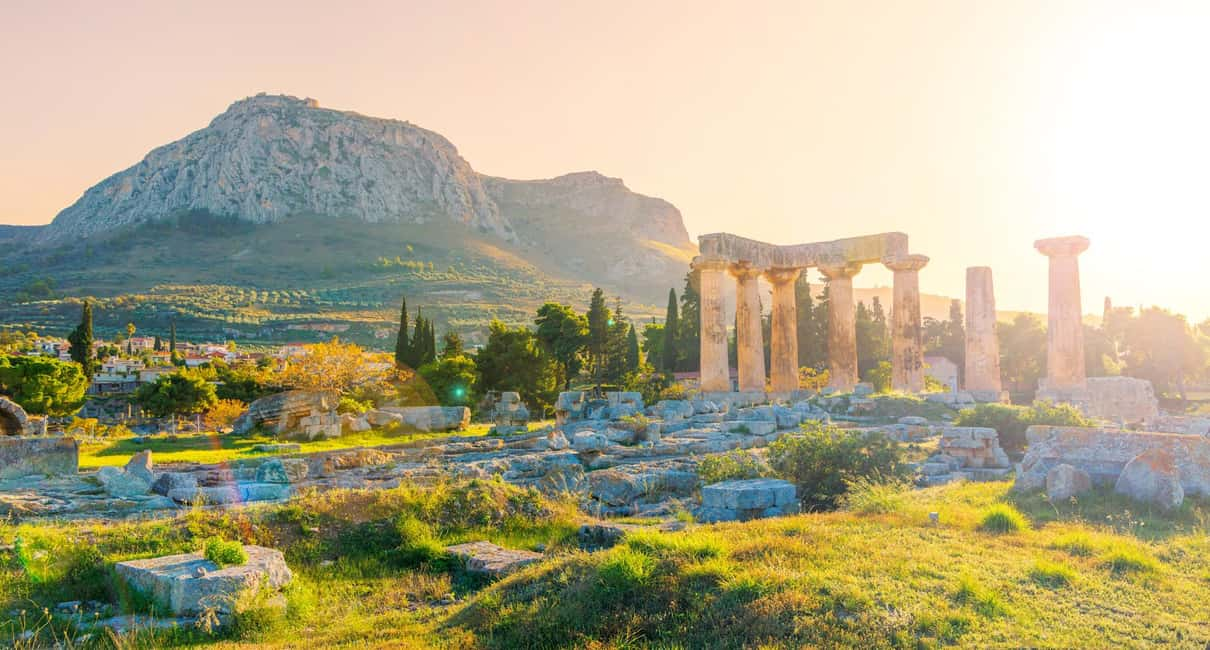
Ancient Corinth gives the day more historical weight. Its location helped make it one of antiquity’s important city-states, and the site had been inhabited since the Neolithic era. The stop is useful early in the journey because it introduces the strategic importance of this part of Greece: fertile land and control of movement between two seas.
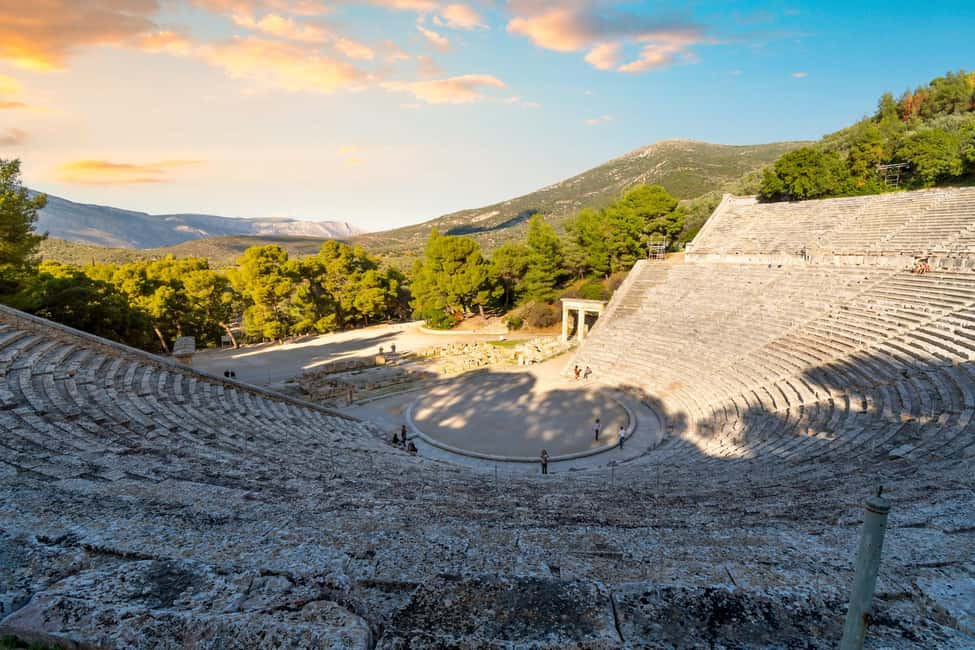
Next comes Epidaurus, home to the famous ancient theater. Its reputation rests on its acoustics, and the theater remains associated with the annual Ancient Drama Festival, which brings Greek and international performers and directors to the site. The theater is the main draw, but the setting also helps you understand why this was more than an entertainment venue in the ancient world.
You will need to keep moving on this first day. Corinth, Epidaurus, and Mycenae are not small stops that you can casually fit between lunch and a photo break. The benefit is a powerful succession of places. The cost is that you will have less time to wander on your own.
Mycenae takes you farther back, to the period between 1600 and 1100 BC. This was a fortified military center, famous for the massive walls later called Cyclopean because people once believed only giants could have placed the stones. Mycenae is especially rewarding if you like the very early layers of Greek history, before the classical age of Athens and Delphi.
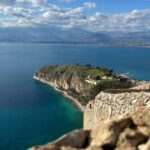
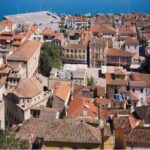
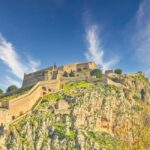
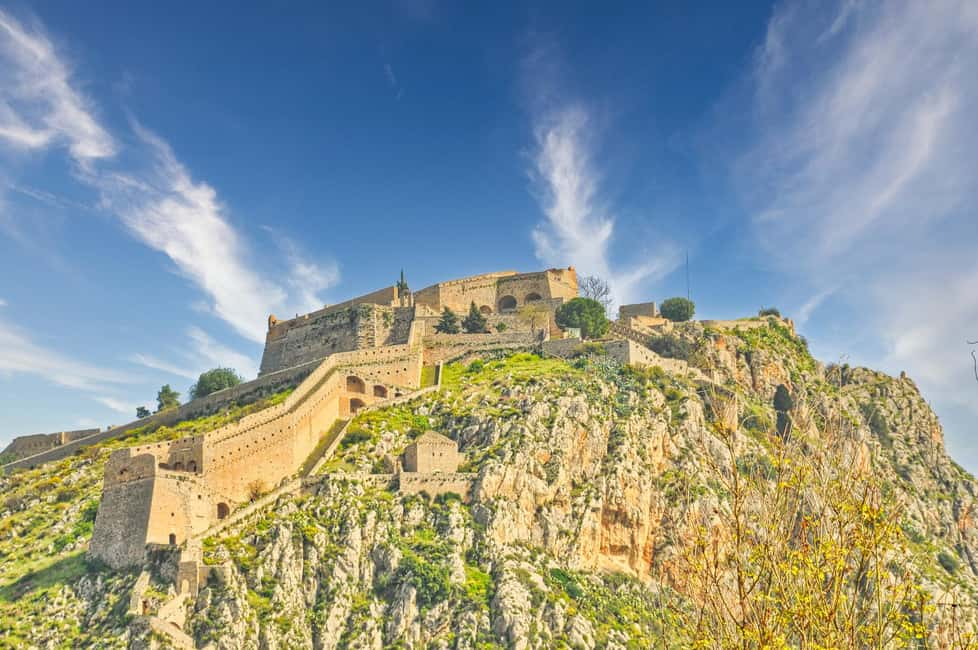
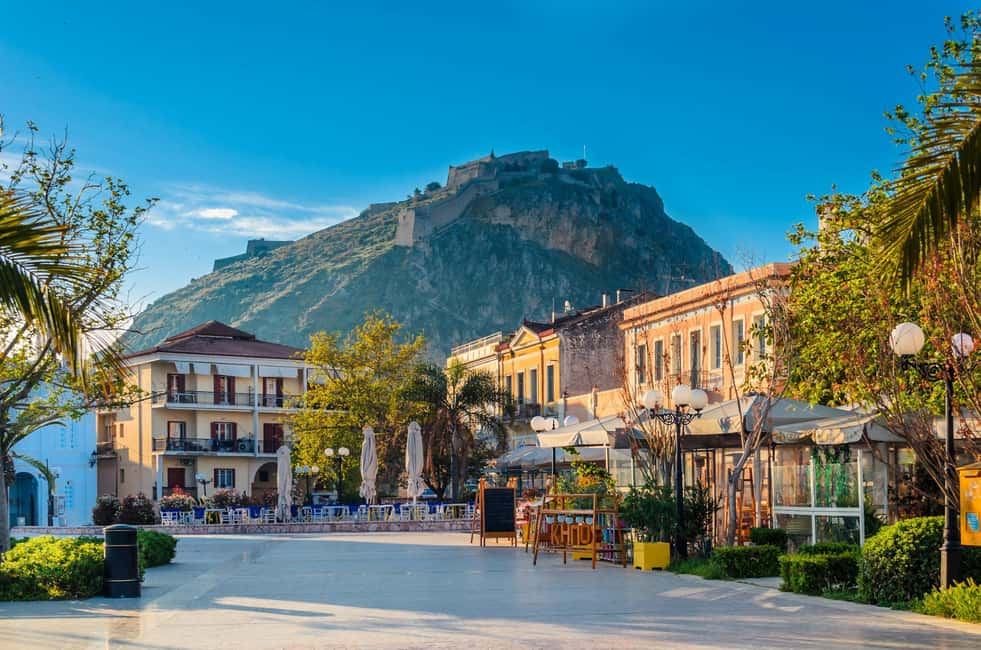
The final stop is Palamidi Fortress above Nafplio. Built by the Venetians in 1687, it gives you broad views over Nafplio and the surrounding area. Nafplio is your base for the night, which is a smart choice: after a demanding first day, you are not simply stopping at a highway hotel. You get an evening in one of the Peloponnese’s most attractive towns.
Ask about the exact walking plan at Palamidi. The site involves uneven terrain and access conditions can matter. The tour can bring you close to points of interest, but it is not designed for someone who cannot manage any walking.
Day 2: Ancient Olympia and a night in Galaxidi
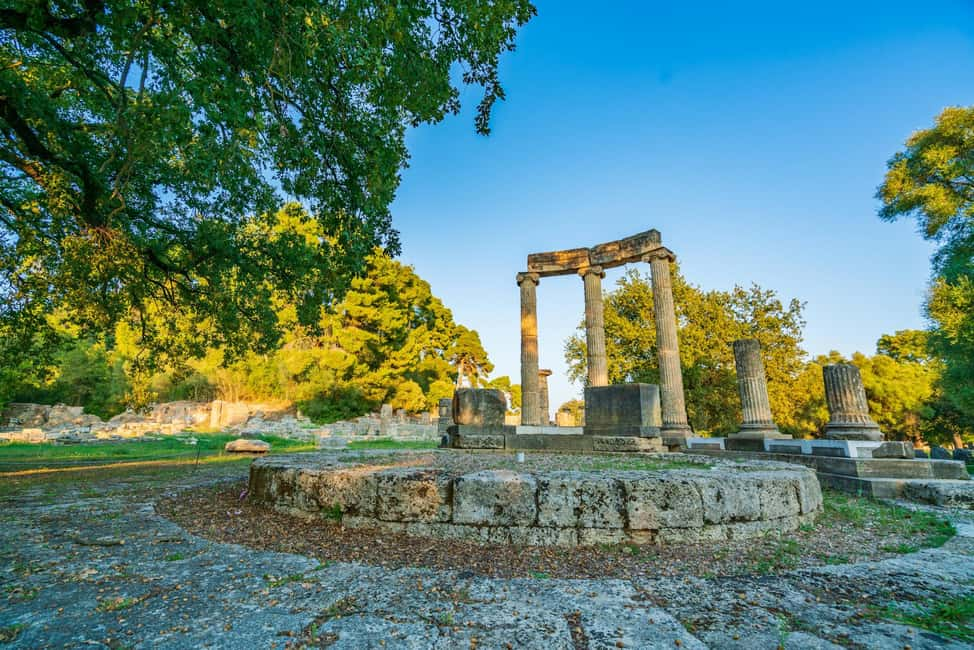
Ancient Olympia is the main event on day two. This sanctuary was dedicated to Zeus and became the setting for the ancient Olympic Games. A professional guide leads you through the site, including the Temple of Zeus, the Heraion, and the stadium.
The museum adds important detail to the ruins. Its collection includes Praxiteles’ Hermes and the pediments from the Temple of Zeus, along with other works that help you picture the buildings as more than scattered stone. The guided visit is particularly useful here because Olympia has several layers of meaning: religious, athletic, artistic, and political.
I would give Olympia your full attention rather than treating it as a quick stop for photographs. The stadium is easy to picture, but the sanctuary’s wider layout takes explanation. A guide can connect the temples, sculptures, and sporting tradition in a way that a short solo visit may not.
The route then continues to Galaxidi, where you stay for the rest of the day. This is one of the tour’s nicer changes of pace. After the large archaeological complex at Olympia, Galaxidi offers a smaller seaside town setting and a place to rest before Delphi.
The schedule does not spell out a detailed guided walking tour of Galaxidi, so think of it primarily as an overnight stop rather than a full sightseeing program. That may disappoint you if you want long, unstructured time in each town. It works well if you prefer a practical base and a quieter evening.
Day 3: Delphi, Arachova, Thermopylae, and Kalambaka
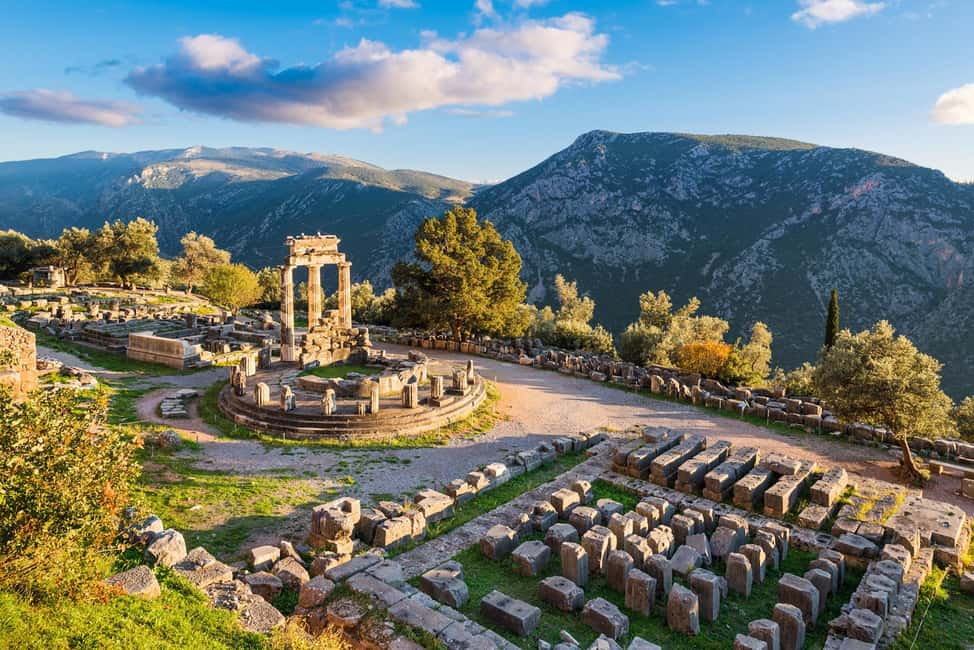
Day three starts early, and it needs to. Delphi is one of the most important sites on the route, with both an archaeological area and a museum to visit.
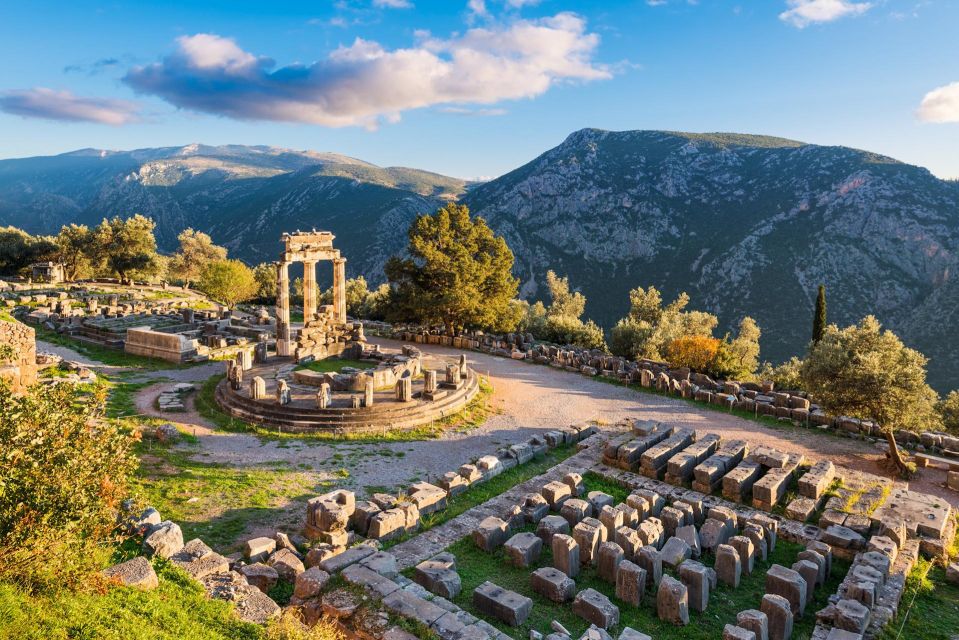
Ancient Greeks believed Delphi was at the center of the earth. The sanctuary was dedicated to Apollo and was home to the Oracle, where Pythia delivered prophecies after ritual preparations. Your guided visit includes the Temple of Apollo, the Athenian Treasury, and the Tholos of Athena Pronaia.
The Castalia Spring is another meaningful stop. Pythia, priests, and visitors used it for cleansing before entering the sacred world of Delphi. Details like this give the site a human scale. You are not just looking at columns and foundations; you are tracing the actions people took before consulting the oracle.
The archaeological museum holds the Charioteer of Delphi, one of the best-known works connected with the site. Seeing the museum after walking among the ruins is important because the sculpture and architectural pieces help fill in what time has removed.
Delphi also requires good footwear. You should expect paved paths in places, but the overall visit includes uneven ground and some walking between viewpoints and buildings. If mobility is limited, the guide will approach points of interest as closely as possible, and the tour is described as wheelchair accessible, but the ancient sites themselves cannot be made fully level.
After Delphi, you stop in Arachova. This mountain village is suited to a short stroll through narrow streets and a break for local products. The schedule specifically encourages you to try traditional foods from the area. It is a welcome pause after the archaeological site, though you should not expect hours of free time unless the day’s timing allows it.
Thermopylae follows before the drive to Kalambaka. The name is tied to the famous ancient battle, and the stop gives the route another historical marker between Delphi and Meteora. The supplied plan does not specify a guided museum visit or a long stay there, so treat it as a meaningful roadside stop rather than a full half-day attraction.
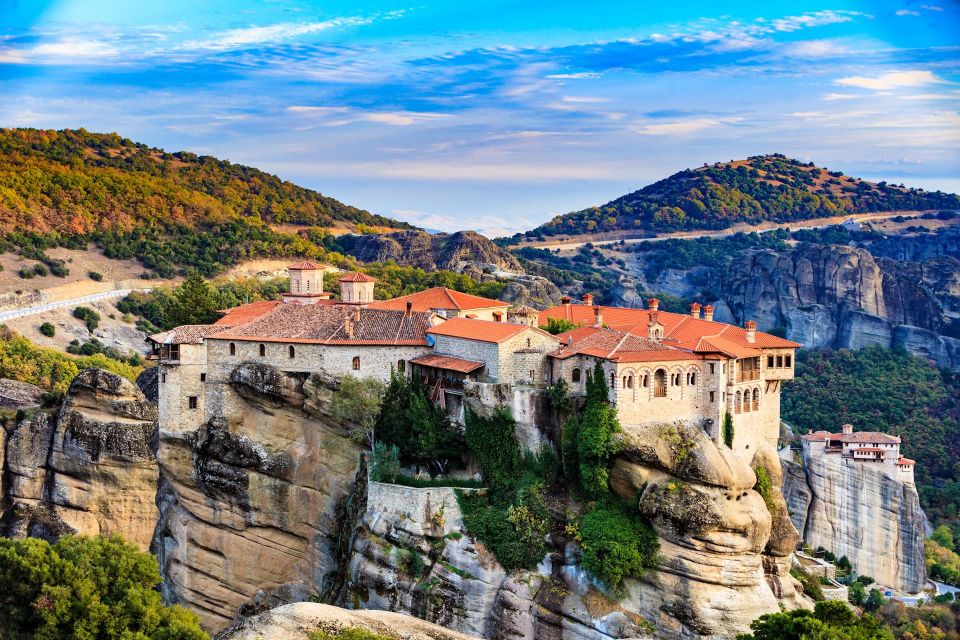
In Kalambaka, you check into a hotel and rest before going to the balcony of Meteora. This viewpoint is one of the smartest choices in the itinerary. You see the monasteries from a distance at sunset, when the rock formations and buildings are easier to appreciate as a whole. The next morning, the guided visit will focus on individual monasteries and their interiors.
Accommodation in Kalambaka is not included in the base price. You can add a three or four-star hotel, depending on availability, or a small boutique hotel. Confirm the exact property and added cost before paying, since the overnight arrangements are an important part of the tour’s value.
Day 4: Meteora monasteries and the return journey
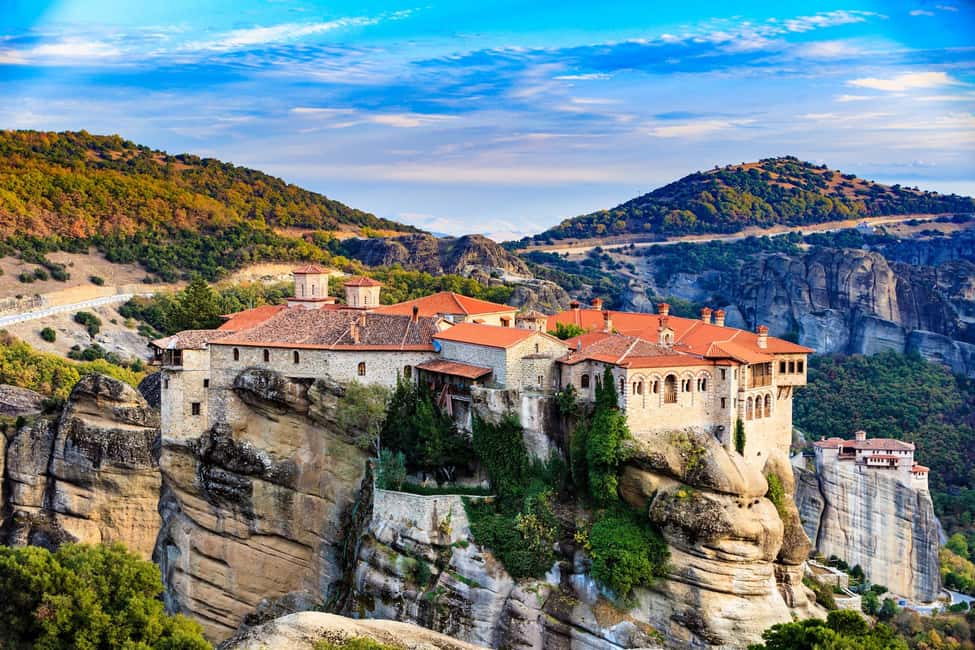
Meteora is the visual climax. The monasteries sit on tall rock pillars above Kalambaka, and the morning view is especially effective after seeing the area from the sunset viewpoint the evening before.
A professional guide takes you to at least two of the three monasteries available on the day. The possible visits include Great Meteoron, Varlaam, Holy Trinity, and Roussanou. The exact combination depends on the excursion day, so you should not book this expecting a guaranteed visit to a particular monastery.
That flexibility is understandable because opening days and operating schedules can vary. Still, it is worth asking which monasteries are planned when you confirm your date. Each additional climb, path, and interior visit adds physical effort, so the day is not just a scenic drive.
The monasteries are active religious sites as well as historic monuments. Dress and conduct should be respectful, though the supplied information does not give a detailed dress code. Plan for walking on uneven surfaces and follow the guide’s instructions at steps and viewpoints.
After Meteora, the vehicle heads back in the late afternoon, with a food stop in a picturesque intermediate village. This is a practical way to break up the return drive, but the final day is still long. If you dislike sitting in a vehicle for several hours, this four-day route may feel rushed.

Why the private guide can change the experience
The strongest part of this format is not simply having a private car. It is having room for conversation and adjustment. Demetri is the named guide associated with the experience, and his approach included tailoring the visit to personal interests, adding sights beyond the basic plan, and handling the logistics from one stop to the next.
That can make a real difference at sites such as Delphi and Olympia. You can ask why a building mattered, spend more time on sculpture, or move on when a particular subject is not your priority. On a large coach tour, the pace and explanation are usually fixed.
The driver speaks English, and the listed tour language is English. Professional guides are provided at Ancient Olympia, Delphi, Ancient Corinth, and the Meteora monasteries. The wording indicates this is a paid service included in the experience, but entrance tickets remain separate, so check exactly what you are adding when you book.
Price, inclusions, and the real value
The price is $2,828 per group of up to two people for four days. That works out to $1,414 per person if two people share the full cost, before optional accommodation, tickets, and meals.
That is a serious price, but it covers a private multi-day vehicle, pickup and return in Athens or Piraeus, airport or cruise-terminal transfers, professional site guides, WiFi, drinks, chargers, and the ability to avoid planning several complicated intercity connections. For two people who value privacy and time savings, the cost can make sense.
You need to budget beyond the headline figure. The base price does not include:
- Hotel accommodation
- Breakfast, lunch, or dinner
- Coffee, drinks, and snacks
- Entrance fees to archaeological sites, museums, and monuments
- Personal expenses
Hotels, site tickets, and daily meals can be added during booking. I would compare the final all-in price rather than judging the tour from the initial figure alone. The private transport is the main value, while the optional costs determine how expensive the finished trip becomes.
The package includes baby seats and wheelchairs, but the walking conditions still matter. Wheelchair accessibility does not mean every ancient path, fortress, or monastery is level. Ask the provider for the closest practical access point if anyone in your group has limited mobility.
Who should book this trip?
I would recommend it to a couple, family, or small private group that wants to see a large part of mainland Greece without driving. It suits people who care about major archaeological places but also want Nafplio, Galaxidi, Arachova, and a Meteora sunset in the same trip.
It is also a good match if you value a guide who can respond to your interests. Demetri’s personalized approach is a useful advantage, particularly for people who want context rather than a quick list of dates and names.
I would hesitate if you want slow mornings, long meals, or extensive free time in each destination. The plan is tightly packed, and the road between Delphi and Meteora is only one part of a demanding sequence. You should be comfortable walking on paved and uneven terrain and starting early on day three.
Free cancellation up to 24 hours before departure and the option to reserve now and pay later add useful flexibility. Still, the more important decision is physical pace and budget. Those two factors will shape your experience more than the booking terms.
Should you book the Complete Peloponnese tour?
Book it if your priority is coverage, private transport, and strong guiding across Greece’s major ancient sites. The combination of Mycenae, Olympia, Delphi, and Meteora is hard to arrange independently in only four days, and the overnight stops make the route more pleasant than a series of rushed day trips from Athens.
Skip it if you want to explore one region slowly or keep costs low. The base price is only the starting point once hotels, admissions, and meals are added. For the right small group, though, the convenience, flexible commentary, and remarkable range of places can justify the expense.
FAQ
How long is the tour?
The experience lasts four days and three nights.
Where can pickup and drop-off take place?
Pickup and return are available from central hotels in Athens or Piraeus, Athens International Airport, or a cruise terminal.
Is this a private group tour?
Yes. It is designed for a private group, with a sedan or taxi for one to three people, a minivan for four to seven, and a minibus for eight to fourteen.
Is transportation included?
Yes. Private transportation is included, along with WiFi in the vehicle, water or a soft drink, phone chargers, baby seats, and wheelchairs.
Are entrance tickets included?
No. Entrance fees for archaeological sites, museums, and monuments are not included in the base price. They can be added during booking.
Is accommodation included?
No. Hotel accommodation is not included unless you add it during booking. Options may include a three or four-star hotel or a small boutique hotel, depending on availability.
Are meals included?
No. Breakfast, lunch, dinner, coffee, drinks, snacks, and personal expenses are separate. Daily meals or dinner can be added during booking.
Which places are visited?
The route includes the Corinth Canal, Ancient Corinth, Epidaurus Theater, Mycenae, Palamidi Fortress, Nafplio, Ancient Olympia, Galaxidi, Delphi, Arachova, Thermopylae, Kalambaka, and Meteora.
Which Meteora monasteries might I visit?
The guided visit includes at least two monasteries. Possible sites include Great Meteoron, Varlaam, Holy Trinity, and Roussanou. The exact monasteries depend on the excursion day.
Is the tour suitable for wheelchair users?
The experience is listed as wheelchair accessible, and wheelchairs are available. You should still be able to manage paved or uneven terrain when possible. If walking is difficult, the guide will approach points of interest as closely as possible.