REVIEW · NAFPLIO
Ancient Corinth, Mycenae & snorkelling in sunken city
Book on GetYourGuide →Operated by PAPILLON EXPERIENCE Ι.Κ.Ε. · Bookable on GetYourGuide
The unusual heart of this day trip is a swim through history. After visiting Ancient Corinth and Mycenae, you spend about three hours at the sunken city near Ancient Epidaurus, looking through clear water at old walls, building foundations, amphorae, and parts of an ancient jetty.
I like the strong mix of major archaeological sites and outdoor time. You are not walking among ruins all day. I also like that the tour uses an air-conditioned van, includes snorkeling gear and soft drinks, and can be booked as a private or small-group outing. The main drawback is the length: with long drives, site visits, swimming, lunch, and several ticket costs, this is a full and fairly demanding day.
In This Review
- Key points to know before booking
- Why this Athens day trip feels different
- The road south from Athens and the Corinth Canal
- Ancient Corinth, Paul, and a powerful Roman-era setting
- Mycenae and the world of Agamemnon
- Snorkeling above the sunken city near Ancient Epidaurus
- The transport, timing, and group format
- Is the $176 price good value?
- Who should book this experience?
- Final call: book it for the mix, not for slow archaeology
- FAQ
- Where does the tour begin?
- How long does the experience last?
- What languages are available?
- Is transportation included?
- Is snorkeling equipment included?
- Are soft drinks included?
- Is lunch included?
- Are Ancient Corinth tickets included?
- Are Mycenae tickets included?
- Can I book a private tour?
Key points to know before booking
- Three very different stops: Corinth Canal, Ancient Corinth, Mycenae, and a swimming stop near Ancient Epidaurus give the day a wide range.
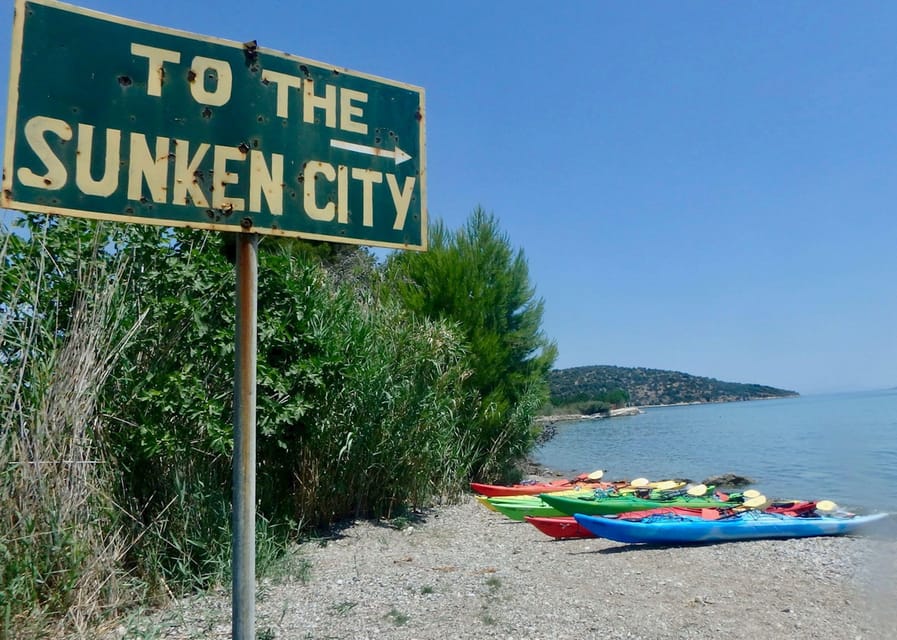
- The sunken city is the special feature: In clear water, you may see Mycenaean remains dating to the 12th century BC, including walls, foundations, amphorae, and a preserved section of jetty.
- Expect a long day from Athens: The listed duration is 11 hours, while the description rounds the experience to 12 hours.
- Site tickets and lunch are extra: Budget about €15 to €20 for lunch, plus Ancient Corinth and Mycenae admission.
- Good for history lovers who also want a swim: The tour combines classical and Bronze Age archaeology with sun, sea, and a relaxed coastal break.
- A small group or private format is available: This gives you a choice between a more social outing and a more personal day.
Why this Athens day trip feels different
Many day trips from Athens ask you to choose between ruins and the sea. This one gives you both, with two major archaeological sites before a long stop in the water. That change of pace matters. Ancient Corinth and Mycenae require attention, walking, and imagination. The final stop lets you slow down and see the past from a completely different angle.
The archaeological focus also covers two important periods. Corinth connects you with the ancient Greek and Roman world, as well as the Christian story of Paul’s letters to the Corinthians. Mycenae takes you much farther back, into the Late Bronze Age and the legends associated with Homer and Agamemnon.
The sea stop near Ancient Epidaurus adds an element you rarely get at an inland archaeological site. You are not simply looking at artifacts behind glass. With snorkeling equipment, you can look beneath the surface and spot remains in their original setting.
That said, this is not a leisurely resort day with a little sightseeing attached. The journey begins and ends in Athens, and the van spends several hours on the road. You should be comfortable with a packed schedule and ready for a mix of short site visits and one longer swimming break.
You can also read our reviews of more city tours in Nafplio

The road south from Athens and the Corinth Canal
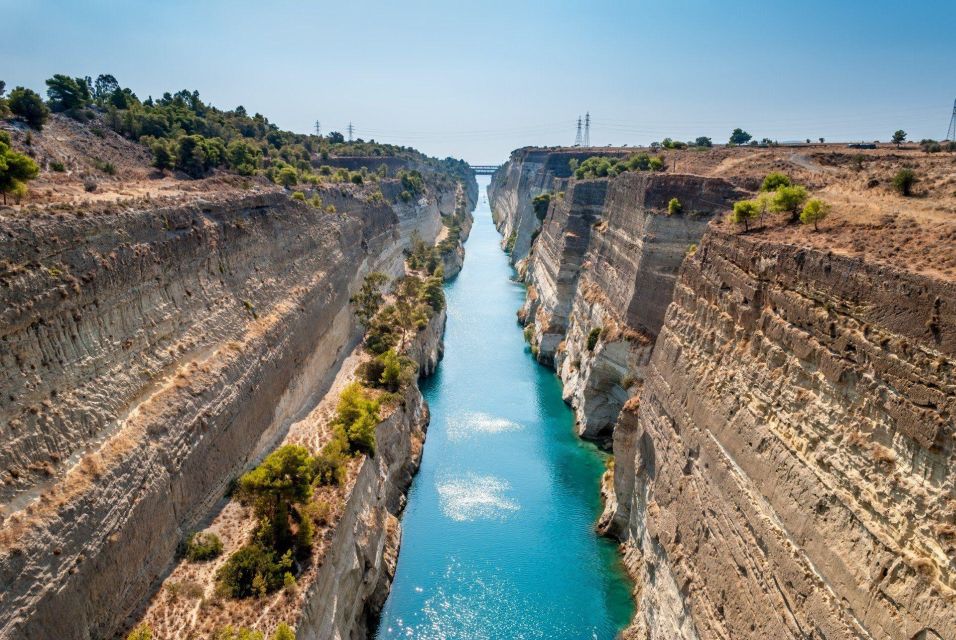
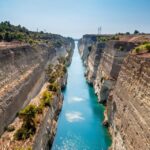
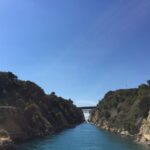
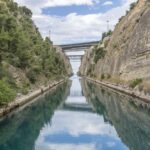
The day begins with pickup in Athens, followed by roughly two hours in the van. The first stop is the Corinth Canal, a narrow waterway cut through the land connecting the Gulf of Corinth with the Saronic Gulf.
The canal is mainly a photo stop rather than a full guided visit. You will have a chance to stretch your legs and take in the steep cut through the earth. It works well as an opening stop because it breaks up the first drive and gives you a quick sense of the engineering that links the two sides of the Greek mainland.
Do not expect a long canal cruise or an extended historical presentation here. The value is visual and practical: a short pause, a striking view, and a chance to get your bearings before the ancient sites.
From the canal, the van continues for about 30 minutes to Ancient Corinth. The route is efficient, but the total drive time remains an important part of the day. If you like watching Greek scenery pass by and prefer having transport arranged for you, that is a fair trade. If you want long periods at each ruin, the schedule may feel tight.
Ancient Corinth, Paul, and a powerful Roman-era setting

Ancient Corinth was first inhabited in the Neolithic period, as early as 6500 to 3250 BC. By 400 BC, it had become one of Greece’s largest and most important cities, with a reported population of about 90,000.
The site also has a dramatic Roman chapter. Roman forces destroyed Corinth in 146 BC, and a new city was built in 44 BC. The rebuilt Corinth later became the provincial capital of Greece under Roman rule.
For many people, the strongest connection is Christian. Corinth is linked with the First and Second Epistles to the Corinthians, two letters associated with Paul the Apostle in the New Testament. If you know those texts, walking through the remains gives the place a more personal and recognizable setting. If you do not, the site still offers a useful look at how Greek and Roman urban life overlapped.
You have about one hour here, including sightseeing and photographs. That is enough for an introduction, but not enough for a slow study of every feature. I would use the time to focus on the main ruins and the overall setting rather than trying to inspect every stone.
Ancient Corinth is a good first major stop because it gives you a broad historical frame. You see a city that passed through Greek, Roman, and Christian phases, then compare it later with the much older world of Mycenae.
Site admission is not included. The listed full ticket price is €15, with a reduced ticket of €8. Bring this cost into your planning, especially if you are traveling with several people.
Mycenae and the world of Agamemnon
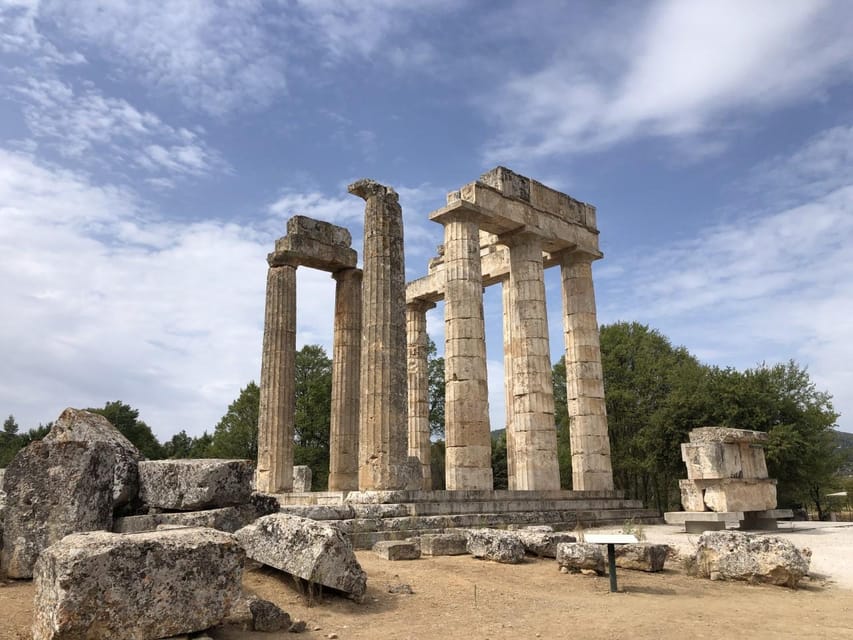
After Ancient Corinth, the drive to the Archaeological Site of Mycenae takes about one hour. Your sightseeing time here is also listed at roughly one hour, so again, think of this as a focused visit rather than an exhaustive archaeological tour.
Mycenae is associated with the mythical Agamemnon and the stories later sung by Homer. It was the most important and wealthy palatial center of Late Bronze Age Greece. The site’s power is easy to understand even before you know the legends. Large stone walls, gateways, tombs, arches, fountains, and defensive works create a sense of scale that is hard to get from a book.
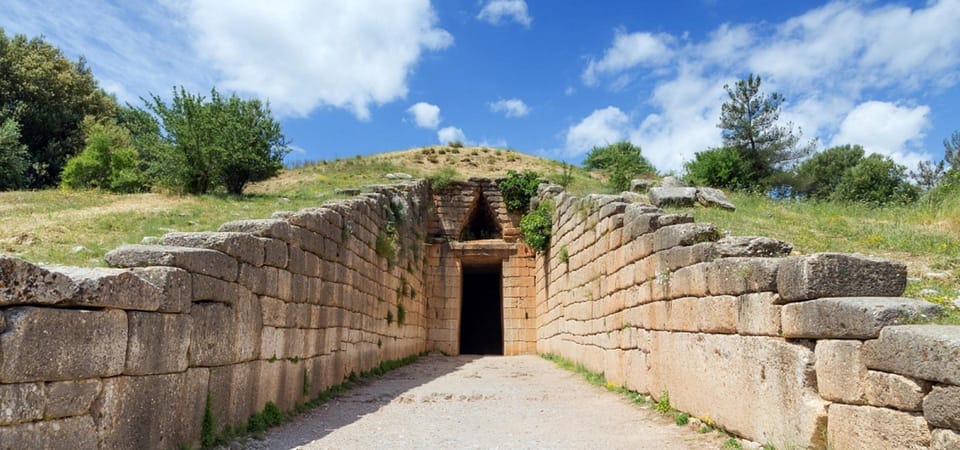
The famous Lion Gate is part of the site’s identity, while the so-called Tomb of Agamemnon is also known as the Treasury of Atreus. The tomb is a major reason to pay attention to the architecture. Its huge beehive-shaped interior and carefully built entrance show how much skill and labor went into Mycenaean construction.
The Cyclopean masonry is another highlight. The stones are so large that later Greeks imagined they must have been placed by Cyclopes. You can understand the old story when you see the walls up close. The scale gives Mycenae a different mood from Ancient Corinth. Corinth feels like a city shaped by classical and Roman life. Mycenae feels older, more fortified, and more tied to heroic legend.
The admission price varies by season. From November through March, the listed price is €10. From April through October, it is €20. That seasonal difference is worth noting when you calculate the real cost of the outing.
One hour will let you see the main features, but it may feel short if you are fascinated by Bronze Age archaeology. You will need to keep moving, take your main photos, and listen closely to the guide. The good news is that the tour does not spend the entire day at ruins. The next stop changes the rhythm completely.
Snorkeling above the sunken city near Ancient Epidaurus
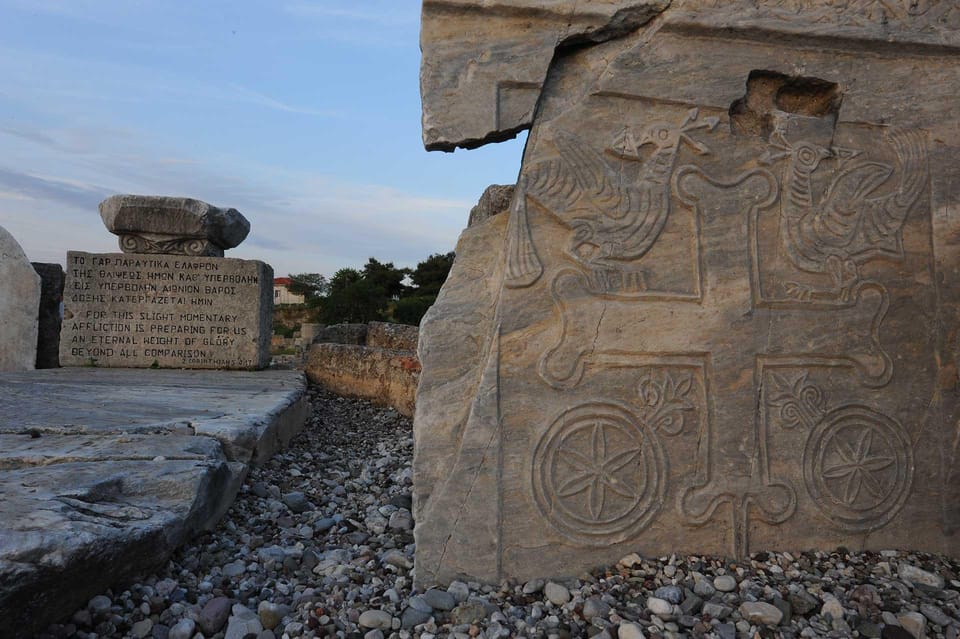
The most distinctive part of the experience comes after another hour in the van, when you reach the sunken city near Ancient Epidaurus. You have about three hours for free time, swimming, a break, and snorkeling.
The remains are associated with the Mycenaean period and include tombs from the 12th century BC. Beneath the clear blue water, you may see walls, building foundations, amphorae, paved sections, and a surviving part of an ancient jetty.
This is not a standard beach stop with a short swim at the end. The appeal is the chance to connect ancient construction with the natural movement of the sea. The water lets you see details that would be difficult to grasp from land. Paved areas and foundations appear below the surface, while fish move through the remains.
The supplied plan describes the water as crystal clear and highlights the fish and blue sea. Conditions can affect visibility, of course, but the attraction depends on being able to see underwater remains. If you are hoping for a major underwater archaeological park with extensive interpretation, keep expectations modest. This is a light adventure and snorkeling experience, not a formal archaeological expedition.
You receive snorkeling equipment, which saves you from arranging your own mask and related gear. The experience does not list a wetsuit, specialized underwater camera, or other equipment, so do not assume those items are provided.
Three hours is a generous amount of time compared with the one-hour archaeological stops. You can swim, rest, snorkel, and have lunch without rushing. The lunch itself is not included, and the stated cost is about €15 to €20 per person. Seafood is a natural choice for a coastal meal, but the information provided does not specify a restaurant or set menu, so keep your meal plans flexible.
This stop will suit you best if you enjoy water time but still want something with a strong sense of place. If you dislike swimming, are not comfortable with snorkeling, or want every minute devoted to ruins, the final three hours may feel too long. For many people, though, it is the part that makes this day more than a standard archaeological circuit.
You can also read our reviews of more snorkeling tours in Nafplio

The transport, timing, and group format

The tour uses an air-conditioned vehicle, a welcome feature on a long Greek summer day. The listed driving segments add up to several hours: about two hours from Athens to the first stop, 30 minutes to Ancient Corinth, one hour to Mycenae, one hour to the sunken city, and two hours back to Athens.
The published duration is 11 hours, while the description refers to 12 hours. Treat it as a full-day outing, not a neatly timed short excursion. Road conditions, the length of stops, and the return journey can all affect your arrival time.
A private option and small-group option are available. A private trip may make it easier to shape the pace around your interests, though the supplied details do not state how much the private format costs or exactly how flexible the schedule is. A small group can be a sensible middle ground if you want shared transport without the feel of a large coach tour.
The host or greeter language is English, and English is the listed tour language. No guide name is provided, so you should not book this expecting a specific named guide.
Soft drinks are included, along with snorkeling equipment. Those inclusions are useful, but they do not cover the main extra expenses. Plan separately for lunch and entry to Ancient Corinth and Mycenae.
Is the $176 price good value?
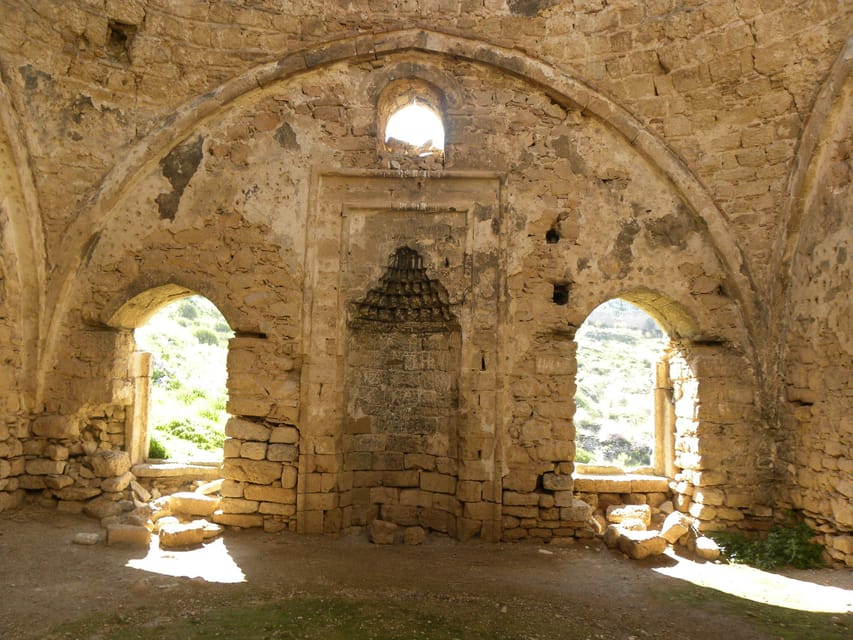
At $176 per person, the tour is not a bare-bones transfer. You are paying for an Athens pickup, a long round trip in an air-conditioned vehicle, visits to two important archaeological sites, access to the sunken city area, snorkeling equipment, and a full day of coordination.
The value is strongest if you would otherwise need to arrange several separate journeys. Reaching Corinth, Mycenae, and Ancient Epidaurus independently would require careful transport planning, especially if you also want enough time for swimming. The tour links all three areas in one day.
The listed price does not include the major site tickets or lunch. Using the stated rates, full-price admissions add €25 in the November to March period, or €35 from April to October. Lunch adds another €15 to €20. Your actual total will therefore be higher than $176, before considering any exchange-rate difference.
That extra cost is reasonable for a day built around variety, but less attractive if you only care about one site. If Mycenae is your main goal, a dedicated Mycenae trip could give you more time there. If you want an easy beach day, a simpler coastal outing may be cheaper and less tiring.
The experience currently carries a 4.6 out of 5 rating from two submitted ratings, including a verified Canadian booking that described it as a great day trip. That is a positive early signal, but the small number of ratings means you should place more weight on the schedule and included features than on the score alone.
Who should book this experience?

I would recommend it to you if you want history, mythology, and swimming in one day. It suits couples, friends, families with older children, and anyone who likes a full schedule with several distinct stops.
It is especially appealing if you are curious about Paul’s Corinth, Homer’s Mycenae, and the Bronze Age remains beneath the sea. The combination creates a stronger sense of time than a single-site visit.
You should think twice if you dislike long van journeys or need a slow pace. Ancient Corinth and Mycenae each receive about an hour, which is enough for key sights but not for a detailed study. The final return drive takes about two hours, so you may be tired by the time you reach Athens.
The swimming stop also matters. You do not need to be an expert snorkeler, but you should want to enter the water and explore with the provided equipment. If you plan to stay fully dry, part of the tour’s main appeal will be lost.
Final call: book it for the mix, not for slow archaeology
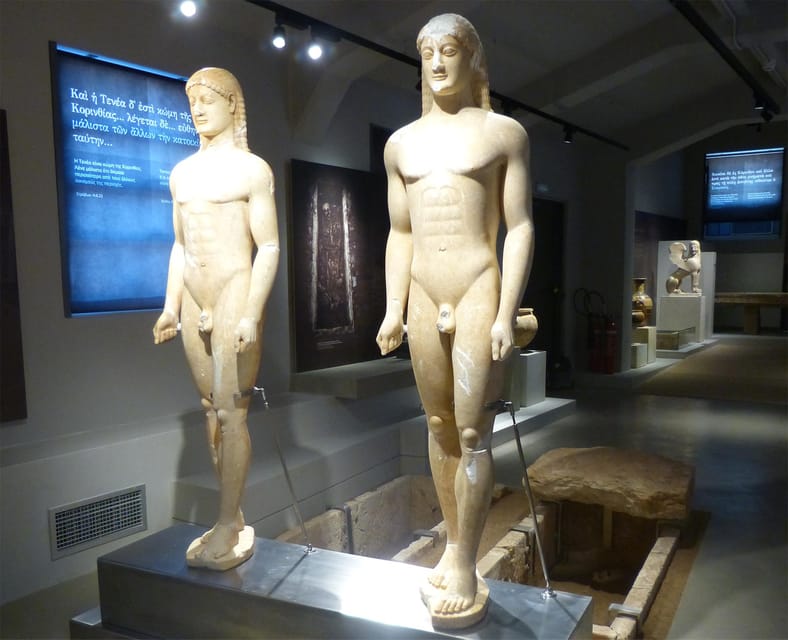
Book this tour if you want a broad, active day that links ancient Corinth, legendary Mycenae, and an unusual underwater site. The sunken city is the deciding feature. It gives you something memorable to do after the ruins and turns the day into a real change of setting.
Skip it if you want long, unhurried visits at each archaeological site, or if you prefer a simple beach outing. Remember to budget for €25 to €35 in site tickets, depending on the Mycenae season, plus about €15 to €20 for lunch. Free cancellation is available up to 24 hours before departure, and you can reserve now and pay later, which helps if your Athens plans are still shifting.
FAQ
Where does the tour begin?
Pickup begins in Athens.
How long does the experience last?
The listed duration is 11 hours. The description refers to the day as lasting 12 hours, so plan for a full-day outing.
What languages are available?
The host or greeter language is English, and English is the listed tour language.
Is transportation included?
Yes. Transport is provided in an air-conditioned vehicle.
Is snorkeling equipment included?
Yes. Use of snorkeling equipment is included.
Are soft drinks included?
Yes. Soda or pop is included.
Is lunch included?
No. Lunch is not included and is estimated at about €15 to €20 per person.
Are Ancient Corinth tickets included?
No. The listed Ancient Corinth ticket price is €15 for a full ticket and €8 for a reduced ticket.
Are Mycenae tickets included?
No. The listed price is €10 from November through March and €20 from April through October.
Can I book a private tour?
Yes. Private and small-group options are available.