REVIEW · AGIOS PROKOPIOS NAXOS
Naxos: Discover Scuba Diving – Your first experience diving
Book on GetYourGuide →Operated by Blue Fin Divers Naxos · Bookable on GetYourGuide
First time underwater on Naxos feels like a science class with fish. You start on the beach at Agios Prokopios with a PADI-certified instructor, then ease into snorkeling-like motions before you go below the surface on a beginner-friendly house reef.
I especially like the structured PADI briefing and equipment setup before you get wet. I also like that the local spot is protected from the Meltemi, so the water is easier to manage when you’re still learning buoyancy.
One consideration: this experience is not for everyone, including kids under 10, pregnant women, and people with certain medical or respiratory conditions.
In This Review
- Key Things That Make This Naxos First-Time Scuba Experience Worth It
- Agios Prokopios Start: Blue Fin Divers and a Low-Stress Setup
- The 35-Minute PADI Lesson: Breathing, Equipment, and Calm Control
- Practical tip for your mindset
- Shallow-Water Practice From the Beach: Skills You’ll Actually Use
- Underwater Exploration Up to 7 Meters: What the Guided Session Feels Like
- Agios Prokopios House Reef Wildlife: Octopus, Fish, and Sea Turtles
- Wind, Currents, and Visibility: Why This Site Works for Beginners
- Photo Stop Moments: A Quick Pause to Catch Your First Memories
- Price and Value: $112 for a 2.5-Hour First-Timer Lesson
- Who This Works Best For (And Who Should Skip It)
- What to Bring (and What to Leave Off)
- Should You Book This First-Scuba Experience on Naxos?
- FAQ
- How long is the PADI first-timer scuba experience on Naxos?
- How deep will you go?
- What’s included in the price?
- Where do you meet?
- What should I bring?
- Is sunscreen allowed?
Key Things That Make This Naxos First-Time Scuba Experience Worth It
- PADI-first training: a 35-minute lesson before you go underwater
- Small group size (up to 6) so the instructor can watch you closely
- Beginner-friendly profile: practice and skills in shallow water, then an underwater session up to 7 meters
- Agios Prokopios house reef: clear visibility and typically low-current conditions
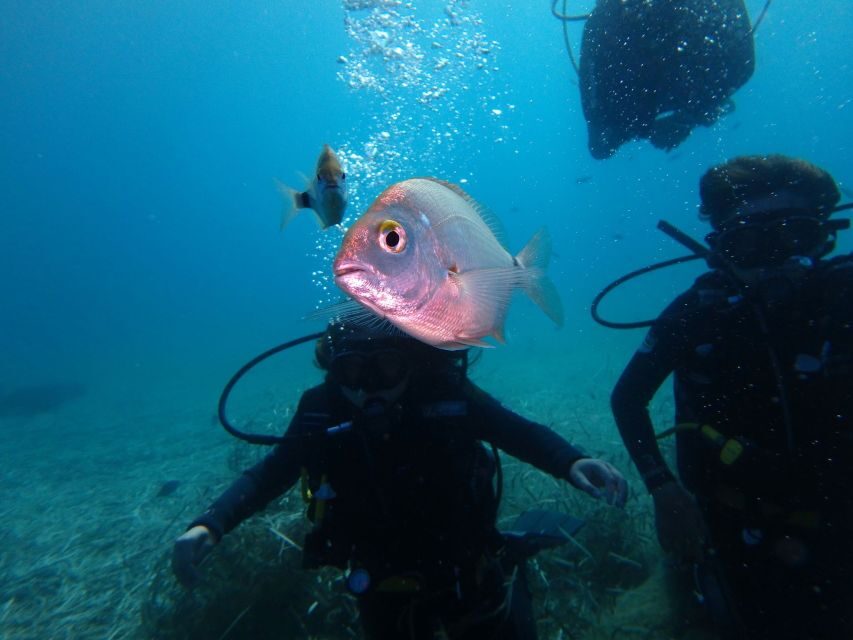
- Real wildlife sightings: octopus, seabass, damselfish, and the possibility of sea turtles
- Gear included and taught in plain steps, so you don’t waste your energy figuring equipment out
Agios Prokopios Start: Blue Fin Divers and a Low-Stress Setup
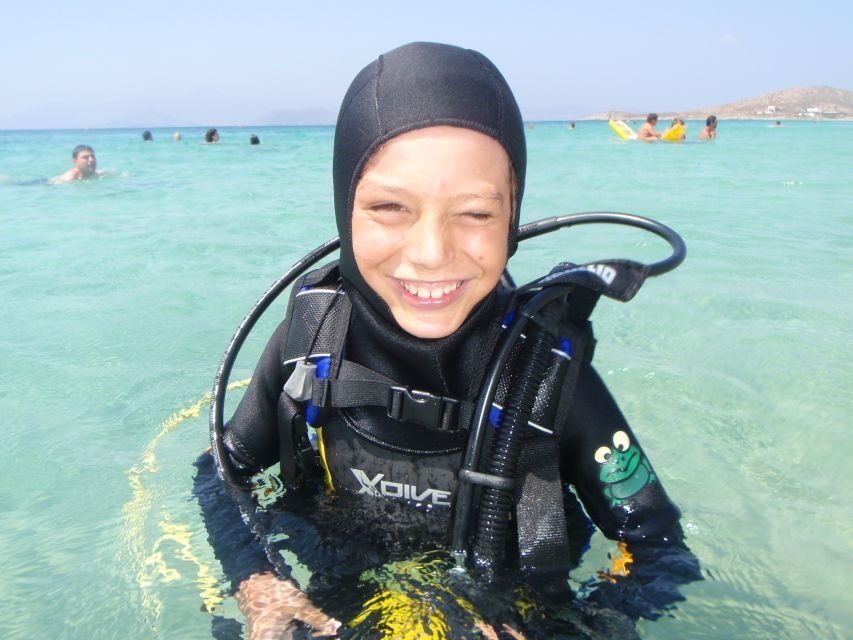
You’ll meet at Blue Fin Divers in Agios Prokopios, right by the beach. That matters more than it sounds. When your first scuba experience starts from shore, you lose a lot of the anxiety that comes from boats, transfers, or being rushed into the water.
Blue Fin Divers keeps the group small—up to 6 participants—which usually translates into more attention from your instructor. For a first-timer, that’s huge. You’ll have more time to ask simple questions like how to clear your mask, what normal breathing feels like, and when to slow down.
The program is built for beginners and non-certified people. You’re not asked to act like an advanced diver. Instead, the goal is confidence: you learn how the equipment works, how your body behaves underwater, and how to stay calm while you focus on breathing and buoyancy.
You can also read our reviews of more tours and experiences in Agios Prokopios Naxos.

The 35-Minute PADI Lesson: Breathing, Equipment, and Calm Control
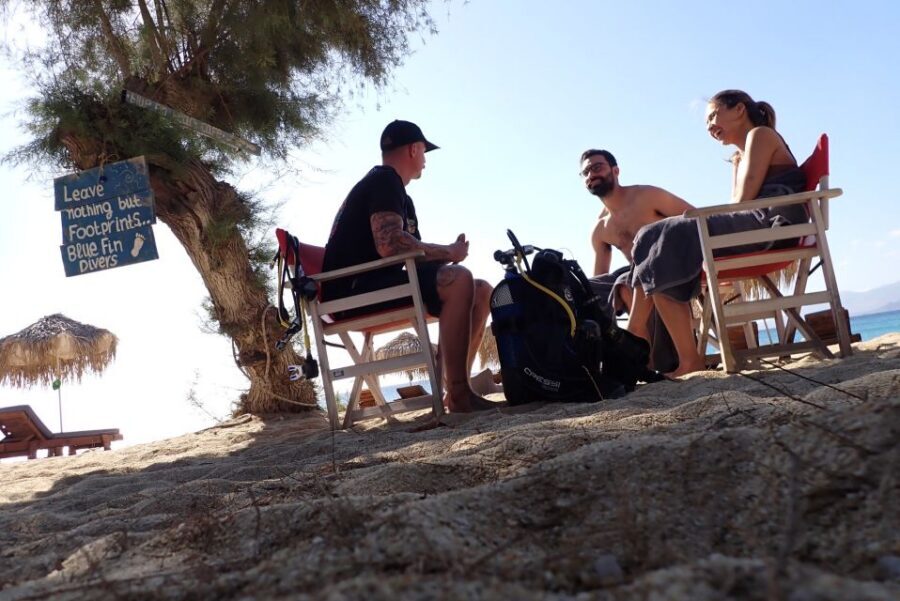
Before you ever go in, you get a 35-minute briefing led by a PADI-certified instructor. This is where you learn the “why” behind what you’re doing. It’s not just rules—it’s basic technique so you don’t feel like you’re guessing.
You’ll review core scuba basics, then you’ll see how your gear fits and how it should feel. Past participants specifically praised instructors for being clear and teaching in a way that helps you picture each step. Names that came up in feedback include Diane, Blandine, and Michele—people emphasized how pedagogical they were and how they kept watch to make sure everyone stayed safe.
If you’re nervous, this kind of instruction helps you turn nerves into a checklist. When you know what comes next, you can focus on breathing instead of panicking about the unknown.
Practical tip for your mindset
If you’re feeling anxious, think like this: you’re not trying to “perform.” You’re learning a few simple underwater tasks while your instructor keeps things steady.
Shallow-Water Practice From the Beach: Skills You’ll Actually Use
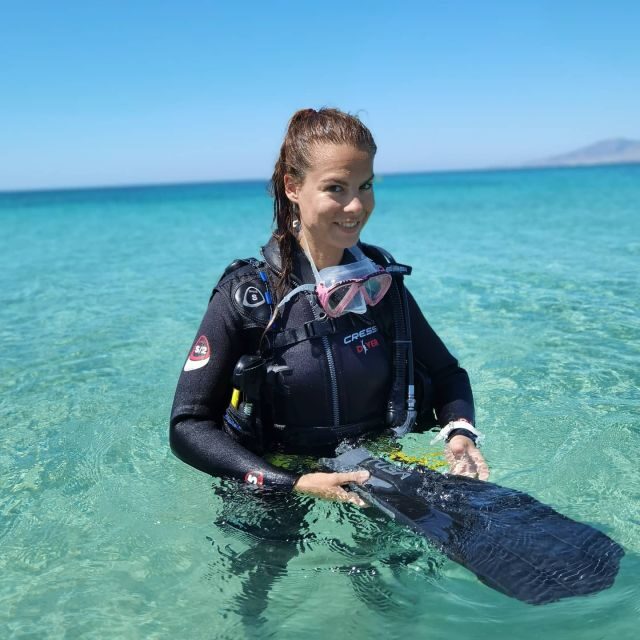
Once you’re at the waterline, the program turns practical fast. You’ll do surface breathing practice and then some easy skills in shallow water. This is the part that most first-timers appreciate because it’s controlled and forgiving.
Shallow training gives you room to adjust without the stress of deeper depths. You can feel what happens when you exhale, how your buoyancy shifts, and how to move your hands without wasting energy. The instructor’s job here is to help you get comfortable with basic movements before you go deeper.
You’ll also get a feel for timing. In scuba, doing everything at a rushed pace can make you breathe faster, and that can make everything feel harder. Shallow practice helps you slow your body down in a natural way.
And because the briefing and shallow skills happen close to shore, you don’t start the experience feeling like you’re already committed to a long, complicated adventure.
Underwater Exploration Up to 7 Meters: What the Guided Session Feels Like
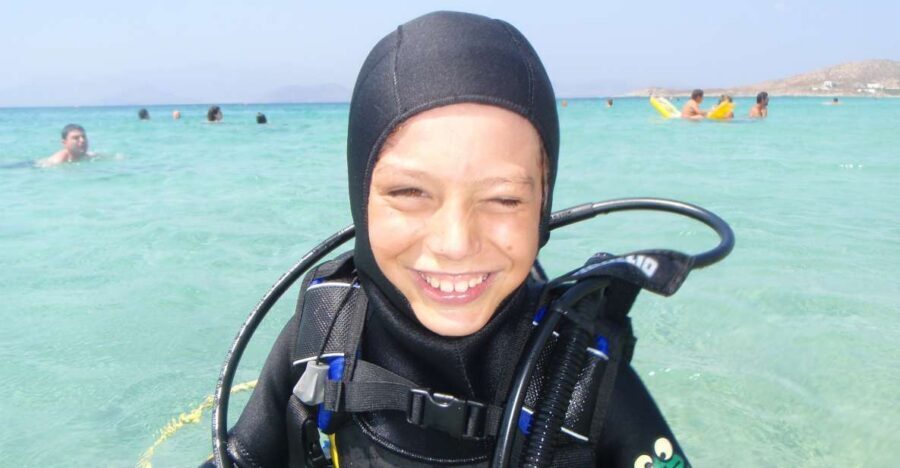
After the shallow skills, you’ll go on the main underwater leg led by your instructor, reaching up to 7 meters. The underwater exploration lasts about 45 minutes, which is a realistic chunk of time for a first experience without turning it into a marathon.
You’re going to feel different pressure and buoyancy than you do on land. That’s normal. The difference here is that you’re not thrown into complexity. You’re guided through the session so you can keep your attention on breathing, calm movement, and staying comfortable.
There’s also a practical comfort factor: the site is described as having clear visibility and little to no current, which makes it easier to control your direction. If you’ve ever struggled staying calm in a wavy pool, you’ll understand why this matters.
Your instructor watches you the whole time, and that close supervision tends to be the reason people leave with that “I didn’t expect it to be this smooth” feeling. For many first-timers, safety isn’t just a lecture—it’s what you experience minute by minute.
Agios Prokopios House Reef Wildlife: Octopus, Fish, and Sea Turtles
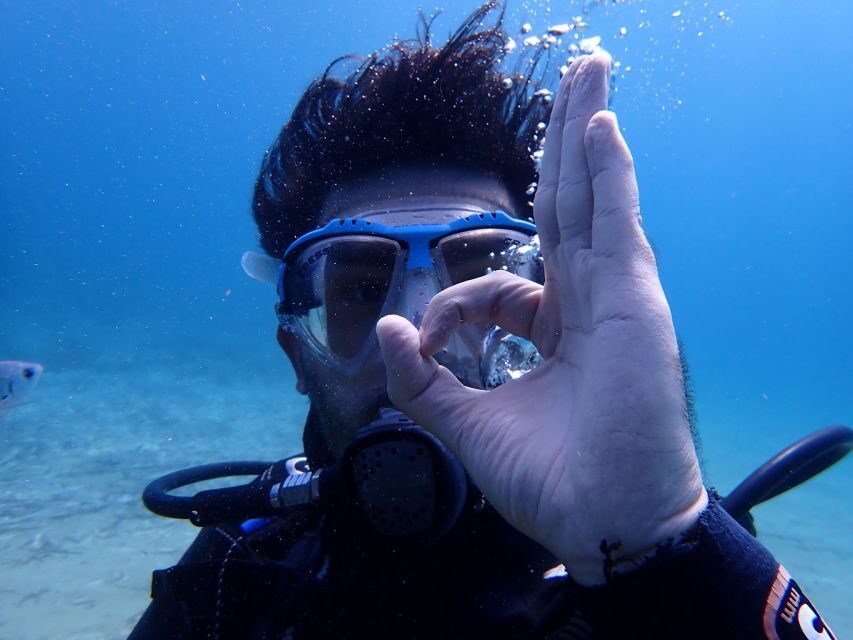
One of the best reasons to do this in Agios Prokopios is that the reef directly in front of the dive center has a lot to see for beginners. You don’t need years of experience to spot life.
The experience highlights include:
- Octopus
- Seabass
- Damselfish
- Colorful sponges
- Barracuda
- And even the chance of sea turtles
Here’s how to think about wildlife viewing on a first scuba session: you’ll spot more if you move slowly and keep your buoyancy steady. Fast, jerky movement kicks up silt and also makes it harder to watch calmly. So the technique you’re learning helps you enjoy the scenery.
The guides also point out things you might miss. Several participants noted that underwater guidance helped them notice marine life they wouldn’t have caught on their own. That’s not a small benefit—it changes the whole experience from “I went underwater” to “I understood what I was seeing.”
Wind, Currents, and Visibility: Why This Site Works for Beginners
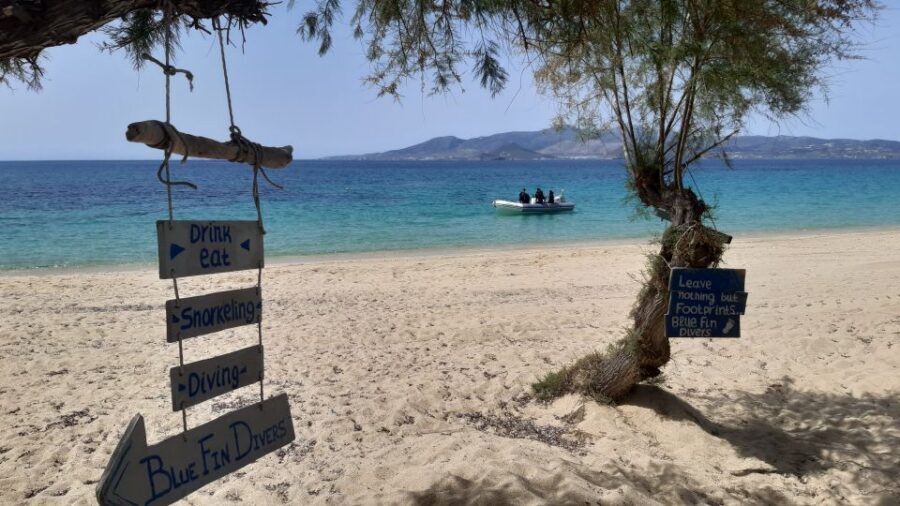
Naxos in summer can bring the north wind known as the Meltemi. A lot of islands have rougher conditions when the wind picks up. This location is described as being protected from that wind, which is a major reason the experience feels manageable for first-timers.
The program is also described as having clear visibility and no significant currents. In plain terms: you don’t spend your first underwater session fighting the sea. You spend it learning.
That’s the difference between a good first scuba experience and a stressful one. When currents are mild and visibility is decent, buoyancy and breathing become the main “problem to solve,” not constant steering.
Also, starting on a protected beach gives you an easier transition into the water. You’re not scrambling against conditions before you even get your gear working.
Photo Stop Moments: A Quick Pause to Catch Your First Memories
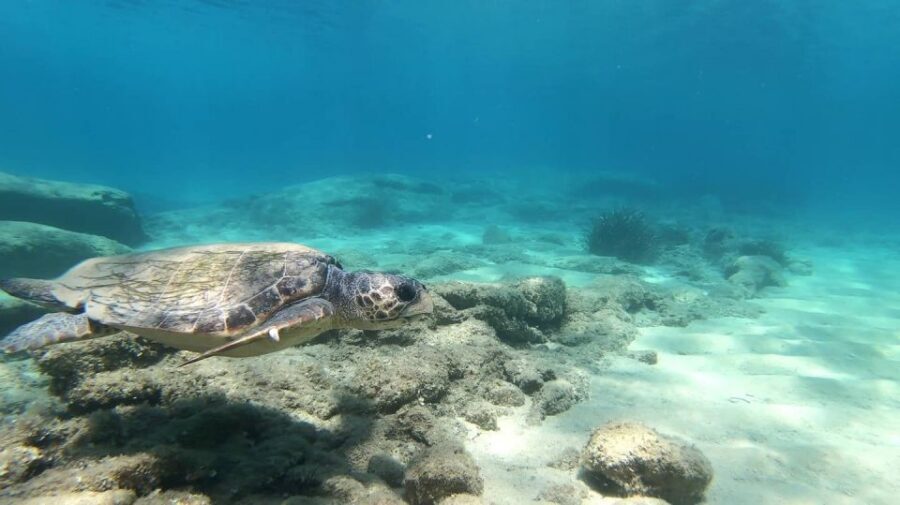
There’s a brief photo stop during the experience—about 5 minutes. Don’t expect a long photo safari. Think of it as a short chance to capture the moment you finally got comfortable underwater.
If you want the best photos, the technique comes first. Clear shots usually happen when you’re stable in the water and not flapping around for a better angle. Even a quick photo stop can be meaningful when you’re calm and watching what’s around you.
This kind of timed break also gives you a mental reset. Your brain can go from “learn and breathe” to “look and enjoy,” without losing the structure of the session.
Price and Value: $112 for a 2.5-Hour First-Timer Lesson
At $112 per person for about 2.5 hours, this can be a good value because you’re not paying for only time underwater. You’re paying for:
- A PADI-certified instruction period (including the 35-minute briefing)
- All scuba equipment included
- Guided underwater time up to 7 meters (about 45 minutes)
- A small-group format that supports close supervision
If you’ve ever priced buying or renting gear separately, the “equipment included” part becomes a real savings. For a first outing, gear logistics alone can eat hours. Here, the program gives you a clear, guided pathway so you don’t waste your vacation time trying to figure out how to assemble a tank setup.
Also, the instructor language options—Greek, French, and English—help make the session smoother if you’re not fluent in Greek. When communication is clear, learning goes faster.
Who This Works Best For (And Who Should Skip It)
This is designed for beginners and non-certified divers, and it fits people who want a safe first taste of underwater life without complexity. A small group and guided steps make it especially suited for first-timers who want reassurance rather than tough challenges.
It’s not suitable for children under 10, pregnant women, people with respiratory issues, or anyone with pre-existing medical conditions. If any of those apply, you should treat it as a hard stop for safety.
If you’re generally in good medical condition and you like structured training, this program can be a strong way to get your bearings. The whole experience is built around staying within a comfortable learning zone, not testing limits.
What to Bring (and What to Leave Off)
Bring:
- Towel
- Beachwear
The big “don’t” is that sunscreen is not allowed. So plan ahead. If you usually rely on sunscreen for beach time, you’ll want to think about how you’ll handle sun protection around the session. (You can always ask the center what they recommend for coverage that doesn’t involve sunscreen during the water activity.)
Also, you’ll be happier if you dress in simple, comfortable beach clothes. The less fuss you have on shore, the more energy you have for relaxing during training.
Should You Book This First-Scuba Experience on Naxos?
If you want your first underwater experience to feel guided, calm, and beginner-friendly, I’d say yes, book it—especially if you’re excited about seeing Mediterranean marine life from a shore-based house reef in the protected Agios Prokopios area.
Book it for the right reasons: the structured PADI coaching, the small group, the shallow-to-moderate training up to 7 meters, and the chance to spot octopus and other sea life without dealing with heavy currents.
Just be honest about fit. If you’re under 10, pregnant, or have respiratory/medical concerns, skip it. Safety comes first, and this program’s design also reflects those boundaries.
FAQ
How long is the PADI first-timer scuba experience on Naxos?
It lasts 2.5 hours.
How deep will you go?
The program goes up to 7 meters on the house reef.
What’s included in the price?
Your scuba equipment is included, plus a briefing by a certified PADI instructor and guided underwater exploration.
Where do you meet?
You meet at Blue Fin Divers Naxos Scuba Diving Center in Agios Prokopios.
What should I bring?
Bring a towel and beachwear.
Is sunscreen allowed?
No, sunscreen is not allowed during the experience.