REVIEW · ATHENS
Premium Greek Honey Tasting with Yogurt & More
Book on GetYourGuide →Operated by CRU BEE-HAVING Wine & Olive OIl Tastings · Bookable on GetYourGuide
Greek honey gets the starring role here, but the real surprise is how much its flavor changes from one sample to the next. In 40 minutes, you taste Greek honeys from different regions and styles, then match them with yogurt, cheese, fruit, and dried fruit. It is a small experience with a useful payoff: you leave knowing how to use honey beyond breakfast toast.
I like the food pairings, since they turn tasting into something practical. I also like the focused lesson from Anton Lianoudakis, whose personal approach and clear explanations have earned strong praise. The one drawback is the short running time. This is a compact tasting, not a long farm visit or a full meal, and the advertised material varies between four honey flavors and six honeys, so ask for the exact lineup when you book.
In This Review
- Key points to know before booking
- Why Greek honey makes a good tasting subject
- Meeting Anton and getting oriented
- Tasting the regional honey selection
- Pairing honey with yogurt, fruit, and cheese
- The ancient wine tasting
- What 40 minutes really gives you
- Who will get the most from this experience
- Is $23 a good value?
- Booking flexibility and small practical details
- Should you book it?
- FAQ
- How long does the Greek honey tasting last?
- How much does the tasting cost?
- How many honeys are included?
- What foods are served with the honey?
- Is wine included?
- Is the experience available in English?
- Can children join the tasting?
- What is the cancellation policy?
Key points to know before booking
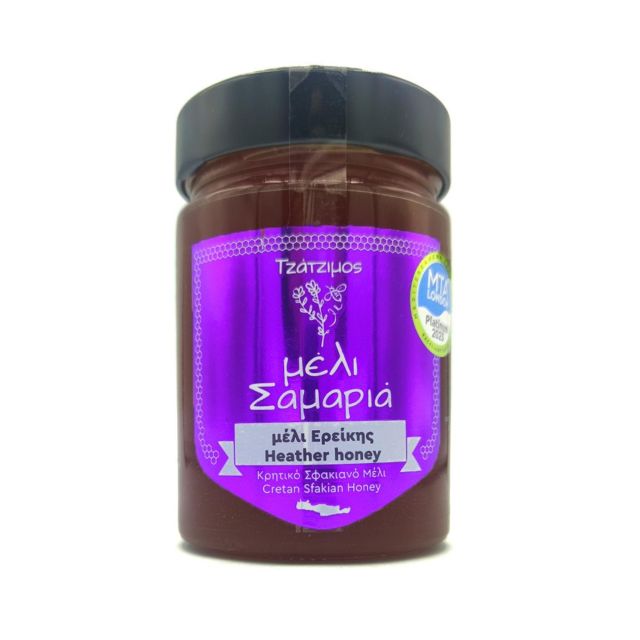
- Six honeys are listed as included, with the main description also referring to four Greek honey flavors.
- Anton Lianoudakis leads the session, using English and explaining taste, origins, and food pairings.
- Yogurt, fruit, cheese, and dried fruit help you test honey in savory and sweet combinations.
- Ancient wine tasting adds a historical and unusual note to the short session.
- The $23 price is fair if you want an educational tasting rather than a full meal or day trip.
- Children under seven and people over 95 are not accepted for this activity.
Why Greek honey makes a good tasting subject
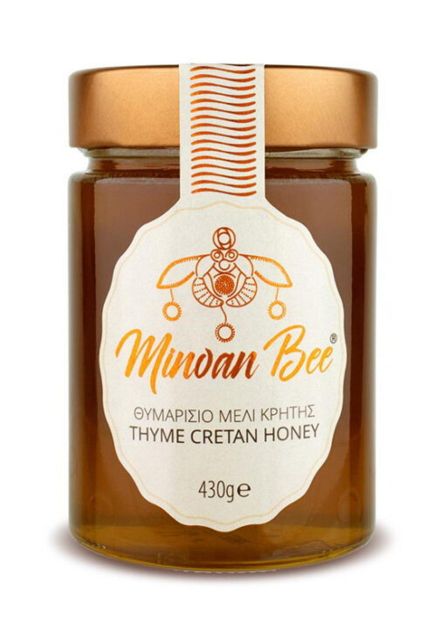
Honey is not one single flavor. It can be floral, herbal, woody, light, dark, sharp, or soft, depending on the plants visited by the bees and the region where it is made. That is the basic idea this experience brings to life.
Greece has been making honey since antiquity. Roman writers praised Greek honey and connected it with medicinal use, including treatment for military wounds. You do not need to be a food historian to enjoy the lesson, but this background gives the tasting more meaning than simply sampling sweet spreads from small jars.
The experience also points to modern interest in Greek herbal honey. Scientific studies have examined antibacterial and anti-inflammatory properties in premium honeys from Greek islands, with some findings comparing them favorably to New Zealand Manuka honey. Treat that as useful context, not a medical claim. You are here to taste food, not replace medical care.
What matters at the table is the difference between samples. A mild honey may work well with yogurt. A stronger herbal style may have enough character for cheese or dried fruit. The lesson helps you notice those contrasts instead of treating all honey as interchangeable.
You can also read our reviews of more food & drink experiences in Athens



Meeting Anton and getting oriented
The host named for this experience is Anton Lianoudakis, and the session is conducted in English. The strongest praise centers on his clear explanations, warm manner, and ability to answer questions without making the subject feel overly formal.
That personal element matters. Honey can sound like a narrow topic, but a good presenter can connect it to cooking, trade, health traditions, and everyday Greek food. Anton’s role is not just to hand you samples. He explains why one honey suits a certain ingredient and how to think about flavor when you buy or serve it later.
You should feel free to ask questions during the tasting. The format is short, so the pace is likely brisk, but the available information points to an interactive session rather than a silent sampling. If you are curious about a particular region, honey type, or serving idea, ask while that sample is in front of you.
One practical point: the experience provider is CRU BEE-HAVING Wine & Olive Oil Tastings. The name suggests a wider food and drink focus, and the ancient wine tasting is part of the advertised highlights. Still, honey remains the main subject, so do not book this expecting a broad Greek wine tour.
Tasting the regional honey selection
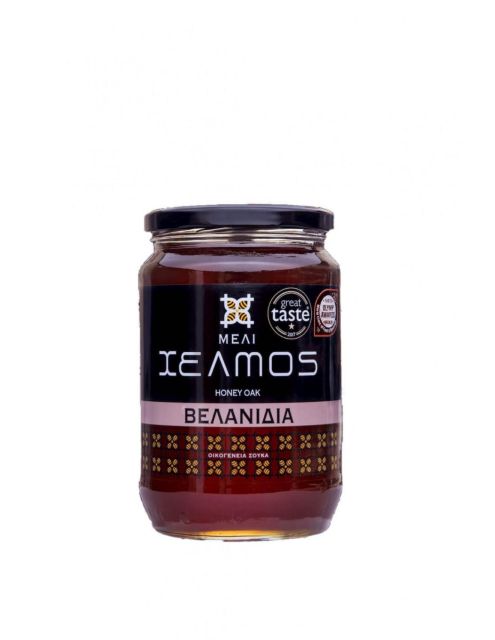
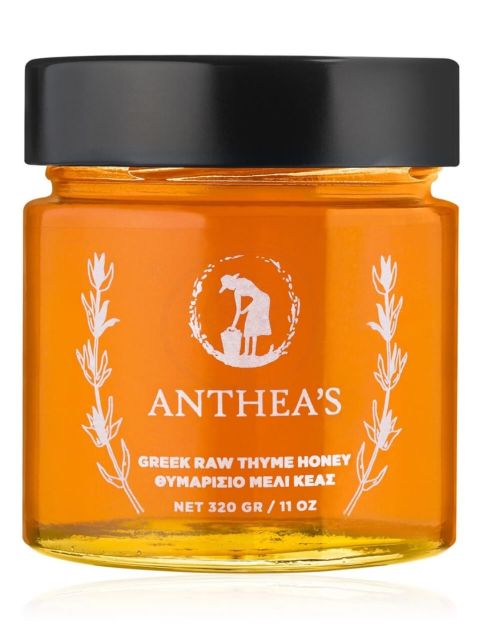
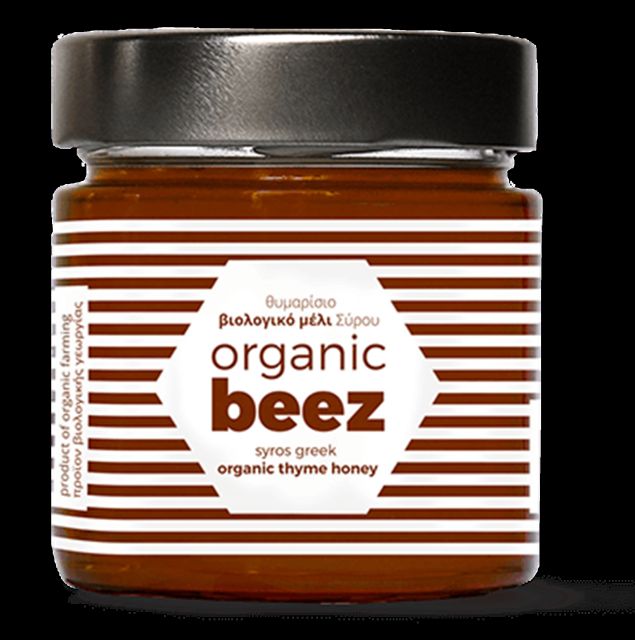
The tasting includes honeys from different Greek regions and different styles. The main description says four flavors, while the included items specify six honeys. That difference is worth noting before you arrive. It may reflect the way the tasting is described in different parts of the booking information, but the safest approach is to confirm the current sample count.
Either way, the value comes from comparison. One spoonful tells you very little on its own. Several samples let you test how color, aroma, sweetness, and aftertaste change from one honey to another.
I would take small tastes and pause between them. Notice whether each sample feels delicate or intense. Does it finish quickly, or does the flavor stay with you? Does it taste mostly sweet, or do you detect herbal, floral, earthy, or fruity notes? You do not need professional tasting language. Simple observations are enough.
The regional angle is also useful for shopping in Greece. A jar labeled with a plant or island name becomes more than a souvenir once you understand that the source plants affect the taste. You may find yourself choosing honey for a purpose instead of grabbing the prettiest label.
The tasting is not described as a visit to an apiary, a countryside walk, or a honey production facility. That is important. You are getting a guided food lesson and sample session, not a behind-the-scenes beekeeping tour.
Pairing honey with yogurt, fruit, and cheese
The best part for many people will be the pairing stage. Samples of yogurt and fruit are included, and the experience description also names cheese and dried fruits. These foods give you a chance to test the honeys in combinations you could repeat at home.
Yogurt provides a cool, tangy base. A gentle honey can make it sweeter without covering up the yogurt’s character. A darker or more herbal sample may create a stronger dessert-style combination. If you normally think of honey as something you drizzle without thought, this is where the tasting becomes more useful.
Fruit offers another comparison. Sweet fruit and sweet honey can either work beautifully or become too much. Try to notice which honey adds contrast and which one simply piles on more sweetness.
Cheese gives the tasting a savory turn. A fragrant honey can change how you experience a salty or tangy cheese. Dried fruit brings chewiness and concentrated sweetness, making it a good test for bold honey styles. The point is not to find one correct combination. It is to show you that honey can play different roles in a dish.
The pairing ideas also make the $23 price easier to judge. You are not paying only for spoonfuls of honey. You are paying for a short guided lesson that helps you use the product. If you enjoy food markets, Greek cooking, or bringing edible gifts home, that practical side has real value.
Do keep your expectations in proportion. The information confirms samples, but it does not promise a full serving of yogurt, cheese, and fruit or a substitute for lunch. Think tasting portions, not a meal.
The ancient wine tasting
Ancient wine tasting is listed among the highlights, adding a different thread to the session. It links Greek food culture with older drinking traditions and gives the 40-minute program more variety.
The supplied details do not explain the exact wine, the serving size, or how much time is devoted to it. You should therefore treat this as an additional tasting rather than the main reason to book. If you are primarily interested in Greek wine, a dedicated wine activity would likely give you more depth.
Still, the wine can be a nice counterpoint to the honey. You get to consider how sweet, herbal, or rich flavors work with drinks as well as food. It also prevents the experience from feeling like a single-note sugar lesson.
Because the session is compact, the presenter must keep each part moving. You may prefer that pace if you have only a short window in Central Greece. If you want long conversations about fermentation, ancient recipes, or regional wine production, this format may feel too brief.






What 40 minutes really gives you
Forty minutes is enough time for a clear introduction, several tastings, food pairings, and some questions. It is also short enough to fit neatly between other plans.
I like this length for a city break or a day when you are already moving between major sights. You do not have to give up half a day for a specialized food activity. The experience can add a local flavor without taking over your schedule.
The tradeoff is depth. You will not become a honey expert in 40 minutes, and you should not expect detailed instruction in beekeeping, regional agriculture, or Greek cuisine. The session works best as a sharp introduction.
The short format also makes timing important. Check the available starting times before booking, and plan to arrive ready to begin. There is no indication of a long arrival process, and the activity includes skip-the-ticket-line access, but the tasting itself is structured around a fixed start.
Who will get the most from this experience
I would recommend this to food-minded visitors who want something different from the standard Athens sightseeing list. One person who had made several Athens trips was specifically looking for a fresh activity, and this kind of tasting fits that need well.
It is also a good choice for:
- Couples looking for a short shared activity
- Solo visitors who enjoy asking questions
- People interested in Greek ingredients and cooking
- Travelers who want edible souvenirs with a story behind them
- Visitors who enjoy wine and food but do not want a full-day tour
- Anyone curious about how regional products differ
The experience is not suitable for children under seven. People over 95 are also excluded according to the stated conditions. The activity is taught in English, so you should be comfortable following an English explanation about flavors, ingredients, and pairings.
I would be more cautious about booking if you dislike sweet foods, want a substantial meal, or expect a hands-on beekeeping activity. There is no stated visit to a hive or honey farm. This is a tasting and masterclass.
Is $23 a good value?
At $23 per person, the cost is reasonable for a guided specialty tasting with several honey samples, yogurt, fruit, cheese, dried fruit, and an ancient wine tasting. The price is especially fair if you would otherwise spend money buying several jars just to compare them yourself.
The value depends on your interest. If you see honey as a basic condiment, the session may feel like more detail than you need. If you enjoy food stories, regional products, and learning how to pair ingredients, the host’s instruction adds something you cannot get from picking up a jar in a shop.
The ability to buy products on site is another practical plus, according to the available experience details. You can taste first, then decide what you actually like. That is better than buying an expensive souvenir based only on packaging.
I would not use the price alone to judge the experience. The short duration keeps the total cost low, but it also limits the amount of food and instruction. Think of it as a compact tasting class, not a meal and not a full cultural tour.
Booking flexibility and small practical details
You can cancel up to 24 hours in advance for a full refund, and the reserve-now, pay-later option lets you hold a place without paying immediately. Those terms are useful if your Central Greece plans are still shifting.
The activity has English instruction and skip-the-ticket-line access. Starting times depend on availability, so check the calendar rather than assuming a particular hour.
The exact venue details are not provided here, so confirm the meeting point carefully after booking. Also confirm the number of honey samples, since the description refers to four flavors while the included section says six honeys.
Should you book it?
Book this experience if you want a short, focused food activity led by Anton Lianoudakis, with real attention to taste and practical pairings. The strongest reasons are the regional honey comparison, the yogurt and cheese combinations, and the chance to learn how to serve Greek honey in ways you can repeat at home.
Skip it if you need a full meal, a farm visit, or an extensive wine lesson. For everyone else, $23 buys an appealing break from standard sightseeing and a better understanding of one of Greece’s oldest and most useful foods.
FAQ
How long does the Greek honey tasting last?
The experience lasts 40 minutes.
How much does the tasting cost?
The listed price is $23 per person.
How many honeys are included?
The included items specify six honeys from different regions and styles. The main description refers to four Greek honey flavors, so confirm the current tasting lineup when booking.
What foods are served with the honey?
The experience includes samples of yogurt and fruit. The description also mentions cheese and dried fruits among the pairing ideas.
Is wine included?
Ancient wine tasting is listed as one of the experience highlights. The available information does not specify the exact wine or serving size.
Is the experience available in English?
Yes. The instructor language is English.
Can children join the tasting?
Children under seven are not suitable for this activity.
What is the cancellation policy?
You can cancel up to 24 hours in advance for a full refund. A reserve-now, pay-later option is also available.