REVIEW · CRETE
Private Guided Tour to Lasithi Plateau Villages & Olive Oil Mill
Book on Viator →Operated by Tours in Heraklion · Bookable on Viator
The best part of this private Crete tour is the way it joins everyday village life with the big sights of the Lasithi Plateau. You move from a working olive press and a pottery studio to an old kafeneio, where Greek coffee, wine, and raki make the day feel personal rather than staged. I especially like the flexible private format and the chance to meet local people in small villages.
I also like the mix of tastes and scenery: fresh olive oil, Cretan food, Greek yogurt, mountain views, and the old windmills of the plateau. The main consideration is the price, $694.09 for up to seven people, plus lunch. It can be good value for a family or group, but less so for one or two people.
In This Review
- Key points at a glance
- Why this Lasithi Plateau route works
- Omalia Olive Press and the story in every bottle
- Windmills above the Lasithi Plateau
- Psychro pottery, with the maker at work
- Lasithi Mesa and the old kafeneio
- Walking Tzermiado and tasting Greek yogurt
- Zeus Cave: a strenuous option to plan carefully
- Lunch at Tzanakis Michael
- Krasi’s 2,400-year-old plane tree
- Aposelemis Dam and the final views
- What the private format is worth
- Who should book this Crete day tour
- Should you book the Lasithi Plateau tour?
- FAQ
- How long does the Lasithi Plateau tour last?
- What is the price for the private tour?
- Is hotel, port, or airport pickup available?
- Is transportation included?
- Is lunch included in the tour price?
- Is the Zeus Cave visit physically demanding?
- What tastings are included?
- Can the itinerary be changed?
Key points at a glance
- A fourth-generation olive press: See modern equipment alongside methods handed down through the family, then taste freshly pressed oil.
- A private Mercedes-Benz van: Pickup and drop-off are offered from your hotel, port, or airport, with only your group aboard.
- Real village contact: Meet locals at an old kafeneio in Lasithi Mesa over coffee, wine, and raki.
- A hands-on pottery stop: Watch the owner of a Psychro workshop make ceramics and possibly create your own souvenir.
- Several short scenic stops: See the plateau windmills, Tzermiado, Krasi’s ancient plane tree, and Aposelemis Dam.
- A flexible day with a practical limit: The route lasts about seven to eight hours, but cruise passengers starting after 9 a.m. may need to skip a stop.
Why this Lasithi Plateau route works
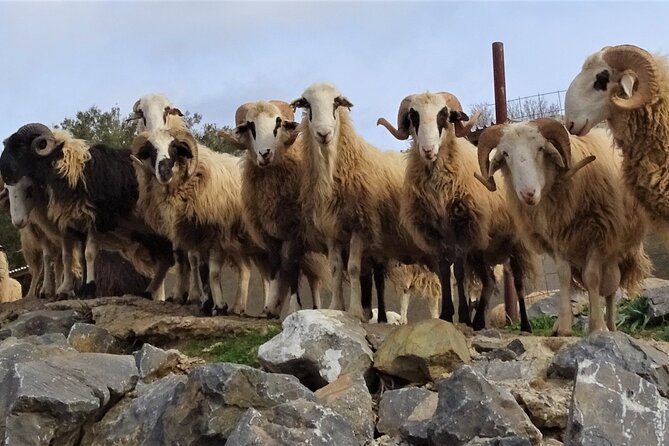
The Lasithi Plateau gives you a different view of Crete. Instead of staying on the coast, you head inland toward Mount Dikti, traditional settlements, farm country, and mountain scenery. The area is known for its old windmills, fertile soil, and links to Greek mythology.
This is not a tour built around one headline sight. It is a full day of small encounters. You see how olive oil is made, watch a potter work, sit in a village café, walk through the plateau’s main settlement, eat Cretan food, and finish with two scenic stops on the way back.
That variety is the main reason I would consider booking it. You are not spending seven hours inside a van driving from one photo stop to another. The day has food, craft, conversation, history, and nature. Since the tour is private, your guide can adjust the pace and respond to your interests.
The guide named most often for this experience is Spyros. He is described as warm, humorous, and able to explain Cretan food, architecture, olive farming, and recent island history in a way that makes sense. The company can also provide another local English-speaking driver-guide, so ask who will lead your departure if having Spyros matters to you.
You can also read our reviews of more guided tours in Crete
Omalia Olive Press and the story in every bottle
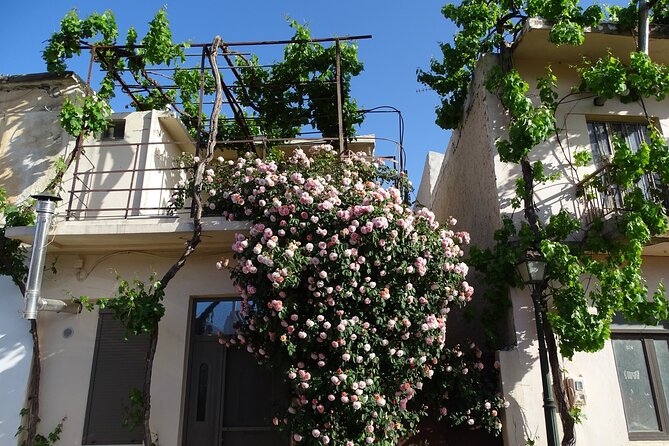
The first stop is Omalia Olive Press, a fourth-generation family olive oil factory. This is more useful than a simple tasting because you get to see the process behind one of Crete’s central foods.
You can expect a look at modern machinery used alongside traditional methods passed down through the family. The visit helps explain why olive oil here is more than a cooking ingredient. It is tied to the land, farming, family work, and daily meals.
The tasting is included. Freshly pressed oil can have a strong, grassy flavor, so take a moment to notice the difference between supermarket oil and oil made close to the harvest. You may also find this a good place to buy a bottle, although the supplied details do not specify shop prices or shipping options.
The stop lasts about one hour and has no additional admission fee. If you have food allergies or intolerances, tell the operator before the tour so the tasting and later meal can be handled safely.
Windmills above the Lasithi Plateau
The old windmills are one of the plateau’s most recognizable sights. For generations, wind power helped grind grain and irrigate farmland. Today, the surviving mills offer a quick lesson in how local farmers worked with the wind and soil long before modern infrastructure.
You have about 45 minutes here for views and photographs. The stop is short enough to keep the day moving, but long enough to take in the wide setting and hear the story of the mills from your guide.
Do not expect a fully restored museum or a long historical visit. The value is in the setting, the photographs, and the connection between the machines and the farming culture of the plateau. Bring your phone or camera, and keep a little room in your schedule because private tours often allow a few extra minutes when the group wants to stop for a view.
Psychro pottery, with the maker at work
At Psychro village, you visit a pottery workshop and watch the owner make ceramics. This is one of the more personal stops because you see the object being shaped in front of you, rather than only browsing finished souvenirs.
You may also have the chance to make your own small ceramic souvenir. The wording of the experience suggests this is an option, not a guaranteed activity, so ask the guide or potter when you arrive.
The visit lasts about 30 minutes. That is enough time for a demonstration and a quick look around, but not a long craft class. I like this stop because it gives you contact with a living skill and a chance to support a local maker. If you are buying pottery, remember that the tour does not specify prices, packing, or transport arrangements.
Lasithi Mesa and the old kafeneio
The most distinctive part of the day may be Lasithi Mesa, a small village where you meet local people in a traditional kafeneio. A kafeneio is more than a café. It is a social place where people gather, talk, and keep up with village life.
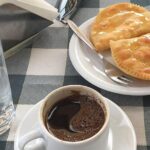
You taste Cretan wines, raki, and Greek coffee while learning about local customs and daily routines. This is the kind of stop that can turn a scenic drive into a better understanding of Crete. Your guide helps with the conversation and explains what you are seeing.
The visit lasts about 90 minutes, making it one of the longest stops. That extra time matters. You are not being rushed through a tasting counter. You have time to sit, ask questions, and let the conversation develop.
Raki is strong, and even a friendly tasting can catch you by surprise. Sip slowly, drink the bottled water provided, and do not feel obliged to finish every pour. The same applies to coffee and wine. The point is contact and context, not quantity.
You can also read our reviews of more private tours in Crete


Walking Tzermiado and tasting Greek yogurt
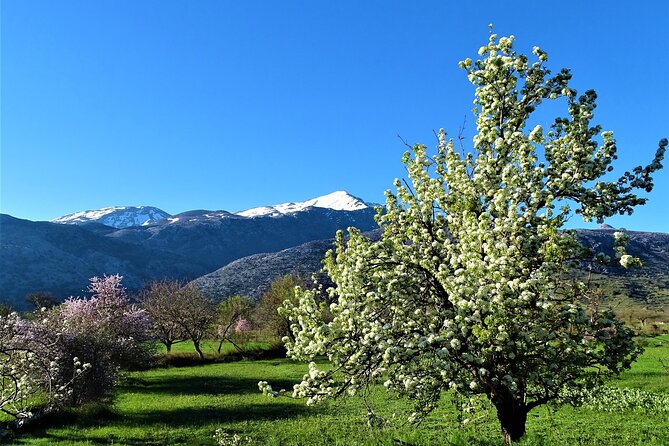
Tzermiado is the capital village of the Lasithi Plateau. Here you walk through narrow streets and see older buildings before tasting Greek yogurt.
The 45-minute stop gives you a change of pace after the longer café visit. It is a good place to stretch your legs and notice the village layout at close range. The narrow streets may be uneven, so comfortable shoes are sensible even if you do not plan to visit Zeus Cave.
The yogurt is a small tasting rather than a full meal. It works well as a local food pause before lunch, but do not count on it to replace breakfast or lunch.
Zeus Cave: a strenuous option to plan carefully
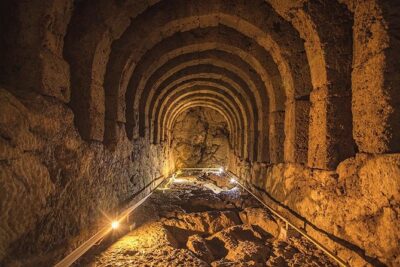
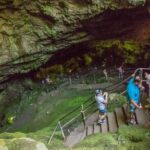
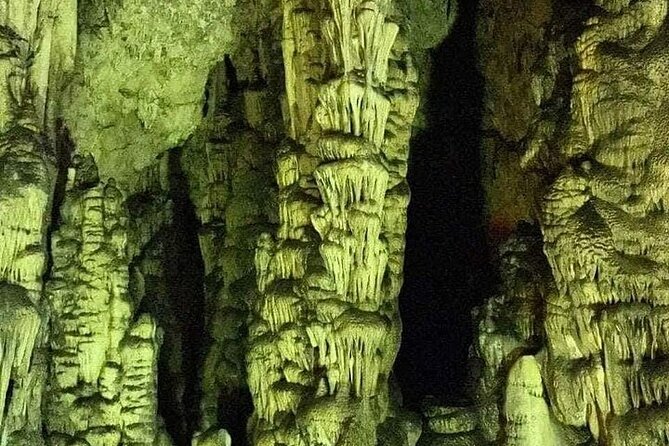
Zeus Cave is linked to the story that Zeus was born on Mount Dikti. Inside, the cave has stalactites, stalagmites, and a pond. Reaching it requires a steep uphill walk of about 15 to 20 minutes.
This is the one part of the day that needs honest preparation. One person who took this tour found the hike difficult and the cave less impressive than the effort suggested. Another account describes a donkey ride to the cave, but that is not listed as an included feature, so do not assume it will be available.
Wear shoes with a firm sole and bring water. If you have limited mobility or dislike steep paths, tell the operator before departure. The route can be adjusted around your priorities, and the cave does not need to be the reason you book the whole tour.
For some people, the myth, mountain setting, and cave formations will make the walk worthwhile. For others, the windmills, villages, food, and olive press will be the better parts of the day.
Lunch at Tzanakis Michael
On the return route, you stop at Tzanakis Michael, a family-run taverna serving food made with fresh products from the area. Lunch takes about 90 minutes and is not included in the tour price.
Possible dishes include moussaka, saganaki, stuffed vegetables, Greek salad, and lamb cooked in the oven. These are familiar Greek foods, but a family taverna in the countryside gives you a chance to try them in a more local setting.
Budget separately for this meal. The tour price includes transportation, guide service, tastings listed in the package, water, insurance, and taxes, but not lunch. Since no menu prices are provided, ask your guide about the day’s choices and cost before ordering, especially if you are traveling with a large family.
You should also report allergies or food intolerances ahead of time. The operator specifically asks for this information, and it is easier to plan before the van leaves than at the table.
Krasi’s 2,400-year-old plane tree
The stop at Krasi is brief, about 20 minutes, but the ancient plane tree makes it memorable. The tree is said to be about 2,400 years old and occupies the village square with a broad canopy and a massive, weathered trunk.
You will not have a long walking tour here. Instead, you get time to see the tree, take photographs, and absorb the sense of age in a public place that has served generations.
This stop is best understood as a pause, not a major attraction requiring an hour. It also breaks up the return drive and gives you a pleasant village setting after lunch.
Aposelemis Dam and the final views
Aposelemis Dam is the largest dam on Crete. The stop lasts about 25 minutes and offers views over the reservoir and surrounding countryside.
The dam adds a modern note to a day otherwise focused on old farming methods, village customs, and traditional crafts. It shows how Crete continues to manage water for the island’s communities and agriculture.
Again, this is a scenic viewpoint rather than a full engineering tour. You will have time to look over the water, take photographs, and hear why the reservoir matters. If you prefer ancient sites and village streets to modern infrastructure, this will probably be a quieter part of the day.
What the private format is worth
The listed cost is $694.09 per group of up to seven people. That means the value changes sharply with group size. Split seven ways, the transportation and private guide work out to roughly $99 per person before lunch. For two people, the same tour costs about $347 each, which is a much heavier price.
The Mercedes-Benz van, pickup, drop-off, and private format are important here. You are not paying only for admission tickets. You are paying for a full day of transport through mountain roads, a local guide, and the freedom to adjust the route.
I think the price makes the most sense for families, extended families, or a group of friends. It is also useful if you are arriving by cruise ship and need port pickup, though late departures can force you to skip one or two stops to return on time.
The tour runs about seven to eight hours. That is a long day, but the schedule includes several short visits and two longer stops. You should expect a balance of driving, walking, tasting, and sitting. Lunch is extra, and the Zeus Cave walk adds physical effort.
Who should book this Crete day tour
I would recommend it most strongly to you if you want to see inland Crete without arranging a rental car, and if you prefer local food and conversation to a checklist of famous monuments.
It suits:
- Families and groups of up to seven who can share the cost
- Visitors staying near Heraklion who want a full inland day
- Cruise passengers with enough time in port
- People interested in olive oil, pottery, village customs, and Cretan food
- Anyone who prefers a private pace and the ability to change priorities
It may be less suitable if you want a focused archaeological tour, a relaxed beach day, or a serious cave expedition. The Zeus Cave walk is uphill, and the cave itself may not justify the effort for everyone.
Pickup is offered from a hotel, port, or airport. A mobile ticket is provided, and confirmation comes at booking. Most people can participate, but the uphill cave path means you should discuss mobility concerns in advance.
Free cancellation is available up to 24 hours before the start time for a full refund. The tour requires good weather. If poor weather causes cancellation, you can choose another date or receive a full refund.
Should you book the Lasithi Plateau tour?
Book it if you want the day to feel like a guided introduction to Cretan life, not just a trip to one attraction. The strongest elements are the olive press, the village kafeneio, the pottery workshop, and the food. Spyros appears to be an especially good match for people who enjoy questions, history, humor, and flexible planning.
Before booking, gather enough people to make the price work, set aside money for lunch, wear good shoes, and decide how important Zeus Cave is to you. If the cave walk is your main goal, ask for exact conditions before you go. If your priority is seeing how Crete eats, works, and gathers, this private day offers a well-rounded route through the Lasithi Plateau.
FAQ
How long does the Lasithi Plateau tour last?
The experience lasts approximately seven to eight hours.
What is the price for the private tour?
The price is $694.09 per group of up to seven people.
Is hotel, port, or airport pickup available?
Yes. Pickup and drop-off are offered from your hotel, port, or airport.
Is transportation included?
Yes. The tour includes private transportation in a Mercedes-Benz van.
Is lunch included in the tour price?
No. Lunch at Tzanakis Michael is optional and is not included.
Is the Zeus Cave visit physically demanding?
Yes. Reaching Zeus Cave requires walking uphill for about 15 to 20 minutes. Comfortable shoes and water are recommended.
What tastings are included?
The tour includes Greek coffee, wine, raki, refreshments, and bottled water. It also includes tastings at the olive press and Greek yogurt in Tzermiado.
Can the itinerary be changed?
Yes. The operator asks you to share any specific sights or experiences you want, and the private route can be adjusted to your priorities. Cruise passengers departing after 9 a.m. may need to skip one or two stops to return to the ship on time.