REVIEW · CRETE
Chania: Old Town Highlights Guided Tour with Street Food
Book on GetYourGuide →Operated by Alma de Creta · Bookable on GetYourGuide
Cretan food tastes better when someone shows you where to find it. This Chania Old Town street-food tour pairs walking through well-preserved lanes with Cretan tastings that actually explain what you’re eating and why it matters in local life. I also like how guides connect the architecture to the people who lived here, from Venetian influences to later Ottoman-era marks.
The main drawback is simple: it’s a walking tour. Expect cobbled streets, you’ll be without a wheel-and-door kind of ride, and you should come ready to sample plenty (so plan your meals around it). Also note it’s not suitable for people with mobility impairments, wheelchair users, or anyone with gluten intolerance.
In This Review
- Key things to know before you go
- Why Chania’s Old Town is made for a street-food walk
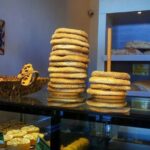
- Start at Bougatsa Chania: how the tour kicks off
- Venetian, Renaissance, and Ottoman clues you’ll spot as you walk
- The street-food route: what you actually eat
- Markets and shops: how to shop like a local after the tour
- When craft stops add meaning (knife, rug, filo)
- Pacing and comfort on cobbled streets
- Price and value: is $106 worth it for 4 hours?
- Who this tour fits best (and who should reconsider)
- Quick practical tips before you go
- Should you book this Chania street-food highlight tour?
- FAQ
- FAQ
- Where do I meet the guide?
- How long is the tour?
- What’s included in the price?
- What languages are available?
- Is it private or a shared group?
- Do I need hotel pickup?
- Can I bring luggage or a big bag?
- Is it suitable for gluten intolerance or mobility needs?
- What should I bring?
Key things to know before you go
- Meet at Bougatsa Chania: that’s where the tour starts, then you head into the Old Town on foot.
- Four hours, lots of eating: savory street-food tastings are a real part of the experience, not a garnish.
- Old Town history you can see: Venetian heritage, Renaissance era connections, and Ottoman influences show up in the walk.
- Small-group or private options: you can choose a more intimate setup.
- Bring comfy shoes and sunglasses: you’ll want stable footing on uneven streets.
- No large bags or luggage: pack light for a smooth start.
Why Chania’s Old Town is made for a street-food walk
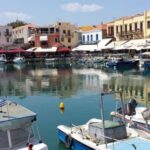
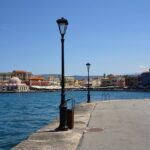
Chania is one of those places where the city itself is the museum—streets, façades, harbor views, and tiny shopfronts all tell part of the story. On your own, you can wander for hours. With a guide, you move faster because you get a clear thread: the history is tied to what locals eat and buy today.
I especially like that this isn’t just a food parade. The tastings come with stops that help you read the city: what shaped the architecture, why certain flavors became everyday staples, and how ingredients move through markets and small shops. It turns a casual stroll into something you’ll remember when you’re back home craving olives or honey.
You should also know the timing works best when you’re not stuffed already. Many guides build a sequence of bites and drinks, so if you start hungry, you’ll enjoy each stop more. The group reviews strongly hint at this: people repeatedly advise skipping breakfast.
You can also read our reviews of more food & drink experiences in Crete

Start at Bougatsa Chania: how the tour kicks off
Your meeting point is clear: Bougatsa Chania. From there, you start with the kind of local orientation that makes the rest of the walk feel easy. Instead of “tourist time,” you get “first-day in town” time—where you learn how people move through markets and where the everyday food stops are.
You’ll then head toward the market area and into the Old Town on cobbled paths. Expect the first part to feel like a warm-up: you get situated, meet your guide, and begin linking streets to stories. The tour includes coffee or herbal tea, which is a nice reset midway or near the start depending on the pacing.
One practical note: there’s no hotel pickup or drop-off, so you’ll need to reach the meeting point yourself. That’s not a dealbreaker; it actually helps the tour feel like you’re joining the city where people already are.
Venetian, Renaissance, and Ottoman clues you’ll spot as you walk
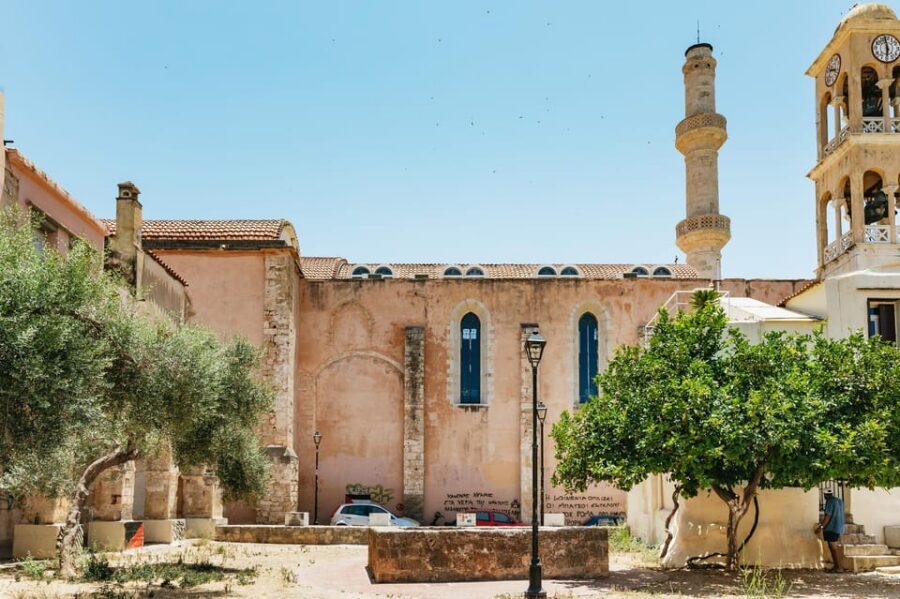
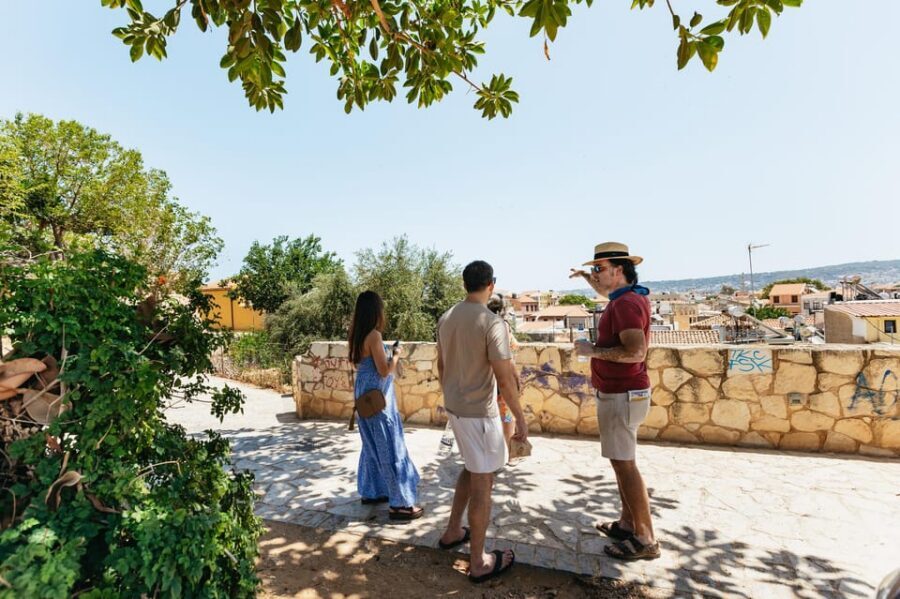
Chania’s Old Town is a layered place. You can see it in the architecture and in how the city layout evolved over time. On this tour, your guide points out those eras as you move—so it doesn’t become a random list of dates.
Here’s what you’ll be listening for during the walk:
- Venetian heritage: the influence shows up in parts of the urban design and the way buildings present themselves along the streets.
- Renaissance-era connections: not just big-picture history, but how that era’s cultural reach shows up in what got built and maintained.
- Ottoman influences: you’ll hear about how later rules and cultural shifts left marks in everyday life and structures.
The best part is how these stories match the food. A lot of Cretan cuisine evolved through trade routes and changing rulers, and your guide ties that context back to ingredients you can sample—things like olive oil, herbs and spices, cheeses, honey, and pastries.
If you like history, this tour is the type that doesn’t weigh you down with facts. It’s more “look at this street, then try this ingredient, now you get it.”
The street-food route: what you actually eat
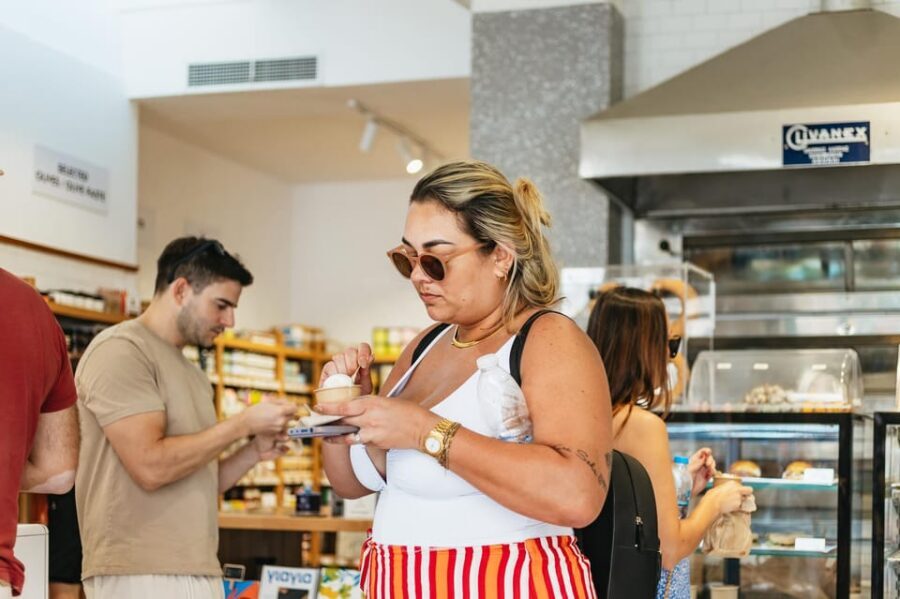
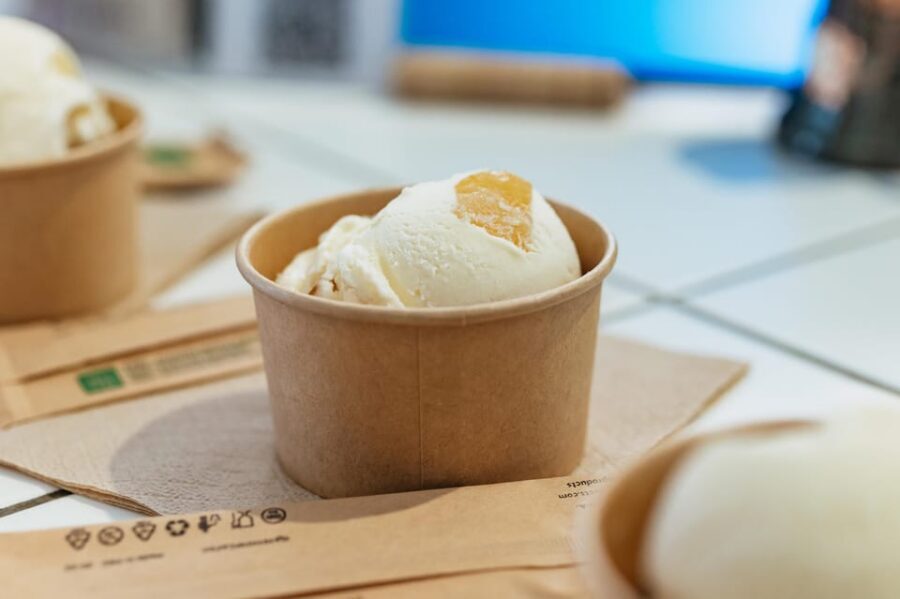
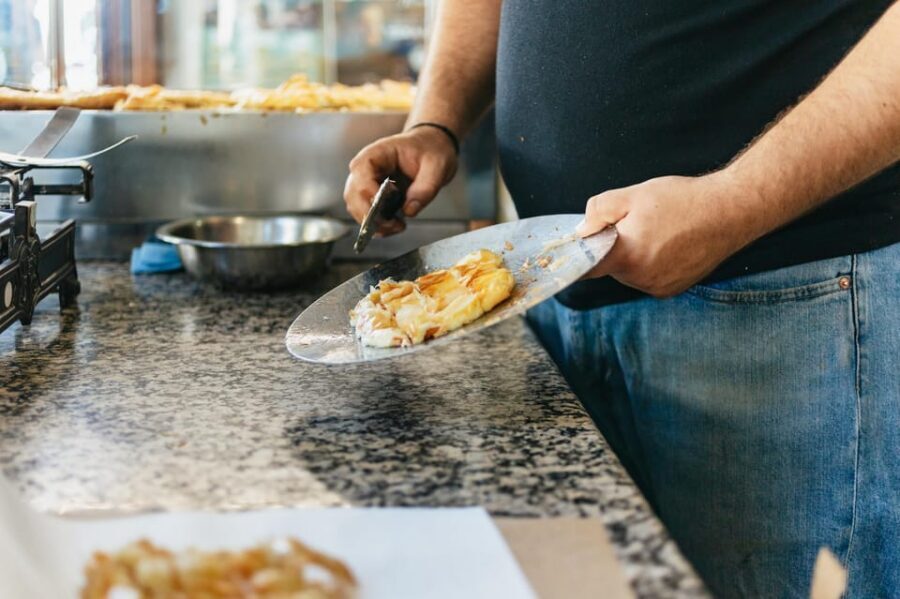
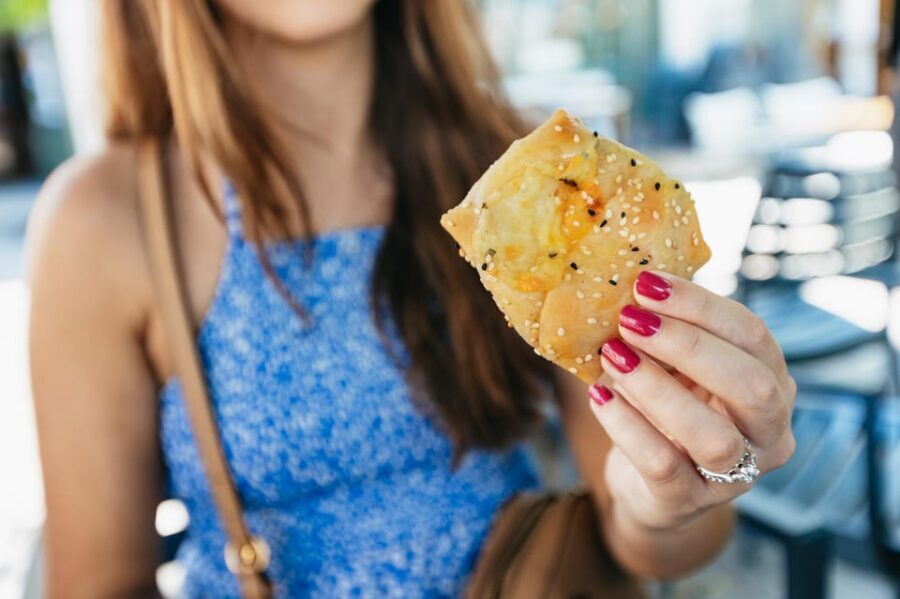
This is the star of the show. The tour includes savory Cretan street food tastings, and the stops are designed so you don’t just nibble once or twice. People in the reviews kept emphasizing that it was more than a tiny bite at each location—many describe each stop as “a meal.”
Across the experiences, you’ll see a strong Cretan lineup, including:
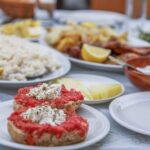
- Bougatsa (a common early pastry stop)
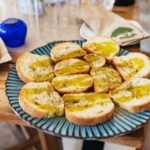
- Olive oil tastings, often paired with bread or other bites
- Honey and spreads (including standout honey varieties people singled out)
- Cheese and dairy-based samples
- Olives, dips, and savory bites using herbs and local seasonings
- Pastries and sweets like meat pies and baklava (mentioned in multiple experiences)
- Meatball-style savory snacks and other small hot bites
- Greek coffee with traditional cake (some guides include this as a satisfying finish)
One reason this tour feels like good value is the variety. You’re not repeating the same snack four times. You’re moving through flavors and textures—salty, creamy, sweet, crunchy—so it feels like real Cretan eating, not a “one-note” food tour.
Also: the coffee/tea inclusion matters. With all that walking and tasting, you’ll want a pause that doesn’t rely on you hunting down a café on your own.
Markets and shops: how to shop like a local after the tour
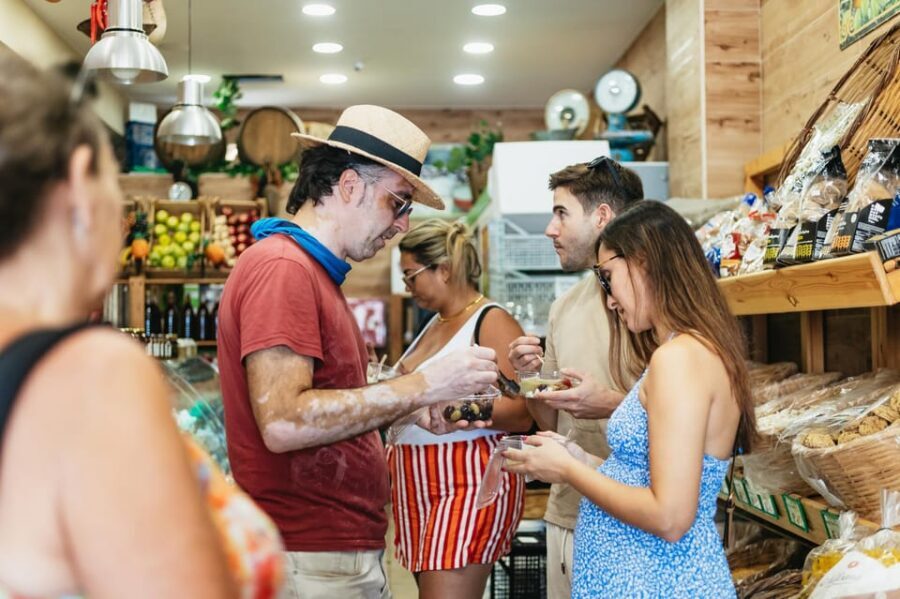
Food walks are great for understanding what to eat, but I also want practical takeaways: what should I buy, and where? This tour does that part in a subtle way by walking you past the kinds of places locals use—shops and markets selling produce and local goods like wine, cheese, olive oil, herbs, and spices.
After a tour like this, you’ll usually spot two things immediately:
1) which shopfronts look like everyday shopping stops (not just souvenir stands), and
2) which products people keep returning to.
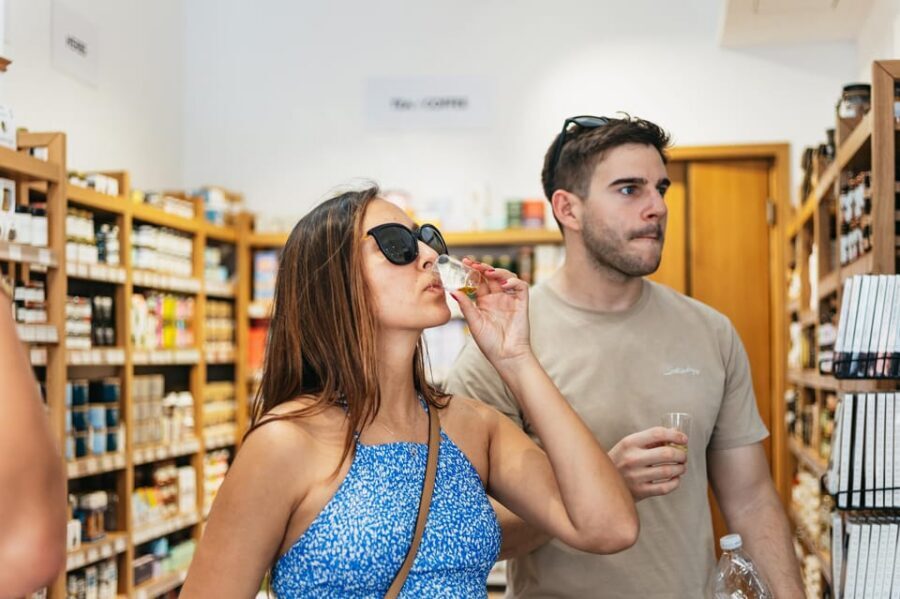
Several people specifically praised tastings at a specialized grocery-style spot where they tried things like honey varieties, pistachio-based spreads, and other locally made flavors. That kind of stop is helpful because it teaches you what’s worth seeking again later—so your next market visit isn’t random.
If you plan to bring food home, you’ll want to ask what’s easy to pack and how long items keep. The tour itself is about tasting, but it sets you up to shop smarter right after.
A few more Crete tours and experiences worth a look




When craft stops add meaning (knife, rug, filo)
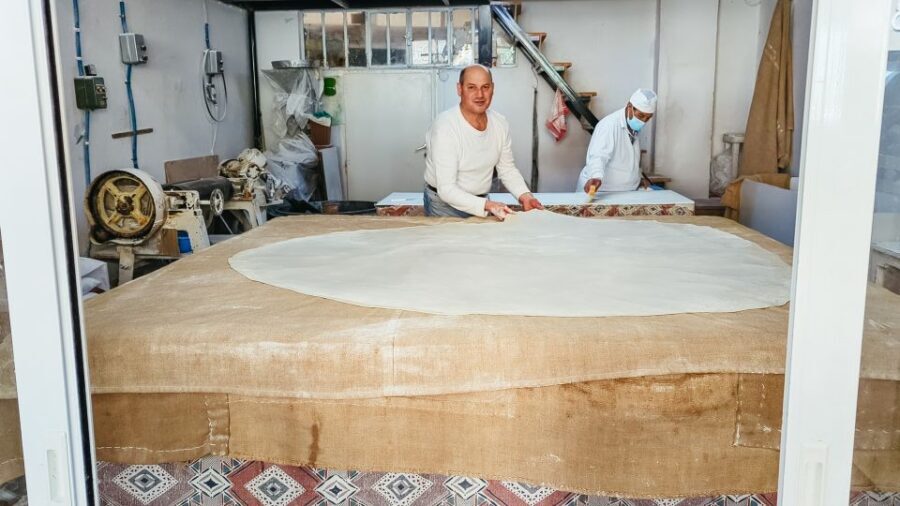
Some versions of this tour include short artisan stops, and I like that because it connects food to the trades that supply the island. In the accounts you shared, people mention craft stops such as a knife maker, a rug maker, and even a filo-related stop.
Even if you don’t go deep into the craft itself, these stops do something useful: they show that Crete isn’t only about the final dish. It’s about the tools, the materials, and the local knowledge behind what ends up on your plate.
If your group includes these moments, treat them like a quick palate cleanser for your brain. Then you go right back to the tastings with a better sense of place.
Pacing and comfort on cobbled streets
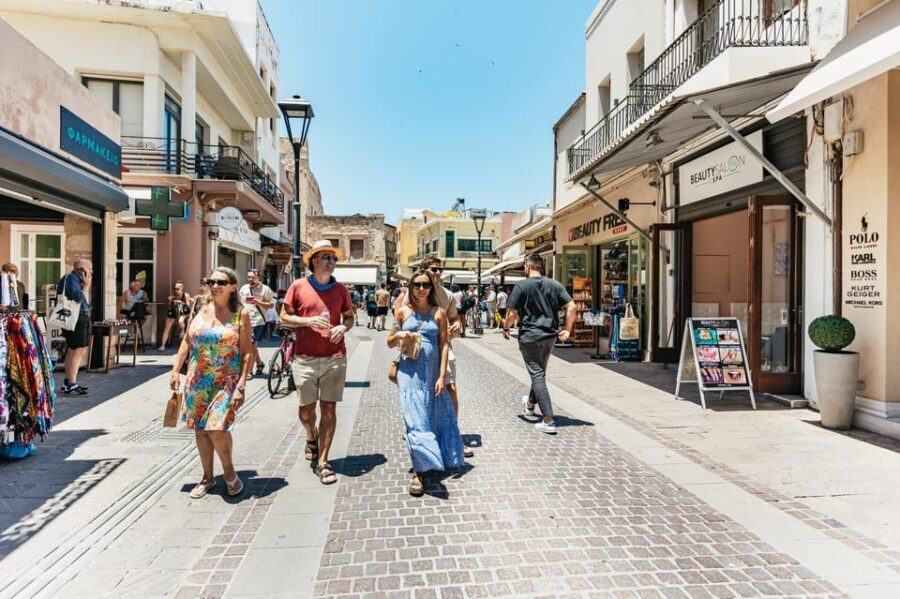
Let’s talk logistics honestly. This is a walking tour through narrow, cobbled Old Town streets. That means:
- you’ll need comfortable shoes
- you should expect some uneven ground
- you shouldn’t bring anything that swings or drags (there’s a rule against luggage or large bags)
The duration is 4 hours, which is long enough for multiple tastings but short enough to still enjoy the rest of your day in Chania. Many guides aim for a relaxed rhythm. Reviews mention tours with a pace that feels tailored to the group, and that’s a big deal if you’re traveling with kids or if you want time for photos without rushing.
One more comfort tip: skip breakfast if you can. The tour includes so many stops that starting with an empty stomach helps you enjoy everything. You’ll thank yourself by the second or third tasting.
Price and value: is $106 worth it for 4 hours?
At $106 per person for 4 hours, the price can look steep until you understand what you’re buying: guided context plus a structured run of tastings. This isn’t a “wandering guide with one snack.” The included elements are:
- a local guide
- a walking tour
- savory Cretan street food tastings
- coffee or herbal tea
What makes it good value is that you’re getting both parts of the experience working together. The history points make the architecture feel less generic. The food tastings make the city feel less like a photo stop. And because it’s a guided route that includes market and shop visits, you’re not spending your limited first-day time figuring things out.
Also, the reviews are consistent on quantity and variety: people repeatedly mention being full, eating a wide range of items, and feeling like each stop was a meaningful one. If you love food and you want a guided “first-day orientation,” this price starts to make sense quickly.
Who this tour fits best (and who should reconsider)
This tour is a great match if you:
- want a first-day overview of Chania’s Old Town
- like food that tastes like real daily life, not only tourist fare
- enjoy history when it’s tied to what you’re seeing and eating
- want a local’s shortcuts for shops and places to return to
You might reconsider if you:
- have mobility impairments or use a wheelchair (not suitable)
- need a gluten-free plan (not suitable for gluten intolerance)
- hate walking on uneven pavement
If you have food allergies, the data you provided includes examples of guides being attentive. In that case, tell your guide right away at the start so the tastings can match your needs.
Quick practical tips before you go
A few small things can dramatically improve your tour day:
- Wear comfortable shoes for cobbles.
- Bring sunglasses, especially for harbor-adjacent views and bright Old Town light.
- Eat lightly beforehand or skip breakfast if you can—this tour can be very filling.
- Plan to shop later with a list in your head; the walk helps you know what’s worth buying.
If you’re arriving by cruise or only have a short window, this is also a smart move because it gives you structure for a half-day. You’ll finish with both city knowledge and a stronger instinct for what to eat next.
Should you book this Chania street-food highlight tour?
I’d book it if you want your Chania day to feel like two wins: a guided walk through Old Town layers plus a full sequence of Cretan tastings. It’s especially worth it when you’re visiting for the first time, because the guide helps you understand what you’re looking at and where to return for better meals.
I’d skip it if walking is a problem for you, if you need gluten-free options, or if you’re hoping for a light snack-only tour. This one is built for people who want to eat and learn in the same 4-hour block.
If your dates are flexible, the tour offers free cancellation up to 24 hours in advance, and you can reserve and pay later (useful if you’re juggling flight or ferry timing).
FAQ
FAQ
Where do I meet the guide?
Meet your guide at Bougatsa Chania.
How long is the tour?
The tour lasts 4 hours.
What’s included in the price?
The tour includes a local guide, a walking tour, savory Cretan street food tastings, and coffee or herbal tea.
What languages are available?
The live guide is available in English, Greek, and Spanish.
Is it private or a shared group?
You can choose private or small groups.
Do I need hotel pickup?
No. Hotel pickup and drop-off aren’t included, so you’ll head to the meeting point yourself.
Can I bring luggage or a big bag?
No. Luggage or large bags are not allowed.
Is it suitable for gluten intolerance or mobility needs?
No. It’s not suitable for wheelchair users or people with mobility impairments, and it’s not suitable for people with gluten intolerance.
What should I bring?
Bring comfortable shoes and sunglasses.