REVIEW · CRETE
From Chania: Olive Oil, Wine, Cheese & Honey Tasting Tour
Book on GetYourGuide →Operated by TourMaster · Bookable on GetYourGuide
Five thousand years of olives, plus lunch-worthy tastings.
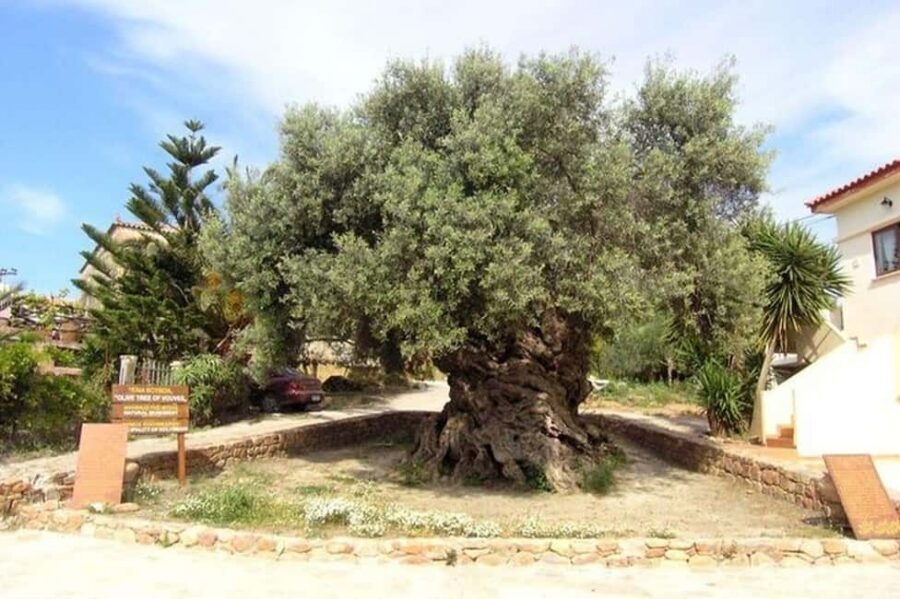
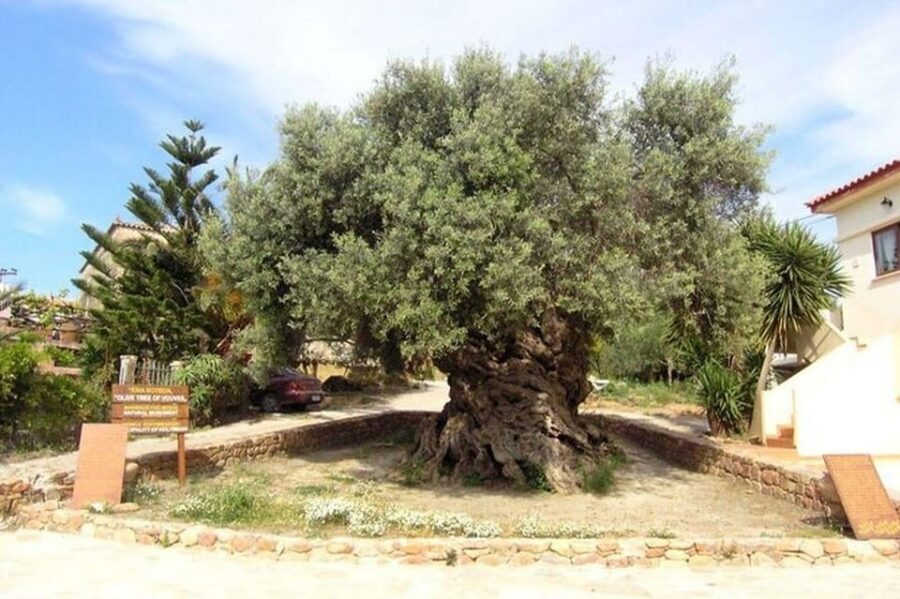
This day trip strings together Cretan agriculture and food in a way that feels both old and practical: you start at the legendary Olive Tree of Vouves (3,000–5,000 years old) and keep moving through stops that explain how the island actually makes what you eat. I love how the day gives context, not just samples, and Vouves is the kind of sight that makes you slow down. You’re not rushed out of the moment.
My other favorite part is the sheer variety of tastings: from honey and cheese to a serious wine flight at the winery. At $49 for a full day, it’s strong value if you like tasting your way through the countryside rather than doing one long, scenic look-and-see. One heads-up: this runs with a larger group and a multi-stop pickup/drop-off loop, so you may feel some time gets eaten up before you’re fully on the tasting trail.
In This Review
- Key highlights worth planning for
- Rural Crete, served on a schedule (and why that matters)
- Vouves Olive Tree: the big wow before the food
- Bakery stop: rusks, pastries, and buying a little of Crete
- Cheese factory: multi-award-winning, but still friendly and learn-as-you-go
- Honey-making and olive grove: seeing the process, not just the product
- Pnevmatikakis Winery in Nopigia: 20 varieties and a clever finish
- Olive oil, honey, cheese, wine: why the pairing order works
- Price and logistics: $49 is fair if you’re okay with a full circuit
- What I’d pack (so the day stays easy)
- Is it a good fit for you?
- Should you book this Chania to Vouves olive, honey, cheese, and wine day?
- FAQ
- What is the duration of the tour?
- Where are pickups and drop-offs provided?
- What tastings are included?
- How many wine varieties do you taste?
- Is the winery stop suitable for children?
- Is the tour wheelchair accessible?
- What should I bring for the day?
Key highlights worth planning for
- The Olive Tree of Vouves: a sculptural, ancient landmark tied to Crete’s long relationship with olives
- Family bakery flavors: rusks, fresh bread, and savory pastries you can buy if you want
- Cheese factory tasting time: a multi-award-winning stop with explained steps, plus hands-on-style food moments
- Honey-making + olive grove learning: see how honey production works and walk among ancient trees
- Wine tasting at Pnevmatikakis: around 20 local wine varieties, with raki mentioned in some experiences
- Tradeoff: longer pickup/drop-off: expect a chunk of bus time at the beginning and end
Rural Crete, served on a schedule (and why that matters)
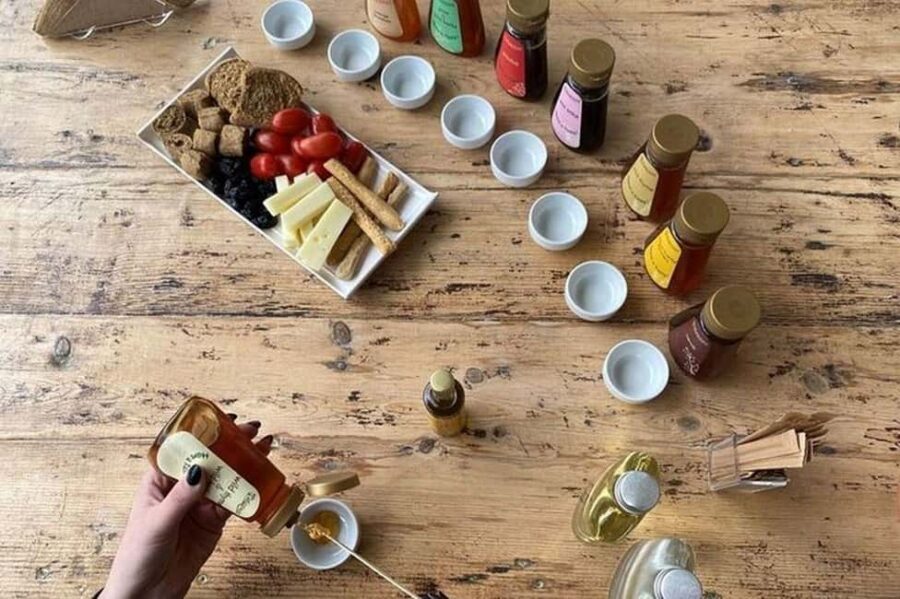
This tour is built for people who want real food culture without having to plan a car route through mountains and small villages. You’re in an air-conditioned vehicle, and the day is structured so you get multiple tasting stops rather than one big production. It’s the kind of format that works well when you only have a few days in the Chania area.
Also, the tour isn’t only about tasting. You get short explanations along the way—agriculture, processing, and how Cretans turn farm products into everyday staples. That makes your tastings more meaningful. You start noticing differences: how honey is harvested and extracted, how cheese is handled, and how olive oil production changes with the process.
You can also read our reviews of more food & drink experiences in Crete

Vouves Olive Tree: the big wow before the food
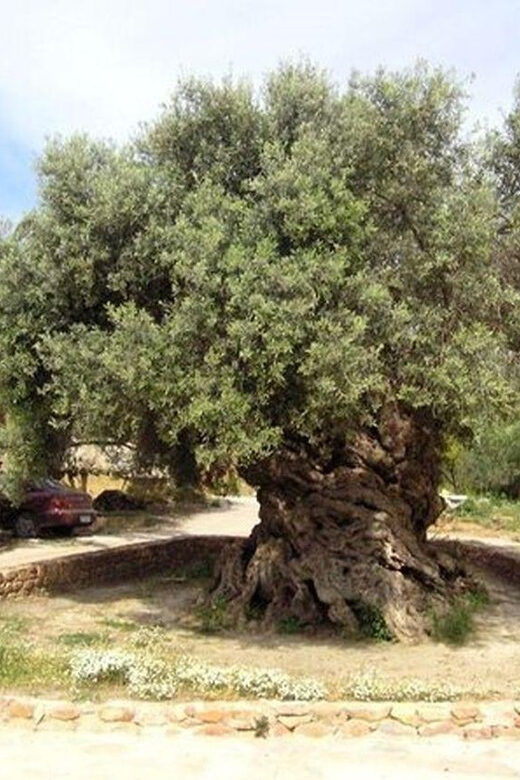
The first major moment is Ano Vouves and the Ancient Olive Tree of Vouves, described as the oldest known olive tree in the world, estimated at 3,000 to 5,000 years old. Even if you’ve seen impressive trees before, this one hits differently because it’s sculpted by time—twisted and gnarly in the way only something that old can be.
In the short guided sightseeing slot, you’ll get enough time to appreciate the trunk and understand why it matters culturally. I like that the stop isn’t only a photo break. You get the story behind why olives are so central on Crete: they’re not a crop, they’re a living part of identity.
One practical consideration: your time at Vouves is limited. A few people have wished for more room to linger around the surrounding garden areas, so if you’re the slow-and-curious type, arrive with a camera ready and a willingness to move on.
Bakery stop: rusks, pastries, and buying a little of Crete
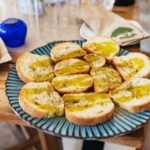
After the ancient-tree stop, the day heads to a family-run bakery where you taste traditional Cretan baked goods. Think rusks, fresh bread, and savory pastries. This is the snack stop that often becomes a meal substitute because the flavors are strong and comforting.
What I like here is the option to buy what you like. You can grab a few items to take back—handy if you want breakfast sorted tomorrow or you’re the type who keeps tasting notes by eating again later. If you’re traveling with limited space, stick to a couple of best picks rather than trying to carry everything.
Also, pay attention to what’s savory versus sweet. One experience mentioned enjoying savory pie and wishing there’d been more sweet options available at the bakery. So if you prefer dessert flavors, keep an eye out during the tasting.
Cheese factory: multi-award-winning, but still friendly and learn-as-you-go
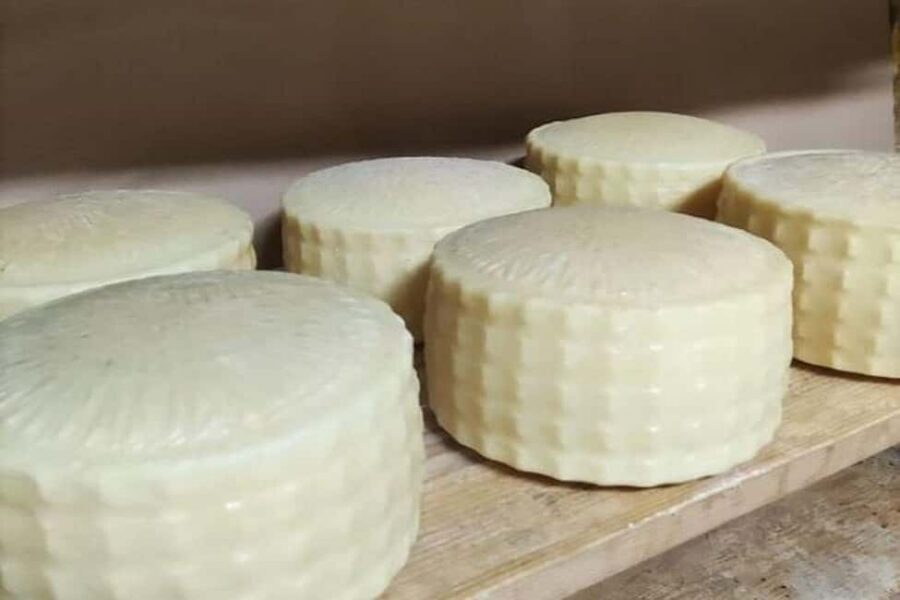
Next comes a multi-award-winning cheese factory. Depending on the season, you might actually see cheese-making happening. Even when you don’t see production in action, the guide explains the steps, so the tasting feels like it has a logic behind it.
At this stop, you get a longer block of time and structured food moments. Some versions include cooking-class style presentation plus food tasting. That matters because cheese on Crete isn’t just one thing—it can vary in texture and flavor based on what’s used, how it’s handled, and how it’s aged.
Practical tip: cheese is filling. Pace yourself if you want to enjoy honey and wine later without feeling too stuffed. If you’re a big cheese fan, you’ll likely find the tastings hard to stop at, but saving room for wine is worth it.
Group size can also play a role. When groups are larger, it can get harder to hear at busier tasting areas—especially if you’re not close to the guide or the staff member running the show. If you can, position yourself where you can hear clearly during explanations.
Honey-making and olive grove: seeing the process, not just the product
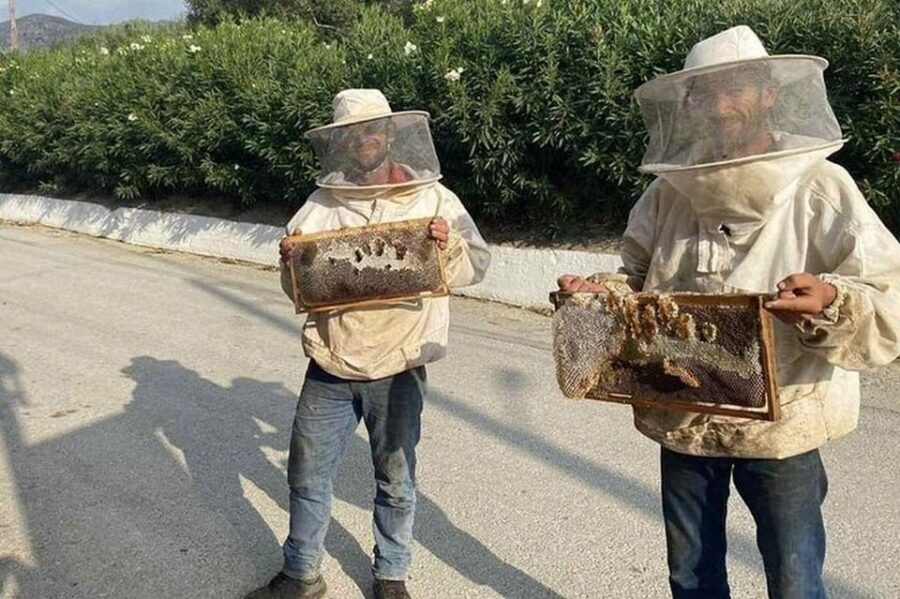
A standout part of the day is the honey and olive grove experience. You’ll learn about honey-making from the bees and hives through extraction and bottling. You also stroll through an olive grove with ancient trees.
This section is where the tour turns from tasting to understanding. Honey flavor doesn’t appear out of nowhere. It’s tied to how bees work and how the hives are managed, and the tour’s presentation is designed to connect the dots between the farm reality and what ends up in your sample cup.
You’ll also visit a local olive factory to see how Cretan olive oil is produced—from harvesting the olives to pressing and finishing the final product. Even if you already know olives are important, seeing the processing flow helps you understand why olive oil taste isn’t one-size-fits-all.
What to expect emotionally: this is the “slow down and look around” portion. The countryside views are part of it, and you’ll get a clearer sense of why Crete’s food culture is so rooted in agricultural routines that go back generations.
You can also read our reviews of more wine tours in Crete


Pnevmatikakis Winery in Nopigia: 20 varieties and a clever finish
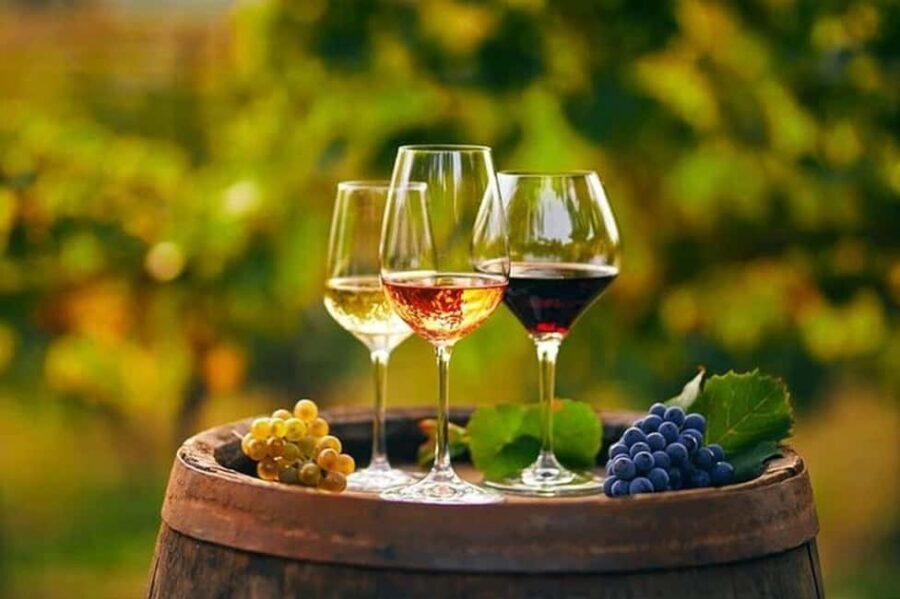
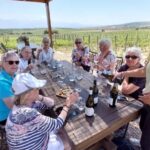
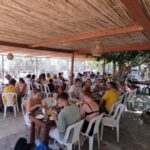
The wine stop is at Pnevmatikakis Winery, located in the Nopigia area. The tastings are a core part of what you’re paying for, and you’re given a generous variety—20 different wine varieties included in the tour.
In practice, some experiences mention self-serve or free-pour setups and talk about tasting roughly 18 options plus raki. Either way, the spirit is the same: you’re encouraged to taste, compare, and find what fits your palate. This is a great time to ask questions if your guide is the talkative, history-and-agriculture type, because winemaking on Crete is all about local grapes and local methods.
One smart strategy: try a small amount of each wine, then come back to the ones you actually like. When you’re offered many choices, it’s easy to end up drinking more than you planned. Also, wine is last in the sequence for a reason—your day has already included bakery and cheese, and you want the wine to feel like a rewarding finish, not a stomach-bruising finale.
If you’re traveling with kids, you’re not left out. The winery experience is said to welcome children with a specially crafted platter and beverages.
Olive oil, honey, cheese, wine: why the pairing order works
It’s not random that the day cycles through olives, then bakery, then cheese and honey, and finishes with wine. If you taste olive oil and honey early, you’re more likely to notice their clean, pure qualities before your taste buds get overwhelmed. Dairy and baked goods then add richness, and wine finally gives you acidity and fruit to reset the palate.
Also, the tour’s value comes from breadth. You’re not choosing one theme. You’re getting a whole system: farm products, processing, and the cultural habit of serving food and drink as a shared experience.
If you like to bring home something real, this is one of the best tours for it. People often end up purchasing cheeses or honey after tasting, because the differences are easier to judge after you’ve sampled.
Price and logistics: $49 is fair if you’re okay with a full circuit
At $49 per person for a 7-hour day with pickup/drop-off and multiple included tastings, this is good value if your goal is a structured, food-heavy day. You’re not just paying for transport. You’re paying for the access: the ancient tree visit, the bakery, the cheese factory, the honey and olive oil explanations, and the winery tasting with many wine varieties.
The main logistical drawback is the time spent in the pickup and drop-off circuit. With lots of hotel stops, some people feel the first part can feel slow, and the end can be long too—especially if your hotel is far from the route or you’re stuck waiting while the bus collects and distributes passengers.
If you hate waiting, you might prefer a smaller group tour or a more direct route. If you’re fine with bus time in exchange for a packed tasting day, you’ll likely feel it’s money well spent.
Road-wise, this is also the kind of tour where you should expect curvy mountain roads and confident bus driving. Many people note the driver’s skill and comfort, and the vehicle is described as air-conditioned, which is a real plus in warm months.
What I’d pack (so the day stays easy)
The tour gives a simple packing list, and you’ll thank yourself for it:
- Sunglasses
- Sun hat
- Sunscreen
Add water to your personal kit if you can. Tastings fill you up, but walking and outdoor olive grove time means you’ll still want to stay hydrated. Also consider how you’ll carry purchases. Some people mentioned that product sizes can matter for hand luggage, so keep that in mind if you’re flying light.
Is it a good fit for you?
This is a strong match if:
- You like food as education, not just eating
- You want to see rural areas around Chania without renting a car
- You enjoy comparing multiple wines, cheeses, and olive/honey products in one day
- You’re okay with a larger group dynamic
It’s less ideal if:
- You’re very sensitive to waiting during pickup/drop-off
- You struggle with hearing in bigger groups
- You expect lots of quiet time at each stop (some moments are shorter by design)
One more note from the info provided: the accessibility details conflict. It’s marked as wheelchair accessible, but it’s also listed as not suitable for wheelchair users. If you need wheelchair access, I’d confirm directly with the operator before booking.
Should you book this Chania to Vouves olive, honey, cheese, and wine day?
If your idea of a great day in Crete is tasting your way through what locals actually make—then yes, I think you should book it. The big wins are clear: the Ancient Olive Tree of Vouves, the multi-stop food education (bakery, cheese factory, honey and olive oil process), and a wide winery tasting at Pnevmatikakis with about 20 wine varieties included.
Book it if you want an efficient, countryside-style day without planning. Skip it only if you strongly dislike bus loops, large groups, or short stop times. If those aren’t dealbreakers, this tour offers a lot of Crete per hour—and it’s the kind of day you’ll remember when you’re back home trying to recreate the flavors.
FAQ
What is the duration of the tour?
The tour lasts 7 hours.
Where are pickups and drop-offs provided?
Pickup and drop-off are available from many locations around the Chania area, with listed hotel and meeting points.
What tastings are included?
Wine, cheese, olive oil, honey, and bakery products are included.
How many wine varieties do you taste?
The tour includes tastings of 20 different wine varieties.
Is the winery stop suitable for children?
Children are welcomed, with a specially crafted platter and beverages mentioned for them.
Is the tour wheelchair accessible?
The information provided is mixed: it’s listed as wheelchair accessible, but it’s also noted as not suitable for wheelchair users. You should confirm with the operator before booking.
What should I bring for the day?
Bring sunglasses, a sun hat, and sunscreen.