REVIEW · FIRA
Santorini Private Daytime Wine Tour with Certified Sommelier
Book on GetYourGuide →Operated by Wineland Tours · Bookable on GetYourGuide
Santorini’s wine is shaped by volcanic soil, sea air, and fierce sun, and this private tour gives you a far better way to understand it than simply ordering a glass with lunch. Over five hours, you visit three estates, taste at least 12 wines, and see how grapes become bottles.
I like the personal format, especially the chance to request wineries that fit your interests. I also like the mix of tasting, cellar visits, vineyard views, and Cycladic cheese instead of a string of stand-alone pours. The main consideration is the $318 per person price, which makes the tour a serious splurge for couples or small groups.
In This Review
- The key points at a glance
- Why Santorini wine deserves five hours
- A private sommelier makes the difference
- Three wineries chosen from Santorini’s best-known estates
- Gavalas Winery and generations of local production
- Anhydrous Winery and the effect of rock and sea air
- Gaia Wines in a former tomato factory
- Hatzidakis Winery and organic vineyard work
- Artemis Karamolegos and a mid-century family connection
- Venetsanos Winery above the caldera
- Estate Argyros and a large family vineyard holding
- OENO Π by the sea near Oia
- What the five-hour route feels like
- The value of $318 per person
- Who should book this tour
- Practical tips for a better tasting
- Should you book it?
- FAQ
- How long does the Santorini wine tour last?
- How many wineries will I visit?
- How many wines will I taste?
- Is food included with the wine tasting?
- Is hotel pickup included?
- Can I request a specific winery?
- Is the tour private?
- Are cable-car tickets included for cruise passengers?
The key points at a glance
- Three estates, not a rushed winery checklist: Your sommelier selects three stops from a group of leading Santorini producers.
- At least 12 wine tastes: Expect classic Assyrtiko, Vinsanto, and other wines shaped by volcanic ground.
- A private guide who adjusts the day: Eleftheria and Yiannis have been praised for clear explanations, friendly service, and adapting tastings to personal preferences.
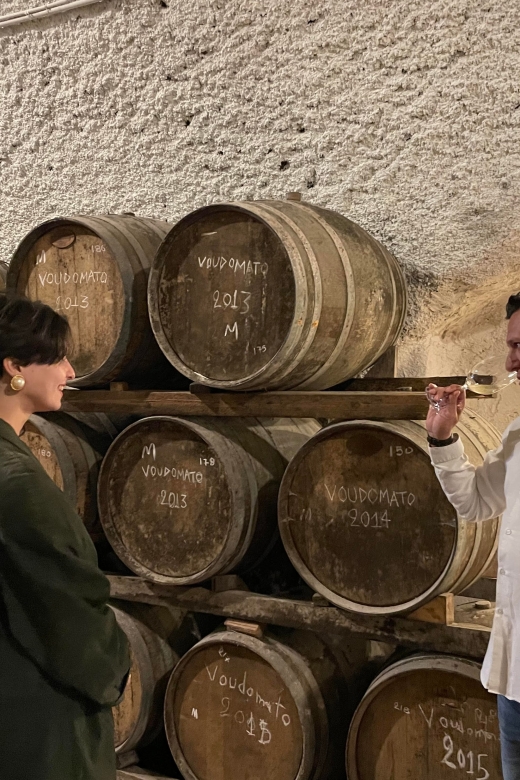
- More than drinking: Cellars, production methods, bottling, maturation, and vineyard practices are part of the experience.
- Scenery comes between the sips: Drives connect wineries across Santorini, with views along the way and options near the caldera, coast, or inland villages.
- Useful pickup coverage: Hotel or nearby meeting-point pickup is available across much of the island, with cruise passengers needing to handle their own cable-car tickets.
Why Santorini wine deserves five hours
Santorini does not produce wine in the usual Mediterranean style. The island’s volcanic ground, limited water, strong winds, and sea air all affect the grapes. The result is a wine culture with a clear local identity, rather than a generic tasting stop added to a sightseeing day.
The best-known grape here is Assyrtiko, a white wine known for high acidity and a firm, mineral character. You will also taste Vinsanto, Santorini’s famed sweet wine, along with other local bottles selected by the sommelier.
That variety matters. Twelve small tastes let you compare how different estates handle similar island conditions. One producer may focus on a crisp, sharply acidic style. Another may use different aging methods or show more fruit and texture. Your guide’s job is to explain those differences without turning the afternoon into a lecture.
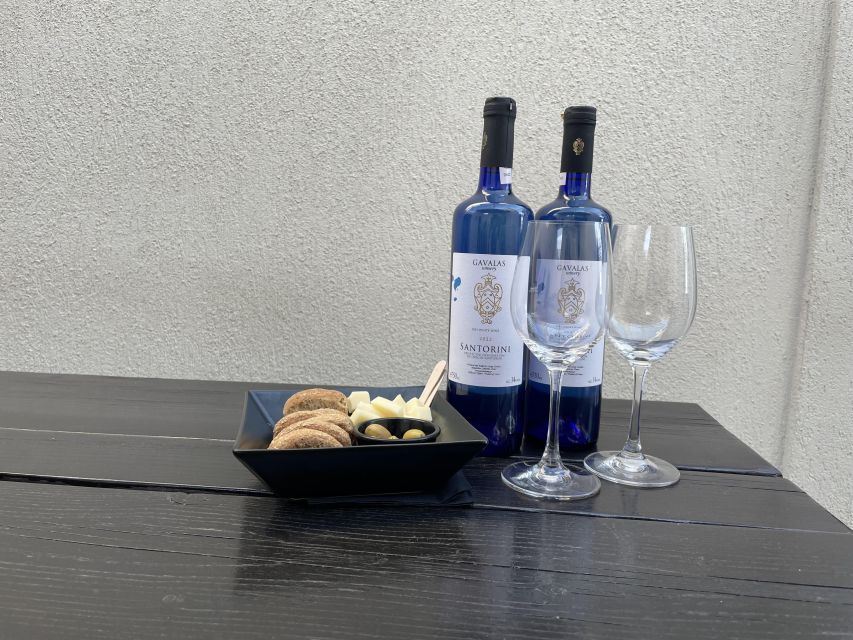
I especially like the fact that the tour includes local cheese and small Cycladic bites. Food gives the wine a setting and helps you understand how these bottles work at the table. It also makes the tasting feel like part of Santorini’s culture, not just a technical exercise.
The tour is private, so your group is not tied to a fixed public tasting rhythm. That is useful if you already know what you like, dislike sweet wines, want to focus on whites, or have a particular interest in organic farming or traditional production.
You can also read our reviews of more private tours in Fira



A private sommelier makes the difference
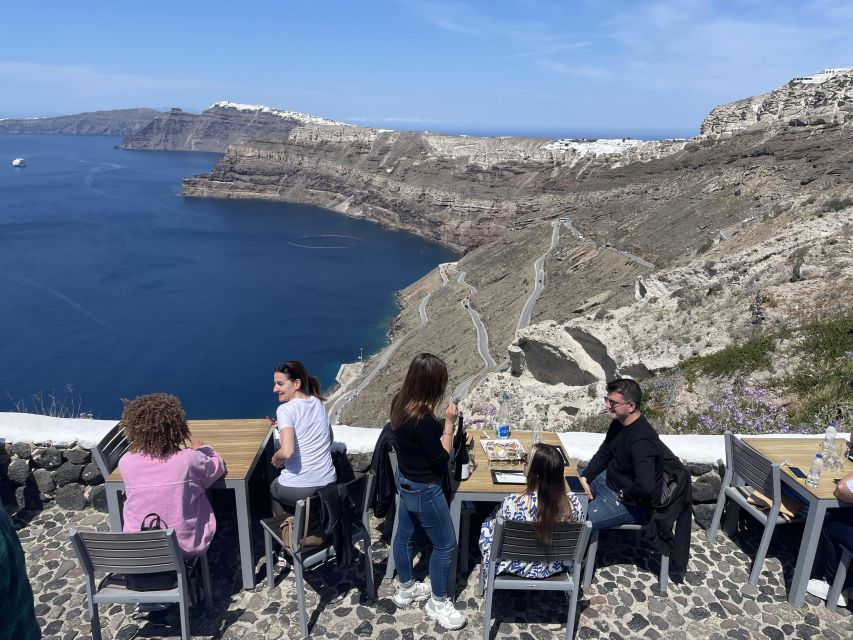
The quality of the guide is central here. Eleftheria has been praised for combining a strong grasp of Santorini’s wine and winemaking past with a friendly, relaxed manner. Yiannis has also received especially strong praise for personal service, prompt planning, wine expertise, and his ability to match estates to a couple’s interests.
That personal planning is one of the tour’s best features. If you have specific winery preferences, you can share them before the day. The final route still depends on opening hours, weather, and availability, but the operator will try to shape the visit around your wishes.
A good sommelier should help you notice more than the basic label information. You can expect explanations about indigenous grape varieties, cultivation on the island, production, bottling, and maturation. At some stops, you may also see the vines themselves, which helps connect the wine in your glass to Santorini’s unusual agricultural conditions.
The private format also gives you room to ask simple questions. You do not need to know wine vocabulary, and you do not need to pretend you can taste every technical note. This is a good setting for beginners, as well as people who already have a serious interest in wine.
Three wineries chosen from Santorini’s best-known estates
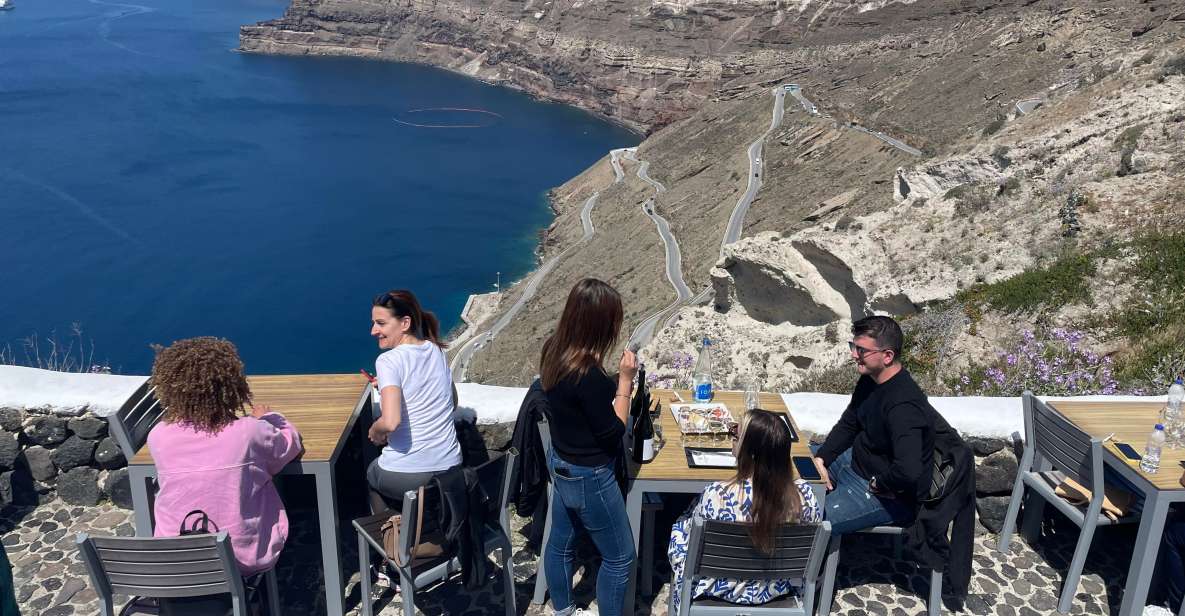
You will visit three wineries during the five-hour outing. The possible estates each offer a different setting and point of view, but the exact combination is not fixed.
Gavalas Winery and generations of local production
Gavalas is a fourth-generation family wine estate. That long connection to Santorini gives the stop a traditional feel, with an emphasis on wines made from the island’s volcanic ground.
A guided visit here can help you see how local wine production has been carried forward through several generations. It is a useful stop if you want family history and established island practice, rather than only a new, high-tech tasting room.
Anhydrous Winery and the effect of rock and sea air
Anhydrous takes its name from the Greek word for without water. The winery points to the island’s dry conditions, volcanic rocks, and sea breeze as key parts of its character.
Its wines are described through smoky mineral notes, strong acidity, and solid structure. If you like crisp whites with a firm edge, this may be one of the more interesting stops on the route. The cellar-door setting also keeps the focus on the wine itself.
You can also read our reviews of more wine tours in Fira


Gaia Wines in a former tomato factory
Gaia sits on the east side of Santorini, on the beach between Kamari and Monolithos. Its stone building once served as a tomato factory, producing aromatic purée from local cherry tomatoes from the early 1900s until the 1970s.
Today the building houses modern winemaking equipment and advanced production facilities. This stop offers a clear contrast with the island’s older family estates. You get the story of a repurposed industrial building, a coastal setting, and a look at contemporary production.
Hatzidakis Winery and organic vineyard work
Hatzidakis was founded in 1997 and now tends 10 hectares of vineyards, with most of them cultivated organically. This gives the visit a strong focus on farming methods and the way the vines cope with Santorini’s conditions.
Choose this type of estate if organic cultivation interests you. The stop can add useful balance to the tasting by showing that Santorini’s wine identity is not only about old family names. It also includes newer producers and careful vineyard management.
Artemis Karamolegos and a mid-century family connection
Artemis Karamolegos traces its roots to 1952 and remains closely tied to Santorini’s volcanic vineyards and winemaking traditions. Its bottles have won prizes in Greek and international competitions, and the winery is now the island’s third-largest by production volume.
This is a good choice if you want to see a producer that combines local roots with a larger modern operation. Its production scale may also help you understand how Santorini wine reaches a wider market without losing its island connection.
Venetsanos Winery above the caldera
Venetsanos sits near the port and looks over Santorini’s caldera. The winery was built in 1947 by the Venetsanos family and became the island’s first industrial winery.
The setting is the main draw here. You get a wine stop with one of the island’s signature views, while the building adds an important chapter to Santorini’s move toward industrial production. It is especially appealing if you want your tasting to include caldera scenery.
Estate Argyros and a large family vineyard holding
Estate Argyros began in 1903, although the family had been making wine for decades before that. It is the largest private vineyard owner on Santorini, with landholdings exceeding 120 hectares and four generations of family investment.
This estate suits people who want a substantial look at Santorini wine production. It combines a long family story with a large vineyard base, making it easier to discuss how the island’s wine industry works at scale.
OENO Π by the sea near Oia
OENO Π is located by the sea in the Kolumbo volcano area near Oia. Its coastal location gives the stop a strong sense of place, especially if your day is built around northern Santorini.
Because only three estates are included, you should not expect to visit every winery listed above. Think of the names as possible choices, not a promise that all seven or eight will be visited. Weather, opening hours, and availability shape the final plan.
What the five-hour route feels like
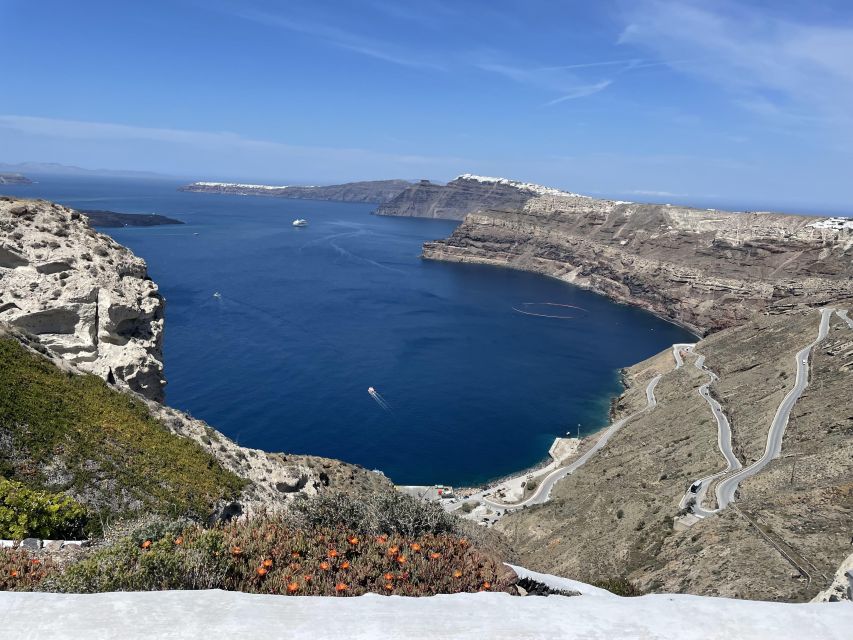
Pickup is available from Thera, Imerovigli, the airport, Megalochori, Pyrgos Kallistis, Akrotiri, Oia, and the port area of Órmos Athiniós. You are then driven between the selected wineries, with scenic views along the way.
The driving is useful because Santorini’s wineries are spread across different parts of the island. You are not stuck trying to coordinate taxis between estates, and you can focus on the tasting rather than navigating.
The schedule allows roughly an hour at each winery. That is enough time for a guided tasting and some explanation, but it is not a slow, all-day vineyard retreat. You should expect a well-paced half-day with three distinct stops.
Hotel drop-off is offered in the same broad areas. Santorini’s steep lanes can make direct access difficult, so your vehicle may stop at the nearest practical meeting point rather than directly outside your accommodation. You will receive the pickup instructions after booking.
Cruise passengers should note one extra cost and task: cable-car tickets are not included. Pickup arrangements may also be more complicated around the port, so allow room in your schedule.
The value of $318 per person
At $318 per person, this is not a bargain wine tasting. You are paying for a private group, a five-hour vehicle-based route, hotel pickup and drop-off, a sommelier, three estate visits, at least 12 tastes, and food pairings.
The price makes more sense if you are traveling as a couple or a small group and want a custom day without joining strangers. It also has value for visitors who would otherwise pay for several taxis, arrange separate winery reservations, and try to understand Santorini wine without a specialist beside them.
The value is weaker if your main goal is simply to sample a few local wines. Many restaurants and individual wineries can offer a cheaper tasting. This tour earns its price through the combination of transport, planning, explanations, private attention, and access to three different producers in one outing.
I would also compare the cost with your other Santorini plans. If you have only one free day, this experience gives you scenery, food, local agriculture, and wine in a single block. If your schedule is already packed with expensive excursions, you may prefer one winery and a relaxed meal instead.
Who should book this tour
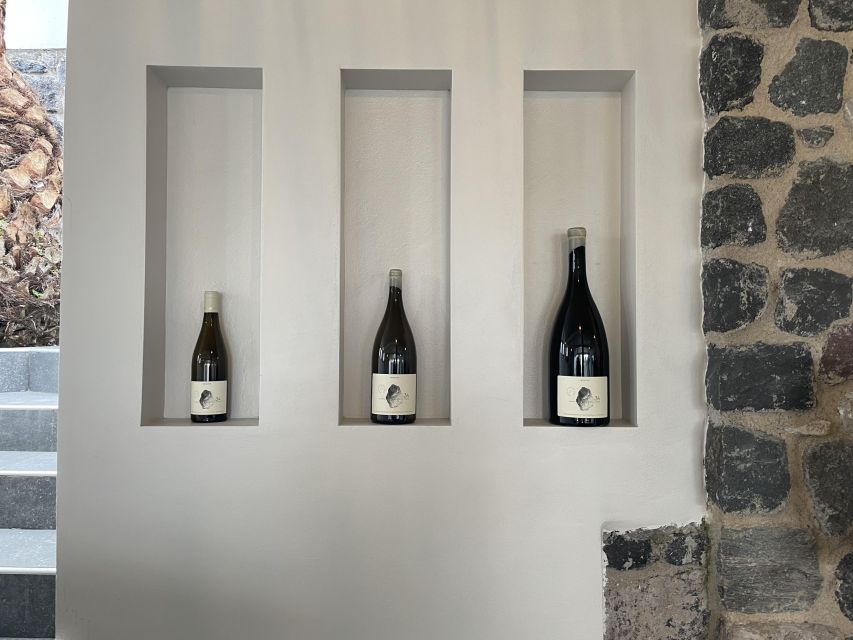
I would recommend it most strongly to wine-curious couples, food lovers, and small groups who want context along with their drinks. Beginners can ask questions without feeling out of place, while experienced wine drinkers can request specific estates or styles.
It is also a good choice if you want to see more of Santorini beyond the famous white villages. The route may take you toward the east coast, inland wine country, the port, or the caldera, depending on the wineries selected.
You may want another activity if you dislike structured tastings, have little interest in wine production, or want a full day of beach time. The tour includes scenery, but the central subject remains wine.
The experience is listed as wheelchair accessible, although Santorini’s steep streets and difficult parking can affect the exact pickup point. Contact the operator with access needs before the day so the meeting arrangement is clear.
Practical tips for a better tasting
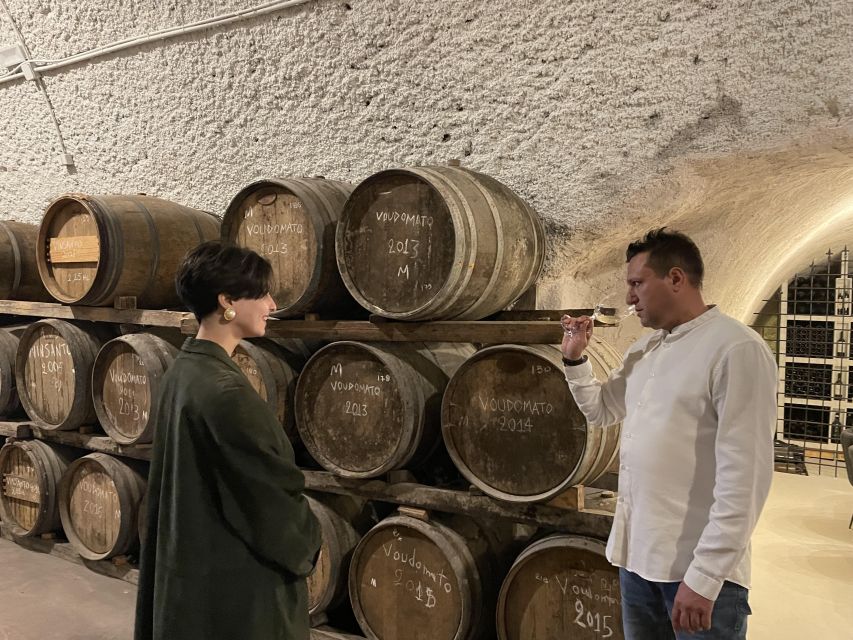
Tell the operator what you like before pickup. The tour can take specific winery requests into account, though no estate is guaranteed. If you prefer dry whites, sweet wines, organic farming, family producers, modern equipment, or caldera views, say so early.
Ask your sommelier to compare the Assyrtiko and Vinsanto rather than treating them as isolated tastes. Those two wines offer very different ways to understand Santorini’s grapes and climate.
Keep the schedule in mind. Three wineries in five hours is a productive pace, not a lingering afternoon at one estate. Eat a sensible breakfast, use the included cheese and local bites, and avoid planning a demanding activity immediately afterward.
If you are staying in a steep lane or pedestrian area, expect a nearby meeting point. Have the written pickup instructions available, especially in Oia, Thera, or near the port.
Free cancellation is available up to 24 hours before the tour, and you can reserve while paying later. That gives you some flexibility while your Santorini plans take shape.
Should you book it?
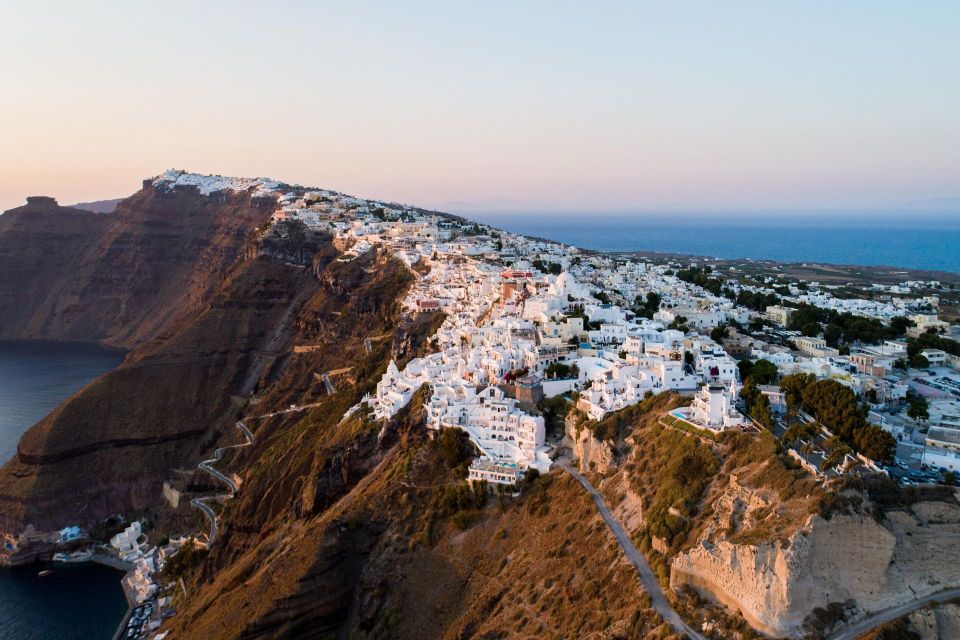
Book this tour if you want Santorini wine explained by a dedicated sommelier, not just poured for you. The strongest reasons are the private format, the chance to visit three different estates, the 12-plus tastes, and the guide’s ability to adjust the experience around your preferences.
I would be more cautious if $318 feels high for a half-day or if wine is only a minor interest. In that case, choose one winery on your own and spend the savings on a good meal.
For a couple marking a special day, or for anyone who wants an authentic look at Santorini’s volcanic wine culture with transport handled, this is a strong splurge. Ask for the wineries that best match your interests, and treat the final route as flexible.
FAQ
How long does the Santorini wine tour last?
The tour lasts five hours, including pickup, travel between wineries, tastings, and drop-off.
How many wineries will I visit?
You will visit three estate wineries. The final selection depends on availability, weather, opening hours, and your stated preferences.
How many wines will I taste?
The tour includes at least 12 wine tastes, including Santorini varieties such as Assyrtiko and Vinsanto.
Is food included with the wine tasting?
Yes. Wine is paired with Cycladic cheese and local bites.
Is hotel pickup included?
Yes. Pickup and drop-off from your hotel or the nearest practical meeting point are included in the listed Santorini service areas.
Can I request a specific winery?
Yes. You can share winery preferences, and the operator will try to arrange them. The request depends on availability and other operating conditions.
Is the tour private?
Yes. It is offered as a private group experience with an English-speaking sommelier or wine expert.
Are cable-car tickets included for cruise passengers?
No. Cruise ship passengers must pay separately for cable-car tickets.