REVIEW · CHANIA
The 7 Villages of Apokoronas Tour – Explore East Chania Mainland
Book on Viator →Operated by GS TOURS CHANIA LTD · Bookable on Viator
Chania’s countryside has a built-in taste test. This 7 Villages of Apokoronas day moves through working villages like Stilos, Vrises, Emprosneros, and Fres, with a local guide who explains what you’re eating and why it matters. You’ll do coffee at a traditional kafenio, sample cheeses like Graviera, and end with lunch that feels more local stop than sightseeing checkbox.
What I like most is the small-group feel (max 20) paired with real village visits, not just quick photo stops. Second, the day is food-forward in a good way: tastings (cheese, olive oil on warm bread, cookies and biscuits) plus lunch are included, so you’re not constantly calculating extra costs.
One thing to consider: the transport can feel tight if the group is full, and some seats may offer less comfortable viewing. If you’re picky about legroom or prefer a window seat, it’s worth requesting the best option at check-in.
In This Review
- Key highlights worth planning around
- East Chania village time feels slower, in the best way
- Pickup in Chania: convenient, but only for the right area
- The 8:00 am start and how the day usually flows
- Stilos kafenio coffee: a gentle start that sets the tone
- Vrises views plus cheese tastings: the star block of the tour
- Emprosneros bakery bites and olive oil tasting: the snacky intermission
- Fres lunch in a traditional kafeneio: the payoff meal
- Guides: the difference between seeing villages and understanding them
- Transport comfort: air-conditioned minivan is good, but seats matter
- What you should bring (and what you can skip)
- Value check: $139.13 for food, guide time, and pickup
- Who should book the 7 Villages of Apokoronas Tour
- Should you book? My straightforward call
- FAQ
- What time does the tour start, and how long is it?
- Is lunch included?
- Are there vegetarian options?
- Do I need to pay for admission tickets at the stops?
- Where does hotel pickup work?
- How big are the groups?
Key highlights worth planning around
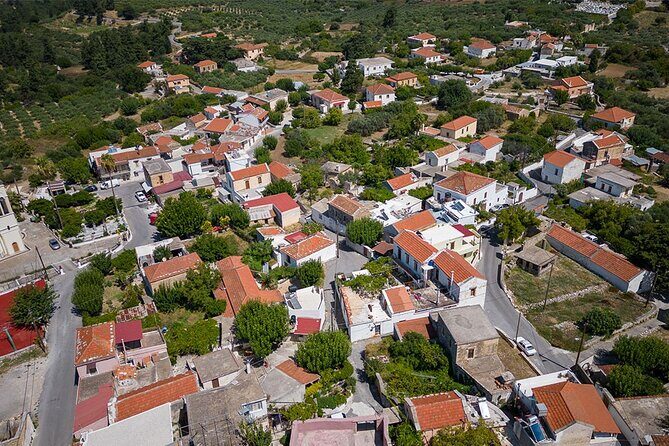
- Food is the schedule: coffee, cheese tastings, olive-oil/bakery bites, then lunch
- Real names, real guides: guides like Yannis, Nikos, Yanis, Andres, and Alex are known for lively, practical storytelling
- Multiple tasting stops: you try cheese varieties such as Mizithra and Anthotiros
- Pickup is Chania-region only: you’ll need to start in Chania city center if you’re outside the pickup zone
- Short on waiting, long on eating: most stops are about an hour or 90 minutes, with time to relax and wander a bit
East Chania village time feels slower, in the best way
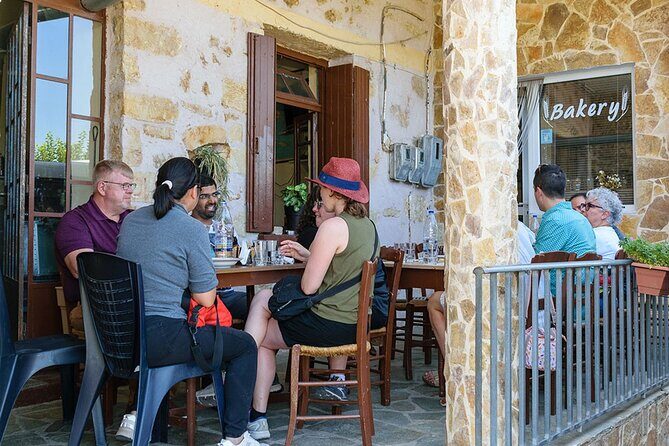
The Apokoronas region isn’t trying to impress you with big monuments. It runs on smaller rhythms: a coffee break here, a cheese shop conversation there, a bakery where someone is rolling dough while you watch. That’s why this tour works. You’re not racing from one postcard to the next—you’re learning how a place actually functions.
What makes it especially good in East Chania is that it mixes “see it” with “taste it.” When you stop in Stilos for a traditional kafenio coffee, you’re not just drinking caffeine. You’re stepping into the local social habit that still drives daily village life.
And yes, the food part is a highlight. You’re guided through tastings that explain Cretan staples like cheese-making and olive oil basics, rather than treating them like random free samples.
You can also read our reviews of more tours and experiences in Chania.
Pickup in Chania: convenient, but only for the right area
This tour includes hotel pickup and drop-off in the Chania region. If you’re staying in other areas of Crete—Rethimnon, Heraklion, or Lasithi—pickup is not included, and you’d need to drive yourself to meet the group in Chania city center.
That detail matters more than you’d think. If you’re deciding between multiple day trips, getting picked up can save time and hassle—especially when you’re trying to enjoy your morning instead of parking, finding the right meeting corner, then showing up stressed.
Practical tip: before you book, double-check your exact pickup area. This is one of those “small admin details” that can become a big day-planner issue.
The 8:00 am start and how the day usually flows
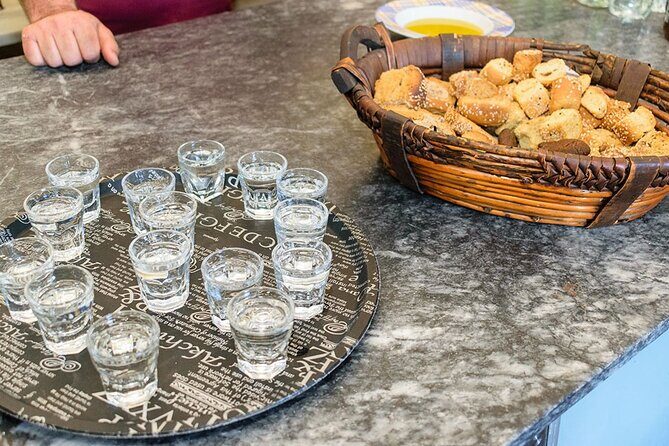
The tour starts at 8:00 am and runs about 6 hours. It ends back at the meeting point. The route is built around several stops, each with a decent amount of time—often about an hour, plus longer blocks for tastings and lunch.
That timing is ideal if you want countryside without losing your whole day to a bus schedule. It also helps with the food strategy: you’ll have built-in chances to eat, then you’re done early enough to enjoy the evening at your own pace.
If you’re prone to morning hunger, I’d still plan to follow the day as designed. One of the most repeated practical bits from guide talk is simply: go in ready to eat, because the day keeps feeding you.
Stilos kafenio coffee: a gentle start that sets the tone
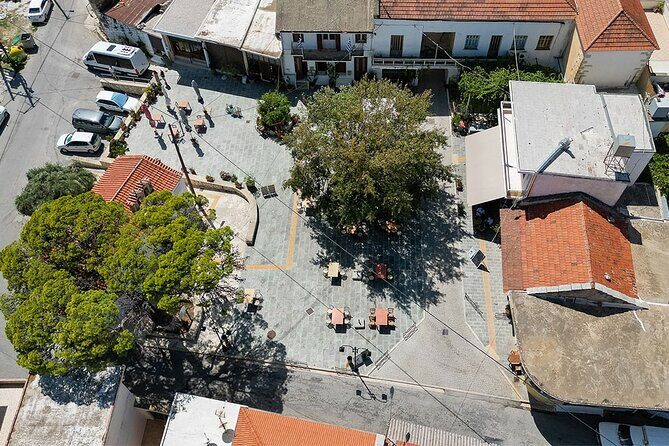
The first stop is Stilos, where you’ll have coffee at a traditional kafenio. It’s a short, relaxed entry point, and it works like a warm-up act for the rest of the day.
Here’s what to watch for: a good local guide uses this kind of stop to talk about everyday Cretan life—how villages socialize, what people grow, and why certain foods show up again and again. Even if you’re not looking for a history lecture, coffee in a working village gives context fast.
For you, this is the difference between visiting a place and understanding it for ten minutes longer than a drive-by photo.
Vrises views plus cheese tastings: the star block of the tour
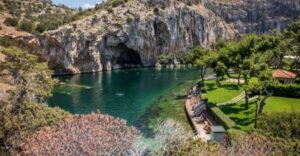
Next comes Vrises, starting with time to see the village and enjoy the scenery. The area is known for greenery and water views, and it’s one of those stops where you can slow down and let your eyes do the work.
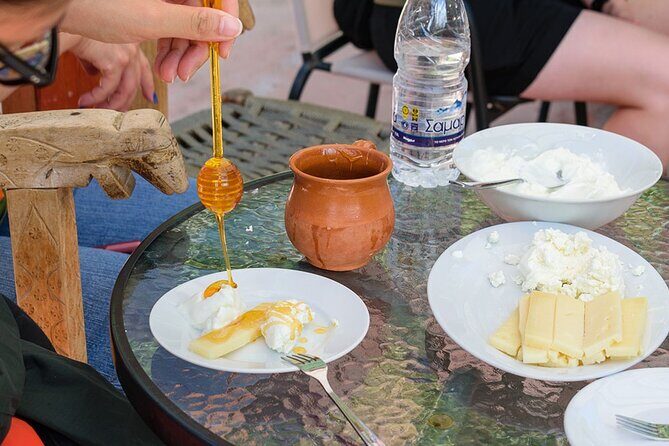
Then the schedule turns into the main event: a visit connected to cheese production and tasting. You’ll sample local varieties including Graviera, Mizithra, and Anthotiros. This is where the guide’s role matters. Cheese tastings land better when you understand what you’re tasting—texture, salt level, how it’s made, and how it fits into local meals.
A practical way to enjoy this stop: keep your palate in check. Taste, pause, and then go back for a second try when you have a moment to notice differences. If you rush, you’ll miss the small shifts between cheeses.
Admission fees at these stops are listed as free, and the tastings are included. So you can treat it like a sampling tour where the cost is already handled.




Emprosneros bakery bites and olive oil tasting: the snacky intermission
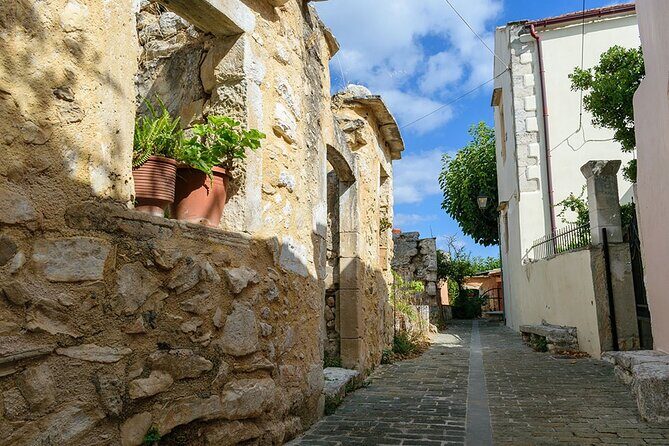
After cheese, you’ll shift to Emprosneros, where the tour focuses on olive oil and bakery treats. You’ll taste olive oil on warm bread, and you’ll also try cookies and Cretan biscuits from a local bakery.
This block is a smart balance. Cheese is salty and rich; olive oil and baked goods are a different flavor lane—fruity, sometimes peppery, often served in a way that feels simple but satisfying. It also helps keep the day moving, because you’re not stuck on one food topic for too long.
Look for the practical education: in Cretan food culture, olive oil isn’t a condiment—it’s a baseline. When you taste it properly, it explains why so much local cuisine starts from “good oil + good ingredients.”
If you’re the kind of person who likes food notes, this is the stop where you’ll likely remember flavors rather than just places.
Fres lunch in a traditional kafeneio: the payoff meal
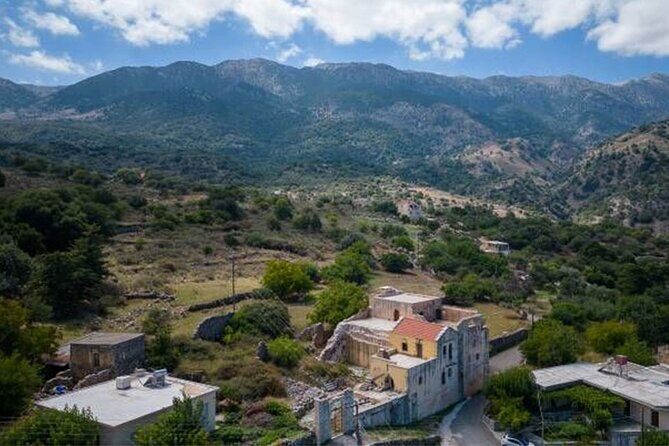
The day ends with lunch in Fres, at a traditional kafeneio. This is the moment when everything earlier makes sense. You’ve tasted cheeses, learned a bit about how local shops operate, and now you’re eating a proper meal with the same village-living vibe.
A recurring theme in the feedback is that the day gives you plenty of food, so you should show up hungry rather than trying to “save room later.” Lunch is included, and it’s part of the tour value—not an optional extra.
One note to keep expectations realistic: even with a planned lunch, quality can vary by the day and the restaurant setup. The overall direction is consistently positive, but if you’re very specific about cuisine, go in open-minded. This isn’t haute dining; it’s village tavern energy.
Guides: the difference between seeing villages and understanding them
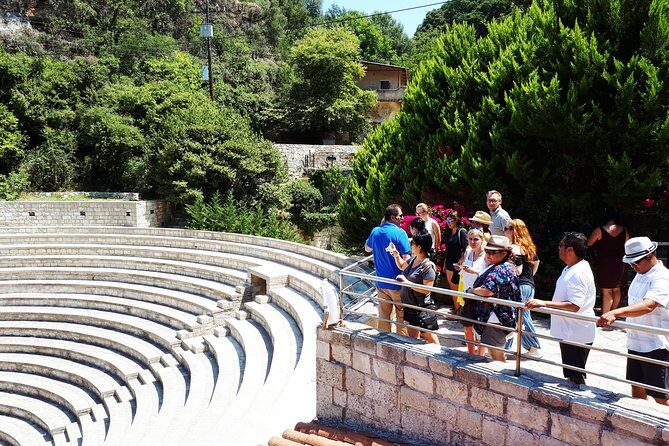
This tour leans hard on the guide experience. Many days are led by drivers/guide personalities who bring humor and clear local stories. Names that come up again and again include Yannis, Nikos, Yanis, Andres, Thanasis, and Alex.
What you’re looking for in a good guide here is practical storytelling:
- pointing out plants and herbs that show up in local cooking
- explaining agriculture and daily village life in plain terms
- making sure the group feels cared for, especially on a food-heavy day
Some guides also add short walks and extra nature-and-geology stories when the timing works, like riverside stroll moments or surprising history facts tied to the mountains. You won’t control that piece, but the best guides make it feel like it fits the day rather than distracting from it.
If you end up with someone chatty and energetic, you’ll probably feel like the countryside makes more sense by the time you’re back in Chania.
Transport comfort: air-conditioned minivan is good, but seats matter
You’ll ride in an air-conditioned minivan. That’s the baseline you want in Crete, especially in warm months.
Still, here’s the honest caution: when a small-group tour is full, minivans can feel tight, particularly if you’re in the back seats. One review specifically flagged cramped seating and reduced comfort for window viewing. So if you’re tall, sensitive to legroom, or you really want the best view, try to request a better seat position when possible.
It’s not a dealbreaker for most people—it’s simply good planning. The tour is short enough that mild discomfort won’t ruin it, but if you hate being cramped, this is worth thinking about early.
What you should bring (and what you can skip)
Because the tour includes coffee tastings, cheese tastings, olive oil/bakery bites, and lunch, you don’t need much food planning. You also don’t need to bring tickets; it’s a mobile ticket and everything is included.
What I’d bring:
- comfortable walking shoes (you may do some easy wandering around villages)
- a light layer (mornings can feel cooler than you expect)
- a reusable water bottle if you like having your own, though the tour runs with scheduled stops
What you can likely skip:
- any entrance-fee planning—listed admissions are free for the stops
- a big packed lunch—seriously, you’ll eat enough without it
Also, note the minimum drinking age is 18. If tastings include any alcohol (not specifically stated), the age rule is in place.
Value check: $139.13 for food, guide time, and pickup
At $139.13 per person, you’re paying for a package: transport, a driver/guide, hotel pickup/drop-off (in the Chania region), lunch, and multiple tastings.
That price makes sense when you think about what’s included:
- you get a guide for several hours, not just a quick transfer
- you avoid driving and parking in small village areas
- your food costs are covered, including the tastings that many independent travelers end up paying for anyway
Where the value question gets personal is comfort and expectations. If you’re hoping for a relaxed, spacious ride, you may feel more impacted by seat crowding than someone else. If you’re focused on the food and local village feel, it’s a strong day-trip value.
Who should book the 7 Villages of Apokoronas Tour
I’d especially recommend this if you:
- want countryside without the stress of driving
- like food-focused travel that teaches as it feeds you
- enjoy small groups where your guide can keep track of everyone
- are staying in Chania and want a “half-day to full-day” style adventure that ends early enough for dinner plans
I’d think twice if:
- you’re very sensitive to cramped vehicle seating
- you require a very specific list of exact sights beyond village stops and the named food production/bakery experiences
Should you book? My straightforward call
If you want a morning-to-lunch countryside day that’s built around local food and explained by guides like Yannis, Nikos, Yanis, Andres, and Alex, this tour is an easy yes. It’s one of those experiences where the value isn’t just the final meal—it’s how much context you get while you’re eating.
Book it if you’re in the Chania pickup zone and you’re happy to spend the day tasting and learning in small villages like Stilos, Vrises, Emprosneros, and Fres. Just do one small homework step first: confirm your pickup area, because the tour is not designed around pickups outside Chania.
If your schedule is tight and you only have one shot at East Chania villages, this is a solid way to spend it.
FAQ
What time does the tour start, and how long is it?
The tour starts at 8:00 am and runs for about 6 hours (approx.). It ends back at the meeting point.
Is lunch included?
Yes. Lunch is included, along with all tastings and the driver/guide service.
Are there vegetarian options?
Yes. A vegetarian option is available—make sure you advise at the time of booking.
Do I need to pay for admission tickets at the stops?
No. The stops listed include admission tickets as free, and the tour includes all taxes, fees, and handling charges.
Where does hotel pickup work?
Pickup and drop-off are included only for the Chania region. If you’re staying outside that area, you would need to drive yourself to meet the group in Chania city center.
How big are the groups?
The tour has a maximum of 20 travelers.